Full Article
about Villafranca
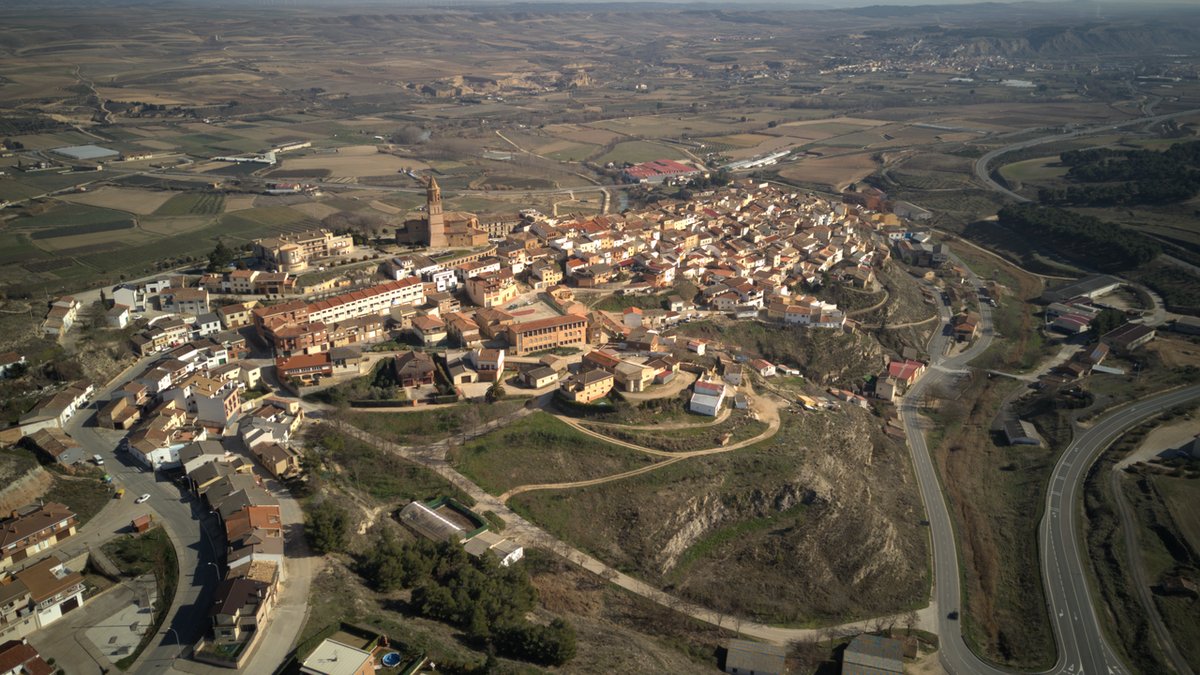
Baroque town with striking brick palaces, set between the Aragón River and the Bardenas.
Ocultar artículo Leer artículo completo
Morning in the Ribera
At 291 metres above sea level, Villafranca sits low enough for apricot trees to flourish yet high enough that Atlantic storms sweep across the Ebro valley and break against the southern skyline. The result is air that smells of wet earth and blossom in April, dust and river reeds by late July. Most travellers arrive on muscle memory rather than impulse: the yellow arrows of the Camino Francés point straight through Plaza Mayor, and half the café tables belong to boots that have walked from Roncesvalles.
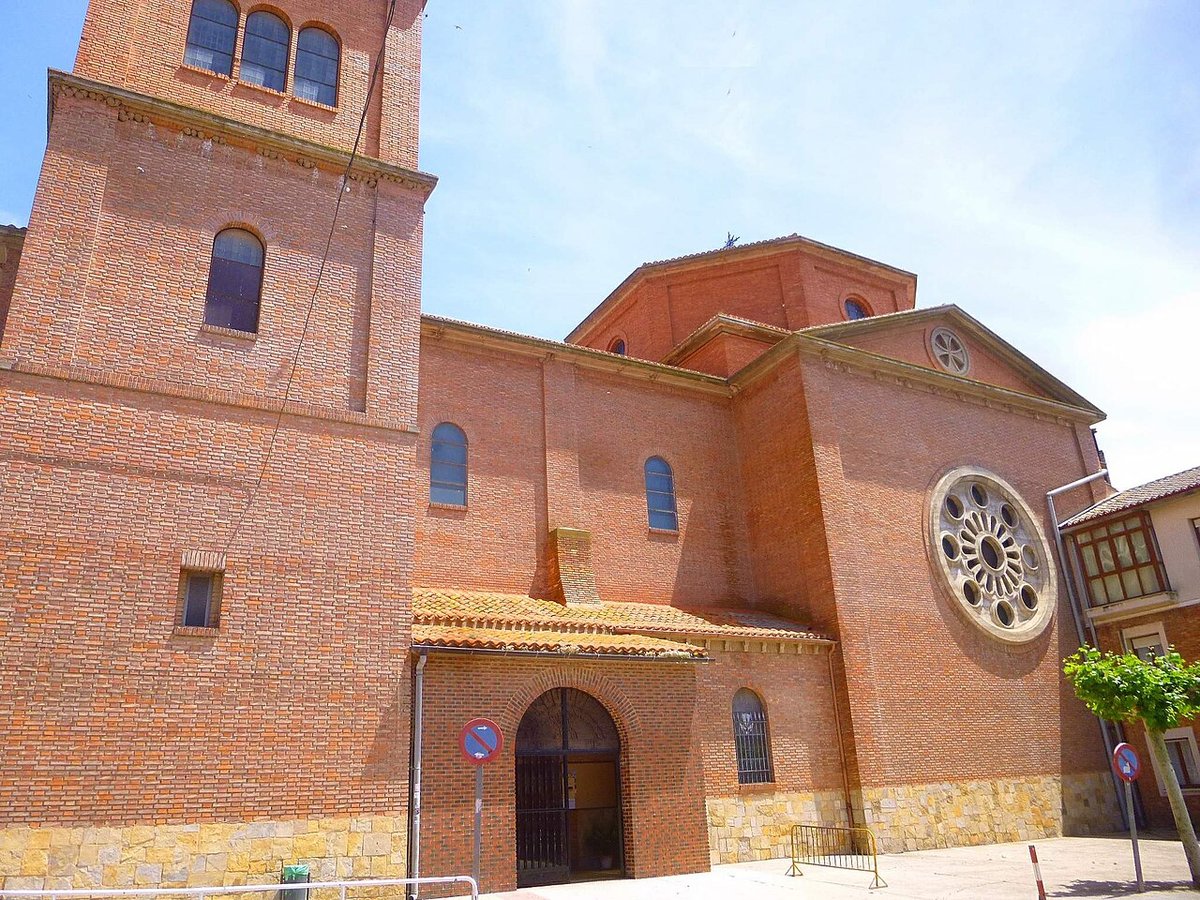
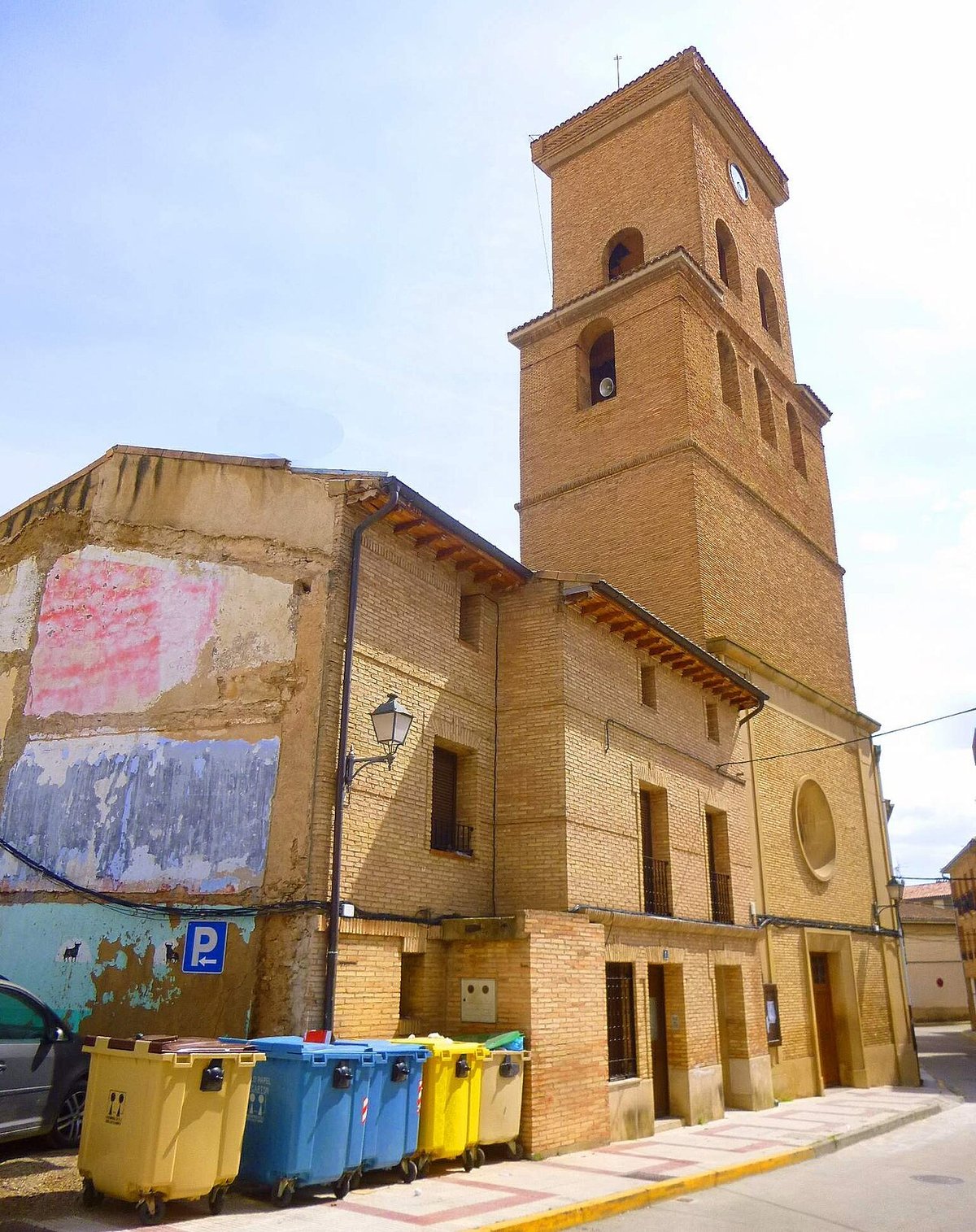
The church bell strikes nine. House martins flick between the baroque tower of Nuestra Señora de la Asunción and the stone balconies of Calle Mayor, where carved coats of arms still advertise the wool merchants who bankrolled the town in the seventeenth century. Inside, the Renaissance altarpiece gleams with newly restored gilt; admission is free, but the door stays locked until the sacristan finishes his coffee across the square. Wait five minutes and you’ll have the nave to yourself – unless a German pilgrim tour barges in, guidebook raised like a GPS unit.
A Town that Fits in Two Grid Squares
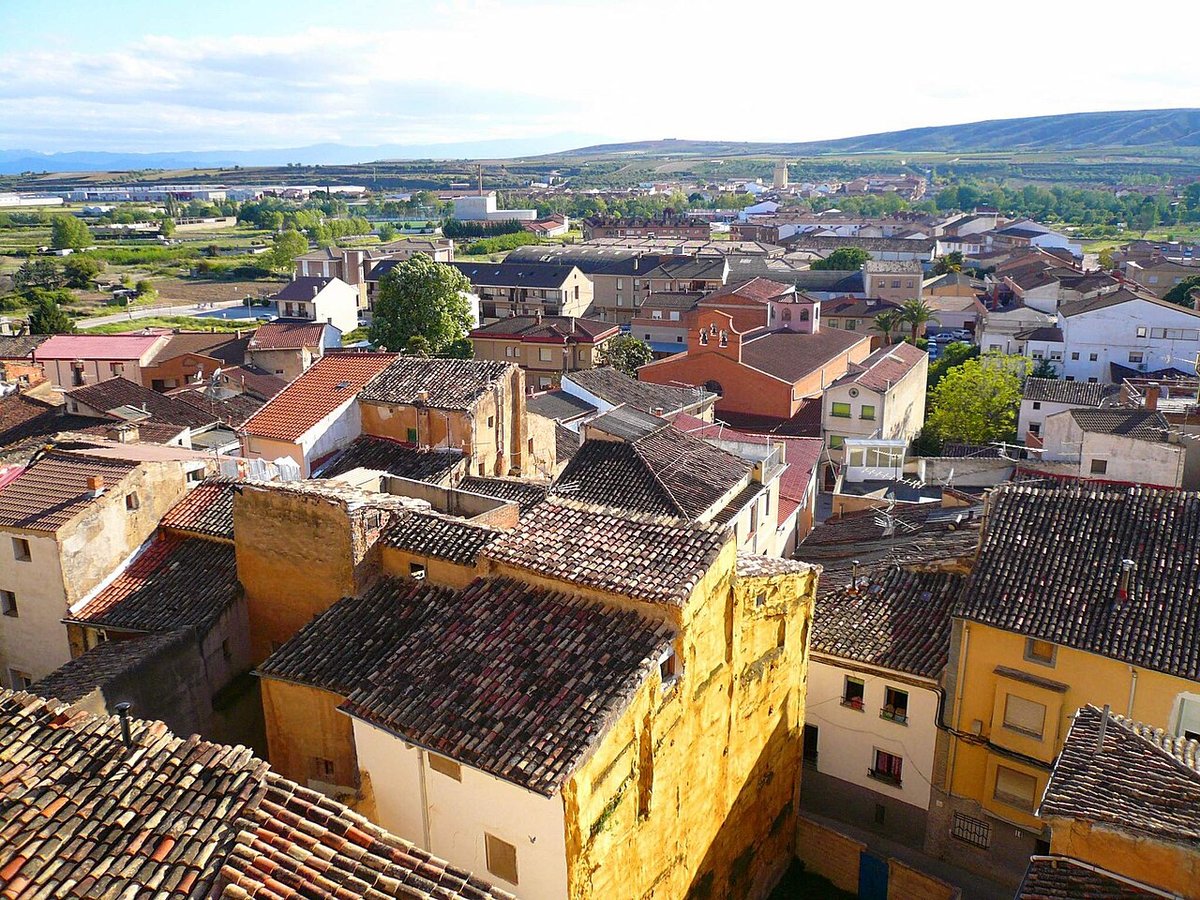
Villafranca is mappable on the back of a postcard. From the medieval gate by the post office to the river path takes six minutes at British strolling speed, eight if you stop to read the ceramic plaques that list Civil War casualties street by street. The old walls survive only as a grassy ridge behind the primary school; children use the moat for BMX jumps.
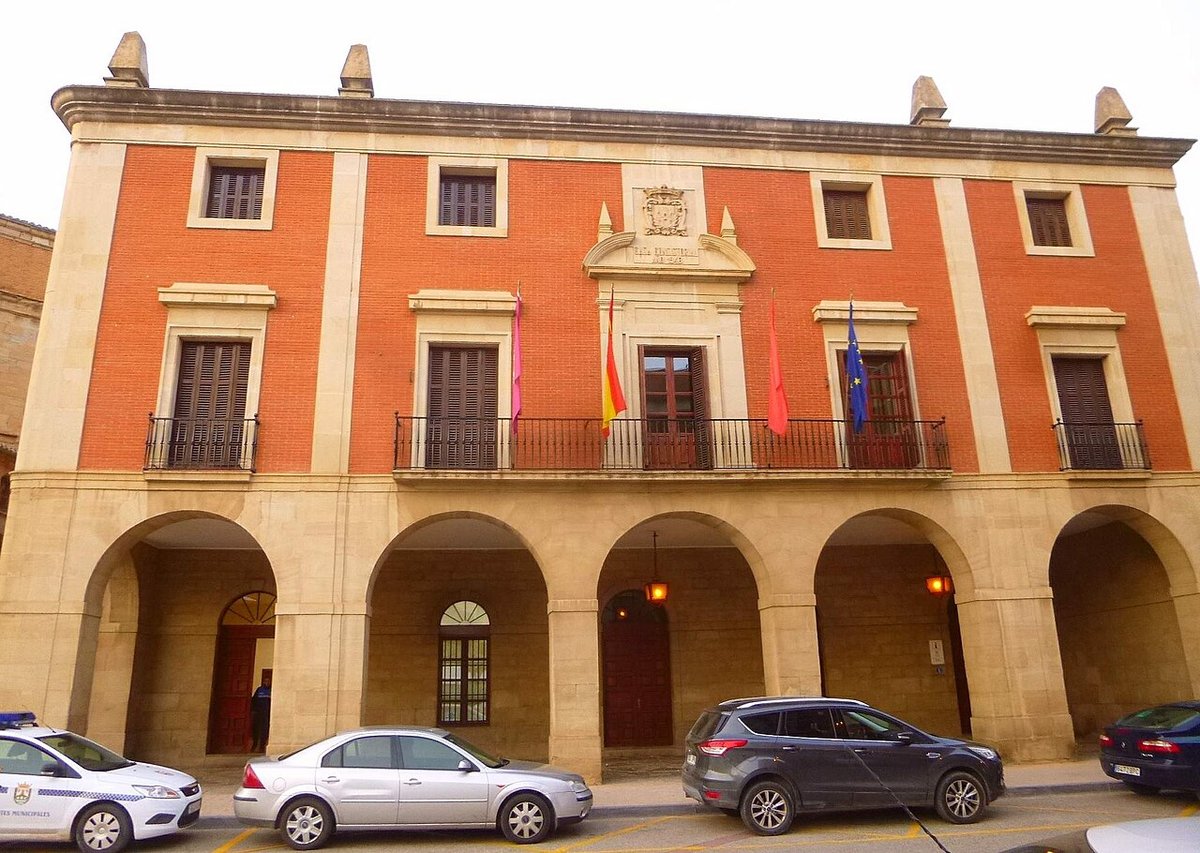
Head north and the streets narrow into a lattice of shadowed alleys where geraniums drip from wrought-iron rails. Most façades are the colour of toasted almonds, their stone window frames softened by centuries of knife-sharp northerly wind. One mansion has a seventeenth-century drainpipe carved with a mermaid; another displays a satellite dish bolted straight through a Gothic arch. The architectural conversation between past and present is refreshingly blunt – no heritage committee has tidied it into theme-park perfection.
Riverside and Field Edge
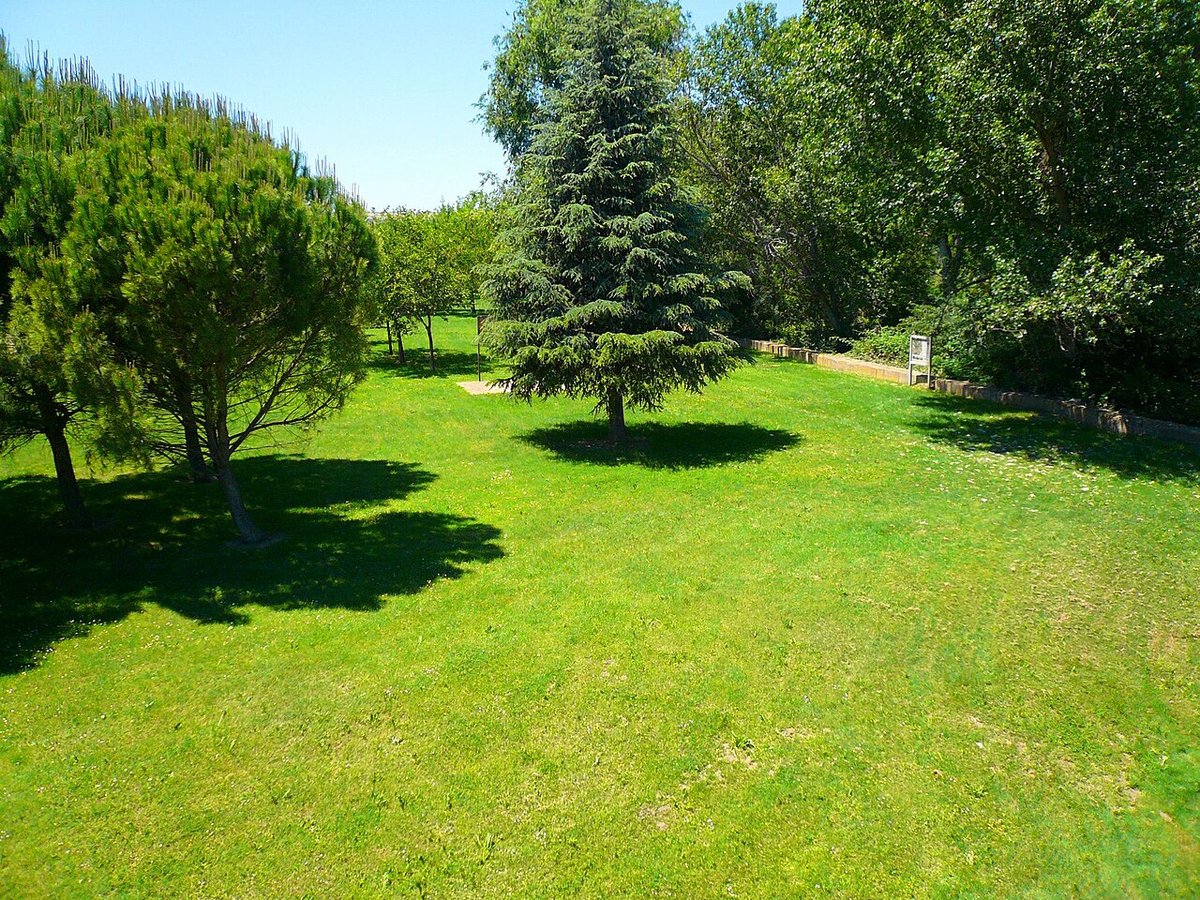
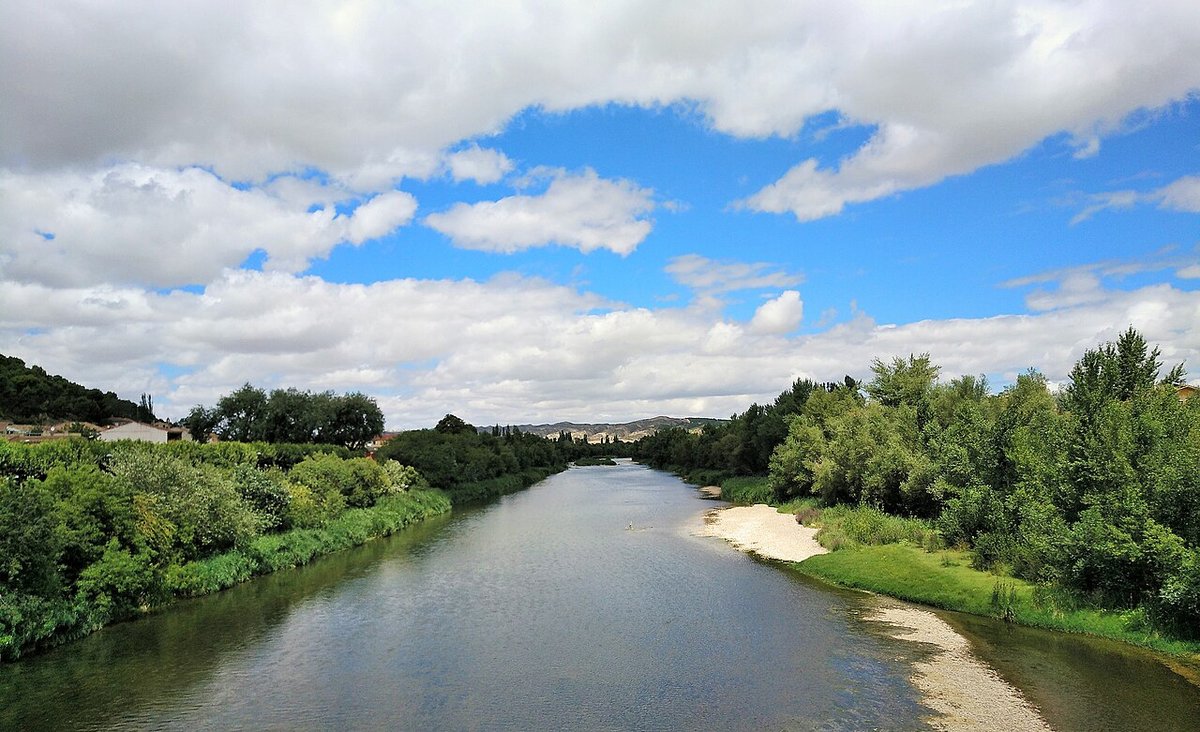
Two hundred metres south of the square the tarmac gives way to a dirt track that smells of wild fennel and cow manure. This is the Arga, not the Thames: the water runs fast and brown in March, lazy and green by September. Kingfishers stitch the surface at eye level; crayfish hides under flat stones if you care to lift them.
A 40-minute circuit follows the riverbank, crosses a plank footbridge, and returns through vineyards planted with the red grape Tempranillo. The path is level, but the sun is unfiltered: bring water, not just an opinion about the weather. In October the vines flame scarlet against black soil; in January the same fields lie under a frosting that would make a Kentish gardener reach for the anti-freeze. Snow is rare, yet night temperatures can dip to –4 °C, cold enough for the municipal fountain to ice over and for the Camino hostel to leave its outer tap dripping so the pipes don’t burst.
Pilgrim Economics
Villafranca never bargained on becoming a way-station; it happened by cartographic accident. The Camino slips off the hills of northern Navarra and needs a flat spot before the slog up to Puente la Reina, and Villafranca’s grain stores were already here. Today roughly 450 walkers stamp credentials daily in peak May, filling the 36-bed albergue by mid-afternoon and the two private hostels soon after.
That influx keeps three modest restaurants alive, plus a fourth that opens only when the hospitalero phones ahead. Menu-del-día is €12: lentil soup thick enough to stand a spoon, followed by trout dredged in almonds and a glass of young white Navarra wine that tastes of green apples. Vegetarians must specify “sin chorizo” or the lentils arrive speckled with paprika sausage that could floor a vegetarian from Brighton.
Cash-only still rules. The nearest 24-hour ATM is opposite the church; when it swallowed a Yorkshireman’s Monzo card last spring, the local police directed him to Tudela, 20 minutes away by twice-daily bus. He hitched instead – the first car stopped, driven by a retired shepherd who spoke only Basque Spanish and the international language of commiseration.
When the Festival Drum Starts
Festivity here is measured in decibels and litres. The week around 15 August merges the religious Feast of the Assumption with bull-running that would make Pamplona blush. Temporary fencing squeezes the main street into a 300-metre funnel; at 7 a.m. sharp, two heifers charge uphill while teenagers sprint for the stone cross. No one pretends it’s art; it’s local adolescence testing velocity against horn length.
Visitors are welcome to watch from behind the rails, but leave the GoPro heroics at home – insurance adjusters in Navarra have heard every London accent already. Evening entertainment is gentler: brass bands in the square, toddlers chasing balloons, grandparents dancing the pasodoble until the generator powering the fairy lights finally coughs into silence around 2 a.m. Earplugs recommended if your hotel room faces Plaza Mayor; spontaneity has no volume control.
Getting There, Getting Out
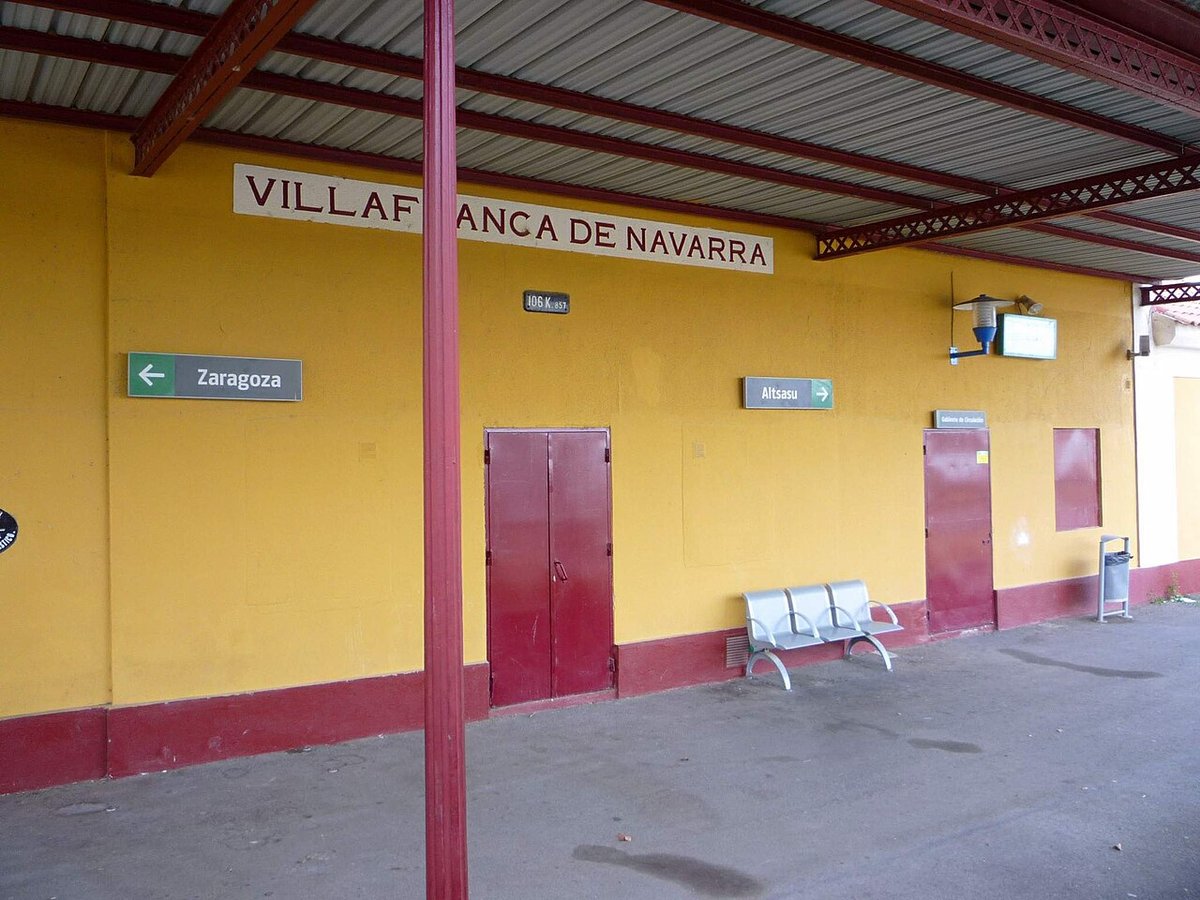
Public transport is doable but demands patience. The regional train from Tudela trundles in twice daily: 07:43 and 18:15, €4.05, journey 20 minutes. From Pamplona you must change at Tudela, turning a 50-kilometre dash into a two-hour commitment. Drivers should leave the A-15 at exit 96, follow the NA-6110 for 12 kilometres, and park where the pavement turns to cobbles – free, unsigned, and rarely full.
Winter access is reliable; the road is gritted even when television shows snow blocking the Pyrenean passes. Summer, by contrast, can feel like walking through someone’s greenhouse. Plan heavy exercise for before 11 a.m. or after 5 p.m.; siesta is not a tourist cliché but a survival mechanism. If the mercury nudges 38 °C, the river pool under the willows becomes the coolest living room in town – swimwear optional, dignity advisable.
Worth Knowing, Worth Ignoring
You can “do” Villafranca in two hours, but that misses the point. The pleasure lies in cadence: the way shopkeepers greet customers by first name, the fact that dogs are welcomed under café tables without the theatrical water bowl performance of a British gastropub.
Don’t confuse this village with Villafranca del Bierzo in Castilla y León, 400 kilometres west and a day’s confusion for more than one mis-directed pilgrim. Sunday shutdown is absolute: the single garage on the N-121 sells only diesel, crisps, and contraband tobacco – plan breakfast before Saturday midnight. Finally, adjust monument expectations downward. There is no equivalent to Granada’s Alhambra; the reward is conversation, not conquest.
An Honest Goodbye
Stay a night and you’ll leave with clean lungs and slightly cleaner boots. Stay an hour and you’ll tick the church, the river, the almond-walled square, and wonder what else you missed. The answer is probably nothing – and that, for a town that survives on the simple arithmetic of kilometres and calories, is exactly enough.