Full Article
about Arguedas
Gateway to the Bardenas Reales; known for its cave-houses and unique semi-desert setting.
Hide article Read full article
Arguedas, el pueblo que vive en dos mundos
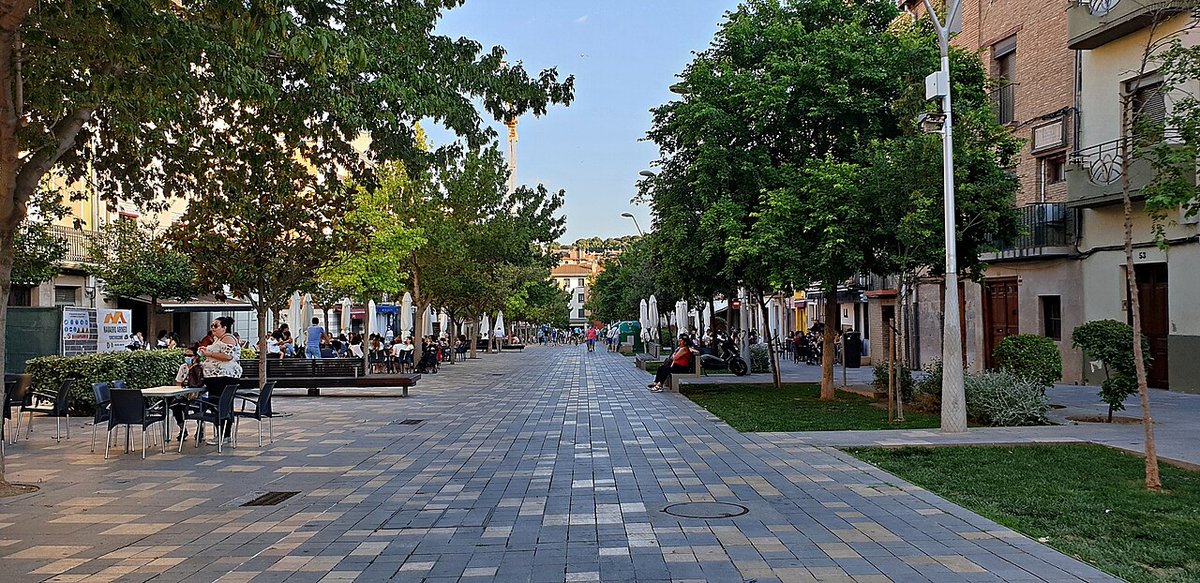
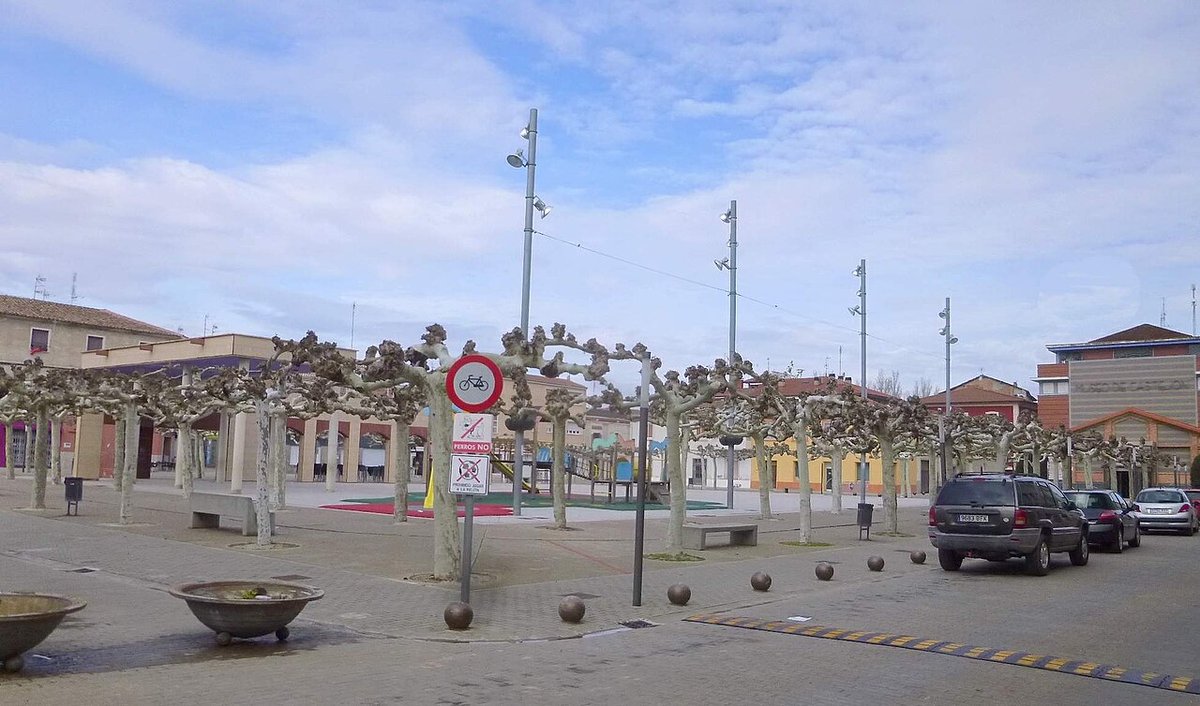
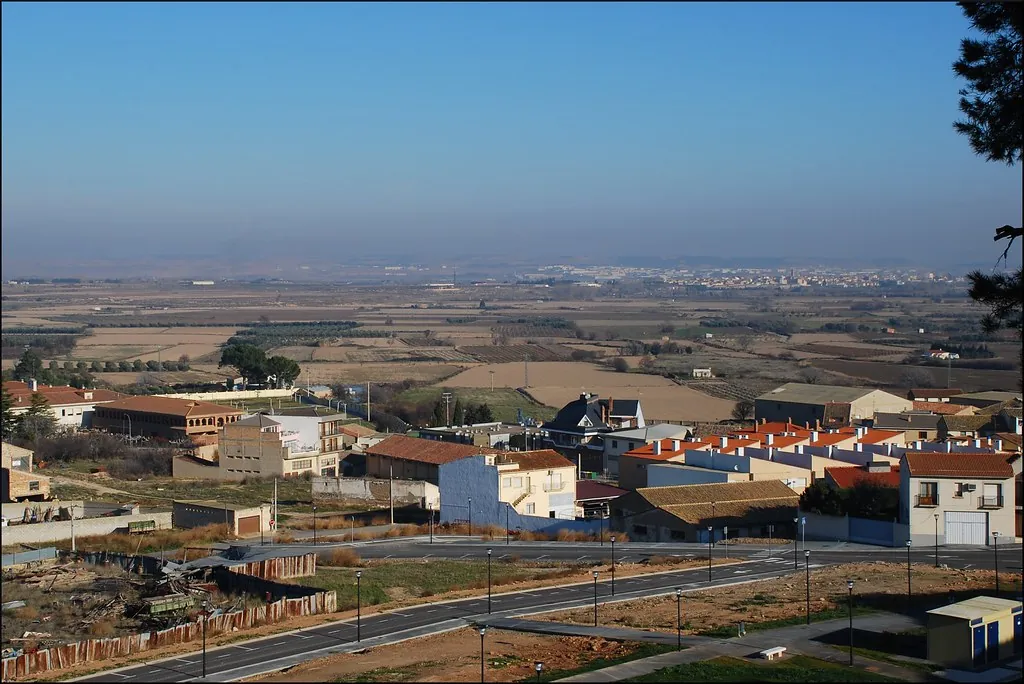
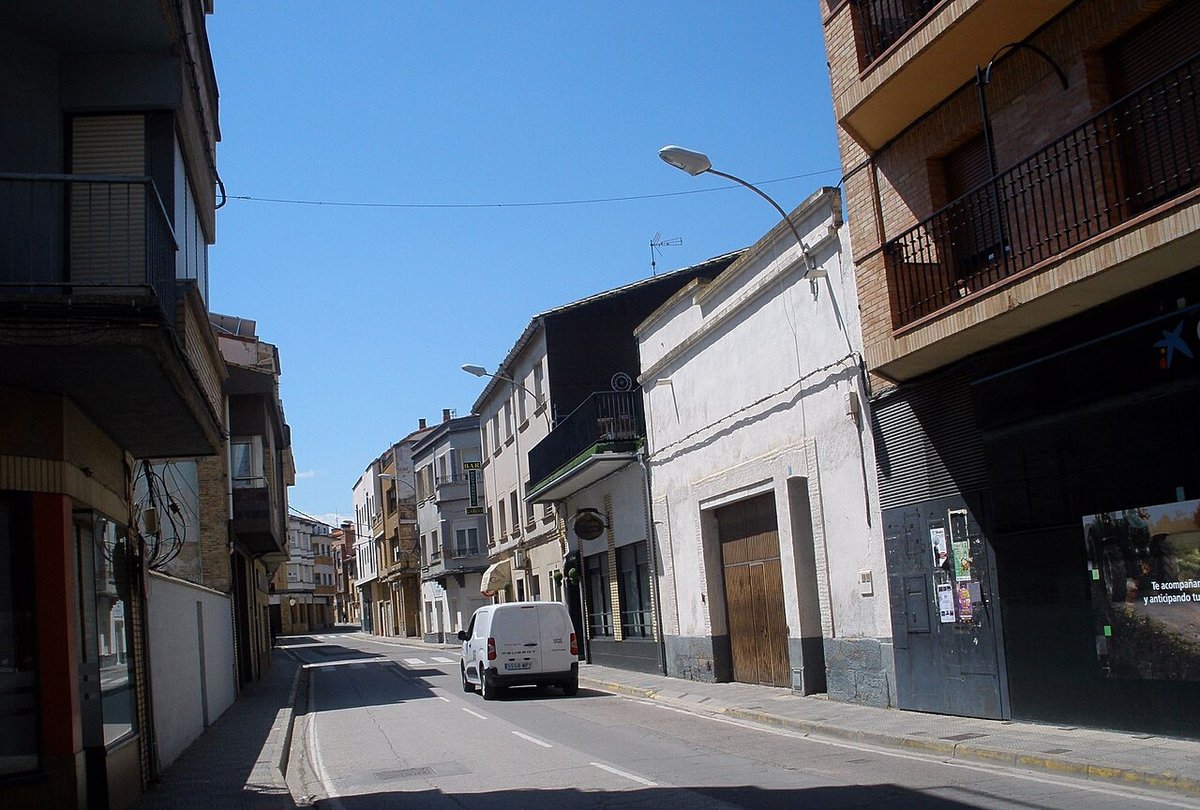
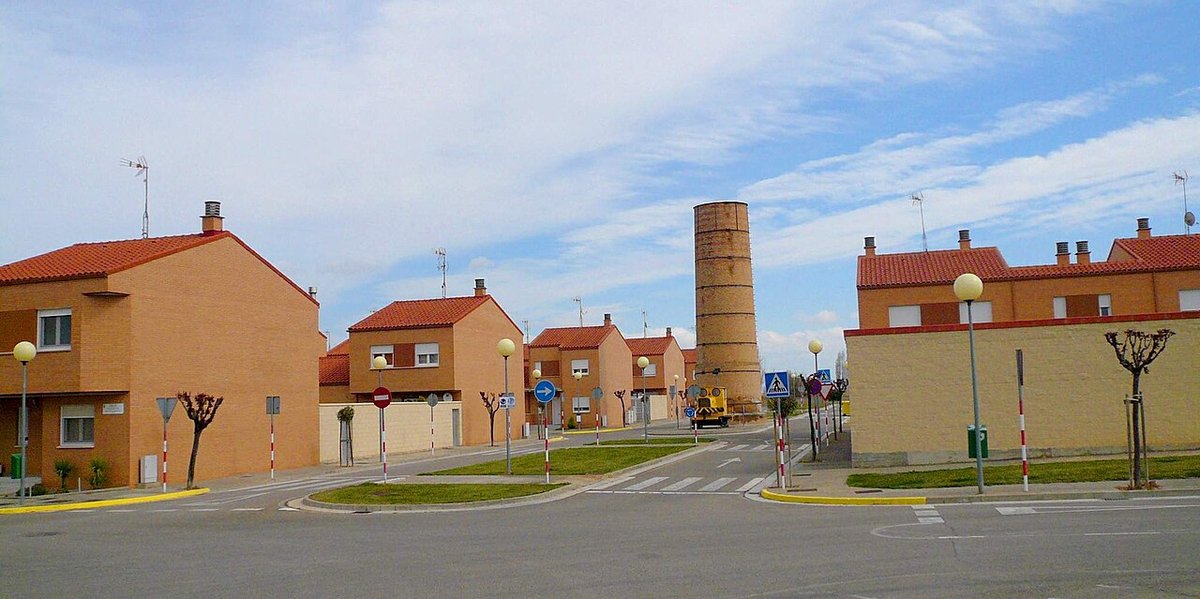
Llegas a Arguedas por la carretera que baja hacia el Ebro. Primero ves el río, ancho y lento, ese tipo de agua que parece marcar el ritmo de todo lo que hay alrededor. Aparcar en la plaza suele ser fácil, y a primera vista no hay nada raro: casas de ladrillo, balcones, persianas a media tarde.
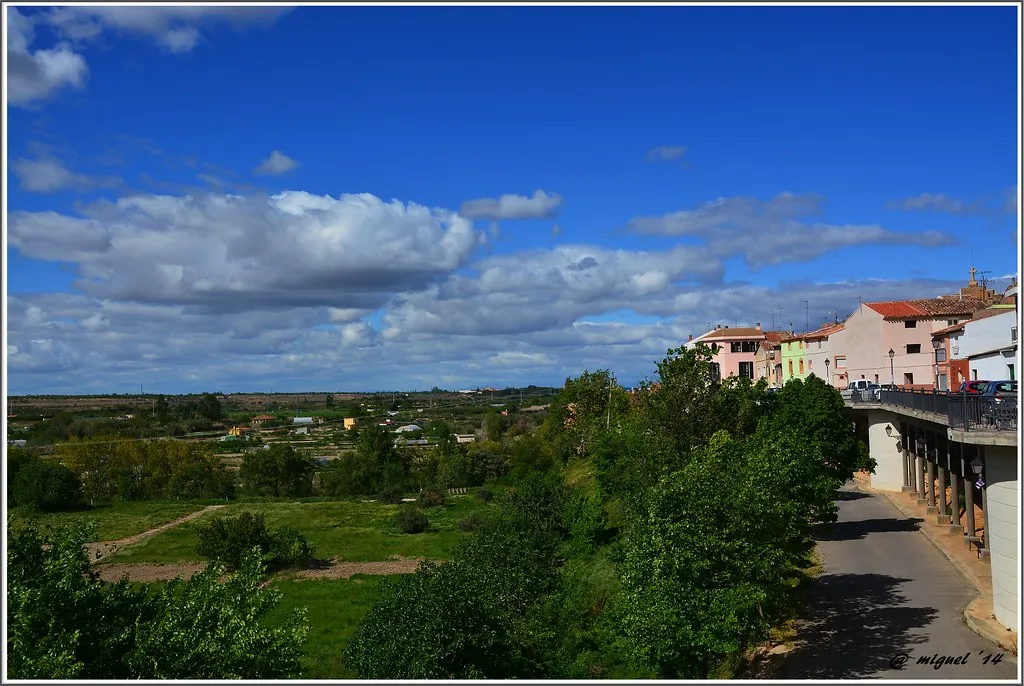
Pero luego caminas un par de calles más y la cosa cambia. Es como si el pueblo tuviera dos capas superpuestas, y la segunda empieza en la ladera.
Las cuevas que fueron casas
En la cuesta sobre el pueblo aparecen las cuevas. No son un adorno ni una recreación. Hasta bien entrado el siglo XX, gente vivía aquí dentro. Todavía se ven puertas, ventanucos y chimeneas saliendo de la roca. En algunas entradas incluso quedan restos de vida cotidiana: una maceta, un tendedero olvidado.
La mayoría se abandonaron en los 60 y 70, cuando Arguedas creció hacia el llano. Lo que queda es un barrio suspendido entre dos tiempos.
Hay un paseo corto por la zona de las cuevas que no te lleva más tiempo que un café tranquilo. Algunas se pueden visitar cuando están abiertas al público. Entras y entiendes la lógica: aquí dentro la temperatura se mantiene estable, algo que en la Ribera navarra no es un detalle menor.
Si te apetece estirar las piernas, un sendero sube hasta el Balconcillo del Moro. No es largo, pero la cuesta se nota. Arriba, la vista se abre sobre los campos de regadío del Ebro. Y más allá, los colores empiezan a secarse y a volverse terrosos. Ahí es donde asoman las Bardenas.
Donde acaba el verde y empieza otro planeta
Arguedas es una de las puertas más directas a las Bardenas Reales. Sales del pueblo en coche y en minutos los campos de regadío desaparecen. El paisaje se vuelve seco, desnudo, con una sensación que a veces parece lunar.
Una pista principal recorre buena parte de la Bardena Blanca en un circuito conocido. Son varios kilómetros entre cerros erosionados, barrancos y llanuras donde la sombra escasea. A ratos recuerda al decorado de un western. En otros momentos, parece más cercano a Marte que al norte de España.
No es un sitio para tomárselo a la ligera. Agua imprescindible, gorra si hace calor, y algo de abrigo cuando sopla el viento (que sopla). En verano el sol no perdona; en invierno, el aire que barre la planicie puede ser igual de duro. La cobertura móvil va y viene sin avisar.
Gran parte del recorrido se hace en coche, aunque el estado de la pista depende mucho de si ha llovido recientemente. Hacerlo a pie o en bici permite saborear mejor el terreno, pero las distancias engañan: lo que parece cerca rara vez lo está.
El vecino inesperado: Sendaviva
En las afueras está Sendaviva, un parque de naturaleza y ocio que cambia por completo el ambiente de la zona cuando abre temporada.
Reúne varias cosas en un mismo espacio: exhibiciones de aves rapaces, zonas con animales espectáculos y atracciones pensadas sobre todo para familias con niños. Si vas con ellos es fácil pasar aquí gran parte del día.
Sin niños, las visitas suelen ser más breves. Mucha gente entra para ver las exhibiciones de vuelo y pasear por las zonas más tranquilas antes de volver al pueblo o seguir hacia las Bardenas.
El contraste es parte de lo raro de Arguedas: en muy poco espacio pasas del silencio y los horizontes abiertos al bullicio controlado de un parque familiar.
Comer entre regadío y secano
Arguedas está firmemente en la Ribera navarra, tierra agrícola por excelencia. La cocina local lo refleja.
Los espárragos blancos aparecen con frecuencia en temporada; suelen ser gruesos y con ese punto terroso propio de aquí. El cordero al chilindrón también es habitual lo mismo que los platos de caza cuando toca.
Hay otro detalle que sorprende: alrededor del pueblo hay arrozales así que a veces encuentras arroces en los menús combinados con productos del campo o caza.
Un consejo práctico con el que cualquier local estaría de acuerdo: come en el pueblo antes de meterte en las Bardenas Allí dentro solo hay paisaje y silencio Nada más Ni bares ni fuentes ni tiendas Cuando aprieta el calor esa ausencia se nota mucho
Cuándo pisar Arguedas sin sufrir
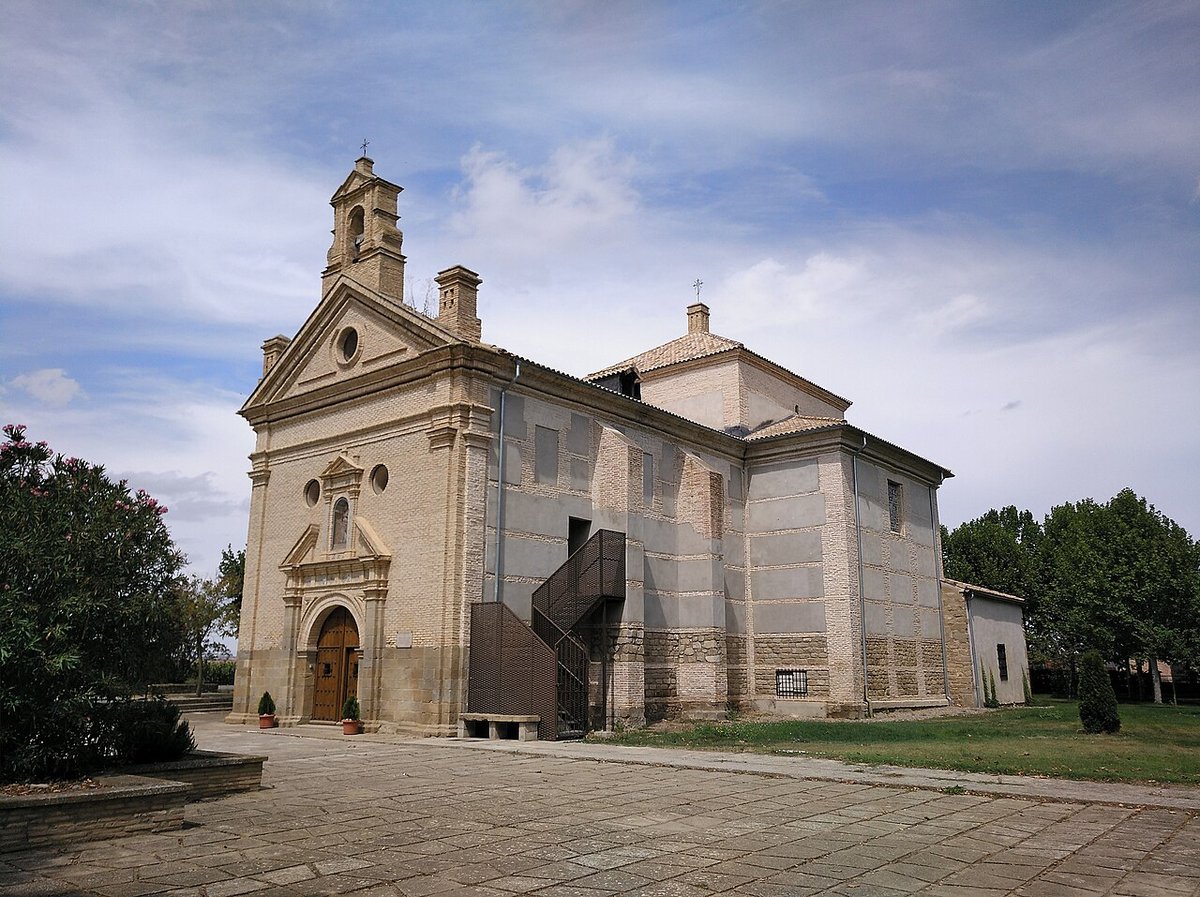
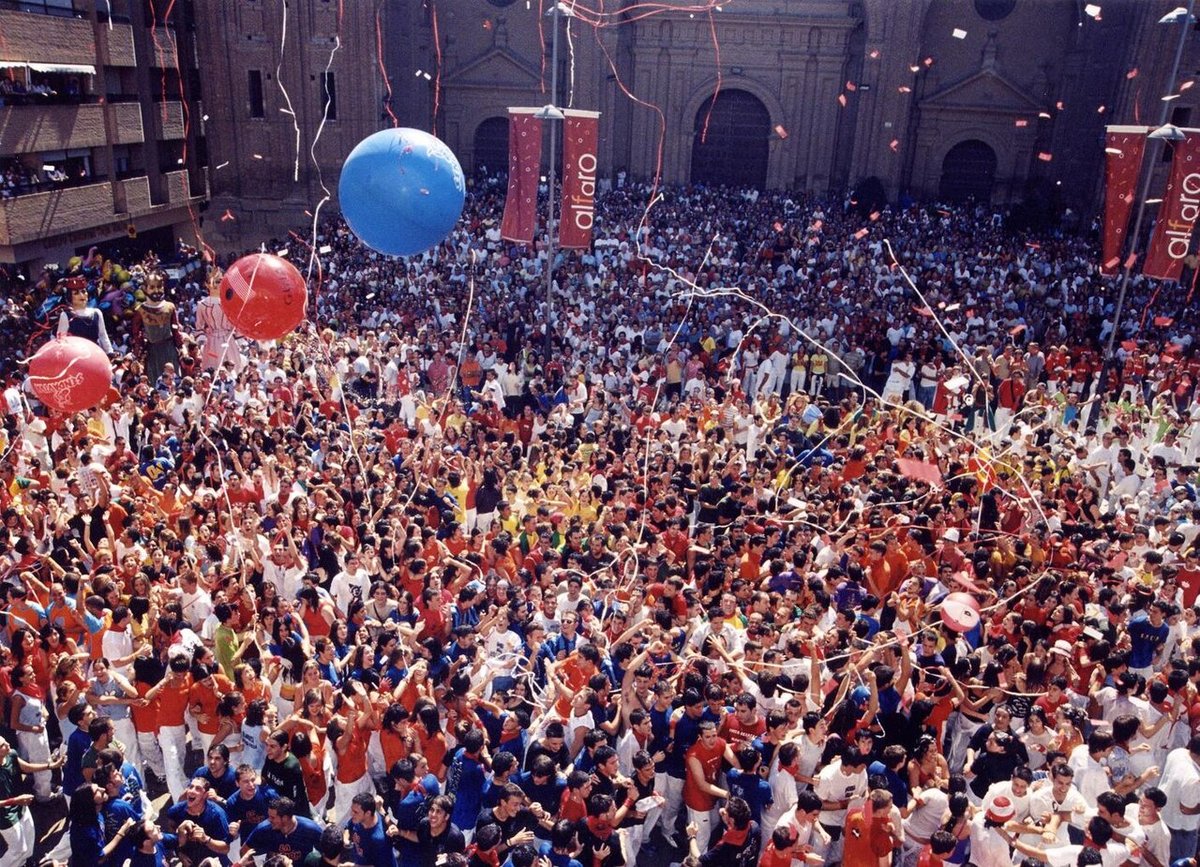
La primavera suele ser el mejor momento Los campos del Ebro están verdes las temperaturas son llevaderasyel contraste conel terreno árido del asBardenasse ve claro Ademásel pueblo celebra entonceslaromería delaVirgendelYugo una tradicióncon mucharraiglocal
El otoño temprano trae otra vezun ambiente tranquilo despuésdelverano Los días siguen siendo largosylasanochesempiezanafrescar
Julio agosto pueden serduros porelcalor delaRibera sobretodosiplaneaspasar tiempodentro del asBardenasinviernotiene su atractivo cielos despejados tonosmás crudosenelpaisajeperoelvientote recuerda enseguida dóndeestás
Arguedas no es unpueblo demonumentosni decalles históricas grandiosastampoco se presenta como lapostaleclásica Loquetieneesunamezcla máshardepinchar cuevasquefueroncasa tierrade regadíoquesedeshaceendesierto yu nparquetemáticoal lado Esacombinación unpocoinesperada le daelpunto