Full Article
about Barillas
The smallest municipality in the Ribera; located near the Laguna de Lor and devoted to farming.
Hide article Read full article
A small place that reveals a lot
There are moments when a minor road leads somewhere unexpected. A church tower appears above the fields and, almost without planning it, you end up turning in. Barillas fits that kind of arrival. It is the sort of place that does not feature prominently in guidebooks, yet a short walk here offers a clear sense of how life works in the Ribera of Navarra.
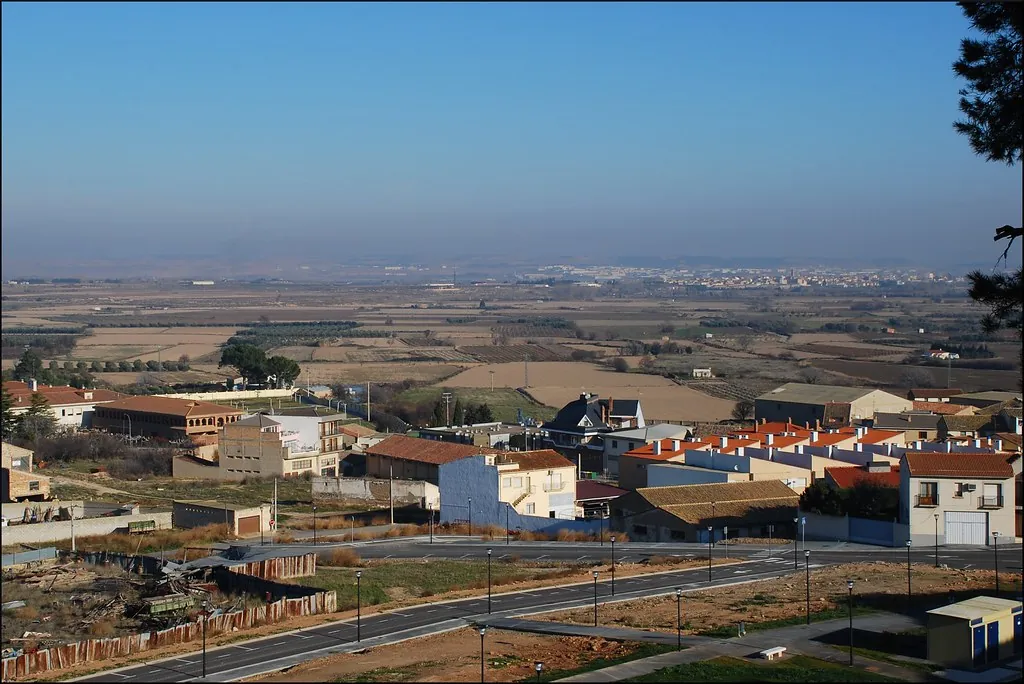
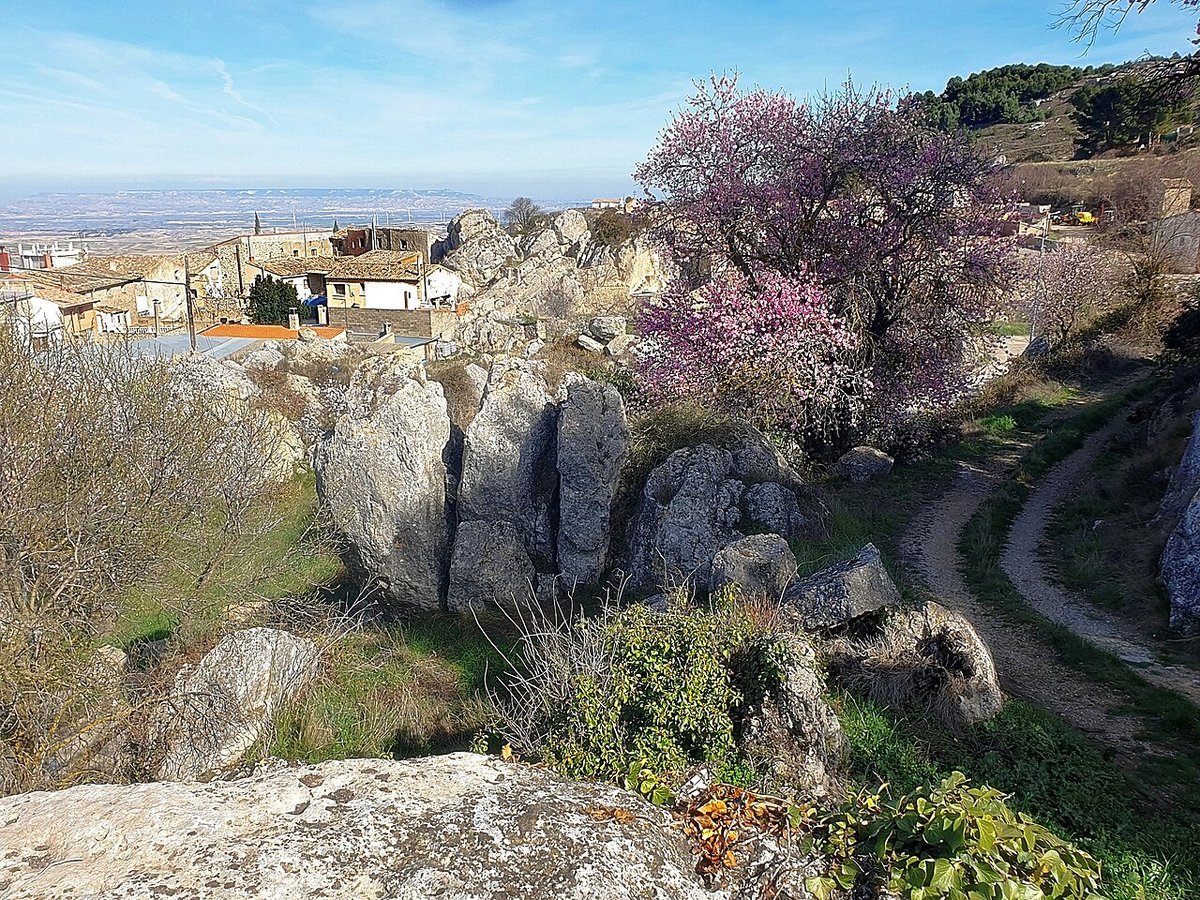
Barillas is small, just a handful of streets surrounded by open countryside. The landscape matters more than monuments. For anyone curious about how rural communities are organised, that in itself is part of the appeal.
Built around the land
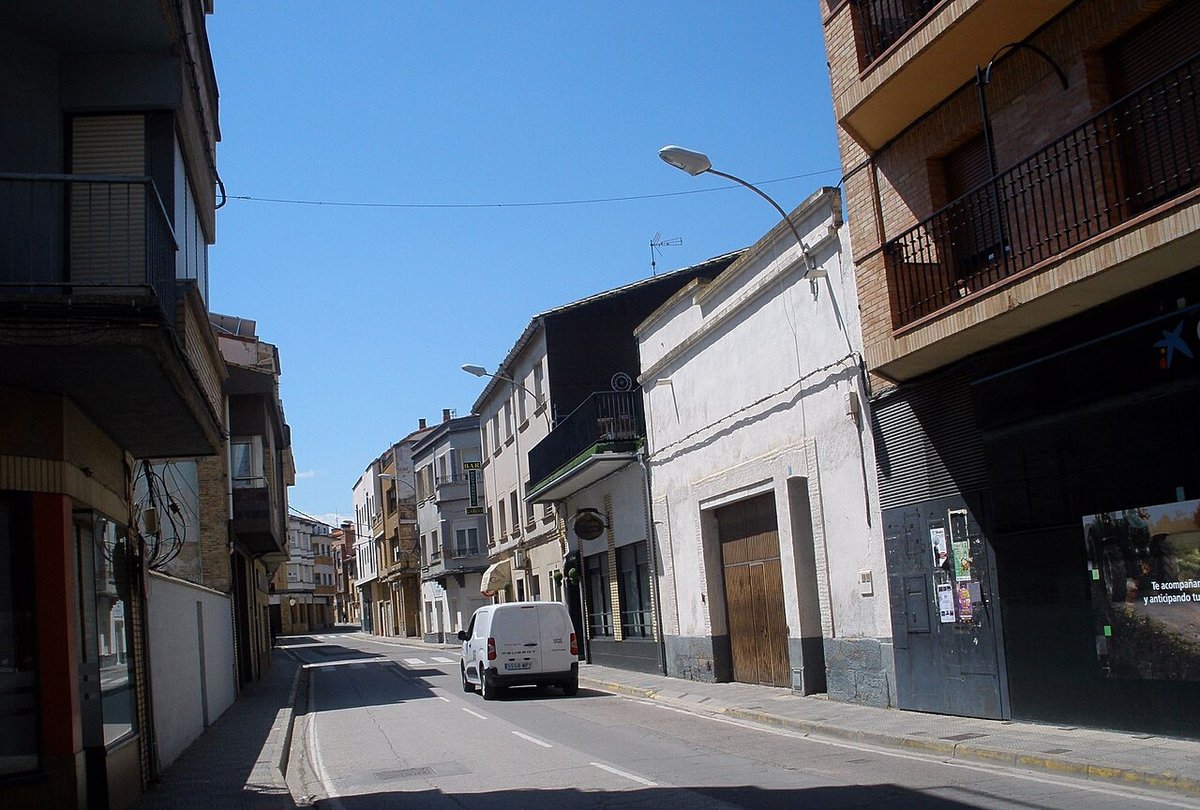
Barillas is easy to read. The main streets, such as Calle Mayor and Calle Santa María, reflect a practical, agricultural past where each house had a purpose beyond living space. Buildings were designed to store tools, grain or machinery, and in earlier times, animals.
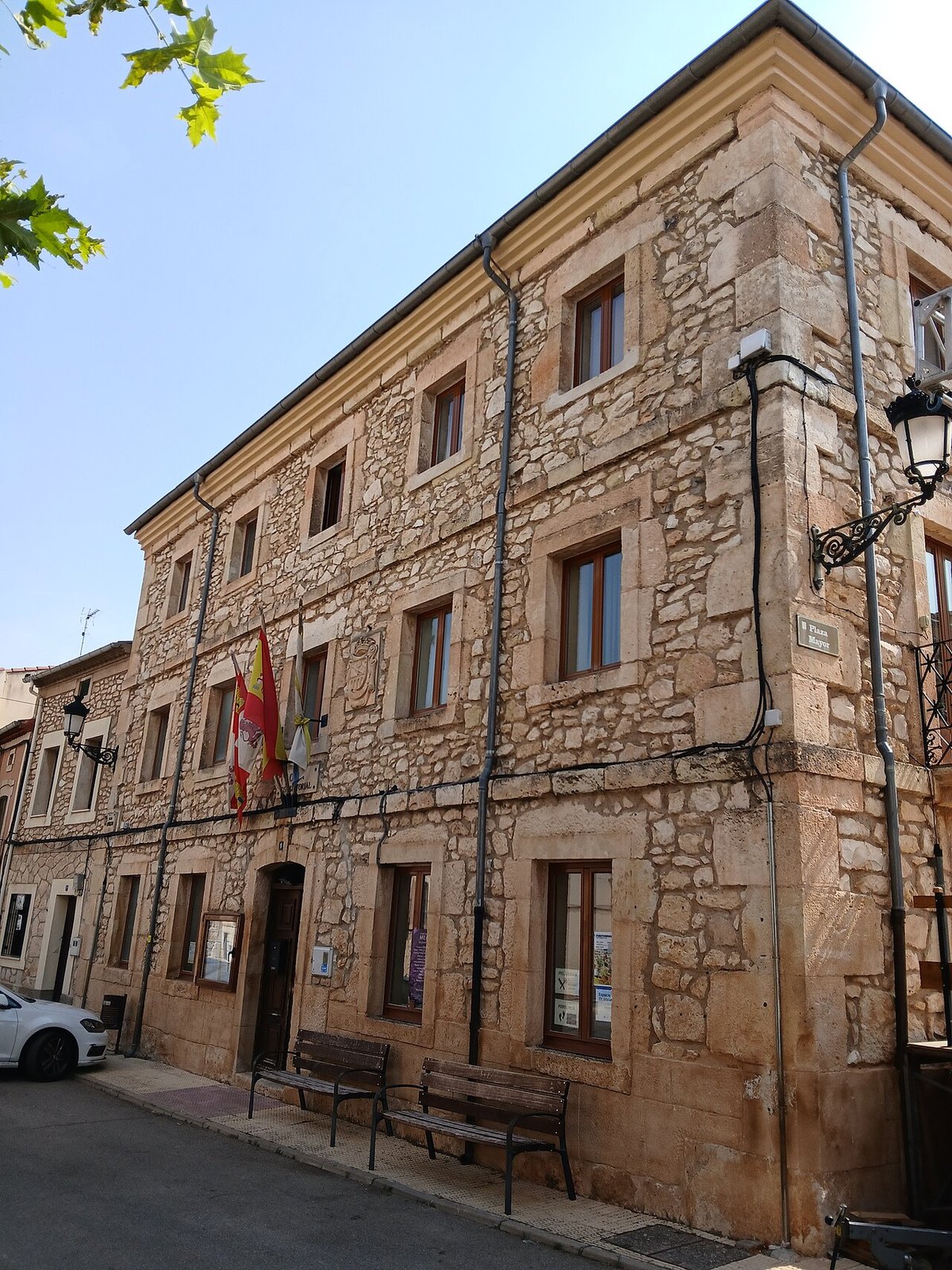
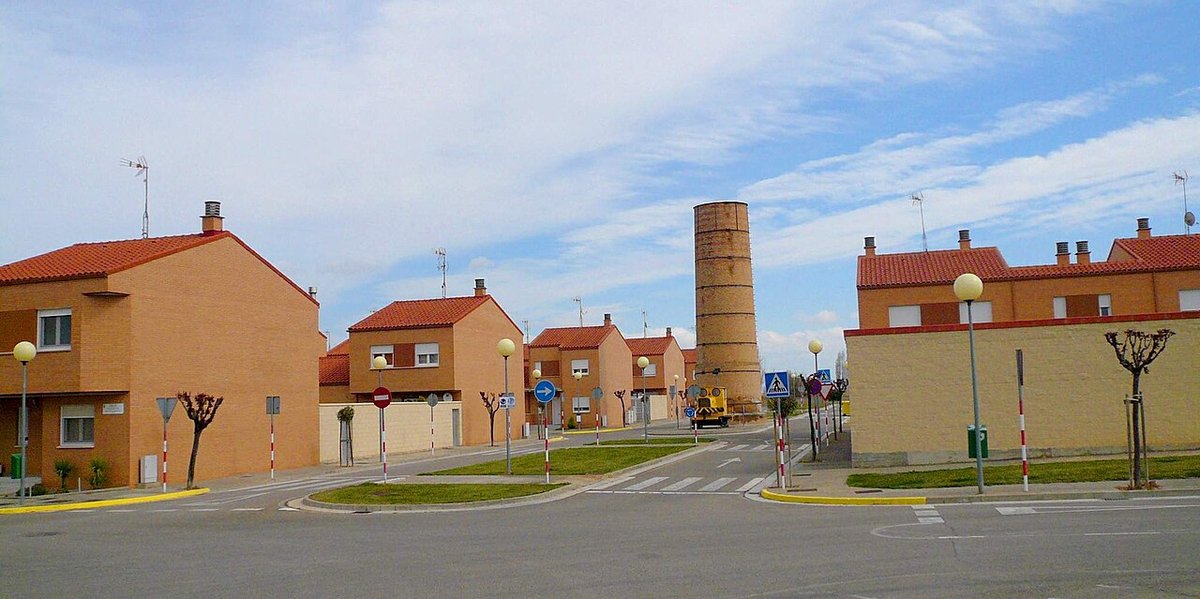
Large gateways open into interior yards, with corrals at the back. Brick façades sit alongside older stone walls. Nothing appears arranged for show. The village feels more like something that has grown steadily over time, adapting to what each generation needed.
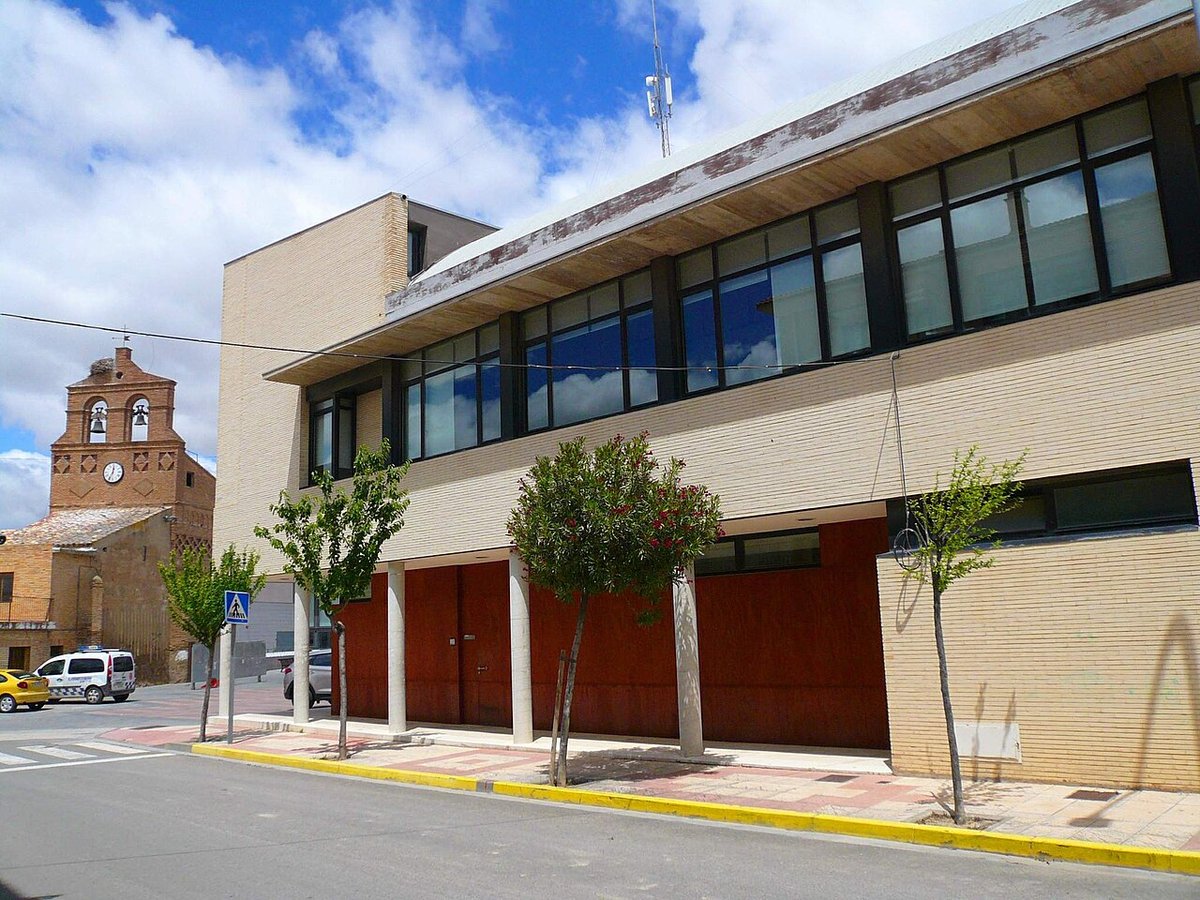
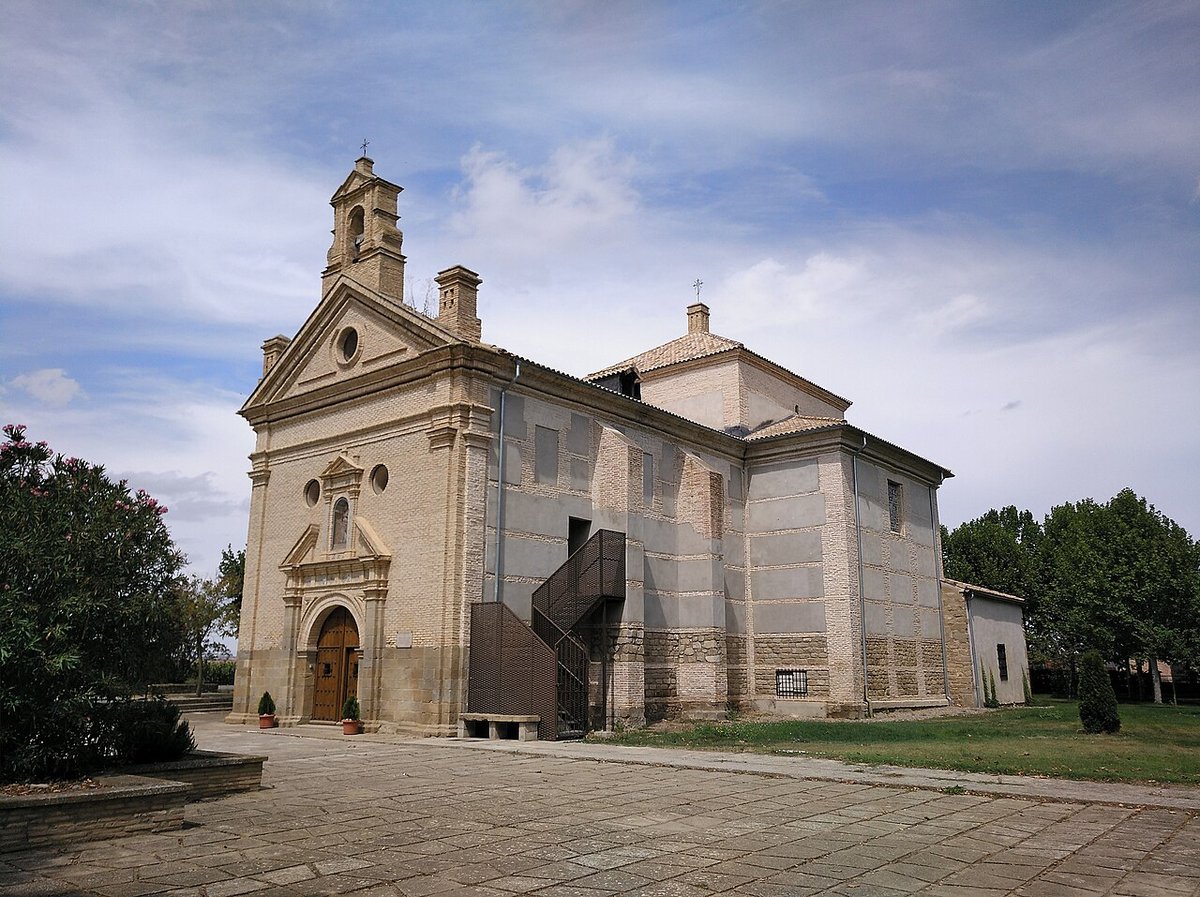
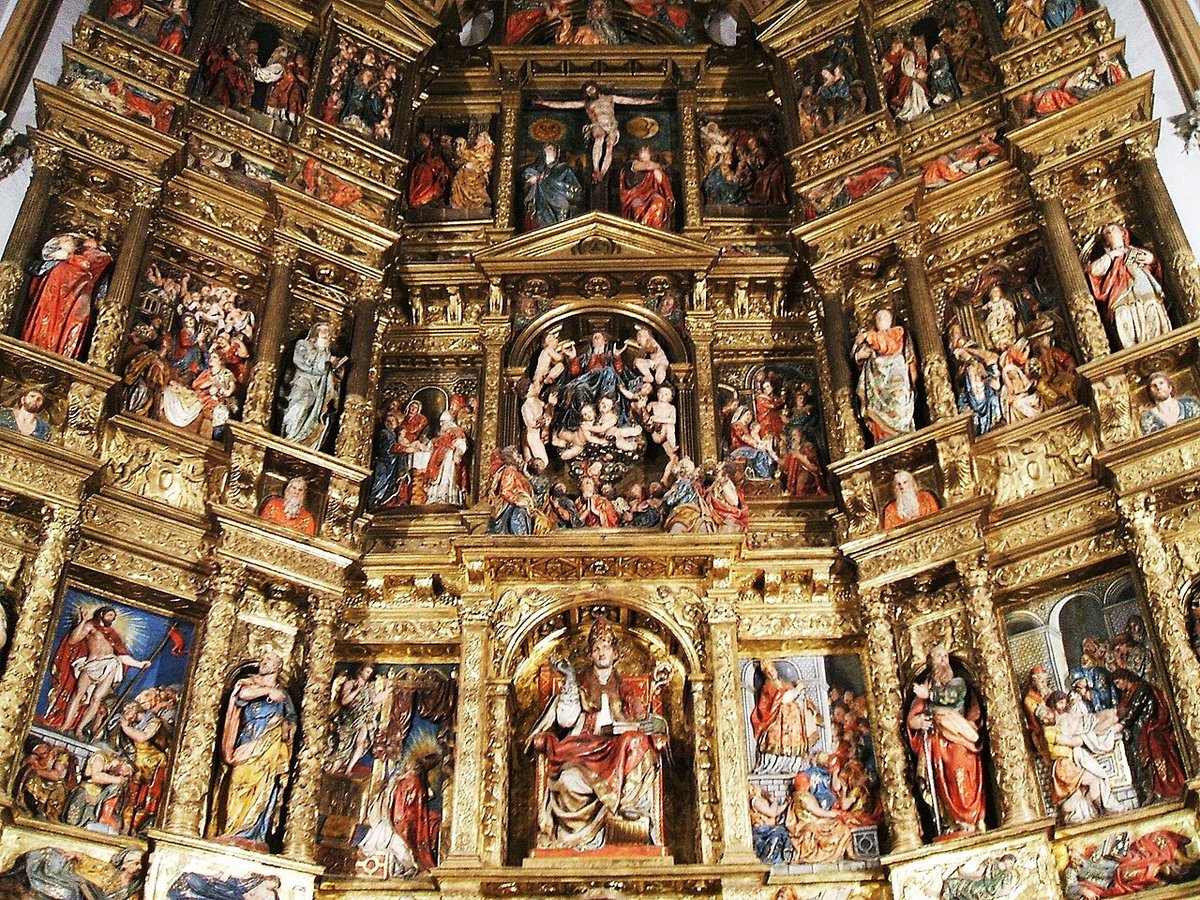
The parish church of San Martín de Tours stands out, mainly because of its tower, which acts as a point of reference when entering the village. The building likely dates back to the 16th century, though it has been altered over time. Inside, everything is quite simple. Wooden benches, a modest altarpiece and the quiet typical of village churches during the week create a subdued atmosphere.
Straight streets and everyday rhythms
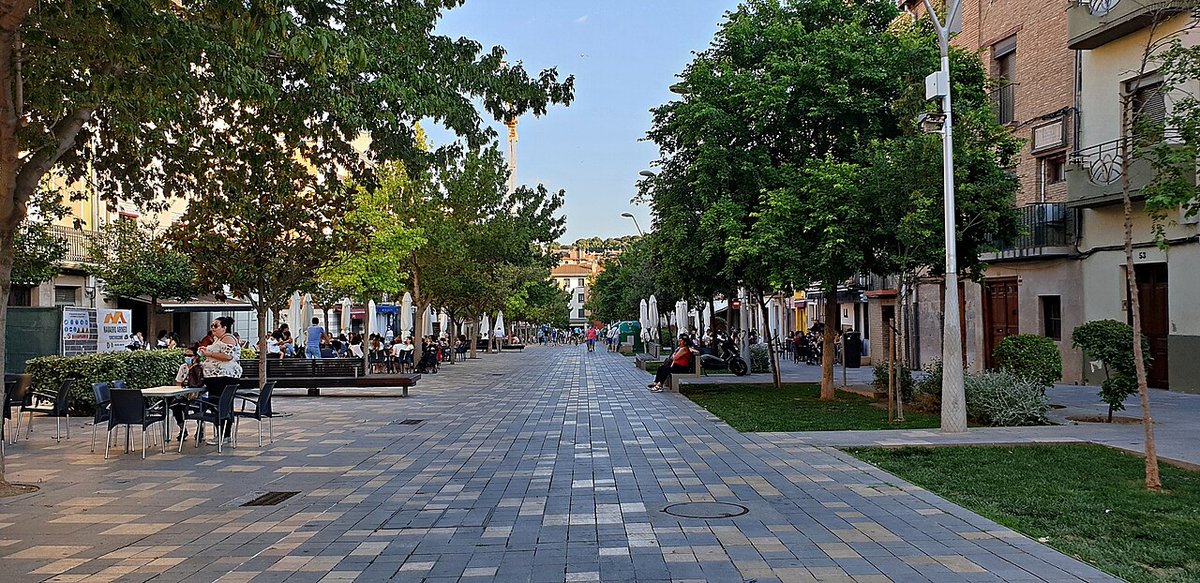
The layout follows a pattern common in cereal-growing villages of the Ribera. Streets run straight, houses sit close together, and now and then a doorway reveals vegetable plots or corrals behind.
Walking slowly makes the details more noticeable. Curved clay roof tiles, former haylofts converted into storage spaces and wide entrances built to accommodate agricultural machinery all point to a functional way of life. Decoration is minimal. Practicality takes precedence.
It does not take long to walk through the village. In a short time, you have seen most of it.
Beyond the last houses
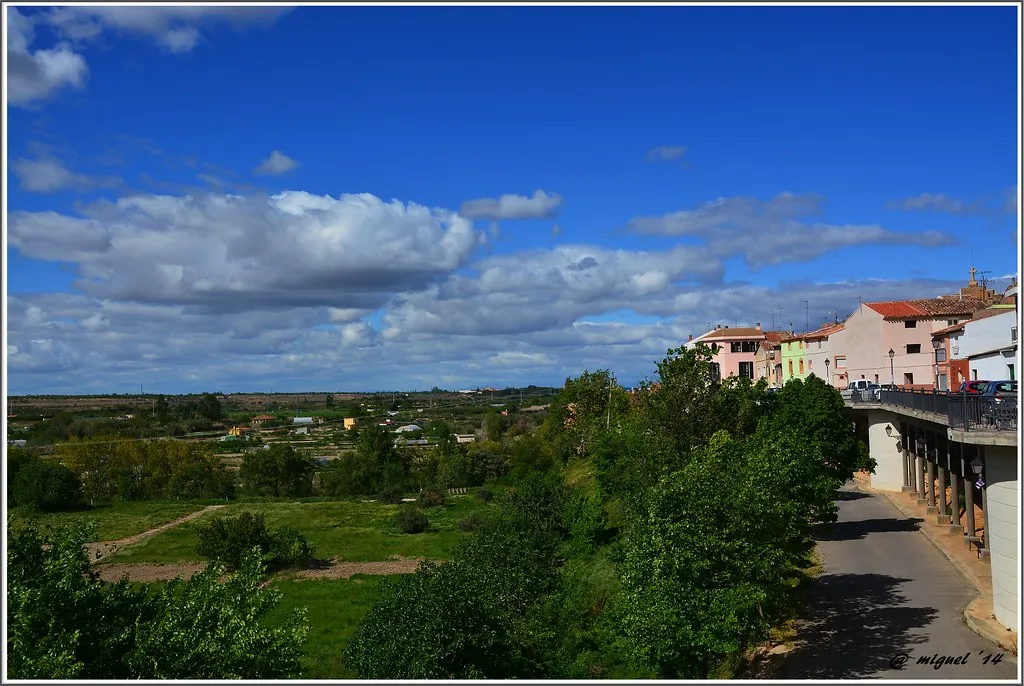
To understand Barillas more fully, it helps to leave the village behind. Just beyond the final row of houses, agricultural tracks stretch out between open fields.
No map is really needed. These are dirt paths used by farmers, but they can also be walked with care. Irrigation channels, known locally as acequias, define the boundaries between plots and subtly shape the landscape.
The surroundings change noticeably with the seasons. In spring, the fields are bright green with new growth. By summer, cereal crops turn golden and the terrain looks drier. Autumn brings ochre tones and softer evening light.
Nearby flow the rivers Ebro and Ega, two important waterways in this part of Navarra. In the wetter areas, especially in good weather, it is sometimes possible to see herons or ducks.
Local festivals and customs
The patron saint of Barillas is San Martín de Tours, whose feast is usually celebrated in November. These are local events centred on the community itself, with religious ceremonies, shared meals and gatherings among neighbours.
During the summer, there are also more informal events. These can include traditional games or activities in the surrounding countryside. They are not large-scale festivals designed to attract crowds, but rather part of the village’s own rhythm, continuing year after year.
A brief stop that still says a lot
Barillas is not a place to fill an entire day with plans, and it does not need to be.
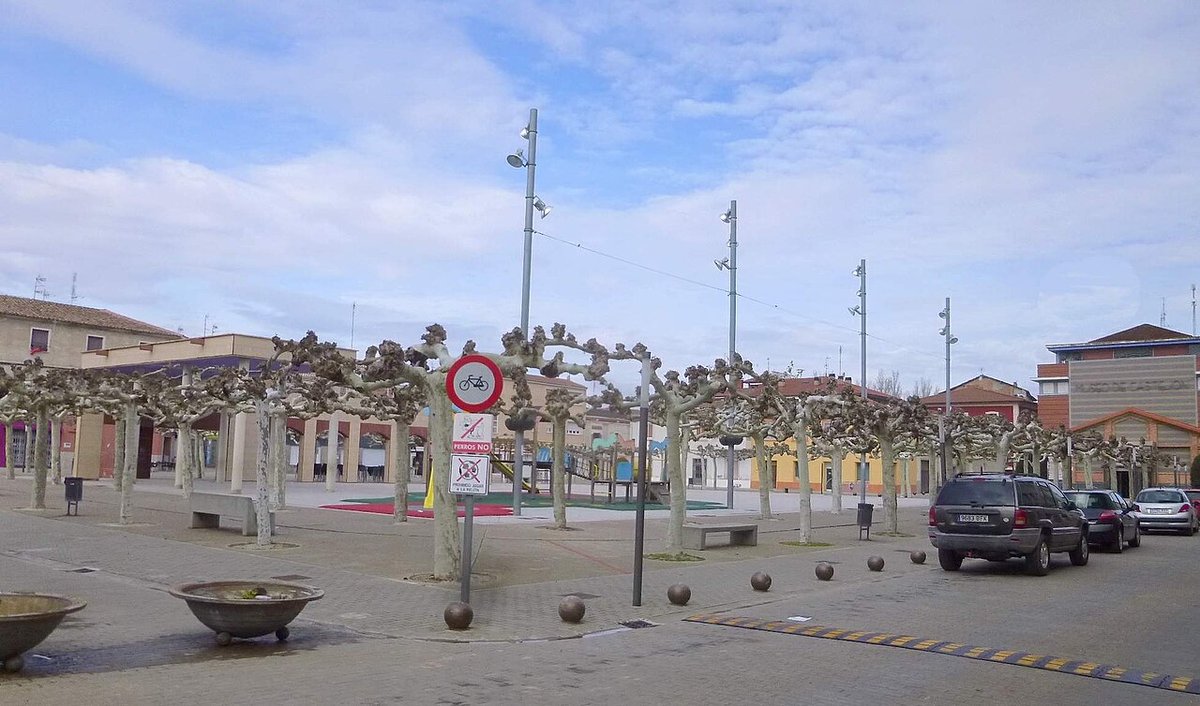
A walk around the main square and nearby streets takes little time. After that, heading out along one of the agricultural paths offers a better sense of the landscape and how the village relates to it. Within a couple of hours, it is possible to form a clear impression of the place.
Food in the area generally follows the agricultural calendar. Seasonal vegetables and straightforward home-style dishes are typical, prepared without unnecessary complication.
When to go
Spring and autumn are usually the most pleasant times to walk around the area. The fields shift in colour and the weather tends to be more comfortable.
Summer in the Ribera can be very hot. If visiting at that time, early morning or late afternoon are the more manageable parts of the day.
Winter has a different feel altogether. Days are shorter, the fields appear more bare, and occasional frost gives the landscape a more austere look. It is a quieter version of the same place, with fewer distractions.
Barillas works well as a short stop on a wider route through the Ribera. There are no museums or major attractions here. What it offers instead is something simpler: a chance to see, in a straightforward way, how many villages in this part of Navarra live and work. A calm walk through its streets and surrounding fields is enough to understand that.