Full Article
about Buñuel
Southernmost town in Navarra, on the Ebro; bull-running and farming traditions in a riverside grove setting.
Hide article Read full article
A village that runs on its own calendar
The first wild asparagus I tried while travelling in Buñuel tasted almost like something from a tin. That was hardly the village’s fault. It was August. Coming here at that time is a bit like heading to Logroño in the middle of the grape harvest and expecting peace and quiet. In Buñuel, the question is not whether there is tourism or not. The place follows its own internal calendar, set by asparagus and the River Ebro. Turn up out of season and you will find it half asleep.
This is a working village in Navarra’s Ribera, where daily life follows the land more closely than any visitor schedule. It does not rearrange itself for travellers, and that is part of the point.
The smell of the season
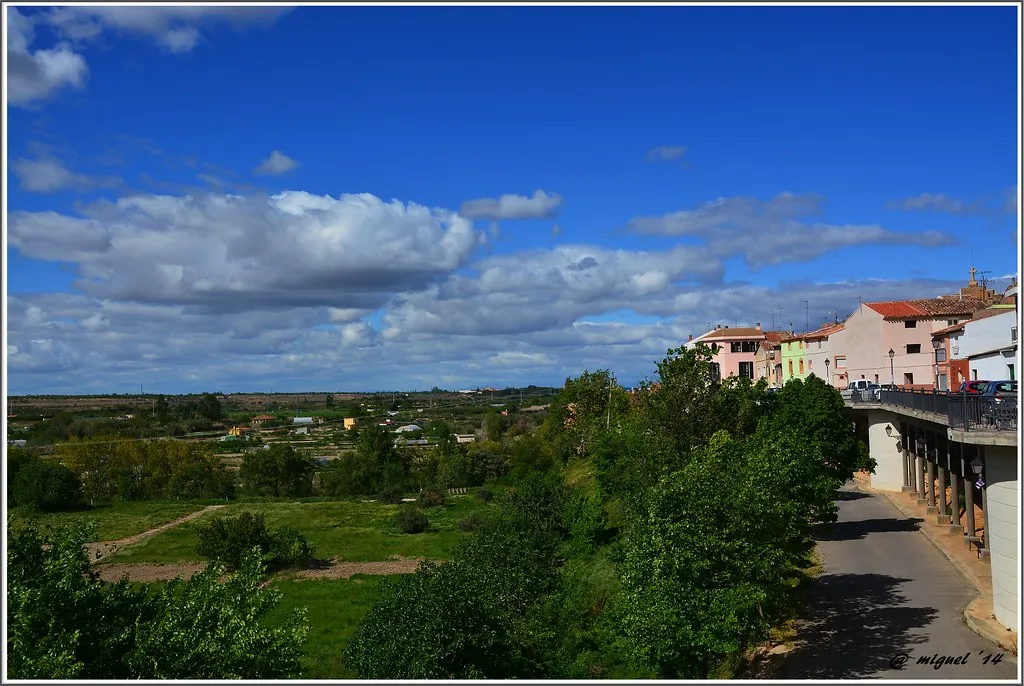
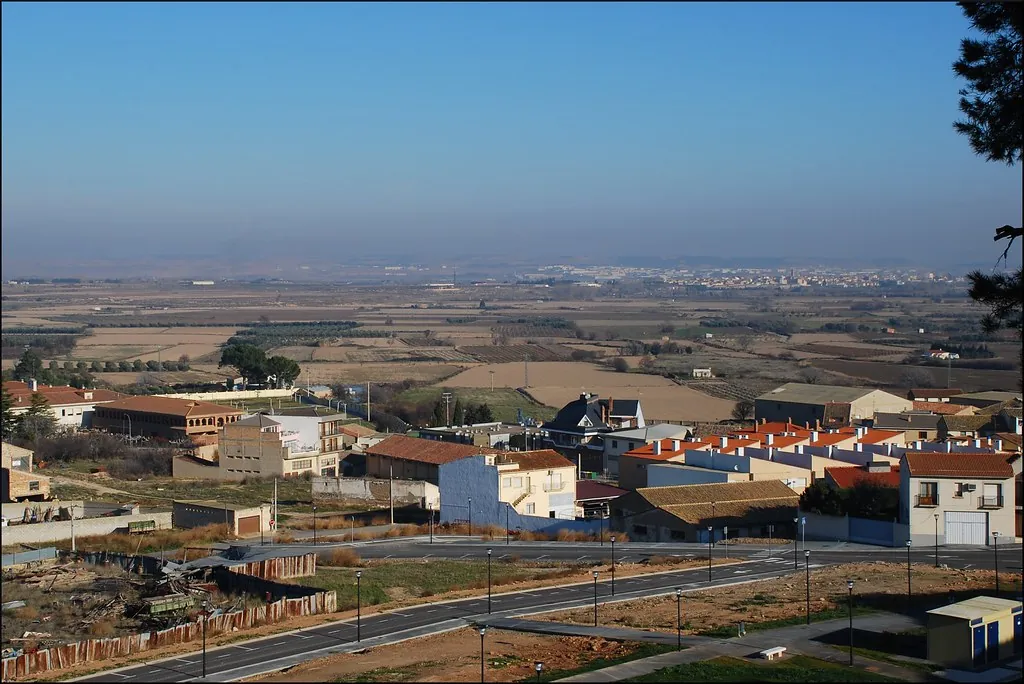
Buñuel is one of those places where the time of year hits you first through smell. In April, the air carries damp soil and something green that you sense before you even see it. The fields reach right up to the edge of the houses, and the irrigation channels form a network of narrow waterways that look like tiny roads built for ants.
Wherever you look, something is growing. If it is not lettuces, it is asparagus. If it is not asparagus, it is something that will become asparagus in a few weeks’ time. The landscape feels in constant transition, never quite finished.
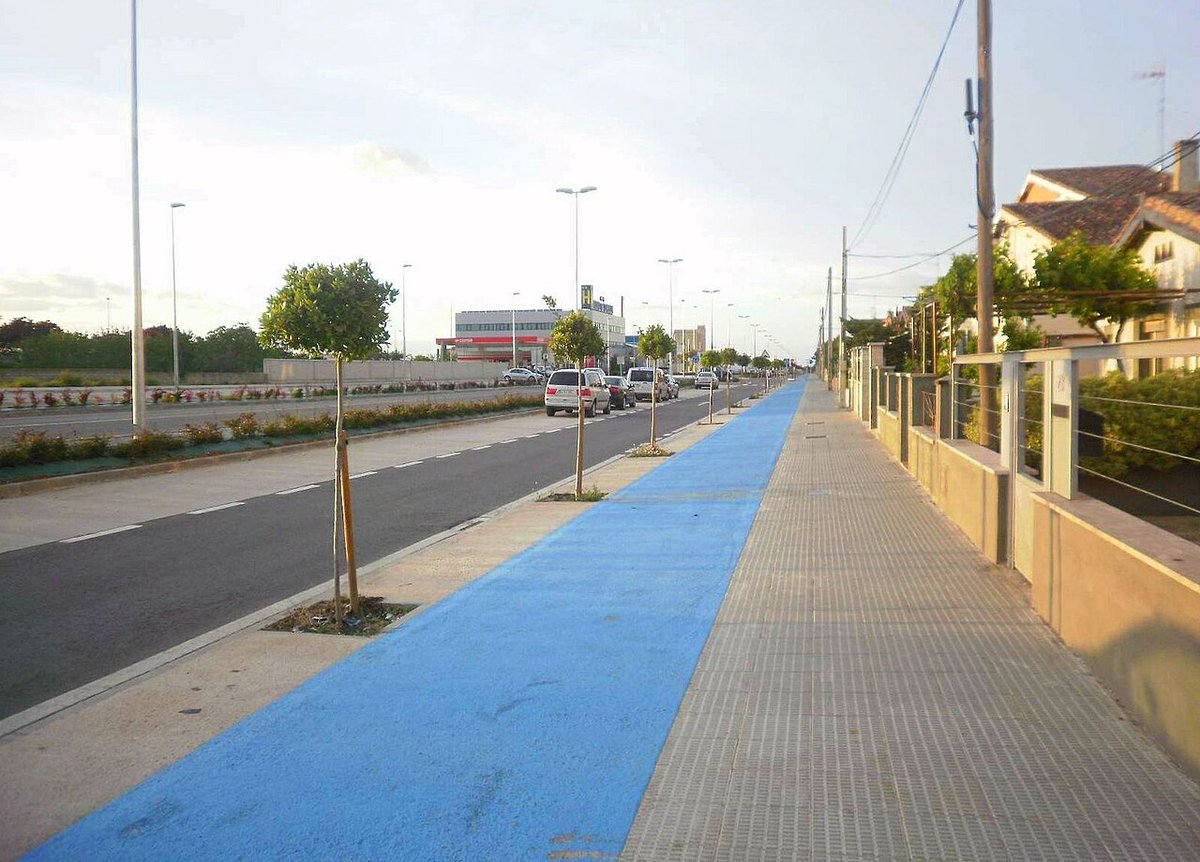
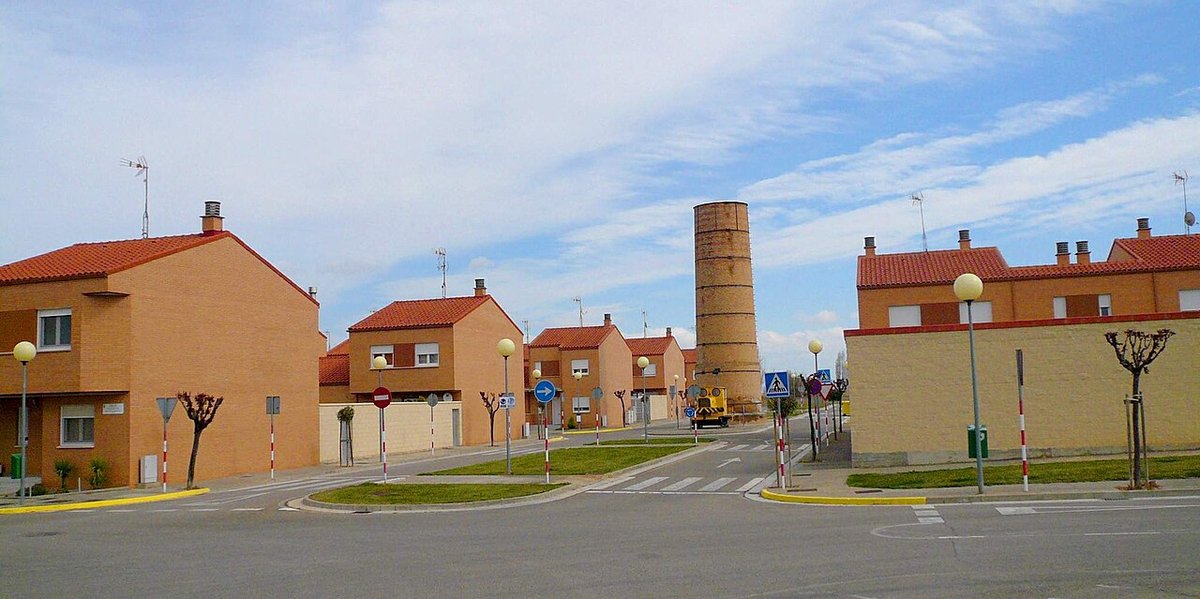
The population is around 2,300 people, spread between the main centre and smaller residential strips that cling to the roadside. It sits somewhere between small and medium in village terms. There is a school, sports facilities and the basic services needed for everyday life, enough that people do not have to keep heading to nearby Tudela for every little thing.
Then there is the Ebro. Here it is not decorative, not a polished riverside with benches and viewpoints. It is a wide, working river, edged by market gardens and dirt tracks that tend to end in mud if you are not paying attention.
San Pedro Apóstol and the pace of the square
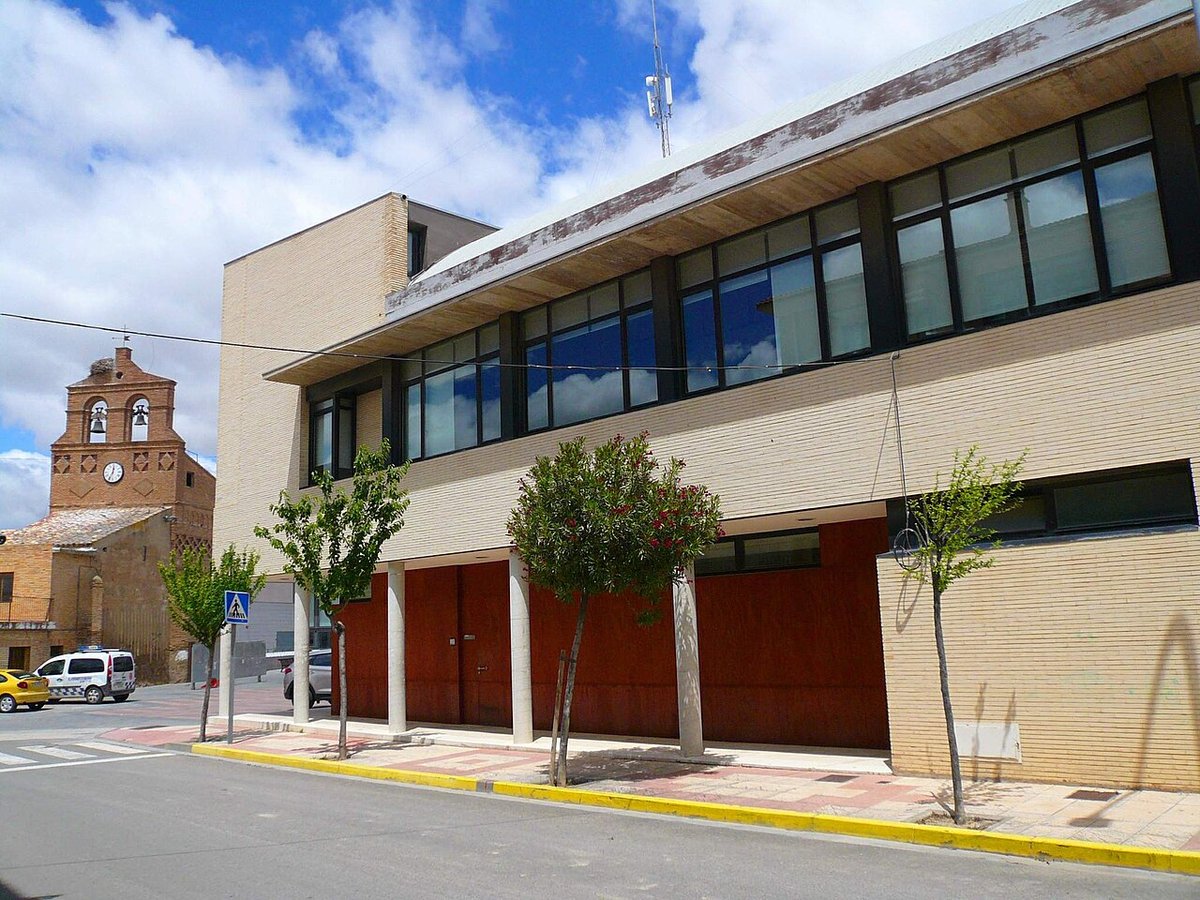
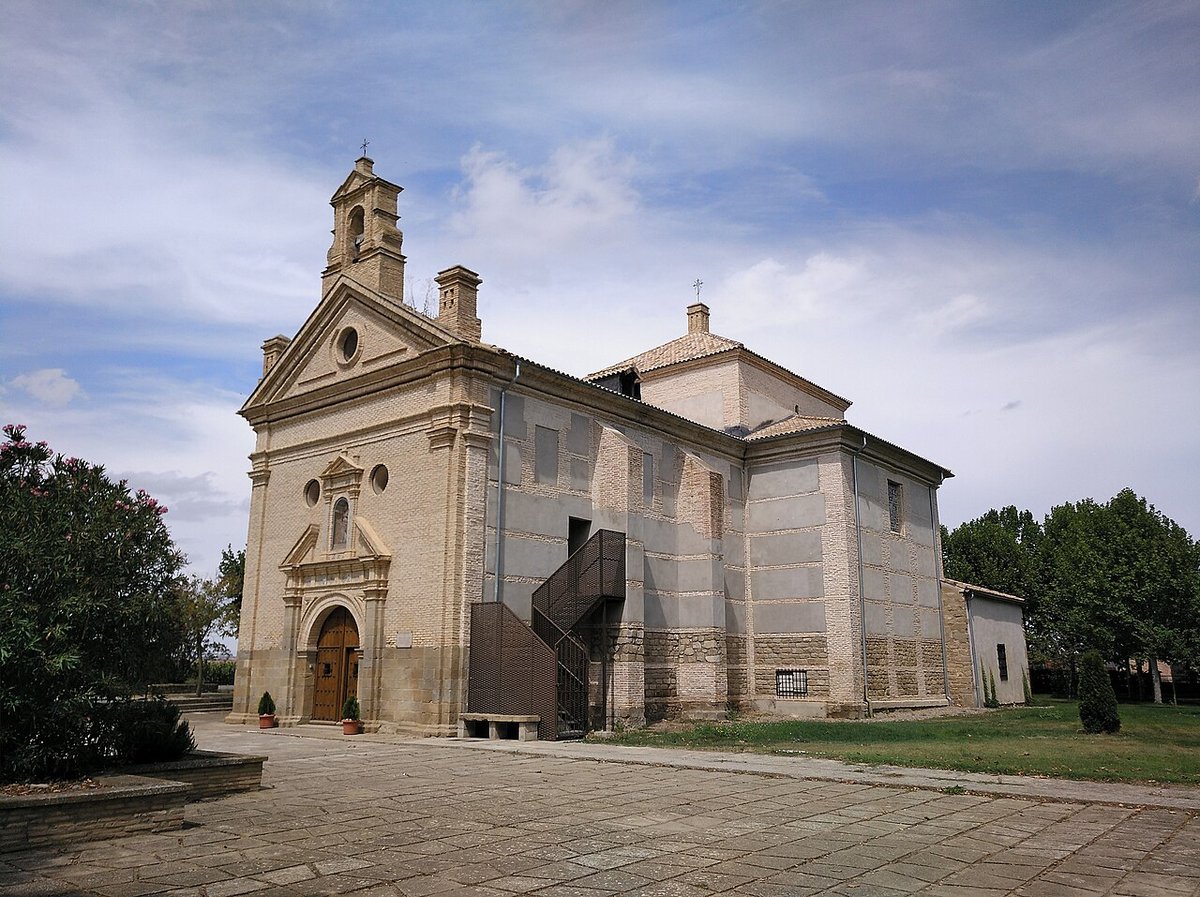
The church of San Pedro Apóstol does not demand attention. It is not the kind of building that makes you reach for a camera before stepping inside. In fact, it is easy to overlook at first. Then you stop, take a proper look at the bell tower and the stonework, and notice how much it changes with the light over the course of the day.
It has the feel of a village church that has simply always been there, without needing to prove anything.
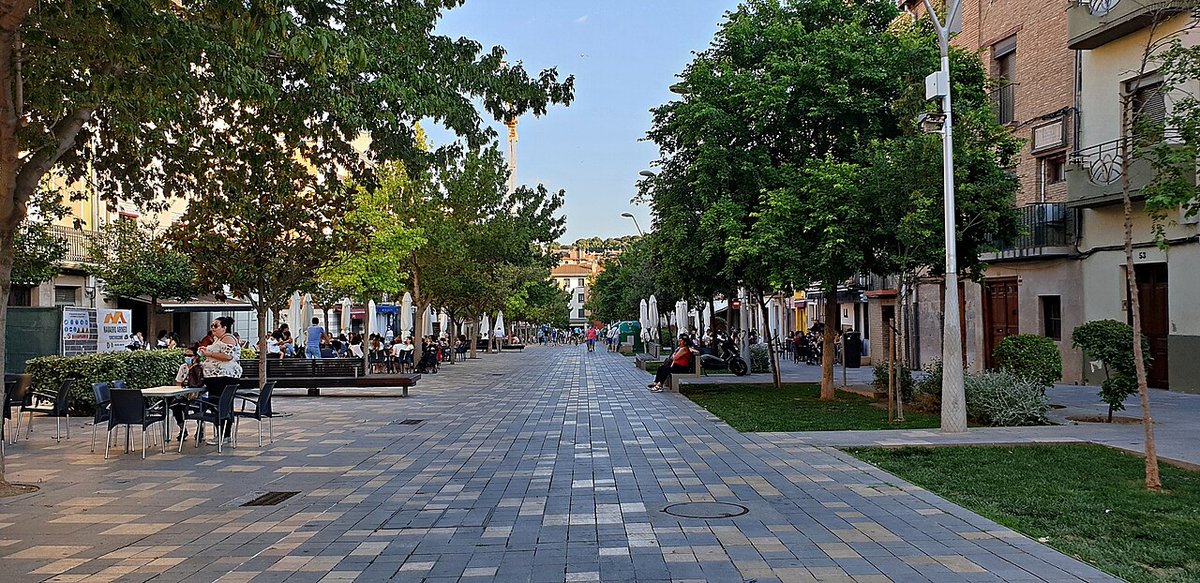
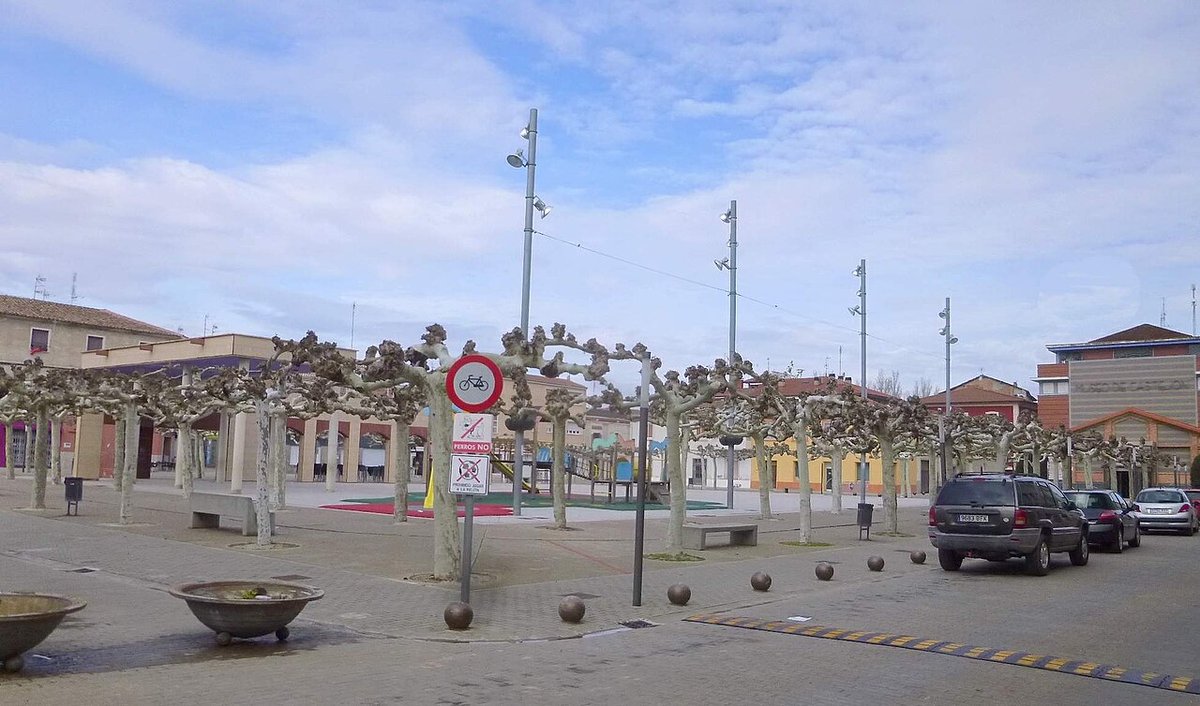
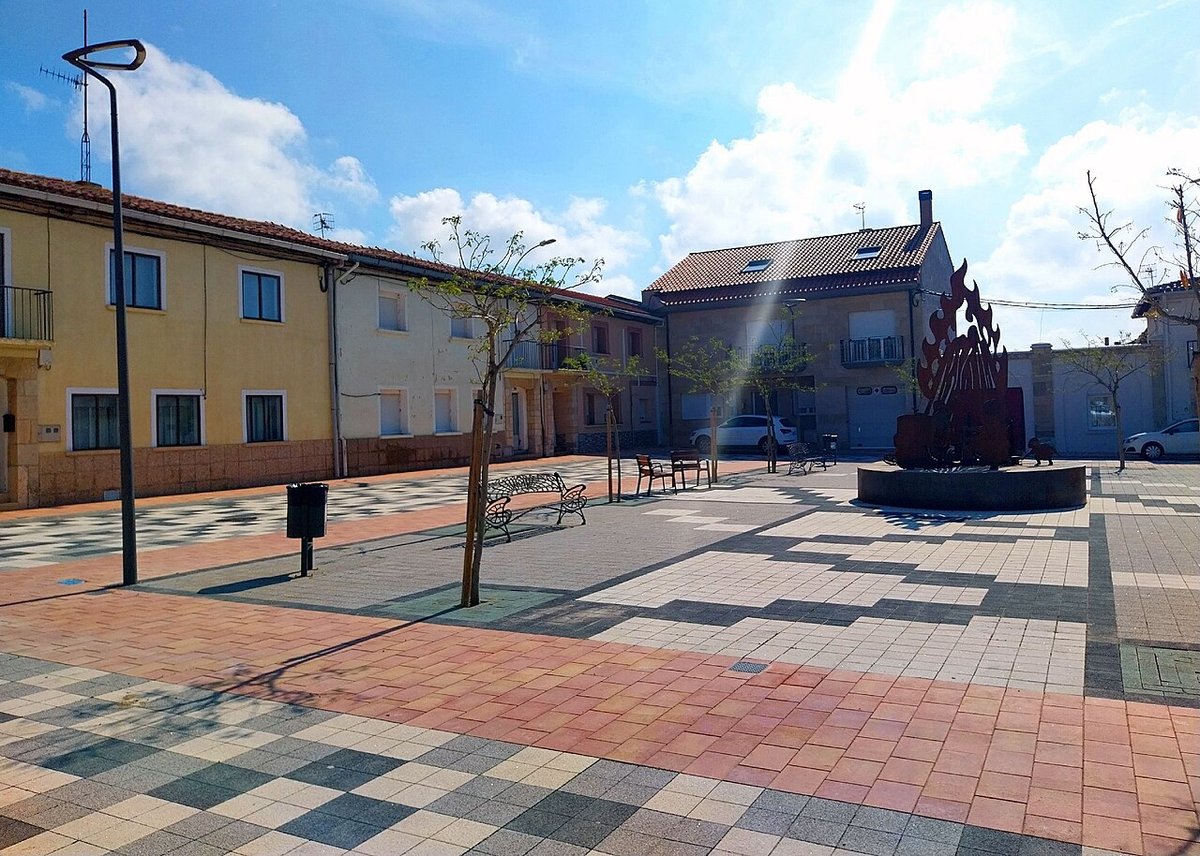
The square nearby is a better place to understand the village than any landmark. Sit for a while and watch how people move through it. Older residents walk slowly, stopping often to talk to just about everyone they pass. Younger people cross it more directly, using it as a shortcut from one place to another.
There is no rush here. Running stands out, unless you happen to be a farmer who has forgotten to turn off the water in one of the irrigation channels.
When spring takes over
In Buñuel, spring is not just a season. It is an event. Wild asparagus push up through the dark soil like green spikes, and farmers head out early in the morning to cut them before the heat builds.
Walk along the riverside paths at that time of day and you will see people bent over, knife in hand, moving steadily along the rows. It looks like something learned through repetition, and it probably is.
This is when the countryside takes over the village. Everything revolves around the harvest. Conversations turn to how the season is shaping up, what price the crop is fetching per kilo, and whether the land is responding well. Even a brief visit is enough to pick up fragments of these discussions.
If timing is flexible, April or the heart of spring is the moment to come. Not because of festivals or big events, but because this is when Buñuel smells like itself. In August, the dominant scent is hot tarmac and parked cars. In April, it is freshly turned earth.
Finding your way, or not
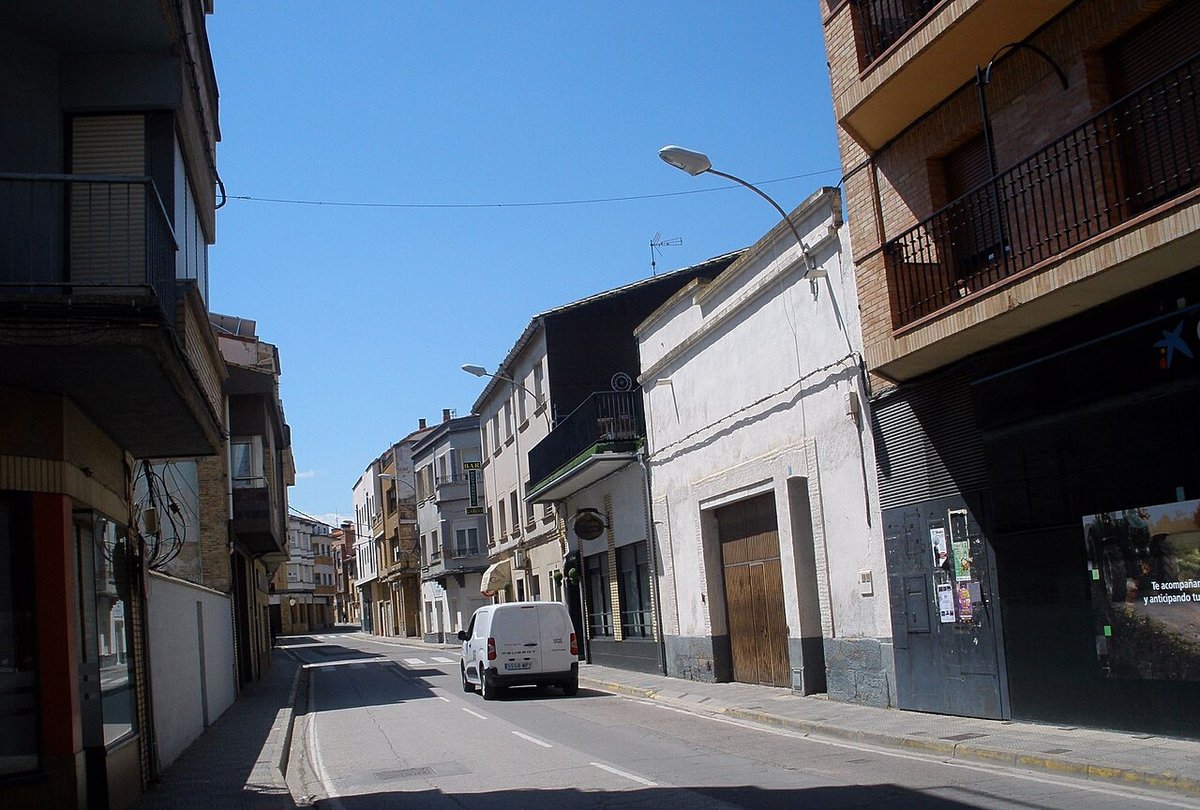
Buñuel is not exactly a maze, but it can feel like one. Streets running parallel to the river look remarkably similar, and GPS does not always cope well once you reach the area with the small bridges crossing the irrigation channels.
The common mistake is to assume the village ends where the houses stop. It does not. Continue along the riverside tracks and you will come across market gardens that feel like small, separate worlds. Many include simple sheds used as tool storage, and often as weekend retreats.
Practical thinking helps here. Wear shoes that can handle mud. If you are driving, park when you find a clear space. After a while, corners begin to look the same and it is easy to end up looping around without quite meaning to.
Food follows the same straightforward logic as everything else. What is available depends on the day. Expect home-style cooking, filling and direct. If asparagus is in season, that is what will be on the table. If it is cardoon, then cardoon it is. And when a proper stew appears, the kind that simmers without anyone watching the clock, it tends to leave you full to the point of slowing down, but satisfied.
Buñuel is not a place to fill a packed three-day itinerary. It works better as a quiet stop in the Ribera. If you happen to be passing through during the growing season and want to see how an agricultural village actually functions, it is worth pausing. Buy some asparagus from a roadside stall, sit for a while in the square, and see what unfolds.
With a bit of luck, you may find yourself in conversation with someone who knows someone from your own town. Connections like that seem to happen here more often than you might expect.