Full Article
about Cabanillas
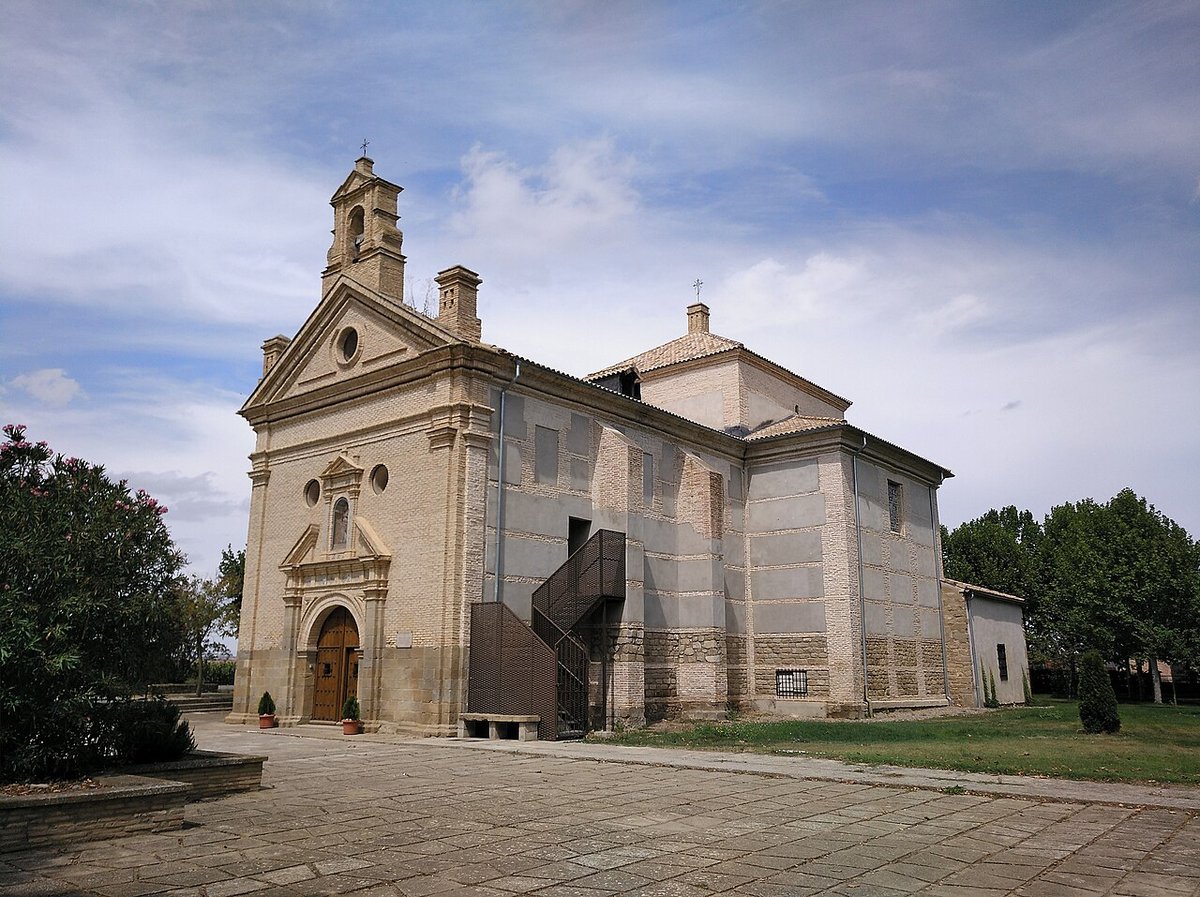
Riverside town with one of the southernmost Romanesque churches; farming tradition and close to Bardenas.
Ocultar artículo Leer artículo completo
The asparagus arrives at the table still warm, the tips glazed with a spoonful of mayonnaise that would make a Brighton sea-front vendor weep. It’s late April, the harvest has finished at first light, and the spears taste of the Ribera’s chalky soil rather than the tin. A tractor grumbles past the window of Bar Sarratea, driver raising two fingers in the Navarrese salute that passes for both hello and goodbye. No one photographs the plate; they just eat.
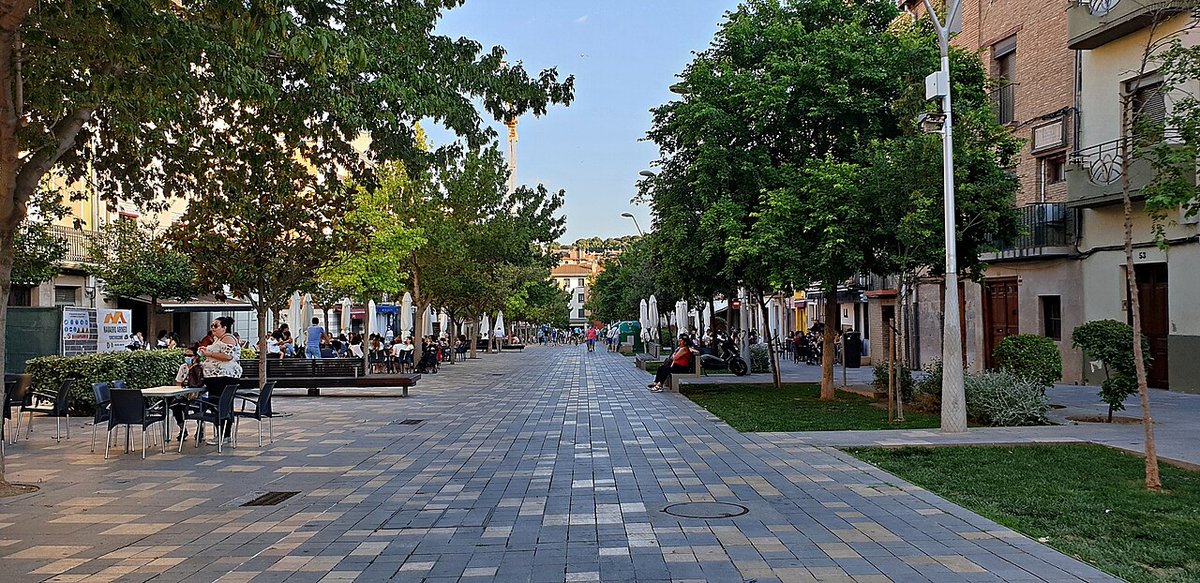
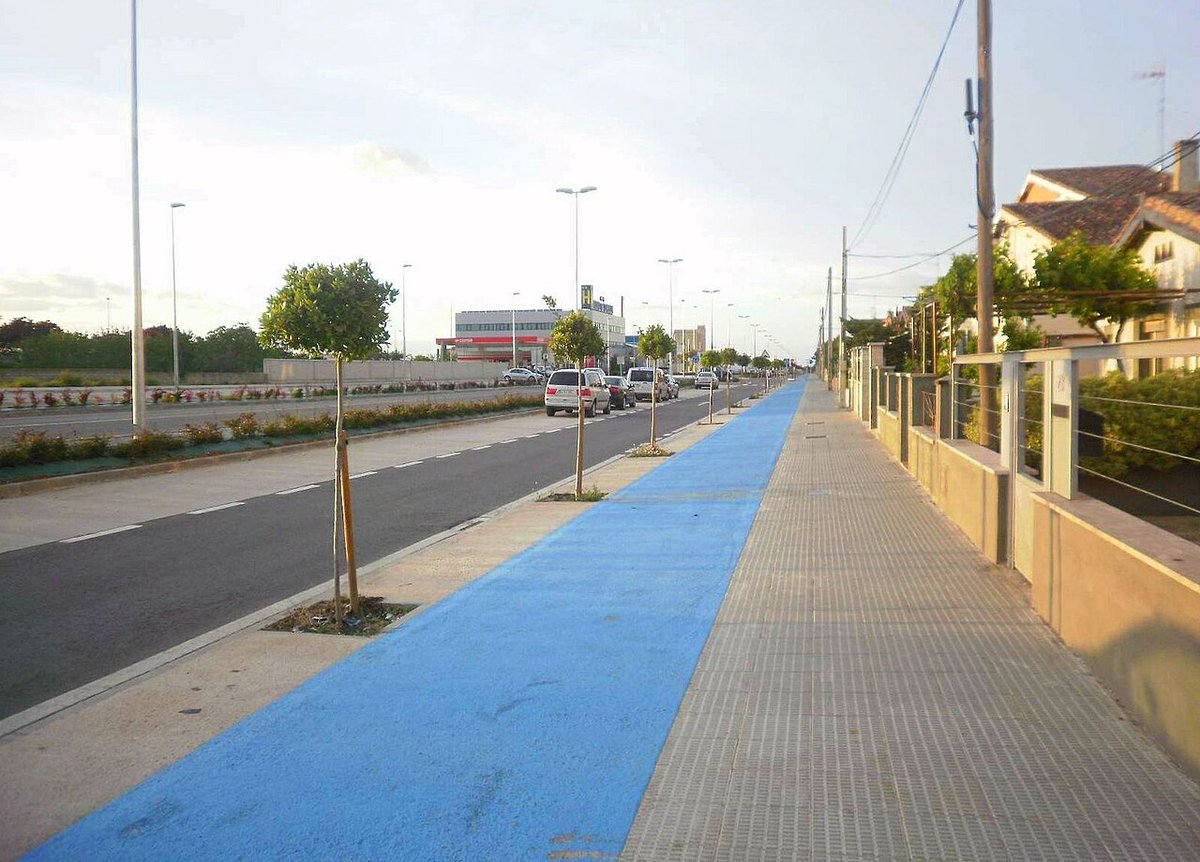
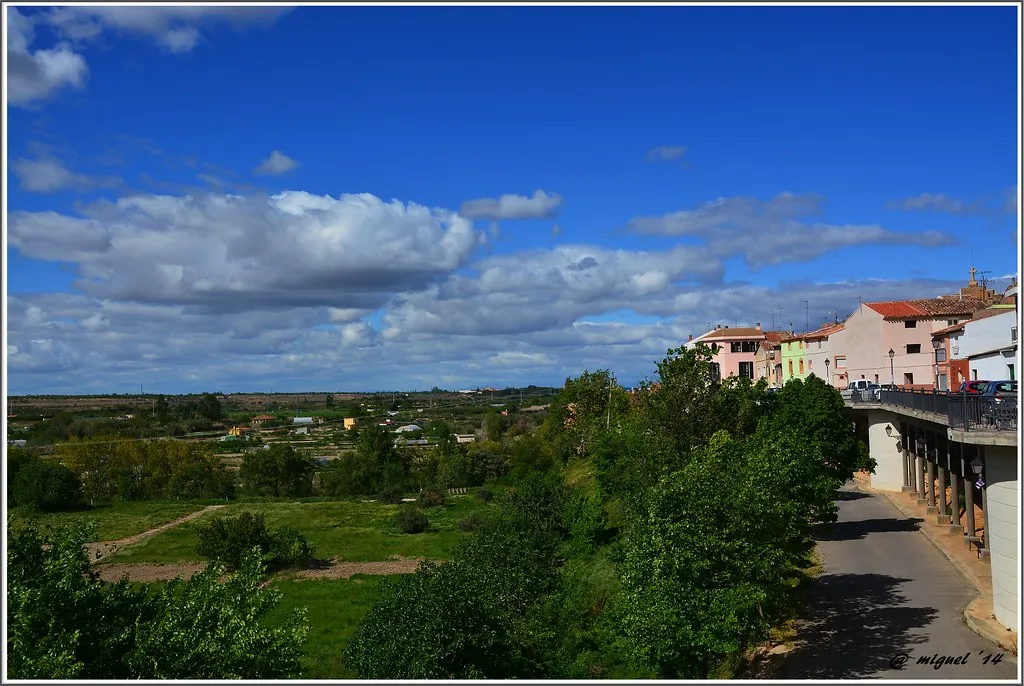
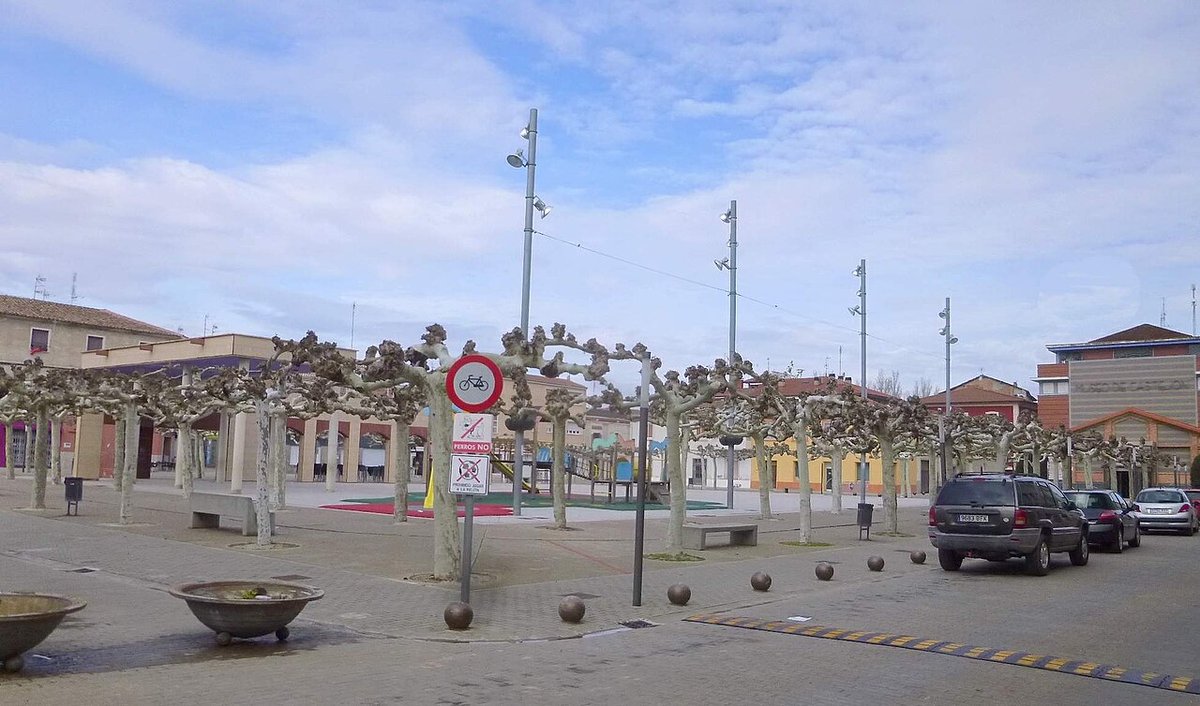
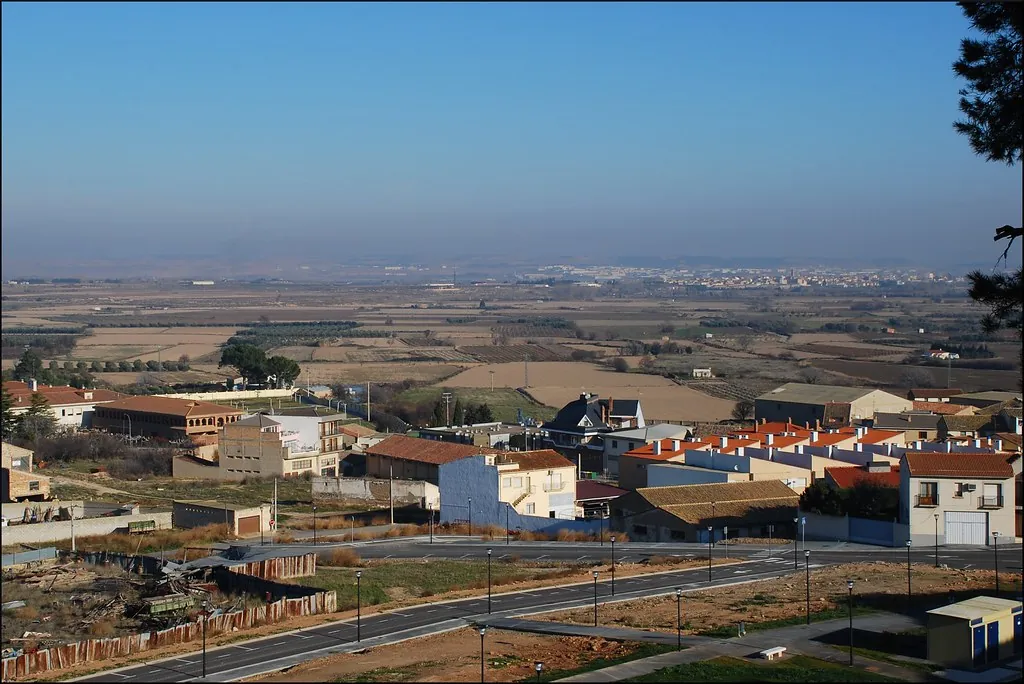
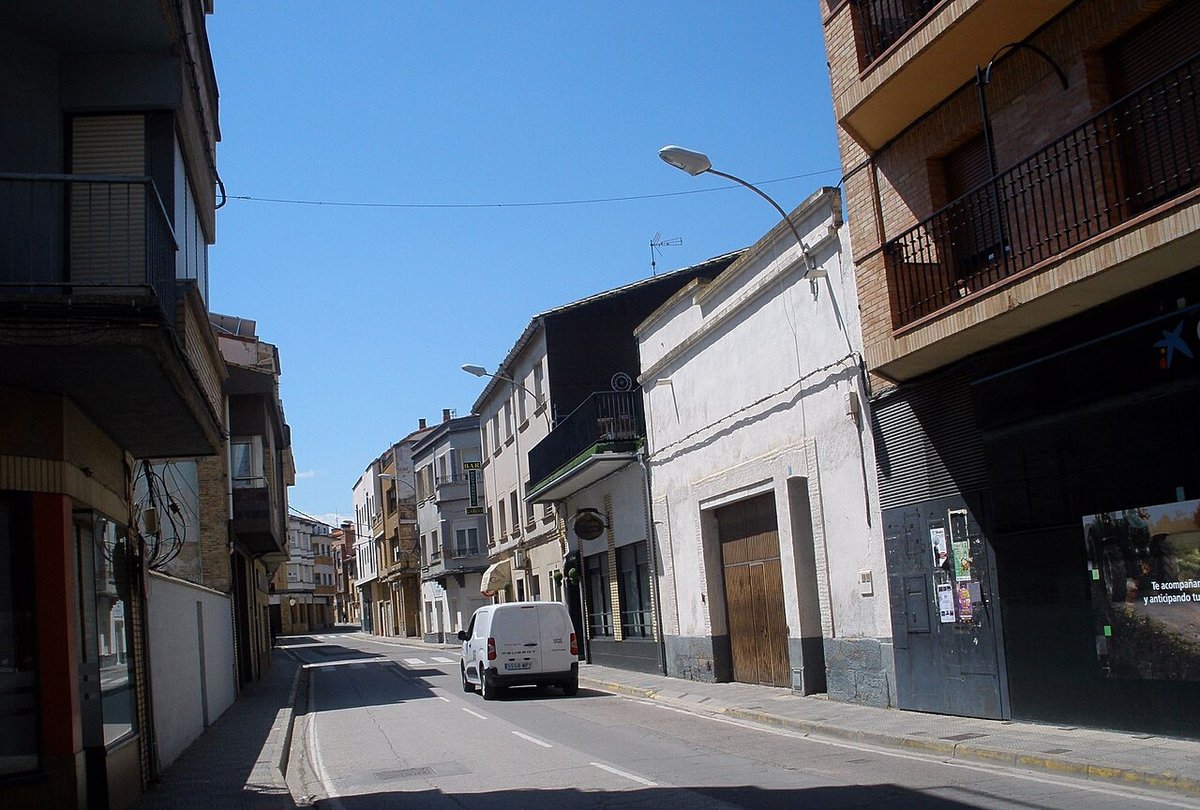
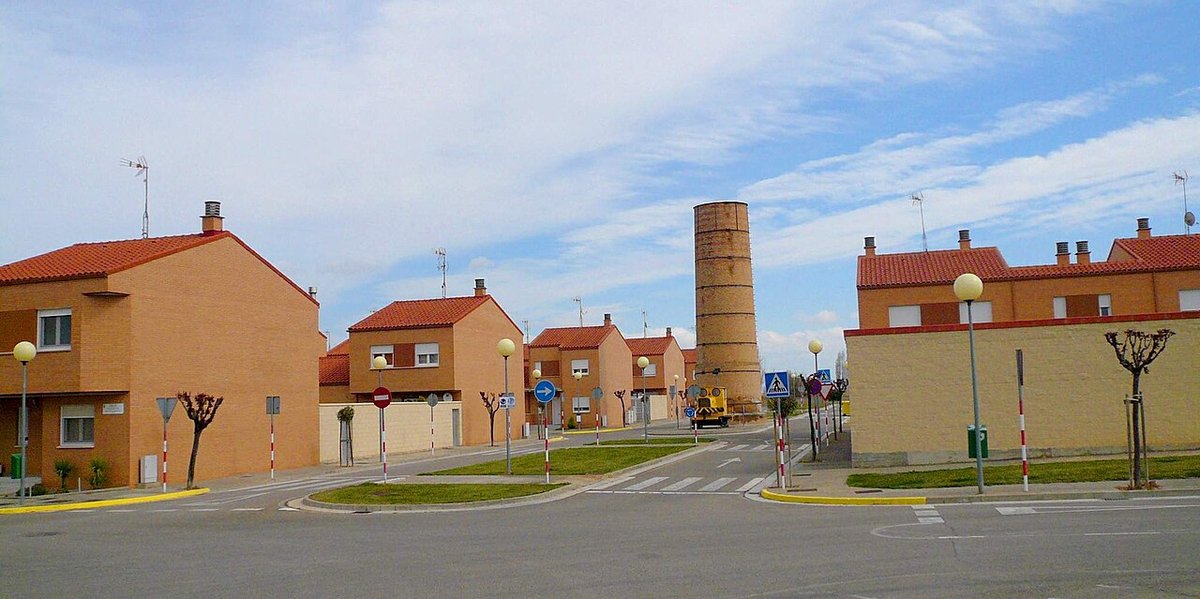
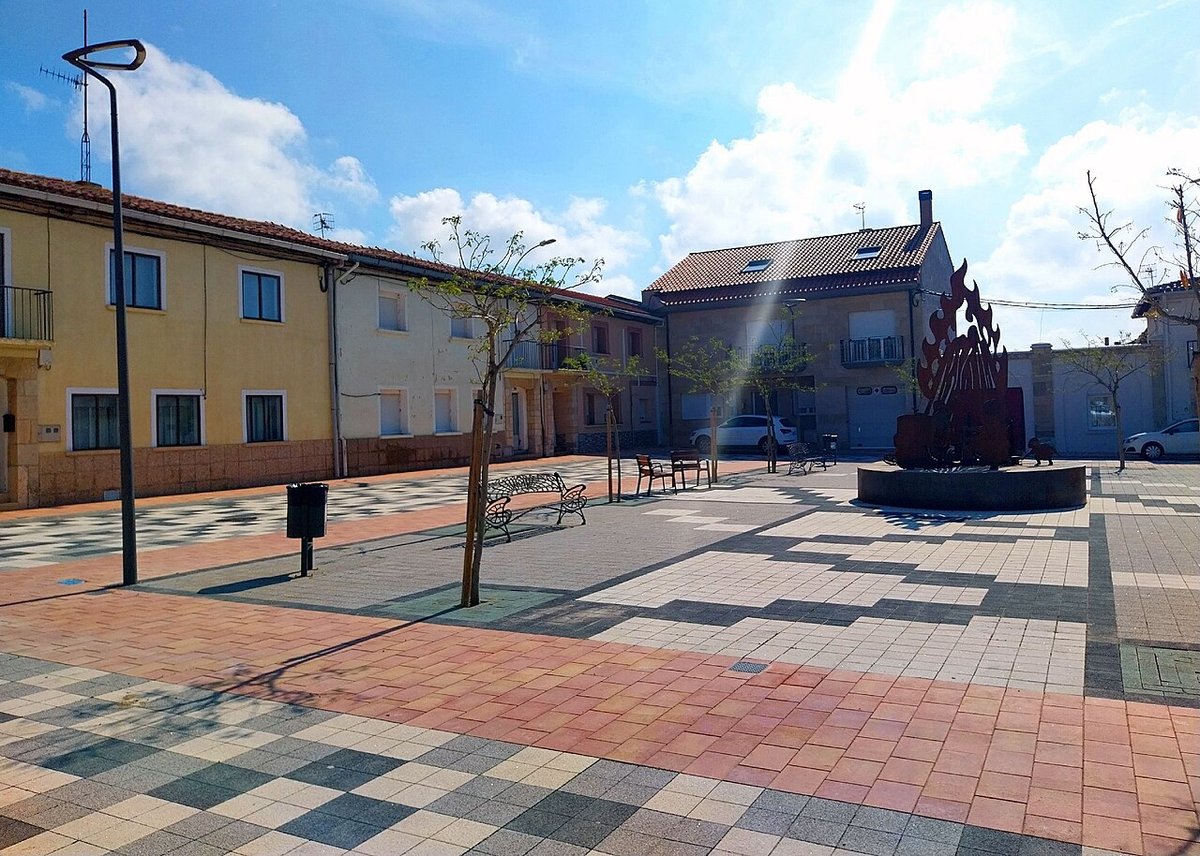
Cabanillas sits 55 km south of Pamplona on the flat apron of the river Ega, elevation a modest 261 m. What looks like open plain is actually a chessboard of tiny plots: artichokes giving way to almond, then a sudden block of old-vine garnacha. The village itself is linear, strung along the NA-1110 like beads on washing line. There is no chocolate-box plaza ringed with cafés; instead the bars are dotted along the pavement and close, without exception, on Monday lunchtimes. Plan accordingly.
Fields, Forks and the 9 pm Curfew
British visitors usually arrive in one of two ways: a Ryanair flight to Zaragoza followed by an hour’s dash up the A-12, or a camper-van detour from the Bardenas Reales after realising the desert park has neither shops nor shade. Both groups share the same first impression – how quickly the traffic thins and the GPS lady starts apologising for “limited data”. Cabanillas has 1,379 inhabitants, one cash machine (often sulking) and a Vodafone dead zone on the north side. It is, depending on your mood, either reassuringly quiet or the sort of place that makes teenagers cry.
What the village does possess is an encyclopaedic knowledge of vegetables. The local cooperative, Espárragos de Cabanillas, ships 1.2 million kilos of green asparagus a year to Germany and, more recently, to Borough Market stalls who market it as “Navarra grass”. Visit in late March and you can watch the night shift emerge at 06:00, head-torches bobbing like glow-worms between the ridges of plastic. By 11:00 the same spears are cooling in chilled lorries, and by 14:00 the pickers are back in the bar drinking vermouth with the air of people who have earned it.
The eating options are limited but honest. Bar Sarratea will grill half a chicken until the skin shatters, and they’ll swap the ubiquitous lettuce for cucumber discs without being asked twice. Across the road, Asador Reca 1975 keeps a medieval-sized T-bone called chuletón; tell the waiter you want it “medium” and he’ll nod as though you’ve passed a secret test. Dinner service ends at 22:00 sharp – after that the lights go off and even the dogs seem to observe siesta. One Yorkshire reviewer on TripAdvisor wrote: “Lovely, but bring a book and a torch.”
River, Roads and the Illusion of Proximity
Walk 300 m east of the church and the tarmac dissolves into a grid of farm tracks. The Ega slips past in a muddy ribbon, poplars rattling like old bones. A sign announces “Sendero Fluvial 3 km” which sounds pleasant until you realise the path is really a tractor gutter baked into pottery. After rain it turns to chocolate mousse; after drought it cracks like the Bardenas badlands themselves. Either way, shade is theoretical – the Ribera’s horizon is ruler-straight and the sun has nowhere else to be.
Cyclists appreciate the absence of cars but underestimate the wind. The loop south towards Cortes is 18 km of dead-flat cereal fields; on a westerly day you pedal downhill yet still feel your thighs mutiny. Better to head north along the river to Fontellas where an 18th-century stone mill has been converted into the tiniest visitor centre in Navarra. Inside, a single panel explains how the Ega once powered silk looms; outside, storks clatter overhead like faulty helicopters.
The Bardenas Reales, that semi-desert of ochre cliffs used as a Game-of-Thrones backdrop, lies only 20 km away. It is not, however, a cycle-able 20 km. The direct farm track crosses an artillery range and a private irrigation network whose owner enjoys phoning the Guardia Civil. Take the car, or book a taxi in Tudela the day before. Several British walkers have been collected at dusk by bemused farmers after discovering that Google’s dotted line is wishful thinking.
Seasons, Saints and the Monday Problem
Spring is the village’s diplomatic season. Artichoke fields turn purple, mornings smell of wet earth and the temperature hovers either side of 18 °C – perfect for walking before the asphalt starts to shimmer. Fiesta Patronales arrives the second weekend of August: three nights of brass bands, bumper cars and a foam party that leaves the main road looking like a washing-machine exploded. Accommodation is theoretically possible – there are four rooms above the bakery – but most visitors stay in Tudela and drive in for the fireworks.
Autumn brings the vendimia, when trailers of garnacha grapes queue outside the cooperative and the air fizzes with fermentation. Anyone appearing between 15 September and 15 October is liable to be press-ganged into grape-treading “for the photo”. Your reward is a plastic cup of cloudy mosto and a hangover that tastes of stems. Winter, by contrast, is blunt. Fog rolls off the Ega, the thermometer can dip to –4 °C and the asparagus fields become a grid of ghostly plastic hoops. Bars still open, but conversation shrinks to the price of diesel and whether Real Sociedad will ever win anything again.
Whatever the month, Monday remains the weekly full stop. Both restaurants, the bakery, even the municipal playground gate stay locked until 17:00. Several families have survived on crisps and the last of the airport euros until the Multitienda re-opens at 18:00, by which time the village feels like a film set waiting for the actors to return.
Making It Work (and When to Give Up)
Cabanillas will never tick the “must-see” box. What it offers is a glimpse of an agricultural Spain that still runs on seasons rather than schedules. Stay one night and you’ll leave relaxed; stay three and you might learn the difference between a partridge and a quail call at dawn. The key is to arrive prepared: fill the tank in Tudela, draw cash at the airport and download offline maps before the signal dies.
Base yourself here only if you have wheels. Within a 40-minute radius you can breakfast on warm churros in Olite, photograph Roman mosaics in Andelos and still be back for asparagus by lunch. Attempt the same itinerary by bus and you’ll discover the only Sunday service departs at 06:15, piloted by a driver who treats timetables as advisory poetry.
Come with realistic expectations and the village repays you: a five-euro plate of vegetables that actually taste of something, a night sky still unpolluted by neon, and the realisation that much of Spain still lives to the rhythm of soil and sap rather than TikTok. Turn up hungry on a Monday, however, and you’ll be eating crisps in the car park, wondering why no one warned you. Consider yourself warned – and bring a paperback for the evening.