Full Article
about Cadreita
Located beside the Ebro and near Bardenas; known for its modern farming and the lookout castle.
Hide article Read full article
A landscape shaped by water and crops
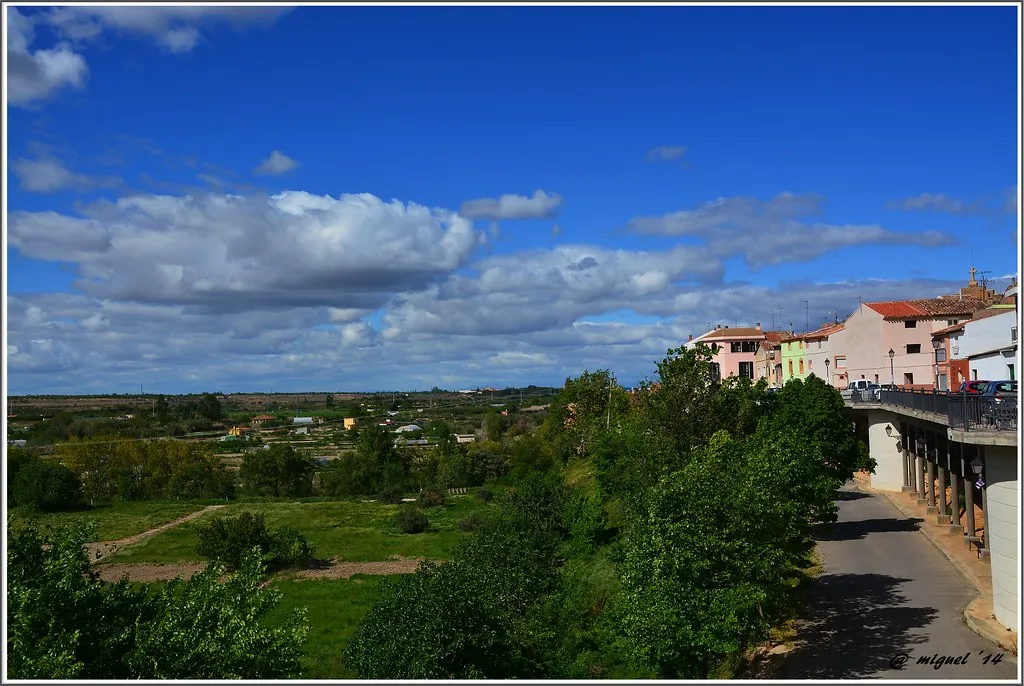
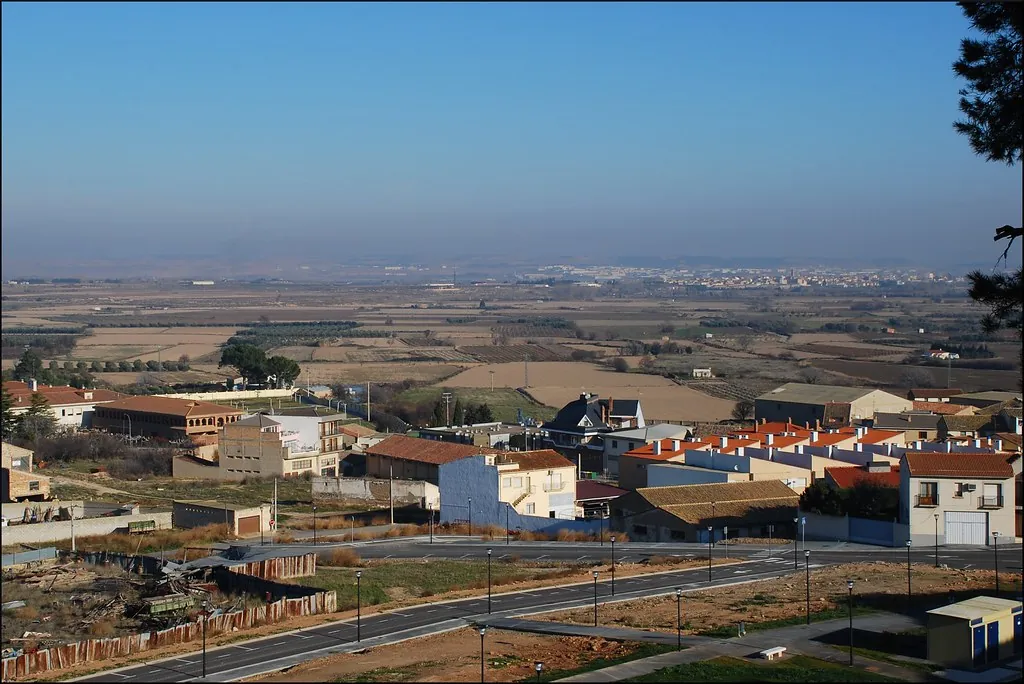
Cadreita sits in the Ribera of Navarra, on the flat agricultural plain that opens south of Tudela. Here, the landscape follows the logic of water and cultivation. The River Ebro, irrigation channels and long खेत-like plots define the view, with asparagus, piquillo peppers and cereals appearing according to the season.
The Canal de Lodosa runs close to the town centre and helps explain much of the area’s more recent agricultural prosperity. Its presence transformed how land could be used, allowing a shift towards more intensive and varied farming.
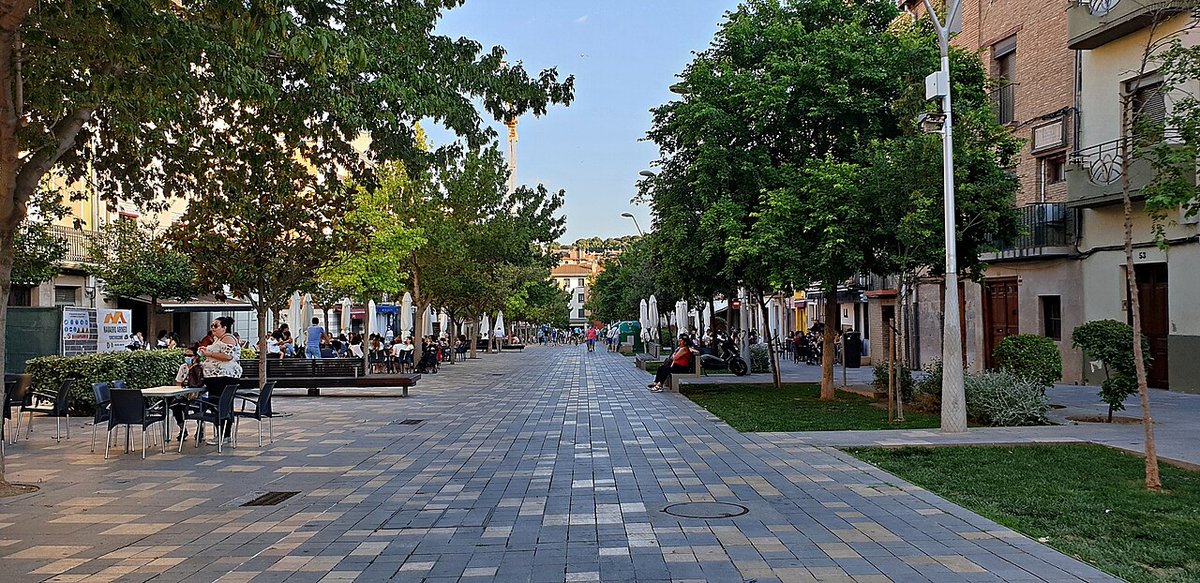
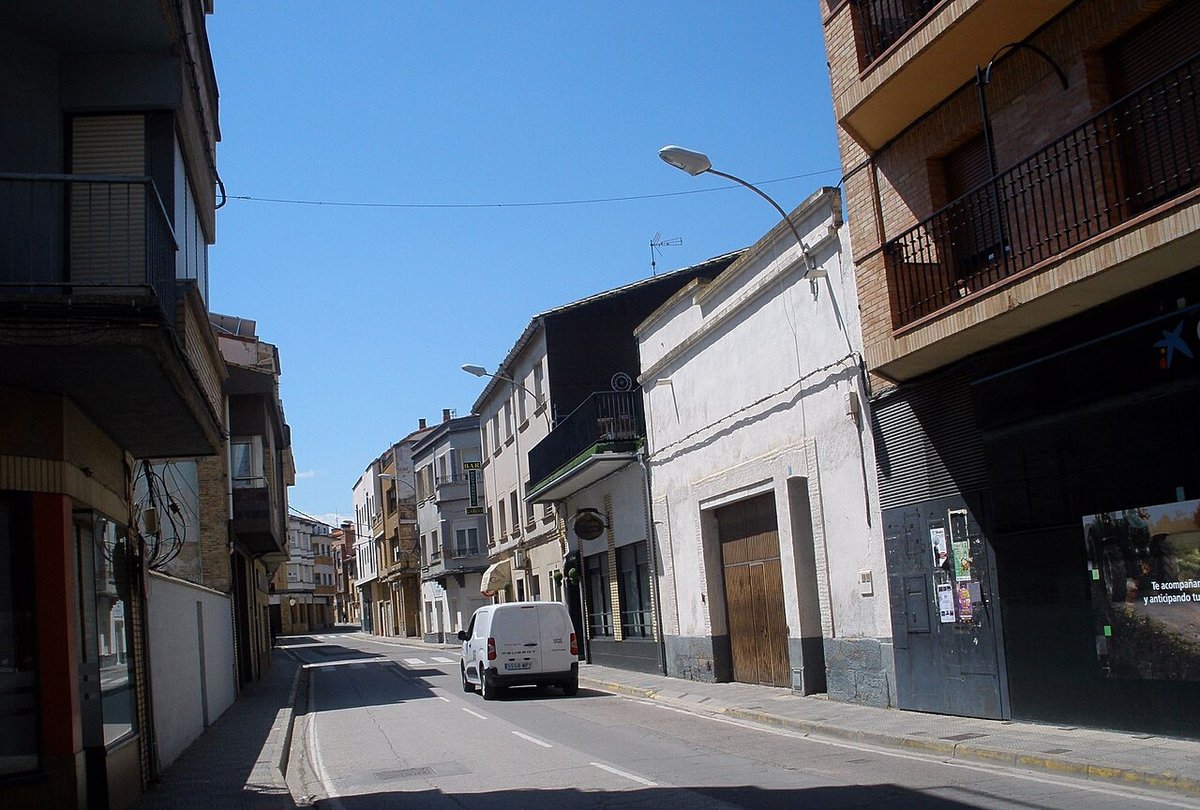
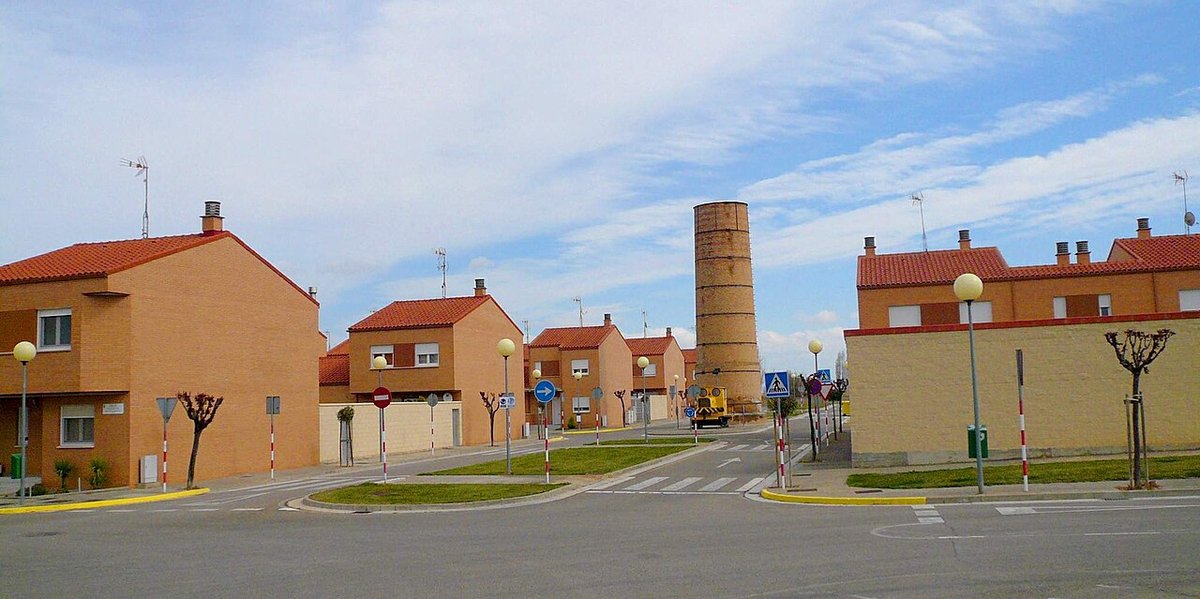
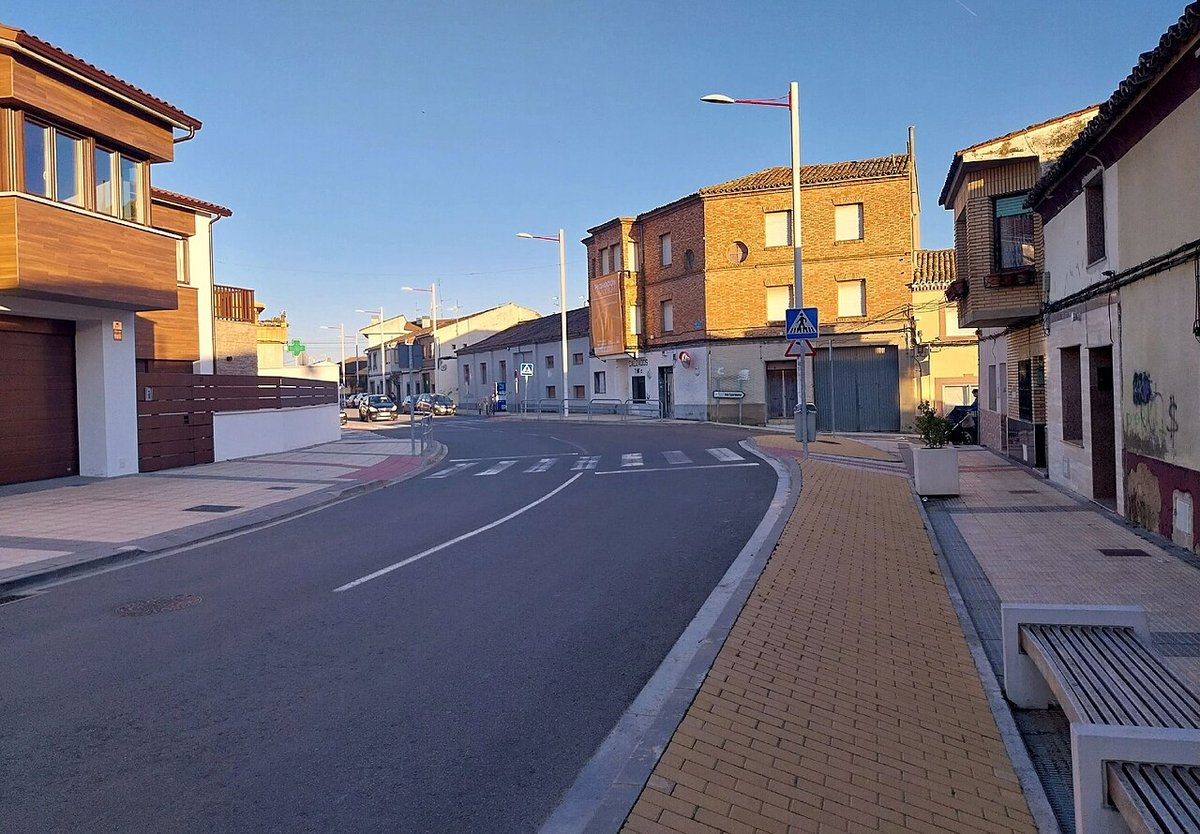
At first glance, Cadreita feels restrained. Low houses line straight streets, and there is little emphasis on monumental buildings. That simplicity is tied to its past. For centuries, much of the municipality, including the town itself, belonged to a feudal estate. This long period under a single ownership shaped an urban layout that differs from many other settlements in the Ribera.
A long feudal past
Cadreita’s history is closely linked to seigneurial ownership. After the Christian conquest in the 11th century, the settlement passed through different hands. Religious institutions held it first, followed by noble lineages, until it became tied to a noble house that retained extensive possessions here for centuries.
This system left a deep mark on everyday life. Local oral tradition still recalls how many homes and plots depended on that overarching ownership. Land was not widely distributed, and the structure of property influenced both the economy and social organisation.
Change came gradually. Over time, land was divided and transferred into the hands of residents, cooperatives and smallholders. This process accelerated during the second half of the 20th century and reshaped the agricultural economy. What had once been concentrated under a single authority became more fragmented, with a broader base of ownership.
To the south, the municipality opens onto the landscape of the Bardenas Reales. Cadreita holds a considerable area within this semi-desert territory. Historically, these lands were used for cereal cultivation and grazing, extending the agricultural character of the town into harsher terrain.
The parish church of San Miguel
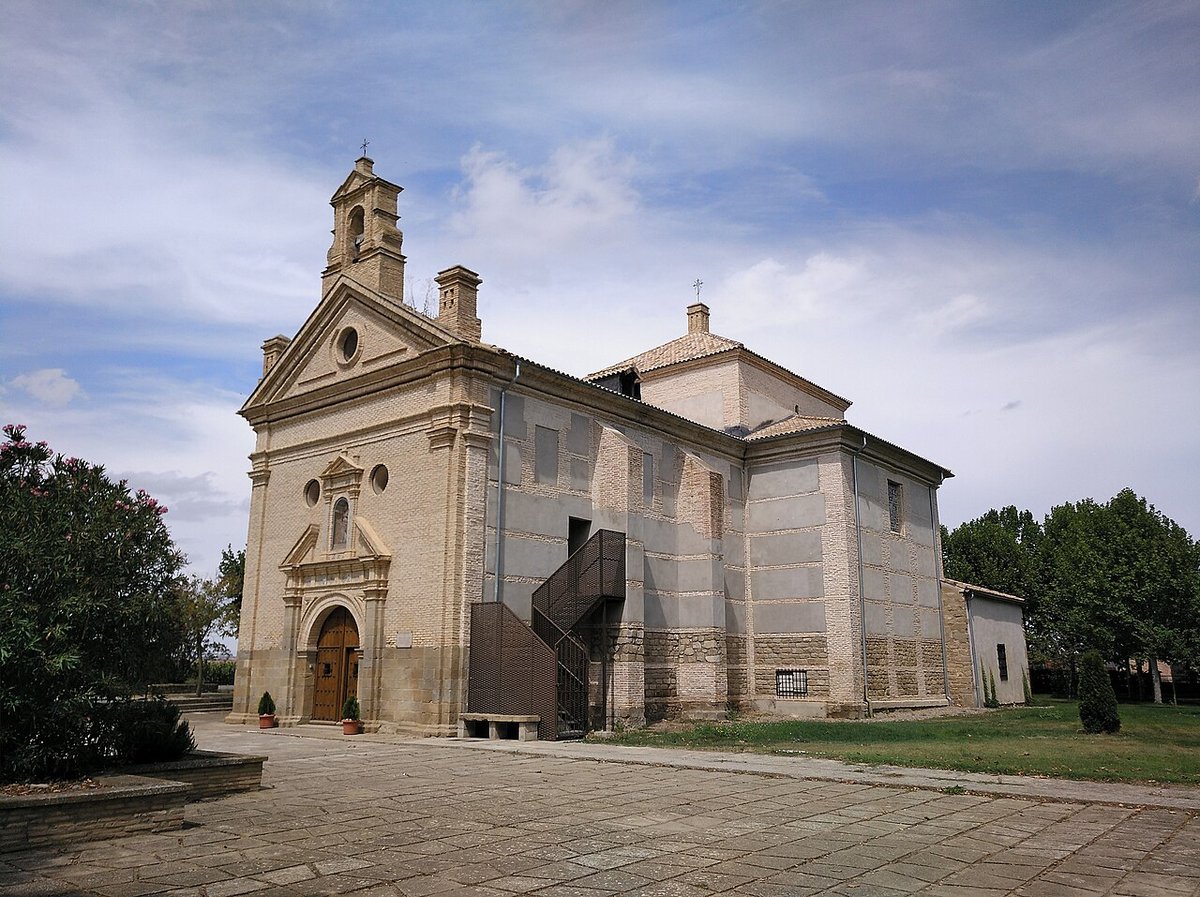
The parish church of San Miguel Arcángel appears older from the outside than it really is. The current building dates from the mid-20th century, constructed after a fire destroyed the previous church in the 19th century.
Inside, the space is large and notably restrained. Light enters from the upper parts of the structure, giving the interior a clear, open feel. It does not follow the Baroque model common in many towns across Navarra. Instead, the design reflects a later and more functional architectural approach.
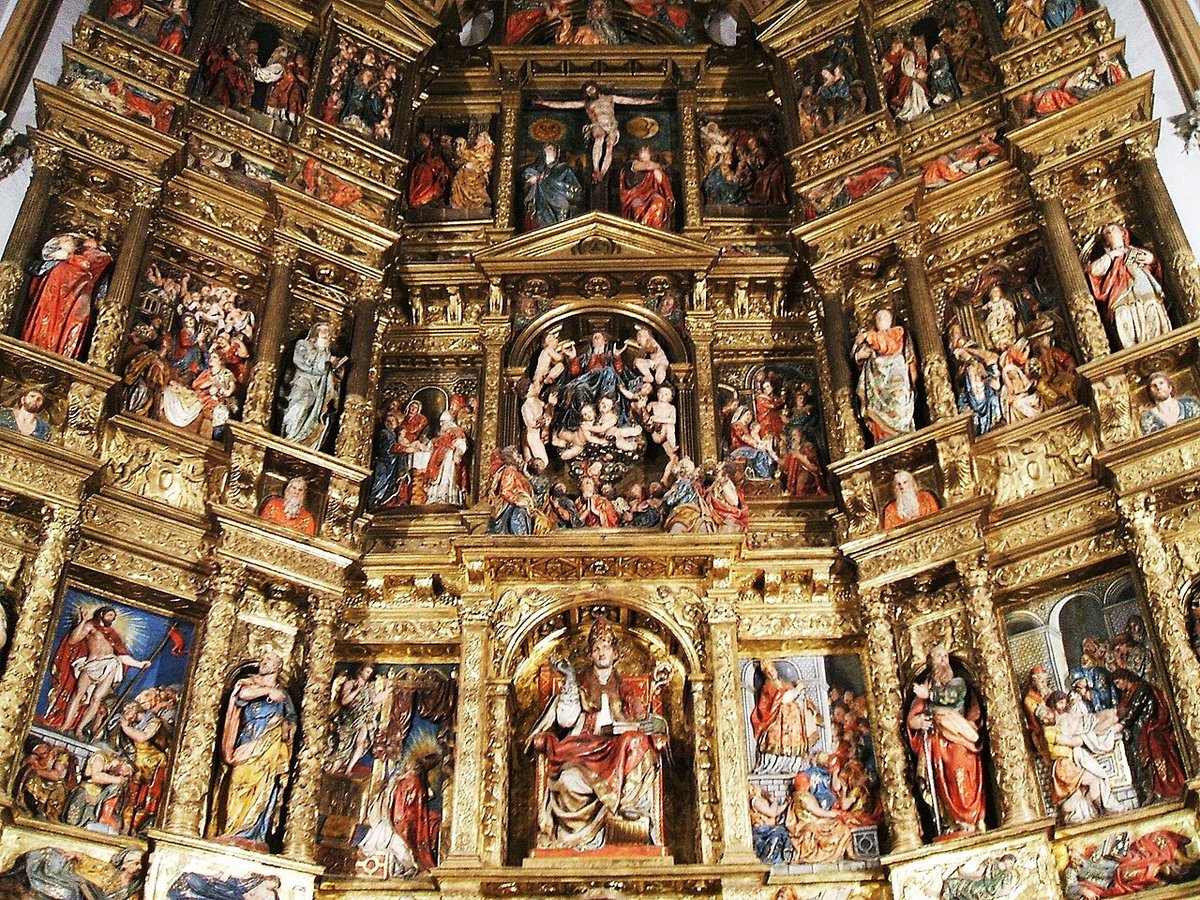
One piece connects the present building with a much earlier past. A small Gothic figure of San Miguel, carved in polychrome wood, is preserved inside. It is usually dated to the early 16th century and is likely the oldest artistic object in the town. The figure still shows signs of long devotional use, with darkened varnish and traces of candle smoke visible on its surface.
Underground cellars beneath the streets
Several streets in the old part of Cadreita conceal underground cellars built beneath houses or carved into the ground. Some date back to the 17th and 18th centuries, when many families produced wine for their own consumption.
One of the best-known examples lies on Calle Mayor, behind a fairly discreet wooden door. Below street level, a stone chamber opens up, structured with brick arches and fitted with ventilation shafts that help maintain a stable temperature throughout the year. These features made the cellars practical for storing and producing wine.
This type of domestic winemaking space was once common across the Ribera, before production became concentrated in cooperatives. Today, they are not always accessible. Access often depends on chance, and a resident may occasionally offer to show the interior.
Towards the Bardenas
Several agricultural tracks lead south from the town towards the Bardenas Reales. As these routes extend outward, the landscape shifts gradually. Irrigated plots give way to drier fields, and eventually to clay ravines and bare rises.
Some paths approach the edges of these ravines, where the terrain drops sharply and reveals the eroded forms that define the Bardenas. The area is not heavily signposted, so orientation relies on a map or local guidance.
The routes themselves are straightforward and mostly flat. Conditions change once the irrigated land is left behind. Shade becomes scarce, and carrying water is important for anyone heading out on foot.
Reaching Cadreita and choosing a moment
Cadreita lies a short distance from Tudela, connected by local roads that cross the Ribera through cultivated land. Travelling by car remains the most practical way to get around the area.
The rhythm of agriculture shapes how the surroundings look throughout the year. In spring, asparagus fields and market gardens are active and green. By late summer, peppers dominate, and harvested cereal fields leave the الأرض pale and dry. Each season shows a different version of the same landscape, shaped by cycles of planting and harvest rather than by large changes in terrain.