Full Article
about Caparroso
Key communications hub in the Ribera; it has castle remains and the church’s Cristo.
Hide article Read full article
A bridge, a river and a name that stuck
Any account of tourism in Caparroso begins with the river. The Aragón has shaped both the layout of the town and something of its temperament. The current bridge carries more than three centuries of work and a patron saint whose name turned into a long-running joke.
In 1787 a flood swept away three of its five arches. The Diputación of the Kingdom rebuilt it at the start of the 19th century and someone added a plaque with the name of the patron saint of schools, San José de Calasanz. The next flood erased part of the inscription. What remained read “San Joderse”, and the nickname never left. Even now, some older residents still cross themselves as they walk over the bridge and quietly say the full name, as if the joke carries a hint of warning.
A liquid frontier
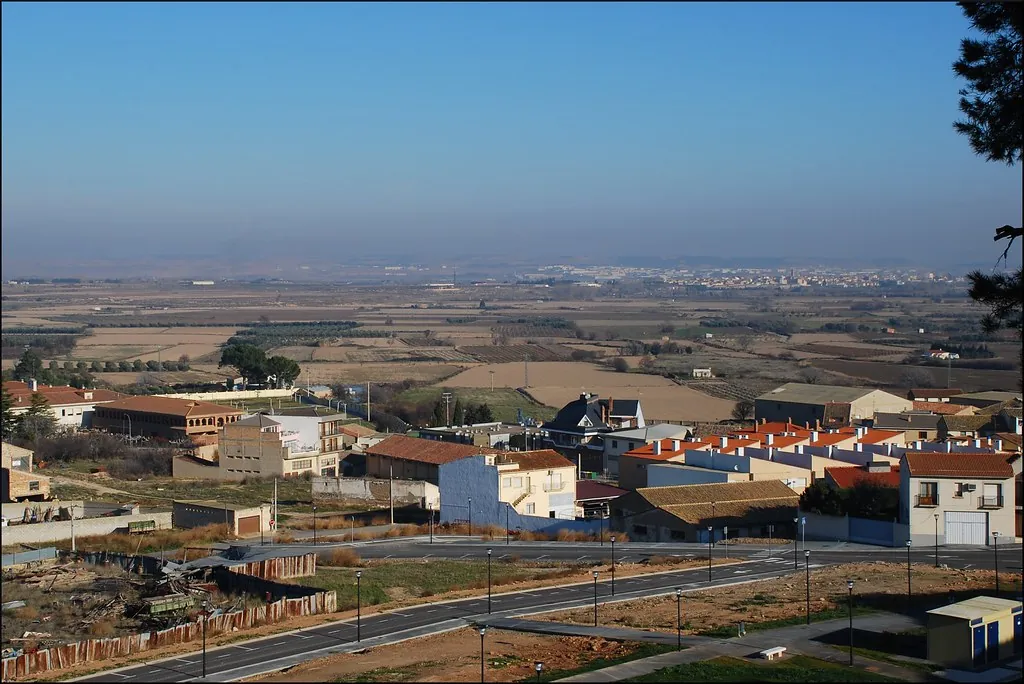
Caparroso grew where the Aragón curves broadly before entering the Bardenas. Medieval texts refer to the place as Qabarrus as early as the Andalusi period. For centuries it stood on a frontier between the Christian territories to the north and Muslim lands along the Ebro valley. By the end of the 11th century the town passed definitively into the kingdom of Pamplona, during a period when territorial shifts like this were common.
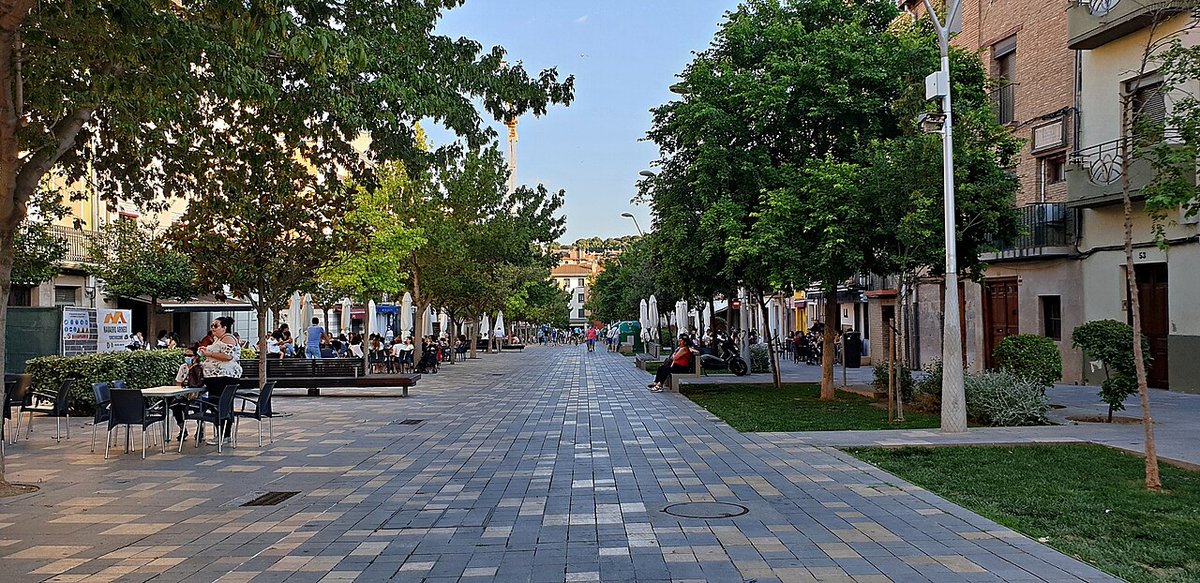
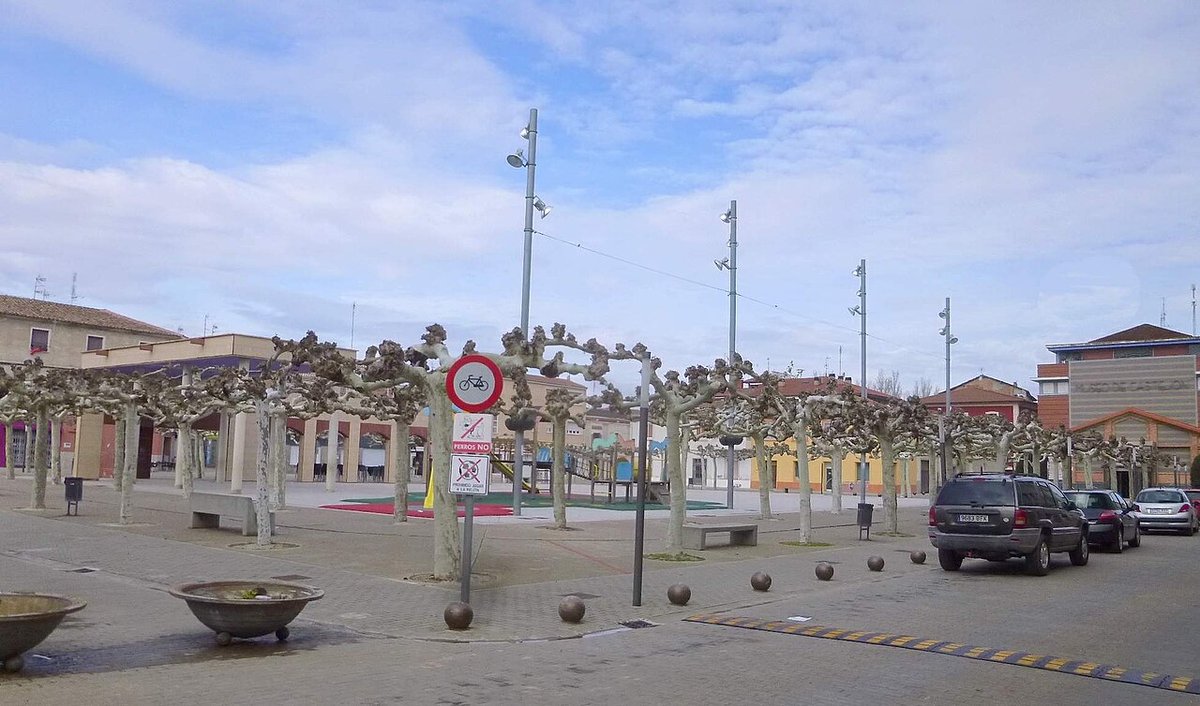
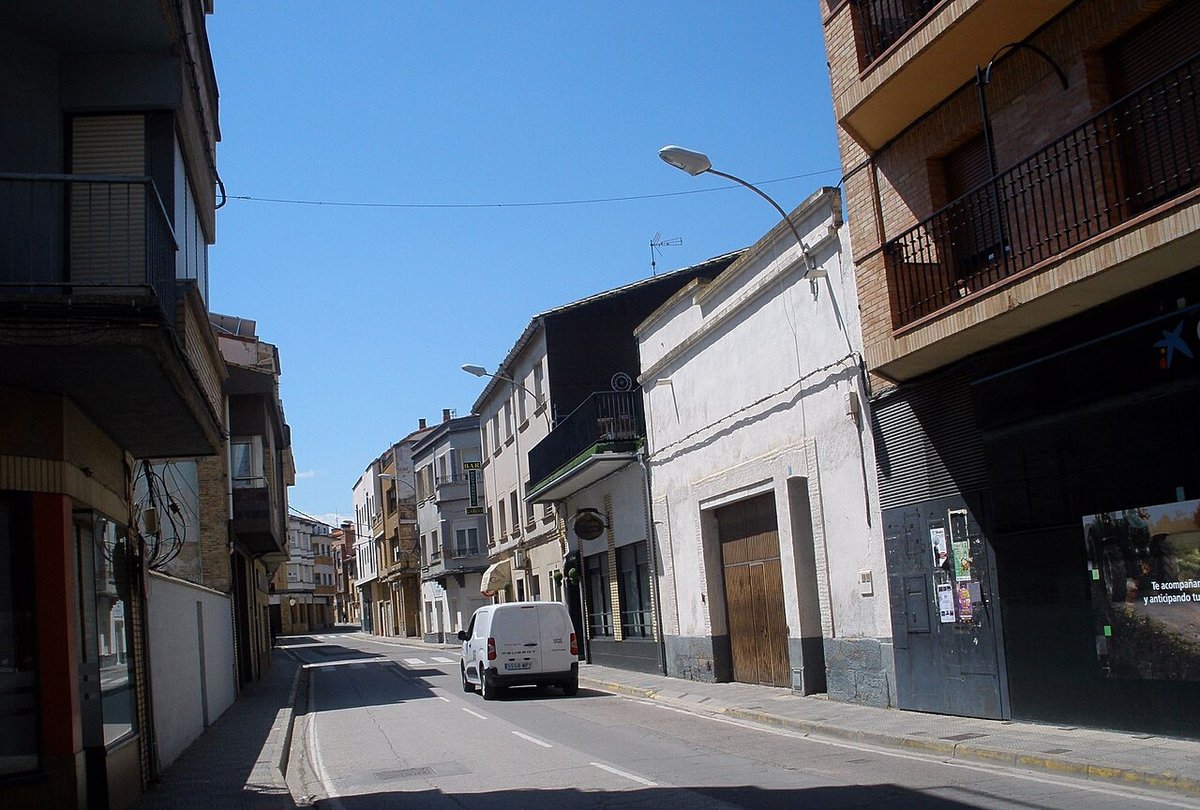
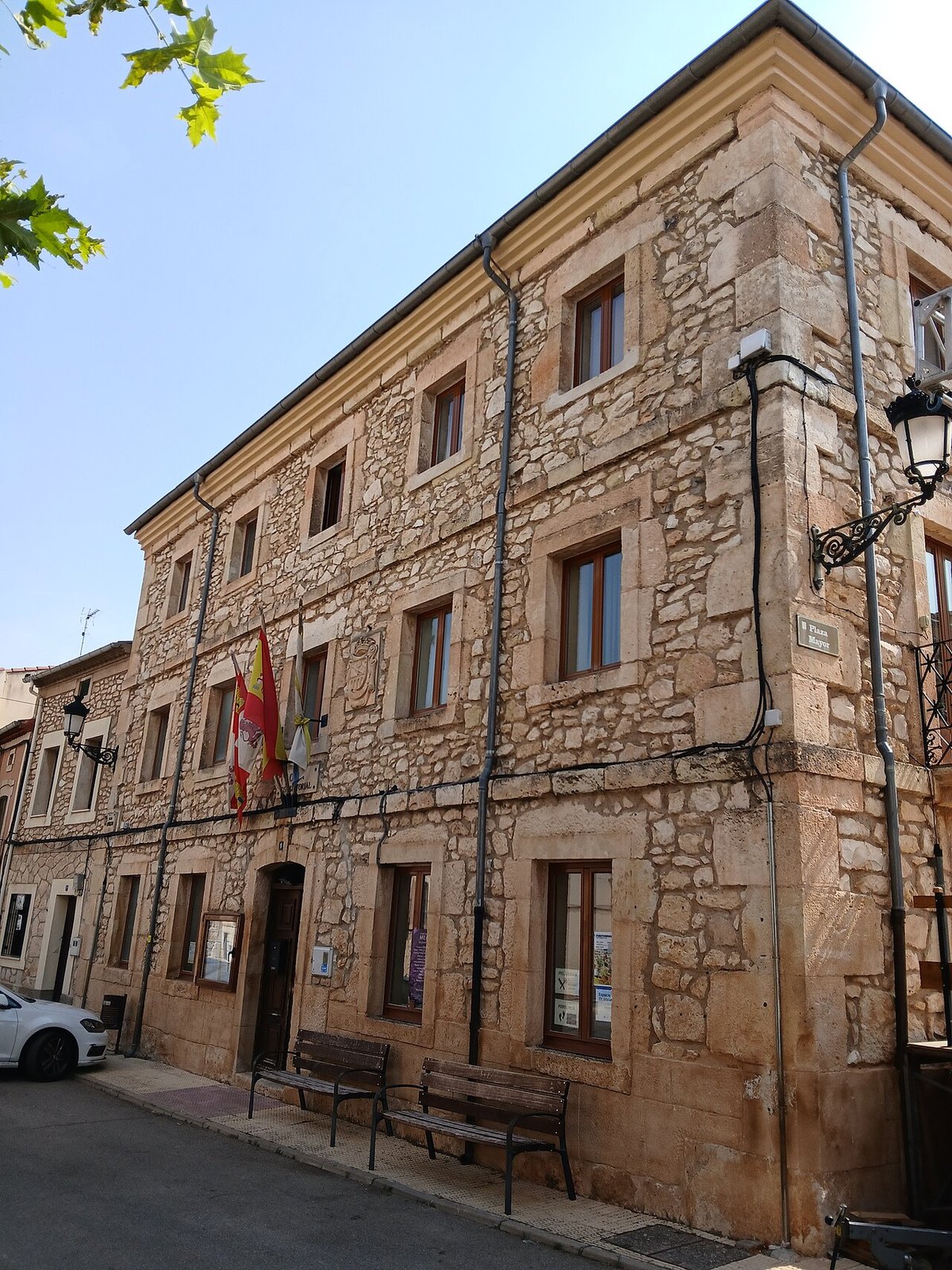
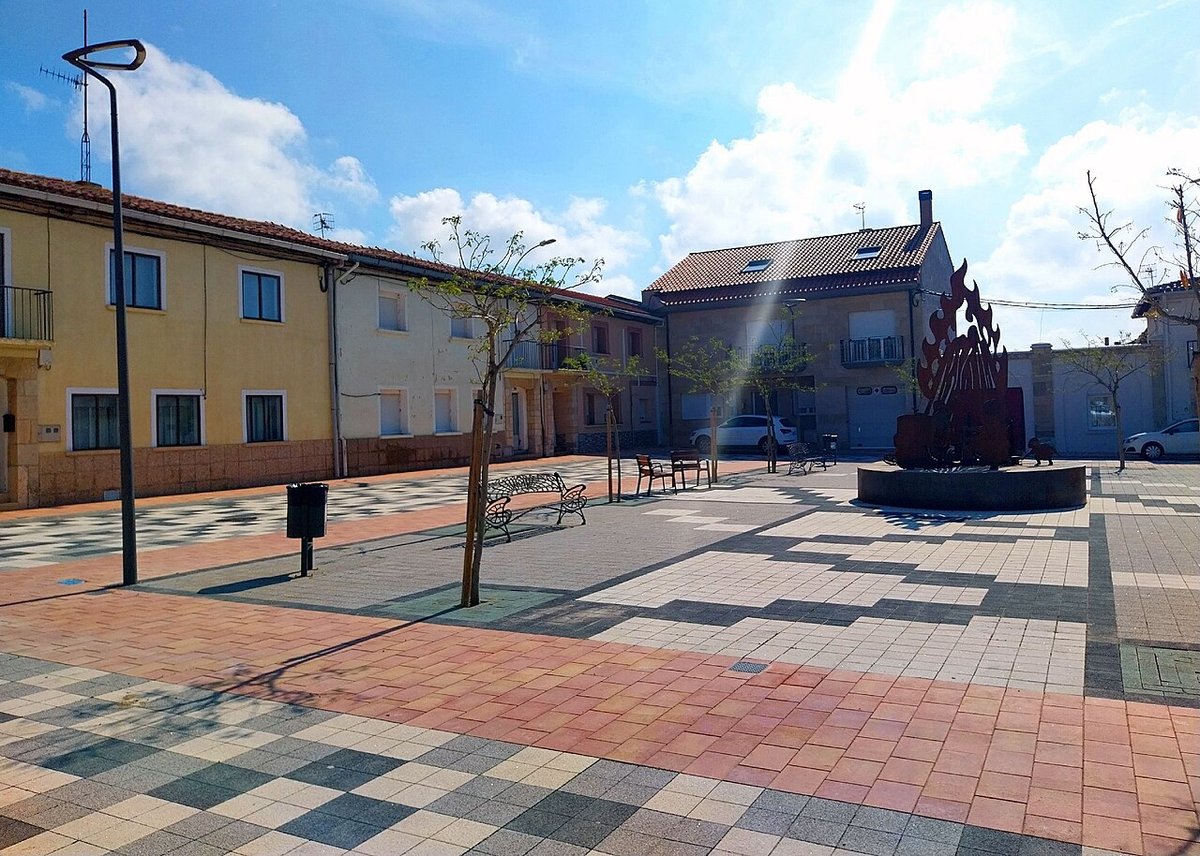
A fuero, a local charter granted in the 12th century, helped fix the shape of the settlement. Streets run relatively straight and meet at the main square. The logic was practical. Everything faced towards the bridge, the point where goods and travellers arrived, along with news from elsewhere.
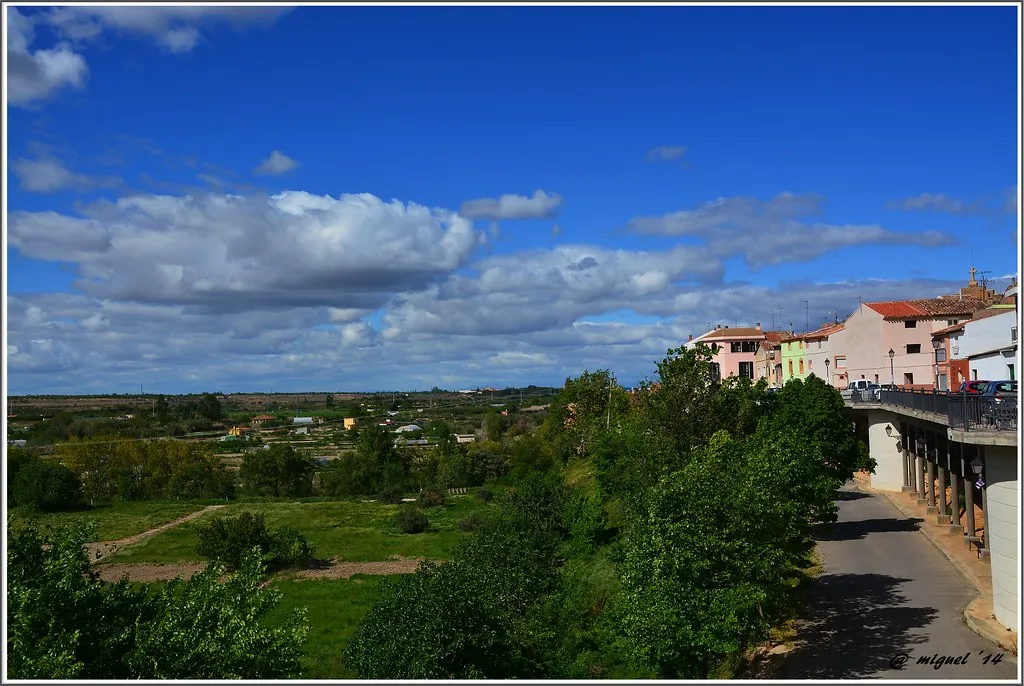
The river also set the rhythm of local life. The riverside plain is fertile and dark, soil that holds water well. White asparagus has been grown here for generations and, in season, appears in many homes even before summer peppers. The municipality extends into the Bardenas Reales, and Caparroso has held usage rights there for centuries. That connection still shows when flocks pass through the town on their way to grazing land.
Churches, altarpieces and a displaced Christ
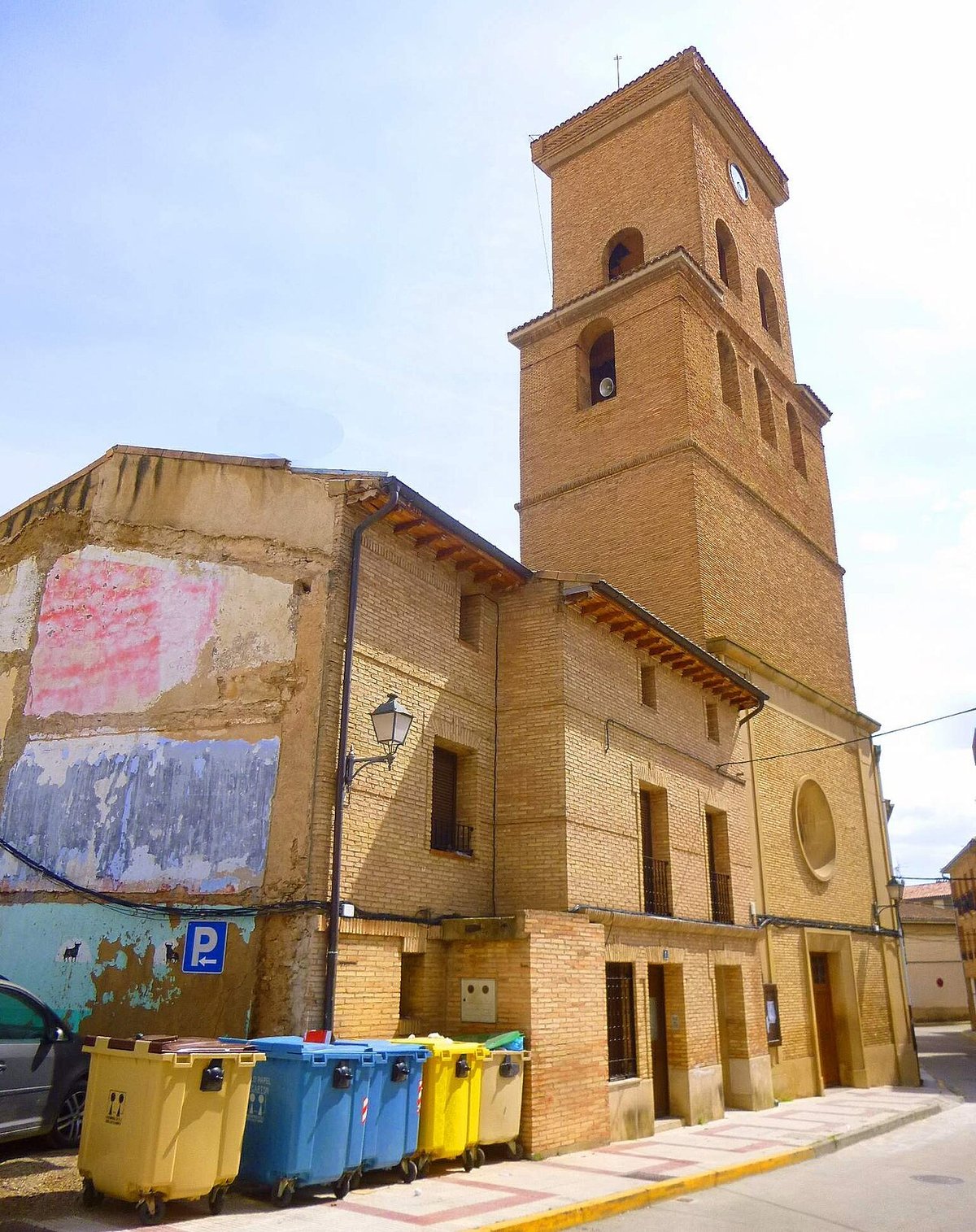
The church of San Juan Bautista dates largely from the 16th century, although much of what stands today comes from rebuilding after the civil war. The earlier building suffered severe damage in 1936, and large sections of the nave had to be constructed again.
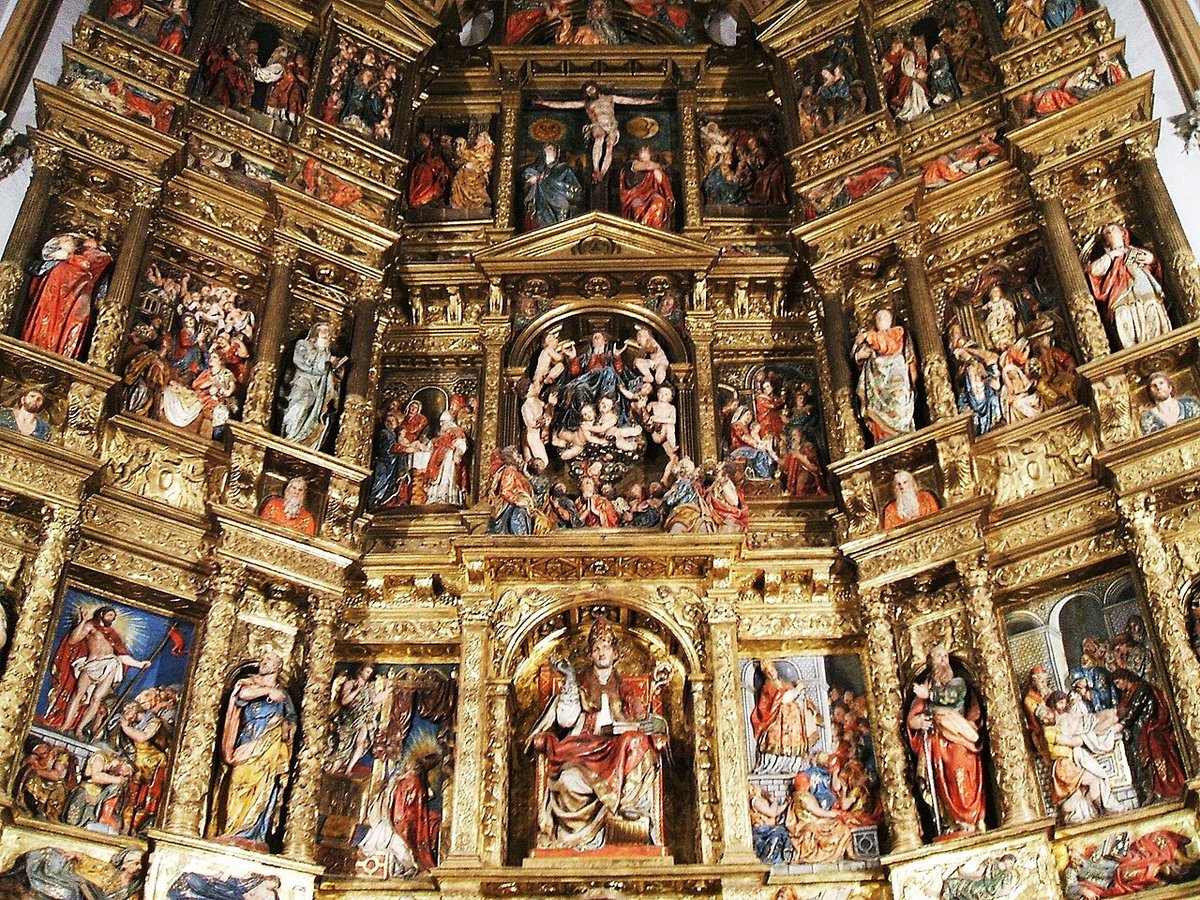
Among the pieces that survived is a Romanesque carving of Christ, usually dated to the mid-13th century and linked to workshops active around Sangüesa. The figure endured the collapse of the old church and for a time remained in a side chapel. The Gothic altarpiece it once belonged to was eventually moved to Pamplona, something that happened to several works from Navarra in those years.
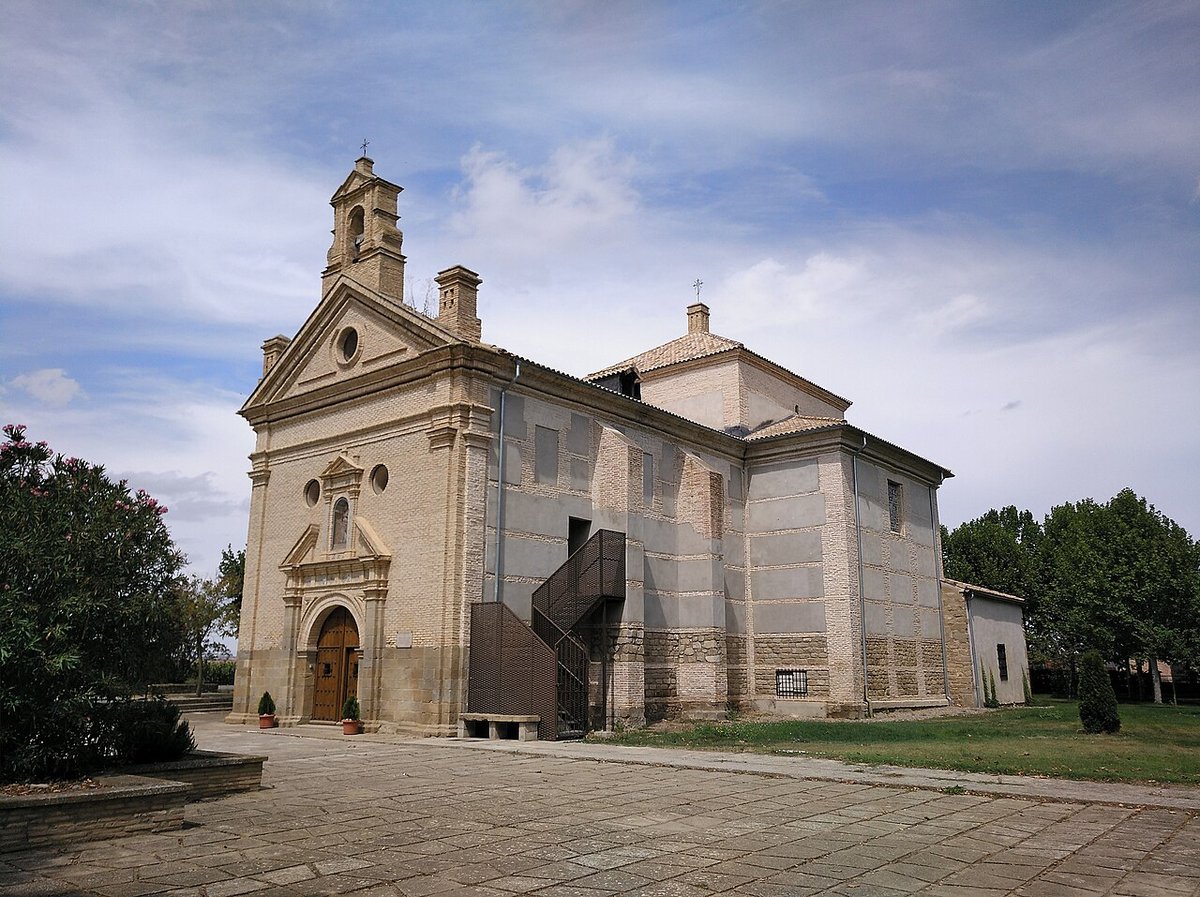
Today the carving presides over the hermitage of Cristo Rey, a building from the 1950s made with exposed brick and concrete structures. It reflects post-war architecture, functional and with little in the way of ornament.
Inside the present parish church there is also a stone baptistery from the earlier building and a pipe organ still used on some occasions. One small detail stands out in the pews: several have the names of families carved into them, those who helped pay for them in the 1940s when the town was quite literally rebuilding the church interior.
Towards the Bardenas
From the streets leading off the square, an agricultural track heads out and eventually enters the Bardenas Reales. Caparroso is one of the towns with historic rights of use in this shared territory, known as derechos congozantes.
Many locals walk or cycle the route. It begins among the cultivated fields of the riverside plain and gradually shifts in character. The soil turns redder, rounded stones appear, and the low vegetation typical of the edge of the Bardenas becomes more common. There is no need to go far to notice the change. Within half an hour on foot, the humid valley of the Aragón starts to fall behind.
Signposting is simple: farm tracks, the occasional post, and the steady reference of the river at your back.
Local celebrations beyond the guidebooks
One of the quieter festivities is San Marcos on 25 April. On that day the image of the Virgen del Soto is brought up and bread with cheese is shared in the atrium. It is a neighbourhood occasion, with blankets spread on the ground and pocket knives used to cut the bread.
The main festivities arrive in August, usually concentrated around the first weekend of the month. There are night-time dances and events spread across the town centre. After dark, the toro de fuego, a firework frame shaped like a bull, moves through the streets, followed by groups of young people who seem to know its route well.
The most attended pilgrimage is linked to the Virgen del Soto. Many residents walk to the hermitage, sing traditional songs known as gozos, and return carrying alder branches. Some households place these branches on balconies or doorways as a protective gesture.
Reaching and moving around
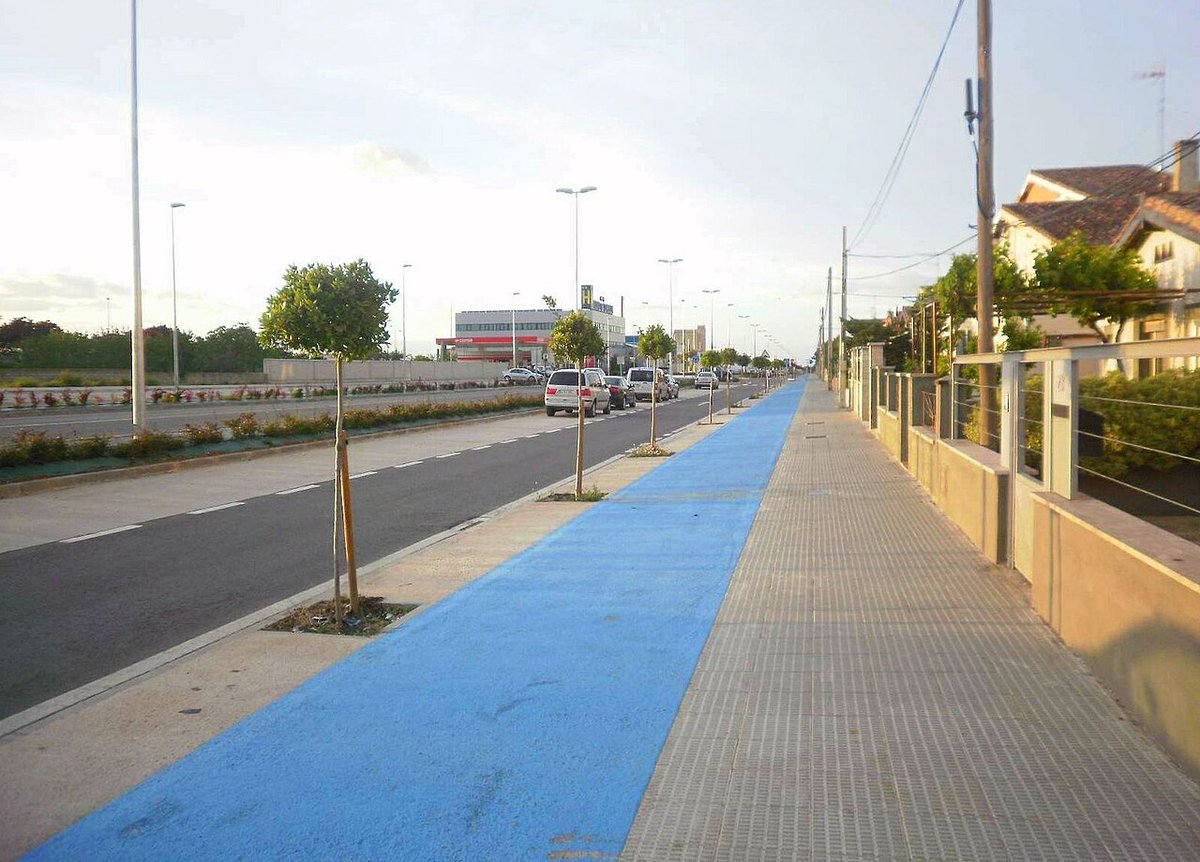
Caparroso lies in the Ribera of Navarra, south of Pamplona, along the route that connects with Tudela. Within the town, movement follows a simple pattern shaped long ago: streets that lead towards the square and, from there, towards the bridge and the river that continues to define everything around it.