Carcastillo - Flickr
p_v a l d i v i e s o · Flickr 5
Navarra · Kingdom of Diversity

Carcastillo

The church bell strikes eleven somewhere above the square, but nobody checks their watch. A tractor reverses slowly past the bar terrace, its tyres...

2,408 inhabitants · INE 2025
351m Altitude

Why Visit

Monastery of La Oliva Visit the Monastery

Best Time to Visit

summer

Feast of the Virgen del Rosario (August) agosto

Things to See & Do
in Carcastillo

Heritage

  • Monastery of La Oliva
  • Church of El Salvador

Activities

  • Visit the Monastery
  • Routes to Bardenas

Festivals
& & Traditions

Fecha agosto

Fiestas de la Virgen del Rosario (agosto)

Las fiestas locales son el momento perfecto para vivir la autenticidad de Carcastillo.

Full Article
about Carcastillo

Home to the striking Monasterio de la Oliva; northern gateway to the Bardenas Reales

Ocultar artículo Leer artículo completo

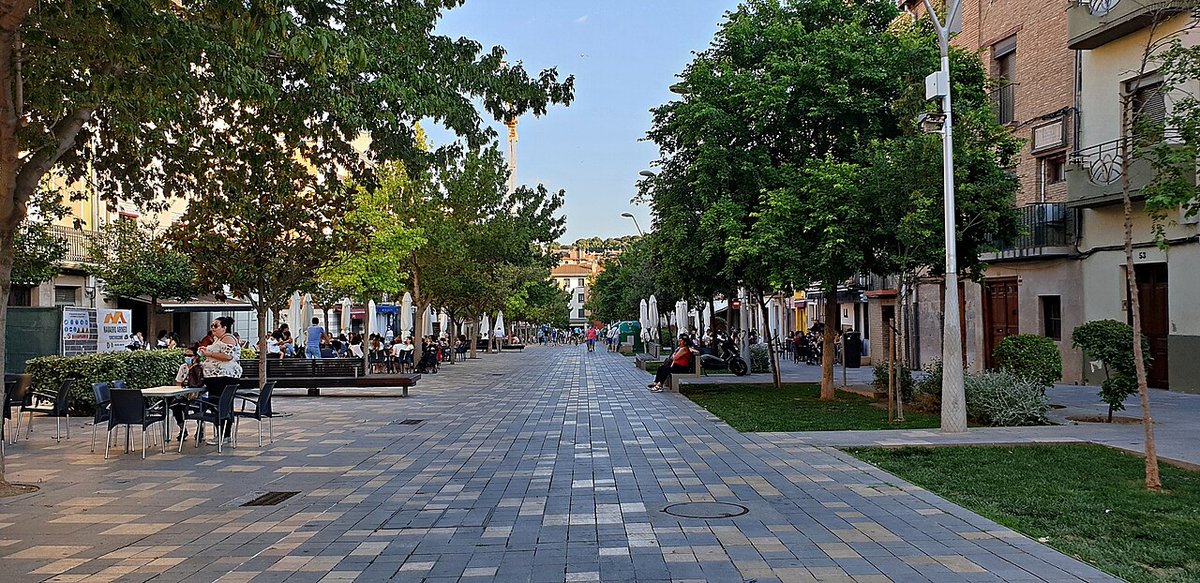
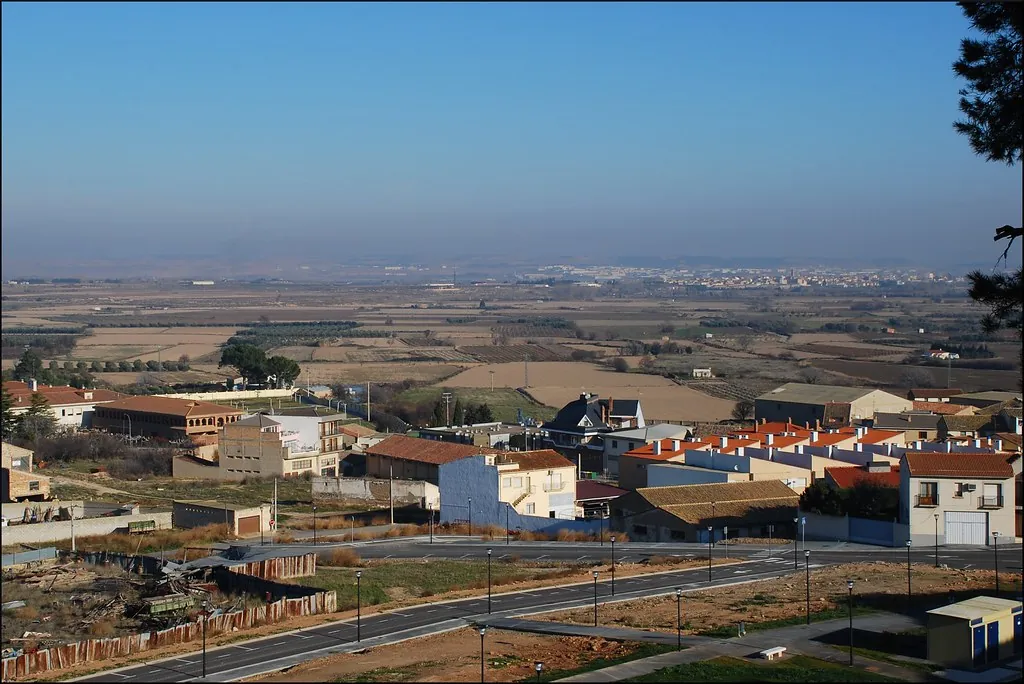
The church bell strikes eleven somewhere above the square, but nobody checks their watch. A tractor reverses slowly past the bar terrace, its tyres leaving perfect tracks in the morning dust. This is Carcastillo, halfway between Pamplona and Tudela, where the Navarrese cereal plain starts to fracture into something altogether more cinematic. Eight kilometres south, the wheat ends and the Bardenas Reales begins – 42,000 hectares of semi-desert badlands that British location scouts keep booking for adverts and sci-fi series.

A Village that Measures Itself in Tractor Lengths

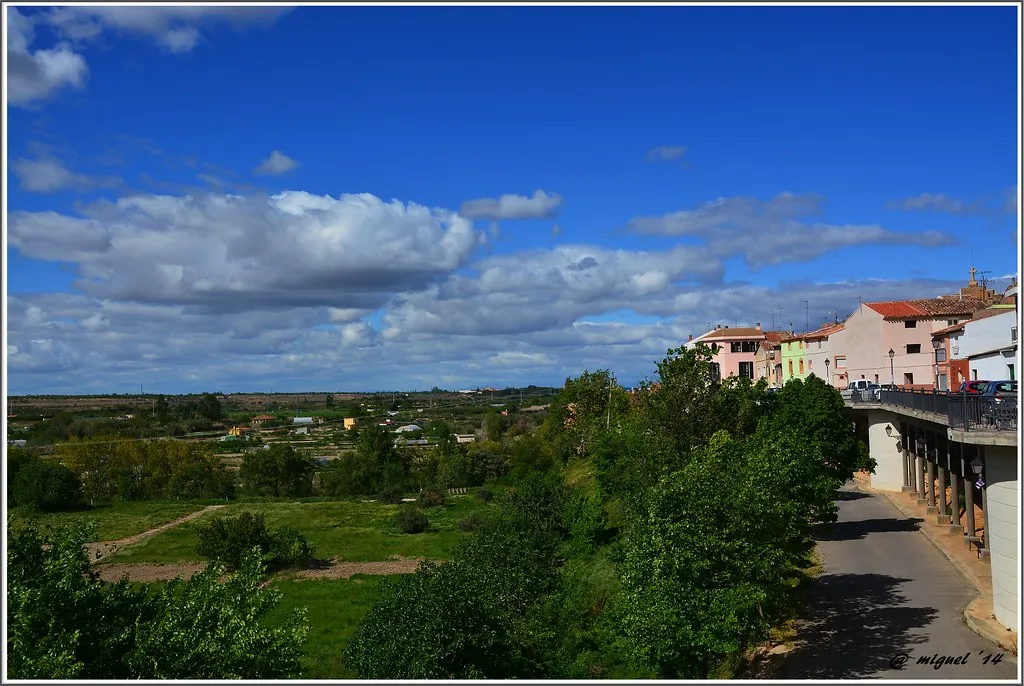
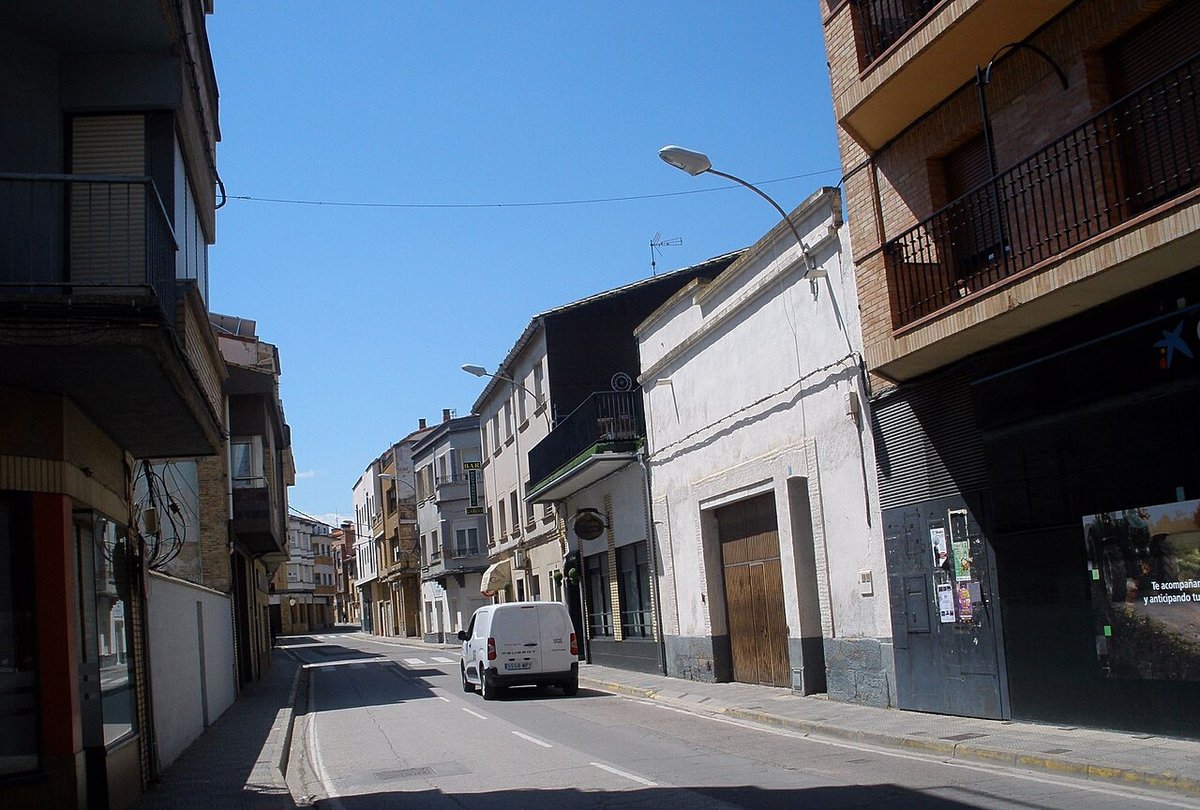
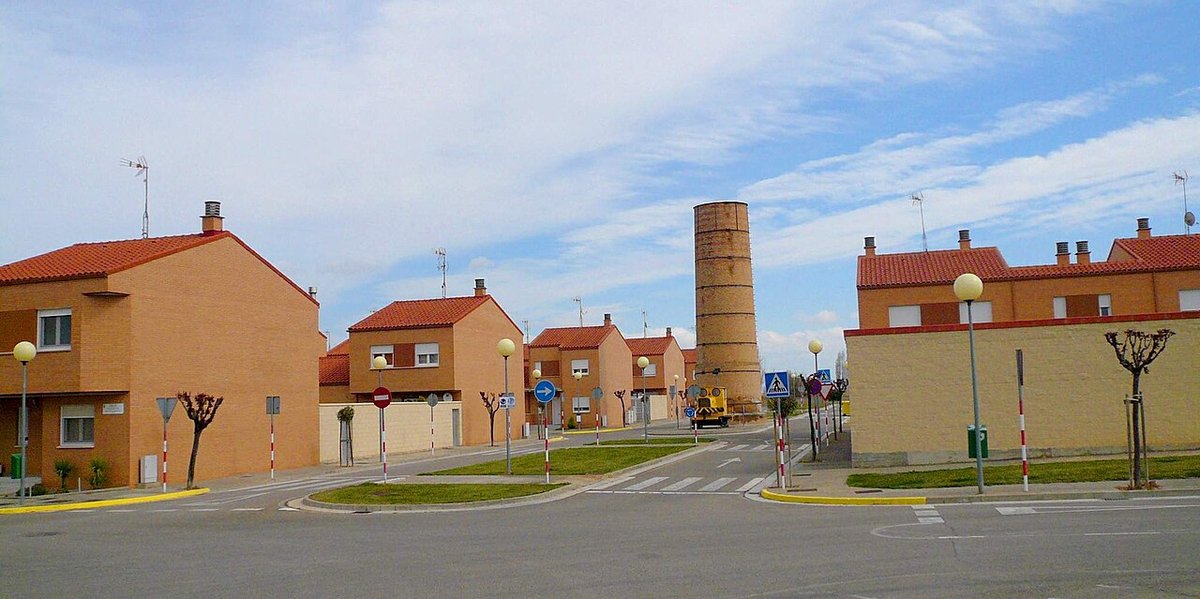
You can walk from one end of Carcastillo to the other in the time it takes a Yorkshireman to finish a pint. The place is built on a gentle swell, just high enough for the church tower to act as a weather vane for the whole valley. Houses are the colour of dry biscuits, trimmed with timber painted either ox-blood green or municipal blue. Nothing is taller than the bell tower; nothing needs to be. The population hovers around 2,000, though that doubles during harvest when contract drivers park their combines on the edge of town like mechanical dinosaurs sleeping standing up.

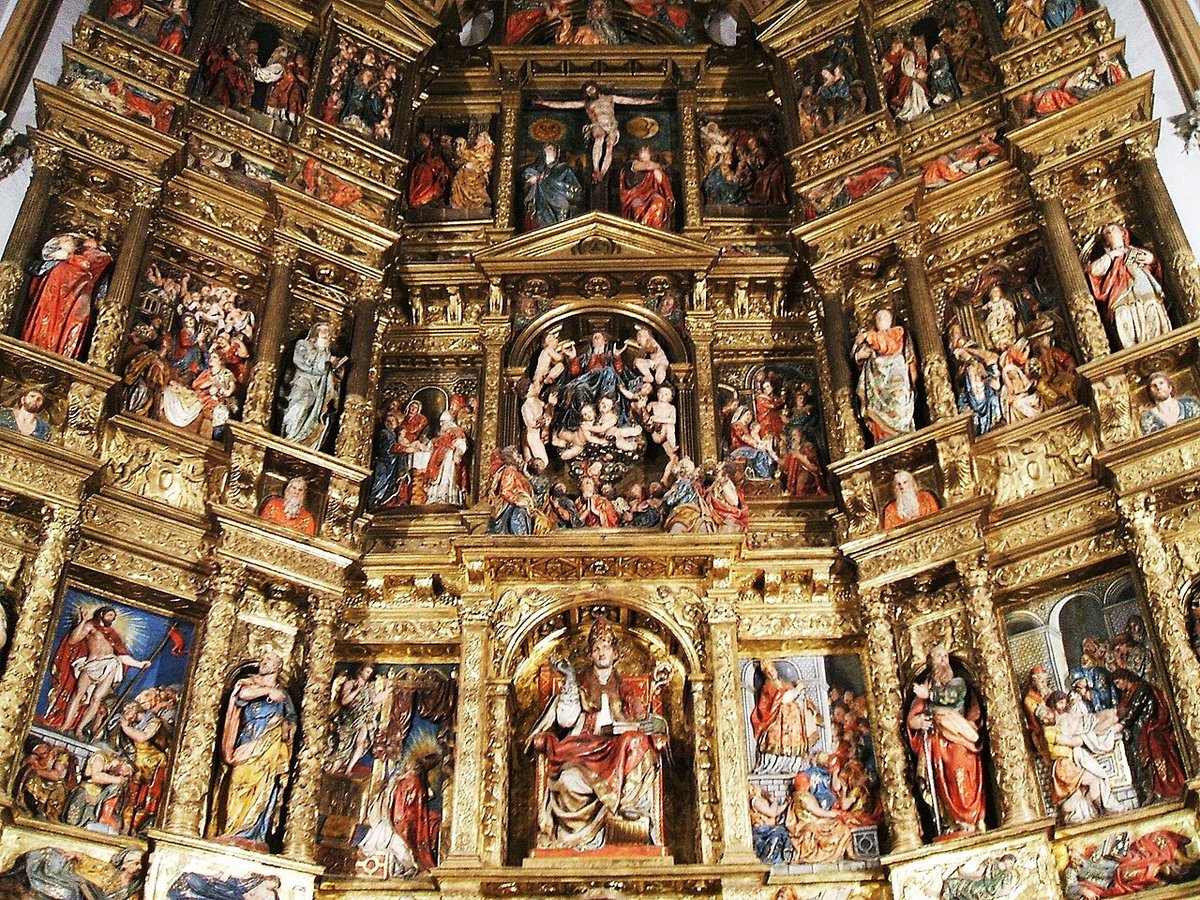
Start at the Iglesia de Nuestra Señora de la Asunción. The doorway is Romanesque, the nave got a Gothic patch-up, and the tower is pure 18th-century “don’t mess with us”. Inside, the air smells of candle wax and floor polish; the caretaker will flip the lights on if you hover long enough. The altarpiece is gilded enough to make a Rothschild blink, yet the overall feel is workmanlike rather than extravagant – much like the village itself.

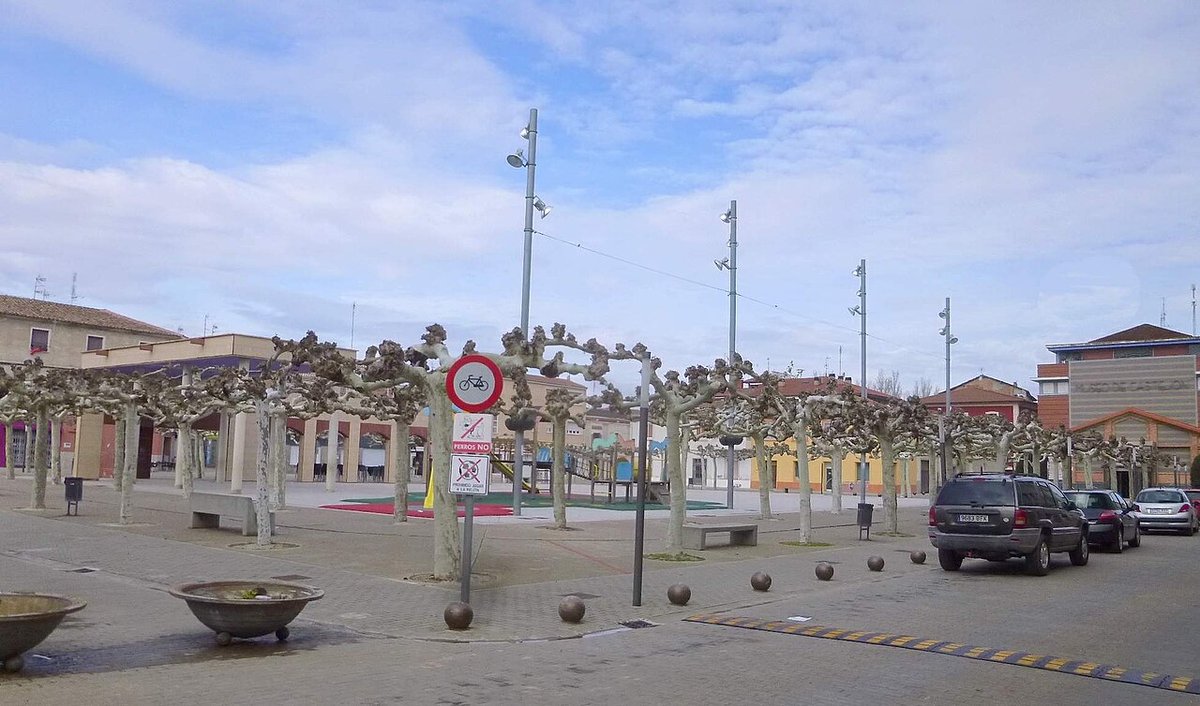
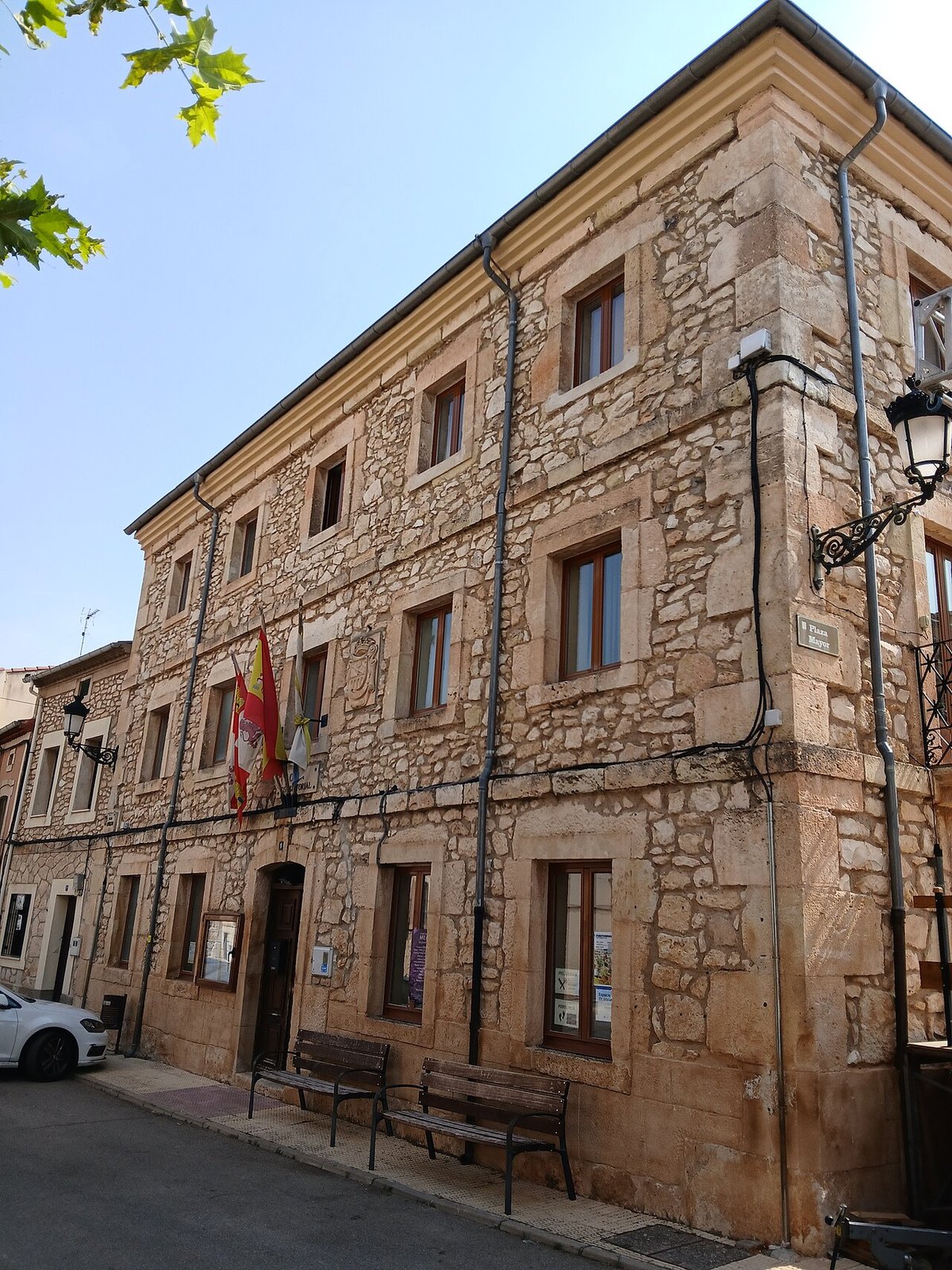
From the church door it is three minutes to the Casa Consistorial, baroque and slightly apologetic beside the heavier stone houses. Look up: heraldic shields are bolted to the first-floor walls like medieval number plates. One shows a wolf gnawing a bone, another displays five stars that probably meant something specific in 1623. Half the fun is inventing your own back-story.

The Abbey that Refuses to Charge Admission

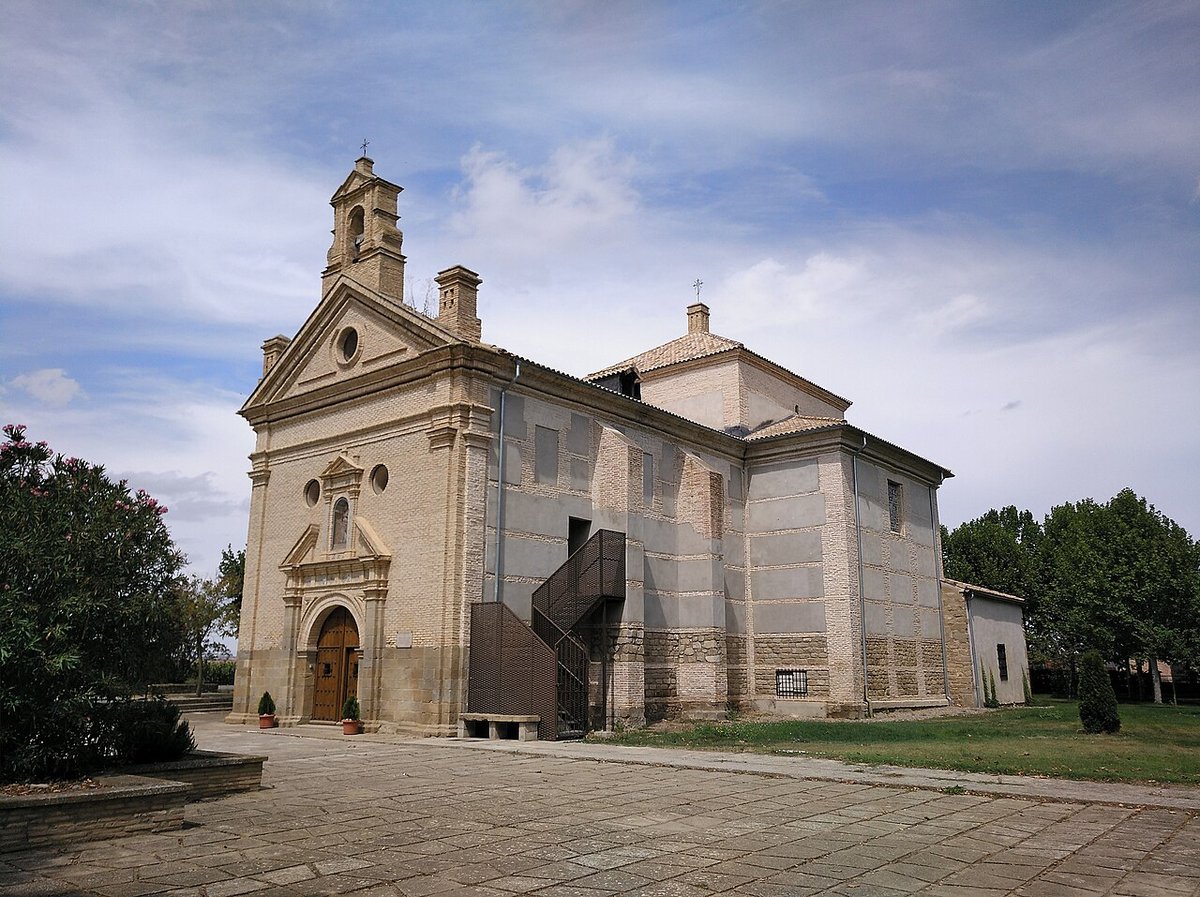
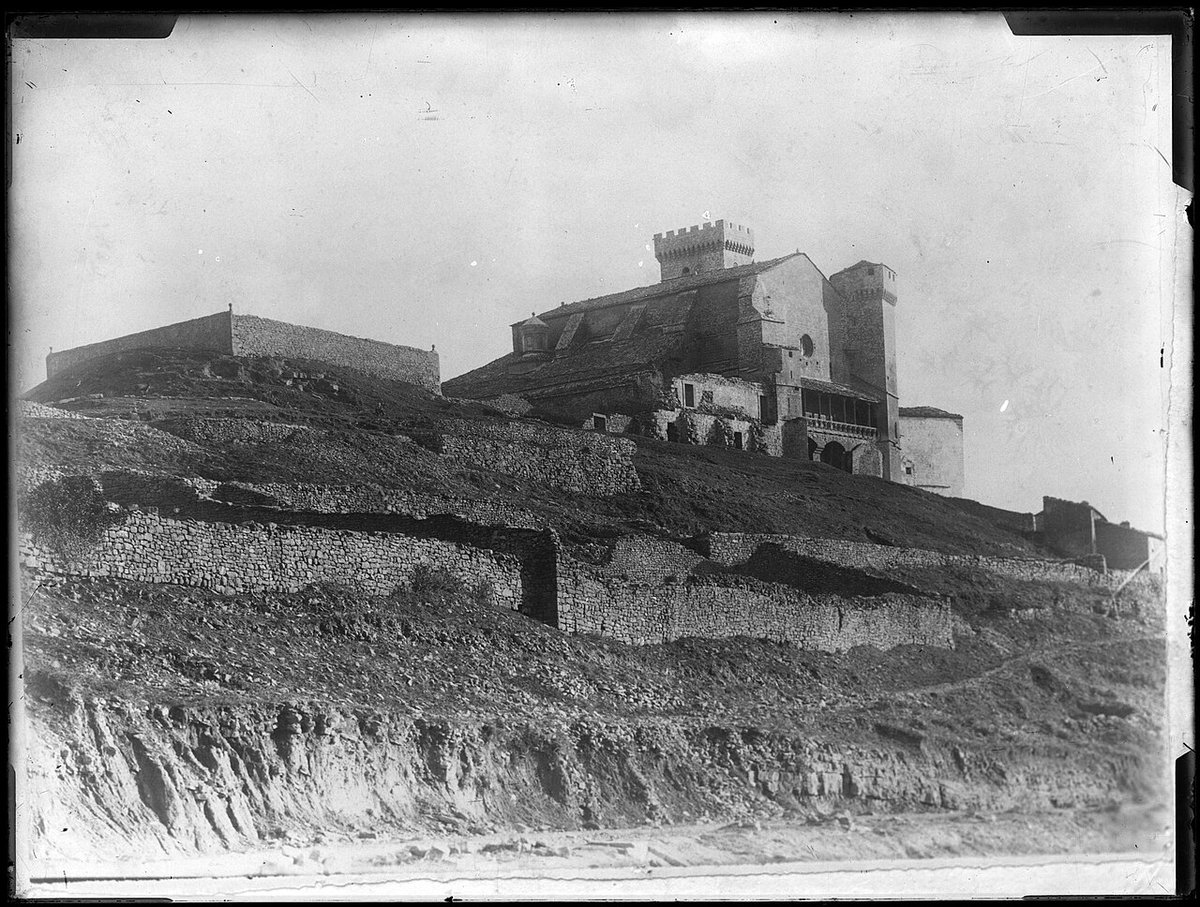
Two kilometres north, signposted but still somehow secret, Monasterio de la Oliva floats above its own irrigation pond. The Cistercians arrived in 1149 and never saw reason to leave. Gothic cloisters, a refectory shaped like a stone barn, and a church whose echo can last six seconds – all free, though the donation box rattles hopefully. British visitors tend to whisper instinctively here, as if a librarian might appear. The monks still sell honey and liqueur from a side hatch; prices are written on a paper plate and change is given from an old biscuit tin. Opening hours are civilised (10:00-12:30, 15:30-18:00) except between 12:30 and 15:30 when the gate shuts with monastic firmness. Arrive at 12:31 and you will be staring at oak planks for three hours.

Heat, Hawks and the Half-Day Rule

Carcastillo’s altitude – 280 metres – is low enough for scorching summers but high enough to catch the north wind. July regularly hits 38 °C; August can nudge 40 °C. The saving grace is the river Aragón, five minutes west of the centre. Poplars and willows throw shade along the bank, kingfishers flash turquoise, and locals swim where the current slackens. British bird-watchers bring binoculars for the lagoon at Dos Reinos, ten minutes by car: red kites, booted eagles and the occasional vulture queue for the thermals above the wheat.

Serious hikers link up with the GR 99 long-distance path that follows the river; casual walkers can simply follow the farm track south until the land starts to look like Nevada. That is where you realise why the Spanish army uses the Bardenas as a practice bombing range – the place feels empty enough to drop things without hurting anyone. Access is free but stick to signed routes; unexploded ordnance is marked with cheerful red skull signs that concentrate the mind wonderfully.

What to Eat Without Turning Pink

Navarre cuisine is built for people who have been up since five and will not eat again until the sun goes down. Menestra de verduras – a delicate stew of artichoke, asparagus and peas – tastes like spring in a bowl and will not traumatise chilli-shy palates. Cordero al chilindrón (lamb, red pepper, mild paprika) delivers the same comfort quotient as Lancashire hot-pot but with better colour. Padrón peppers arrive blistered and salted; the roulette moment comes when you hit the one that decided to grow hot. Local rosado, served at eight degrees, is essentially alcoholic strawberry water – dangerously drinkable.

Bar Centro opens for breakfast churros at 08:00 and stays loyal to the same fryer until the dough runs out. A plate costs €2.40; the chocolate is thick enough to support a spoon upright. Sunday lunch is the main performance: most bars offer a three-course menú del día for €14-16, but service stops dead at 16:00. Turn up at 16:15 and you will be offered crisps and a look of pity.

When Two Hours is Plenty, and When it is Not

The urban bit – church, shields, monastery – fills a morning. Stretch it into a day by borrowing a bike from the tourist office (€15, they lend helmets without being asked) and following the signed circuit to the river and back. Stay longer only if you intend to use the village as a base: Zaragoza is 50 minutes south, Tudela’s food market is 20, and the Bardenas deserve either a dawn or a dusk, never the midday slot. British families often book one of the converted farmhouses on the outskirts; pools are common, Wi-Fi less so. Weekends in May and August sell out early thanks to local fiestas – book before Easter or prepare to drive in from Tudela.

The Honest Exit

Carcastillo will not change your life. It will not give you bragging rights at the office Christmas party. What it does offer is the chance to watch Spain function without a tour operator in sight: farmers arguing over barley prices, grandmothers beating dust from rugs at 14:00 sharp, and a monastery that has been keeping its own hours for eight centuries. Come for the badlands backdrop, stay for the river swim, leave before the wheat harvest starts clogging the roads with lorries. And if the bell tower strikes eleven while you are still on your second coffee, don’t bother checking your watch – nobody else does.

Key Facts

Region
Navarra
District
Ribera
INE Code
31067
Coast
No
Mountain
No
Season
summer

Livability & Services

Key data for living or remote work

2024
ConnectivityFiber + 5G
HealthcareHospital 26 km away
EducationElementary school
Housing~5€/m² rent · Affordable
Sources: INE, CNMC, Ministry of Health, AEMET

Planning Your Visit?

Discover more villages in the Ribera.

View full region →

More villages in Ribera

Traveler Reviews