Full Article
about Cascante
Former Roman town with a spectacular Romero park and a unique Baroque arcade.
Hide article Read full article
Morning over the Ebro plain
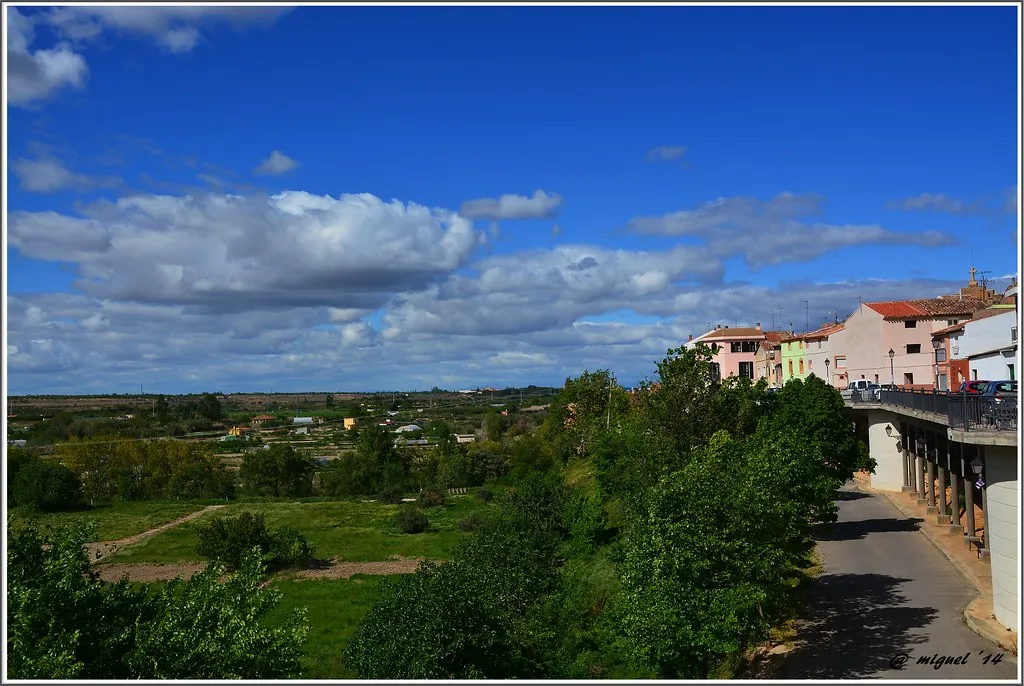
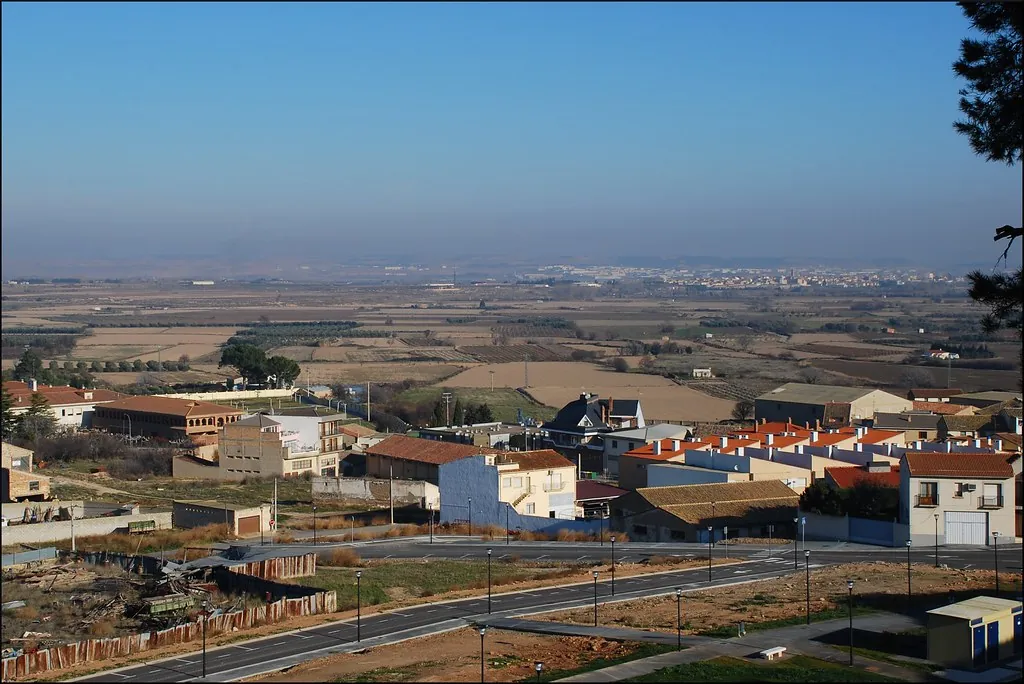
At eight in the morning, Cascante is still only half awake. Sometimes a light steam rises from the thermal areas and blends with the low mist that tends to linger in the fertile plains near the Ebro. From the hill where the castle once stood, the surrounding farmland spreads out in an irregular patchwork. There is the pale green of almond trees at the start of their blossom, darker greens from vegetable plots, and the silvery tone of olive trees clinging to the slopes.
The town begins the day slowly, shaped by the steady presence of hot water that has been emerging here for centuries.
Rosemary in the air, stone that endures
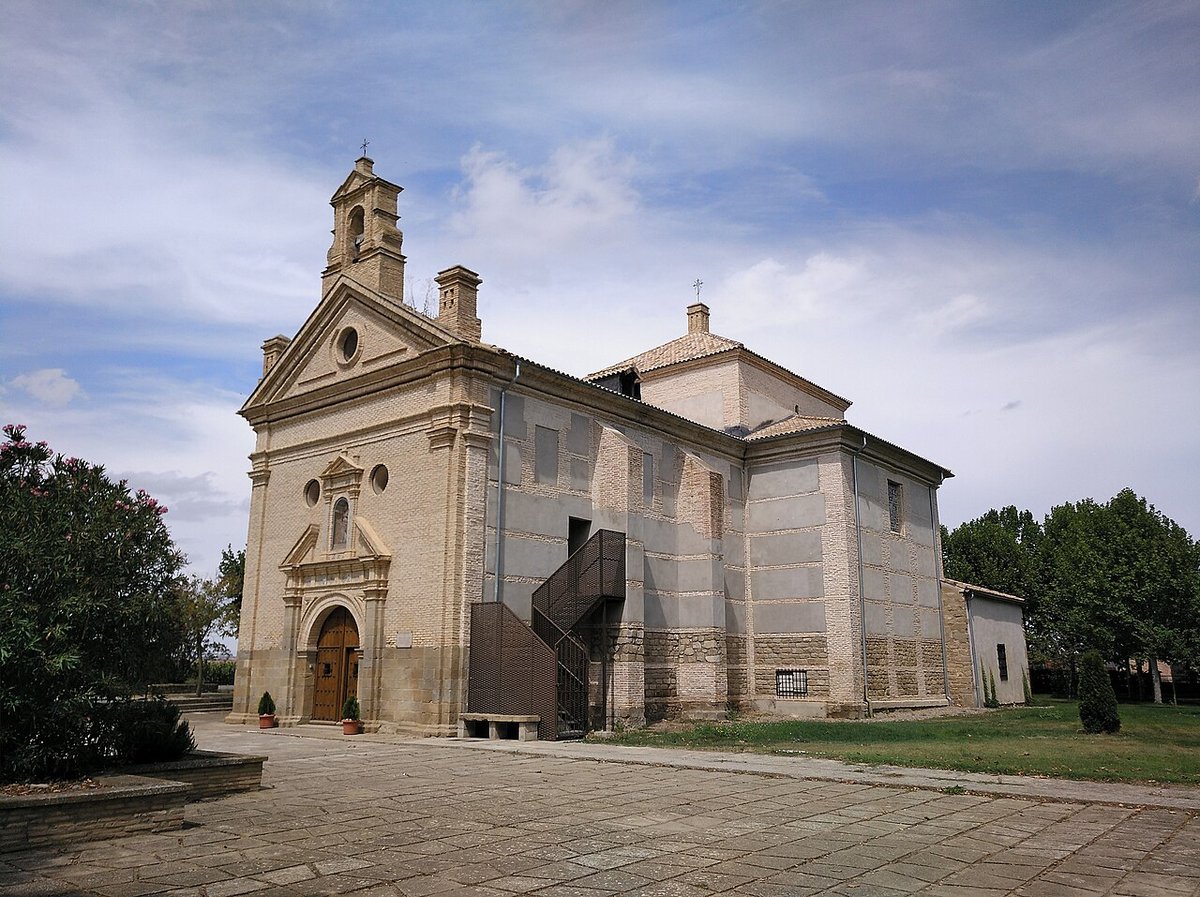
The Basílica de Nuestra Señora del Romero stands slightly apart from the main urban area, framed by willows and poplars. A long arcade surrounds it, a sequence of arches that feels like an open corridor facing the countryside. Between the paving stones, rosemary grows freely. As the sun warms the ground, its scent becomes noticeable almost immediately underfoot.
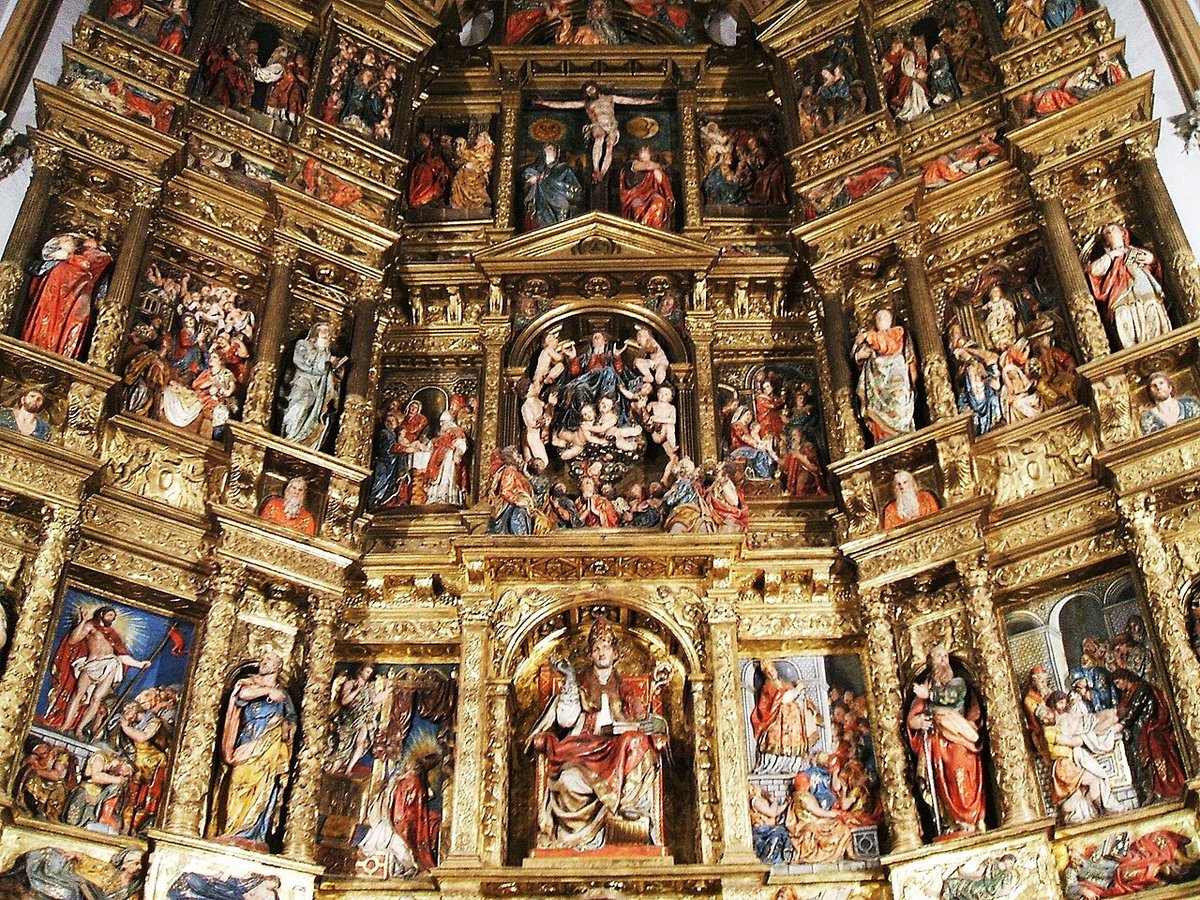
Inside, the church reflects different periods. The current structure is Baroque, yet older stonework can still be glimpsed in places, traces of earlier phases of the building. Even in summer, the interior tends to remain cool, with the dense, settled quiet typical of places used continuously over centuries.
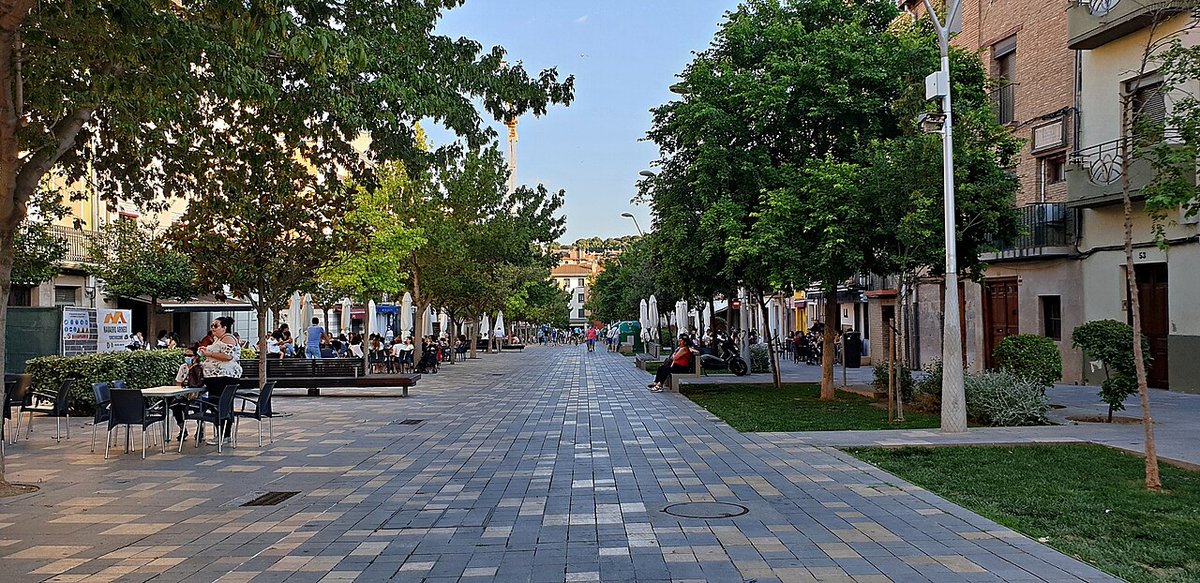
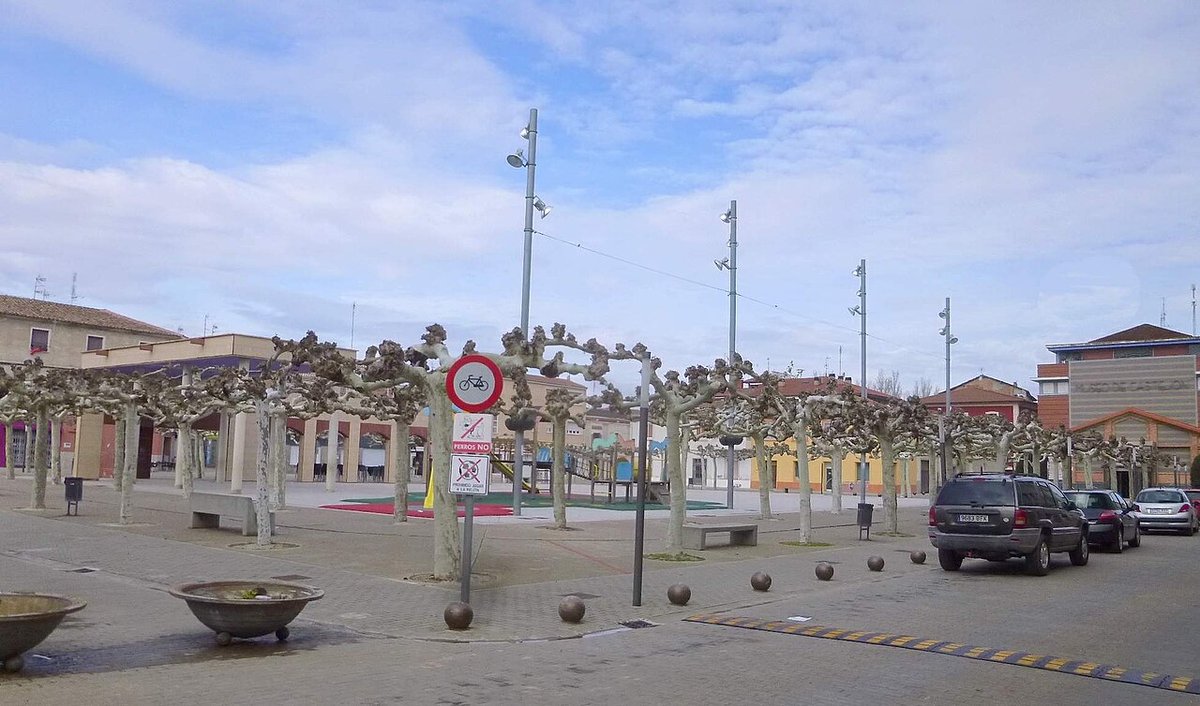
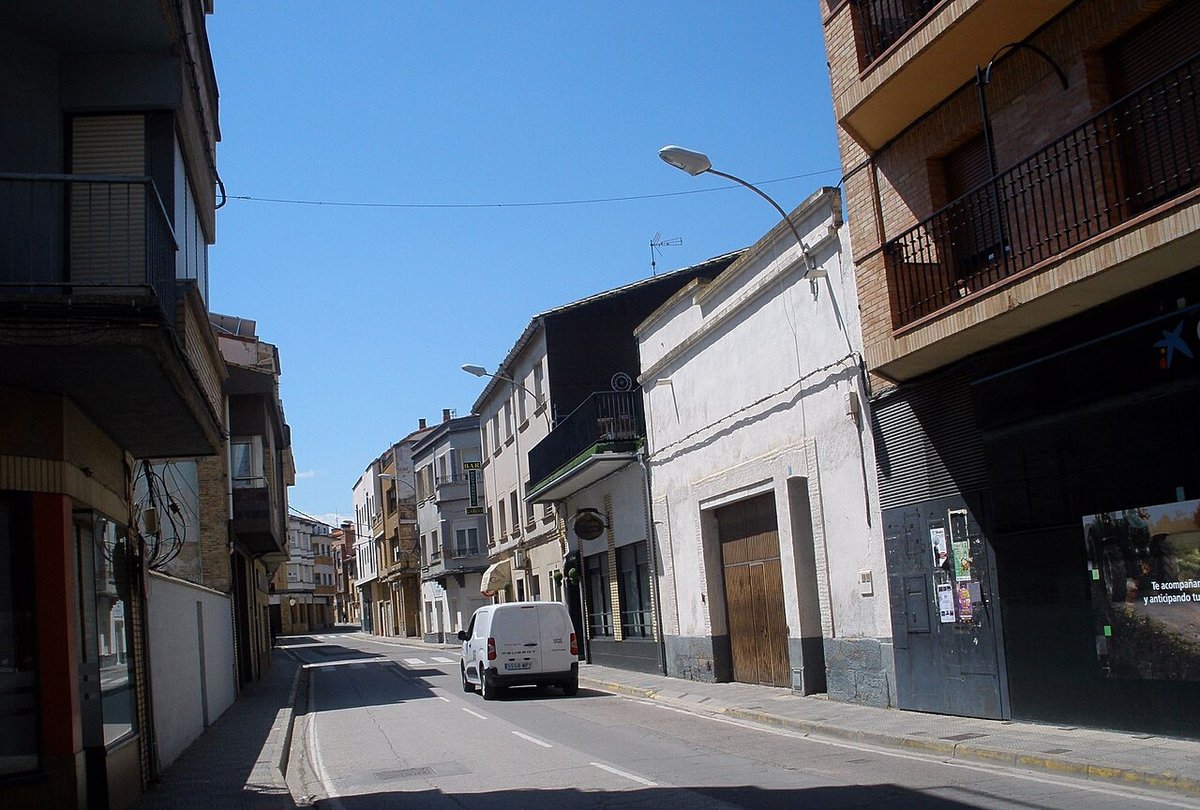
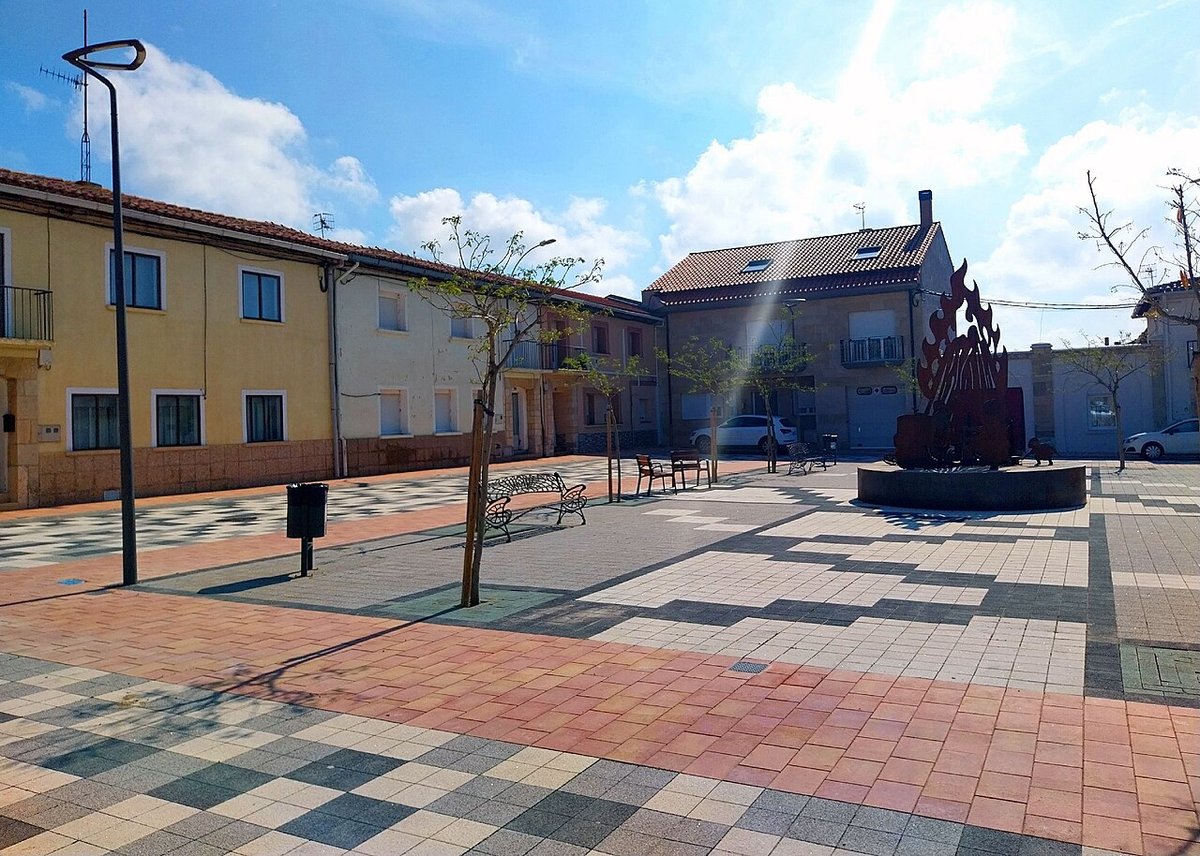
Back in the main square, early hours still carry the chill of the night in the stone benches. A shutter lifts, keys rattle against a metal door, a car passes on its way to the surrounding farmland or nearby industrial areas. Cascante does not dress itself up: reddish brick, iron balconies, laundry shifting in the breeze.
Waters that have drawn people for centuries
The balneario appears behind a gate and a garden where palm trees stand out against the landscape of the Ribera, the southern part of Navarra known for its agriculture. The current building dates from the 19th century, though the site was already used in Roman times for its thermal waters. Bathing here is an old habit.
The water carries that faint mineral smell common to thermal springs. Many visitors come from Tudela, Zaragoza or nearby towns to spend a few hours or a full day in the pools. Weekends tend to be busier, while weekdays are noticeably quieter.
Laguna de Lor, open land and passing birds
A few kilometres from the town centre lies the Laguna de Lor, a shallow body of saltwater surrounded by fields. The landscape feels wide and exposed, with almost constant wind and reeds in continuous motion.
At certain times of year, migratory birds stop here. Avocets, storks and various species of gull use the lagoon as a temporary resting place. It is not a developed natural park with marked routes or facilities. Instead, it remains a simple space where it makes sense to walk slowly and keep noise to a minimum.
Food from the valley, cooked slowly
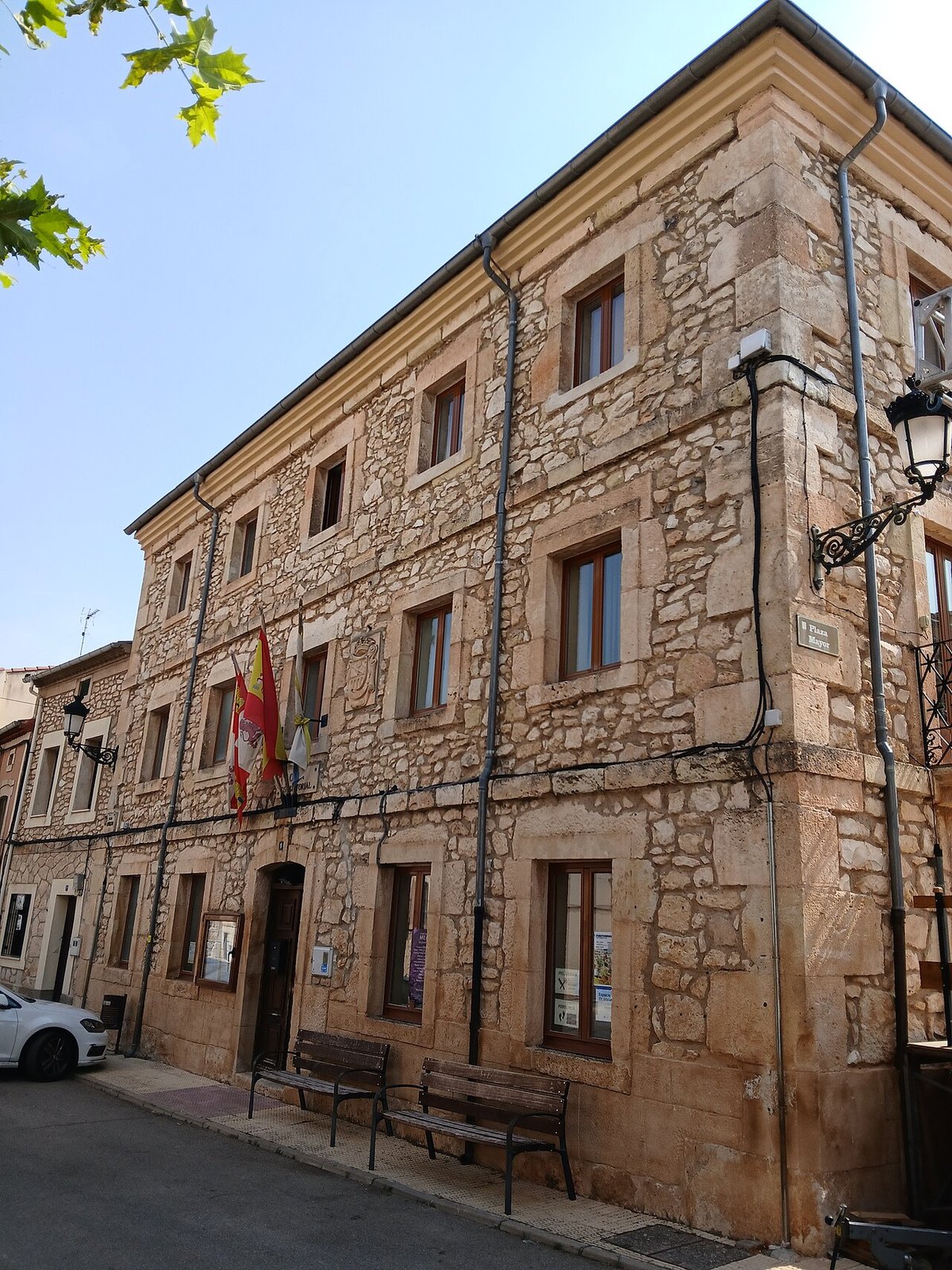
In the streets of the centre, large houses still stand with carved stone coats of arms above their doorways. Some retain inner courtyards and old cellars. Across the Ribera, cooking often leans towards slow, steady preparation. Dishes include lamb stewed with tomato and pepper, vegetables grown in nearby plots, and preserved foods prepared at home when the season allows.
Pimientos del piquillo, a well-known local pepper, are roasted directly over a flame, peeled by hand and stored for winter. When that time of year comes, the smell of roasting spreads through the streets, sweet with a faint smokiness that lingers in the air.
Summer brings more movement, especially people arriving from Tudela or Aragón for the afternoon. In spring or early autumn, the atmosphere shifts. The town returns to its usual pace and the squares grow quiet again as night falls.
The line that once carried trains
The Vía Verde del Tarazonica runs near Cascante, following the route of a former railway between Tudela and Tarazona. Today it is a wide track of compacted earth used by cyclists and walkers.
At times the path crosses irrigated farmland, at others more open terrain. Remains of the railway are still visible along the way: metal bridges, stations converted into homes, and stretches where the original layout can still be recognised.
In autumn, walnut trees near the path drop their green fruit, which ends up crushed into the soil. The smell is strong and bitter. On clear days, the outline of Moncayo rises in the distance.
When to arrive, when to slow down
Early spring and September tend to be particularly pleasant times to come to Cascante, with milder temperatures and fewer people at the balneario. August is noticeably busier, and finding a place to park near the centre can become more difficult.
Walking or cycling along the Vía Verde only really requires comfortable shoes and some water. If the day ends clear, it is worth heading back towards the Basílica de Nuestra Señora del Romero at sunset. The low light turns the arches a reddish hue, and the rosemary in the surrounding ground releases its scent again as the sun drops.