Full Article
about Castejón
Historic rail and energy hub; a modern town with a strong working-class and multicultural identity.
Hide article Read full article
Where Everything Keeps Moving
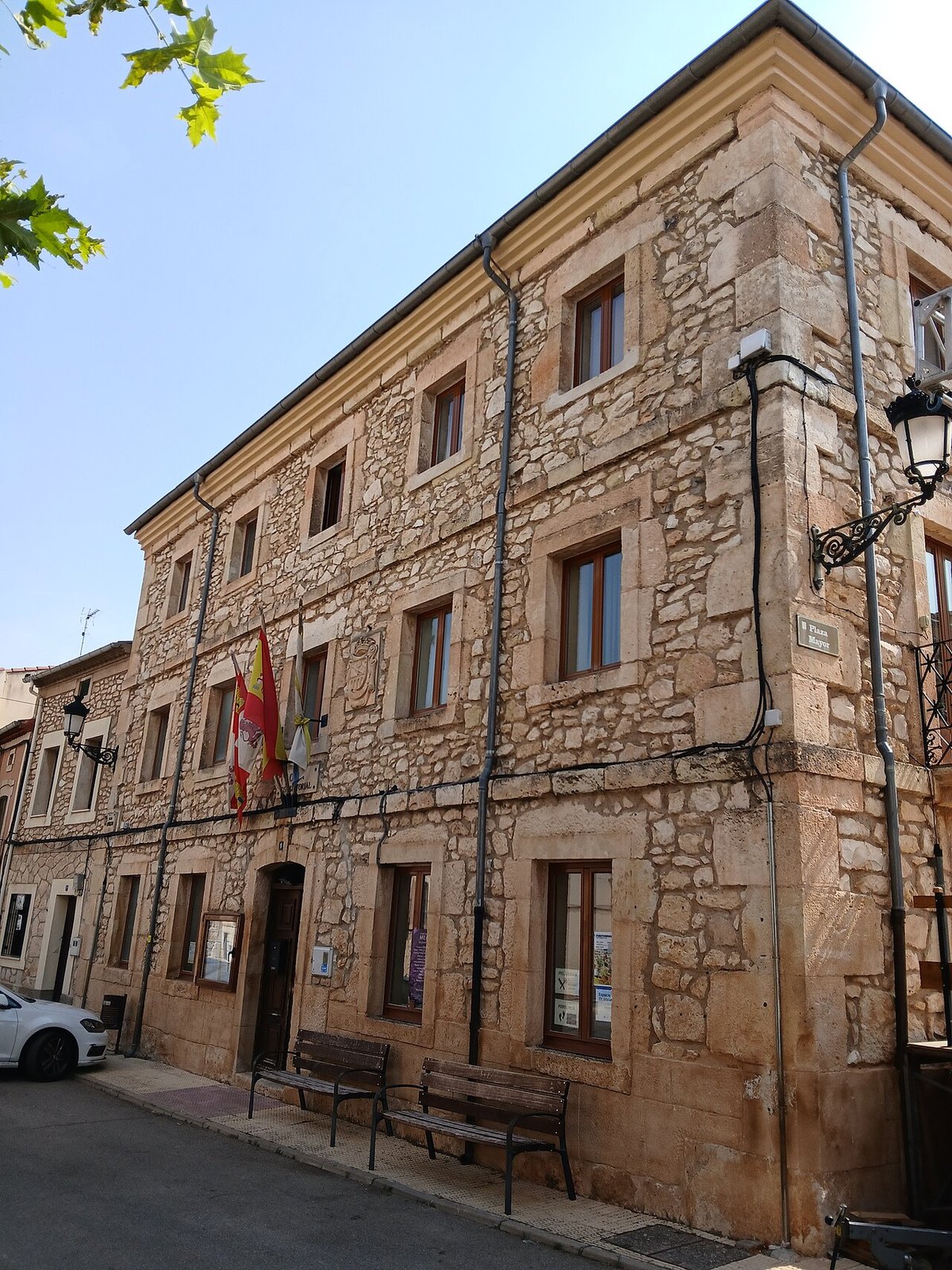
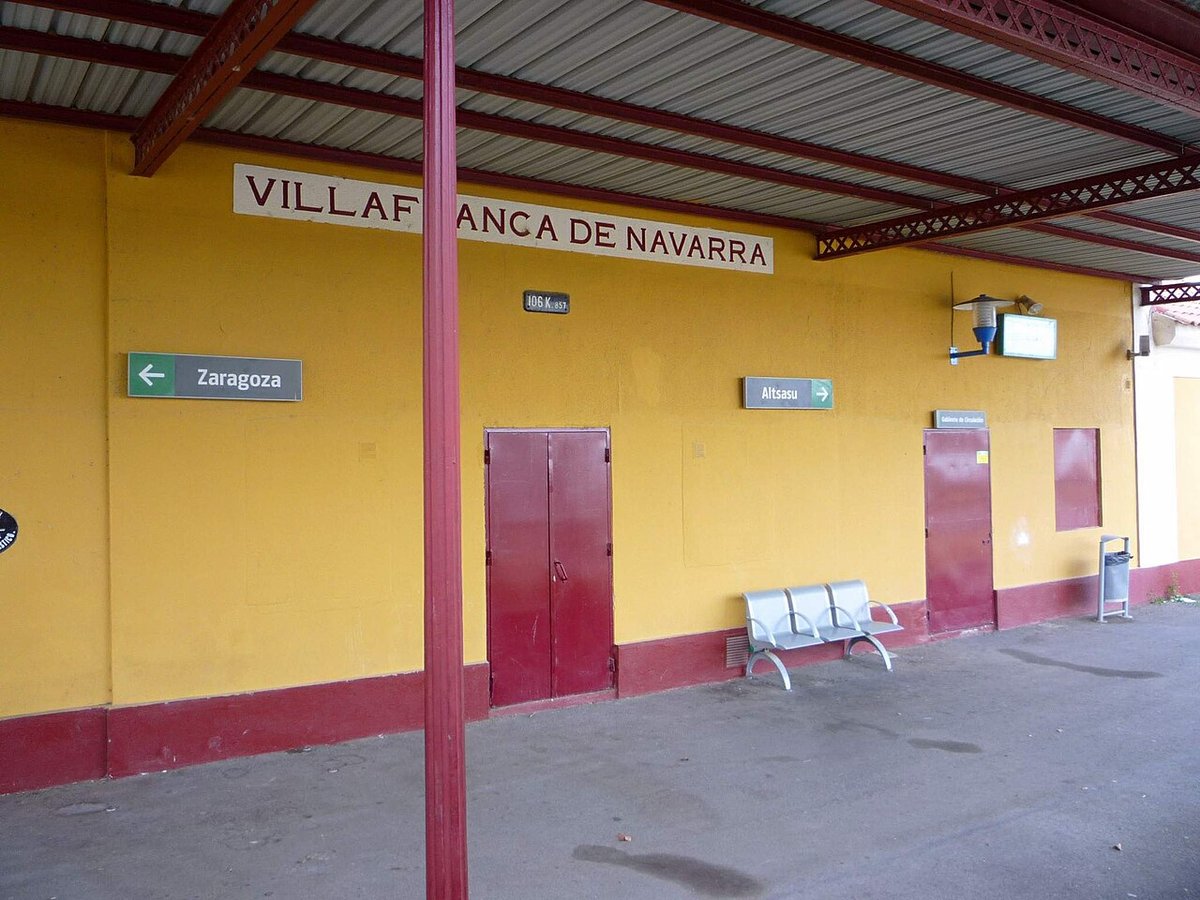
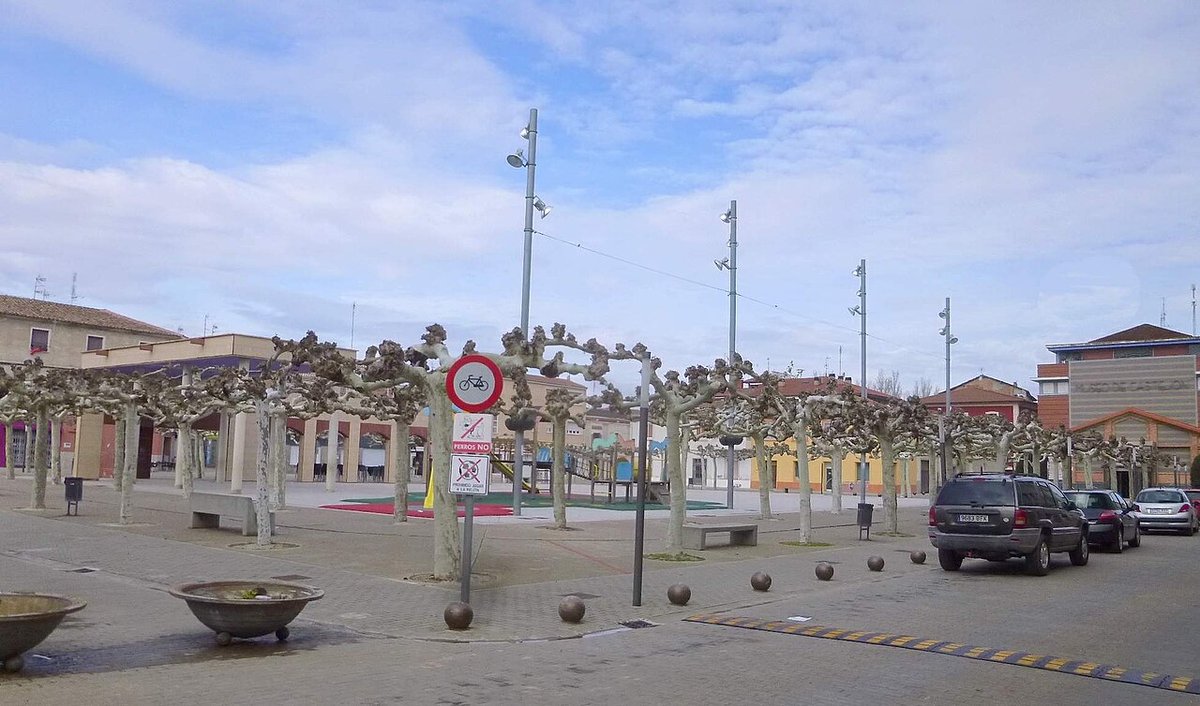
Freight trains cross the metal bridge several times a day. The sound slips through the windows of Plaza de España like a reminder: Castejón exists because the Ebro allows things to pass through here. The whole town seems to turn around that constant flow—trains, lorries, water—which rarely comes to a complete stop.
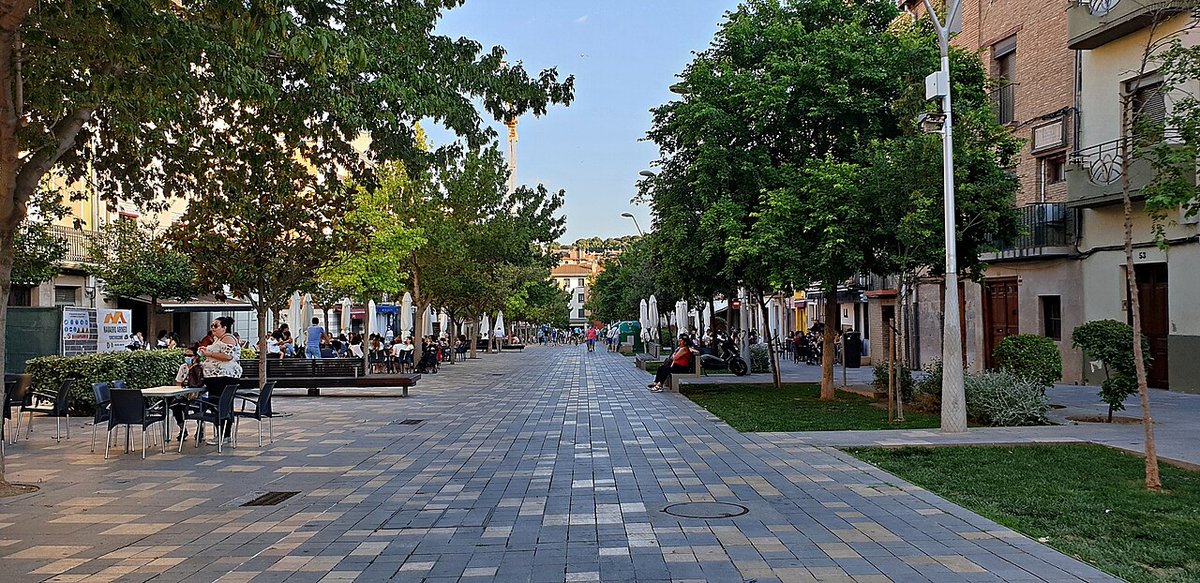
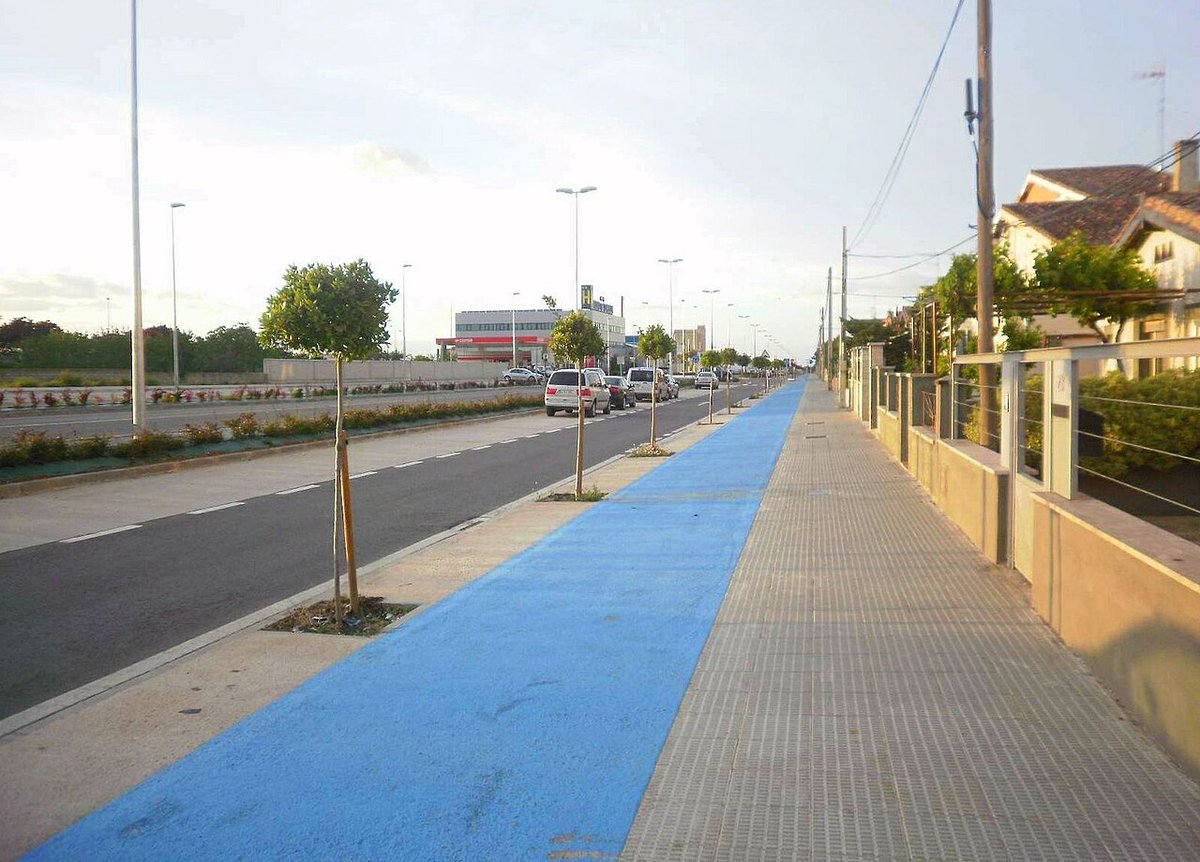
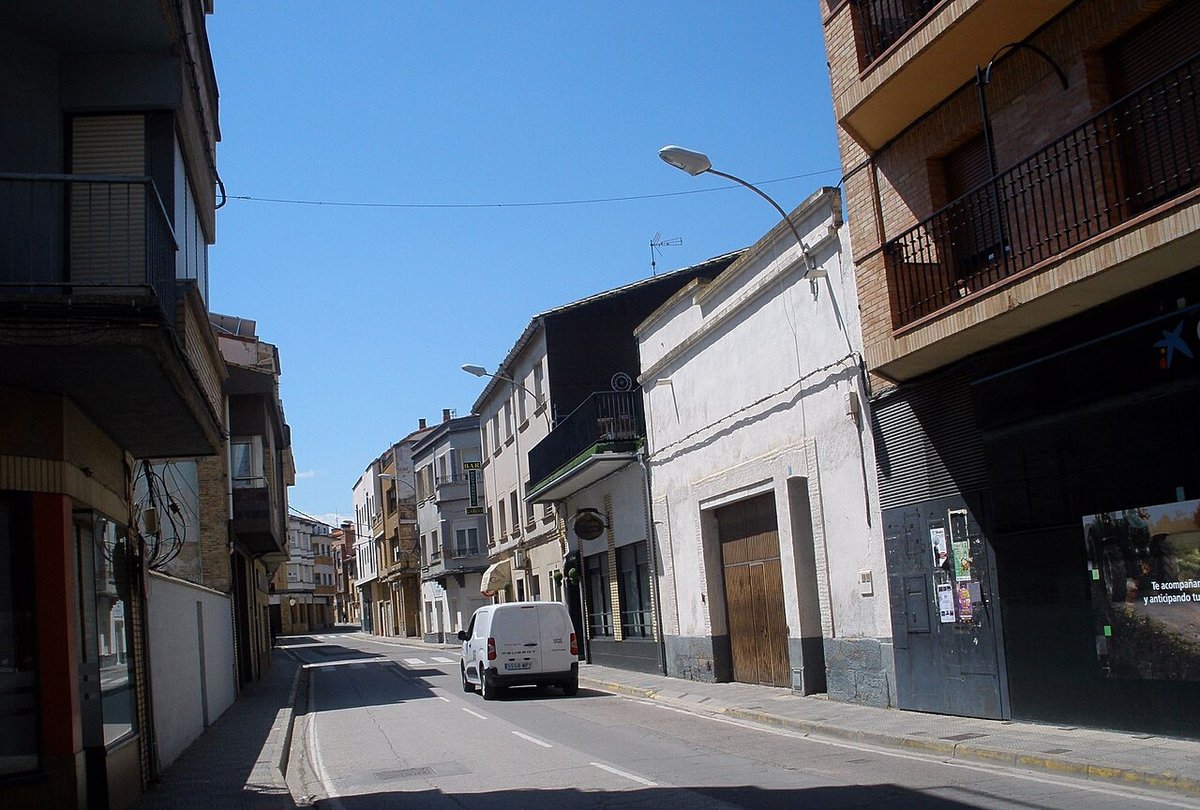
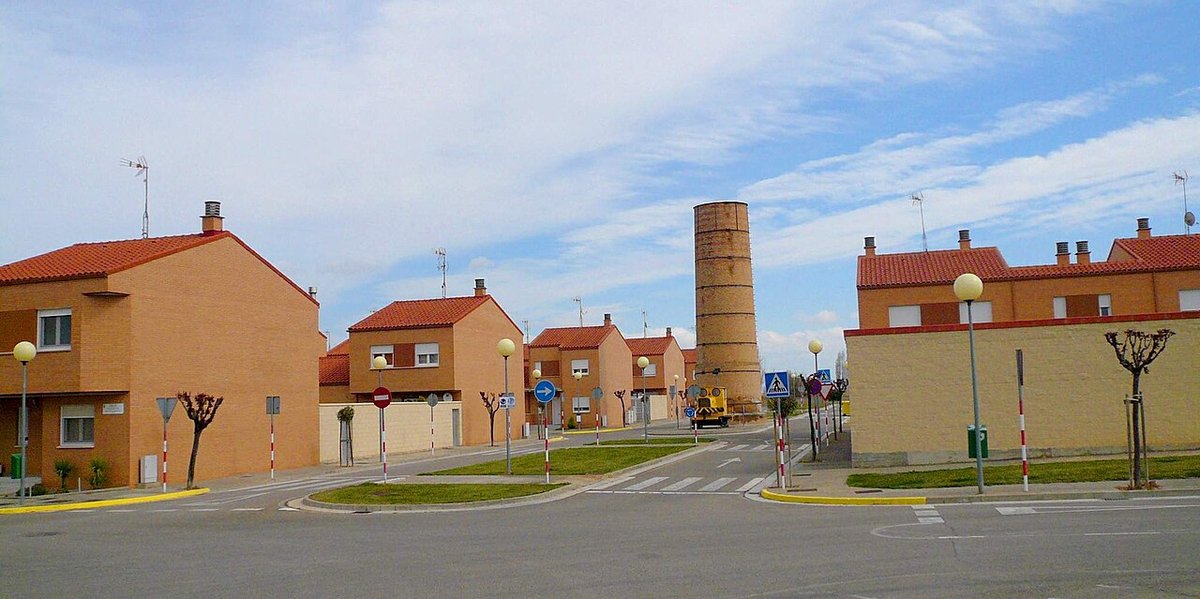
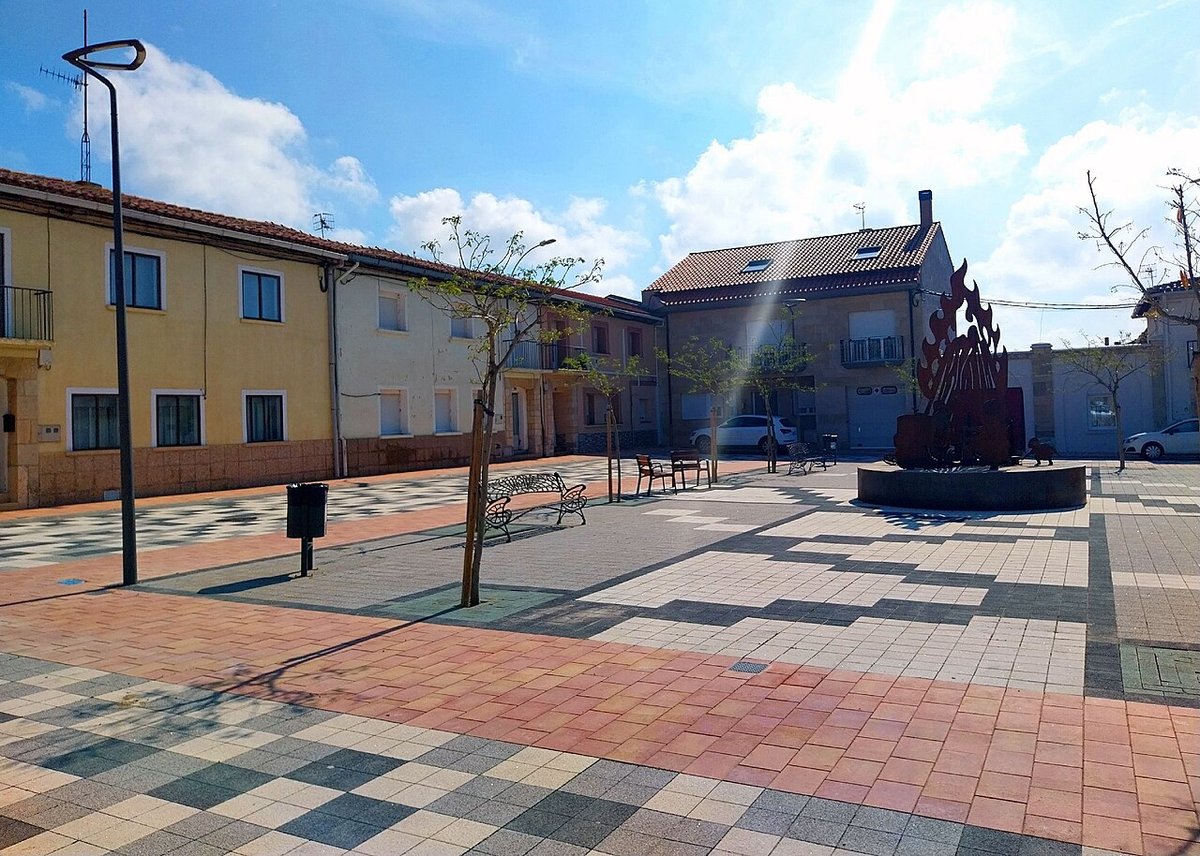
Castejón does not try to present itself as a picture-perfect destination. There are no hanging houses or winding cobbled streets. Its look is practical: low brick buildings from the 20th century, industrial units beyond the railway line, and the occasional older house that survived the Civil War and the subsequent railway expansion. What defines the place is the river. Wide, shifting with the seasons, edged with small vegetated islands, it sets the pace.
The bridges are the closest thing to landmarks. Three sit within less than a kilometre: the metal railway bridge, the motorway bridge that hums constantly with traffic, and the road bridge that carries everyday journeys.
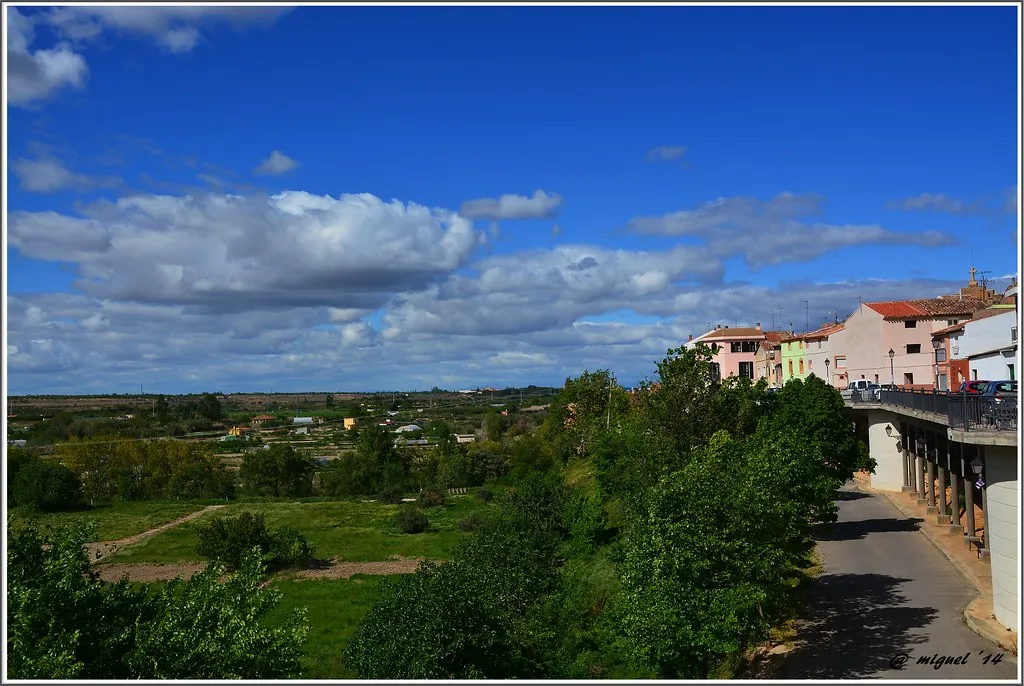
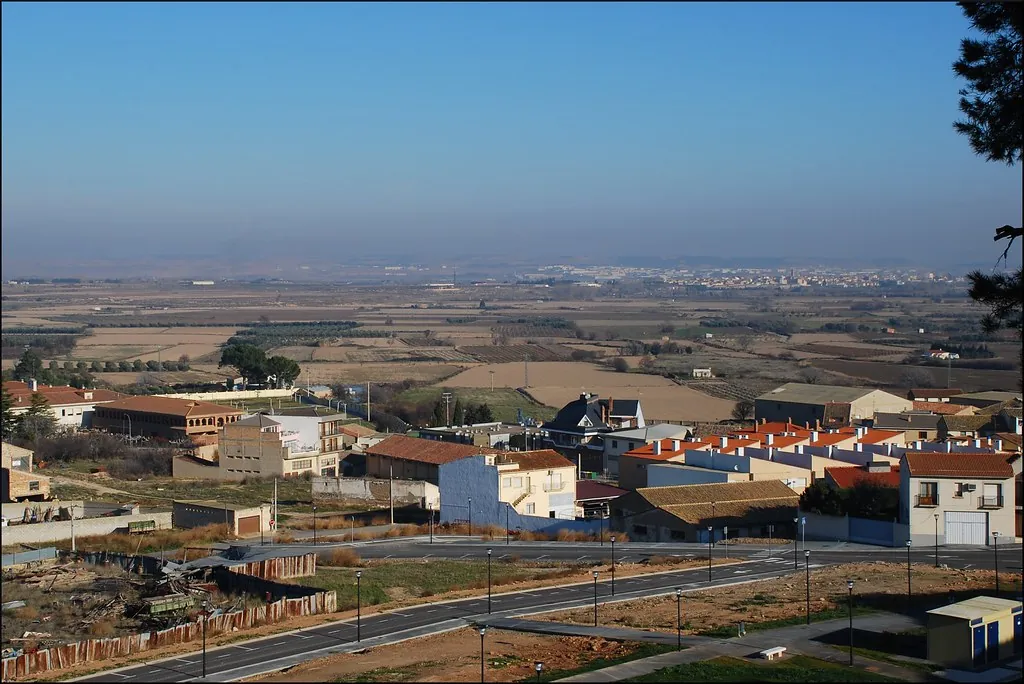
From the Fuerte Fusilero, a 19th-century defensive position now used as a viewpoint, the logic of the town becomes clear. Here the river bends in a wide curve before heading towards Tudela. During the Carlist Wars, this point allowed control over movement between Navarra, La Rioja and Castilla. What remains are stone walls, traces of artillery positions, and an open view across the valley: irrigated land, long strips of maize and vegetables, and the straight line of the Canal de Lodosa cutting across the landscape.
A Parish with a Quieter Role
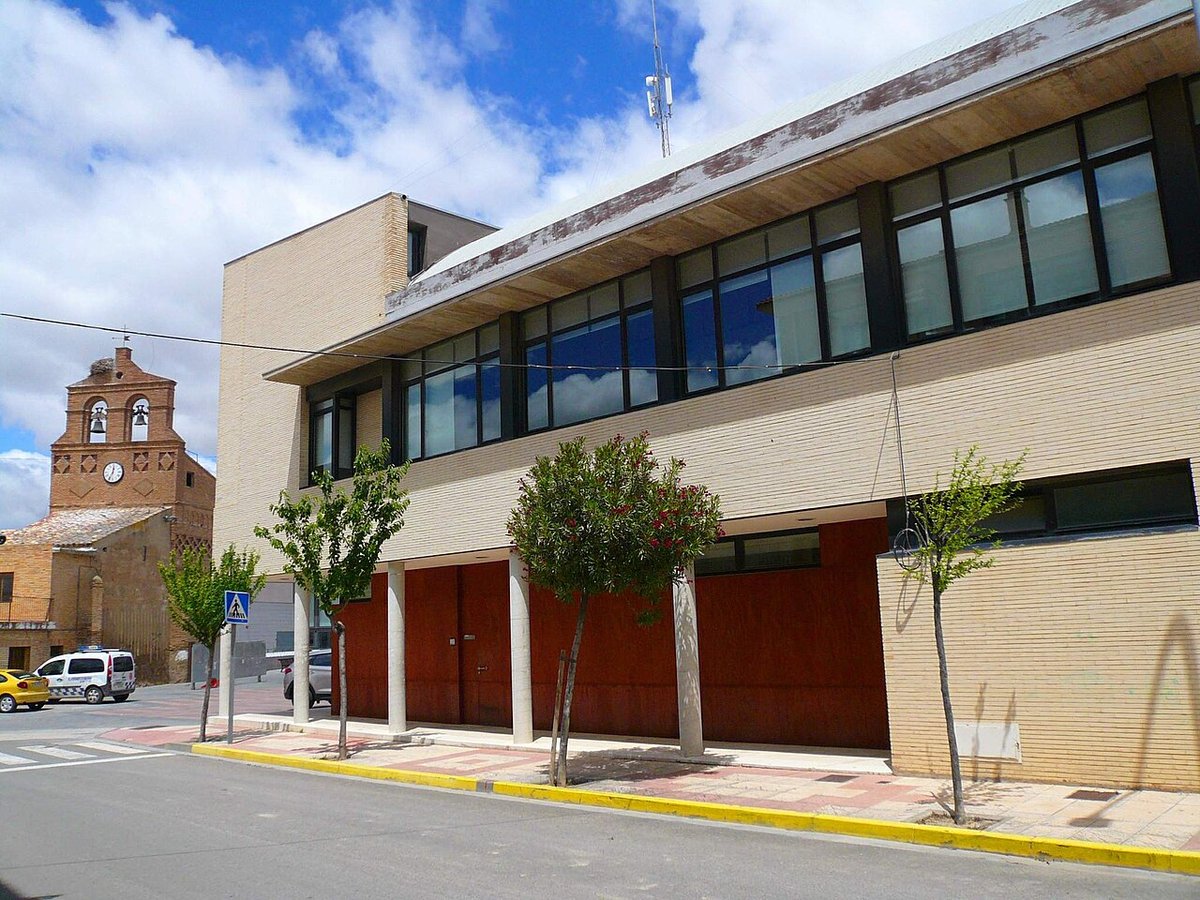
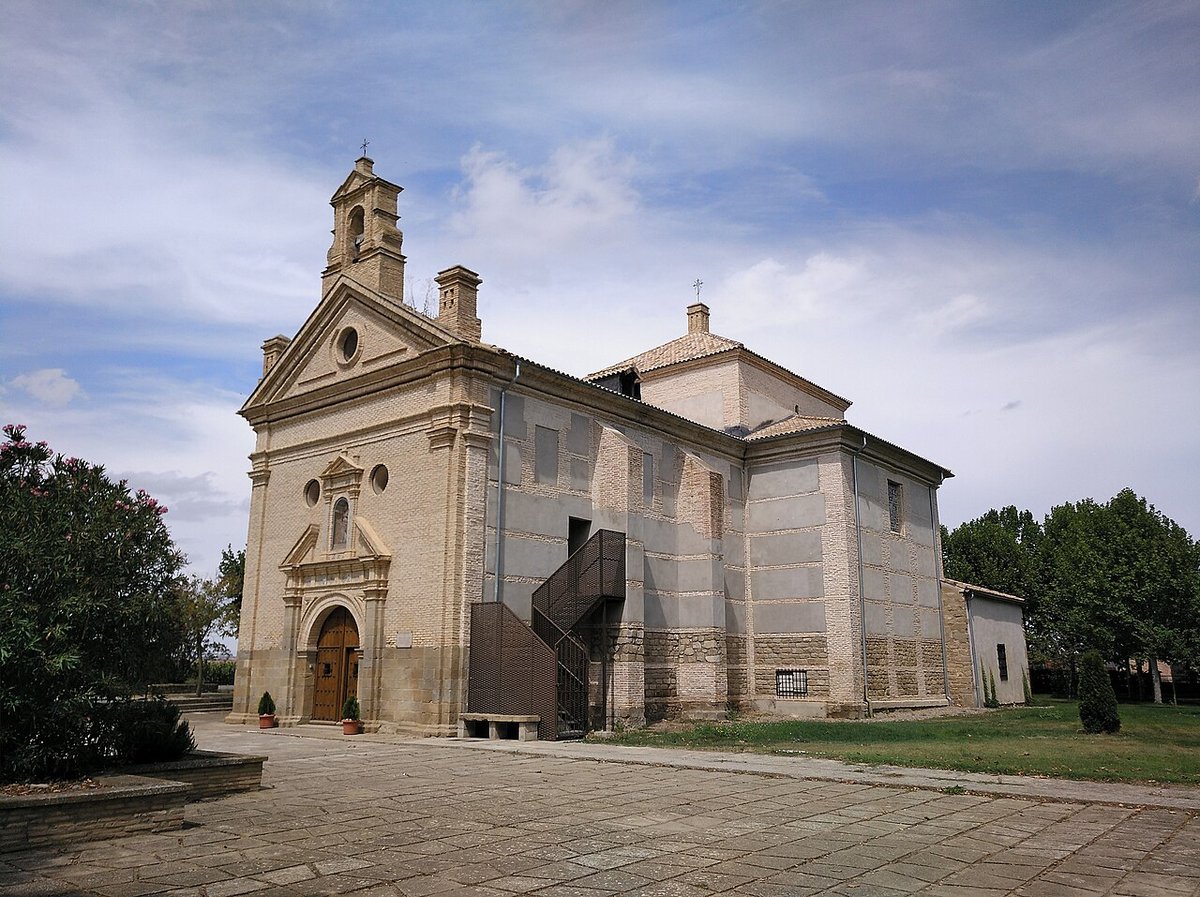
The Iglesia de San Miguel is the current parish church. Built in the 18th century on the site of an earlier hermitage, its brick tower still marks what was once the centre. It is not a monumental church, nor does it hold major works of art, but it carries the familiar weight of riverside parishes. For centuries it was where people gathered, where harvests were announced.
For a long time, Castejón depended ecclesiastically on nearby Cintruénigo. The main parish was there, and important religious celebrations took place there too. That relationship speaks of Castejón’s historical position: a stopping point by the river, used by muleteers, boatmen and traders crossing the Ebro.
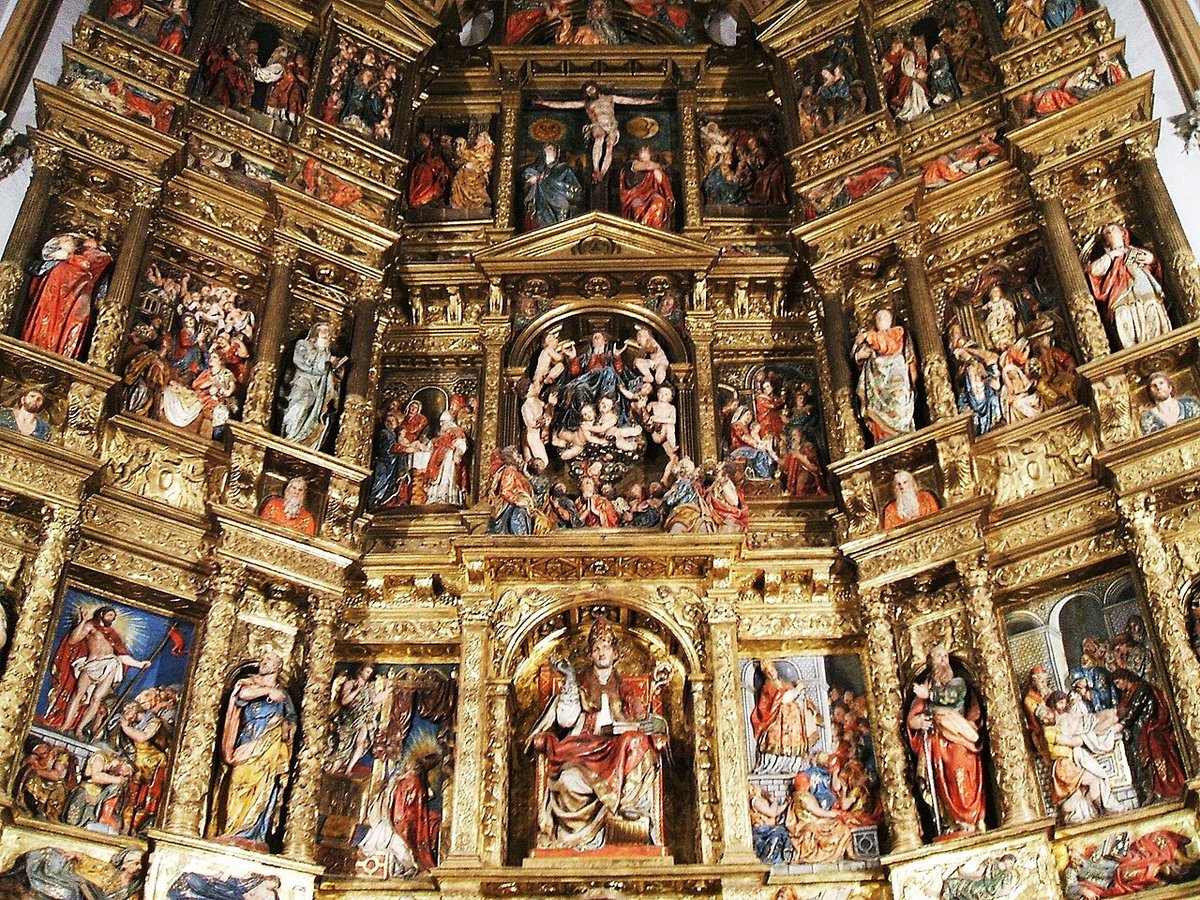
Inside San Miguel there is a polychrome wooden Christ that is processed on Good Friday. It belongs to those very local traditions that continue more through habit than artistic recognition.
Rice Pudding That Behaves Differently
In Castejón, arroz con leche sometimes appears in a form that feels unfamiliar. It is thicker than expected and served warm, almost like a main spoon dish rather than a dessert. Some families prepare it slowly with whole milk and a cinnamon stick until the grains bind closely together. After that, each household adds its own touch: sugar, olive oil, or nothing at all.
Older residents tend to explain it in practical terms. It was a cheap, filling dish that could be reheated easily on a traditional range before heading out to the fields. It does not usually appear on restaurant menus. It belongs firmly to the domestic sphere.
Spring Along the Irrigated Fields
The banks of the Ebro set the rhythm of the year. In spring, the land around Castejón is in full motion. Fields of peppers, tomatoes and maize begin to take shape, with dark soil still visible between irrigation lines.
At that time of year, cyclists are a common sight along the agricultural tracks that run beside the river. These routes are almost entirely flat, passing through poplar groves and irrigated plots, better suited to steady pedalling than competitive riding.
On Saturday mornings, a small open-air market sets up with a handful of stalls selling fruit, clothes and household goods. It does not aim to impress, but it brings the town together in a simple way: neighbours carrying shopping bags, farmers discussing the season.
A Short Stop Shaped by the Route
Castejón sits about fifteen minutes by car from Tudela and roughly an hour from Pamplona. The railway still matters here. The station maintains regional connections, although the timetables do not always fit neatly into a short visit.
Arriving by car, it is usually straightforward to park near the sports centre or in the streets close to the centre.
A basic walk through the town can be done in a couple of unhurried hours: crossing the old bridge, heading up to the Fuerte Fusilero, stepping inside San Miguel, and following the riverside path along the Ebro. From there, it is easy to continue towards other towns in the Ribera or take smaller roads towards the Bardenas.
Castejón does not try to draw attention to itself. It has always lived from movement—from the river, the railway and the roads—and it still does.