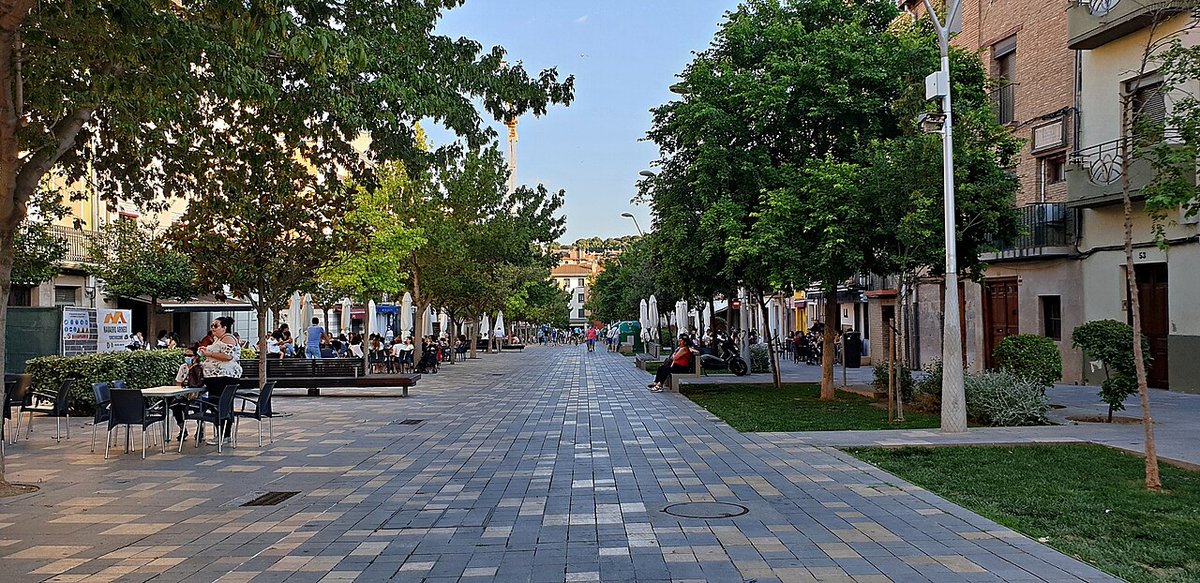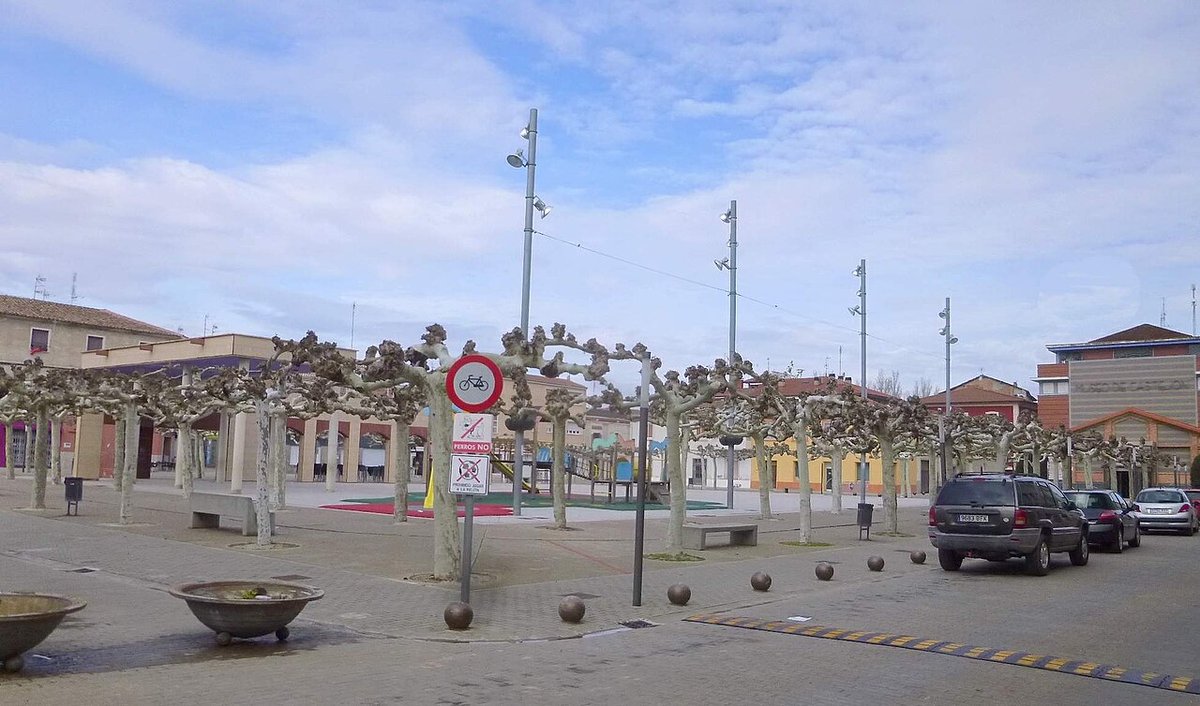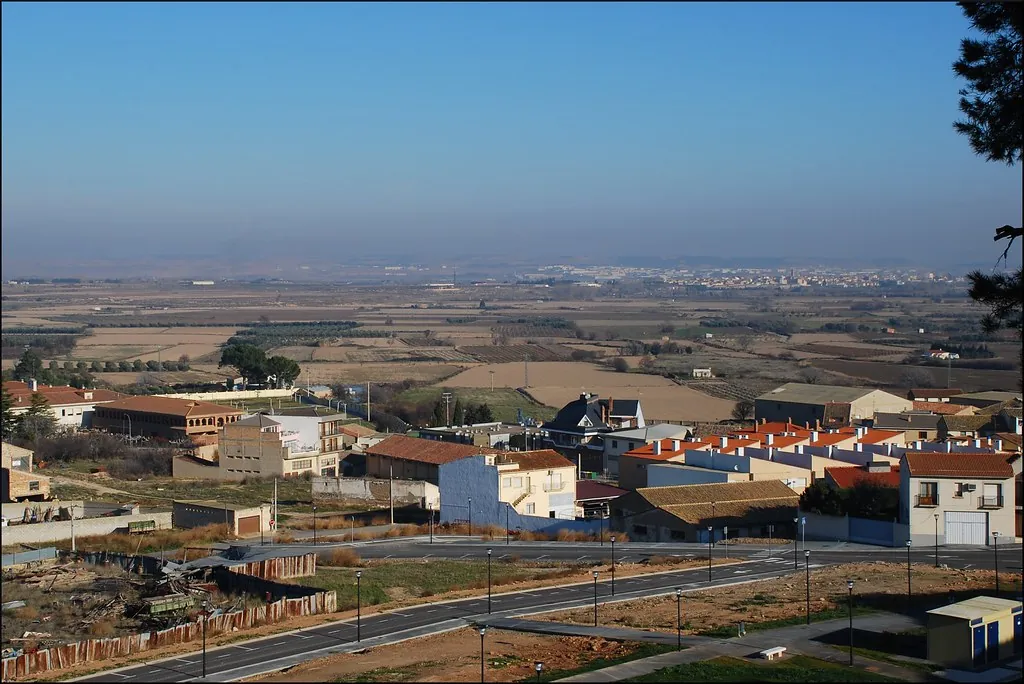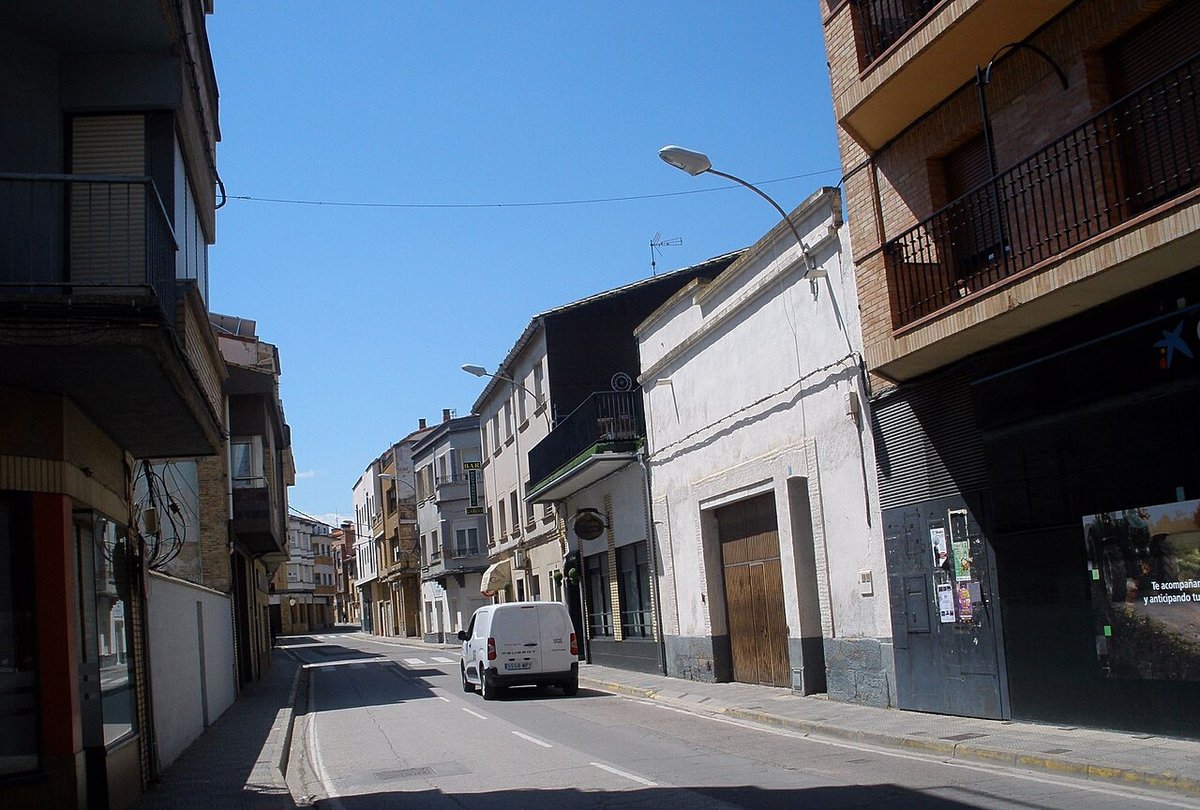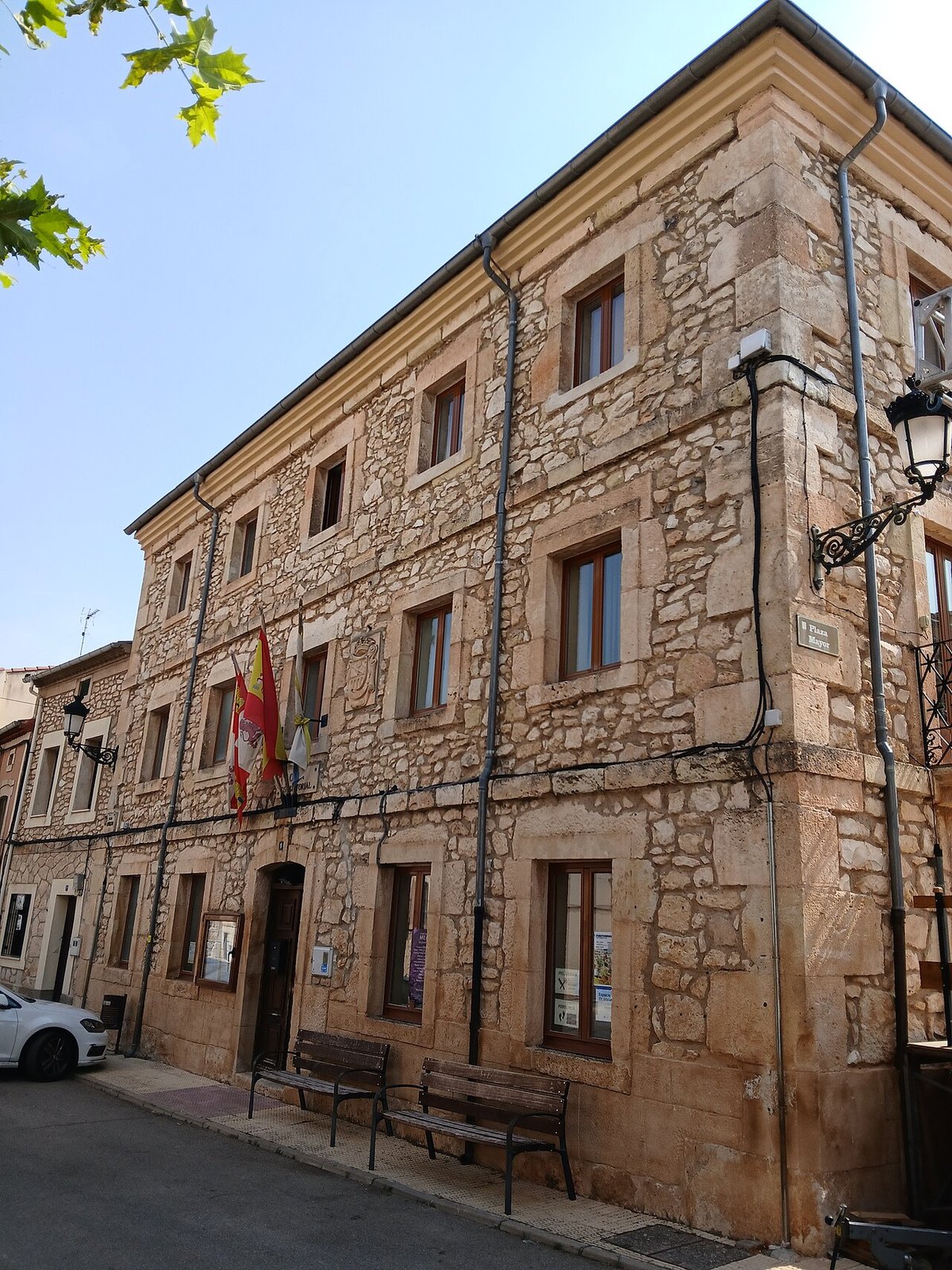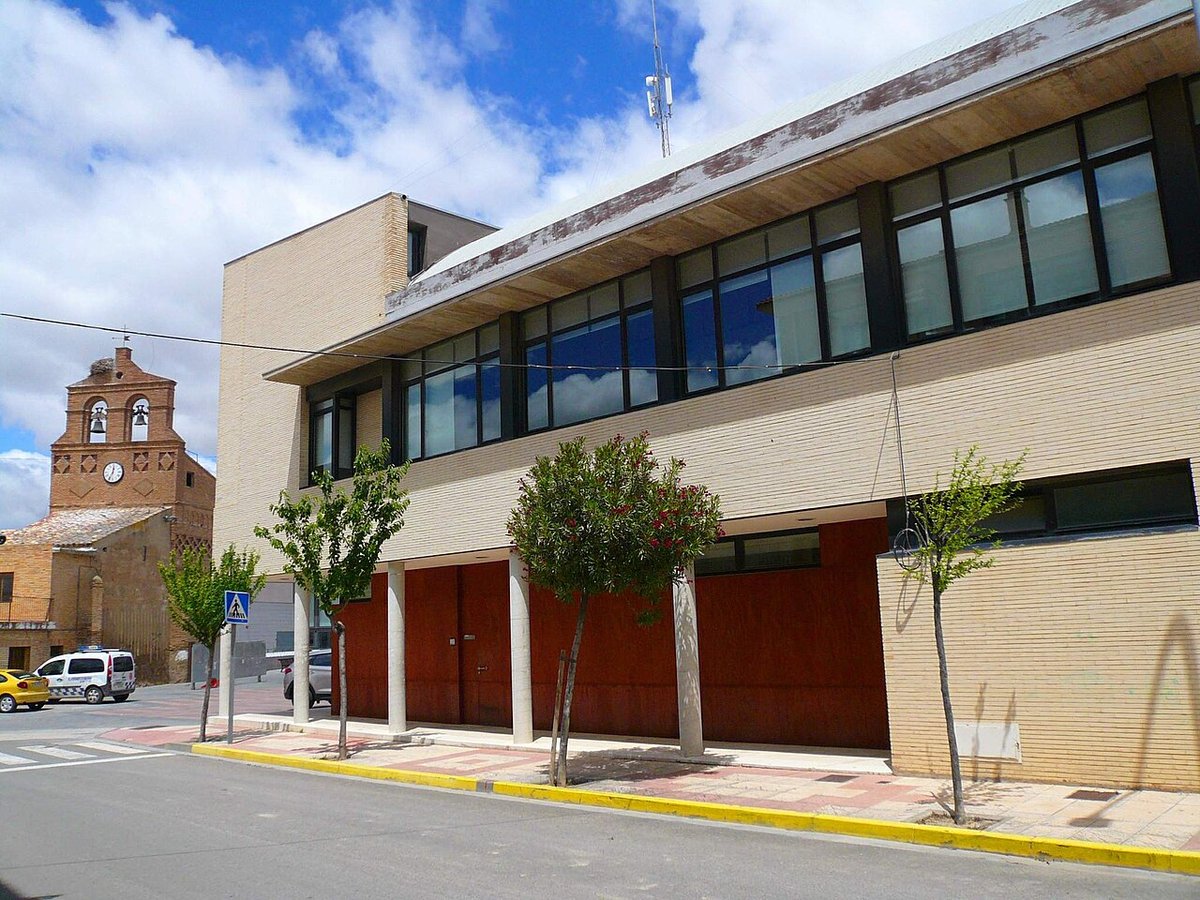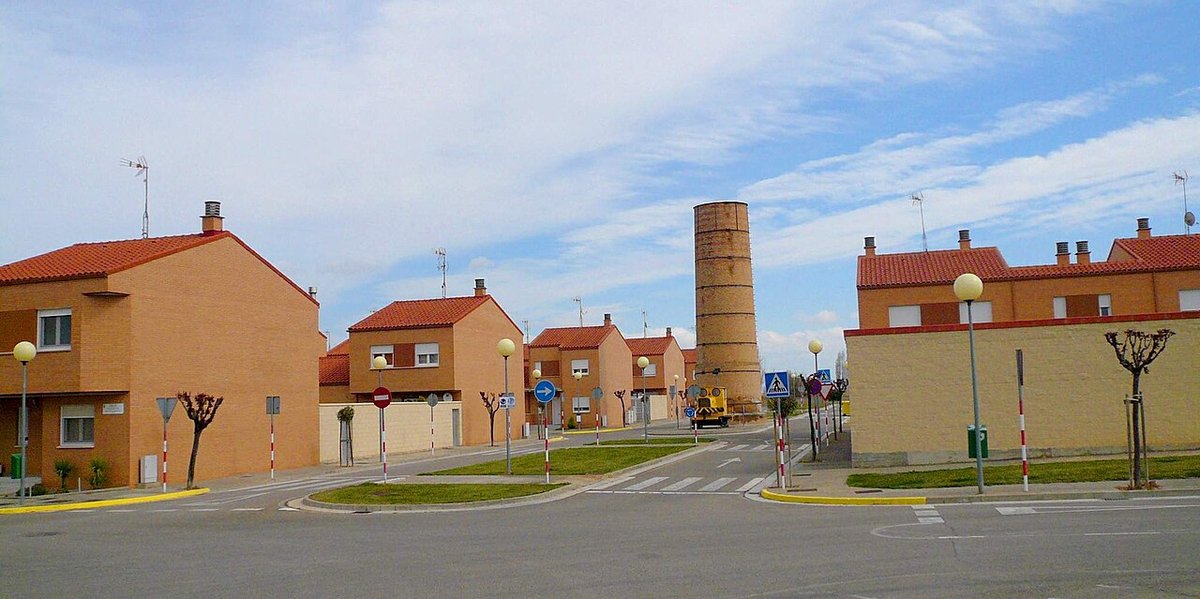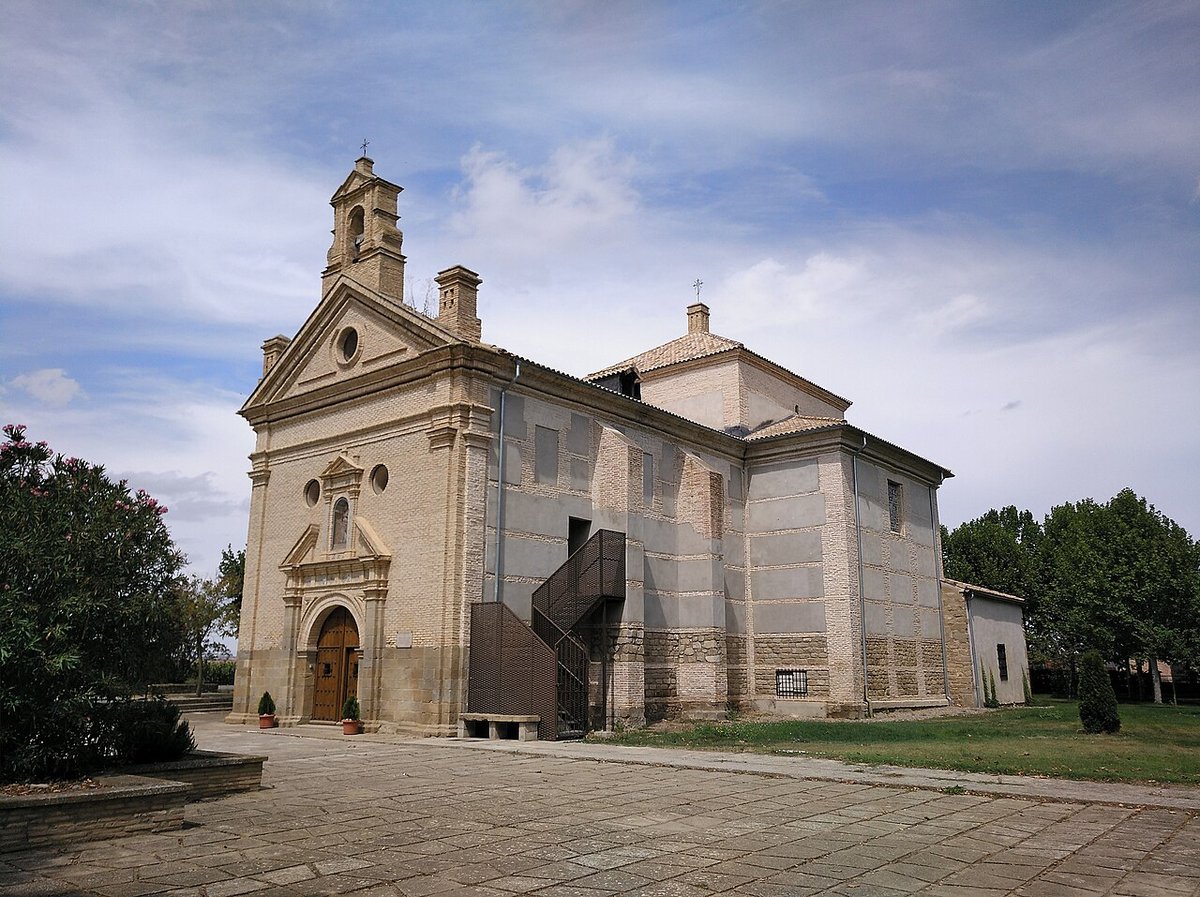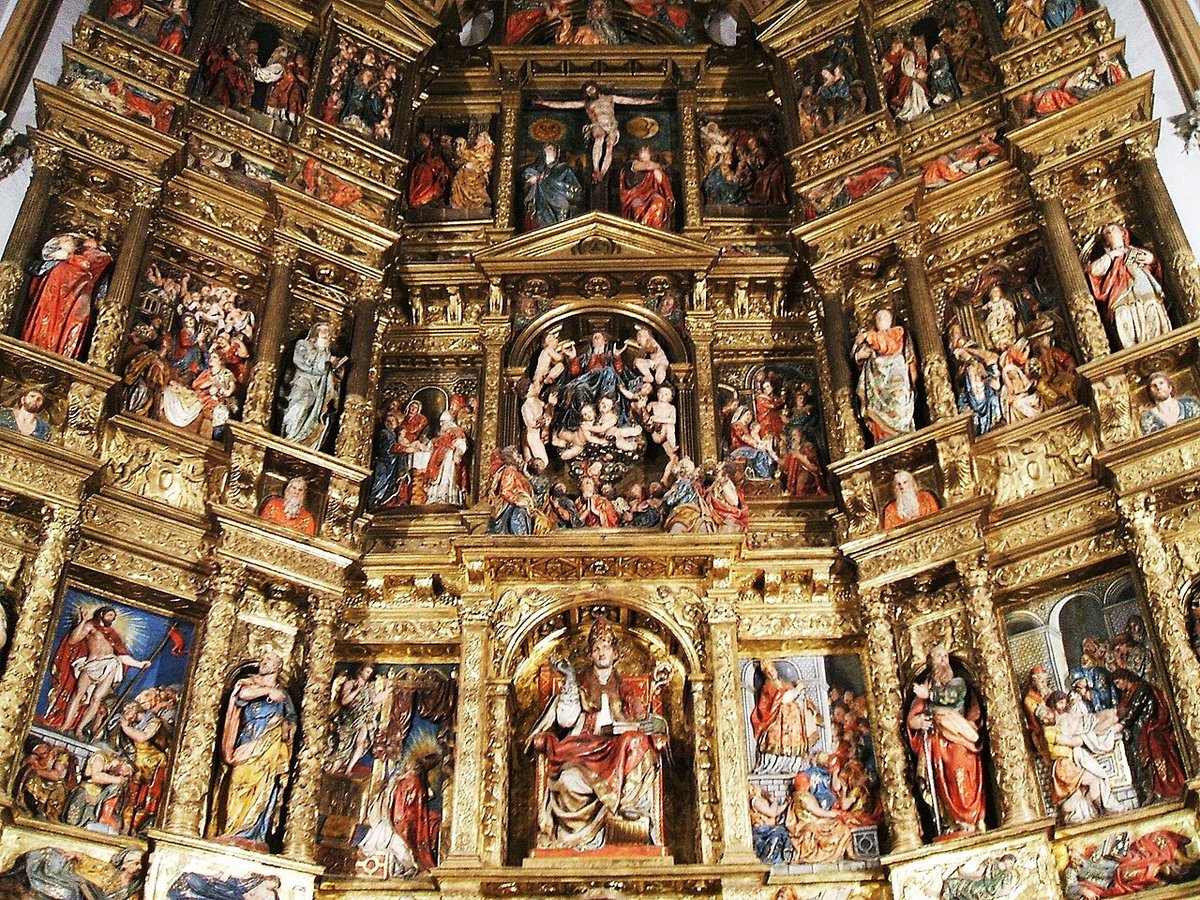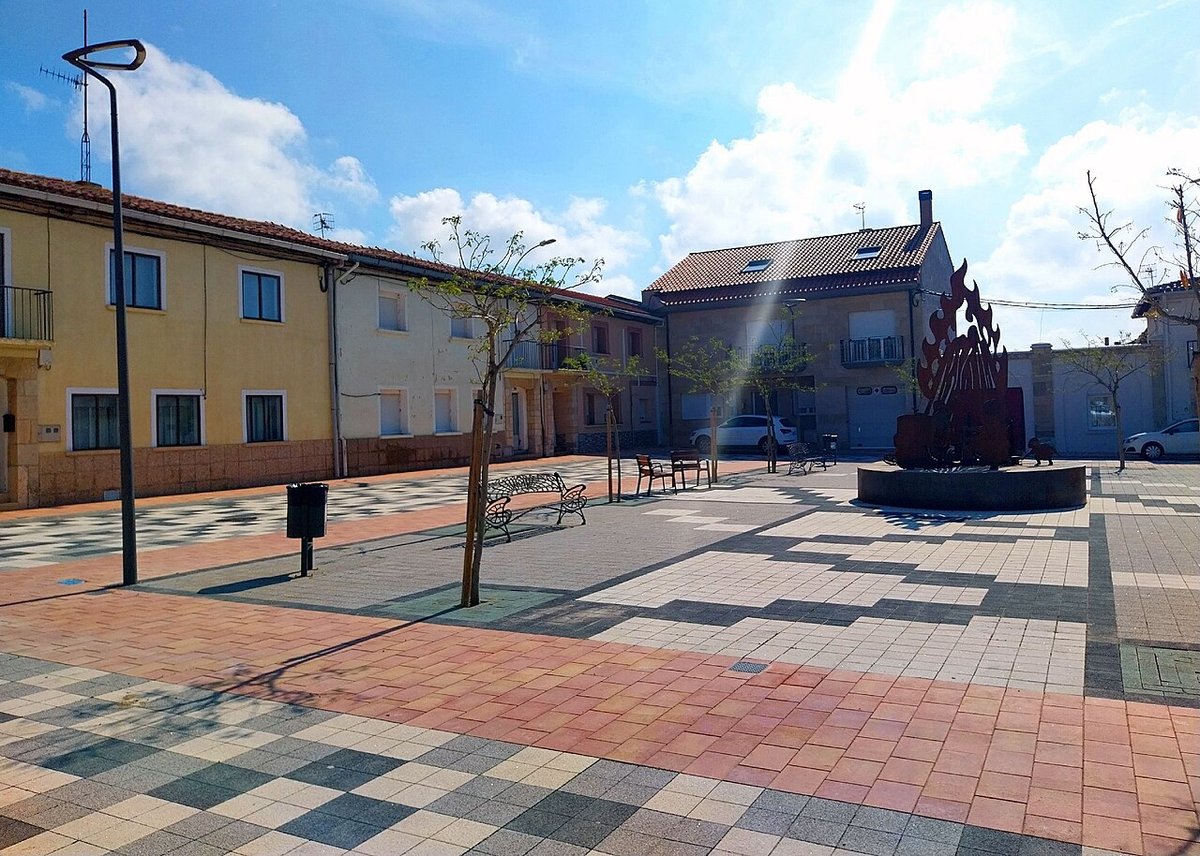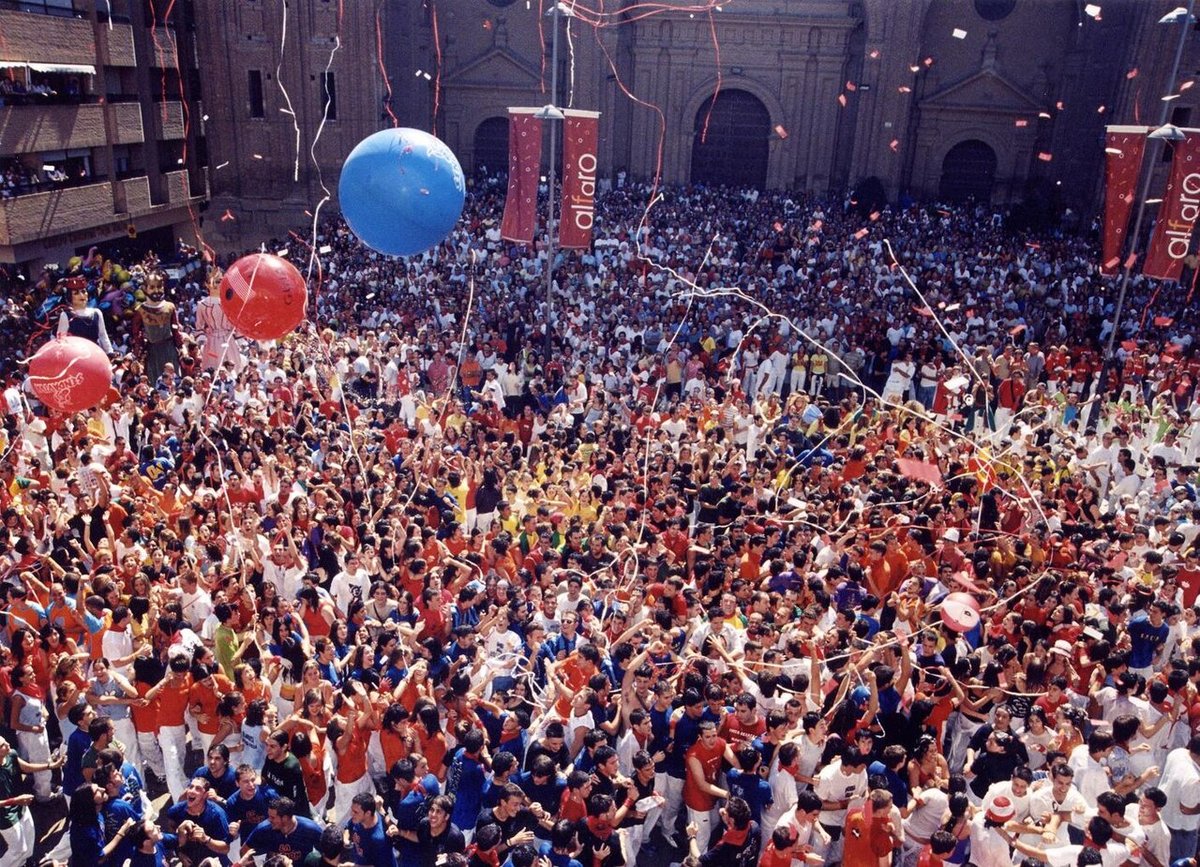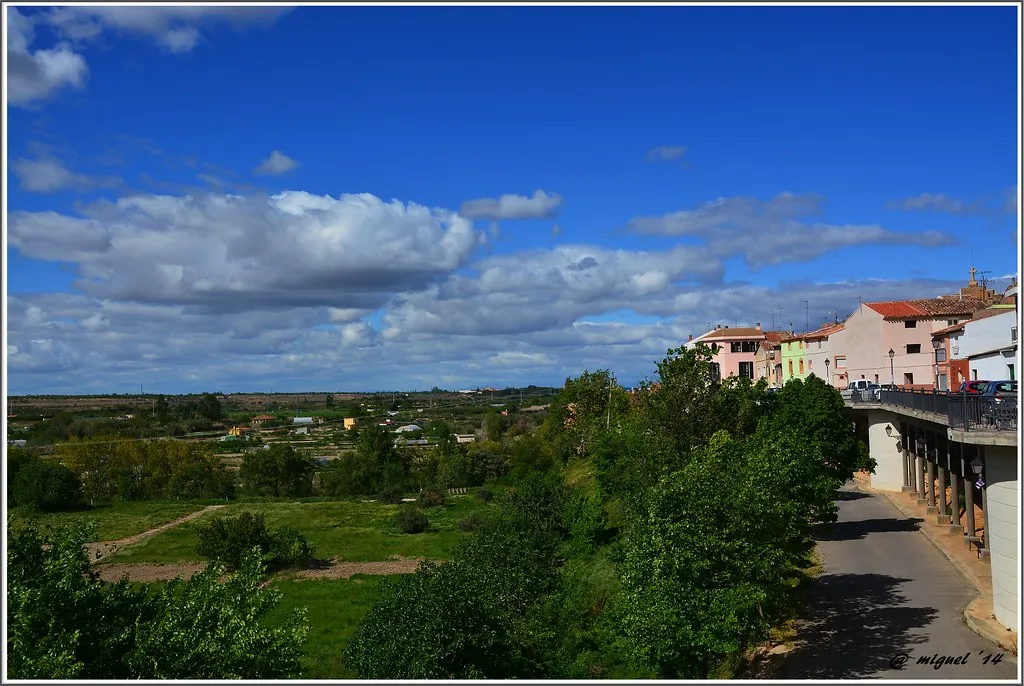
Cintruénigo - Plaza de Toros 4.jpg
Miguel. A. Gracia · Flickr 4
Navarra · Kingdom of Diversity

Cintruénigo

The first thing you notice is the smell of artichokes. Not the delicate whiff you get in a London deli, but the earthy, metallic scent of industria...

8,565 inhabitants · INE 2025
391m Altitude

Why Visit

Church of San Juan Bautista Wine route

Best Time to Visit

year-round

Virgen de la Paz festival (September) septiembre

Things to See & Do
in Cintruénigo

Heritage

  • Church of San Juan Bautista
  • Promenade of the Fueros

Activities

  • Wine route
  • Crafts shopping

Festivals
& & Traditions

Fecha septiembre

Fiestas de la Virgen de la Paz (septiembre)

Las fiestas locales son el momento perfecto para vivir la autenticidad de Cintruénigo.

Full Article
about Cintruénigo

Alabaster-and-wine town; a key Ribera center with strong commercial and industrial activity.

Ocultar artículo Leer artículo completo

A Working Town That Never Bothered with a Facelift

The first thing you notice is the smell of artichokes. Not the delicate whiff you get in a London deli, but the earthy, metallic scent of industrial-scale cooking drifting from the Conservas Vegetales plant on the edge of town. Cintruénigo doesn’t hide its day job. While other Spanish villages scrubbed themselves spotless for the Instagram age, this Ribera Navarra market town kept canning piquillo peppers and scheduling tractor traffic down the main road. The result is refreshing: a place that functions for locals first, visitors second, and makes no apologies for either.

With 5,000 residents, Cintruénigo is large enough to support three bakeries, two dentists and a Friday-night lottery kiosk that stays open until the last ticket’s gone. Yet the centre can be crossed in ten minutes. Streets follow a grid laid out in the nineteenth century after a fire cleared the medieval tangle, so you’re unlikely to get lost unless you follow the river Queiles upstream and forget the time.

Stone, Brick and the Occasional Splash of Baroque

Start at the parish church of San Cipriano, whose tower rises like a blunt pencil above the rooftops. Inside, the nave mixes Renaissance restraint with Baroque shoutiness: gilt angels, oversized cornices and a sixteenth-century altarpiece that locals proudly claim cost more than the fortifications of nearby Tudela. English visitors often find the interior lighter than Castilian equivalents—whitewashed walls bounce the Navarrese sun upwards, so you can actually see the detail without feeding a metre-wide coin box for illumination.

Two minutes east stands the Palacio de los Marqueses de San Adrián, now council offices. The stone façade is crisp enough to read every coat of arms, but don’t expect staterooms open to the public; knock and you’ll be directed to the planning desk on the ground floor. The real pleasure is architectural people-watching: grand arched doorway on a street where delivery vans still double-park.

Head downhill to the barrio de las bodegas, a neighbourhood of cave-like wine cellars carved into the sandy bank. Some are padlocked, others converted into weekend hangouts with plastic tables and string lights. There’s no admission charge, no audio guide, just the temperature drop as you step underground—perfect on a July afternoon when the surrounding vegetable plots shimmer above 35 °C.

Riverside Walks and the Art of Doing Very Little

The Queiles slips past the southern edge of town slower than British canal traffic. A five-minute walk from the church brings you to Los Sotos, a riverside belt of poplar and willow that feels surprisingly wild. Kingfishers flash turquoise if you wait quietly; fishermen in folding chairs wait even more quietly. Paths extend for two kilometres before petering out among irrigation sluices; flat, gravelly and fine for pushchairs or dog walks. After rain the river swells and the path can disappear entirely—local advice is to turn back if the first footbridge looks dicey.

Keen cyclists can borrow a free yellow bike (ask inside the municipal sports hall; passport required for deposit) and follow farm tracks south towards the ghost village of Ruesta. The route is entirely on unsealed roads shared with tractors, so a bell and high-vis are sensible. Mountain bikers after rougher stuff should drive 25 km south to the Moncayo foothills; Cintruénigo sits on the fertile plain, not the crags.

Eating: From Tin to Table

Navarra’s vegetable belt means menus change with the harvest calendar. April is all about alcachofas (artichokes) the size of cricket balls—order them charcoal-grilled at Bar Maher, a modern café that looks like a transport caff from the outside but turns out perfect coffee and free Wi-Fi. In May the asparagus lorries arrive; try menestra de verduras, a spring stew that mixes spears, peas and artichoke hearts in a light saffron stock. Meat eaters gravitate towards chuletón, a T-bone the size of a dinner plate, seared on the outside and mooing in the middle. Sidrería Jofar will happily split one between two, chips included, for €24 total.

Wine lists favour local rosado from Valdizarbe—a pale, strawberry-scented pink that Brits often mistake for white until it hits the glass. Order by the cuarto (quarter litre) carafe; bottles mark-ups are steep and the house pour is usually the same juice anyway. Finish with cheesecake at Casa de mi Abuela, baked in an individual tin so the top bronzes like a Sussex burnt cream.

Tuesday Market and Other Useful Rituals

Market day is Tuesday. Stallholders set up before eight and pack away by two, so early birds fill carrier bags with tomatoes still warm from poly-tunnels. There’s no souvenir tat, just household gear, cheap socks and the best value fruit you’ll see until Zaragoza. Bring cash—contactless rarely works under €20 and the roaming ATM (Santander) slaps a €2 fee on UK cards.

Shops still observe the siesta lock-out: 14:00-17:00. Plan lunch for 13:30 or after 20:30; anything in between risks a packet of crisps and resentment. The single pharmacy rotates its lunch break, so check the rota taped to the shutter if you need plasters after over-ambitious cycling.

When to Come—and When to Stay Away

Spring, especially late April to mid-May, is glorious: orchards in blossom, daytime 22 °C and countryside that smells of fennel after rain. September echoes the same weather but adds the grape-harvest buzz; fiestas for the patron saint San Cipriano kick off mid-month with bull-runs and midnight concerts. Accommodation triples in price and every bar develops a drum-kit of teenagers—great if you like party noise, unbearable if you want rural hush.

Avoid mid-July to mid-August unless you enjoy 38 °C heat and streets rolled up by 15:00. Very few old houses have air-conditioning; modern rentals do, but check before you book. Winter is crisp, often foggy, and perfectly fine for a wander followed by cocido stew, yet daylight is short and countryside paths turn to clay after rain—bring sensible shoes.

Getting Here Without the High-Speed Delusion

There is no railway. The nearest station is Tudela, 25 km north, linked by a Monday-to-Friday bus that leaves Cintruénigo at 07:10 and returns at 19:00—fine for a day trip to the regional capital, hopeless for a weekend. Car hire is almost essential. From Bilbao airport it’s 1 h 45 min south on the AP-68 toll road; fill up before the border at Euskadi prices. Zaragoza is closer (1 h 15 min) and usually cheaper for rentals, but Sunday returns mean queueing at a single desk before the early flight to Stansted.

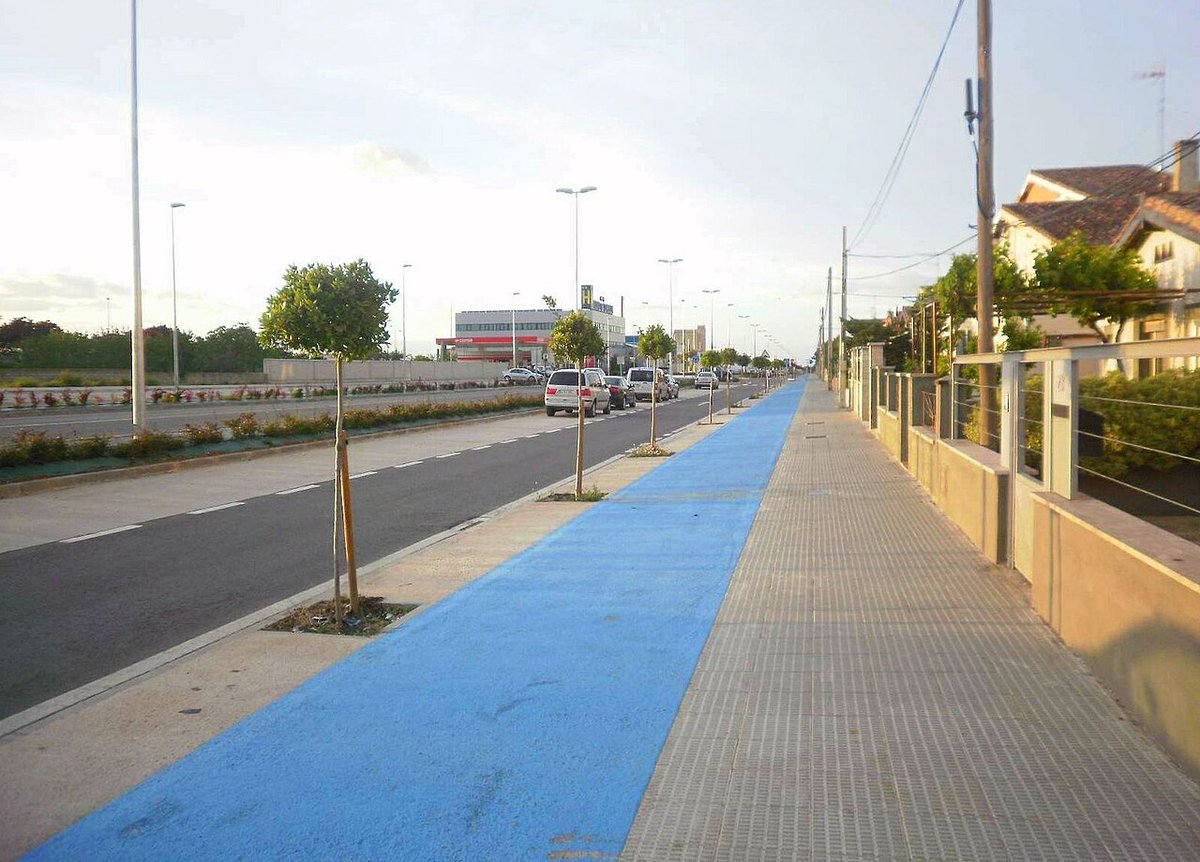
Parking inside the town grid is straightforward: blue bays cost €1 a day, free after 14:00 Saturday and all day Sunday. A bigger expanse of unrestricted spaces sits by the sports pavilion on Calle San Juan—handy if your rental is a seven-seat battleship.

The Honest Verdict

Cintruénigo will never make the cover of a Spanish tourism brochure, and that is precisely its appeal. You come here to eat vegetables that were soil-covered that morning, to cycle farm lanes without a single souvenir coach, and to watch a town live its routine unbothered by the outside world. Give it half a day and you’ll tick the church; give it a weekend and you might find yourself in a cave bodega at midnight, arguing about football with a retired pepper farmer who insists on pouring more rosado. It’s not spectacular, it’s not hidden, it’s simply real—and sometimes that’s exactly what travelling should be.

Key Facts

Region
Navarra
District
Ribera
INE Code
31072
Coast
No
Mountain
No
Season
year-round

Livability & Services

Key data for living or remote work

2024
ConnectivityFiber + 5G
TransportTrain 12 km away
HealthcareHealth center
EducationHigh school & elementary
Housing~5€/m² rent · Affordable
Sources: INE, CNMC, Ministry of Health, AEMET

Official Data

Institutional records and open data (when available).

  • Casa Navascués
    bic Monumento ~0.6 km

Planning Your Visit?

Discover more villages in the Ribera.

View full region →

More villages in Ribera

Traveler Reviews