Full Article
about Corella
Jewel of Navarrese Baroque; a monumental town of palaces
Ocultar artículo Leer artículo completo
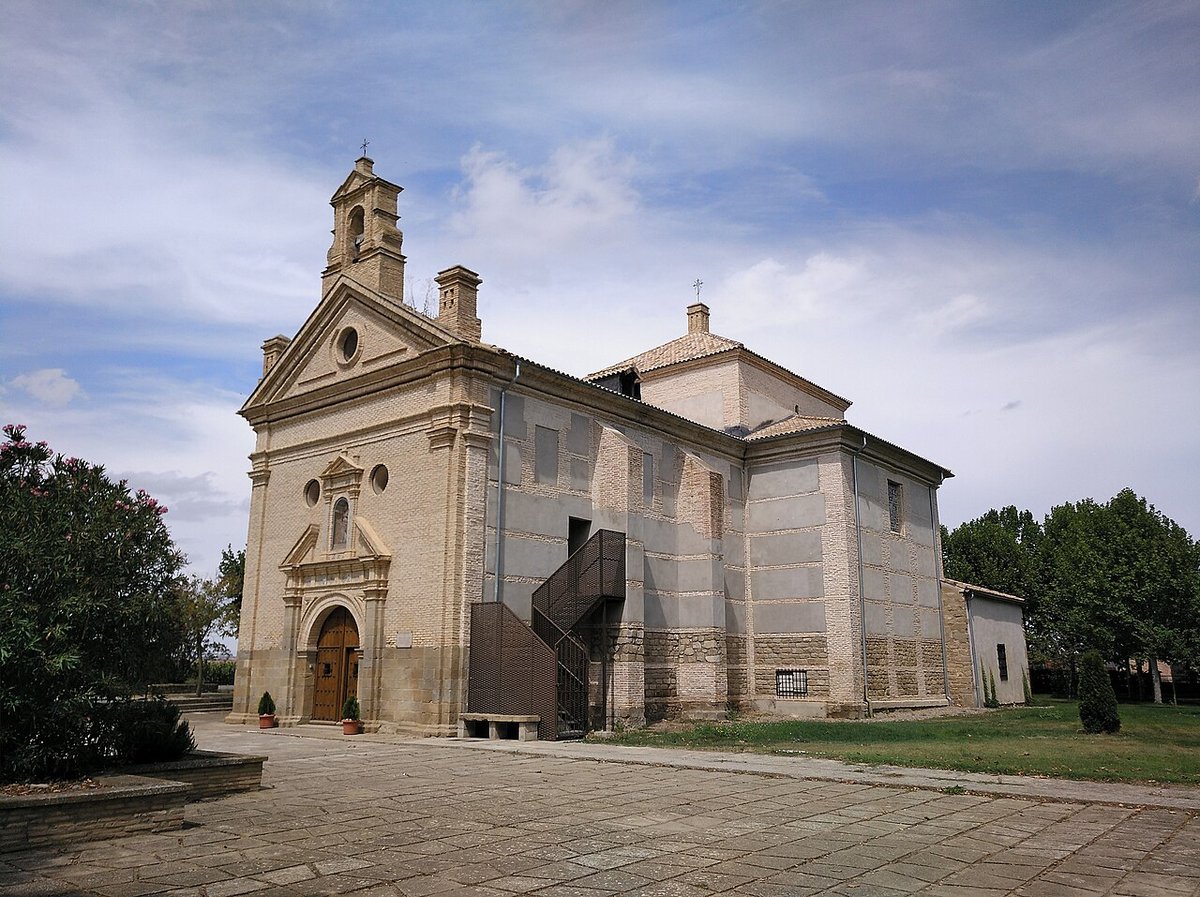
The 373-metre contour line painted on the church tower is the first clue that Corella isn’t flat-land Ribera country. Stand beneath the stone portico of San Miguel at seven in the morning and the air carries a nip you’d expect at twice the altitude; by midday the same square radiates heat like a tarmac runway. This swing – sharp at dawn, fierce by lunch – shapes everything from harvest timetables to siesta length, and explains why the town’s market gardens still flood their acequias at night.
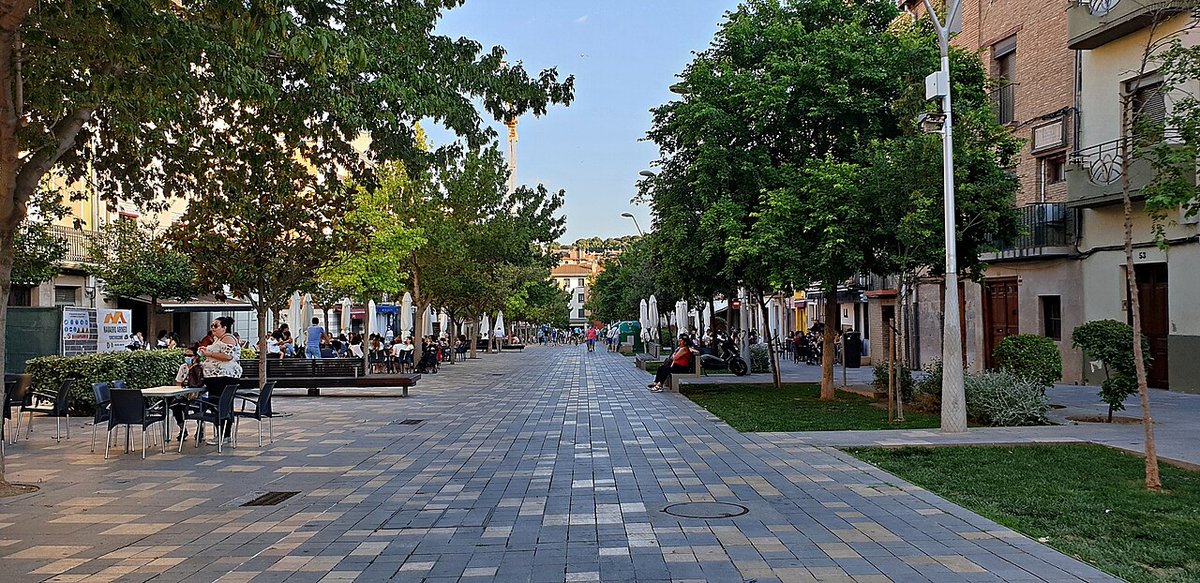
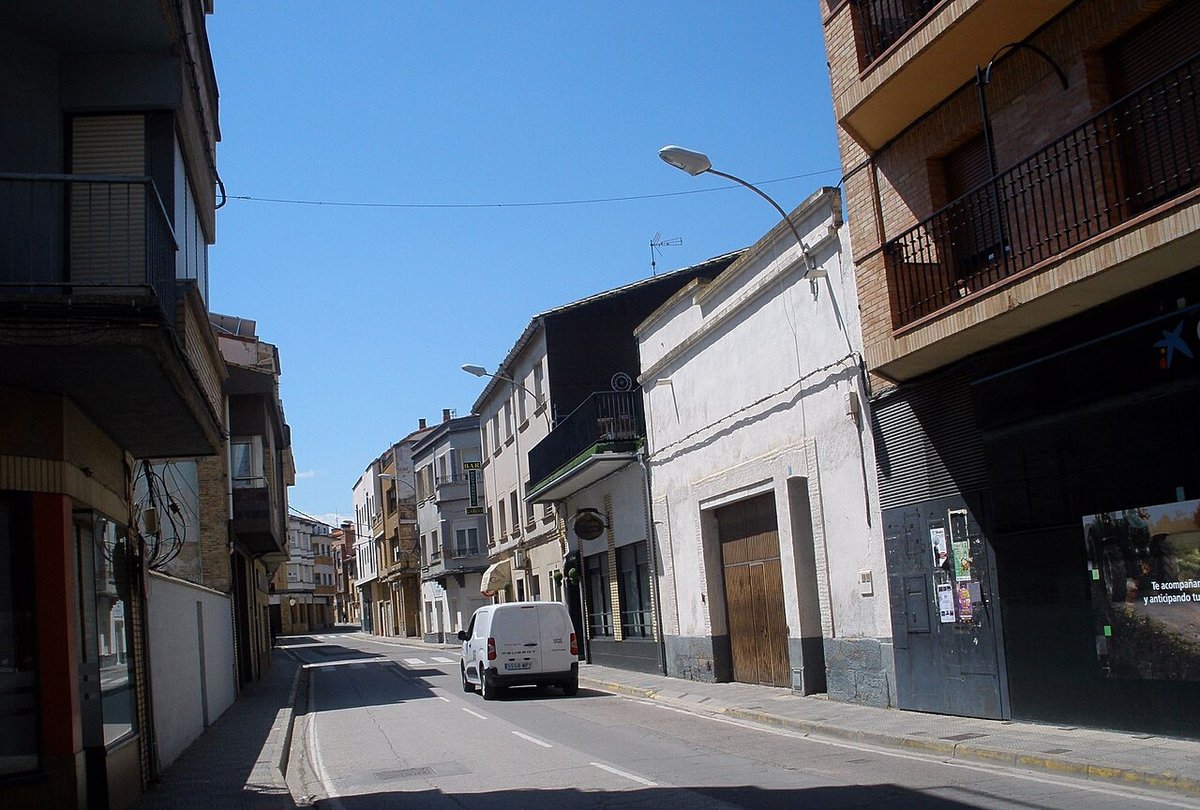
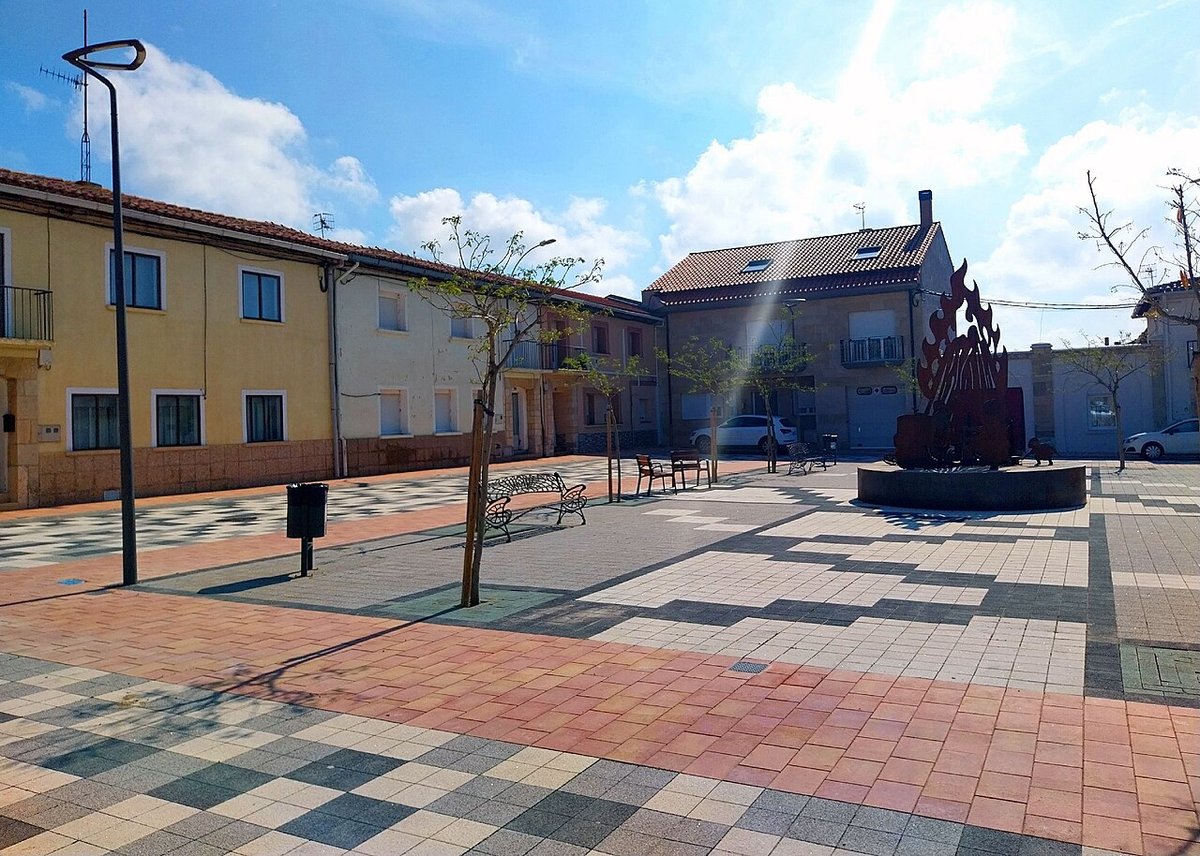
Most visitors barrel past on the A-15, bound for postcard La Rioja or Tudela’s octagonal cathedral. Those who peel off at exit 102 discover a place that looks ordinary until it doesn’t. One block holds a 1970s baker’s, a farm-supply shop smelling of chicken feed, and suddenly the Sesma palace – all curling baroque balconies and sandstone cherubs – as if a grandee’s Madrid townhouse has been dropped among the garages. The effect is disconcerting, and rather refreshing.
Walking the vegetable belt
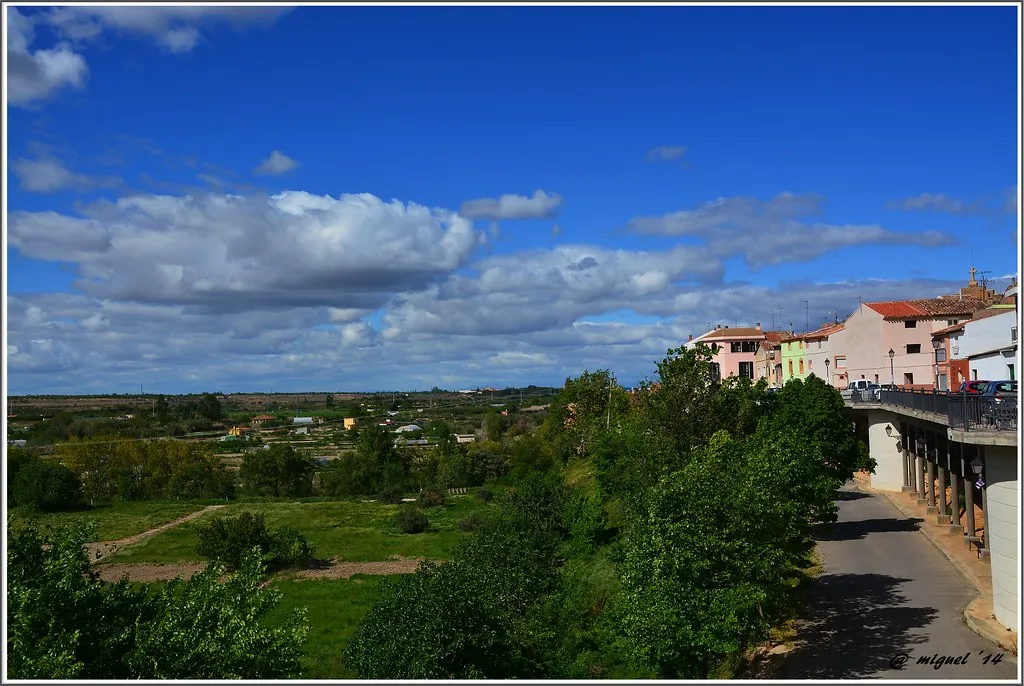
You can circumnavigate the old centre in twenty minutes, but the better circuit heads south past the football ground until the pavement gives way to a gravel camino between irrigation ditches. Here the huertas begin: rectangular plots of artichokes, fava beans and the local piquillo peppers that arrive on every autumn menu within a 50-kilometre radius. The paths are level, signed simply as “senda ecológica”, and shaded by poplars for the first three kilometres. After that the sun has free rein; start early or carry more water than you think necessary – the nearest fountain is back in town and farm dogs have zero interest in sharing theirs.
Spring brings storks clacking on telephone poles; October smells of vine smoke and freshly turned clay. In January the same fields look bleak, but the light is crystalline and you’ll have the path to yourself apart from the odd tractor driver raising two fingers from the steering wheel in silent greeting.
Wine without the theatre
Corella sits just outside the official boundary of DO Navarra’s “Ribera Alta” sub-zone, so the cellars here sell their rosado as vino de la tierra – a technicality that knocks three euros off the shelf price. Bodegas Camilo Castilla occupies a 19th-century railway warehouse opposite the old station; turn up any weekday before noon and someone will rinse a glass under the tap and talk you through three vintages without once uttering the word “terroir”. The rosé is strawberry on the nose, dry in the throat, and travels well in the hold if you pad it with socks.
Serious oenophiles sometimes sniff at the lighter style, yet the lack of pomp is precisely why a case fits nicely into a budget long-weekend. No tour buses, no gift-shop thimbles, just a forklift beeping and the winemaker anxious to finish before lunch.
When the church doors open
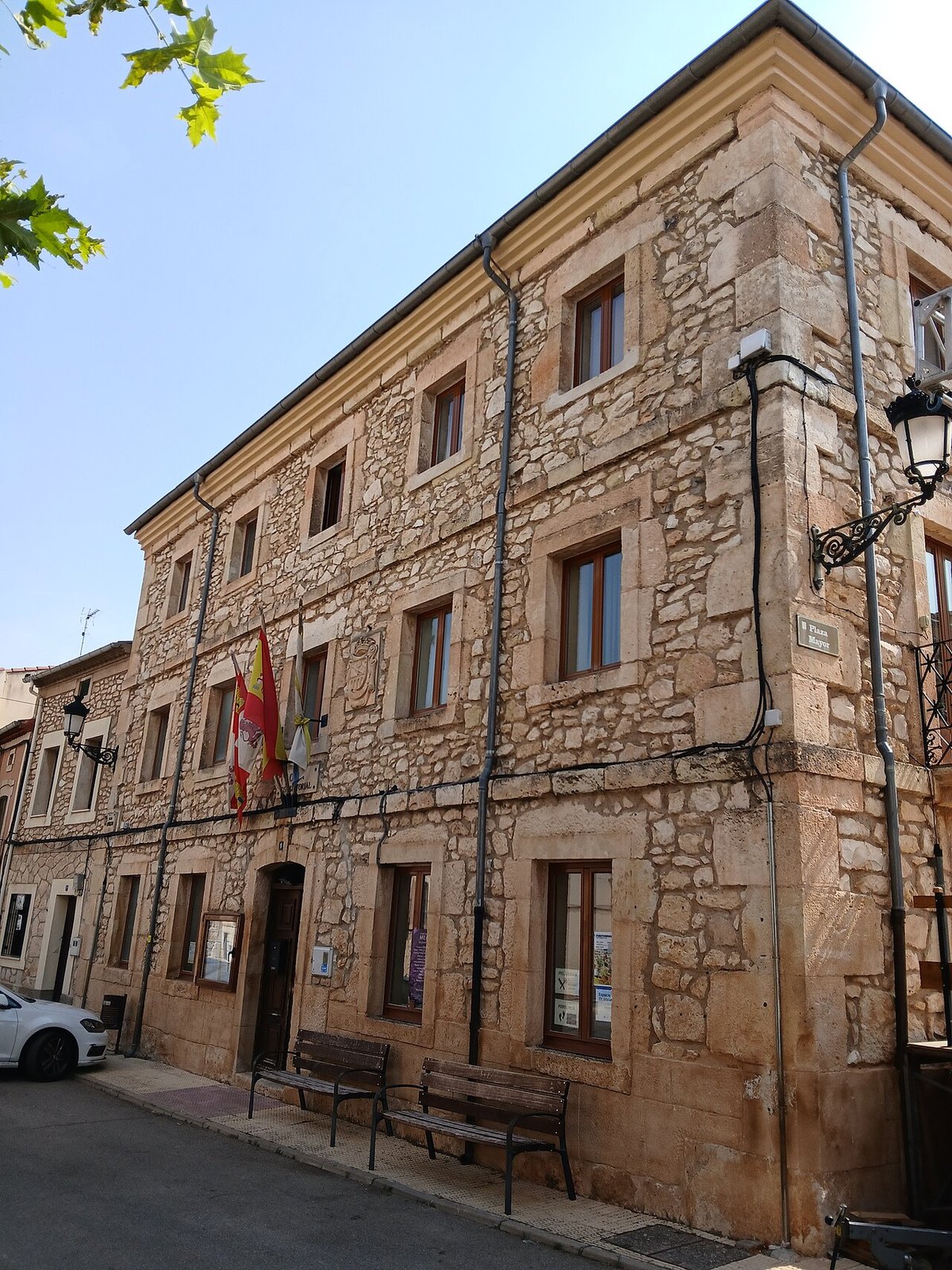
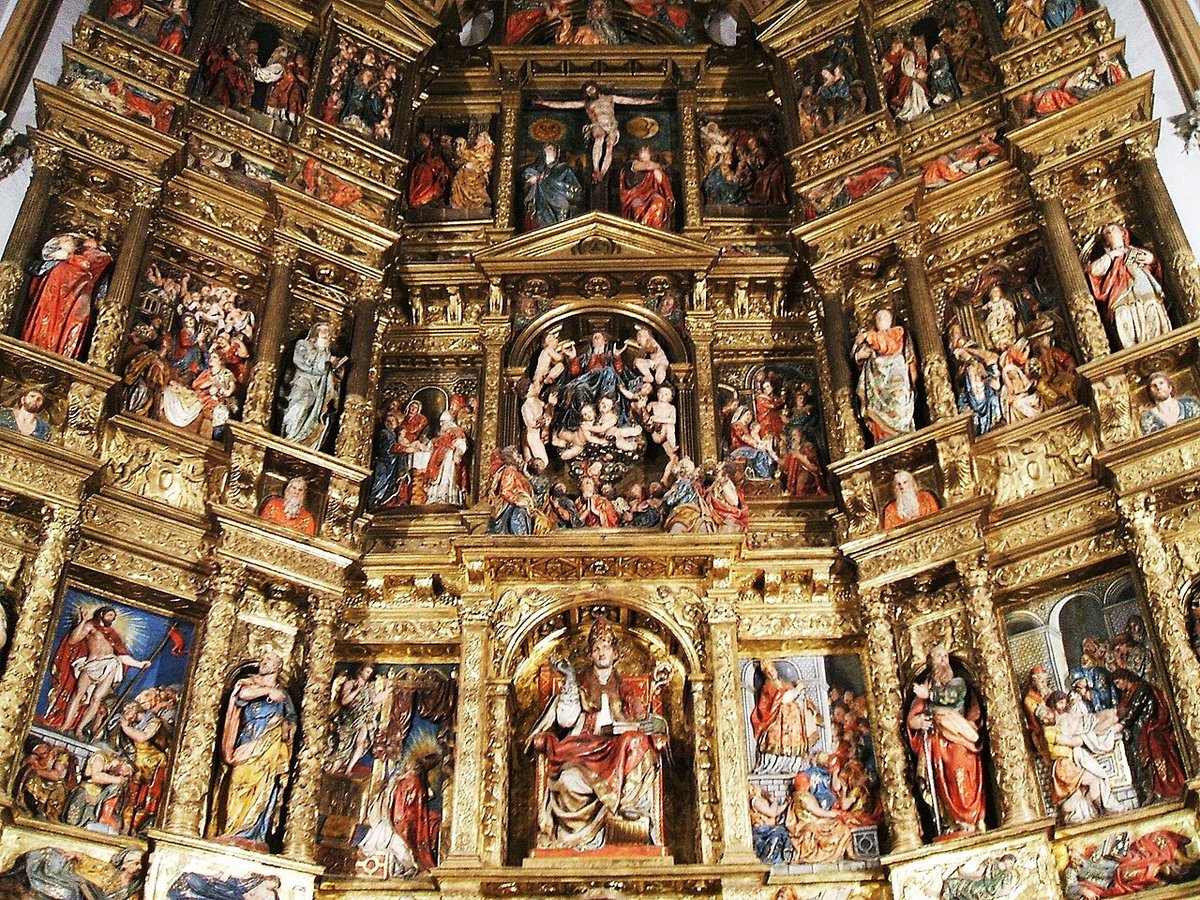
San Miguel’s bell strikes quarters that echo off the palace opposite; step inside during the five-minute window when both doors are ajar and the temperature drops ten degrees. The interior is a palimpsest: gothic vaulting, 16th-century plateresque retablo, 18th-century frescoes retouched in 1938 after a Civil War shell chipped the apostles. Entry is free; leave a euro in the box by the sacristy or the sacristan will follow you down the aisle with a polite cough.
If the doors are locked – common on weekday afternoons – head round the corner to the Museo de Arte Sacro. It’s one room and a corridor, but the Flemish diptych of the Virgin nursing a very human-looking Christ is worth the €2. More importantly, the caretaker keeps the only public loo in the centre; ask nicely.
Eating on agricultural time
Shuttered streets between 2 pm and 5 pm aren’t affectation; they’re the only way to survive July temperatures that regularly top 38 °C. Plan lunch early or you’ll be staring at metal grilles. Bar Bidaurreta fills with field workers at 1 pm sharp: men in muddy boots ordering chuleton for two because it works out cheaper per head than individual plates. The steak arrives sizzling on a terracotta tile, carved tableside, accompanied by roasted piquillos that taste of smoke rather than spice. A half-litre of house rosado sets you back €3.50; water is served from a chilled porrón – tip the spout without spluttering and you’ll earn a quiet “bravo”.
Vegetarians do better at La Huerta, a weekday-only menú del día place behind the market. The €12 menu changes with whatever the stallholders need to shift: perhaps a bowl of menestra – spring vegetables stewed in their own juices with a splash of white wine – followed by a walnut tart that wouldn’t look out of place in a Cotswold tea room. Portions are generous; ask for medio menú if you’re cycling afterwards.
Getting there, getting out
No railway station, but the bus from Tudela pulls in four times daily (€2.40, 25 minutes). From Pamplona the easiest route is hire car: 85 km down the A-15, exit at kilometre 62, follow signs for “Centro Urbano” and park by the sports centre – free, shaded, and a three-minute shuffle to the palace. Saturday mornings offer a farmers’ market in the Plaza de los Fueros; if you want to cycle, Bicicletas Lumbier in Tudela will deliver a hybrid for €20 a day provided you book before 7 pm the previous evening.
The honest verdict
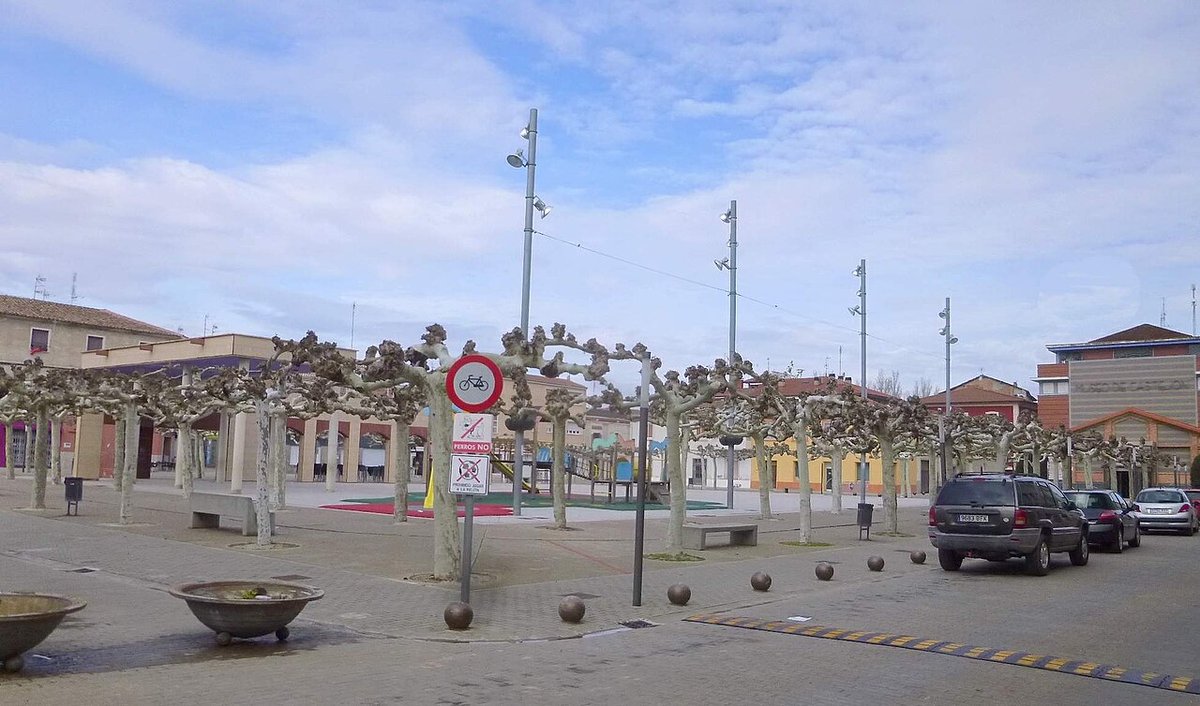
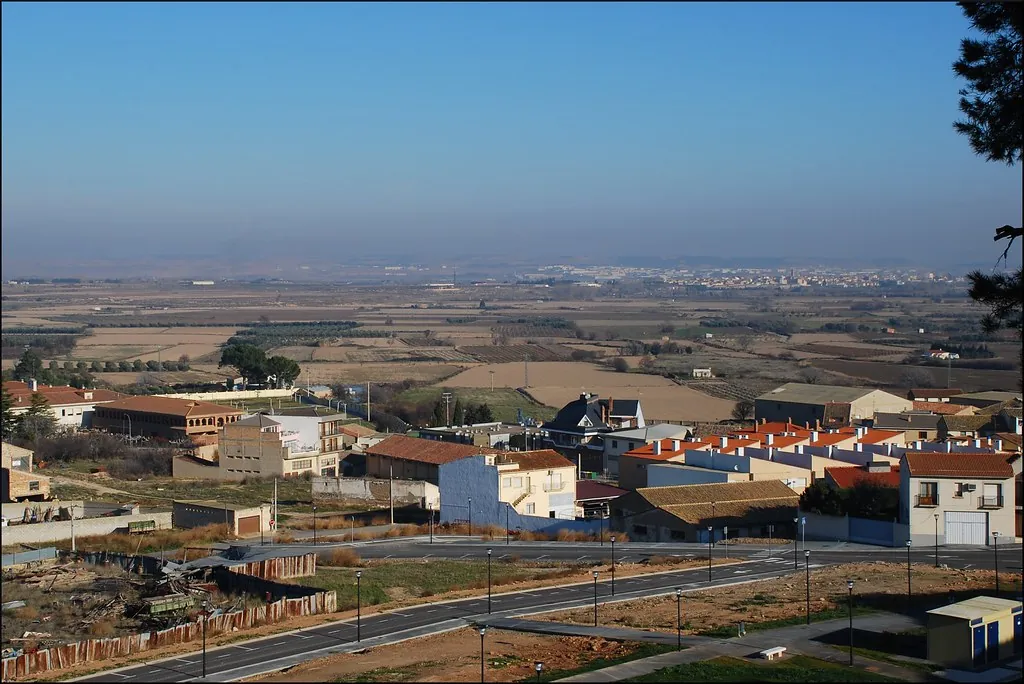
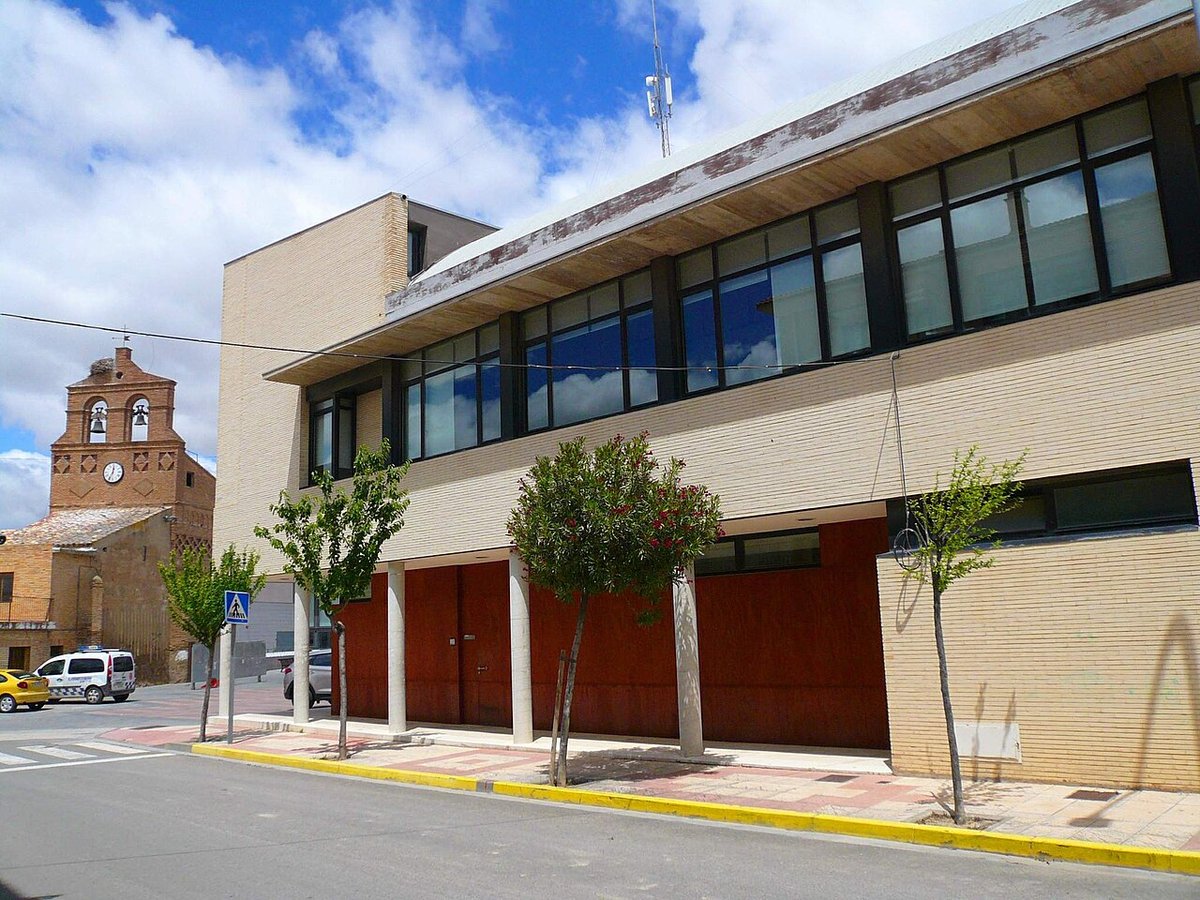
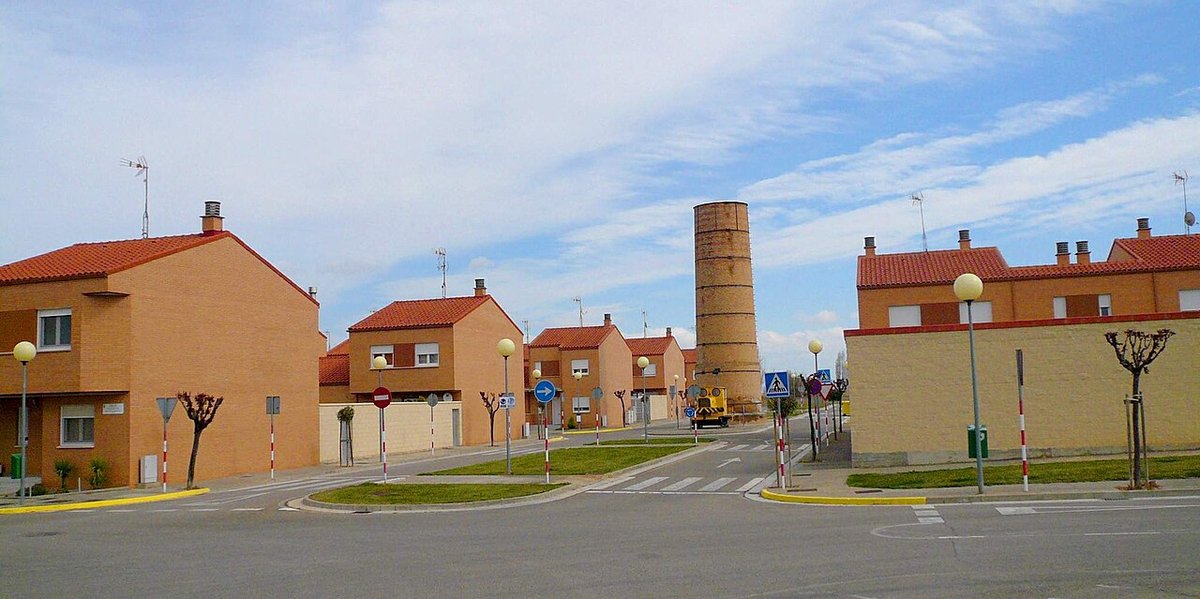
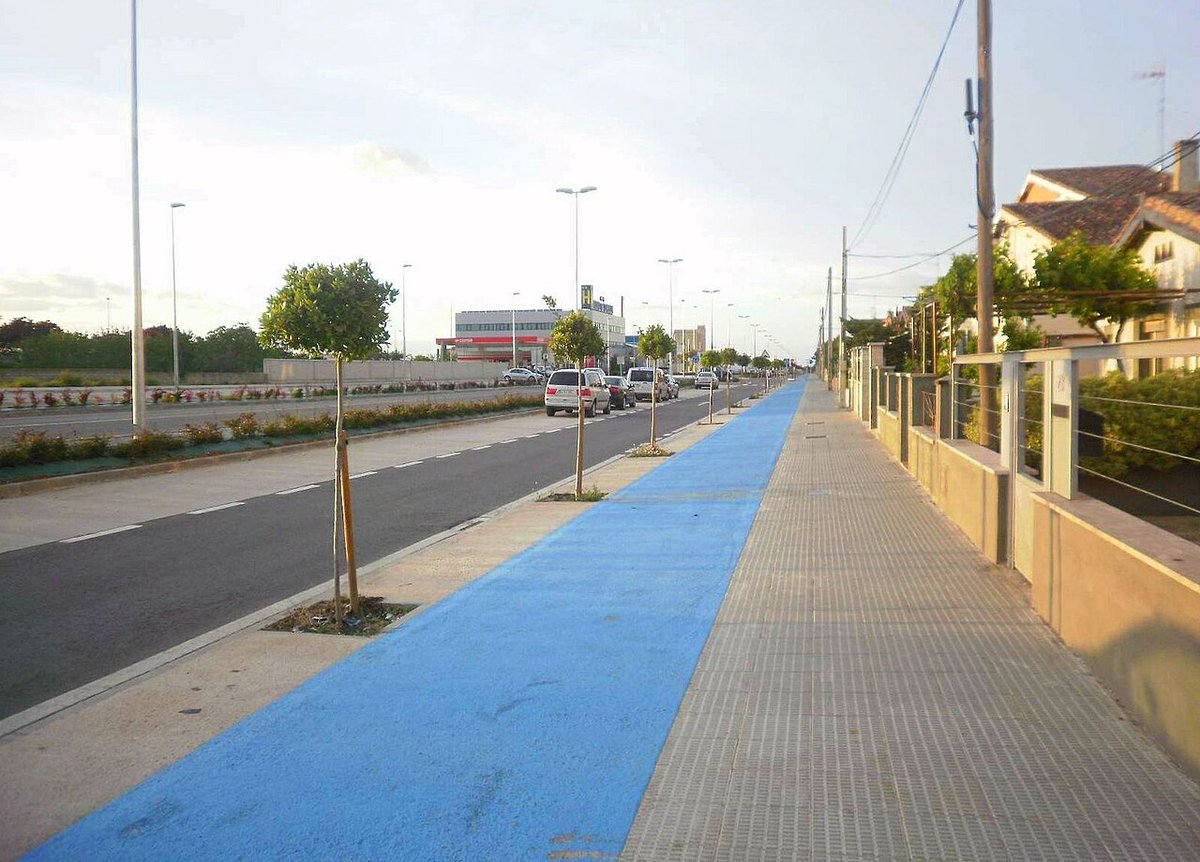
Corella will never compete with the hilltop drama of Olite or the wine-hotel chic of Laguardia. Parts of the newer outskirts are plain ugly, and if you arrive on a windy February afternoon the place can feel like the set of a cancelled western. Yet that very functionality keeps the prices sane and the tour coaches away. Come for the baroque jolt, stay for the vegetable-scented dusk, and leave with a boot full of rosado that cost less than a single bottle of Rioja reserva back home. Just remember to bring water, a hat, and enough Spanish to say “otro porrón, por favor”.