Full Article
about Cortes
Southernmost village in Navarre; known for its lived-in medieval castle and its paloteados.
Hide article Read full article
El castillo que manda aquí
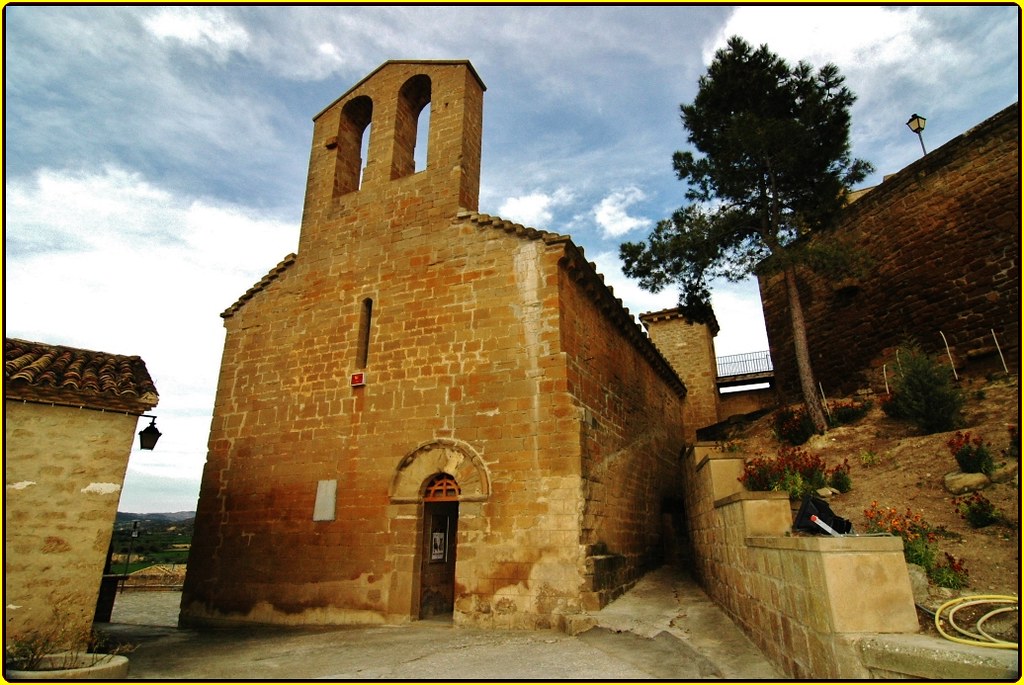
El castillo de Cortes es como ese vecino mayor que ha visto pasar todo. Lleva siglos en la misma parcela, ha cambiado de dueños varias veces y desde ahí arriba sigue vigilando el pueblo. No es el más grande de Navarra ni el que sale en las guías brillantes, pero en Cortes es el que marca el compás. El parque, las calles cercanas y buena parte de la historia del lugar giran a su alrededor.
Lo primero que notas al acercarte es su tamaño. Ocupa unos 4.500 metros cuadrados, una cifra que suena enorme pero que en persona se siente más doméstica. Lo que realmente atrapa es el parque que lo rodea. Una extensión amplia de césped donde los fines de semana se juntan niños en bici, gente paseando y grupos charlando de lo que ha cambiado el pueblo.
Es curioso pensarlo: lo que fue una fortaleza defensiva ahora funciona como el patio trasero compartido del municipio.
Dentro hay una pinacoteca con óleos de los siglos XVI al XIX. El ambiente se parece más a la casa antigua de un familiar con posibles que a una galería pulcra. Los cuadros tapan las paredes, con retratos serios y escenas que te siguen con la mirada mientras caminas. No es enorme, pero te hace entender la importancia que tuvo este sitio.
Las visitas suelen ser algunos domingos concretos. Lo mejor es preguntar antes en el ayuntamiento porque no es un sitio al que llegues y entres sin más.
De atalaya musulmana a sede real
Los cimientos del castillo empezaron siendo una torre musulmana del siglo X. Era uno de esos puntos de vigilancia para controlar quien pasaba por el valle. La comunicación entonces era cosa de humo, fuego y un tipo con buena vista.
En 1119 lo tomó Alfonso I el Batallador, un rey medieval cuyo nombre parece sacado de una novela. A partir de ahí, el sitio ganó peso dentro del Reino de Navarra.
Con los siglos, pasó por manos de la monarquía navarra y también de la Corona de Aragón. Aquí se celebraron reuniones entre reyes y nobles importantes. Eran las cumbres políticas de su época, solo que con armaduras y caballos esperando fuera en vez de coches oficiales.
El ritmo del pueblo
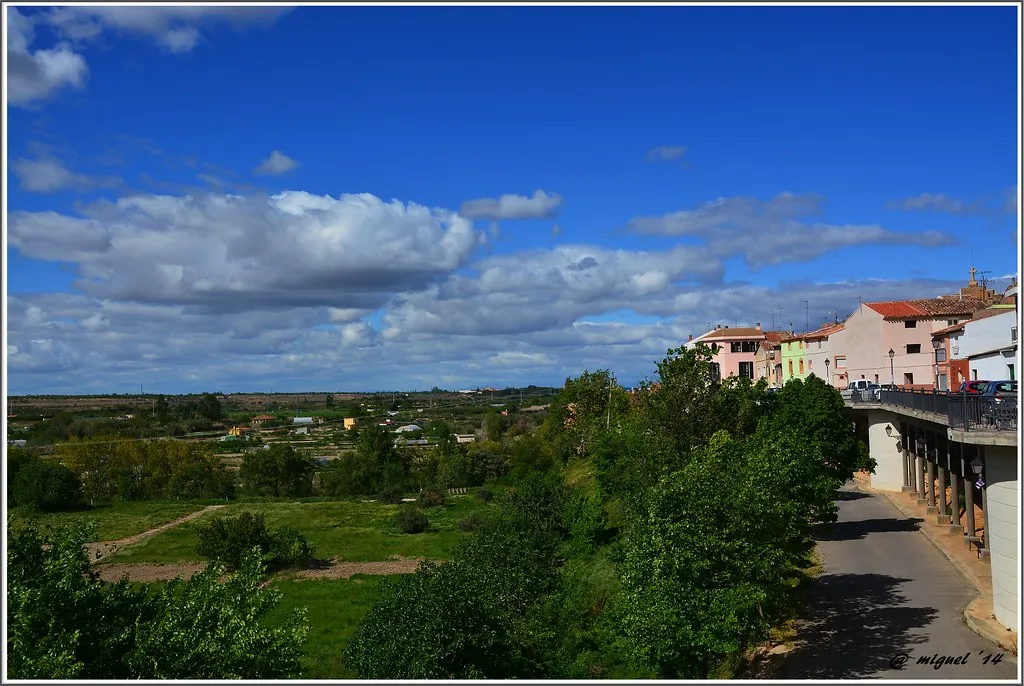
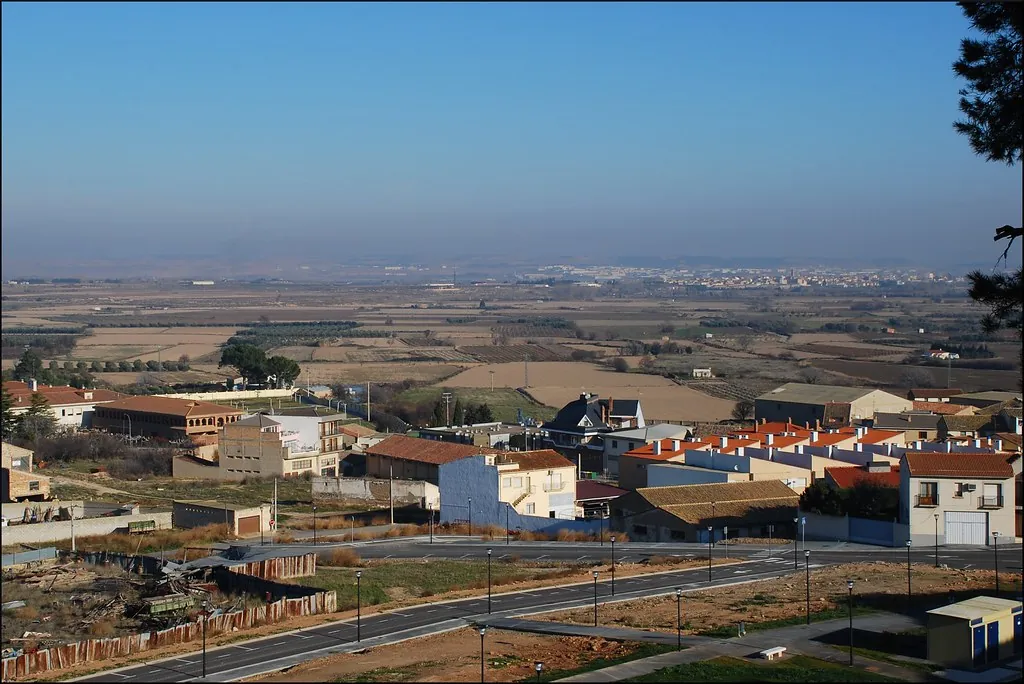
Cortes tiene unos tres mil habitantes. Es un sitio donde lo agrícola todavía marca los horarios. La huerta y los campos rodean la zona y eso se nota en el día a día.
Entre semana entran y salen tractores, y mucha gente por la calle se conoce de toda la vida. Los forasteros se notan rápido. La reacción no es mala, es más bien curiosidad. En un pueblo donde las familias tienen raíces profundas, es normal fijarse en quien sobra.
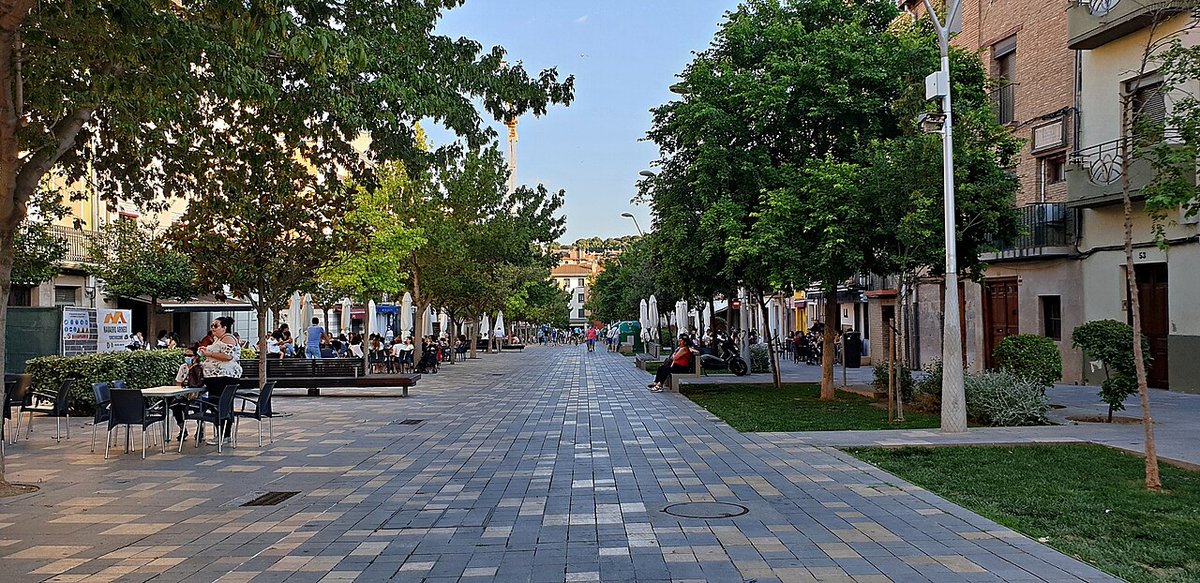
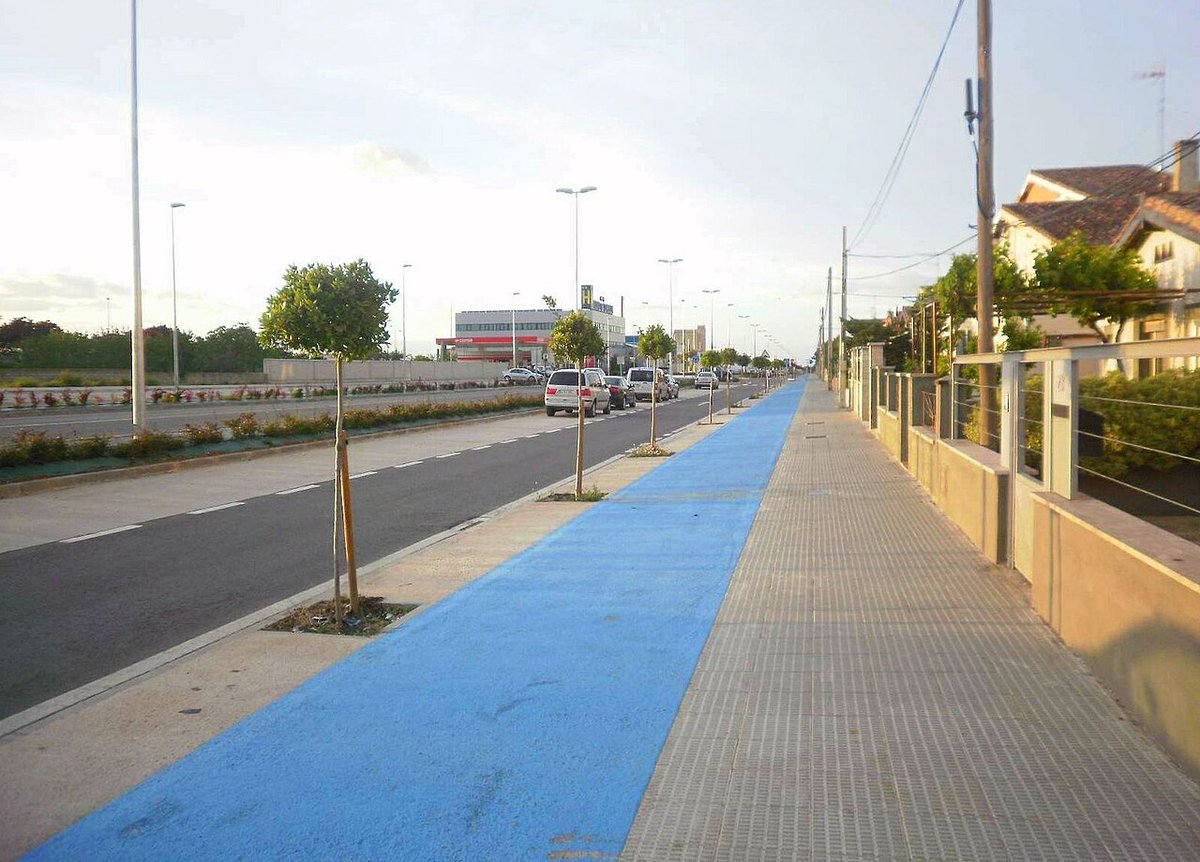
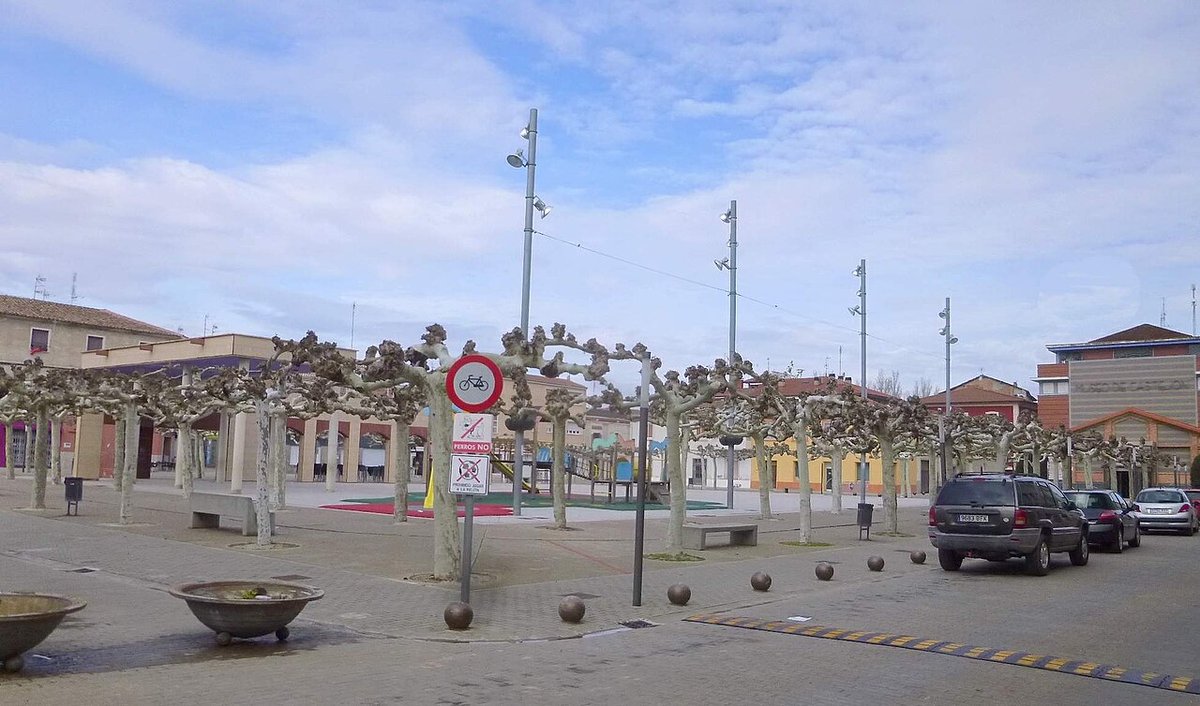
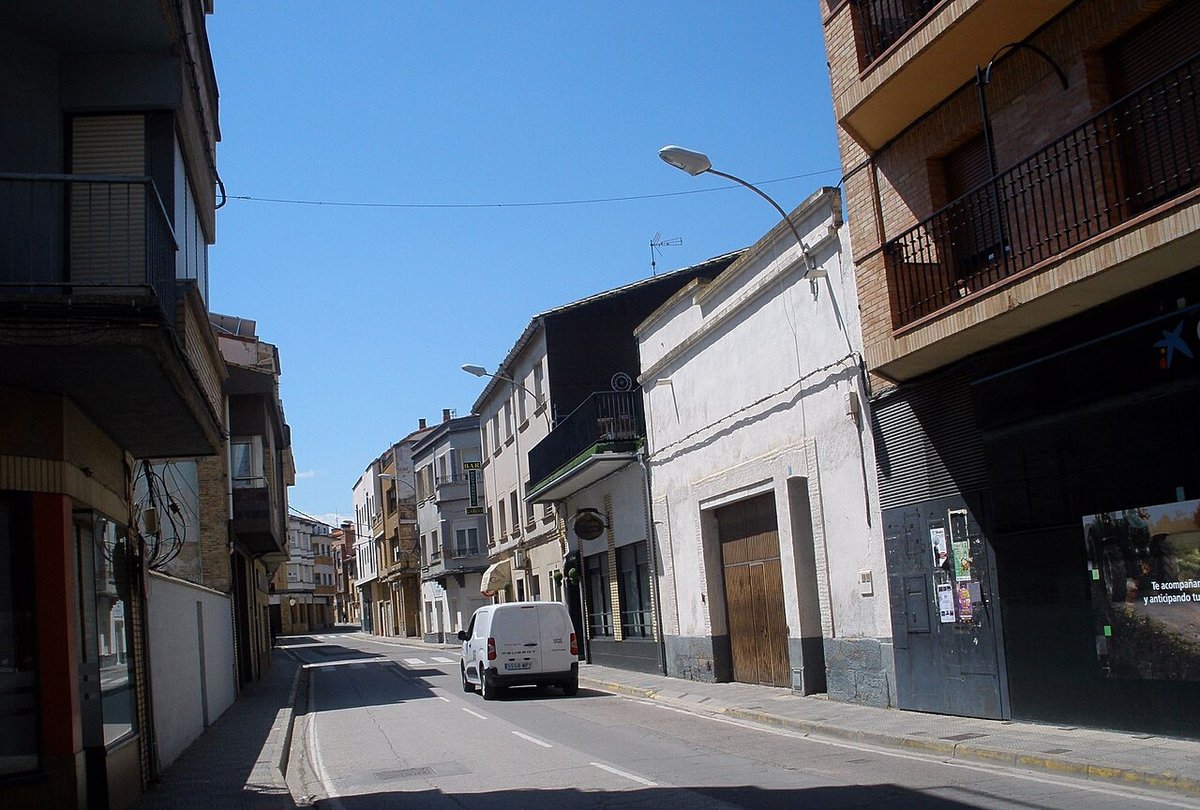
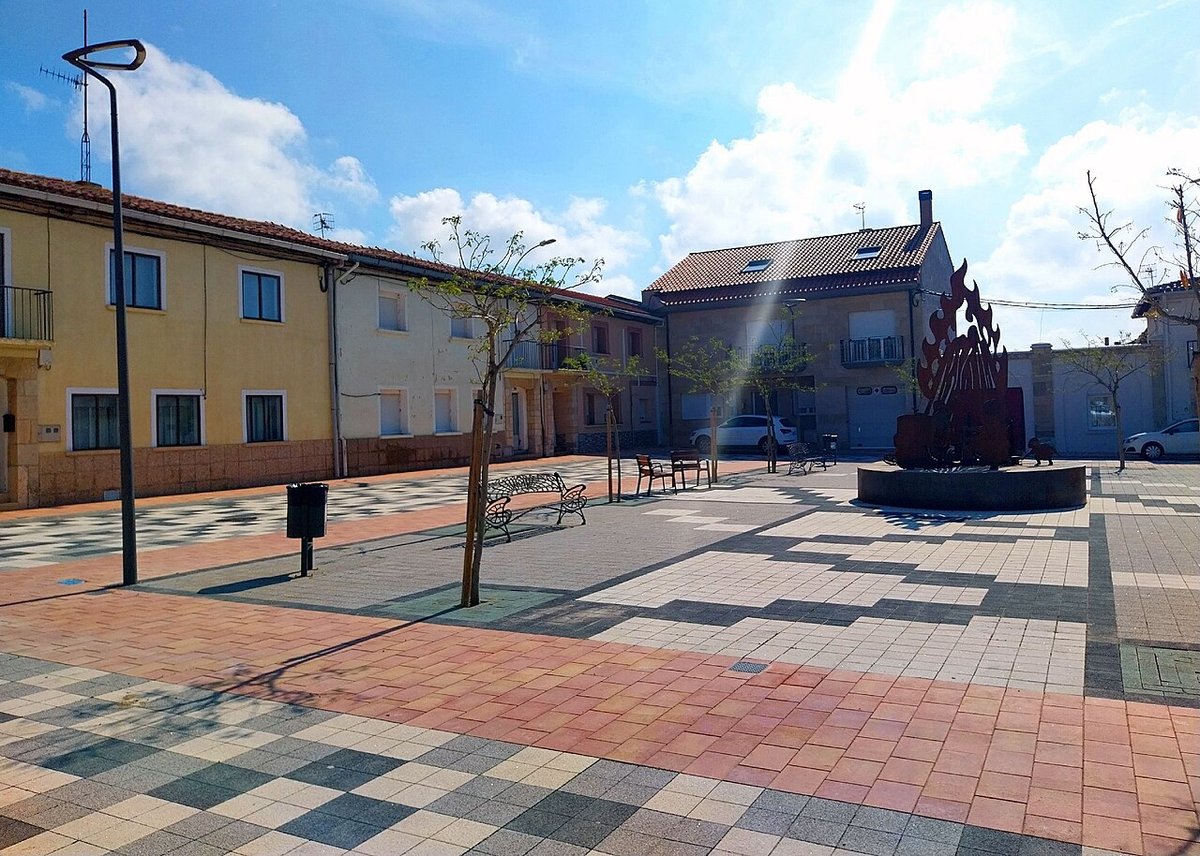
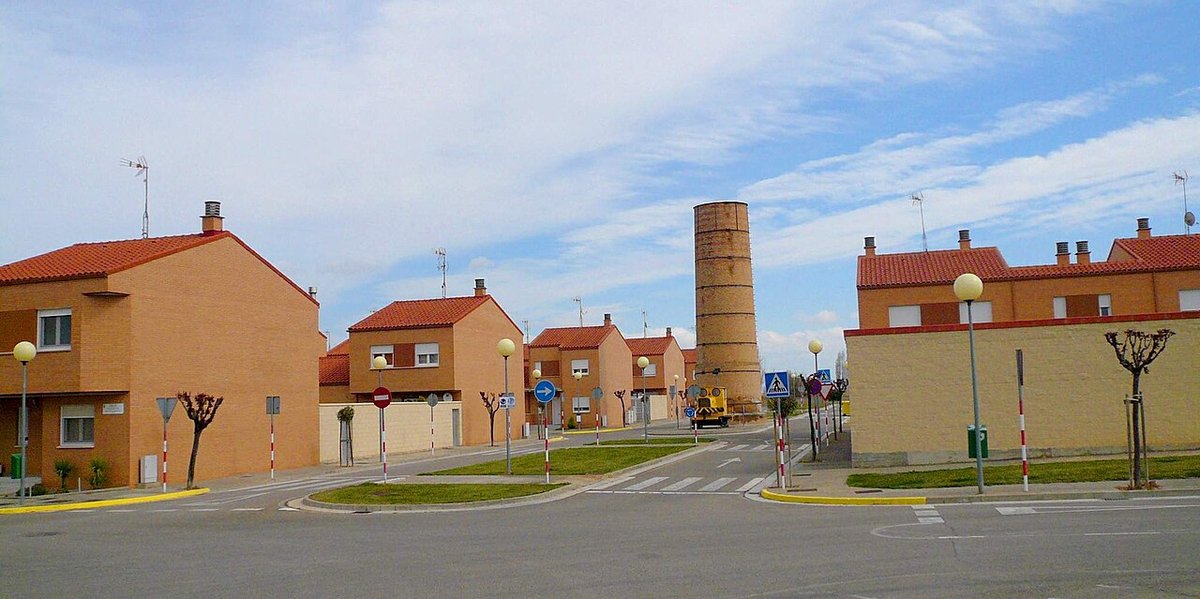
El centro es funcional: calles prácticas, edificios de épocas mezcladas y un ambiente tranquilo. No hay monumentos ocultos en cada esquina. El peso histórico está claramente en el castillo.
Antes del castillo: raíces más viejas
En las afueras está el Alto de la Cruz, un yacimiento arqueológico para los que les interese la protohistoria de la zona. Las excavaciones sacaron a la luz un poblado de la Edad del Hierro vinculado a la cultura Hallstatt.
Los restos indican que el asentamiento fue destruido hacia el 550 a.C., probablemente con violencia. Los arqueólogos llevan tiempo discutiendo quién pudo hacerlo. Lo relevante es recordar que aquí ya había comunidades organizadas más de dos mil años antes de que existiera siquiera la idea del castillo.
Más vivido que bonito
Si llegas con la idea fija del pueblo navarro típico, todo casitas apiñadas y calles empedradas, quizá tengas que ajustar la mirada. Cortes da otra imagen: es un pueblo agrícola con un ancla histórica muy clara puesta en su castillo.
La visita suele girar alrededor de ese punto fijo y del parque que lo envuelve. Después queda caminar por las calles, ver cómo se mueve la vida cotidiana y parar a tomar algo donde paran los locales.
Cortes da sensación de lugar usado, no decorado para nadie. El castillo ha pasado por muchas fases, el parque se llena de niños jugando y el pueblo sigue a su ritmo. Esa mezcla explica bastante de esta parte de la Ribera