Full Article
about Fontellas
Residential town beside Tudela and the Ebro; home to the palace of the counts of Gabarda and El Bocal.
Ocultar artículo Leer artículo completo
The irrigation channel cuts straight as a ruler between rows of artichokes, its water moving faster than the traffic on the adjacent lane. Stand still for thirty seconds and you’ll hear the soft knock of hoes on soil, a sound that hasn’t changed since the Romans first channelled the river Aragón through this flat notch of Navarra.
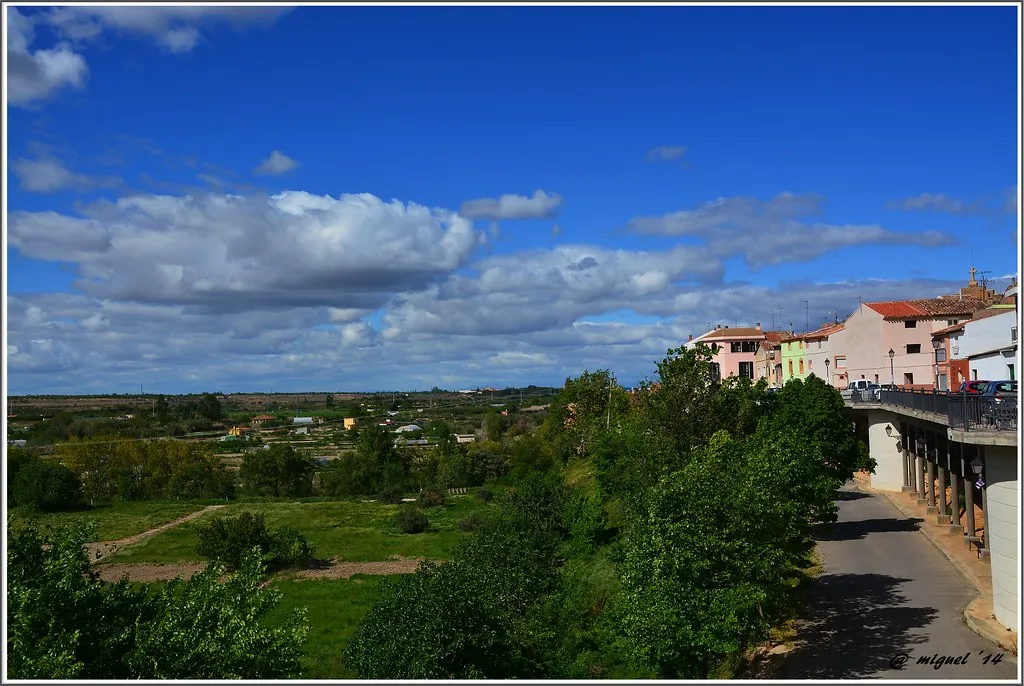
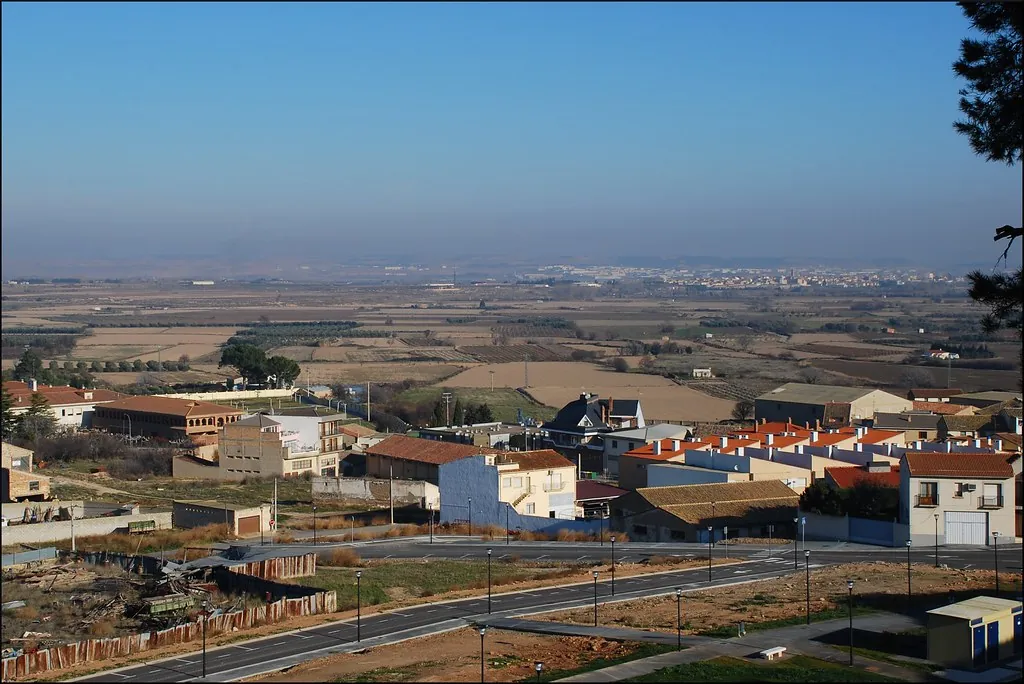
Fontellas doesn’t climb hills or frame postcard squares. It sits on the flood-plain at 280 m above sea level, 35 km south of Pamplona and twelve kilometres north-east of Tudela, hemmed in by market gardens that supply early lettuce to Bilbao and late tomatoes to San Sebastián. The landscape is less Iberian meseta, more Norfolk with sunshine: green alleys of poplar, straight drainage ditches, and soil so fertile it smells almost sweet after rain.
A grid you can walk in twenty minutes
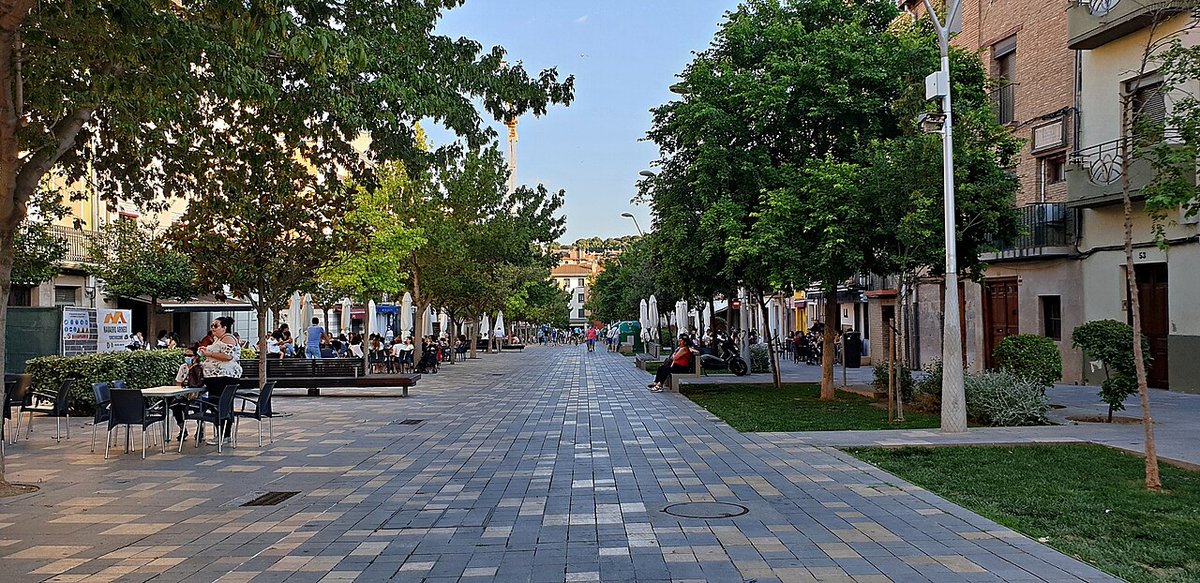
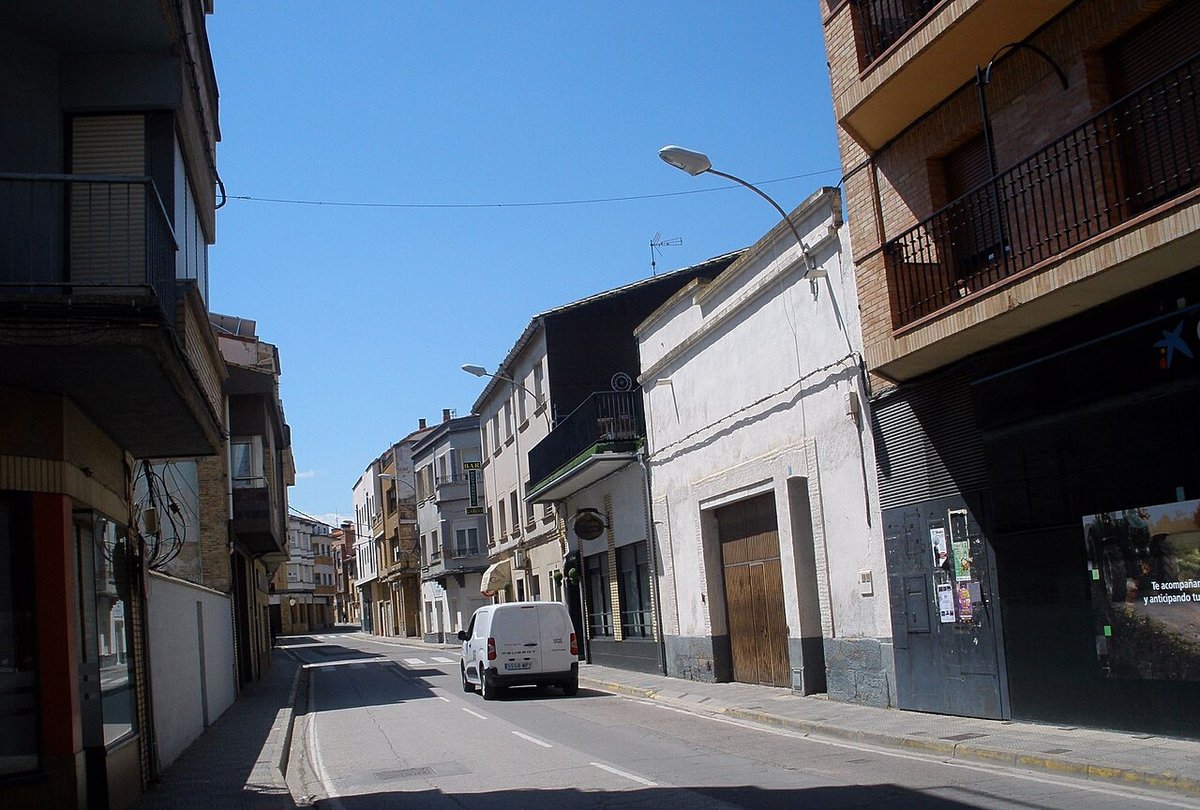
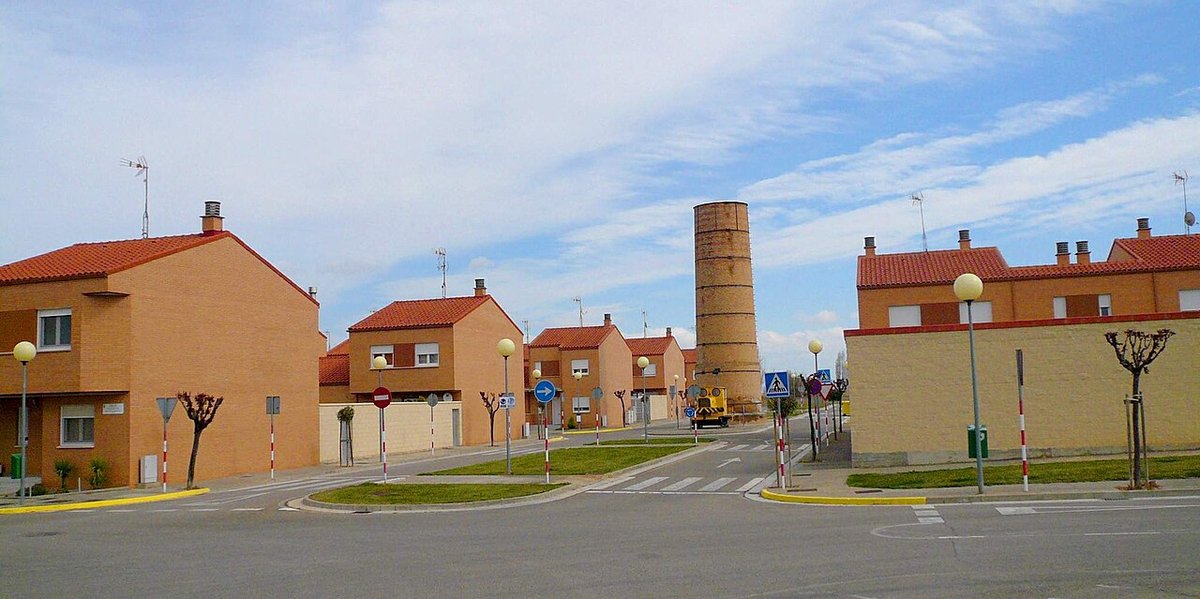
The village obeys the agrarian engineer’s ruler. Four north-south streets, three east-west, everything numbered logically from the 1930s land-reform days. Start at the small Saturday market on Plaza de la Constitución: two fruit stalls, one cheese barrow, a van selling hardware that will still be there on Tuesday if you dither over the secateurs. By eleven o’clock the baker has usually sold out of the local mollete – a soft roll that fits a fried egg exactly – so time your breakfast run accordingly.
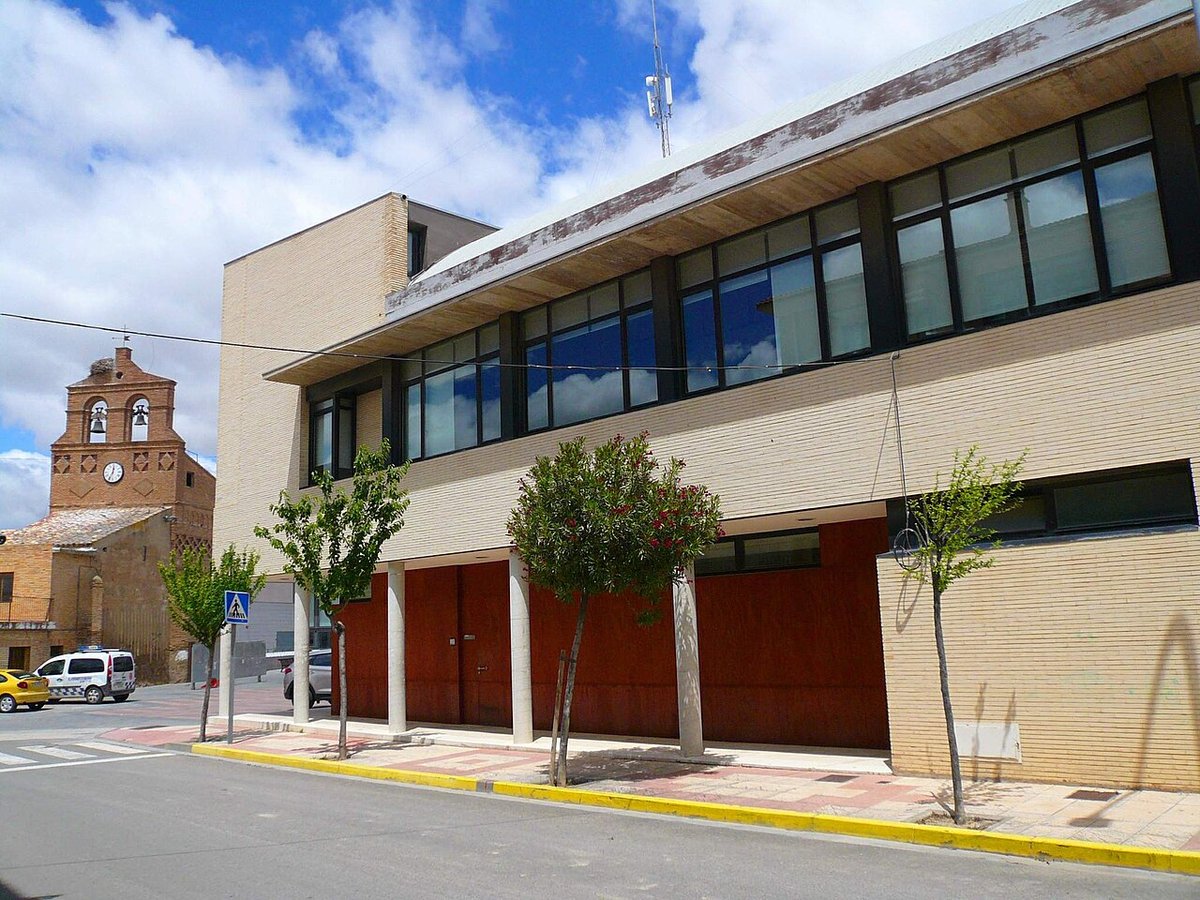
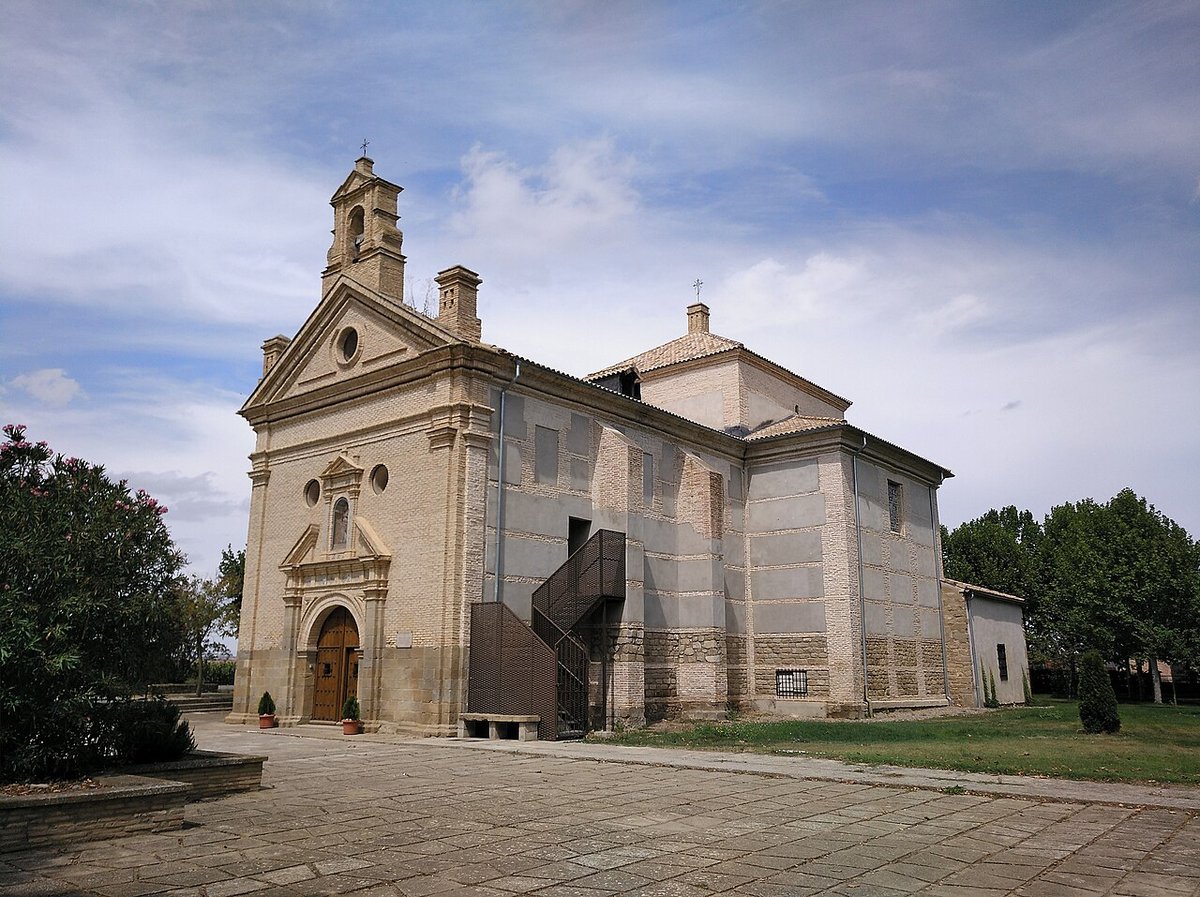
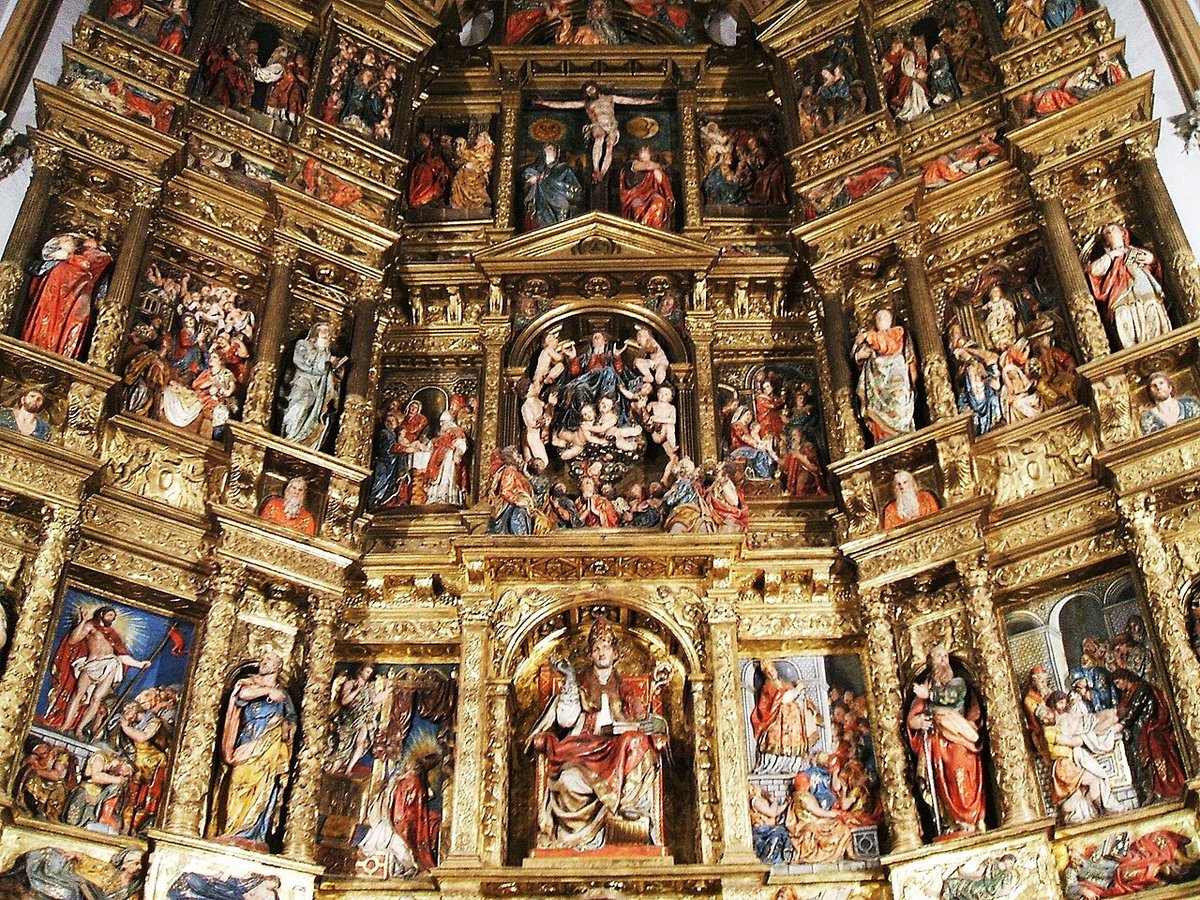
From the square it is three minutes to the church tower that rises, brick-red, above the plain. The Parroquia de la Natividad de la Virgen isn’t cathedral-grand, but its silhouette is the reference point for every tractor driver working the fields at dusk. Step inside if the oak doors are propped open; the nave is dim, the stone floor worn into shallow ruts by four centuries of work boots. Look for the small wooden plaque listing the 1936 flood levels – the Aragón crept up to the altar steps and stayed for a week.
Out along the acequias
The real map is hydraulic. A lattice of irrigation ditches, still governed by medieval turnos (time slots), carries water from the river into vegetable plots no larger than a tennis court. A dawn walk along any acequia delivers the soundtrack of rural Spain: clack of pruning shears, low voices discussing seed prices, a radio playing regional news from a wheelbarrow. Pick up the gravel lane behind the football ground and you reach the soto, the riverside forest that acts as a green buffer between cultivation and water. Poplars, willows and tamarisk knit so thickly that even July heat drops by five degrees. Herons work the shallows; kingfishers use the phone wire as a lookout.
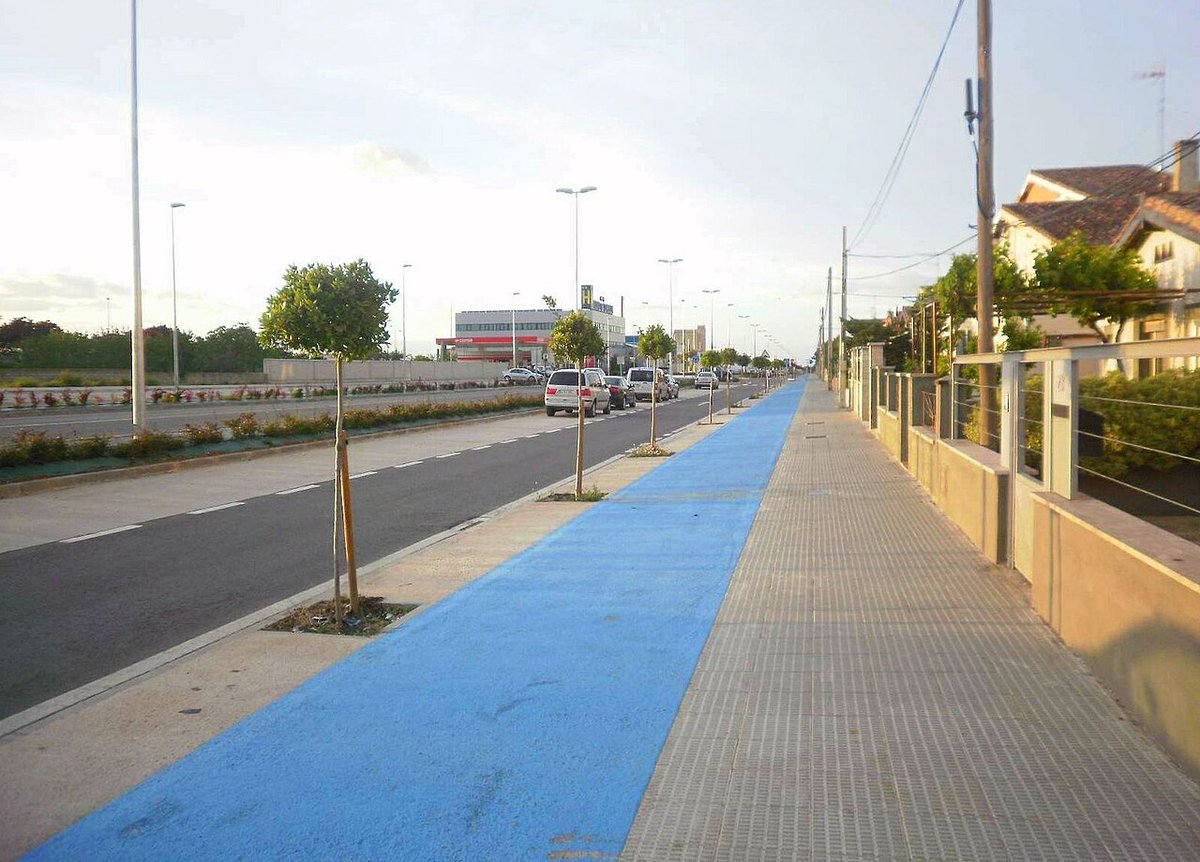
Cyclists appreciate the zero gradient. A thirty-kilometre loop south-east follows the old service road of the Tudela–Zaragoza railway, now paved and almost car-free. You ride between corn heads and the glasshouses of Cadreita, returning on the opposite bank of the Aragón in time for lunch.
What grows ends up on the plate
Fontellas has no Michelin aspirations; it has vegetable calendars. Visit in April and every bar serves menestra, a gentle stew of peas, artichoke and potato that tastes like spring in a bowl. May brings pochas – freshly shelved white beans stewed with tomato and Serrano ham, texture closer to a British baked-bean casserole than anything Latin and fiery. September is giant red-pepper month: they roast them in 50 kg batches outside the cooperative, the smoke drifting over the street like a barbecue you weren’t invited to.
The locals’ own lunch stop is Restaurante Beethoven on the main drag. Order the chuletón al estilo navarro: a rib-eye for two, charcoal-seared, served with green peppers and chips that are cut in the kitchen while you choose the wine. A half-litre of local rosado costs €4.50 and arrives chilled in a plain jug; it drinks like a Provence picnic wine, only cheaper.
Evening eating is more limited. Kitchens close by 22:00 and only one bar stays open past 23:30, so plan accordingly. Self-caterers should shop before 14:00 on weekdays – the supermarket shutters for siesta and won’t reopen until 17:00, by which time the lettuce has wilted.
Heat, cold and everything between
Altitude may be modest, but the Ebro valley’s climate is continental. Summer noon regularly tops 38 °C; without a pool or river breeze the streets empty as if a curfew has sounded. British visitors used to Andalusian pueblos blancos are surprised by the humidity – sweat doesn’t evaporate, it accumulates. Conversely, January can dip to –5 °C at night, and the mist lingers until coffee time. Spring and autumn are the sweet spots: warm enough to sit outside at 10:00, cool enough to sleep without air-conditioning.
Accommodation reflects the extremes. Two small guesthouses occupy refurbished farm buildings; both have thick adobe walls but only one offers proper heating. If you book February or August, check whether your room has either radiators or climate control – many don’t.
Getting here, getting out
No railway station, no dual carriageway, no problem if you’re driving. The A-68 autopista between Logroño and Zaragoza passes the village boundary; exit 22 drops you at the first vegetable packing shed in under two minutes. From Bilbao airport it is 160 km, mostly fast motorway – handy for the Tuesday and Saturday Portsmouth-Bilbao ferries. Fill the tank before rejoining the autopista: Fontellas service stations undercut the motorway price by 6–8 c€ per litre, a saving that buys a decent coffee and a mollete.
Public transport exists, but only just. An hourly bus links Tudela coach station with Fontellas plaza in fifteen minutes; the same line continues south to Zaragoza. Trains from Barcelona, Madrid or San Sebastián stop at Tudela, so factor in a taxi if you arrive after 21:00 when the buses cease.
When the calendar takes over
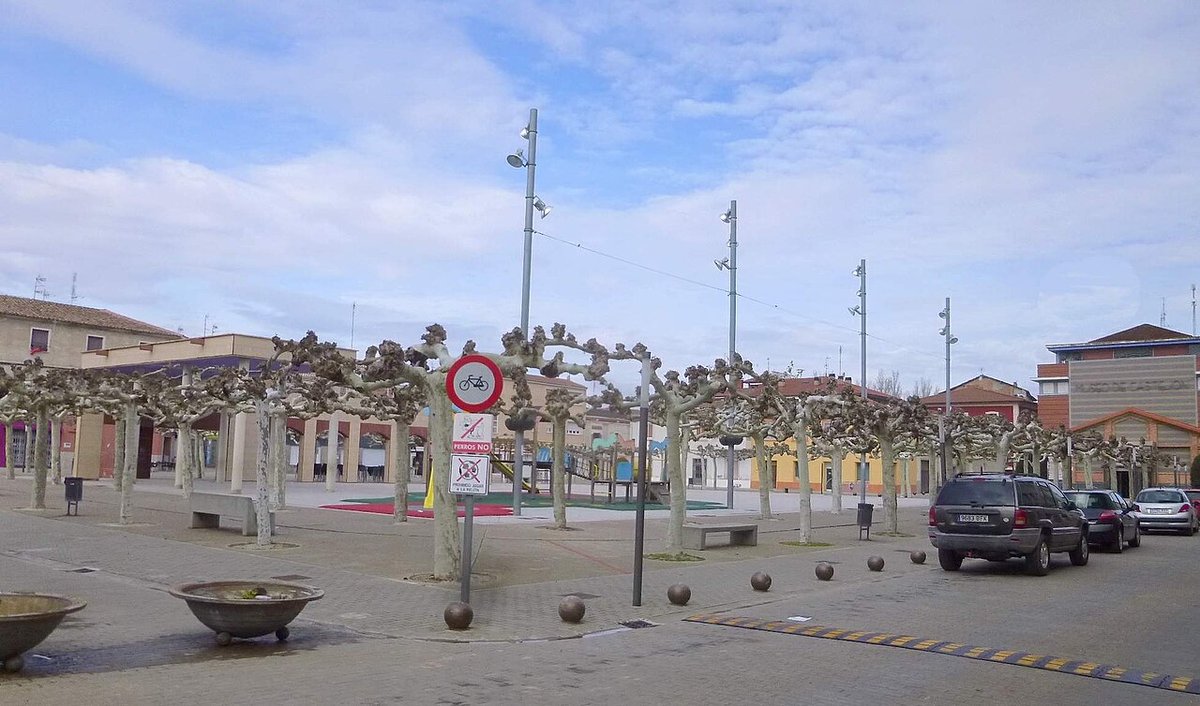
If you time your visit for the September fiestas, expect amplified brass bands at 02:00 and fireworks that begin before breakfast. The programme is defiantly local: morning mass, children's sack race, open-air dance under lines of light bulbs strung between plane trees. Bulls run through fenced-off lanes, but the course is only 300 m and the animals return to pasture by lunchtime – more village fête than Pamplona peril.
Holy Week is quieter. Processions leave the church at dusk, women in black lace carrying candles that gutter in the river breeze. No seats, no tickets, just neighbours falling in behind the throb of a single drum.
The catch
Fontellas will never tick the “must-see” box. There is no castle, no viewpoints, no artisan ice-cream in churro cones. Bars shut early, the cash machine vanished years ago, and August afternoons feel like someone left the oven on. What the place offers instead is an unfiltered slice of Spain’s market-garden heartland, where the daily rhythm is still set by water rights and harvest times rather than tour buses.
Drive in for a single photograph and you’ll leave underwhelmed. Stay long enough to buy tomatoes from the back of a van, cycle the river path at sunrise, and share a table with farmers arguing over pepper prices, and the village starts to make sense. It isn’t hidden, gem-like or perched; it’s simply doing what it has always done – growing food, minding the river, and nodding politely at strangers who wander down the lanes wondering where the souvenir shop went.