Full Article
about Fustiñana
Riverside town with a farming tradition, close to Bardenas; it celebrates the fiesta of las nueces with fervor.
Hide article Read full article
Where the wind sets the tone
The wind makes itself known the moment you step out of the car in Fustiñana. This is not a gentle breeze drifting down from the hills. It is the open, steady push of air that travels across the plains from the Bardenas Reales and reaches you with force. Within seconds it has rearranged your hair and set the mood of the place.
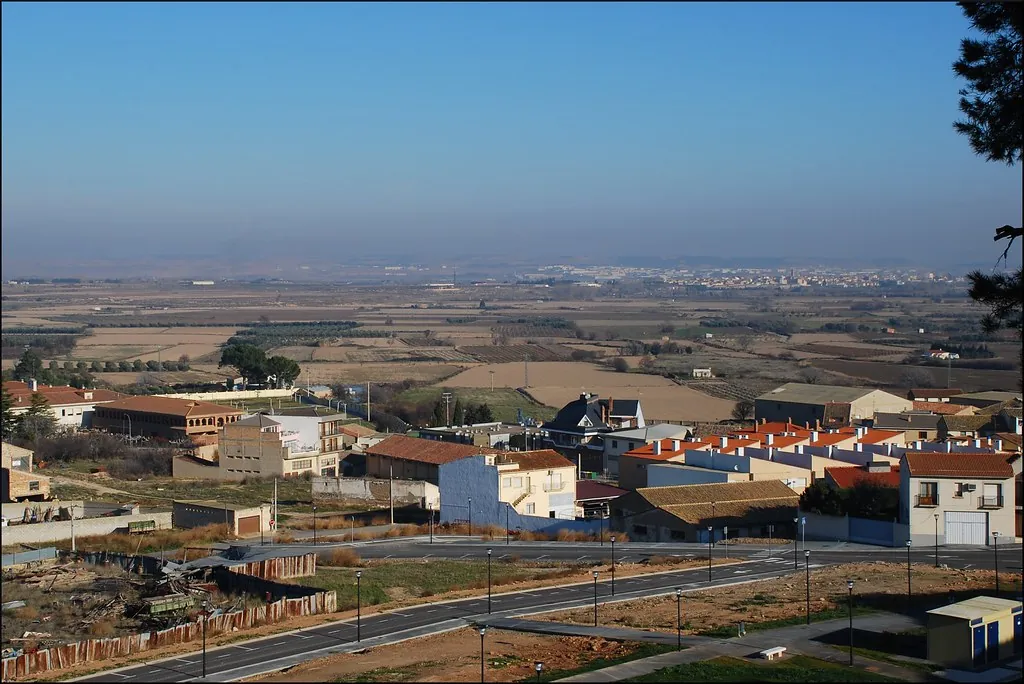
There is another first impression that follows just as quickly. The smell of the huerta, the market garden that surrounds the village. It hangs in the air, especially when the produce is at its peak. Fustiñana, in the Ribera of Navarra, lives closely tied to this land. The connection is so direct that the village can feel like an extension of the fields themselves. Peppers, tomatoes and all kinds of vegetables leave this soil and travel far beyond, reaching tables across much of Europe.
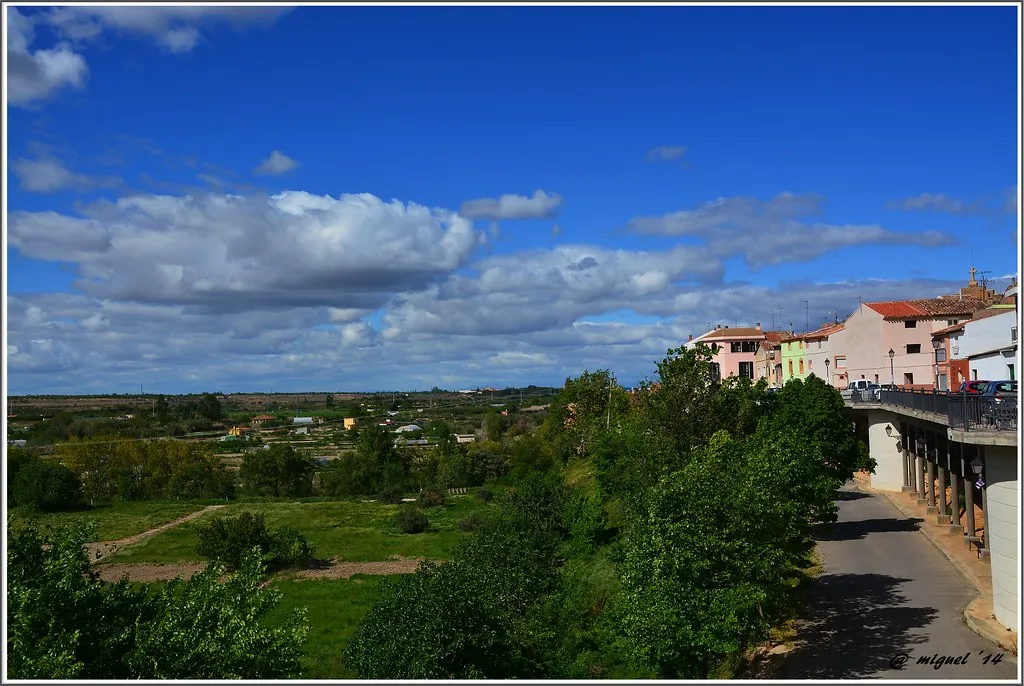
Approaching by road, the landscape gives an early clue. Crops stretch out in neat lines, broken up by long plastic-covered tunnels that catch the sunlight. From a distance it can look unusual, even slightly stark. Up close, once the scent of ripe tomatoes comes through, it makes complete sense.
Food talk at the bar: migas with grapes
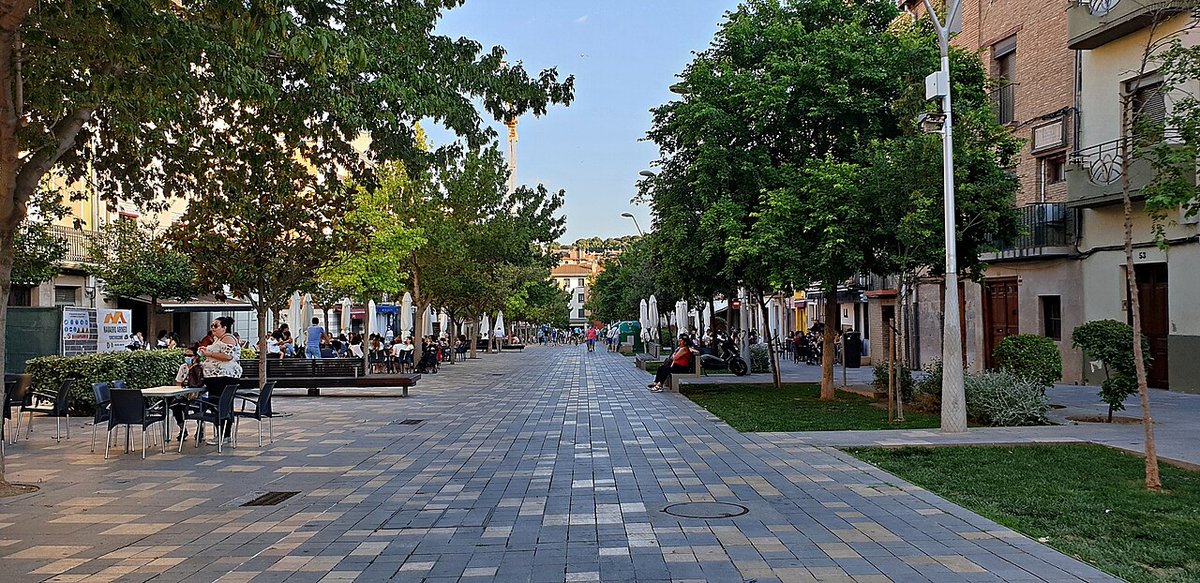
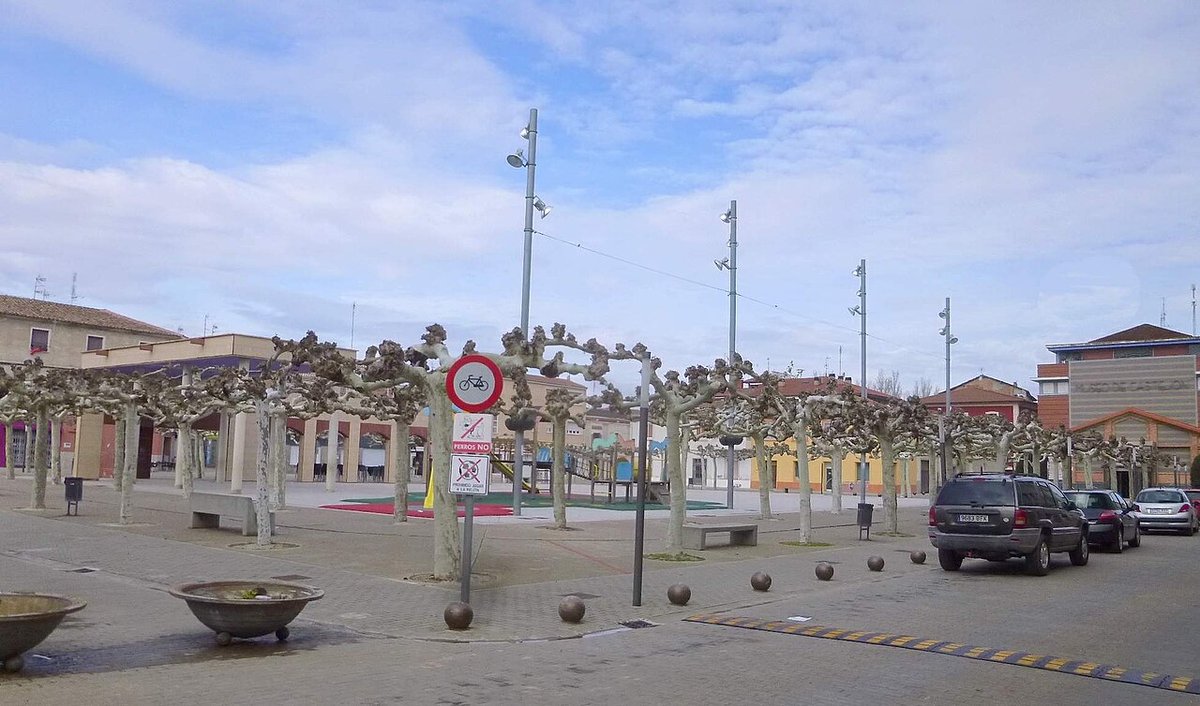
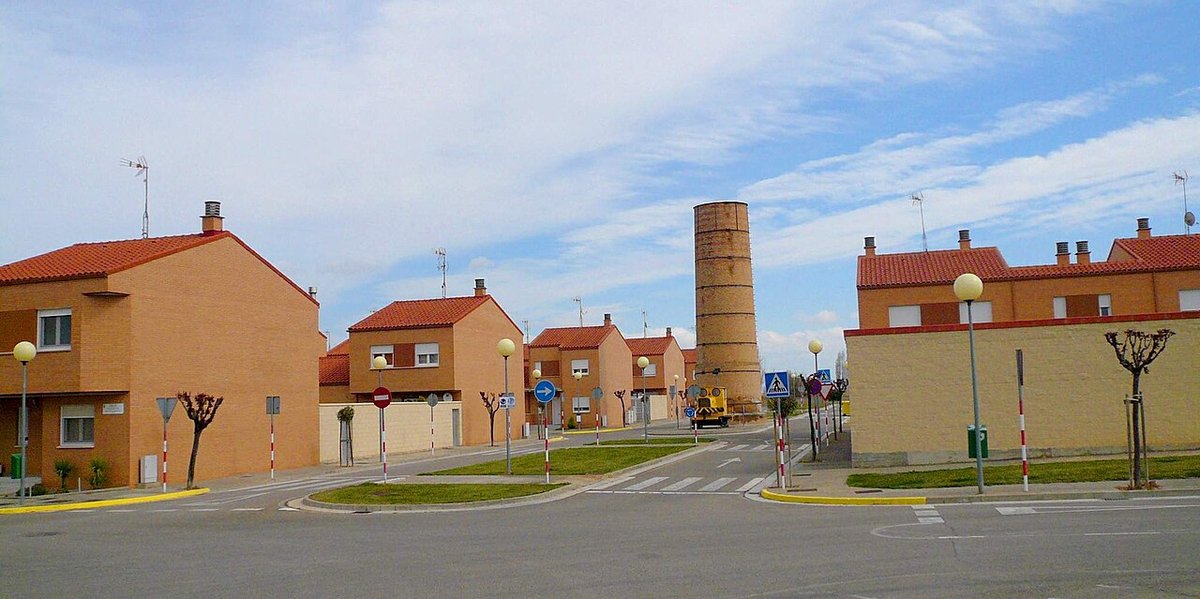
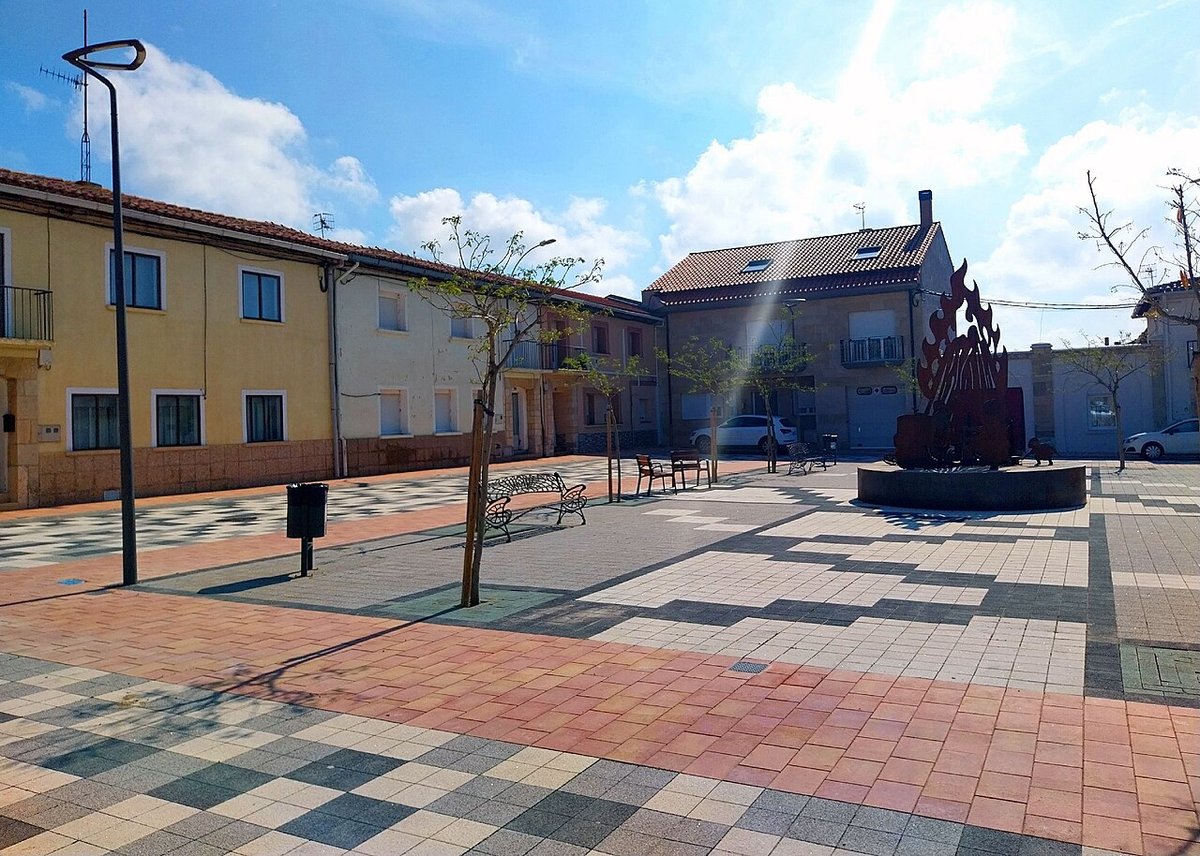
Life in Fustiñana gathers around the central square, where a bar acts as a steady meeting point throughout the day. People drift in and out, conversations overlap, and local dishes come up in the kind of casual way that signals their importance.
One of those dishes is migas con uva. It is spoken about with a familiarity that suggests it belongs to everyone. Traditionally, it appears on Sundays or on days when groups of friends get together, especially in the past when stale bread needed using up.
The recipe is straightforward on paper: crumbled bread cooked with chorizo, a bit of garlic, and grapes added at the end. The contrast between savoury and sweet is what defines it. The portion size is another matter. It is the sort of dish that looks manageable until halfway through, when it becomes clear it is far more filling than expected.
There is a practical logic behind it, rooted in making the most of what is available. At the same time, it carries the rhythm of shared meals, long conversations, and the kind of gatherings that repeat over generations. In Fustiñana, migas with grapes are not reserved for special occasions, yet they still feel tied to moments when people come together.
Towards the Bardenas: a landscape stripped back
A short drive from Fustiñana leads into one of the most recognisable areas of the Bardenas Reales, a semi-desert natural region in Navarra. Among its formations stands Castildetierra, often photographed and instantly recognisable.
At first glance, it can seem almost unreal. The shape is narrow and rises into a kind of cap at the top, like a giant sand structure left to harden in the sun. The longer you look, the more detail emerges. Layers of earth reveal themselves, and the colours shift depending on the light.
As the day moves towards evening, the tones warm into gold. The surrounding terrain, with its cabezos, barrancos and lomas, stretches out like a dry sea filled with irregular forms. The wind continues here as well, shaping the land over time and contributing to the eroded appearance that defines the area.
This is not a place designed for comfort. There are no shaded paths or carefully arranged resting spots. What you find instead is exposed ground, dust underfoot, and a wide horizon that feels uninterrupted.
Autumn and the rhythm of the harvest
Fustiñana changes pace in autumn. This is when the agricultural cycle reaches one of its busiest moments, and the wider Ribera region marks the grape harvest and the end of the season with local celebrations.
The village becomes more active than usual. Streets fill up, long tables appear, and music finds its way into the day. It is also a time when people who live elsewhere return, even if only briefly, and familiar faces reappear in the same spaces.
These gatherings do not follow a rigid structure. They unfold naturally, shaped by who is around and what is being celebrated. Food plays its part again, and migas with grapes return to the table without fail. The dish fits the occasion, both for its practicality and for its connection to shared traditions.
A stop that explains the wider region
Whether Fustiñana is worth a stop depends on what you are looking for. Travellers in search of large monuments or major museums will likely continue on to places such as Tudela or Pamplona.
Fustiñana offers something different. It provides a direct view into how the Ribera of Navarra works at ground level. The wind, the fields, the huerta, and the everyday routines tied to them all come together here in a way that is easy to grasp.
A visit does not need to be long to be meaningful. A walk through the centre, some time spent in the square, and a chance to sit down for a while are enough to form a clear impression. From there, the road towards the Bardenas Reales is close, leading on to that stark, almost otherworldly landscape.
In a couple of hours, the essentials fall into place. The setting, the food, and the atmosphere combine into a picture that stays with you. And if the timing happens to be right, that picture may well include a plate of migas with grapes that proves more appealing than it first appears when it arrives at the table.