Full Article
about Mélida
A farming village on the left bank of the Aragón; northern gateway to the Bardenas
Hide article Read full article
A place you arrive at by chance
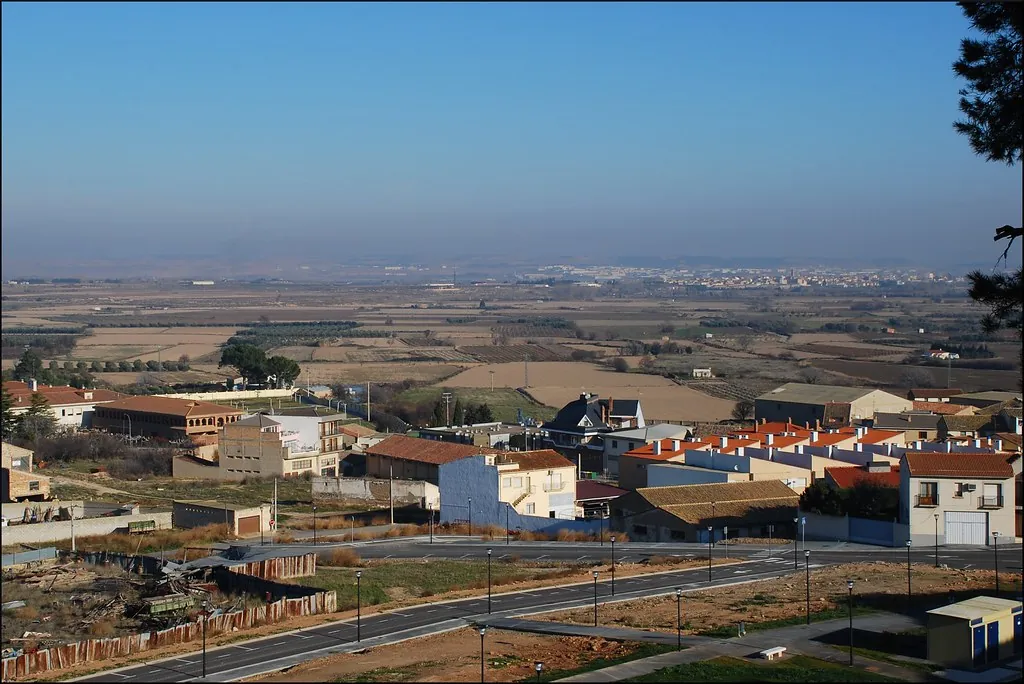
Some places come with a checklist. Others you reach almost by accident, because they happen to be on the way. Mélida sits firmly in that second category, and that is part of its appeal. Tourism here is not about ticking off landmarks or wandering through busy streets full of shops. It is about getting a feel for how a small agricultural village in the Ribera of Navarra works, surrounded by cereal fields and within driving distance of Tudela and Pamplona.
With just over 700 residents, daily life is closely tied to the land. The Aragón river runs nearby, creating a strip of fresher vegetation where poplars and other riverside trees break up the wide, open fields. This is not a place designed for a packed itinerary. It is somewhere to pause for a while, walk around, and come away with a fairly clear sense of how life unfolds in this part of Navarra.
Landmarks and everyday streets
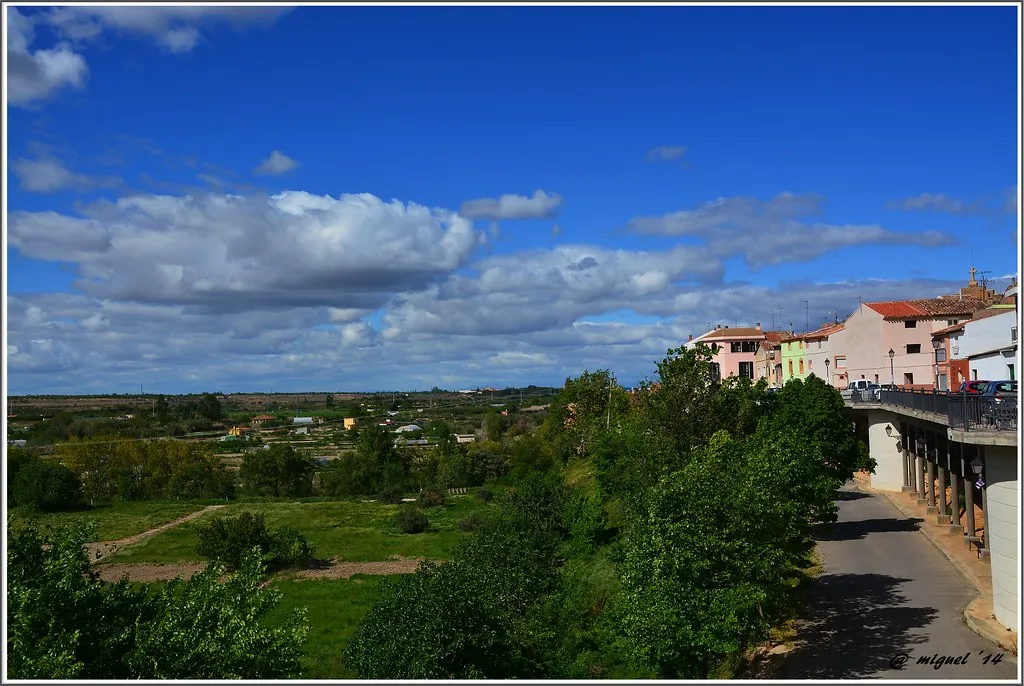
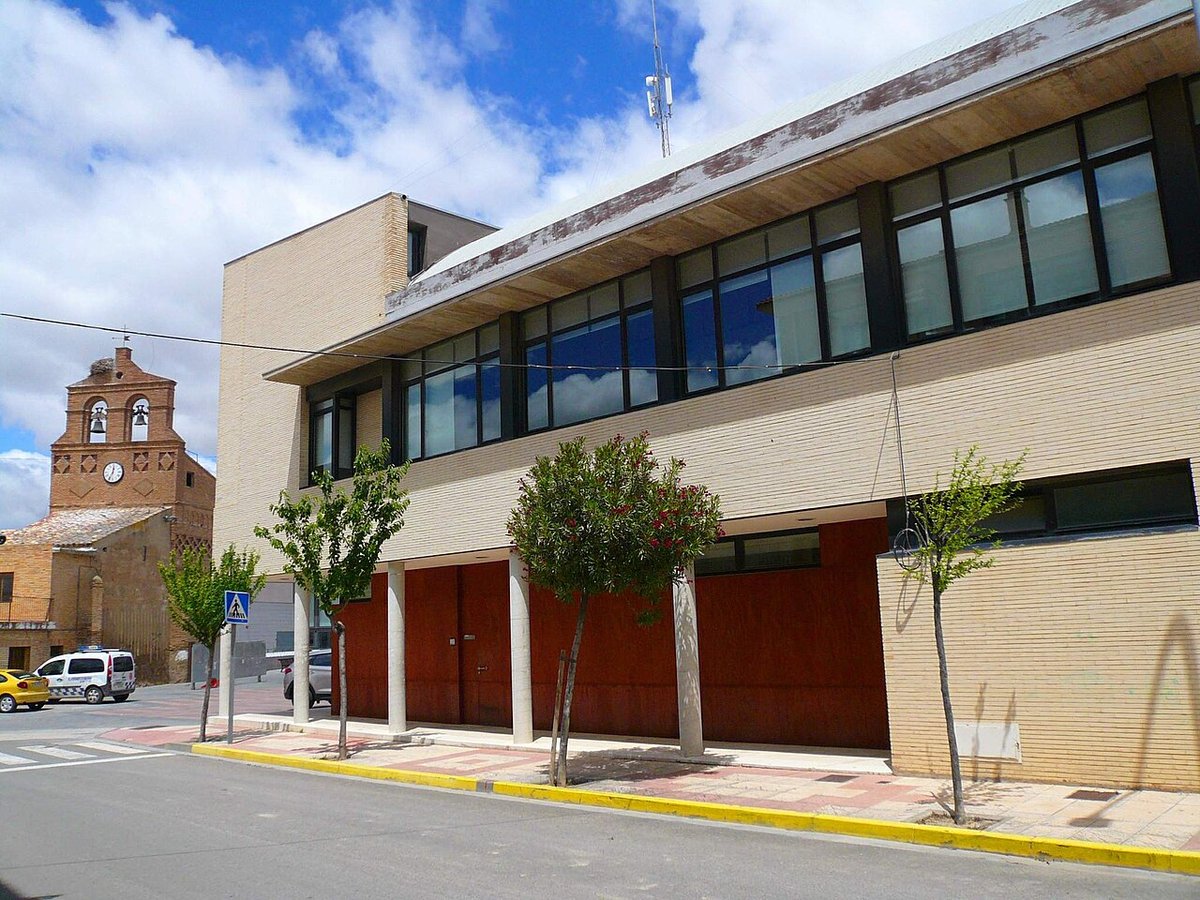
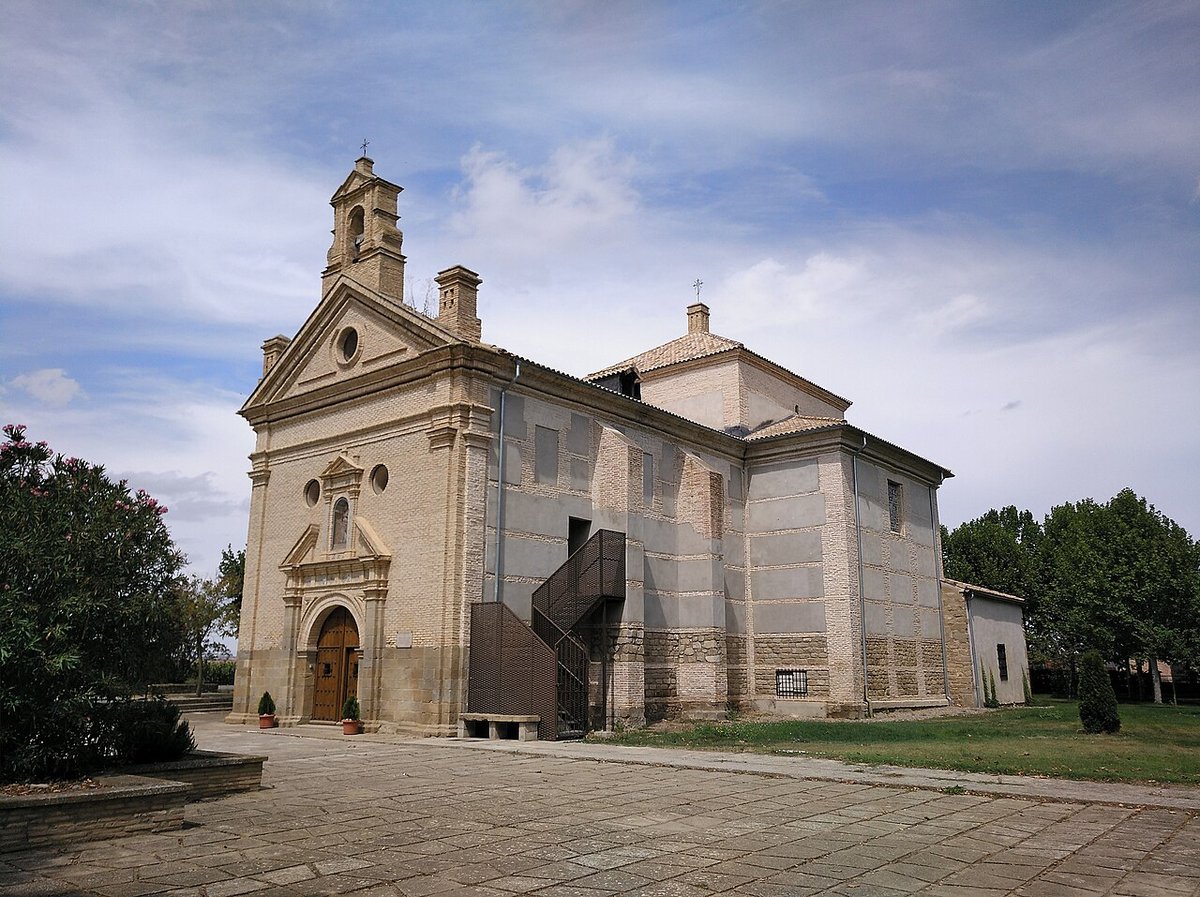
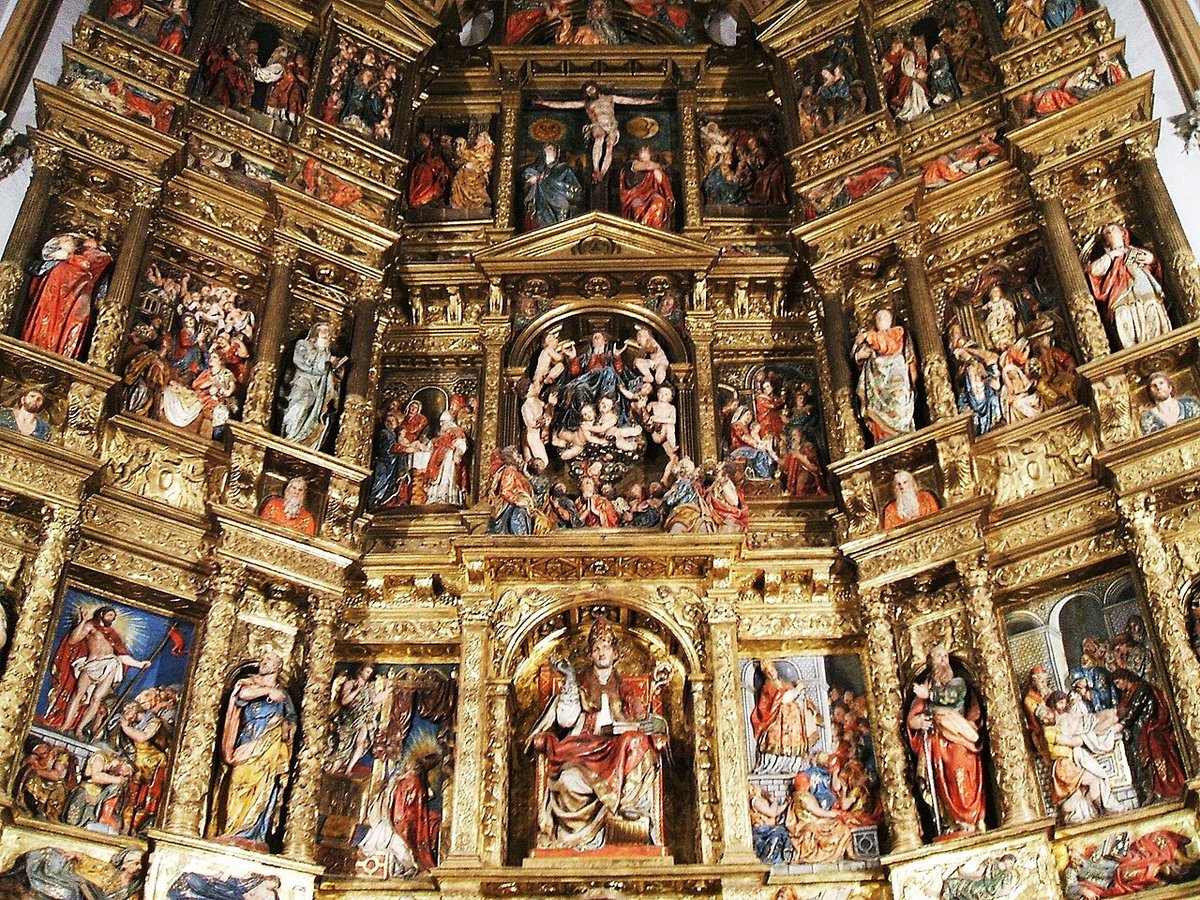
The Iglesia de San Miguel Arcángel is easy to spot, rising above the rest of the village. In small places like this, the bell tower often doubles as a point of reference, visible from most angles. A closer look reveals a building shaped over time, with elements from different periods. It feels like it has been expanded or repaired as needed, which is common in village churches across the Ribera.
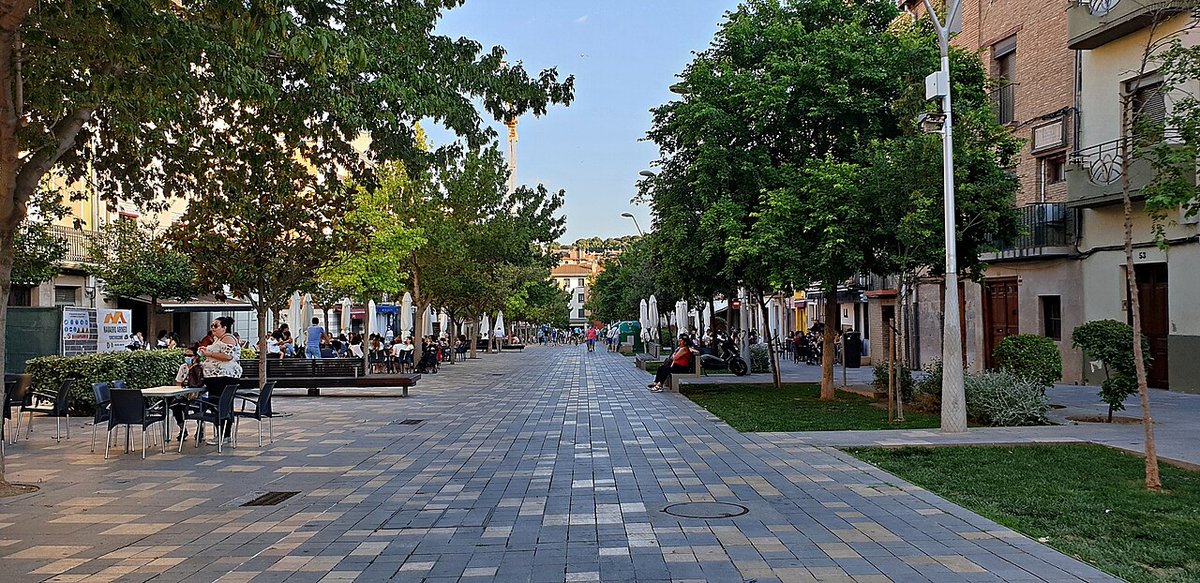
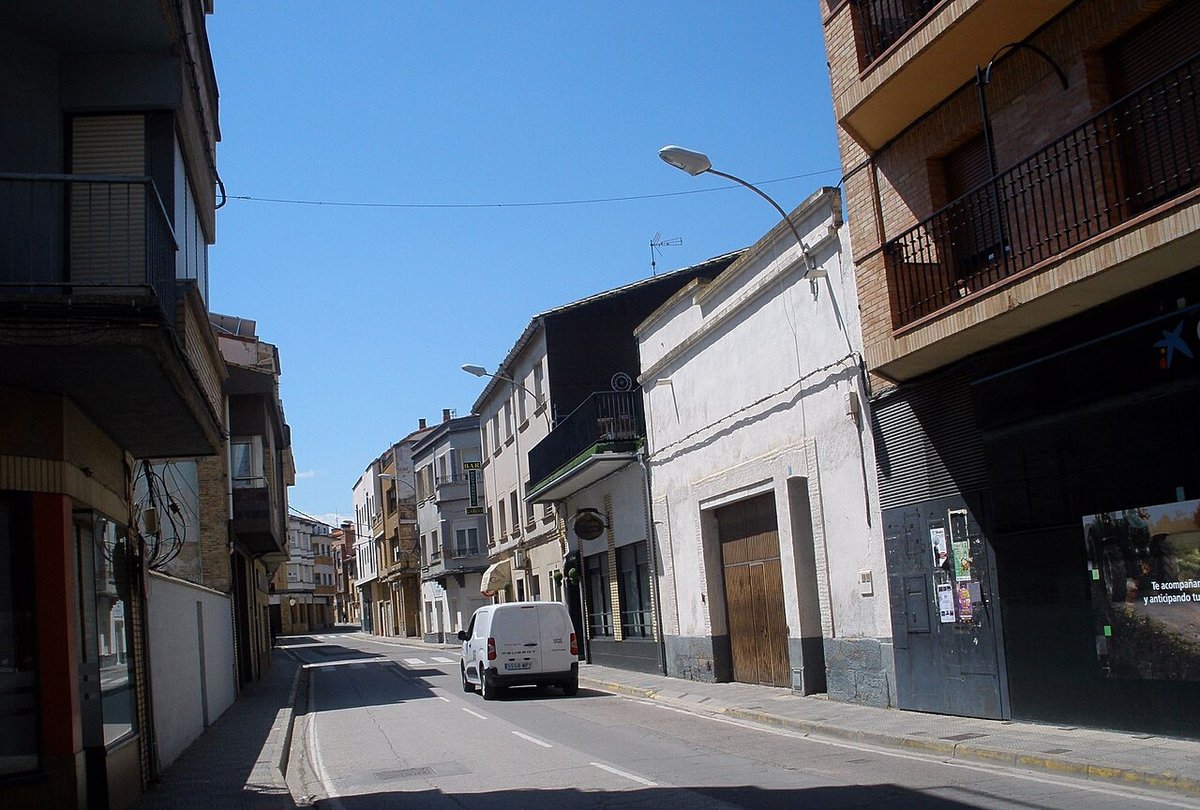
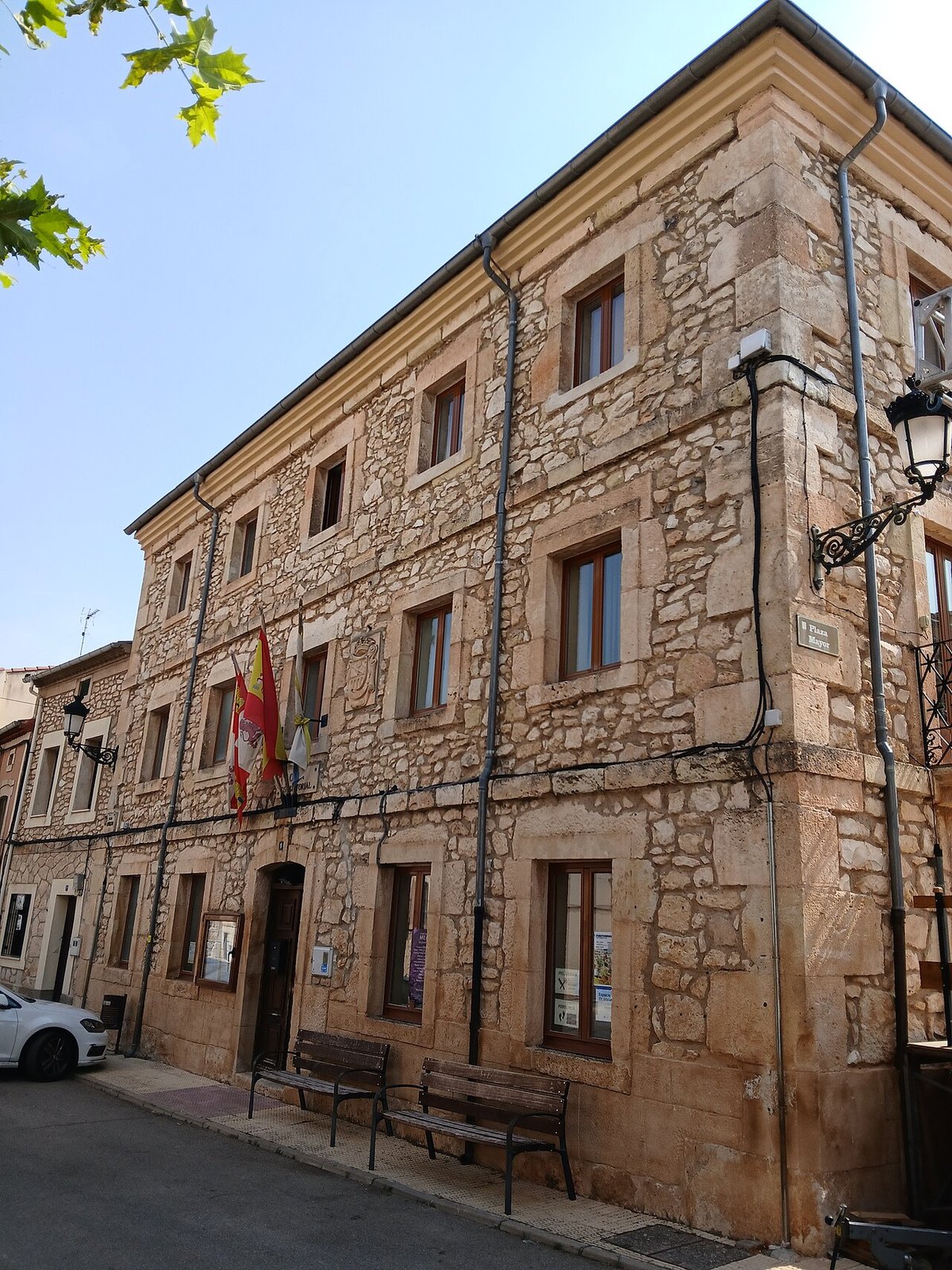
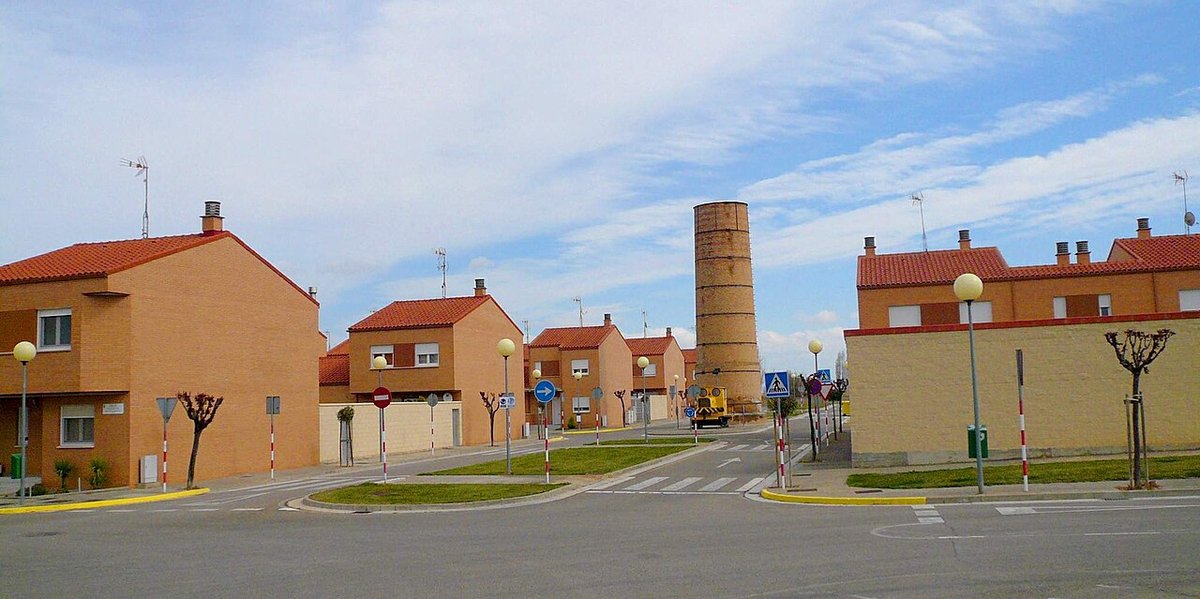
Around it, traditional houses built from stone and brick line the streets. Some feature deep प्रवेशways that offer shade from the summer sun or shelter from the cierzo, a strong, dry wind typical of the Ebro valley. These are not houses arranged for display. They are lived in, and it shows in the details: half-closed shutters, bicycles leaning against walls, and plant pots watered towards the end of the day.
Step beyond the centre and the landscape quickly opens out into farmland. The view shifts with the seasons. Spring brings more green, while summer turns the fields the colour of dry cereal crops. Closer to the Aragón river, the atmosphere changes slightly. There are small riverside groves where poplars and willows grow, offering patches of shade and a different rhythm to the surroundings. The paths here are quiet, with the occasional tractor passing by and little else to interrupt the stillness.
Walking and cycling through the surroundings
Mélida is easy to cover in a short amount of time. A relaxed walk through the centre, taking in the church and a handful of older streets, can be done in about half an hour. It is not a place for long urban strolls or a dense list of sights.
To extend the visit, it makes sense to head outwards. Agricultural tracks lead from the village towards the Aragón river. They are unpaved but usually manageable on foot or by bicycle when the ground is dry. The contrast between the open farmland and the greener riverside areas becomes more noticeable the further you go.
Cycling fits naturally with this part of the Ribera. The terrain is mostly flat, with long straight paths and wide horizons. It encourages a steady pace rather than anything demanding. There is one thing to keep in mind: after rain, the mud can cling stubbornly to wheels, making routes more difficult than they first appear.
When to pass through
Spring and autumn are generally the most comfortable times to visit Mélida. The fields show more colour, and temperatures make it easier to walk without the intensity of the midday sun.
Summer brings heat, especially around midday, which is typical of the Ribera. If visiting during those months, it makes more sense to head out early or wait until later in the afternoon. Winter has a different feel altogether, with quieter days and occasional wind. The village continues at its usual pace, without any particular seasonal rush.
Getting there and what to expect
Most people arrive in Mélida by car. From Pamplona, the route heads south towards the Ribera before connecting with smaller regional roads that lead into the village. From Tudela, the journey is shorter and more direct.
As a small municipality, Mélida does not always have everything open, nor does it offer a wide range of services. That is simply part of its character. It works best as a calm stop along a wider route through the Ribera of Navarra rather than as a destination for several days.
A short walk, a look at the surrounding fields, and then back on the road. Mélida leaves an impression not through standout attractions, but through its everyday rhythm, offering a glimpse of a very real side of this region.