Full Article
about Milagro
Cherry capital of Navarre; sits where the Aragón meets the Ebro.
Ocultar artículo Leer artículo completo
A Farming Town That Keeps Its Gates Open
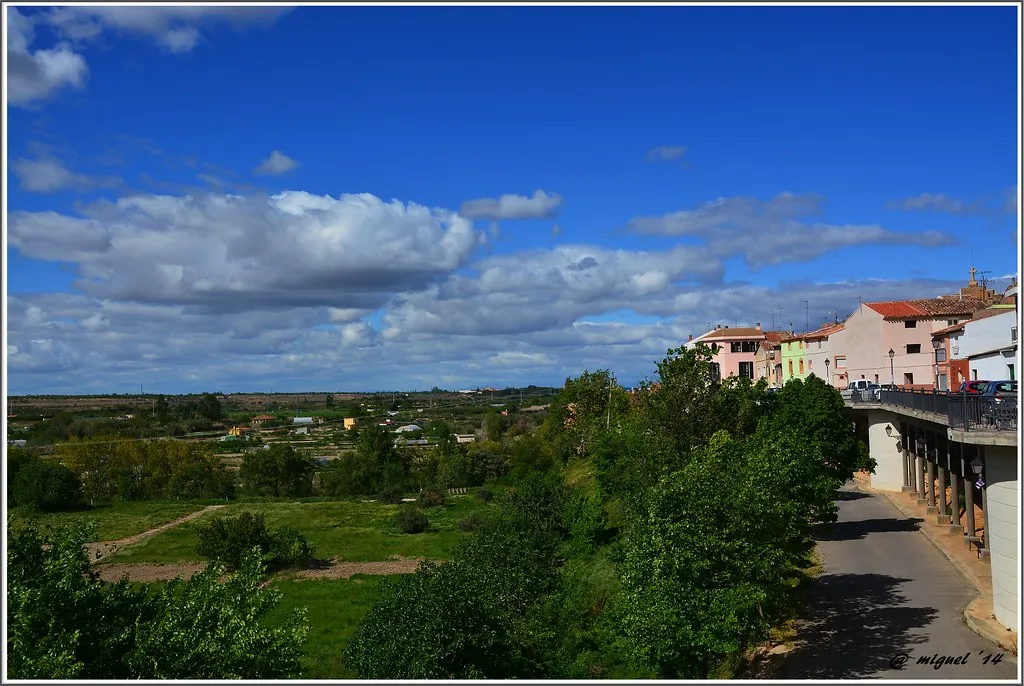
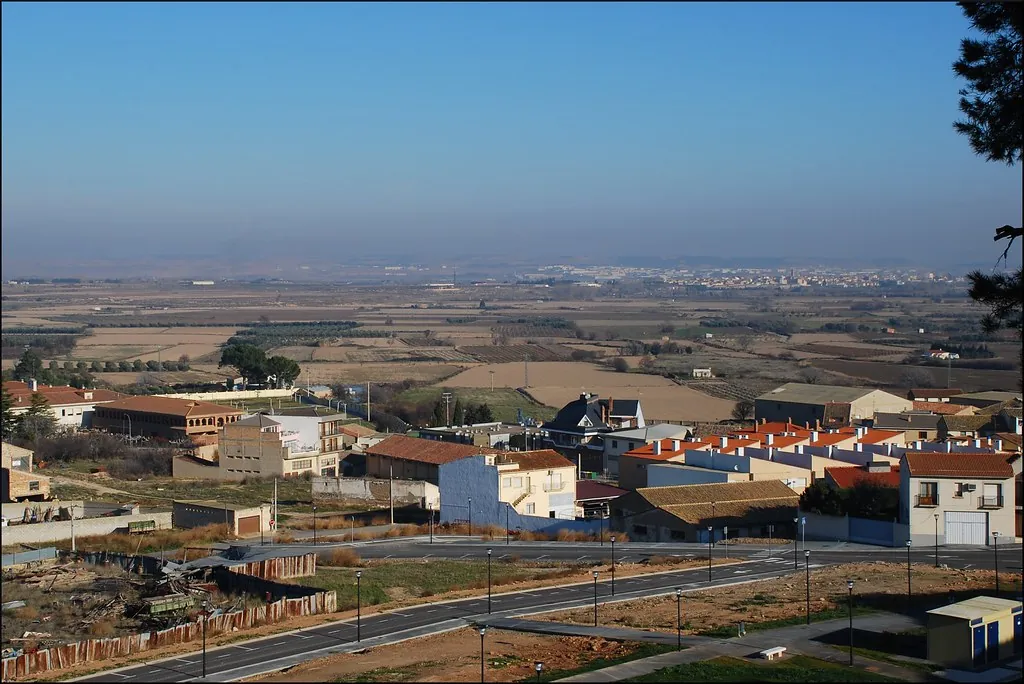
The church bell tolls at noon, but nobody hurries. In Milagro, 295 metres above sea level and forty minutes south-east of Pamplona, the midday pause is taken literally. Shopkeepers pull down metal shutters, farmers park their tractors beside the plaza, and the only sound is the river Aragón sliding past the poplars. This is not one of Spain’s hill-top showpieces; it is a flat, fertile stripe of the Ribera where vegetables grow faster than house prices and the main landmark is a 16th-century tower that once stored grain rather than saints.
British visitors tend to blink. No cobbled alleys, no dramatic gorge, just brick-and-stone houses painted the colour of baked earth and a horizon wide enough to track the weather rolling in from the Ebro valley. The appeal is subtler: a place where you can still buy a coffee for €1.20, cycle between irrigation ditches without meeting a car, and eat a tomato that was on the plant yesterday.
Walking the Grid, Then Leaving It
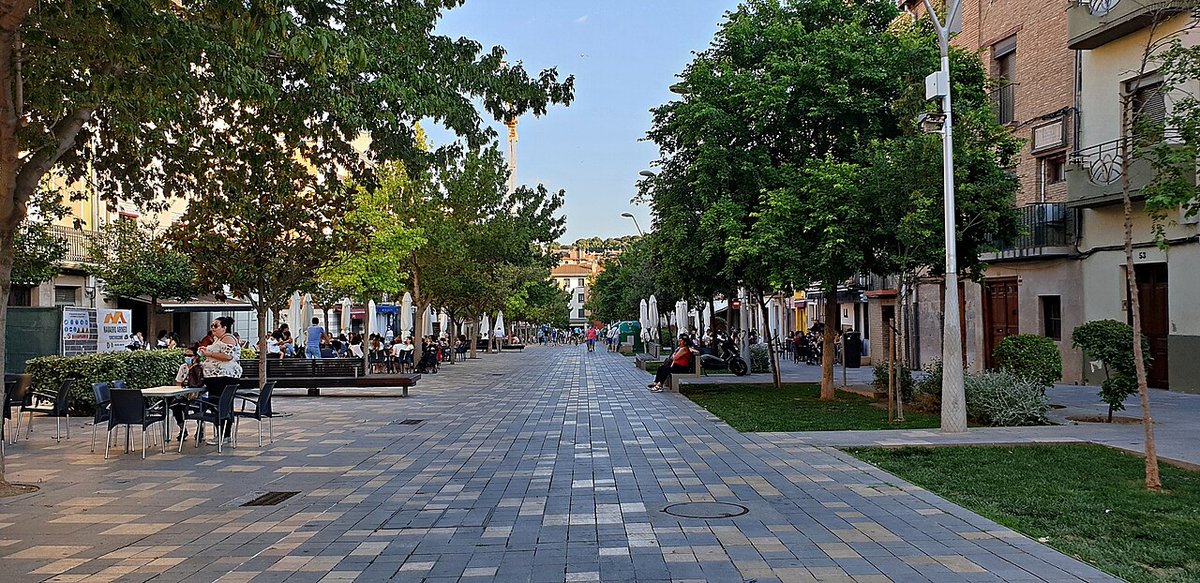
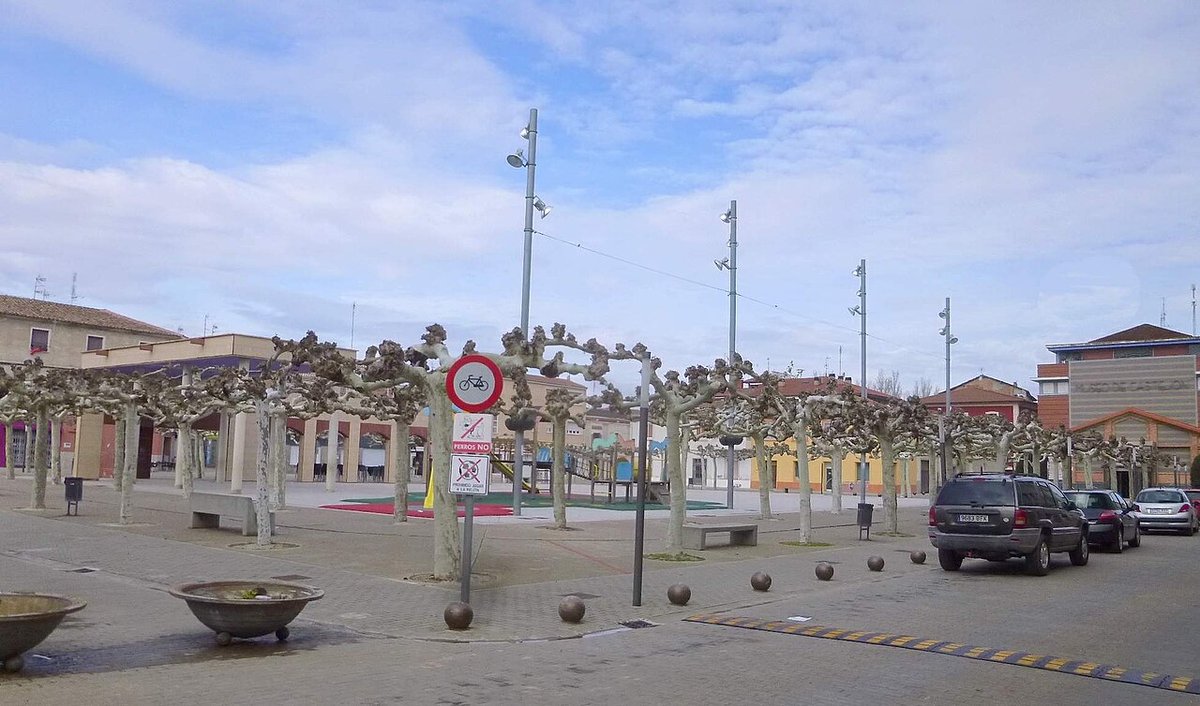
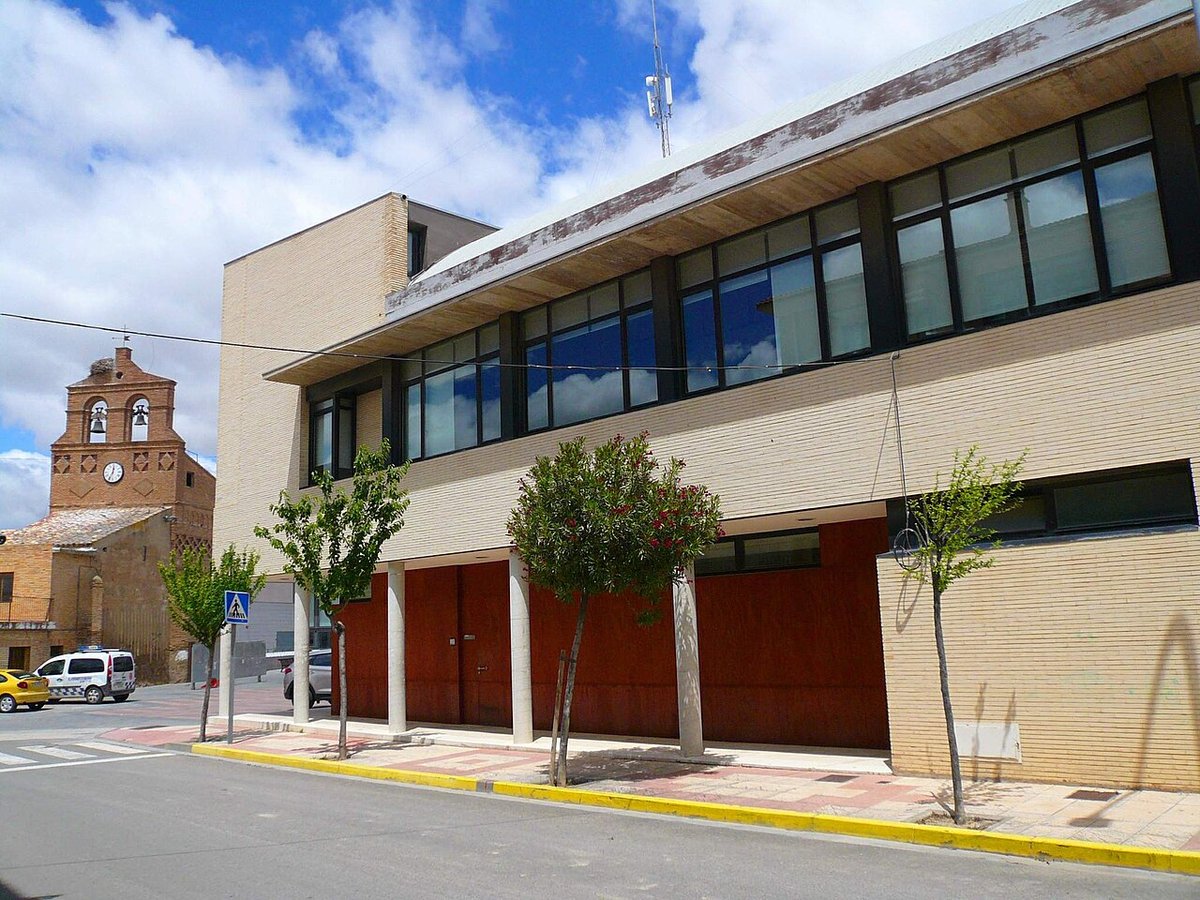
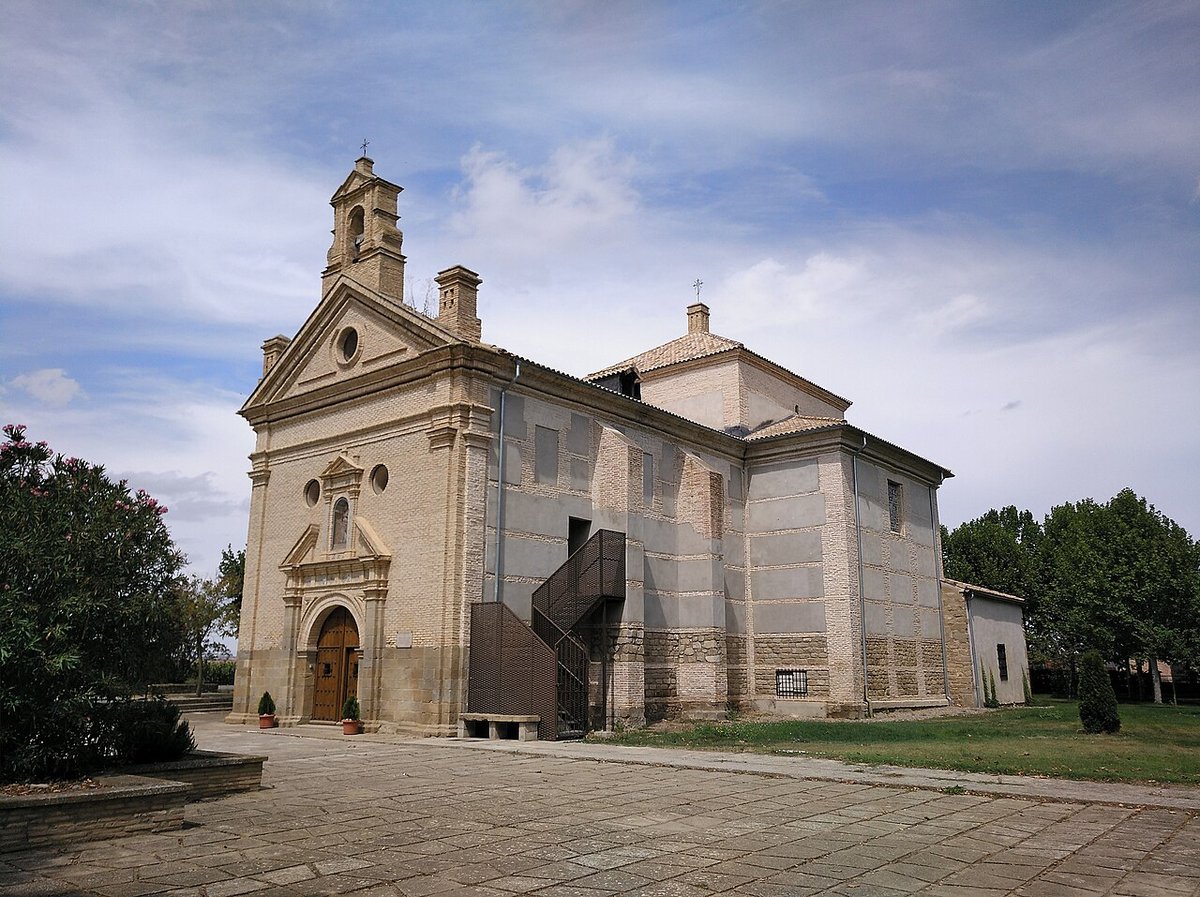
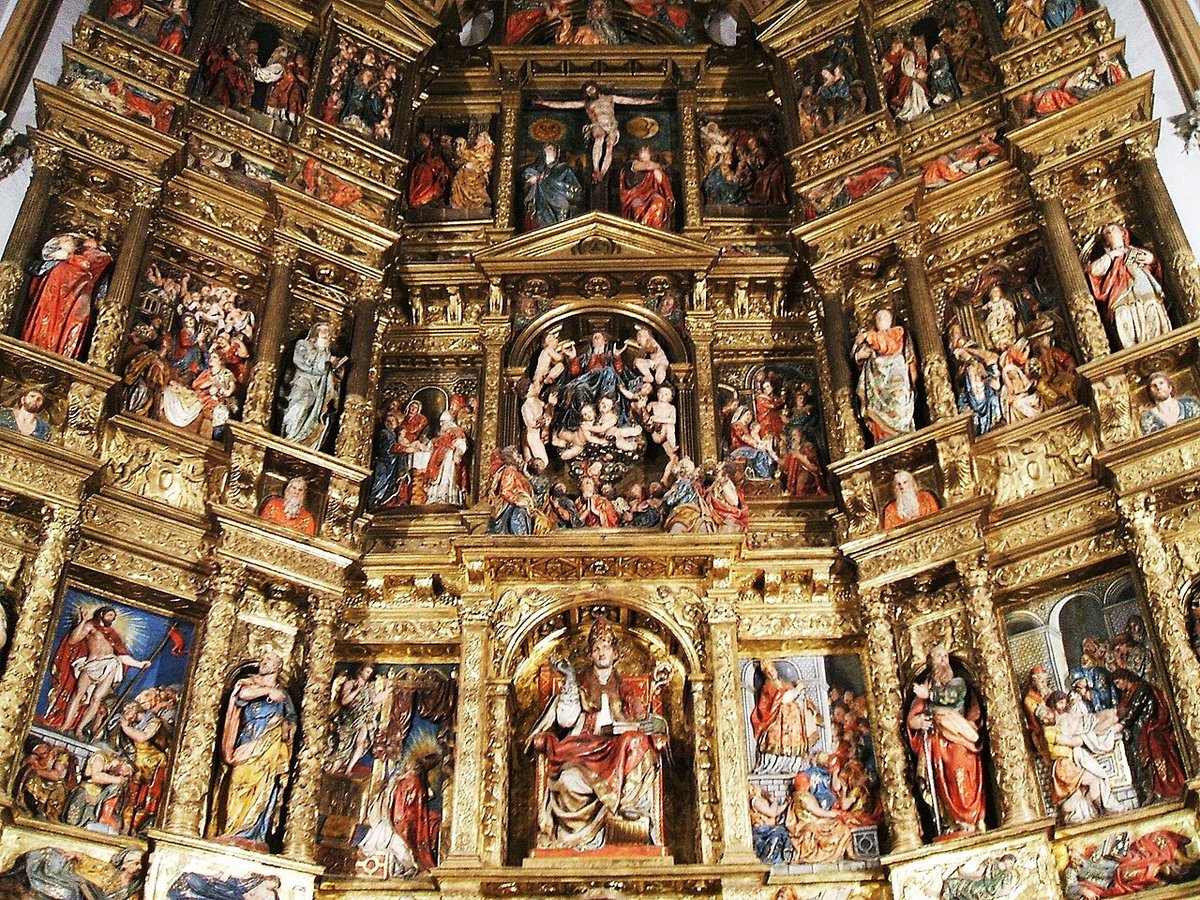
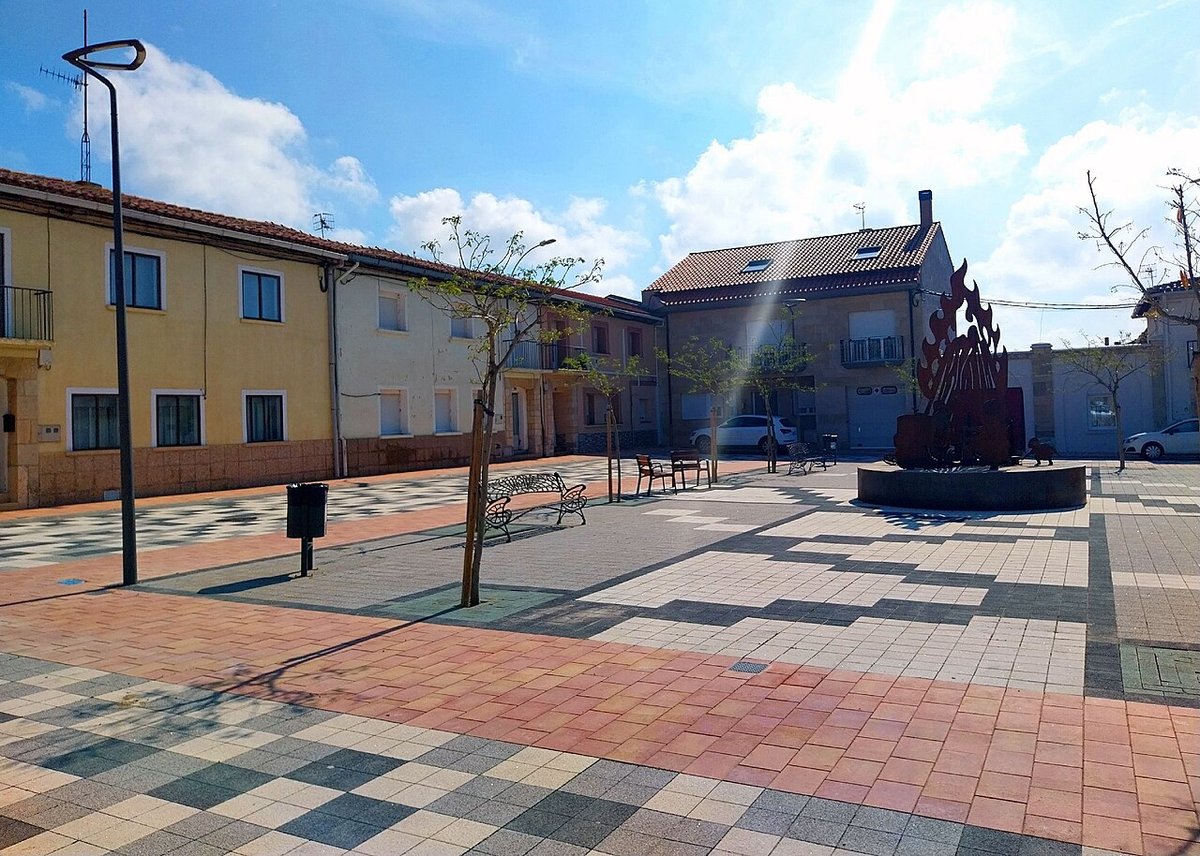
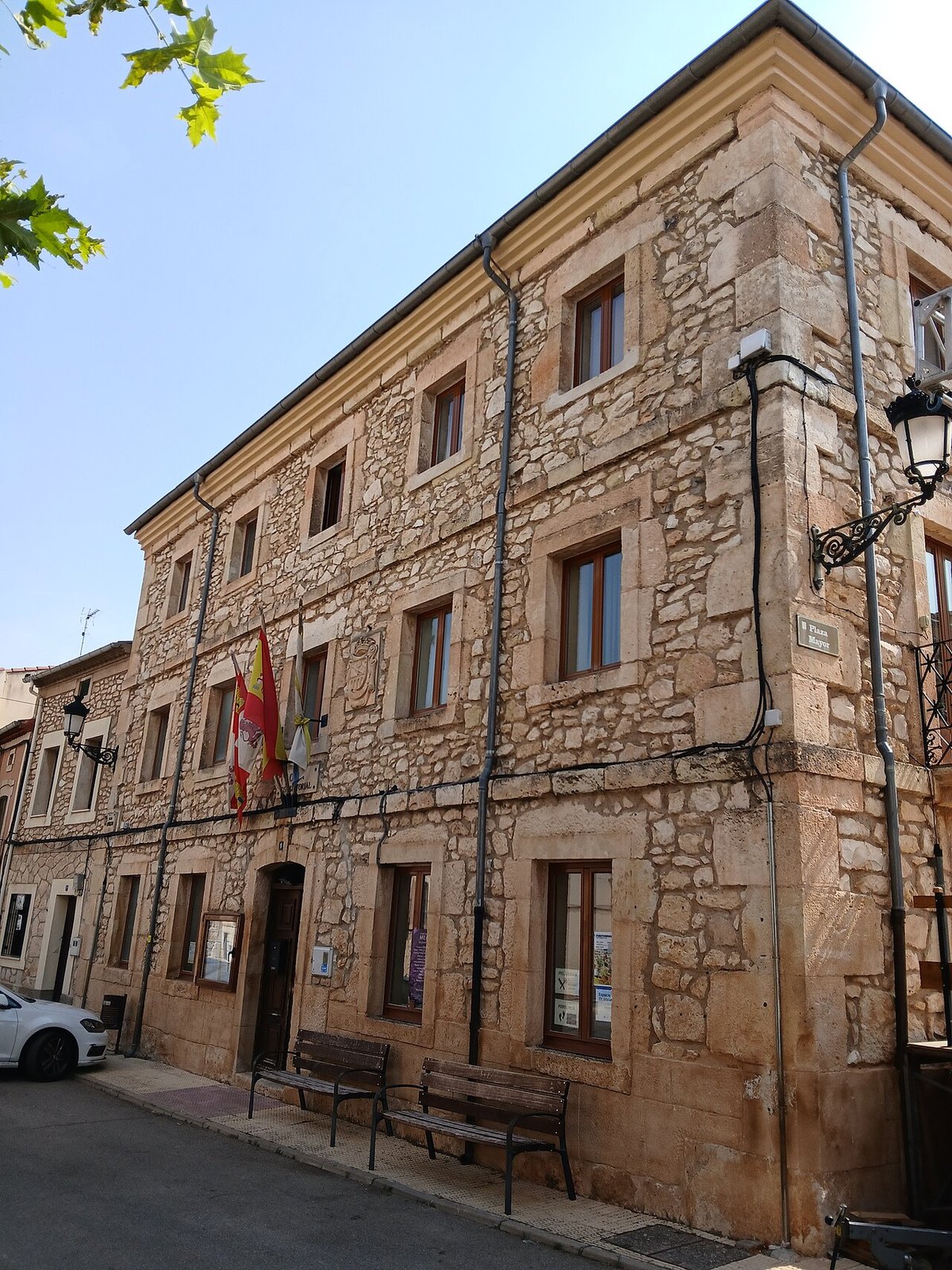
Milagro’s centre is a textbook example of 19th-century agricultural planning. Streets run north-south, parallel to the river, so the prevailing wind carries away the smell of manure instead of trapping it. Start at the Plaza de España, a rectangle of packed earth shaded by plane trees, and note the Town Hall door: paper signs advertise everything from tractor spare parts to Pilates classes. Push it between 10:00-13:00 and a council worker will hand you the iron key to the parish church. Inside, the Virgen del Milagro – a small Gothic carving credited with ending a plague in 1524 – keeps company with a Baroque retable gilded so thickly it looks like brocade.
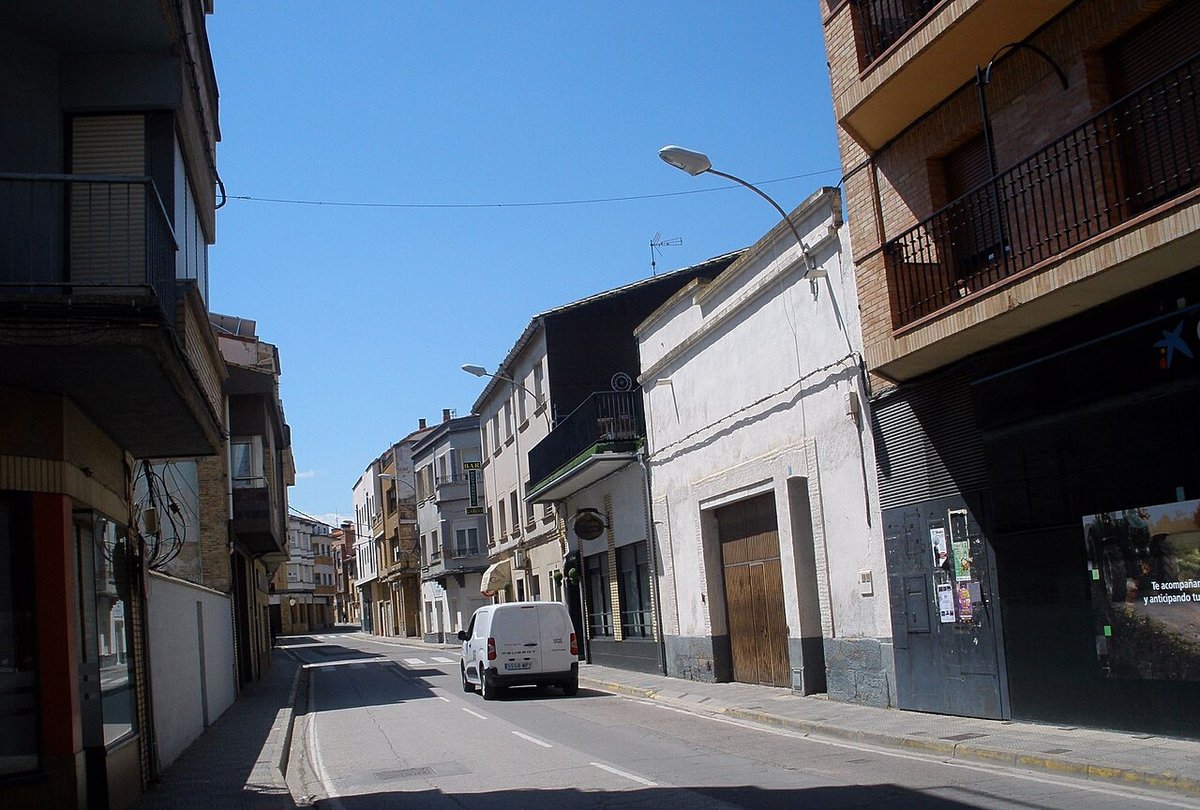
Ten minutes is enough for the sacred art, but stay longer to watch the light move through the clerestory windows and land on pews polished by five centuries of farm labourers. Outside, the casco histórico reveals itself house by house: an 1890s townhouse with arched carriage doors, a cottage whose wooden balcony is really an old threshing board, a modern villa squeezed in after 1970. Nothing is postcard-perfect; everything is lived-in. The overall effect is honest rather than heroic, like reading someone’s bank statements instead of their Instagram.
Leave the grid at the first sign for “El Soto”. Within 200 metres the tarmac stops and you are on a river path shared by herons, cyclists and the occasional shepherd on a motorbike. The Aragón is wide here, split into channels by gravel banks, and the towpath is flat enough for a pushchair. In April the poplars leaf out a violent green; by late October they drop a yellow carpet that muffles every footstep. Kingfishers flash turquoise if you keep your distance; scare them and they whistle downriver like Exocets.
Eating What the Garden Wants
Milagro’s restaurants do not do tasting menus; they do what the huerta delivers. Visit in May and the menestra arrives piled with artichoke hearts, peas and broad beans, the vegetables sweet because the nights are still cool. September brings piquillo peppers roasted over beech wood, then stuffed with salt-cod so mild even the chilli-shy are safe. The local wine co-op, housed in a shed that looks like a Nissen hut, produces a rosado that tastes of strawberry water with the edges filed off; buy it in plastic five-litre containers for €12 and recycle the container later at the municipal bins.
Hostal Burgalés on Calle Constitución will grill a chuletón (rib-eye for two, €38) exactly to the gradation you specify – rare is “poco hecho” – and serves chips that are unmistakably frozen, a guilty comfort for anyone who has overdosed on patatas bravas. Lunch service ends at 15:30 sharp; arrive at 15:35 and the steel shutter is already half-way down. Dinner starts again at 20:30, but the place empties by 22:00 because the owners need their sleep. If you want nightlife, Tudela is twenty-five minutes away and has two late bars; Milagro has stars instead.
Seasons That Change the Locks
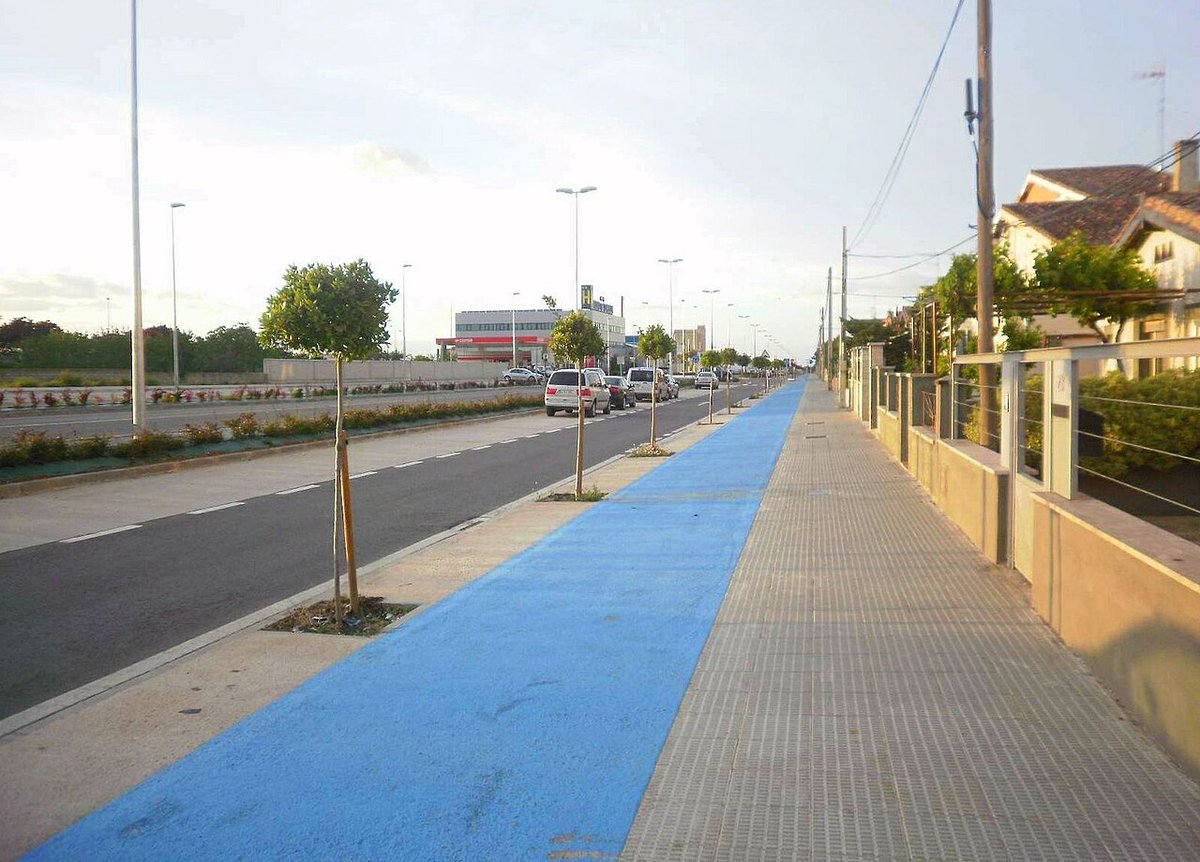
Spring and autumn are the sweet spots. March can bring mist that rises off the river like steam from a kettle, but by mid-April daytime temperatures sit in the low twenties and the mosquitoes have not yet hatched. This is the moment to borrow one of the free bikes kept outside the medical centre (ask inside for the combination lock) and follow the signed 14-kilometre circuit through artichoke fields and past the old lock keeper’s house at Pedrola. The path is pancake-flat; the only climb is the bridge back into town, gradients so gentle even the least Lycra-clad traveller can spin up without dropping into the small chain-ring.
Summer is a different proposition. July daytime highs flirt with 38 °C, shade is scarce on the river path, and the smell of irrigation water turns slightly sour. Spanish families still arrive for the August fiestas – inflatable bull runs, brass bands, foam parties in the plaza – but British visitors used to Cornwall mizzle may wilt. If you must come then, shift all movement to the hours before 11:00 and after 18:00, and book a room with air-conditioning; Hostal Burgalés has three rooms above the restaurant that stay surprisingly cool thanks to metre-thick walls.
Winter is underrated. Daytime temperatures hover around 12 °C, ideal for walking, and the light turns the cereal stubble the colour of pale ale. Heavy rain can swell the Aragón overnight; paths close without notice, announced only by a handwritten sheet tied to the gate. Snow is almost unknown at this altitude, but the cierzo – the north wind that barrels down the Ebro – can whip the temperature to freezing and fling grit in your eyes. Pack a windproof, not down.
Getting There, Getting Out
You will need a car. The weekday bus from Pamplona reaches Milagro at 13:15 and leaves again at 17:30, a timetable that assumes you want an afternoon nap more than sightseeing. From the UK, fly to Bilbao with easyJet or Vueling; the hire-car desk is a five-minute shuttle ride from the terminal. Take the A68 south, switch to the AP68 at Logroño, peel off at junction 22, and you are in town before the CD player has finished the first Kaiser Chiefs album. Zaragoza airport is closer in miles but has fewer flights; if you land there, the drive is 1 hr 10 min along the A2 and NA134, past miles of plastic greenhouses that look like a giant’s horticultural experiment gone wrong.
Petrol is cheaper at the supermarket pumps in Tudela; fill up before you arrive because Milagro’s single garage closes at 20:00 and does not open Sundays. Cash machines are equally scarce; the one outside the BBVA branch works on UK cards but charges €2.50 per withdrawal. Several bars accept contactless, yet the Saturday morning vegetable market – squares of cardboard laid out with tomatoes still warm from the field – is strictly cash only.
The Honest Verdict
Milagro will not change your life. It offers no cathedral, no Michelin stars, no pool-party bragging rights. What it does offer is a chance to see an agricultural Spain that still functions without the subsidy of coach tours. Come for two hours and you will leave underwhelmed; stay for two days, letting the rhythm of the fields replace the rhythm of alerts on your phone, and you may remember what Sunday mornings felt like before Deliveroo. If that sounds like faint praise, book elsewhere. If it sounds like a small miracle, the name already gave you a hint.