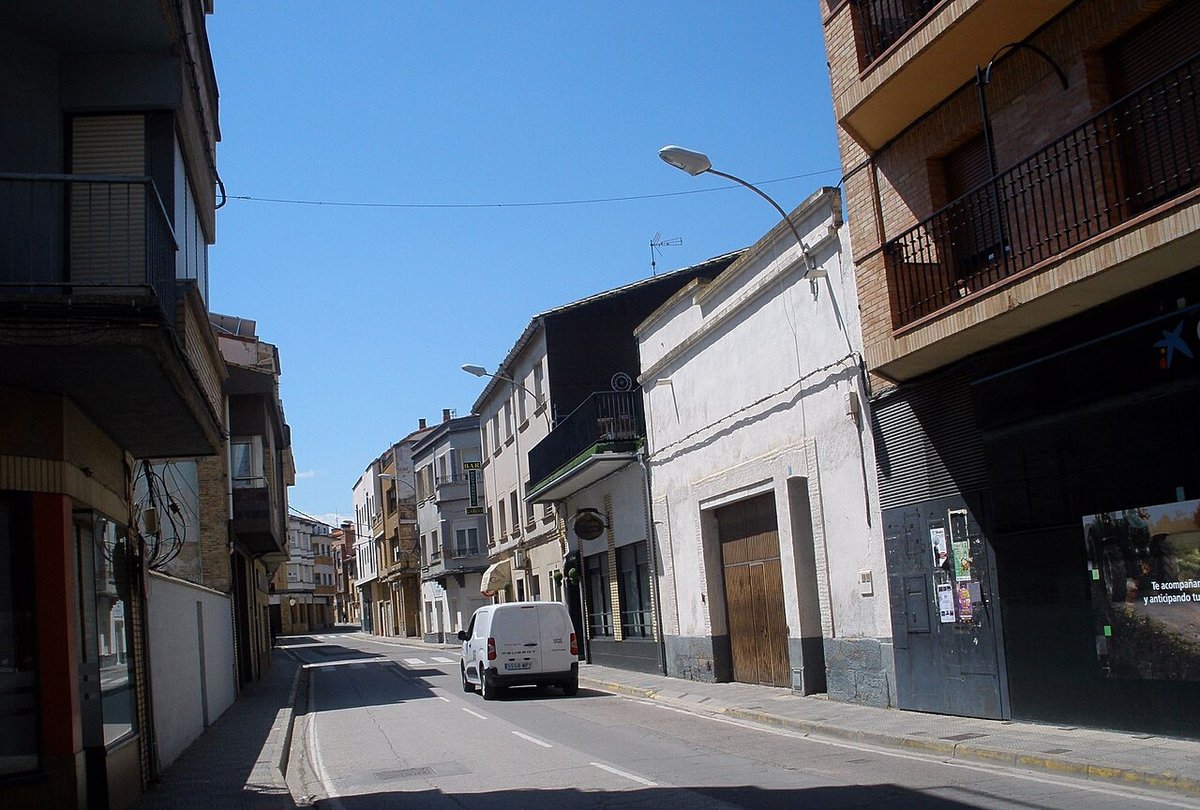
Murchante - Calles 02.jpg
Zarateman · CC0
Navarra · Kingdom of Diversity

Murchante

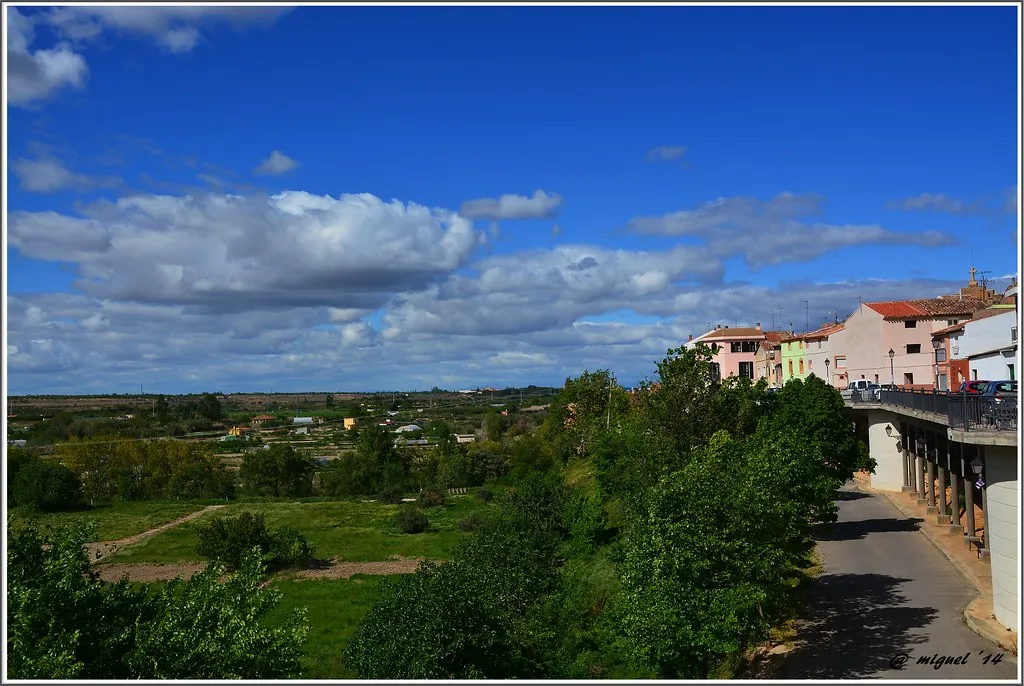
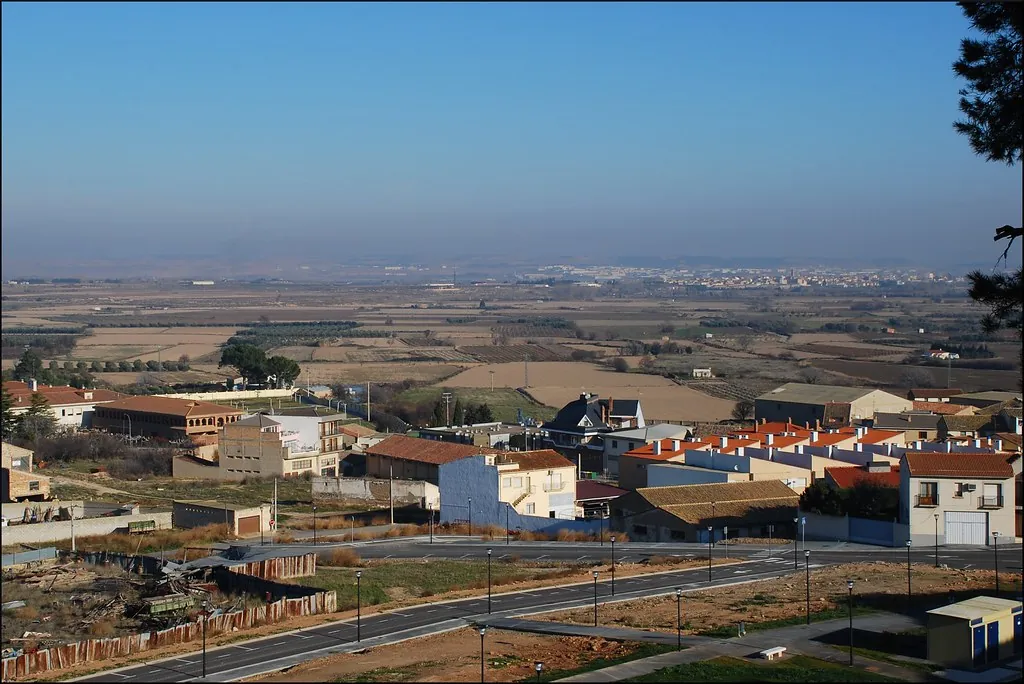
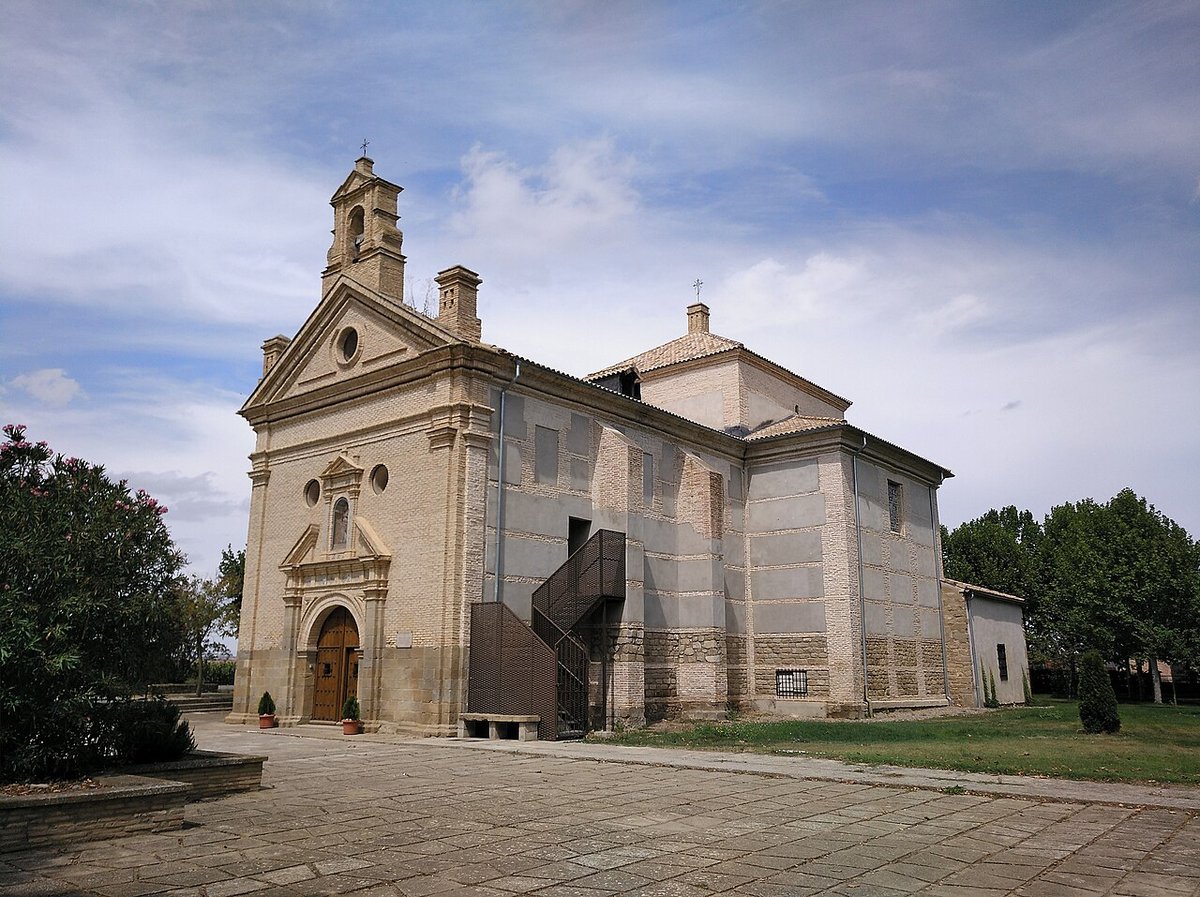
The church tower of La Asunción rises above a sea of greenhouses and artichoke fields, marking Murchante long before you reach the village proper. ...

4,230 inhabitants · INE 2025
323m Altitude

Why Visit

Church of the Assumption Wine tourism

Best Time to Visit

year-round

San Roque Festival (August) agosto

Things to See & Do
in Murchante

Heritage

  • Church of the Assumption
  • Wineries

Activities

  • Wine tourism
  • Local festivals

Festivals
& & Traditions

Fecha agosto

Fiestas de San Roque (agosto)

Las fiestas locales son el momento perfecto para vivir la autenticidad de Murchante.

Full Article
about Murchante

A key wine town near Tudela, known for its wines and the paloteado dance.

Ocultar artículo Leer artículo completo

The church tower of La Asunción rises above a sea of greenhouses and artichoke fields, marking Murchante long before you reach the village proper. This isn't the Spain of package holidays or city breaks—it's the agricultural heartland of Navarra, where the daily rhythm still follows harvest seasons rather than tourist timetables.

At barely 250 metres above sea level, Murchante sits in the Ribera region's fertile plain, a landscape shaped by the Ebro River's meandering course. The altitude makes for noticeably milder winters than Navarra's mountain villages—temperatures rarely drop below freezing—but summer brings proper heat. July and August regularly hit 35°C, with the sun reflecting off the pale earth and precious little shade along the riverside paths.

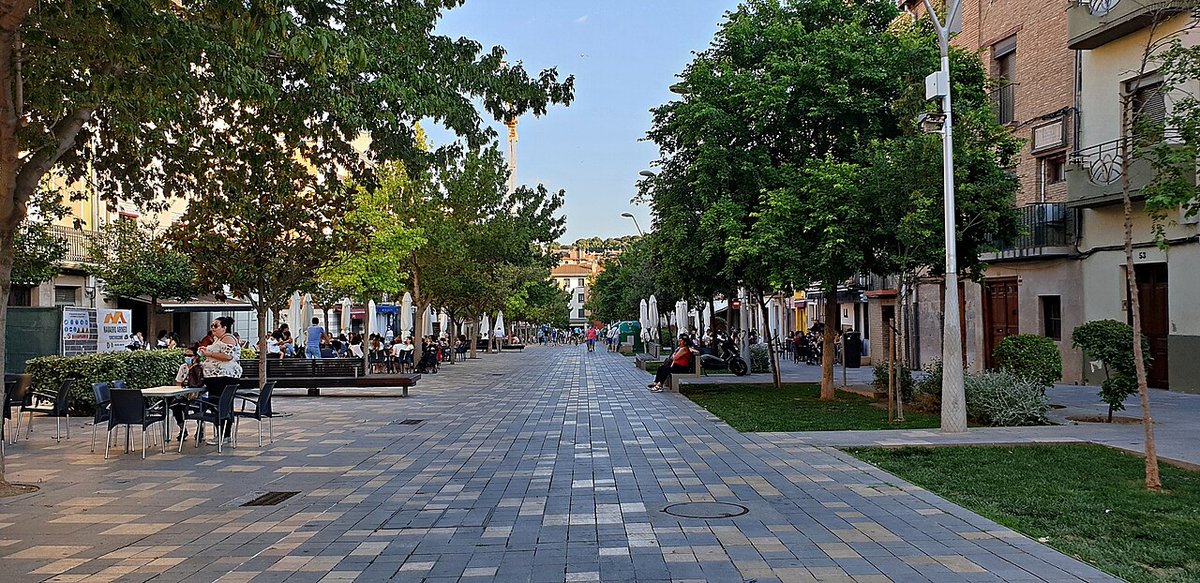
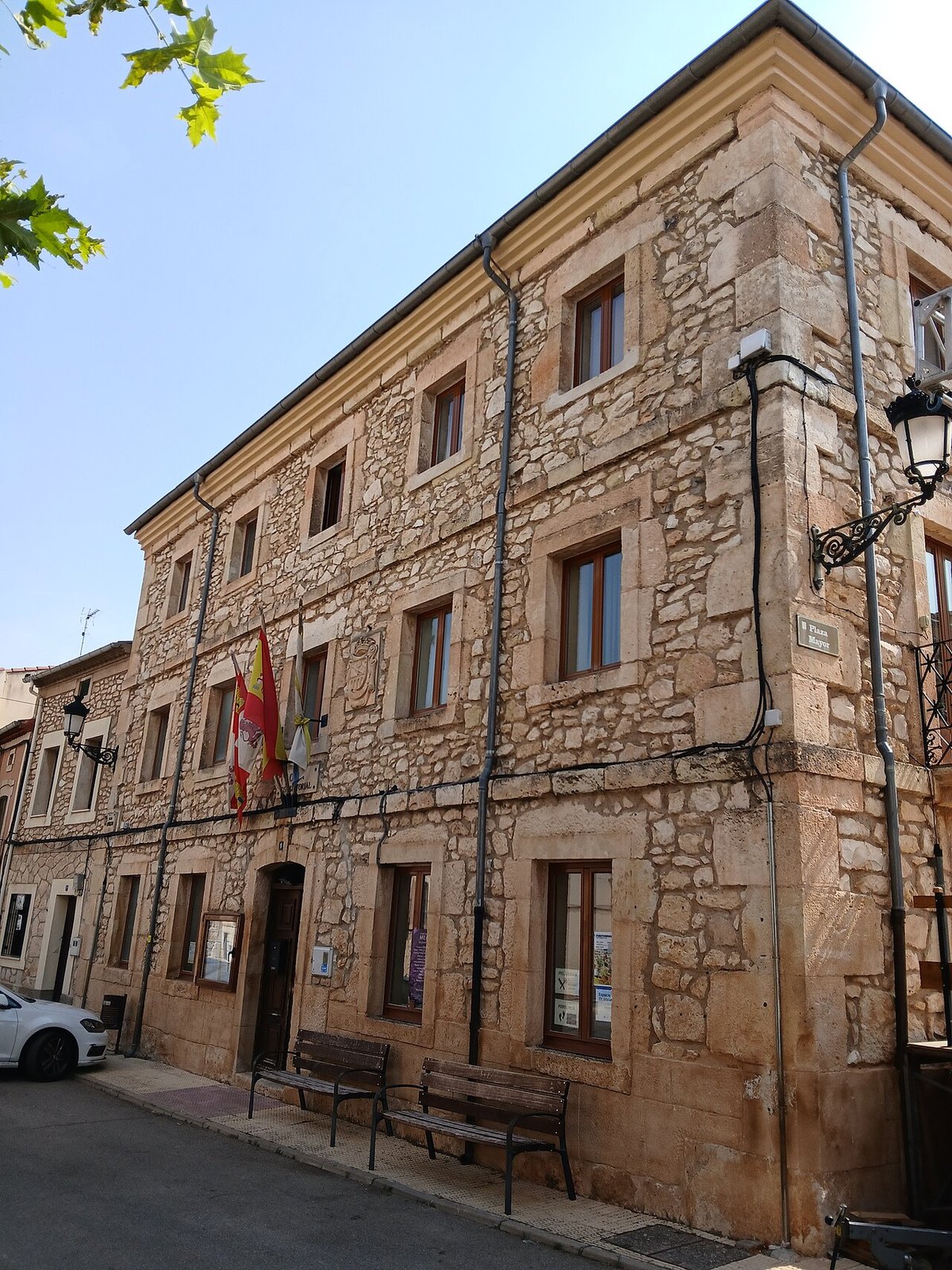
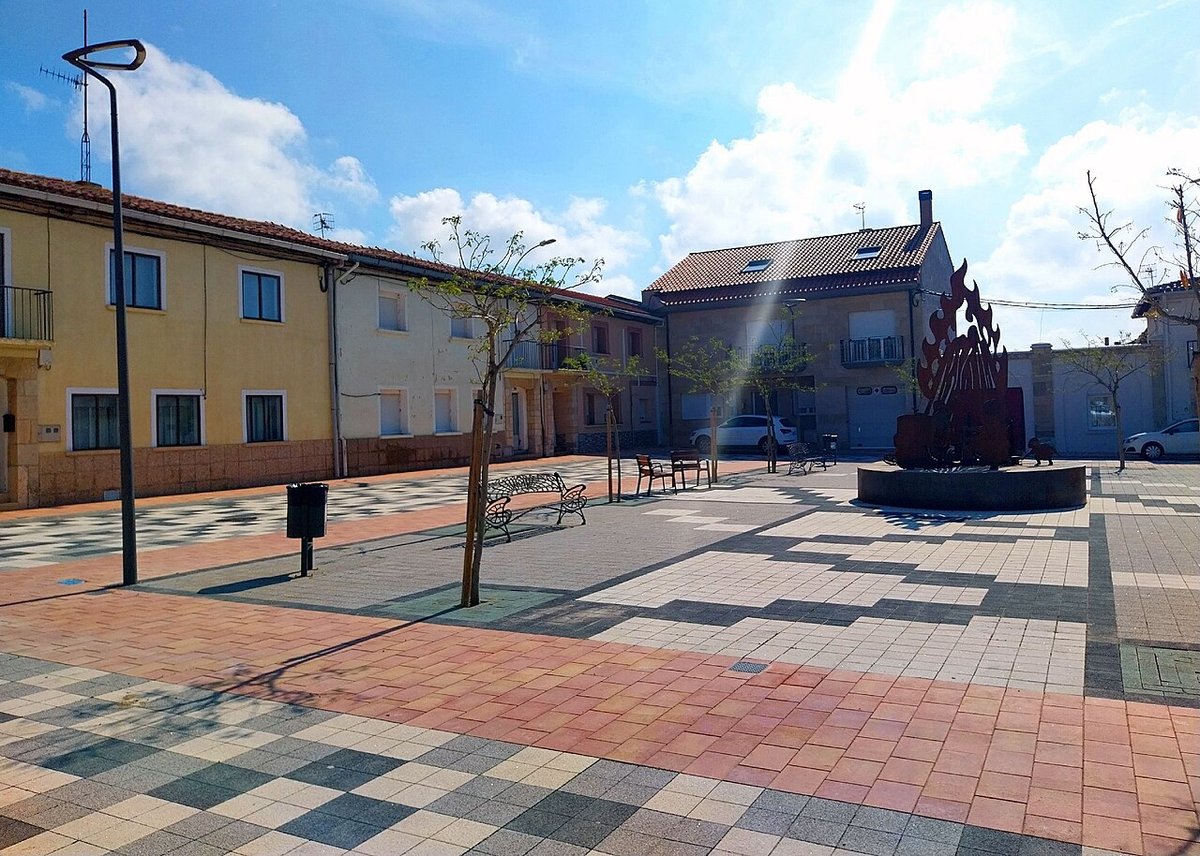
The village centre reveals itself gradually. Start at Plaza Mayor, where stone arcades shelter café tables from both sun and rain. These aren't tourist-facing terraces; they're where locals gather for mid-morning coffee and the evening paseo. The square's architecture speaks of practicality rather than grandeur—solid stone buildings with wooden balconies that have watched over market days for centuries.

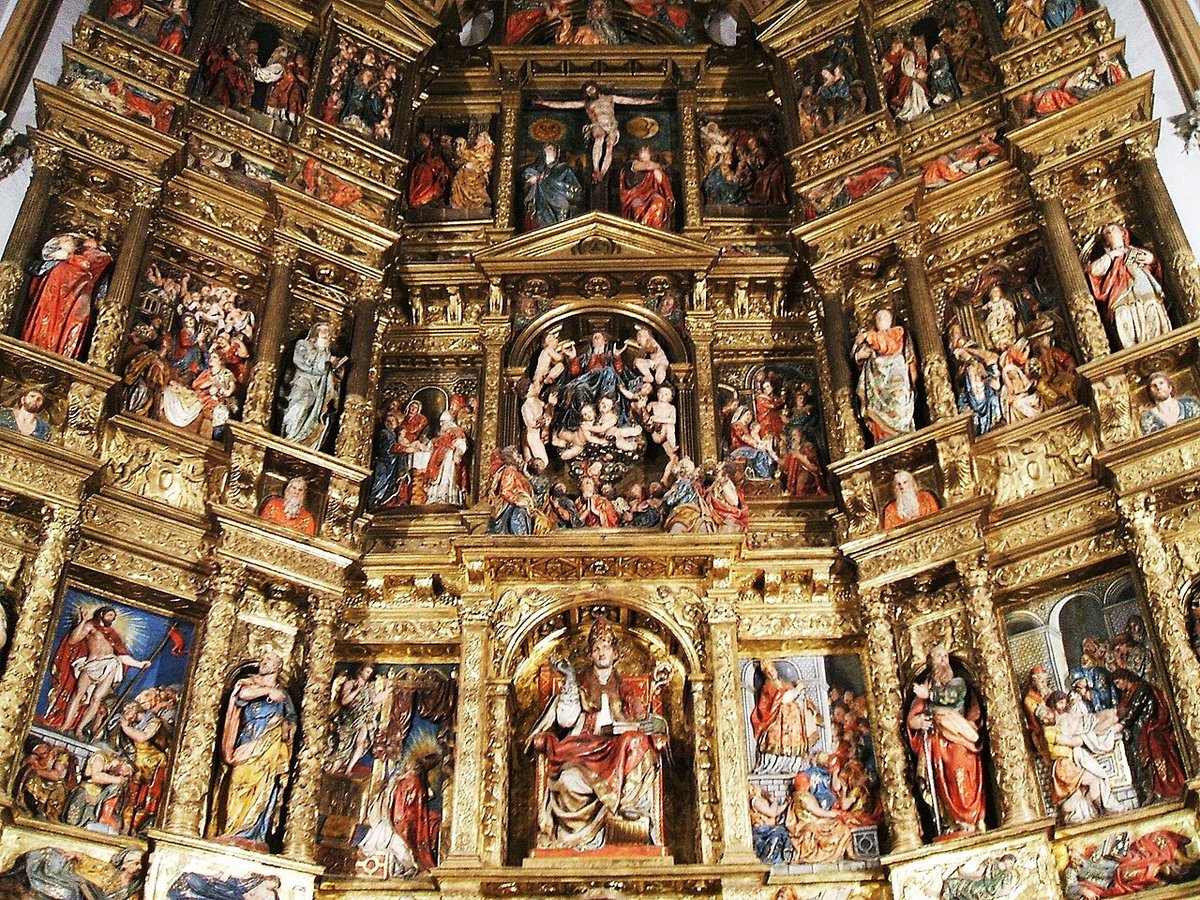
From here, narrow streets fan out in no particular pattern, revealing glimpses of the church's robust tower. La Asunción's exterior blends Romanesque simplicity with later Gothic additions, but step inside and the baroque altarpieces demand attention. They're not museum pieces; this remains a working parish church, open during daylight hours except when services are in progress. The interior stays cool even during summer's peak—relief for visitors who've underestimated the Ribera's heat.

The Harvest Calendar

Murchante's identity revolves around what grows in the surrounding soil. Visit in April and May when asparagus season peaks, and you'll spot workers bent over the white mounds that protect these valuable spears. The local restaurants adjust their menus accordingly—menus del día feature espárragos navarros, simply grilled and drizzled with local olive oil, at prices that rarely exceed €15 for three courses including wine.

Pochas, Navarra's famous white haricot beans, appear from late July through September. They're served stewed with clams, morcilla (blood sausage), or simply with their cooking liquor and a splash of olive oil. The beans' subtle flavour reflects the chalky soil they're grown in—terroir isn't just a wine thing here.

February brings the Fiesta del Chorizo, when local families who've kept pigs demonstrate traditional sausage-making techniques. It's less photogenic than it sounds—think industrial quantities of paprika and garlic rather than rustic idyll—but the resulting chorizo has proper depth of flavour, matured in the cool, dry winter air.

Along the Riverbanks

The Ebro's riparian woodland lies fifteen minutes' walk from the village centre, though you'd never guess from the agricultural approach. These sotos—riverine forests of poplar and willow—survive in fragments between irrigation channels and crop fields. They're not wilderness; they're working landscape, managed for timber and flood control. But they provide habitat for kingfishers, herons, and the occasional otter.

Walking tracks follow old towpaths where mules once hauled barges upstream. The going's easy—flat gravel paths suitable for sturdy trainers rather than hiking boots—but summer walking demands early starts. By 11 am, the heat becomes oppressive, and shade is patchy at best. Spring and autumn offer better conditions, when morning mist rises from the river and temperatures stay comfortable through midday.

Cyclists can follow signed routes linking Murchante with neighbouring villages like Cascante and Tudela. These aren't mountain biking trails; they're agricultural tracks used by farmers accessing their fields. The riding's gentle, but carry water—there are no cafés between villages, and Spanish farmers don't appreciate strangers tapping their irrigation taps.

Beyond the Village

Murchante works best as part of a broader Ribera itinerary. Tudela, ten minutes' drive south, provides historical weight with its cathedral and medieval Jewish quarter. The Bardenas Reale's semi-desert landscape lies twenty minutes southeast—an extraordinary contrast to Murchante's lush agriculture, where erosion has created badlands that wouldn't look out of place in a Western.

Driving distances work well for day trips. Pamplona sits 85 kilometres north on the A15—manageable for lunch before heading into the Pyrenees proper. Zaragoza lies 90 minutes south, making Murchante a logical stop between Spain's northern cities and the Aragonese capital.

Public transport exists but requires patience. Buses connect with Tudela hourly on weekdays, less frequently at weekends. From Tudela, trains reach Zaragoza in 45 minutes and Madrid in under two hours. But Murchante itself has no train station, and the bus timetable assumes you're local rather than visiting.

The Practical Bits

Accommodation options remain limited. Two rural guesthouses provide rooms from €60 nightly, but neither stays open year-round—call ahead, particularly outside main season. Most visitors base themselves in Tudela, where hotels start around €80 and restaurants stay open past 10 pm (in Murchante, kitchens often close by 9.30 pm).

The village makes no concessions to English speakers. Menus come in Spanish, staff may speak limited English, and that British habit of arriving for dinner at 7 pm will find you eating alone. But the food rewards flexibility—order the menú del día and you'll eat what locals eat, not what tourists are expected to want.

When to Go, When to Avoid

April through June offers the best balance. Temperatures hover around 20-25°C, the huerta bursts with spring vegetables, and daylight lasts until 9 pm. September brings grape harvest and comfortable walking weather, though occasional storms can turn riverside paths muddy.

August hosts the fiestas patronales—three days of bull runs, processions, and general mayhem. Accommodation within 30 kilometres books up months ahead, and the village's 4,000 population swells considerably. If you want authentic local culture, you'll find it. If you want peace and quiet, visit another time.

Winter brings its own challenges. Days remain mild but short, and many restaurants close between January and March. The landscape turns brown and dusty, river paths become waterlogged, and that Spanish rural charm becomes harder to locate. Come prepared for closed doors and limited options.

Murchante won't change your life. It's not trying to. What it offers is an unvarnished glimpse of rural Spain continuing much as it has for generations—where food comes from surrounding fields, where the church bell still marks time, and where visitors are welcomed without being fussed over. Turn up expecting theme-park Spain and you'll leave disappointed. Arrive curious about how agricultural communities function, and you'll find plenty to hold your interest for a day or two.

Key Facts

Region
Navarra
District
Ribera
INE Code
31176
Coast
No
Mountain
No
Season
year-round

Livability & Services

Key data for living or remote work

2024
ConnectivityFiber + 5G
TransportTrain nearby
HealthcareHospital 3 km away
EducationHigh school & elementary
Housing~5€/m² rent · Affordable
Sources: INE, CNMC, Ministry of Health, AEMET

Planning Your Visit?

Discover more villages in the Ribera.

View full region →

More villages in Ribera

Traveler Reviews