Full Article
about Murillo el Cuende
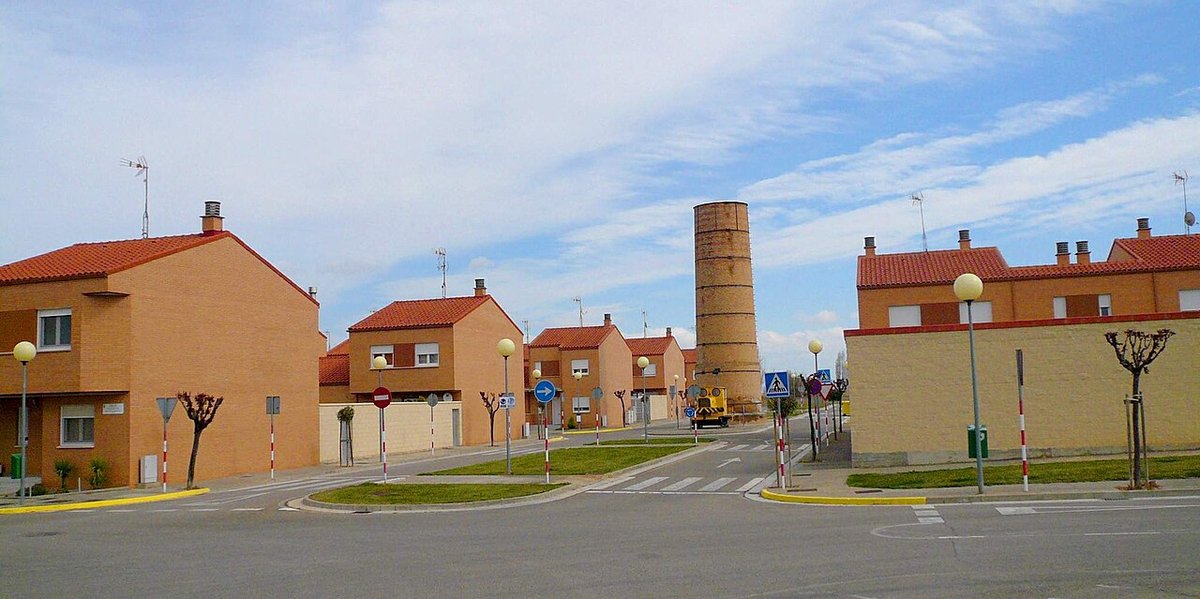
Municipality that includes Traibuenas and Rada; farming area with remains of medieval walls
Ocultar artículo Leer artículo completo
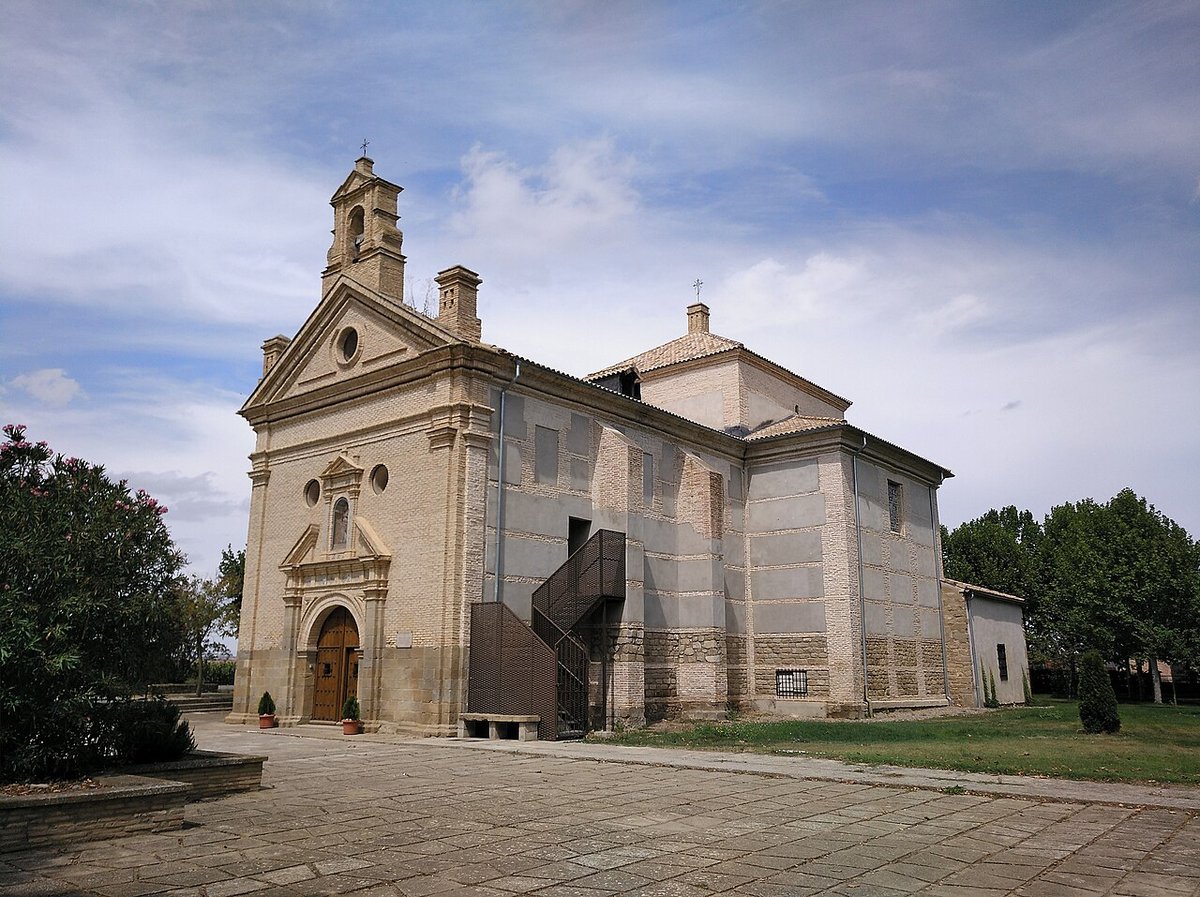
The cemetery car park fills with campervans at 11 a.m. sharp. Their occupants aren’t here for the dead; they’ve come for the thirteenth-century chapel that sits one field above the graves, a stone box barely wider than a double-decker bus yet praised in Spanish guidebooks as one of the purest Romanesque shrines in the Ribera. Ten minutes later the vehicles are gone, engines growling back towards the AP-15, and Murillo El Cuende returns to the sound of wheat rustling in the wind.
A village that measures itself in hectares, not hotel rooms
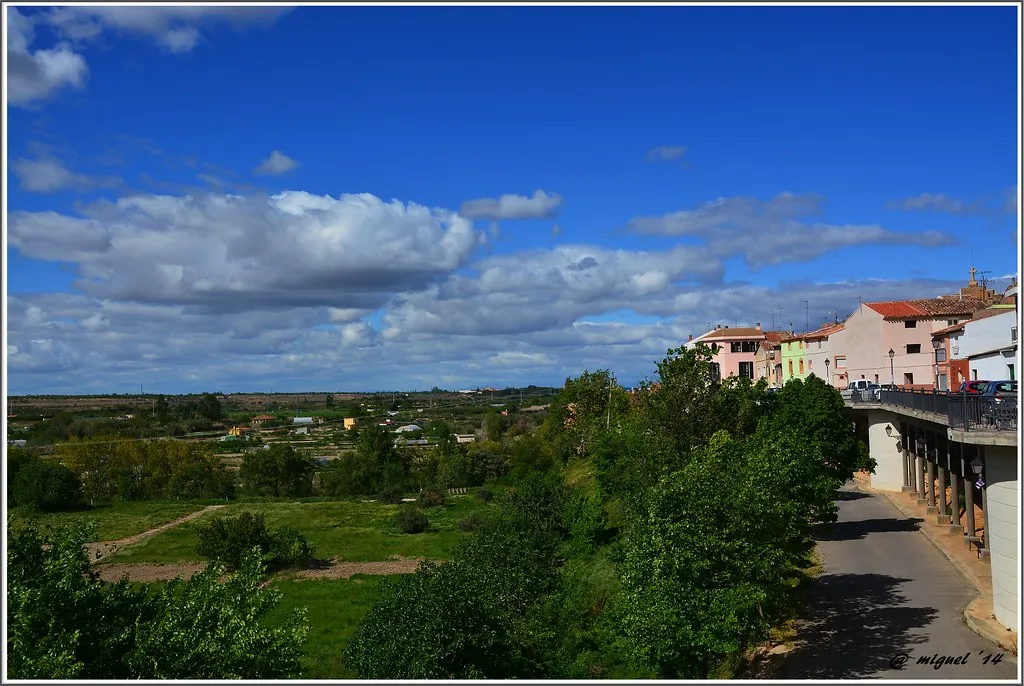
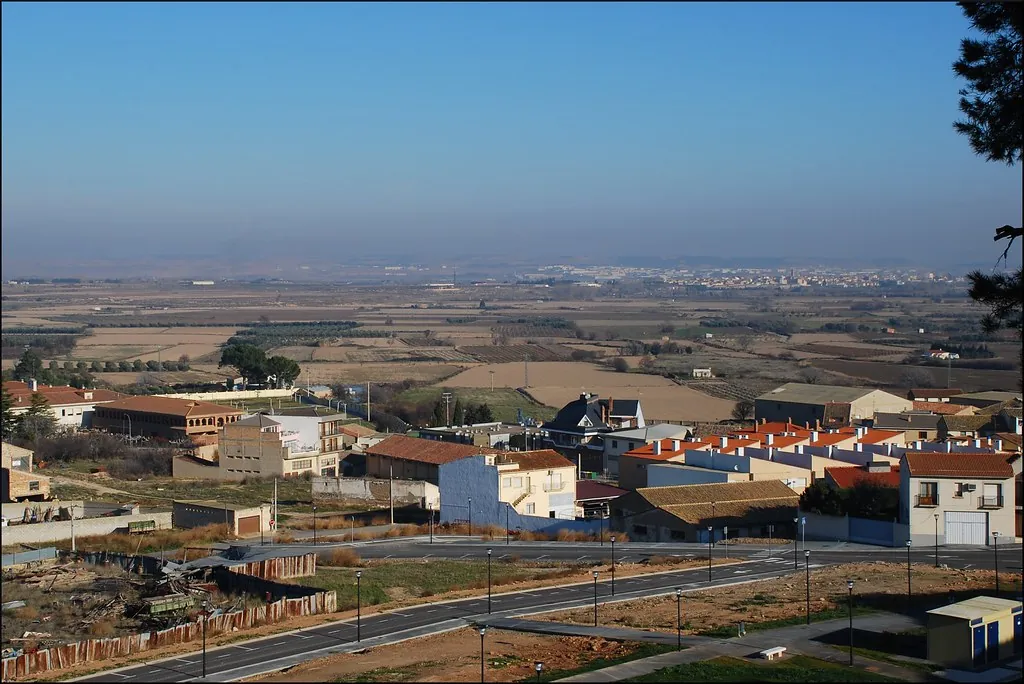
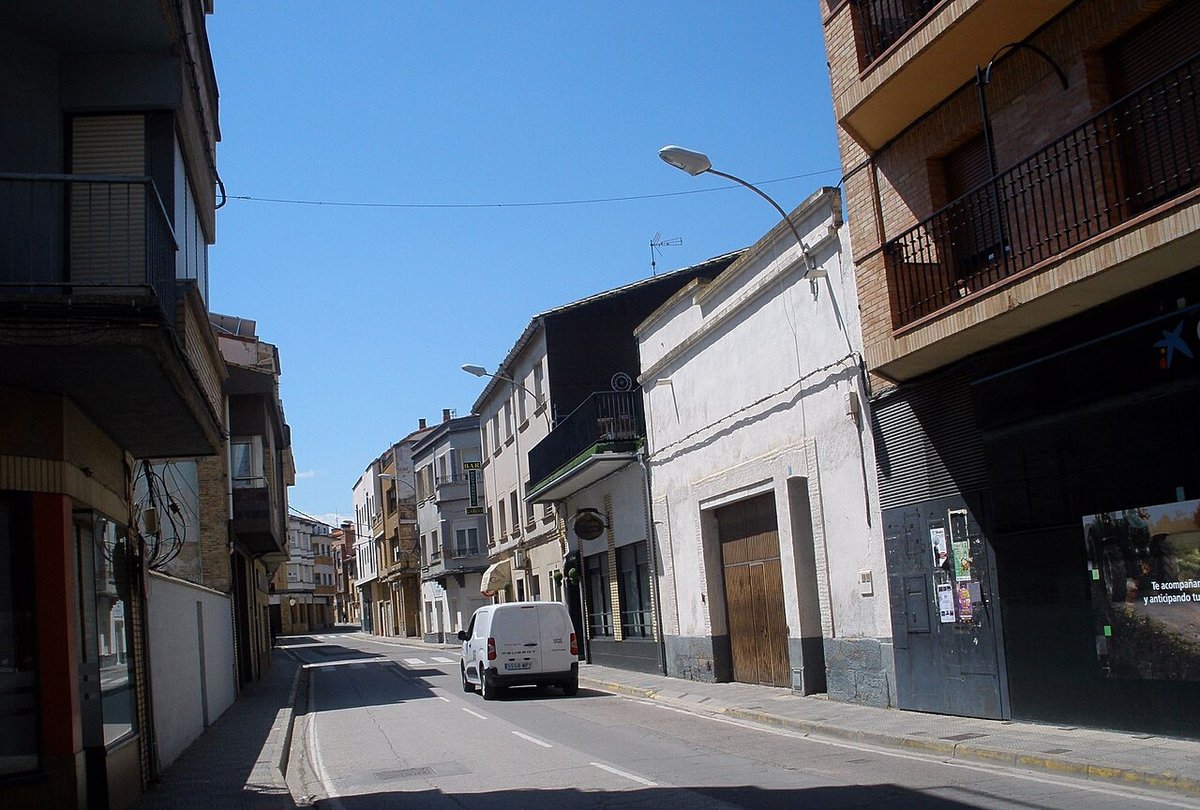
Altitude 350 m means the air is already thinner than on the Cantabrian coast, but you’re still low enough for the summer sun to feel serious. The cereal plateau stretches south towards Tudela, rippling from soft green in April to metallic gold by late June. With 685 neighbours and several thousand hectares of barley, the maths is simple: grain wins. There is no bank, no petrol pump, no souvenir shop. The single bar opens when its owner finishes tractor work, and if you need cash you’ll drive 10 km north to Olite, the wine-town famous for its fairy-tale royal palace.
That lack of infrastructure is either the point or the problem, depending on your travelling style. Walkers who expect way-marked footpaths will find only the dusty tracks used by John Deere machines; the “route” is whichever gate the last farmer left unchained. Mobile signal flickers in and out, so screenshot the Google view while you still have 4G on the N-121 spur. The reward is silence broken by larks and the occasional clank of a combine harvester—an aural bleach after the coastal cities.
Romanesque in a hurry: the Shrine of the Holy Cross
From the cemetery a stony lane climbs 150 m to the ermita. The doorway is rounded, the walls barely a metre thick, and the interior smells of warm limestone and extinguished candles. No ticket desk, no audio guide; the key hangs on a nail if the door is locked (locals trust you to return it). Inside, a single nave ends in an apse the size of a Cornish chapel, the altar cloth changed with the liturgical calendar. Light arrives through a slit window cut for medieval eyesight: bright enough to read a psalter, dim enough to hide the cracks. Whole visit time: eight minutes if you’re brisk, twenty if you sit and let the stone cool your forehead.
Photographers arrive hoping for golden-hour drama; what they get is a low, chalk-white building against an equally pale sky. The shot works only at dawn, when the chapel casts a long rectangle across the wheat and the crows wheel overhead. Midday in August flattens everything into over-exposed beige—go then and you’ll wonder why the guidebooks bother.
Eating what the calendar says
There is no restaurant menu in Murillo proper. Instead, you ask. The bar’s kitchen fires up for lunch only if produce arrived that morning: perhaps a plate of chilled Navarre asparagus with home-made mayo, followed by chicken chilindrón, the tomato-and-red-pepper stew that looks fiery but tastes more smoky than hot. Order media ración and you’ll still need a half-hour stroll afterwards to make room. Price: about €12 with a caña of lager; they’ll apologise if the lettuce isn’t their own.
Evening meals require forward planning. Rada, the slightly larger nucleus 2 km west, has Bar-Restaurante Sotarrano, where the owner will grill a plain beef steak and chips on request—useful for children who regard pimentón as poison. Locals eat after 21:00; turn up at 19:30 and you’ll be eating alone while the television broadcasts the evening bull-running from Pamplona.
August fiestas and September grape panic
Mid-August brings the patronal fiestas: brass bands that have clearly done the circuit of every village fair since 1982, a procession behind a statue of the Virgin, and a temporary bar in the school playground where teenage waiters pour gin measures that would make a Brighton barman blink. Visitors are welcome but not announced; buy a raffle ticket for the ham and you’re instantly inscribed on next year’s drinks list.
Return four weeks later and the atmosphere flips. September is grape-harvest season, and tractors towing trailers of bobbing Tempranillo block the lane to nearby Olite. Farmers check WhatsApp for the co-operative’s hourly intake queue; nobody has time to chat. The landscape smells of crushed fruit and diesel, and you realise how completely agriculture still dictates the clock here.
Practical odds and ends
Getting here: Fly to Bilbao or Zaragoza (both roughly two hours away) and hire a car; petrol is cheaper than in Pamplona and motorways are toll-free after Tudela. From Bilbao take the A-1 south, then AP-68/AP-15; leave at junction 20 and follow the NA-125 for 7 km. Sunday buses exist only on paper; a taxi from Olite costs €18–20 if you miss the school-day service.
Stay or day-trip? Accommodation is in Rada: two rural houses sleeping six from €90 a night. Murillo itself has no hotels, which keeps the tour coaches away but means you’ll be driving if you want breakfast anywhere other than your own terrace.
When to come: April–May for green wheat and orchid-spotted field margins; mid-September for harvest colour and the chance to help a neighbour unload crates of grapes in exchange for a glass of last year’s vintage. Mid-July to mid-August is oven-hot; walking is limited to dawn and dusk, and the chapel offers the only scrap of shade for miles.
The honest verdict
Murillo El Cuende won’t fill a week, or even a full day if you’re allergic to fields. Come expecting a living cereal farm with a Romanesque side dish and you’ll leave content; arrive hunting souvenir tea-towels or nightlife and you’ll be asleep in the car by 22:00. Use it as a decompressant between Pamplona’s pintxo bustle and the desert landscapes south of Tudela. Take the wheat-scented lane at sunset, watch the chapel silhouette shrink in the rear-view mirror, and you’ll understand why the village needs no other defence against the twenty-first century than its own stubborn, agricultural slowness.