Full Article
about Murillo el Fruto
Overlook on the Aragón River; a Renaissance-planned village facing Gallipienzo and Ujué
Hide article Read full article
A small village you can take in on foot
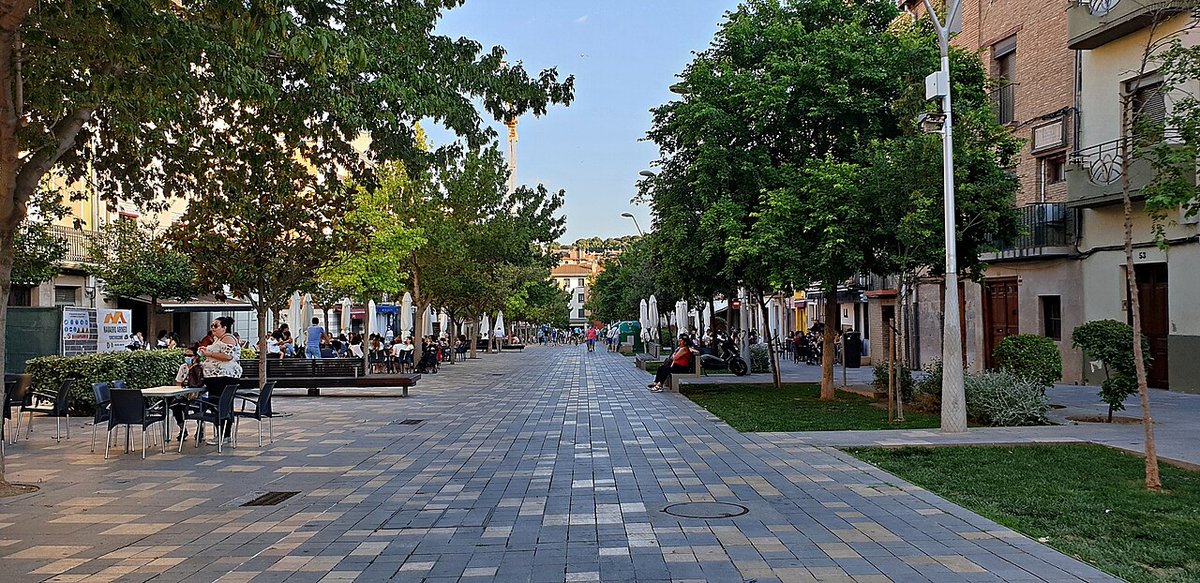
To visit Murillo el Fruto, the simplest approach is to leave the car in a street near the centre and continue on foot. The village is small and easy to get around. A short loop through the old streets and a walk down to the banks of the river Aragón is enough to fill a morning without rushing.
In summer it is worth setting out early. The sun is strong here and shade is limited, so carrying water makes a real difference. At other times of year, the pace can be slower and more comfortable.
Around the church and the old streets
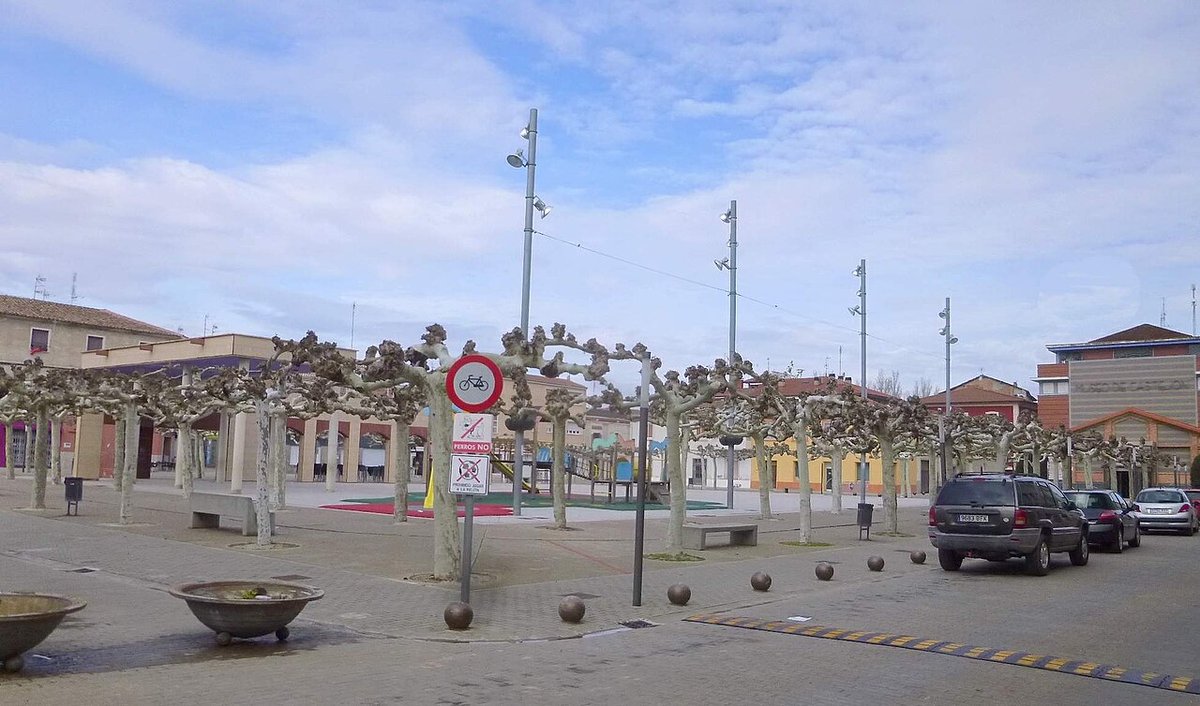
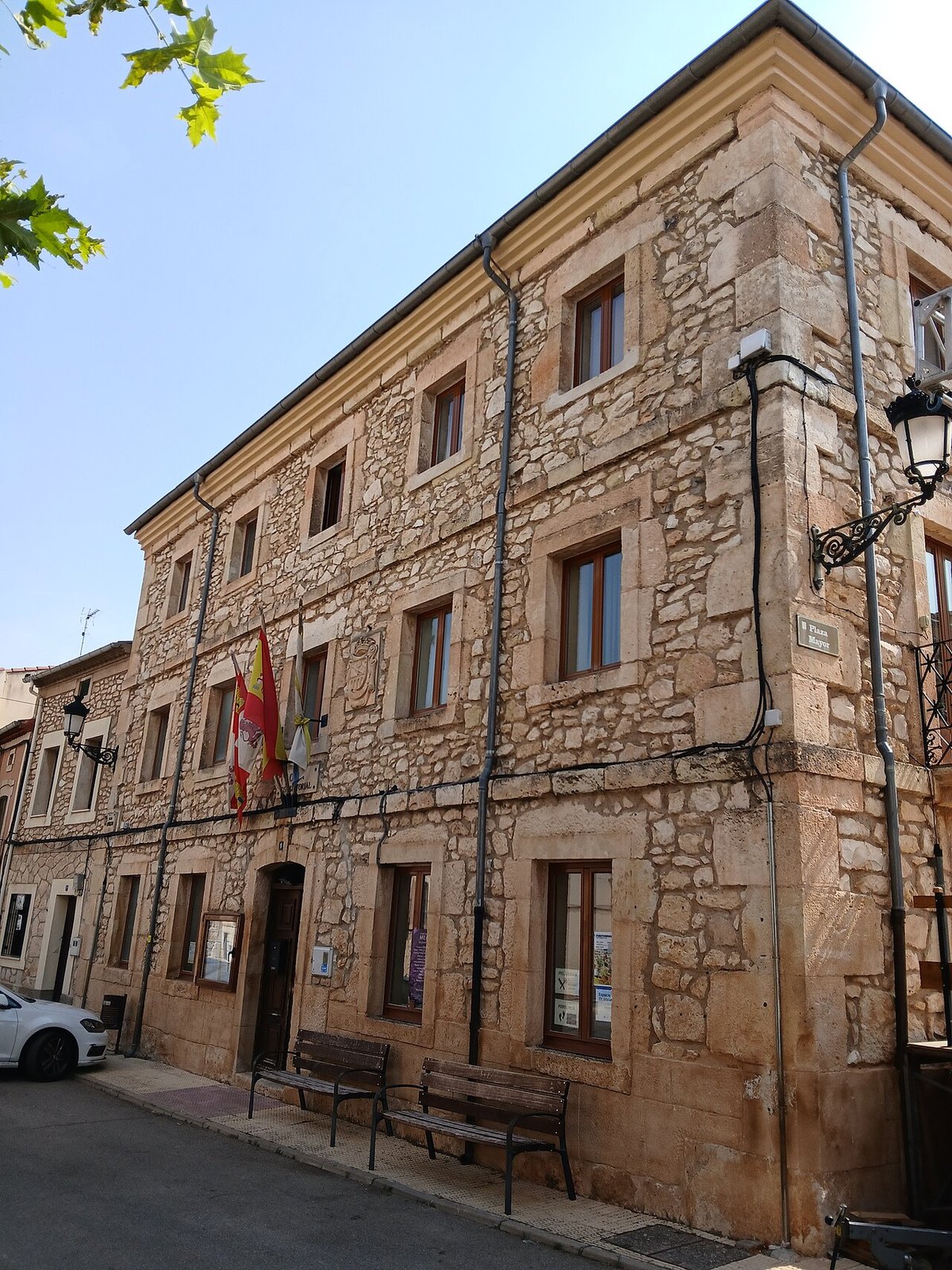
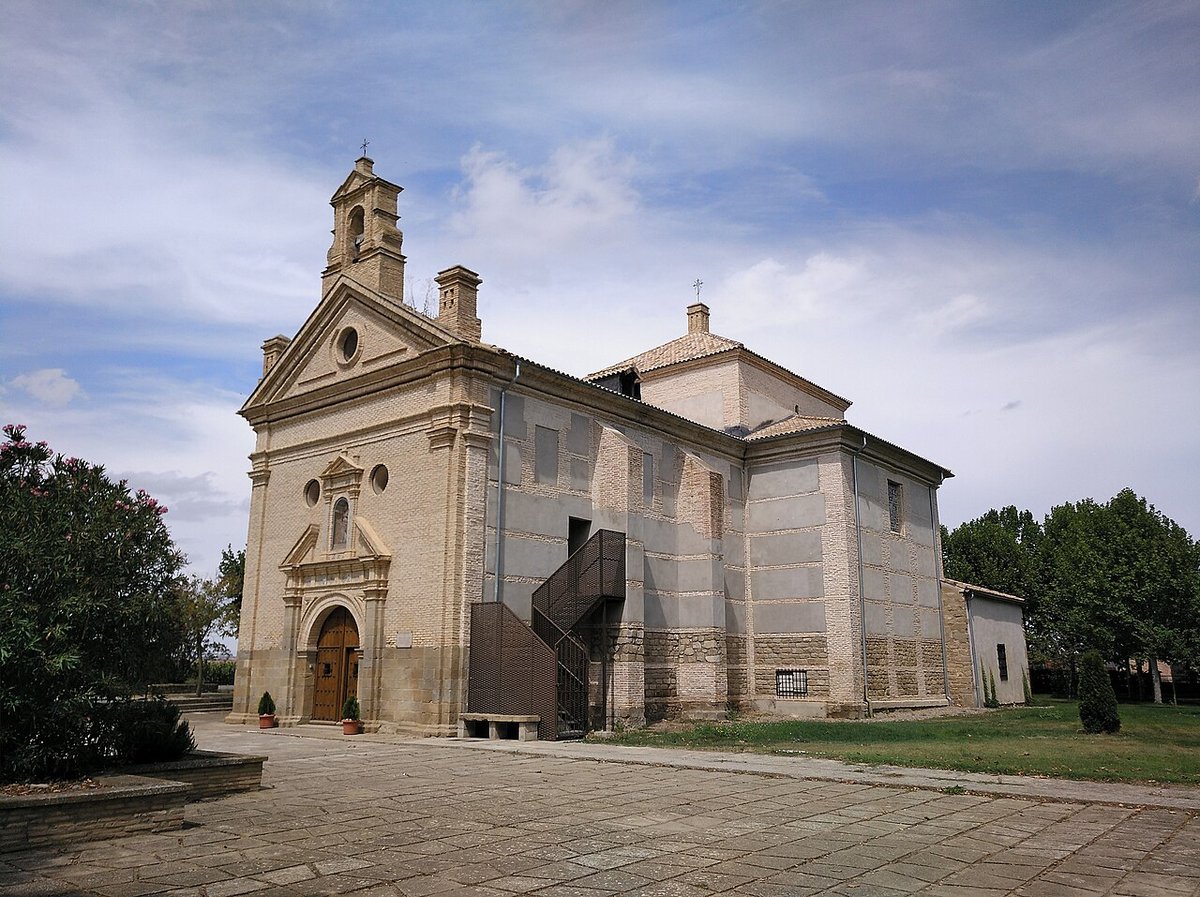
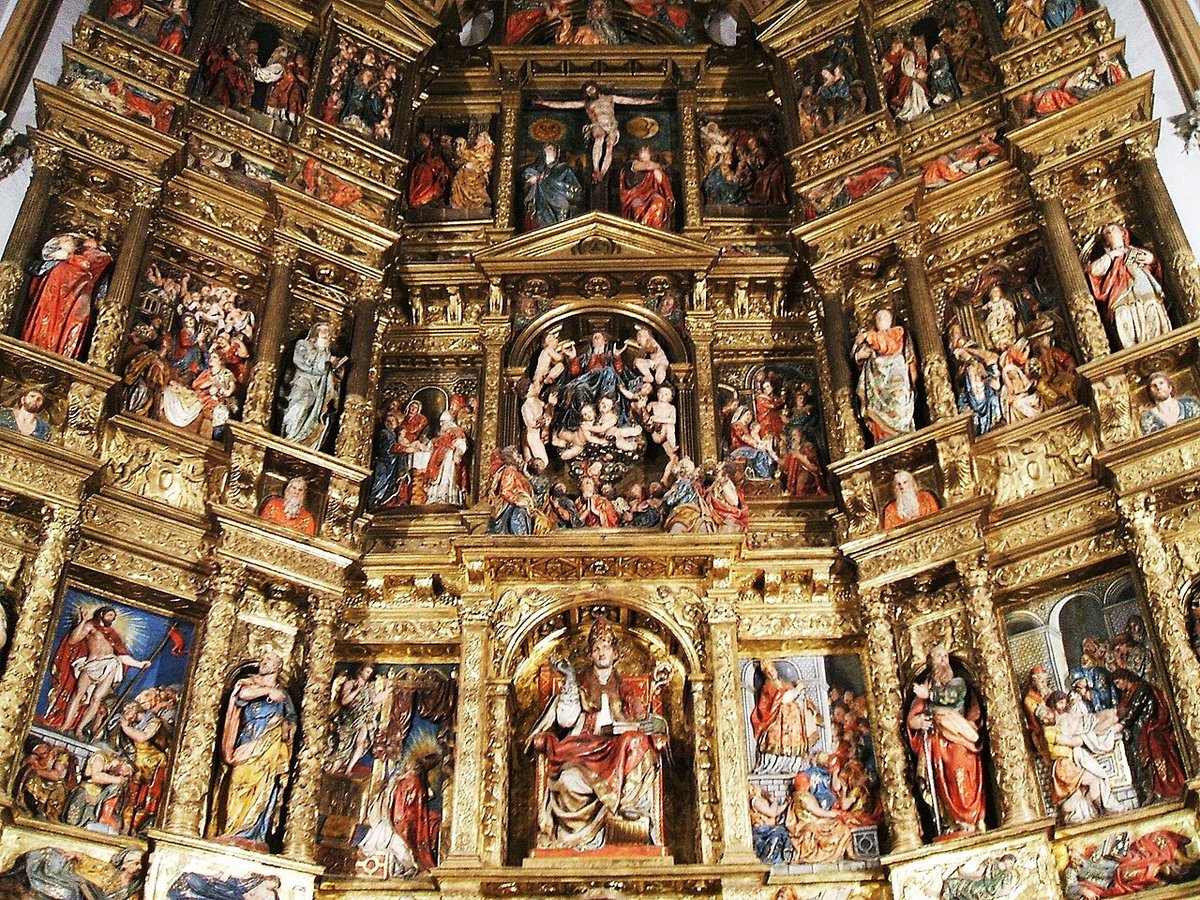
The Iglesia de Santa María stands in the main square. From the outside it looks quite plain, without much ornament. Inside, it holds Baroque altarpieces and a fairly simple late Gothic structure. The door is often closed outside of mass times, so going inside is not always possible.
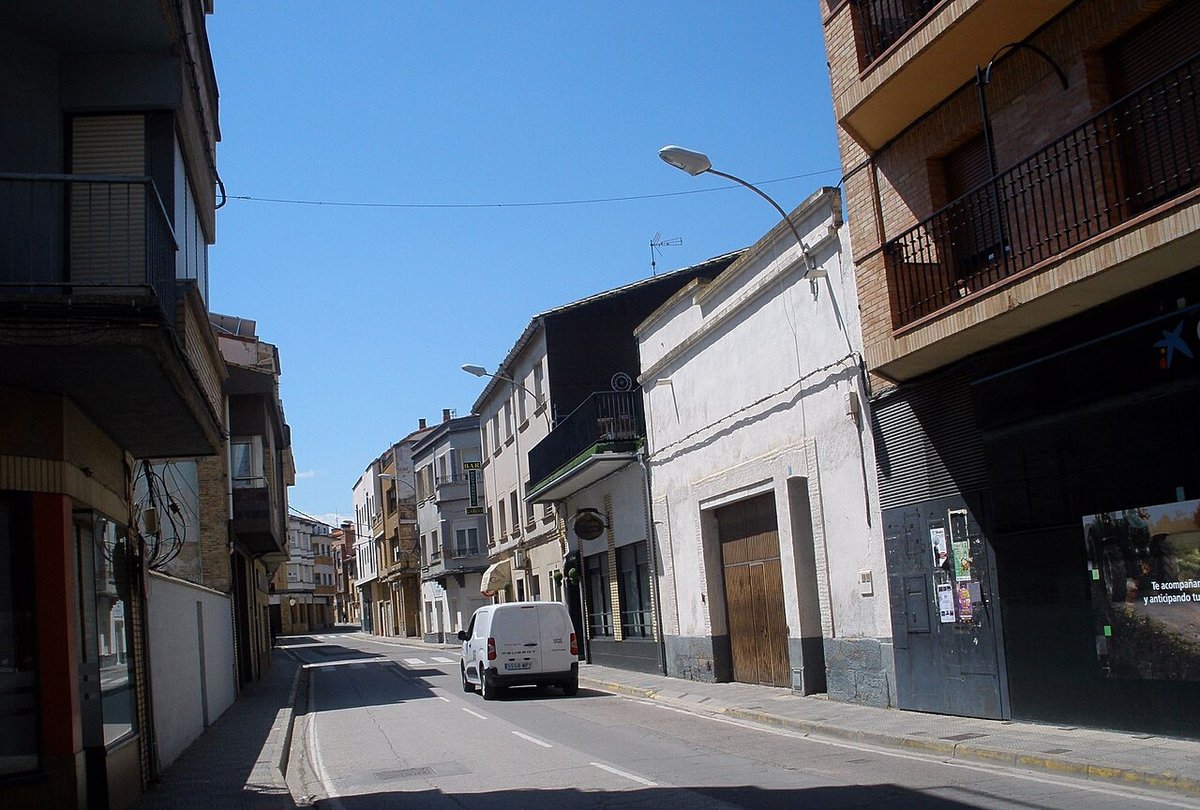
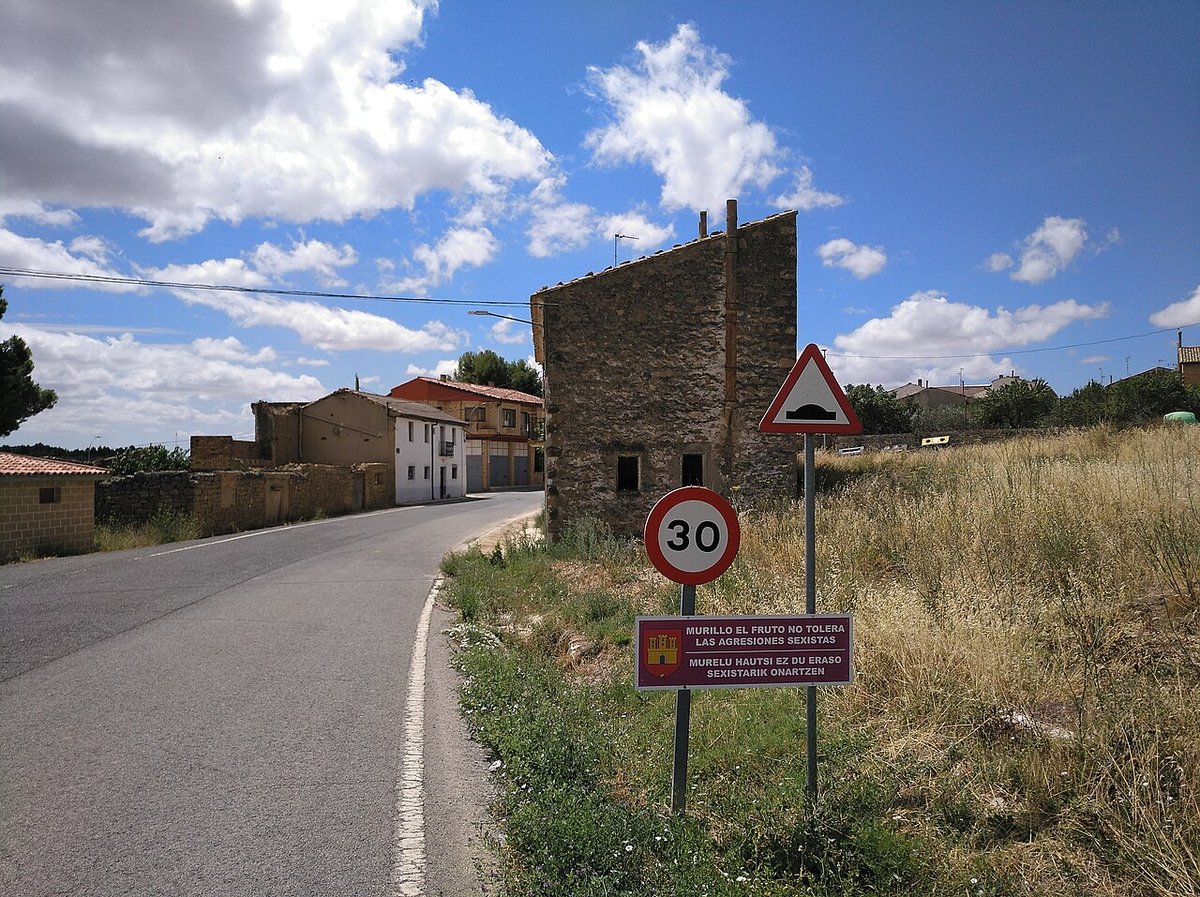
The rest of the village centre can be seen in just a few minutes, but it rewards a closer look. The streets are short and lined with stone houses, many with iron balconies and doorways topped by old lintels. There are no major landmarks that demand long stops, yet the details are there if you take the time to notice them. Coats of arms appear on some façades, along with small architectural touches that hint at the village’s agricultural past.
It is a place that does not try to impress at first glance. Instead, it reveals itself in fragments, in textures and materials, in the way buildings have been adapted over time.
Down to the Aragón
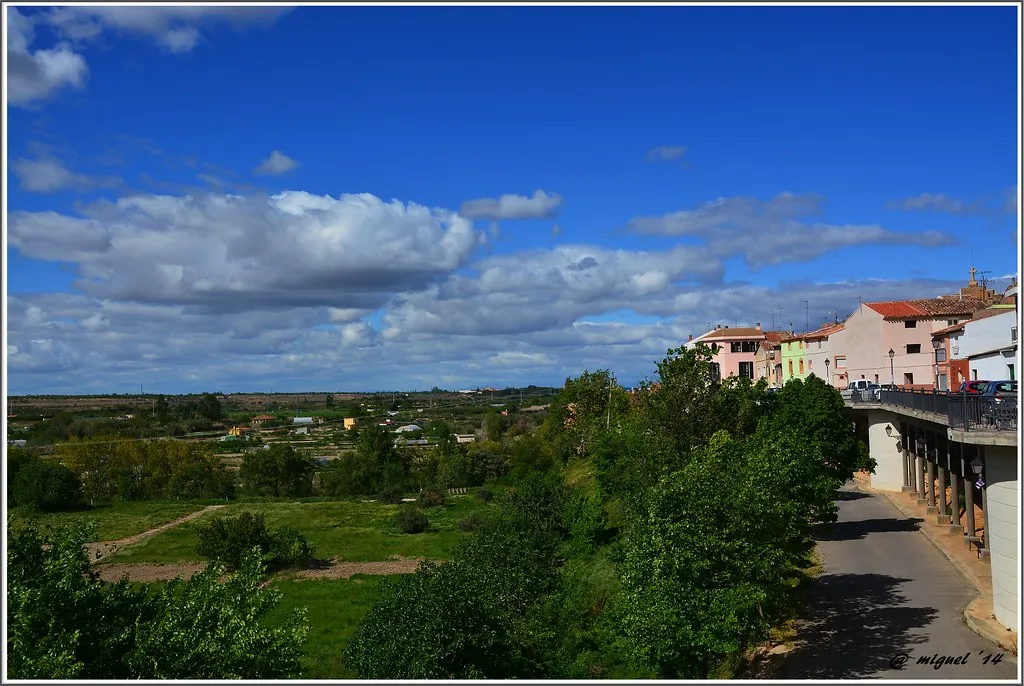
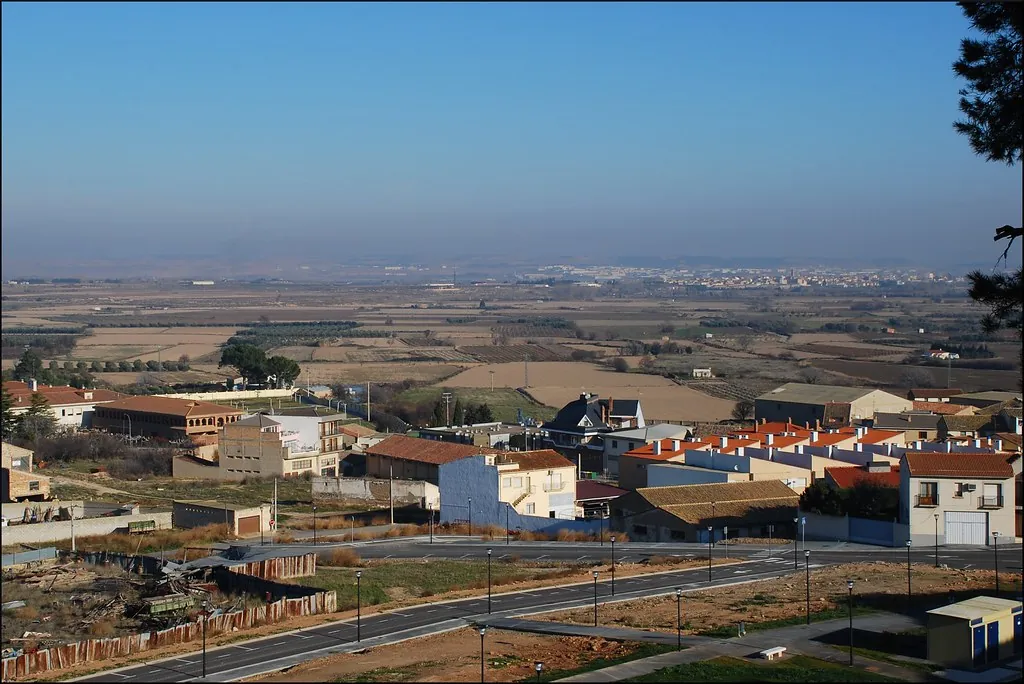
On the edge of the village lies the river Aragón. The change in landscape is immediate. Open farmland gives way to riverside vegetation and small wooded areas known locally as sotos. The contrast between cultivated fields and the greener riverbanks defines much of the surrounding area.
The paths here are flat and easy to walk. There is no need for special effort or preparation beyond basic comfort. With a bit of patience, it is possible to spot birds, especially during migration periods when more species pass through.
Some parts of the riverside are less straightforward. The denser sotos can be harder to cross, with undergrowth, mud depending on the season, and stretches where the path fades or disappears. It is not a place designed for structured routes, but rather for informal wandering.
Within the municipal area there are also references to archaeological remains from Roman times. Most of these are neither signposted nor prepared for visits, so they remain more of a historical note than a practical stop.
Making the most of a short visit
A simple route works best here. Start in the square and walk around the church. From there, continue through the streets of the village centre, paying attention to doorways, coats of arms and building materials. The walk naturally leads outwards towards the paths by the river.
There is no need to plan much more. In about an hour, or a little longer if you linger, the main points will have been covered. Murillo el Fruto suits a brief pause rather than a full day’s itinerary.
When to go and what to expect
Spring and autumn are the most comfortable seasons for a visit. The surrounding landscape shifts with the crops, and the temperatures allow for easy walking. These changes in colour and texture give the area a different feel depending on the time of year.
Summer brings harsher conditions. The central hours of the day can feel intense because most of the terrain is exposed to the sun. Planning around that heat is important if visiting during this period.
After several days of rain, some of the riverside paths can become very muddy. This affects access to certain areas, especially closer to the sotos where the ground holds more moisture.
Murillo el Fruto itself is direct and uncomplicated. It does not revolve around major attractions, and it does not need to. It works best as a quiet stop if you are already exploring the Ribera of Navarra or travelling near the Aragón river.
Practical notes for getting there
Murillo el Fruto is reached via the NA‑134 road from Pamplona or Tudela. Access is straightforward, and parking is usually not an issue as long as the narrowest streets are avoided.
The Iglesia de Santa María tends to open at times linked to local life, particularly around services, so asking locally is the best way to find out if it can be visited inside.
For reaching the river or identifying the clearest paths, local directions are also useful. The routes are not always marked, and conditions vary depending on the season.
Basic services are available throughout the year. There is at least one shop, a few bars for a drink, and a public swimming pool in summer, with dates that change depending on the season. Anyone planning to walk or cycle along the agricultural paths should carry water and sun protection, as most of the terrain is open and exposed.
Murillo el Fruto does not aim to hold attention for long stretches. It offers a brief, grounded look at a rural corner of Navarra, best appreciated at a steady pace and without expectations of spectacle.