Full Article
about Ribaforada
Ribera town with a strong farming and irrigation tradition, known for its fiestas and the Canal Imperial.
Ocultar artículo Leer artículo completo
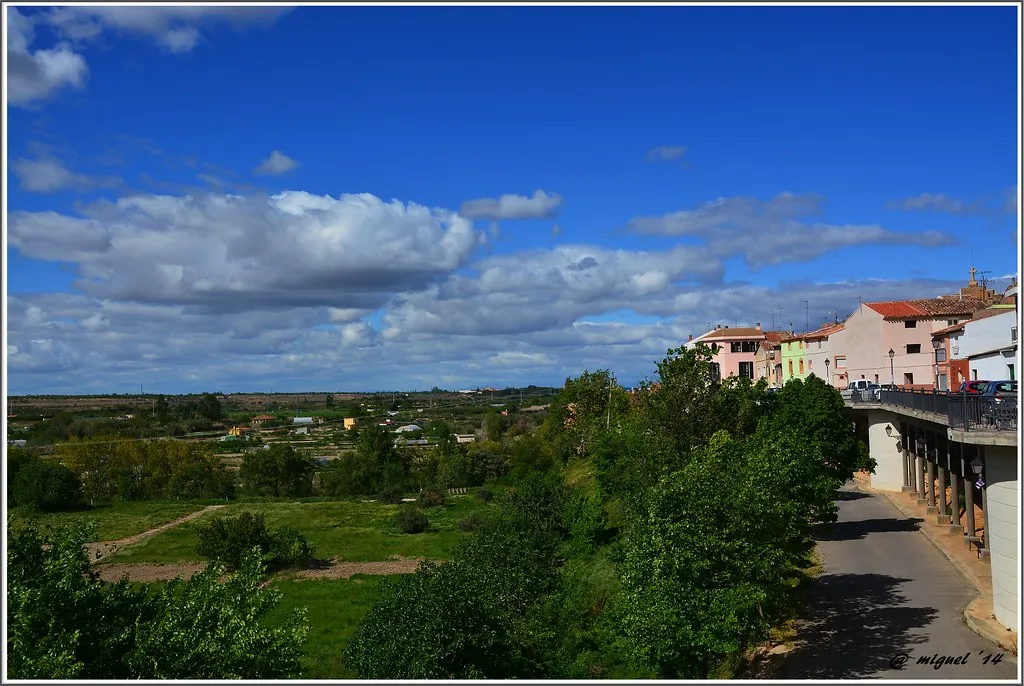
The irrigation channels start talking at dawn. Metal gates clank open, water rushes into lettuce rows, and somewhere a tractor coughs into life. By the time Ribaforada’s single bakery pulls its first tray of croissants from the oven, the river has already decided the day’s rhythm. This is not a village that performs for visitors—it’s one that gets on with living, and the curious traveller gets to watch.
A Grid of Brick and Water
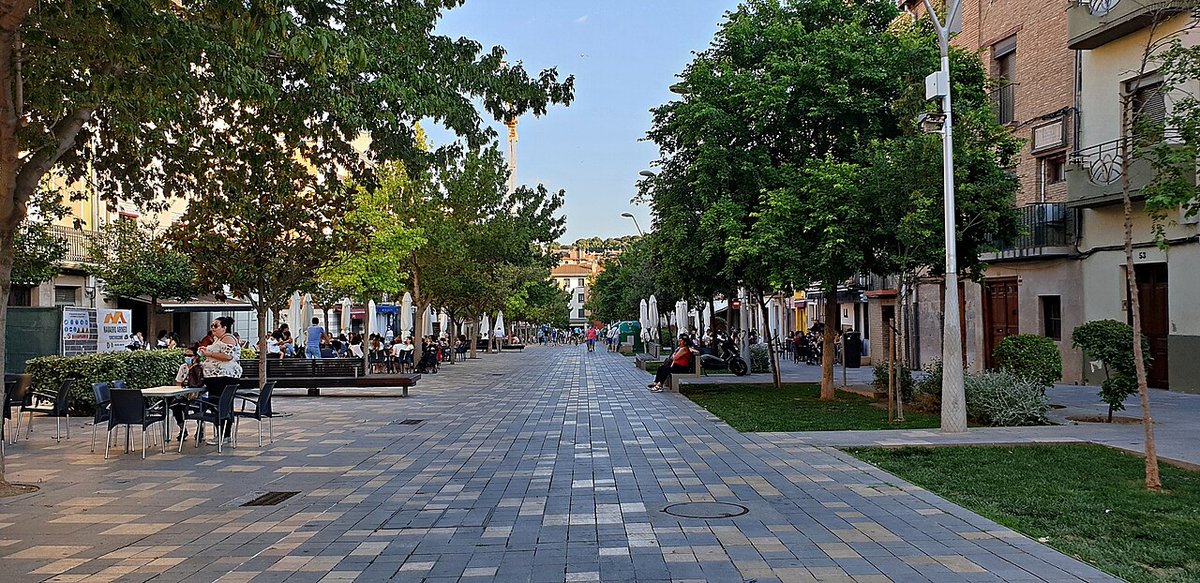
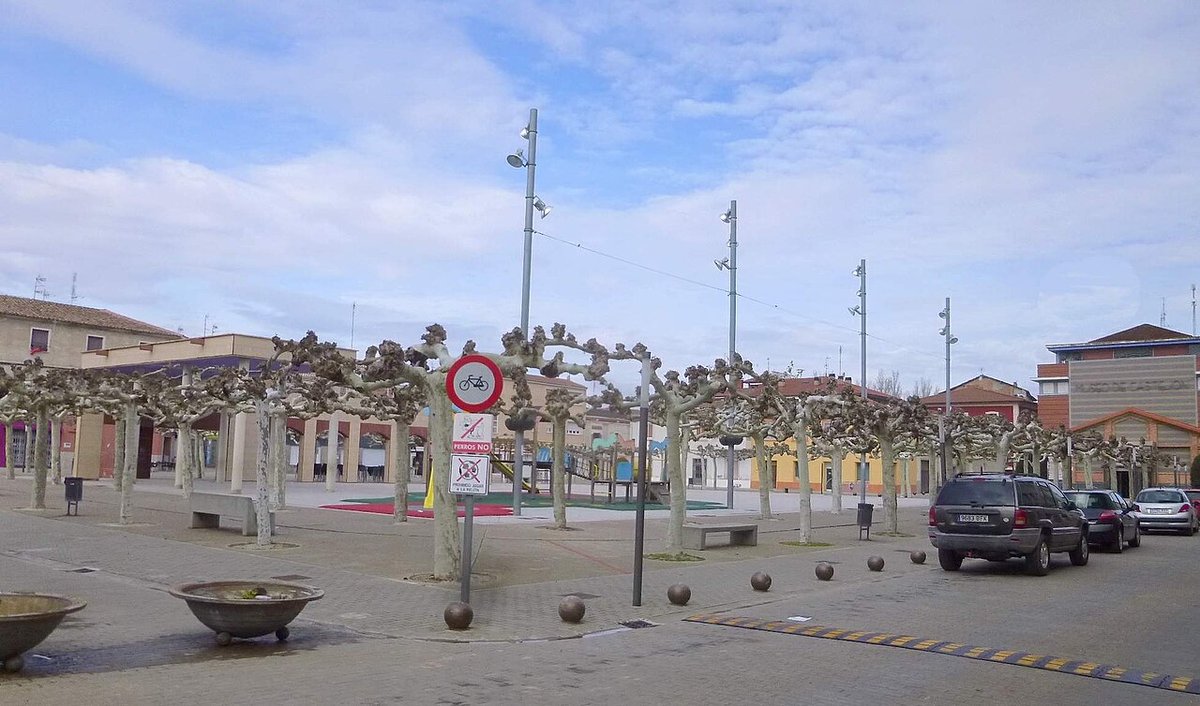
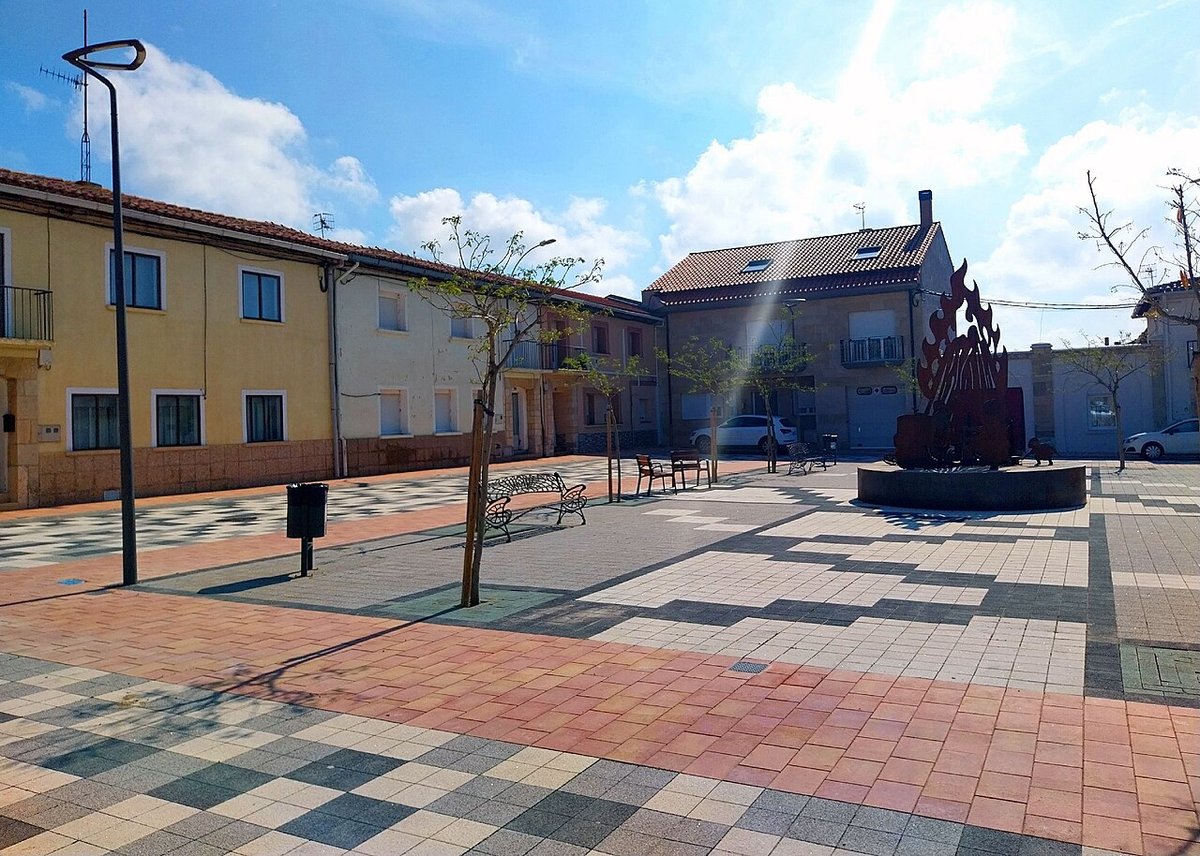
Stand in the Plaza de España at eight in the morning and you’ll see the same three-act play that runs every weekday. Act one: parents walk children to the primary school on Calle Mayor, swapping comments about last night’s rainfall. Act two: the 08:14 bus to Tudela wheezes in, collects three teenagers and an elderly woman with a wheeled shopping basket, then leaves. Act three: the bar on the corner lifts its shutter, the smell of coffee drifts across the square, and someone parks a muddy quad bike beside the stone cross. It lasts twenty minutes, tops, but it tells you everything about how the place functions.
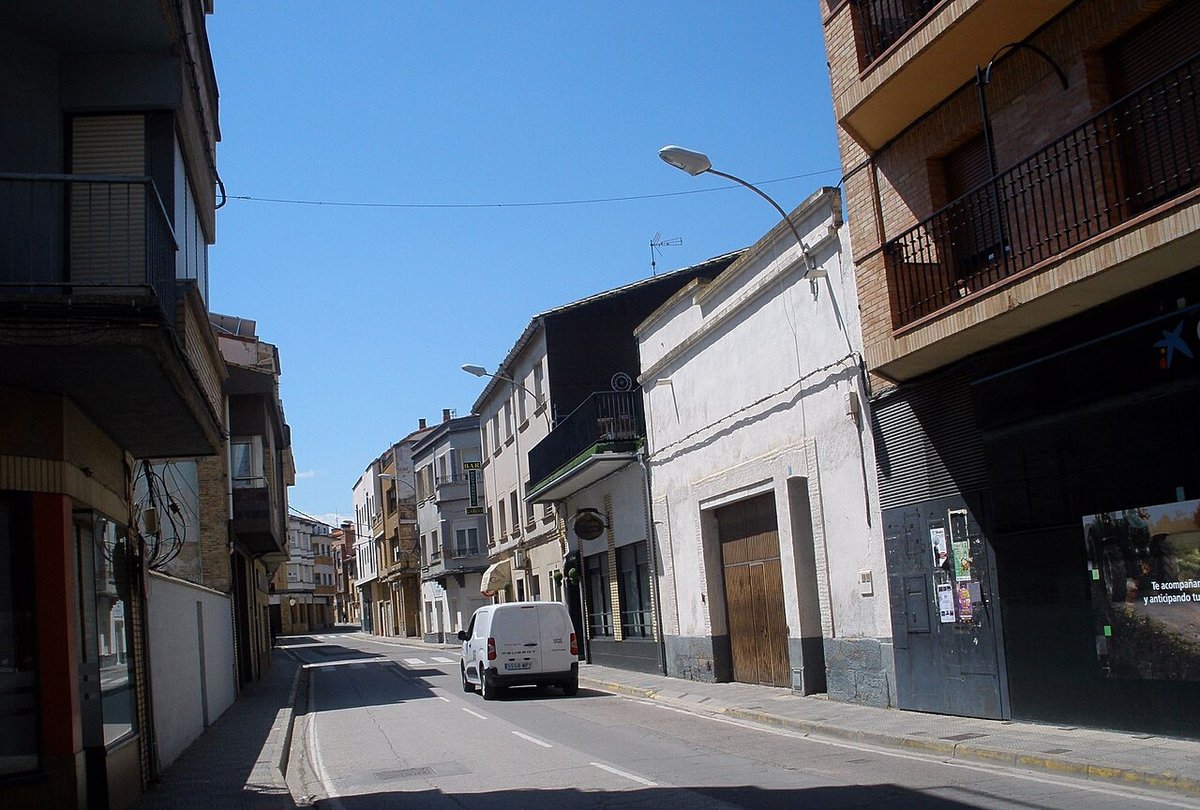
The streets were laid out long before traffic engineers existed, so they narrow and widen without apology. One moment you’re on a lane wide enough for a donkey; the next you spill into a sunlit patch where three houses have pooled their back patios and a single fig tree grows through the pavement. Brick is the local material—hand-made, slightly irregular, the colour of toasted bread—and every third facade still carries the painted name of a long-closed shop: “Ferretería La Union, 1957” or “Colonial, Ultramarinos y Vinos”. The paint fades a little more each year, but nobody sand-blasts it away; the village memory is brick-deep.
The Church that Refuses to Show Off
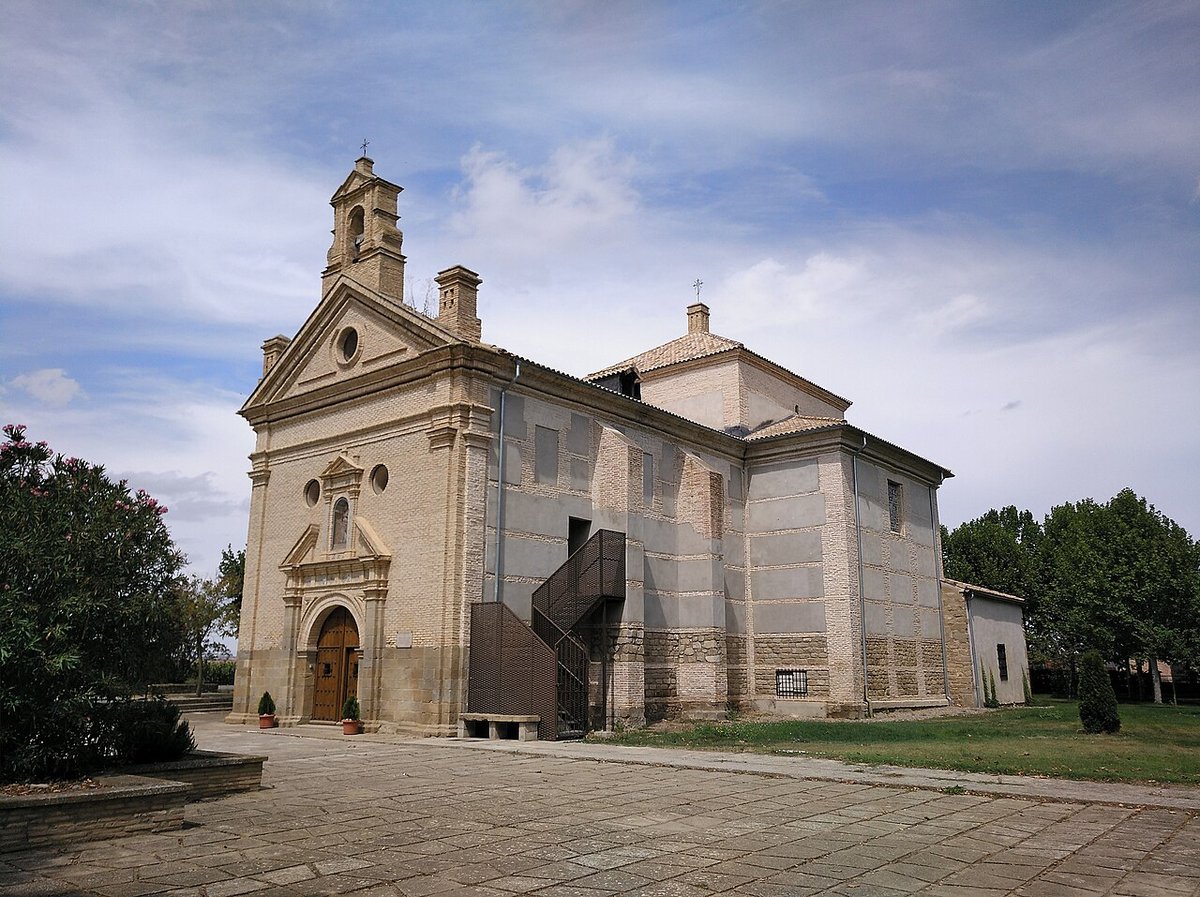
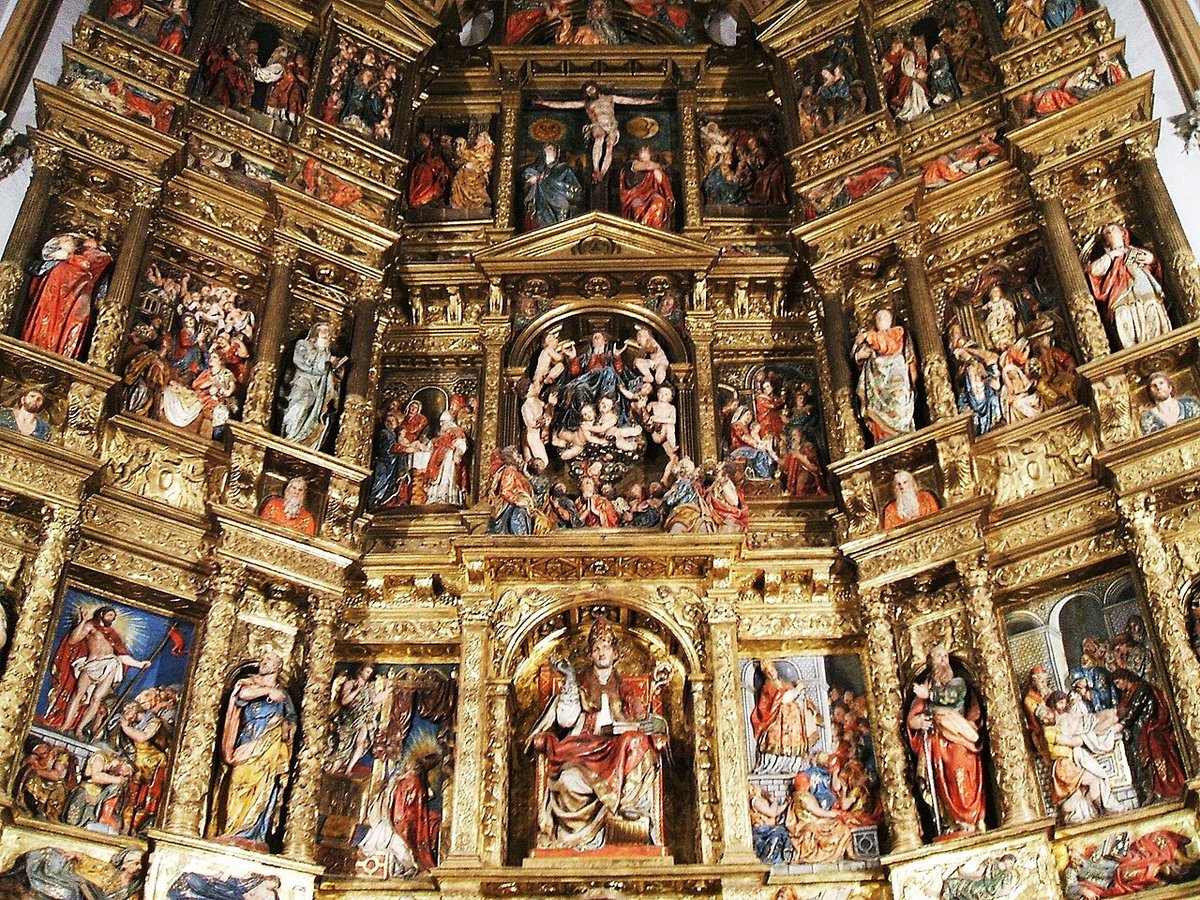
Santa María looks ordinary from the outside: a square tower, a wooden door, a couple of swallows’ nests wedged under the eaves. Push the heavy iron handle around 11 a.m. and you’ll catch the caretaker finishing his coffee before he clocks off. Inside, the building suddenly becomes a timeline. A 16th-century Gothic arch crashes into a Baroque chapel, which then gives way to a Neo-classical altarpiece that someone painted a shade of municipal green in 1973. The caretaker will point out the charred beam from the 1936 fire if you ask, but only after he’s complained about the cost of heating in winter. Entry is free; leaving a euro in the box keeps the lights on.
Lunch Arrives by Lorry, Not by Instagram
There is no tasting menu, no chef with a tattoo sleeve, no slate plate in sight. What there is, instead, is a white van that pulls up to the market square every Tuesday and Thursday with “Huerta de Navarra” stencilled on the side. From the back come boxes of artichokes still wearing their dusting of field soil, pimentos whose skins buckle slightly because they were picked yesterday, and tomatoes that actually smell of leaf and sun. The village bars buy first; whatever is left is sold to anyone holding a reusable bag.
Order the menú del día at Bar Río—€12 including wine—and the asparagus will arrive in a puddle of egg, the lamb shoulder will have been braised in a clay pot overnight, and the pudding will be cuajada (sheep’s-milk junket) with a drizzle of local honey. You can ask for the wine list, but the waiter will simply lift the bottle he’s already half finished and raise an eyebrow. Say yes.
Flat Roads, Sharp Sun
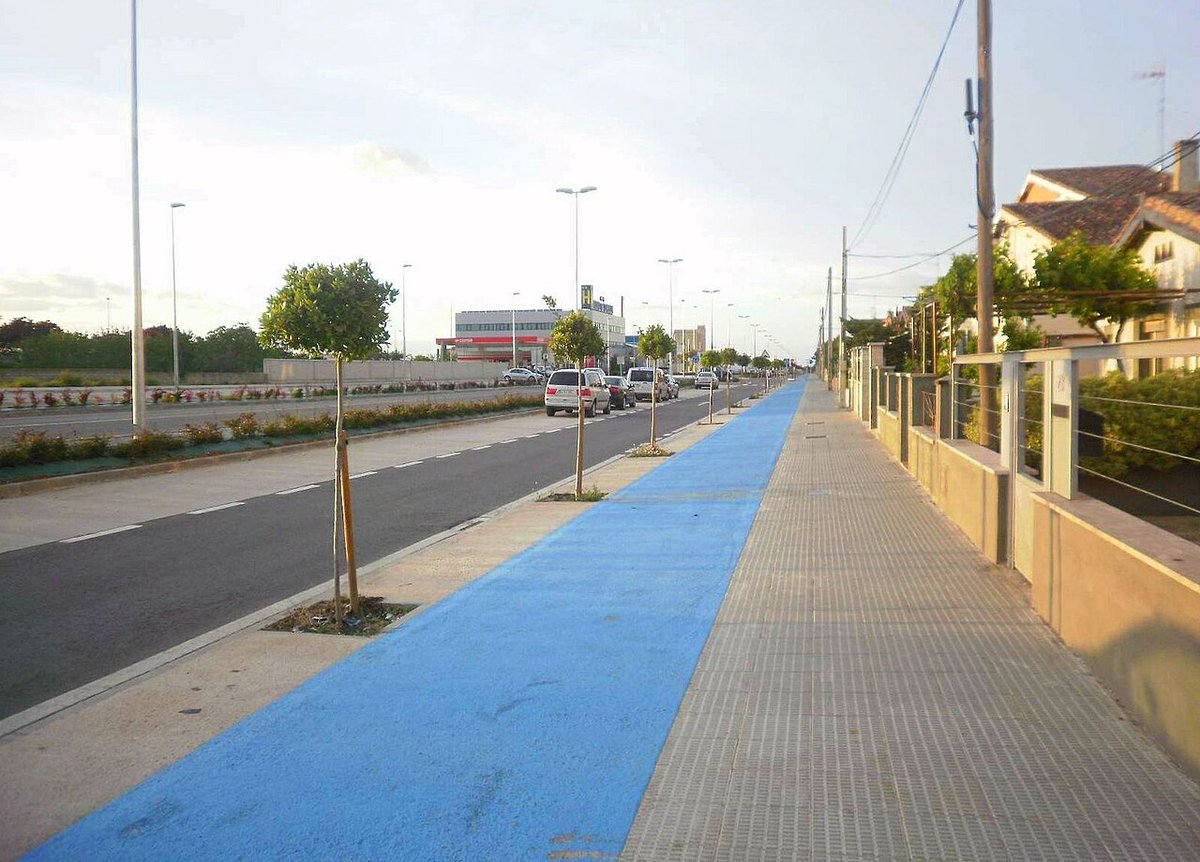
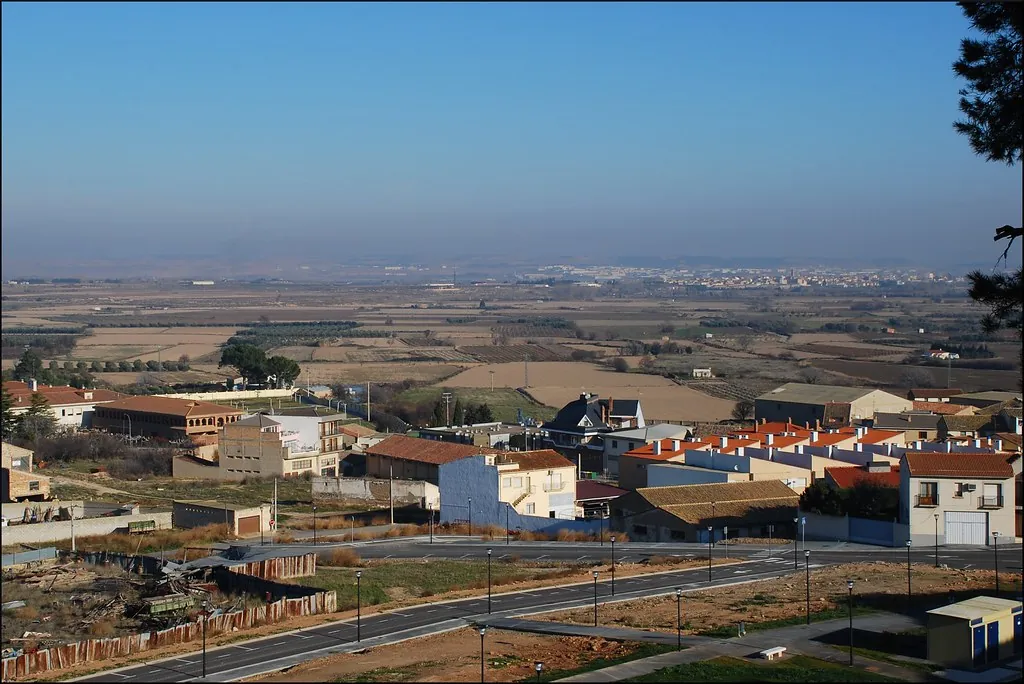
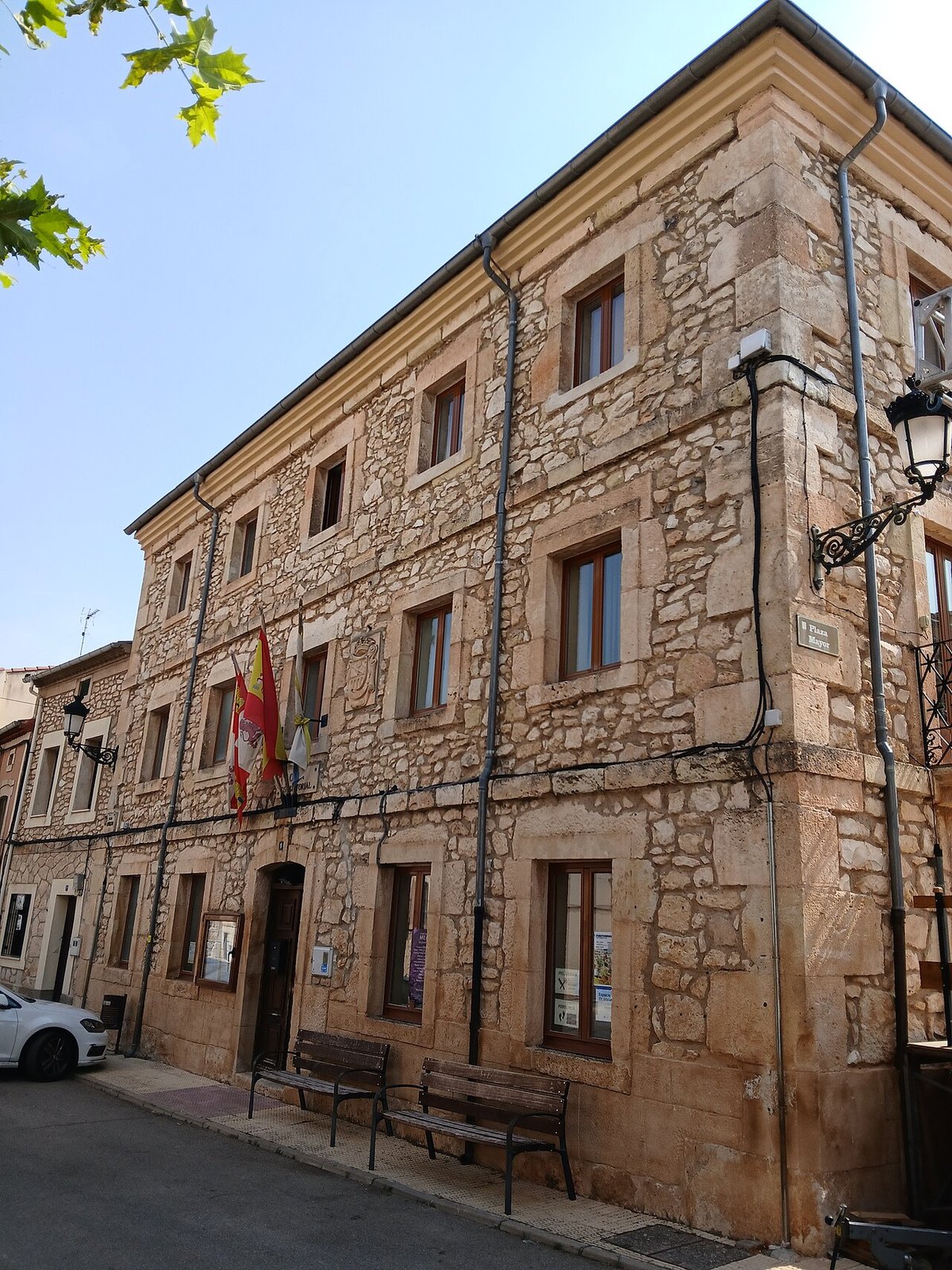
The Ebro has spent centuries depositing silt, so the countryside around Ribaforada is table-top flat. That makes it perfect for gentle cycling, lethal for forgetting sunscreen. Pick up a free map from the town hall (open 09:00-14:00, knock loudly) and you’ll see three signed loops: 6 km, 12 km, 24 km. All follow irrigation ditches known as “canales”; all are tarmac firm enough for a hybrid bike; none offer shade between kilometre two and kilometre five. In April the ditches brim with yellow iris and the air smells of wet earth and rocket flowers. By late July the water level drops, the iris are replaced by dried thistle, and the only sound is the hiss of sprinklers. Rent bikes at the petrol station on the NA-6030—€15 a day, leave your passport as deposit—and start early. The 24 km loop reaches the ruins of an 11th-century watchtower at Corraliza; take water because there’s no bar until you roll back into the square.
When the Village Lets Its Hair Down
Fiestas patronales begin on the first weekend of August and run for five days. The programme is printed on a single A4 sheet taped to every lamppost; times are approximate. Expect a paella for 800 people cooked in a pan the diameter of a tractor tyre, a children’s foam party in the bullring at midnight, and a brass band that plays “Eye of the Tiger” with enough enthusiasm to overcome any lack of tuning. The bars stay open until the Guardia Civil remind landlords that some people do need to sleep. If you dislike crowds, come instead for Semana Santa: two processions, complete with hooded nazarenos, drum rolls echoing off the walls, and a silence so complete you can hear the candle wax drip.
The Honest Catch
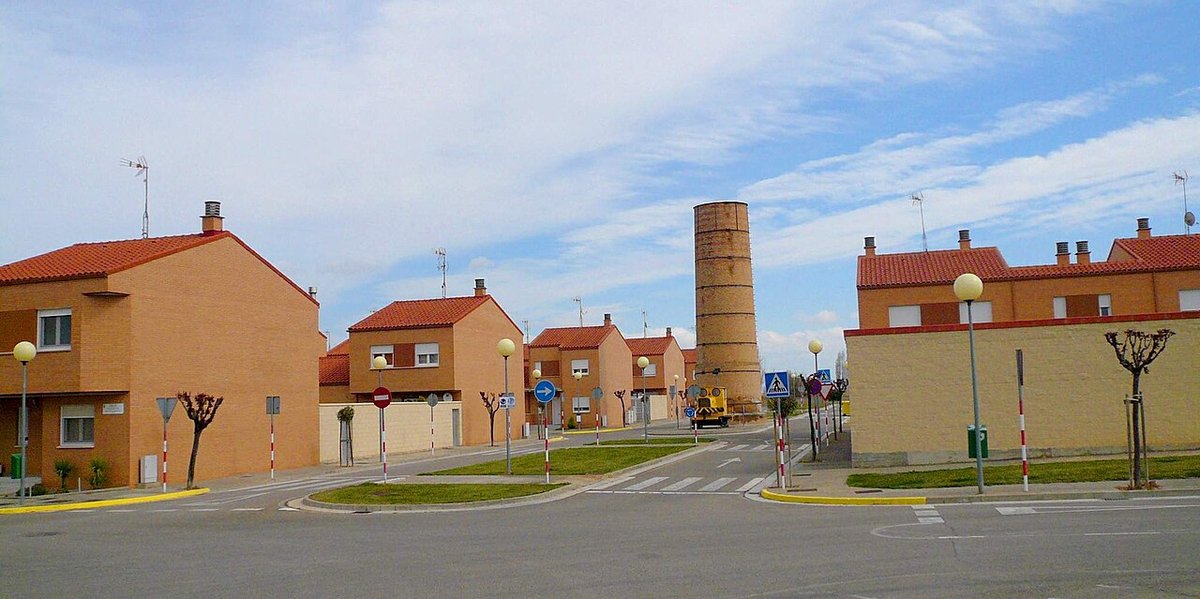
Ribaforada will not dazzle anyone hunting for medieval cobblestones or Moorish castles. The centre is modernised in patches—ugly aluminium shutters next to carved wooden balconies—and the outskirts dissolve into a scatter of prefabricated warehouses. You can see the whole place in half a day, less if you walk fast. What it does offer is an unfiltered look at how a small Ebro community negotiates the 21st century: solar panels on 19th-century roofs, teenagers on TikTok while their grandparents still irrigate by hand, a bakery that refuses to open before 07:30 because “the dough isn’t ready and we’re not a service station”.
Arrive with modest expectations and a willingness to fall in with village hours. Park on the signed gravel strip behind the health centre (free, no height barrier). Bring a hat between May and September. And when the irrigation channels start talking at dawn, listen—they’re explaining why Ribaforada is still here.