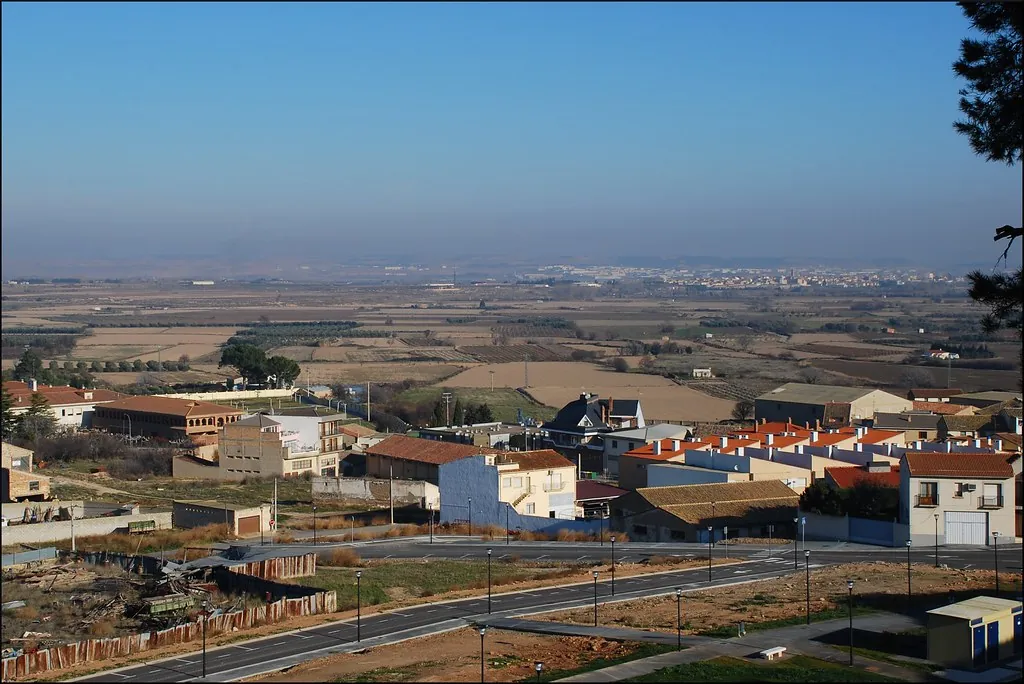
Vista aérea de Santacara
Instituto Geográfico Nacional · CC-BY 4.0 scne.es
Navarra · Kingdom of Diversity

Santacara

The thermometer on the car dashboard reads 38°C as you pull off the A-68. Santacara appears not with a dramatic reveal but as a slight ripple in th...

874 inhabitants · INE 2025
330m Altitude

Why Visit

Roman city of Cara Archaeology

Best Time to Visit

summer

Assumption Festival (August) agosto

Things to See & Do
in Santacara

Heritage

  • Roman city of Cara
  • Castle Tower

Activities

  • Archaeology
  • Walks around the nearby Pitillas lagoon

Festivals
& & Traditions

Fecha agosto

Fiestas de la Asunción (agosto)

Las fiestas locales son el momento perfecto para vivir la autenticidad de Santacara.

Full Article
about Santacara

It holds the ruins of the Roman city of Cara and the tallest tower of a ruined Navarrese castle.

Ocultar artículo Leer artículo completo

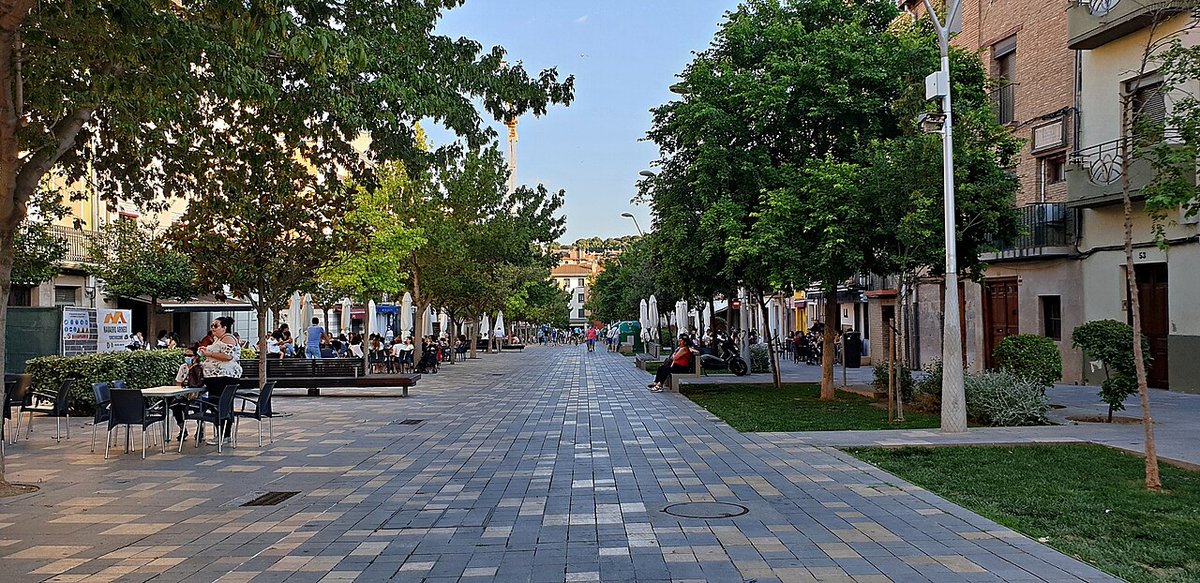
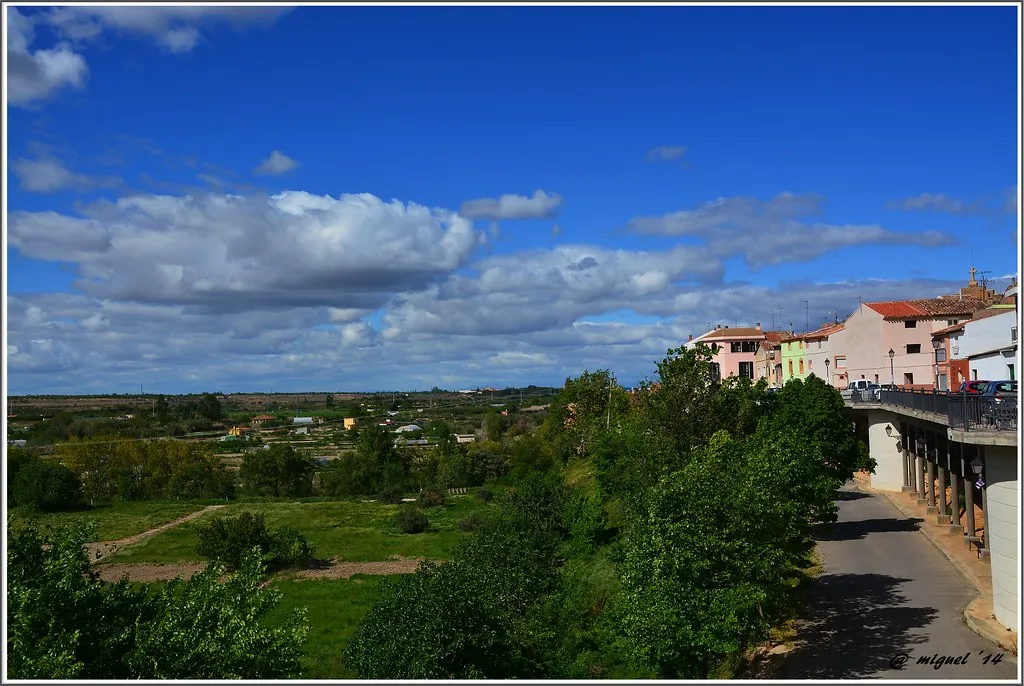
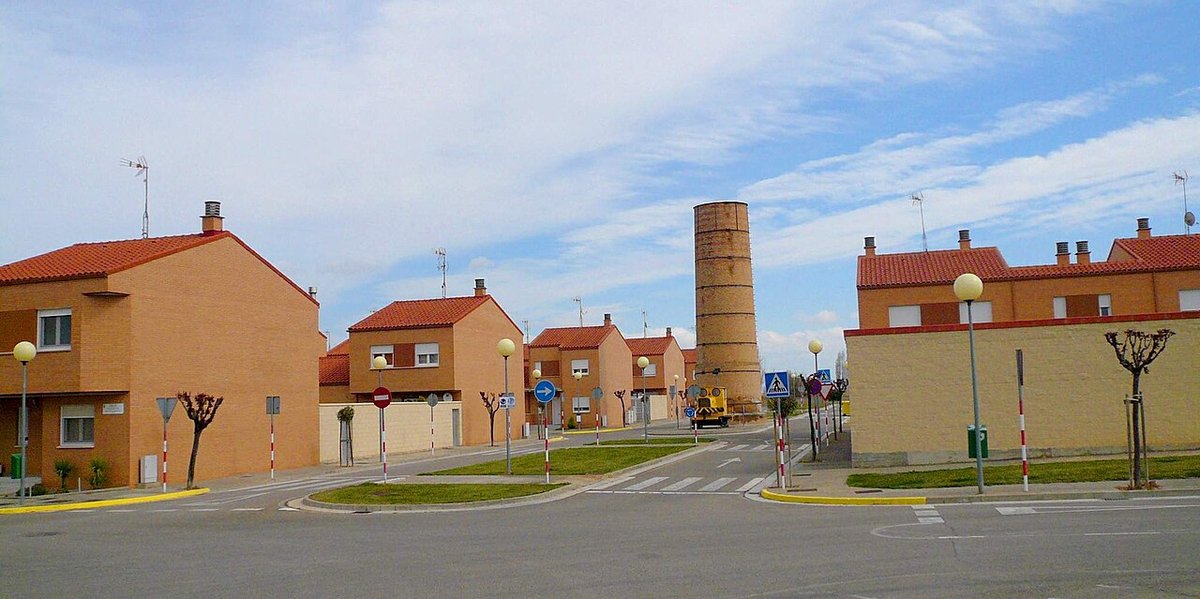
The thermometer on the car dashboard reads 38°C as you pull off the A-68. Santacara appears not with a dramatic reveal but as a slight ripple in the wheat—stone houses, a church tower, and the unmistakable sense that you've left the motorway one exit too early. At 330 metres above sea level, the village sits low enough to collect every degree of summer heat the Ribera de Navarra can muster, yet high enough that the Pyrenees remain a pale watermark on the northern horizon.

A Village That Measures Time by Harvests, Not Clocks

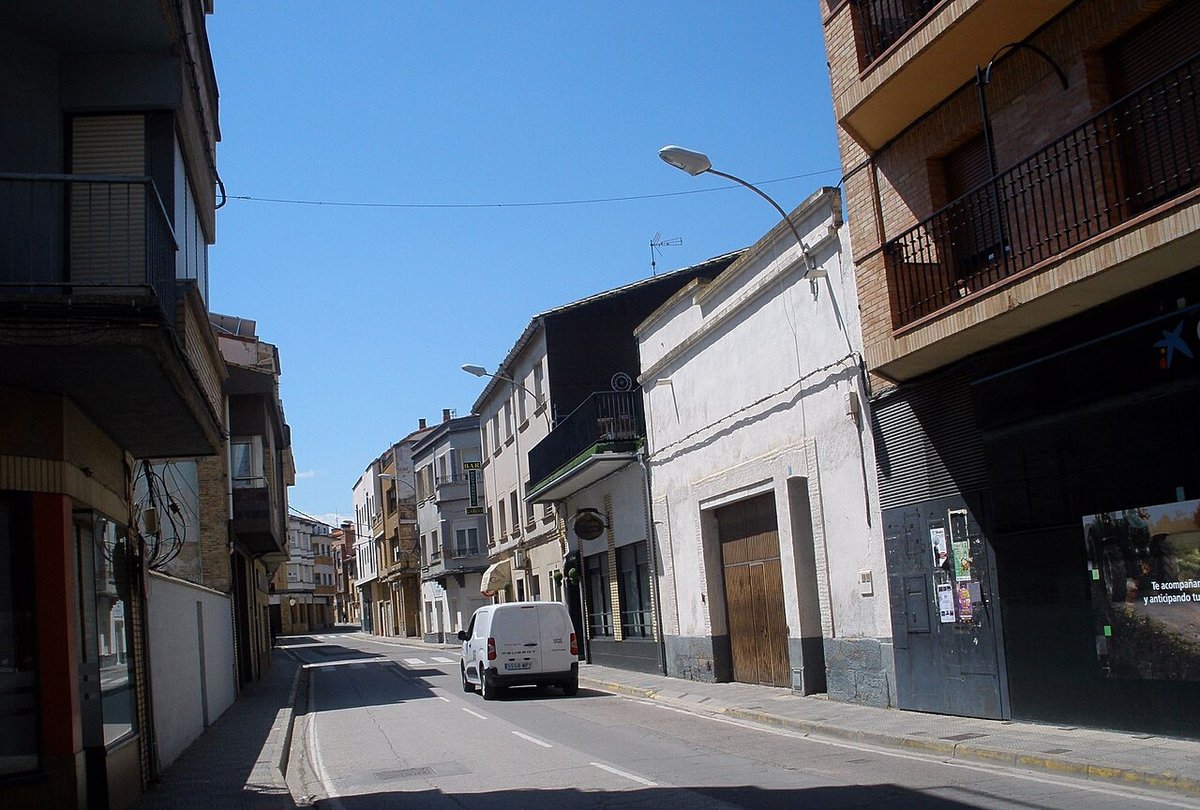
863 people live here. The number fluctuates with the agricultural calendar, swelling when labourers arrive for the cereal harvest and shrinking when the last stubble field is ploughed under. There's no tourist office, no gift shop, no medieval quarter restored with EU funds—just a grid of short streets that takes precisely eleven minutes to walk end-to-end, timed by the church bell that strikes the quarters.

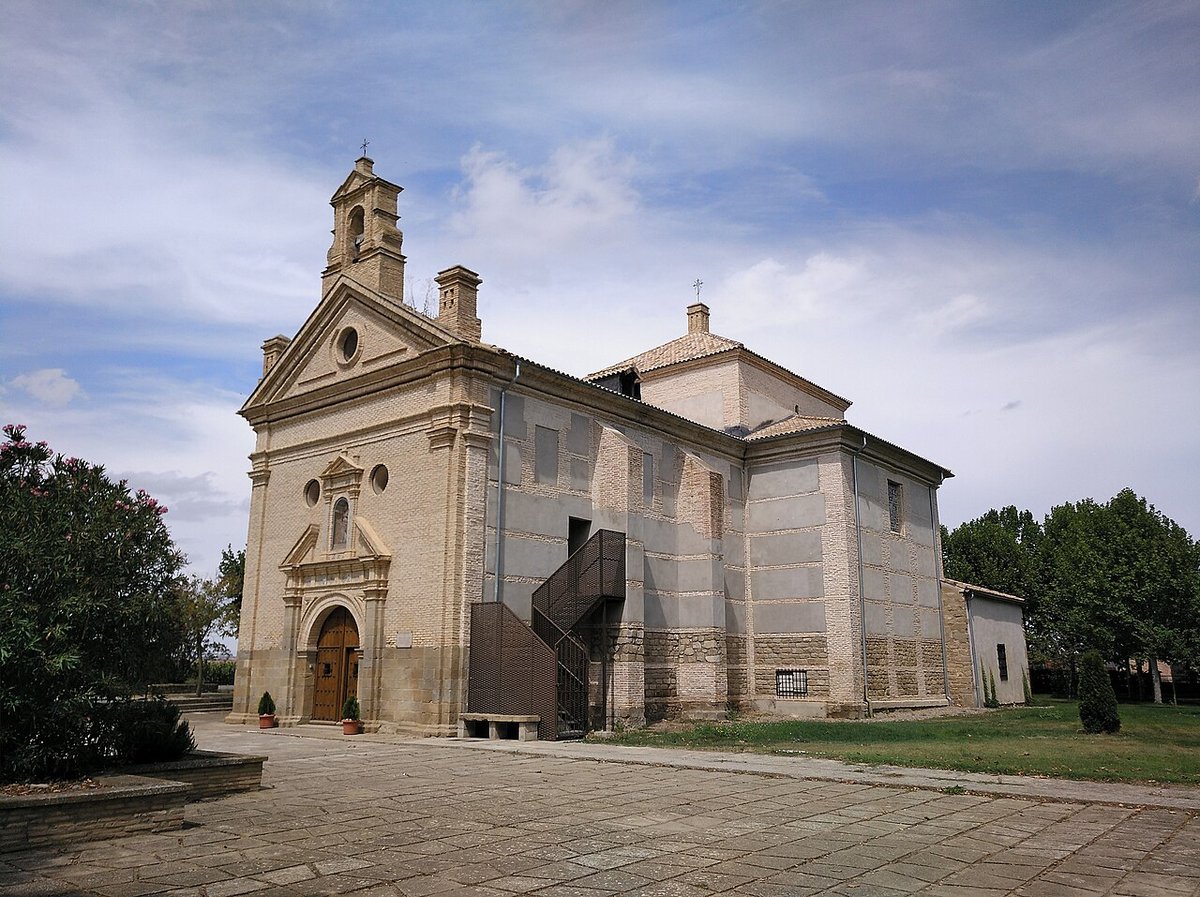
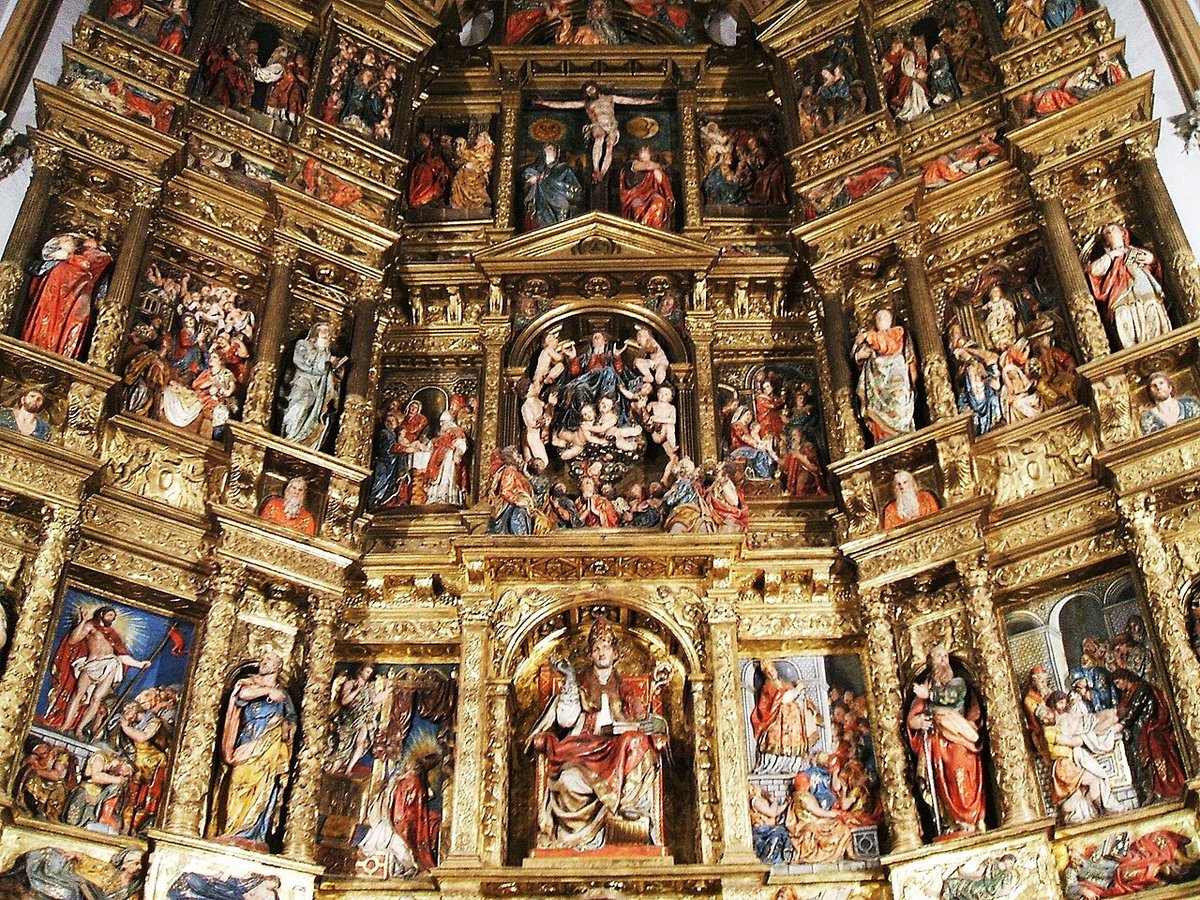
San Félix church anchors the settlement. Its tower, rebuilt after lightning in 1892, serves as the local lighthouse; step out of the single bar at closing time and you navigate by it. Inside, the nave is refreshingly plain—no gilded excess, just thick walls that remember when this land sat on the fault-line between Christian Navarre and Moorish Zaragoza. Look for the faint Roman brickwork recycled into the south wall: a quiet confession that even here, nothing starts from scratch.

Farmhouses line the adjacent lanes. Many carry stone shields above doorways, not aristocratic coats of arms but 19th-century merchant marks—symbols of families who shipped wheat down the Ebro to Tudela and brought back mahogany for sideboards they could now afford. The wood has cracked, the iron grills have rusted, yet the houses still face south-east to catch the winter sun, a habit older than any passport.

Heat, Horizon and the Smell of Straw

Leave the tarmac and the plain hits you like a hair-dryer. Santacara is ringed by a patchwork of dry-farmed wheat and irrigated maize that depends on a canal siphoned off the river Aragón three kilometres away. In April the wheat glows almost emerald; by late June it has bleached to the colour of digestive biscuits. There are no footpath signs, only the tracks left by John Deere tractors. Pick one, walk ten minutes, and the village shrinks to a Lego cluster while the sky expands until it feels faintly oppressive.

This is not hill-walking country. The gradient is so gentle you barely notice the slope, yet the horizon keeps retreating, a practical lesson in perspective. Cyclists like the emptiness—roads are straight, traffic is negligible, and the only hazard is the occasional loose dog that has learned to chase anything quieter than a combine harvester. Birdlife compensates for the lack of drama: calandra larks rise in song flights, and in winter hen harriers quarter the stubble like grey ghosts. Bring binoculars; shade is non-existent.

The river itself is reachable by a farm track that deteriorates into ruts. Approach early morning when mist lifts off the water and the poplars provide the only natural canopy for miles. Kingfishers flash turquoise, and if the water is low you can make out the outline of Cara, a Roman mansio that once gave the village its prefix. No ticket booth, no interpretation board—just foundation stones poking through wild rocket, free to anyone prepared to swat mosquitoes.

Lunch Options: Lower Expections

Hunger presents a problem. The single bar, Casa Félix, opens at 7 am for field workers and closes once the tortilla runs out—usually around 3 pm. A plate of migas—fried breadcrumbs scattered with grapes and morcilla—costs €8 and arrives in portions big enough to keep you walking until dusk. Ask for a menu and the owner will gesture at a chalkboard so brief it could fit on a postcard. Vegetarians get eggs; vegans get reminded they are in Spain. Cold beer comes in 33 cl bottles kept in a chest freezer; accept it, because the nearest alternative is a roadside grill on the N-232, 18 kilometres east, where truck drivers queue for charcoal-grilled lamb cutlets that smell better than they taste.

If you need to sleep, Santacara offers precisely zero accommodation. The village logic assumes visitors stay in Tudela, twenty minutes by car, where Hotel Aire de Bardenas provides infinity-pool views of the semi-desert. Book ahead in August, when Santacara’s own fiestas honour San Félix with brass bands that rehearse until 2 am and fireworks that terrify every dog within a ten-mile radius. For three nights the population triples, litter bins overflow, and someone inevitably drives a tractor into the plaza at 4 am with a bride on the passenger seat. It’s the liveliest the village gets; it’s also when you’ll be happiest to escape back to a quiet hotel elsewhere.

When to Cut Your Losses

Come in late May if you can. Temperatures hover around 24°C, wheat heads ripple like animal fur, and the air smells of chamomile crushed under tyres. Avoid July and August unless you enjoy the sensation of breathing through a warmed-up hair-dryer. Winter is brisk—daytime 10°C, nights just above freezing—and the plain turns a respectable green, but the low sun exposes how relentively flat the landscape is. Photographs taken in December need a filter to look interesting; otherwise every shot resembles an advert for agricultural insurance.

Rain arrives abruptly in spring, usually heralded by a wind that snaps umbrellas before you can open them. Roads flood at the usual dip 500 metres west of the village, cancelling any idea of reaching the river until the water subsides. Take wellies, or simply wait: drainage is efficient, and within two hours the only evidence is a line of straw wrapped round the fence wire like discarded Christmas tinsel.

The Honest Verdict

Santacara will never feature on a postcard rack in Barcelona airport, and that is precisely its point. It offers half a day of gentle curiosity: a solid stone church, some weather-scarred farmhouses, and the chance to walk crop-field tracks until the village looks incidental to the plain that made it. Treat it as a palate-cleanser between the architectural excess of Tudela and the lunar spectacle of Bardenas Reales, not as a destination in itself. Arrive before 11 am, walk until the heat becomes unreasonable, eat migas, drink two beers, and leave by four. You’ll have seen everything, including the realisation that much of rural Spain survives not on tourism but on wheat priced by the tonne and on farmers who still check the weather by looking at the sky, not at an app.

Key Facts

Region
Navarra
District
Ribera
INE Code
31220
Coast
No
Mountain
No
Season
summer

Livability & Services

Key data for living or remote work

2024
ConnectivityFiber + 5G
TransportTrain nearby
HealthcareHospital 19 km away
EducationElementary school
Housing~5€/m² rent · Affordable
Sources: INE, CNMC, Ministry of Health, AEMET

Official Data

Institutional records and open data (when available).

  • Castillo de Santacara
    bic Monumento ~0.8 km
  • Crucero de Santacara
    bic Monumento ~0.6 km

Planning Your Visit?

Discover more villages in the Ribera.

View full region →

More villages in Ribera

Traveler Reviews