Full Article
about Tudela
Capital of La Ribera and Navarre’s second city, noted for its vegetables.
Hide article Read full article
The Bardenas from the Bridge
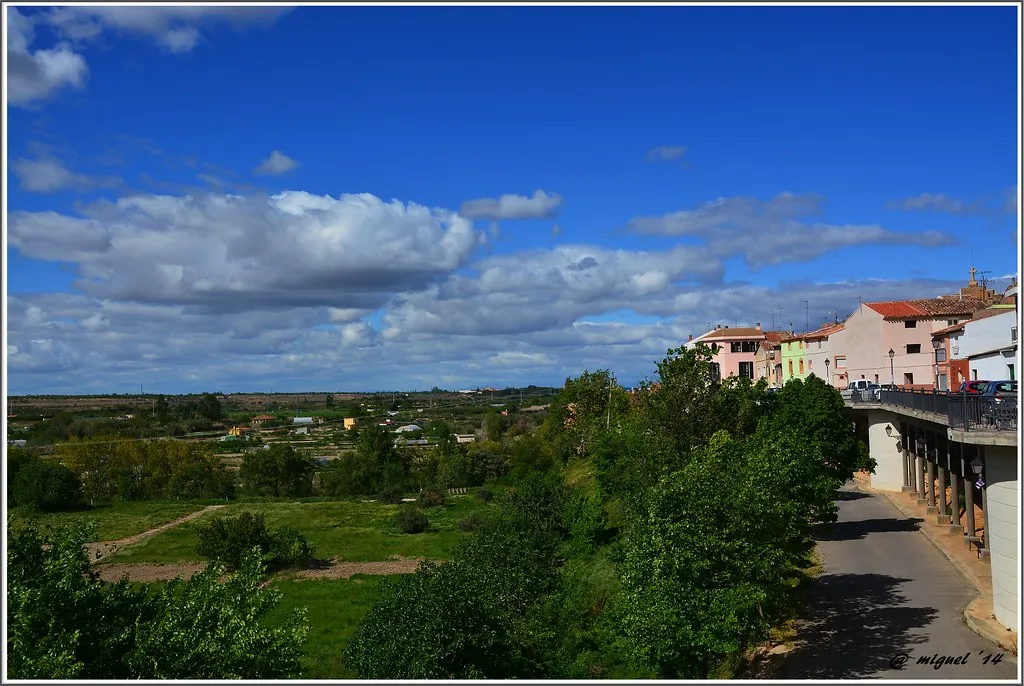
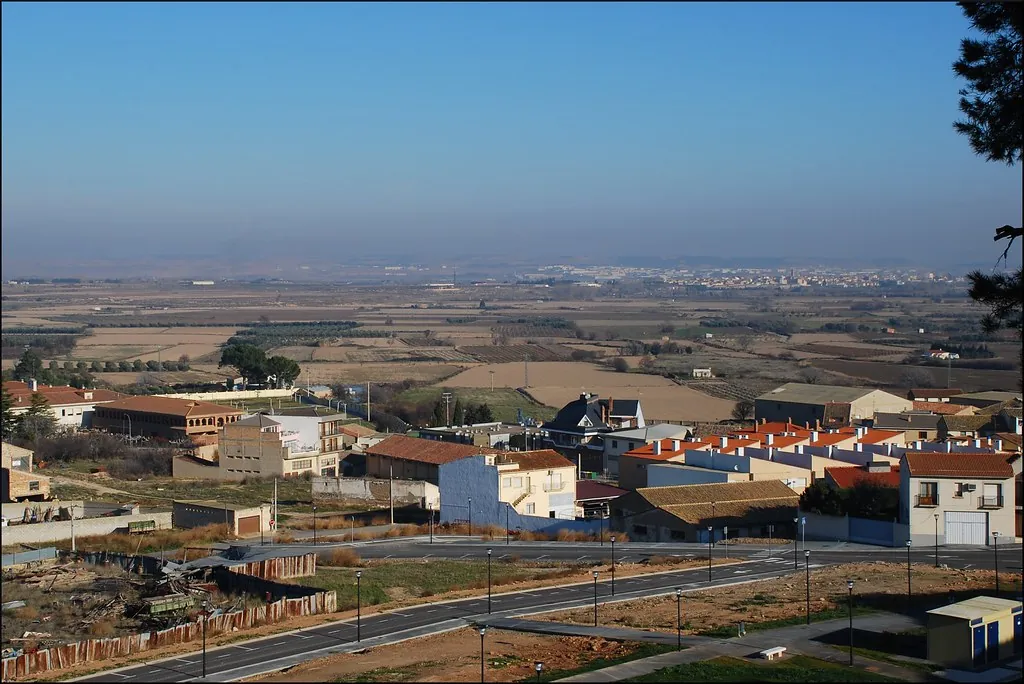
You know that feeling when you drive into a place and the landscape just doesn't add up? That's Tudela. One minute you're following the wide, green line of the Ebro, and the next you're looking out at what can only be described as badlands. From the old bridge, you get it all in one glance: a proper, lived-in city on one side, and on the horizon, a cracked-earth panorama that looks like it's waiting for a cowboy to ride through. It’s a useful introduction. Tudela is a place of layers, not a simple postcard.
The city makes you work for it a bit at first. There's no obvious grand plaza that grabs you. Instead, it starts with the bridge—a solid, no-nonsense medieval structure that has been the main entrance for centuries. It sets the tone. This was a crossroads long before it was a destination, with Muslim, Jewish, and Christian quarters once stacked together in the old town. You can still feel that layered history in the street plan, even if you're just trying to find a place to park.
Where Lunch is the Main Attraction
Let's be honest: for many people, Tudela is a lunch stop. And that's not a bad way to approach it. The city’s identity is tied more to its market gardens than to any single monument. In spring, the conversation everywhere turns to vegetables with an intensity usually reserved for football. Asparagus, artichokes, peas. They’re not ingredients here; they’re the headline.
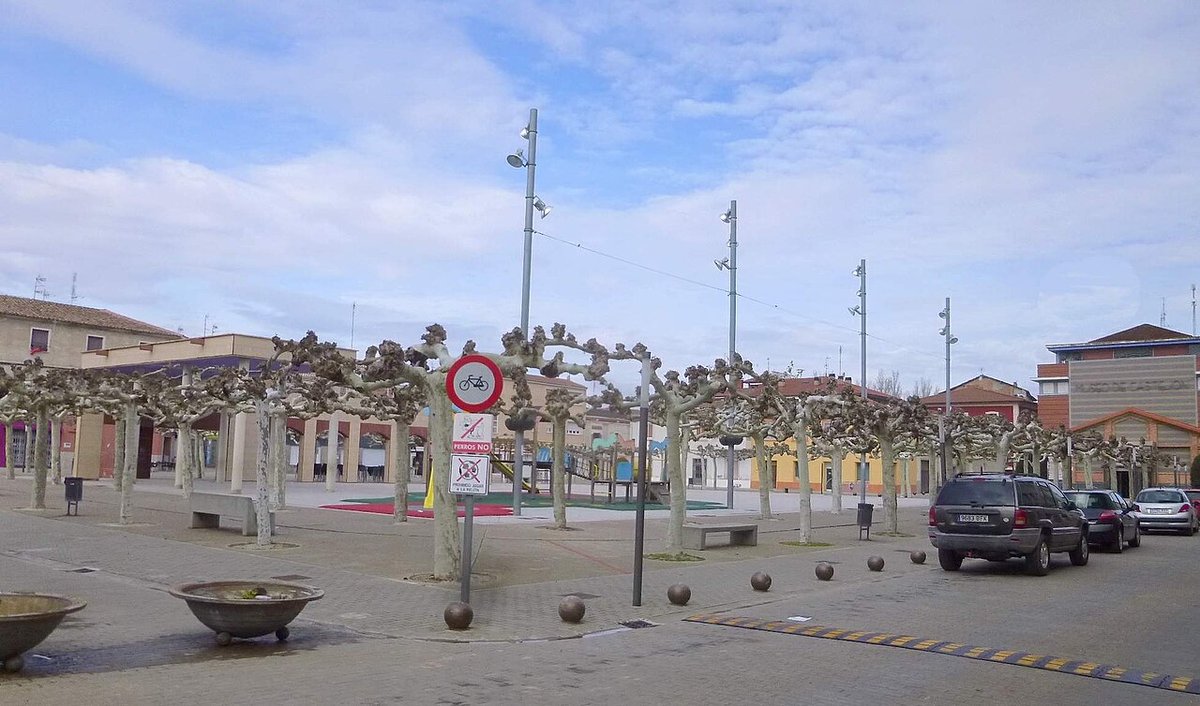
You see it in the Plaza de los Fueros. Someone will be eating a plate of menestra—that slow-cooked vegetable stew—while reading the paper, barely looking down. It’s a practiced ritual. Try it yourself and you'll understand why. The flavours are clear and direct: sweet peas, earthy artichokes, asparagus that actually tastes of something. It recalibrates your idea of humble ingredients.
After eating like that, you walk slower. You notice things you might have missed, like how suddenly the cathedral appears at the end of a narrow street. Its doorway is crowded with carved figures caught in dramatic mid-action, their stone faces frozen in exaggerated judgement or despair. It’s compelling in a weird way, like eavesdropping on an eight-century-old argument.
A Functioning Old Town
Wandering beyond the cathedral, the old quarter feels lived-in rather than restored. You’ll find traces of the old Jewish quarter in street names and the odd plaque, reminders of a community that was gone by 1492. But turn another corner and you might hear jotas spilling out from a local club door, or neighbours debating loudly across a balcony.
It doesn't feel like an open-air museum because it isn't one. People live here. The Torre Monreal offers some perspective on this mix of life and landscape literally upside down thanks to its camera obscura projection inside—a surprisingly effective trick for seeing your surroundings anew.
The Rhythm of Seasons
The city’s calendar has two main beats. In late July, Santa Ana takes over completely. The local peñas flood certain streets with long tables, giant cooking pots, and relentless brass bands. It feels less like public spectacle and more like an entire neighbourhood decided to throw a week-long party in their own backyards. Come spring, the mood settles. Storks clatter on church roofs, the riverside path fills with evening paseos, and everyone seems to be carrying something green and freshly pulled from the earth.
Leaving, you cross back over that same bridge. The view frames everything: the water, the rooftops, the distant dry hills. Tudela doesn't offer easy summaries. It's just there, solid as its bridge, with one foot in fertile river soil and the other in near-desert. You come for lunch and stay for the contrast