Full Article
about Tulebras
Known for the Monasterio de Santa María de la Caridad (Cistercian nuns); first Cistercian foundation in Spain
Hide article Read full article
A village shaped by the land
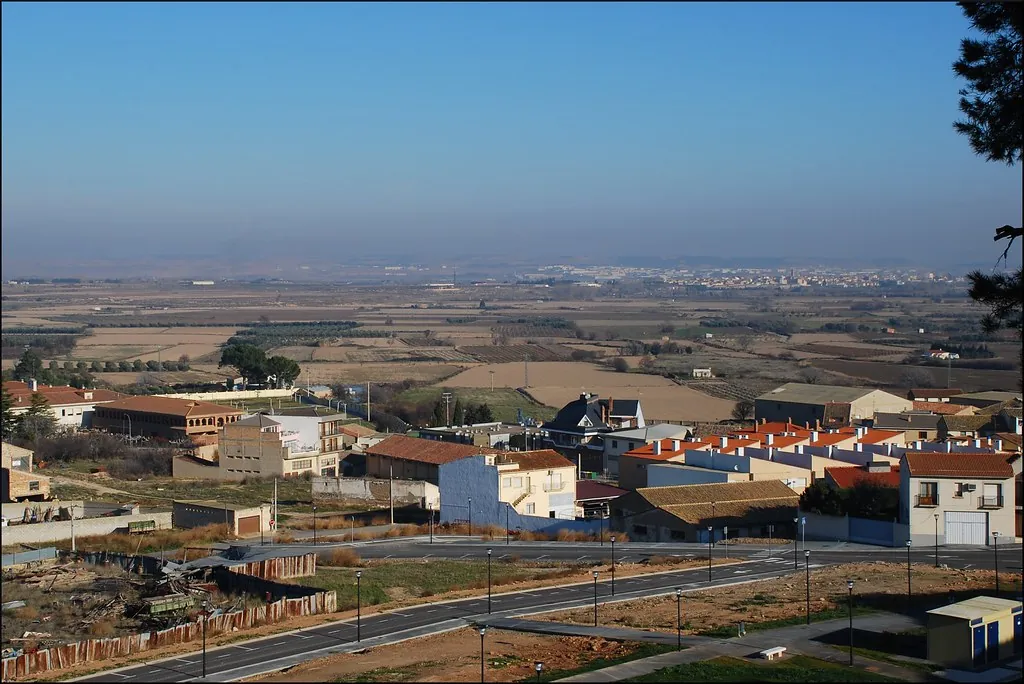
Early in the morning, before any cars come along the road from Tudela, Tulebras sounds like open countryside. A dog barks somewhere in the distance, wind brushes through the poplars lining the irrigation channels, and the smell drifting in from the vegetable plots shifts with the season: damp earth after watering, or fine dust when summer tightens its grip. Tourism in Tulebras has more to do with this agricultural calm than with ticking off landmarks.
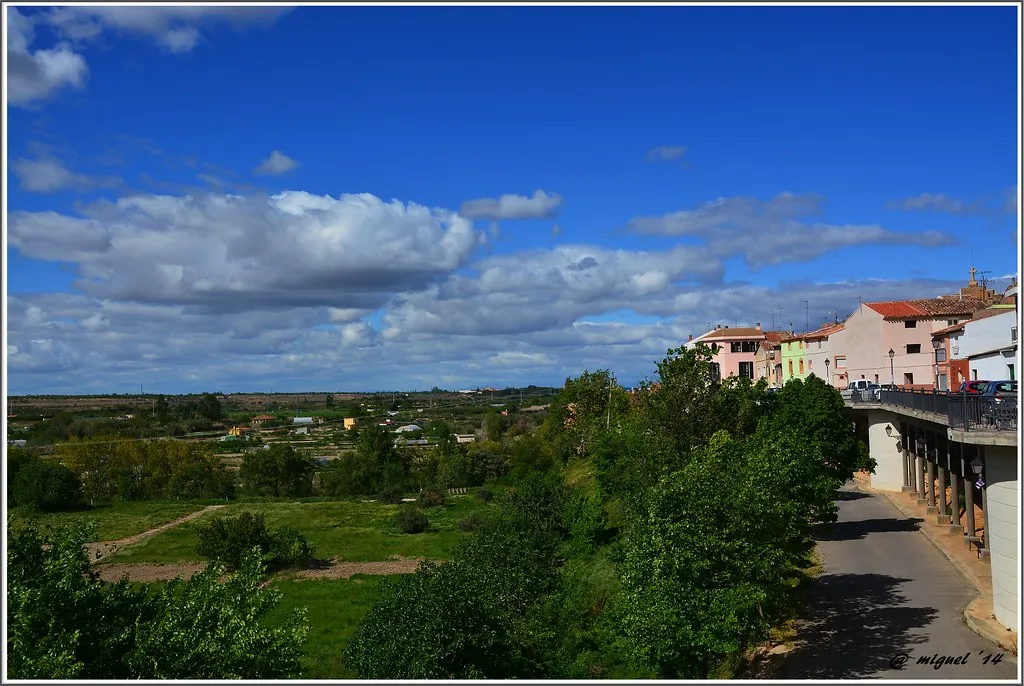
The village sits in the Ribera of Navarra, close to Tudela and not far from the border with Aragón. Just over 150 people live here. Even by local standards it is small, in a region where streets tend to be wide, originally laid out for carts and farm machinery.
The monastery that sets the tone
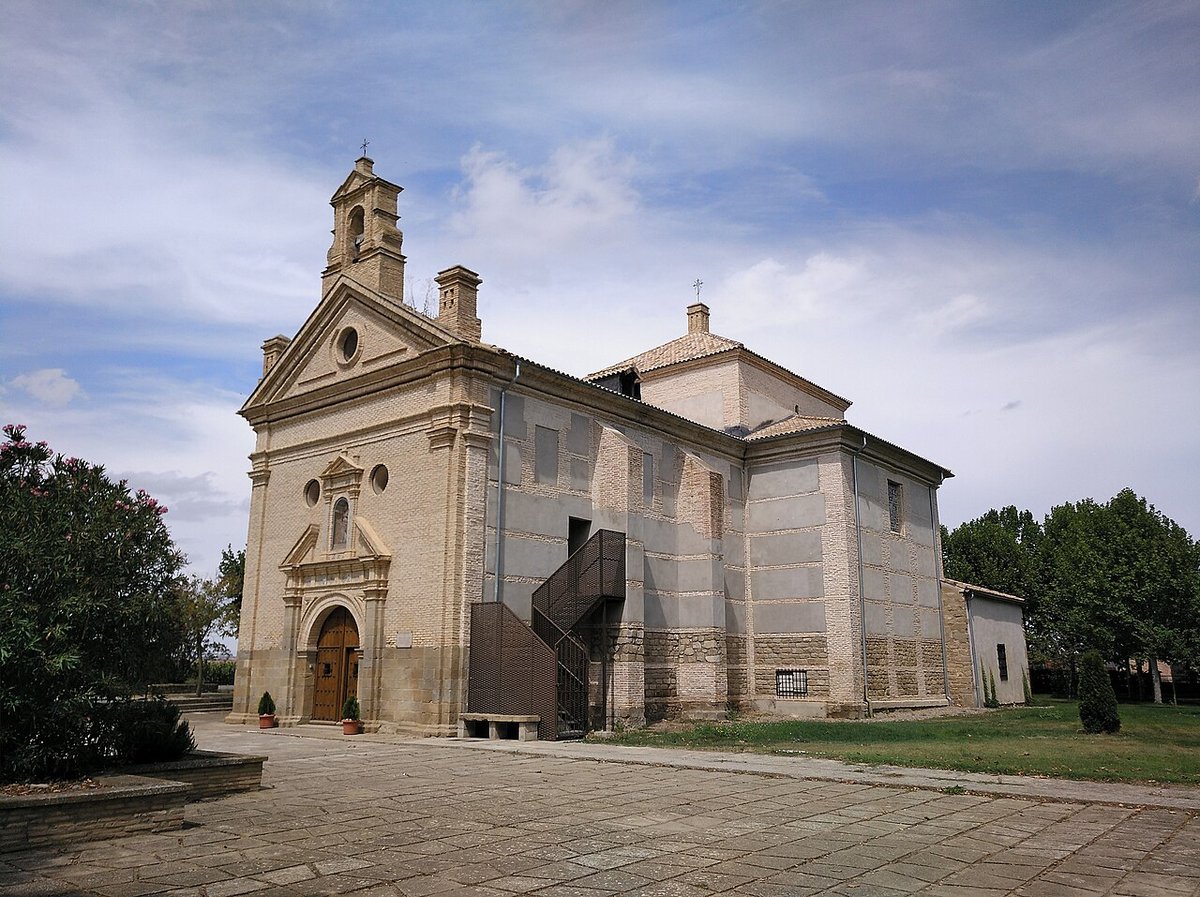
One building explains almost everything: the Monasterio de Santa María de la Caridad. It appears suddenly among the houses, with plain walls and a quiet that is noticeable even from outside. This is a Cistercian monastery still inhabited by a small community of nuns, something that has become unusual today.
Its pale stone reflects the harsh midday light typical of the Ribera. Standing near the entrance for a while, there are moments when a heavy door can be heard closing, or footsteps echoing inside the cloister. Access to the entire complex is not always possible, but the monastery’s presence extends across the village: in the unhurried scale of the streets, in the sense of stillness that lingers even in mid-afternoon.
It is worth checking in advance whether the areas open to visitors are accessible on the day, as opening arrangements can change.
Straight streets and practical homes
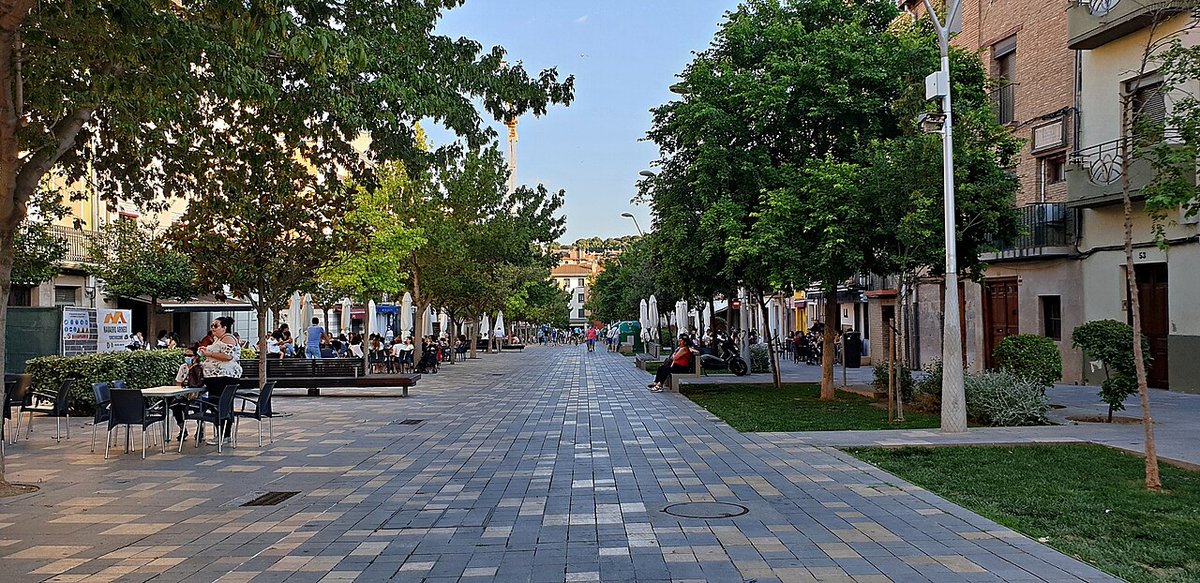
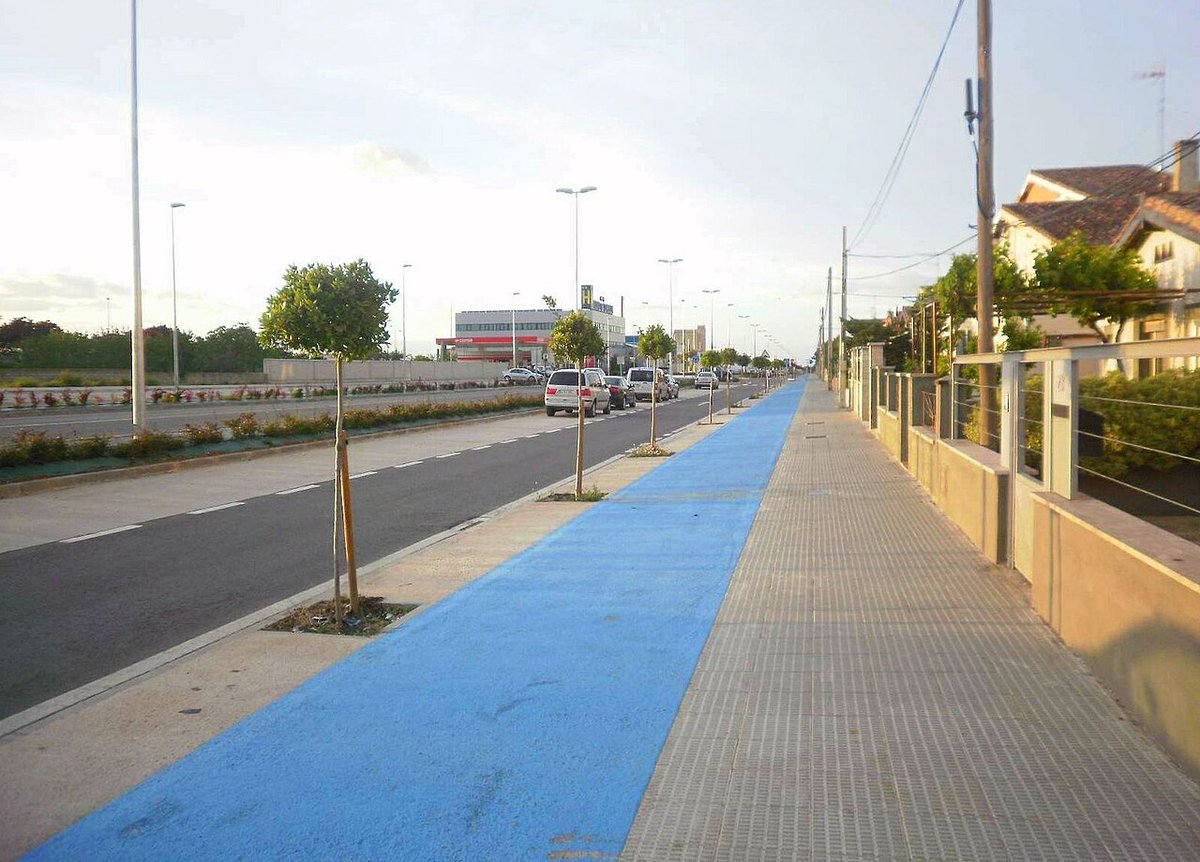
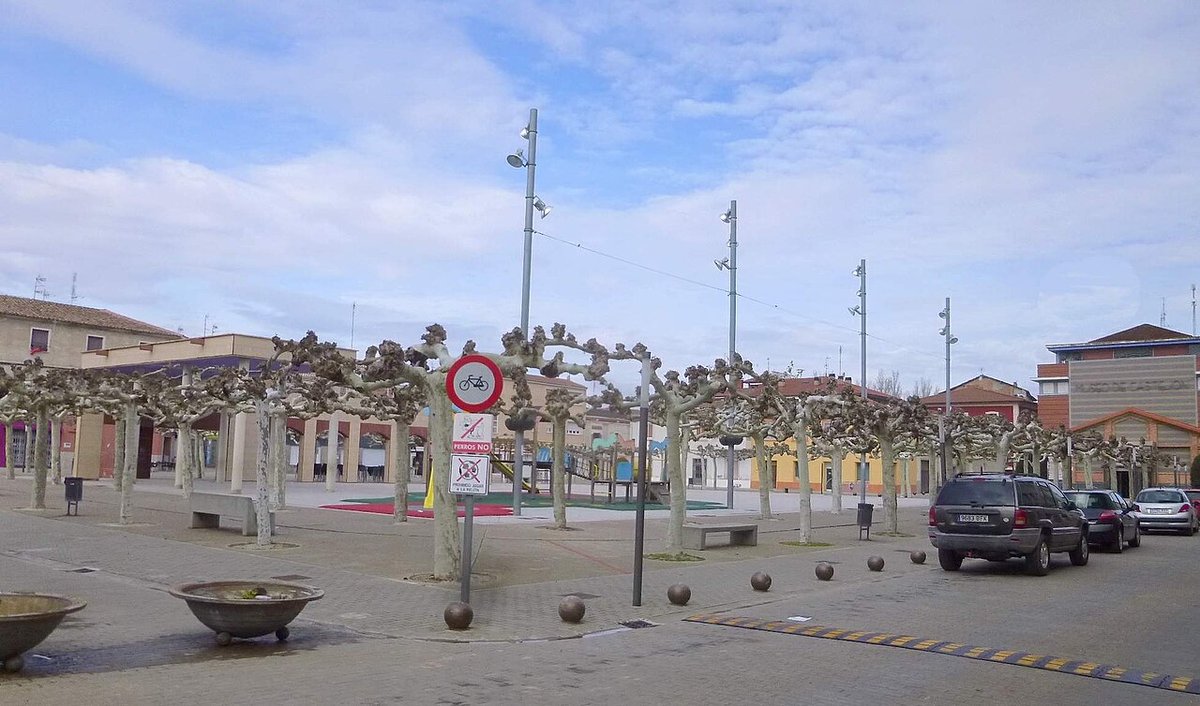
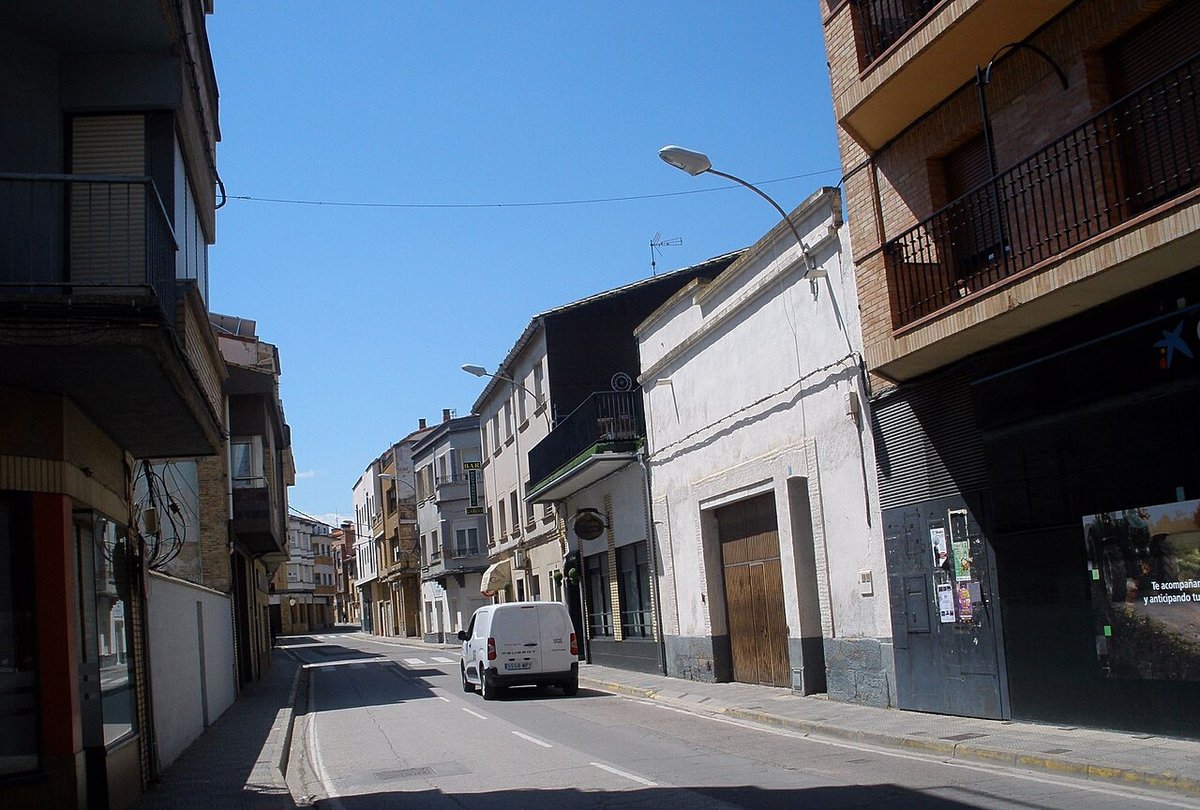
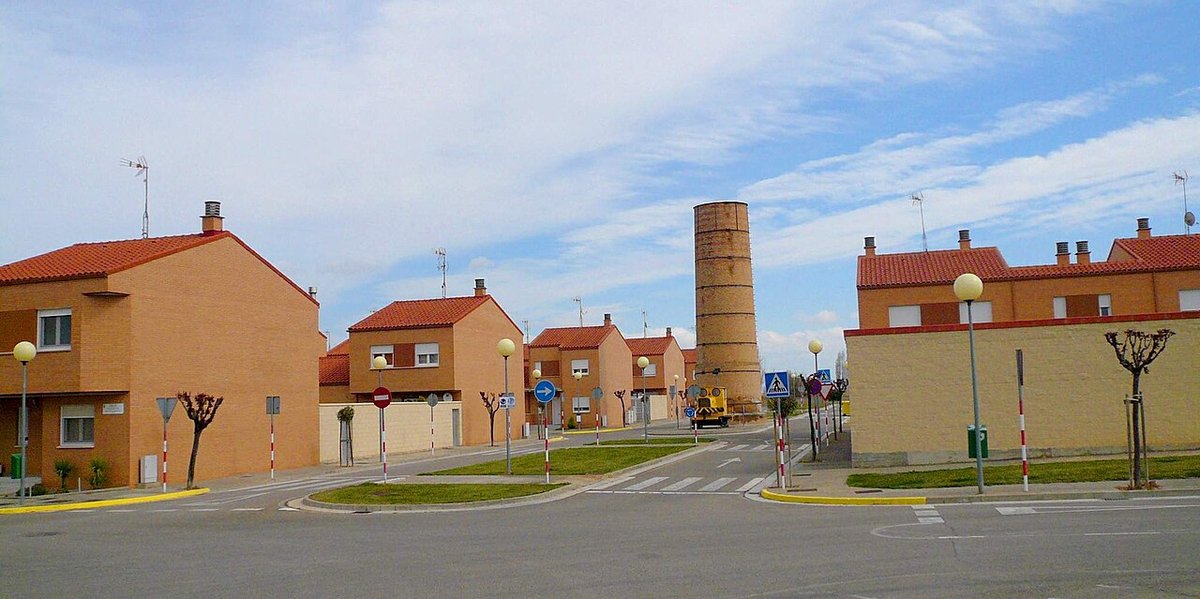
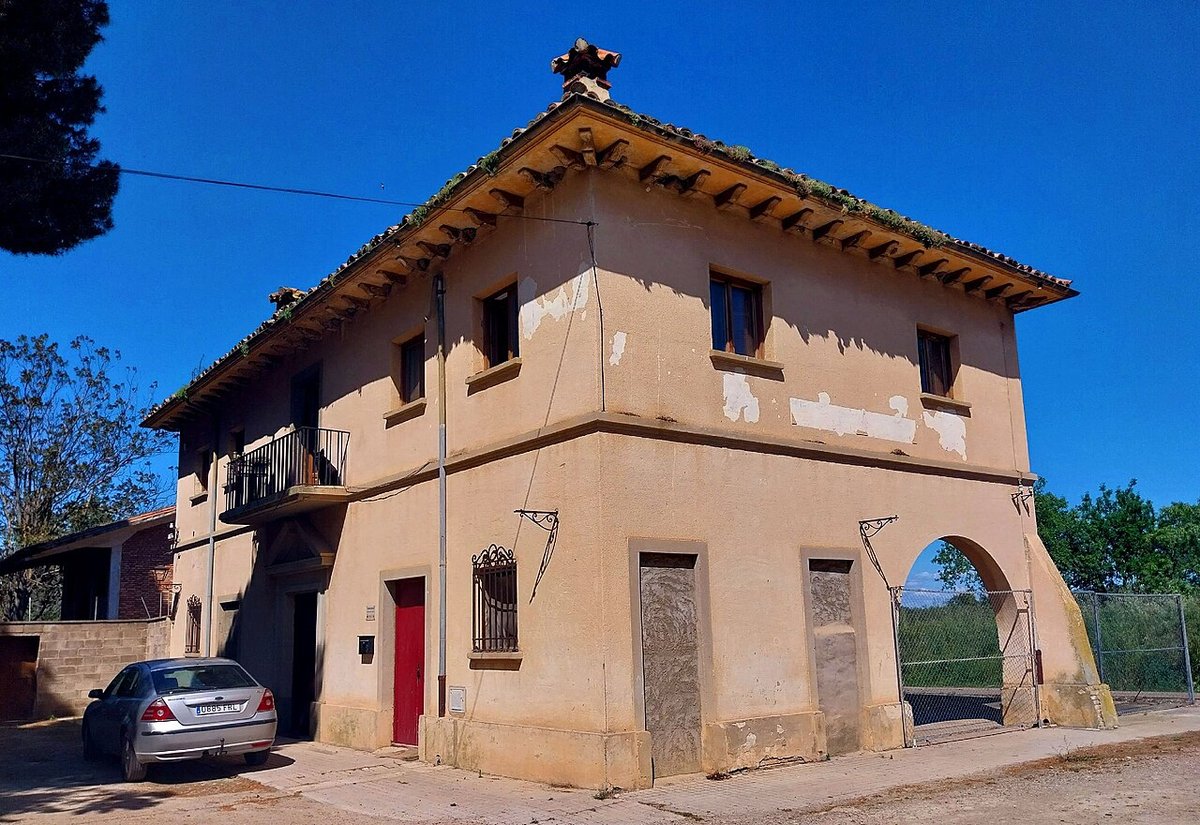
The rest of Tulebras can be explored quickly. Streets run straight, lined with two-storey houses where stone, brick and more recent alterations sit side by side. Many ground-floor doorways remain wide, originally designed to store carts or allow trailers to pass through.
Small details hint at everyday life. A wooden bench pressed against a sunlit wall in winter, a hose coiled beside a doorway, plastic crates stacked after a day working the land. Daily routines here still revolve around the huertas, the irrigated vegetable plots, and the crops of the Ribera.
There is usually some movement along the main street by mid-morning. After midday the village becomes noticeably quiet, especially in summer.
Paths through fields and irrigation channels
Step beyond the last houses and the fields begin almost immediately. The land is flat, and it is easy to walk along the agricultural tracks used by tractors. On one side there may be plots of vegetables; on the other, cereal or fallow ground depending on the time of year.
Water dictates everything. Irrigation channels, known locally as acequias, distribute it across the fields and create narrow strips of vegetation where birds gather and patches of shade form. In spring, the air carries the scent of cut grass and turned soil. By August, the dominant colour shifts to a pale ochre that reflects the sun with intensity.
Walking is best done early in the day or towards evening during the hottest months. The Ribera sun falls almost vertically, and outside the village there is very little shade.
A brief stop in the Ribera
Tulebras works well as a short stop when travelling through this part of Navarra. Tudela is only a few minutes away by car, and it is easy to link several villages in the Ribera within the same morning.
In a little over an hour, it is possible to approach the monastery, walk through the streets and then head out along one of the agricultural tracks that circle the village. It does not take much longer to get a clear sense of the place.
When to go
Spring and autumn are usually the most pleasant times. The light is softer, and the fields shift dramatically in colour: bright greens when crops begin to grow, or golden tones when they have dried.
Summer can bring intense heat from midday onwards. In those months, it is better to walk before ten in the morning or when the sun begins to drop. In winter, the landscape becomes more austere, and the wind typical of the Ribera can make it feel significantly colder.
Getting there and around
From Tudela, Tulebras is reached in just a few minutes along a local road. Access is straightforward, and parking is generally easy in the village streets themselves.
There are not many services within Tulebras, so it is sensible to bring water if planning to walk in the surrounding area, or to take care of any shopping in larger nearby towns before arriving.
What remains here is the quiet of the countryside, the monastery breathing at its own pace, and a strip of cultivated land that changes with every season. Sometimes that is all there is to see. Sometimes it is enough.