Full Article
about Alsasua
Key transport hub and capital of Sakana; surrounded by natural parks and known for its rural carnivals.
Hide article Read full article
A railway town shaped by movement
The train from Bilbao pulls in with a metallic screech. Early morning in Alsasua—Altsasu in Basque—begins with the rhythm of carriages slowing to a stop. This station is central. Since the 19th century, the railway has set the town’s rhythm and growth, fixing it as a hinge in the Sakana valley.
That sense of being a junction still defines the place. Trains depart for Pamplona, Vitoria, or the coast, while the national road and the motorway trace parallel lines through the valley floor. A town of just over seven thousand people operates with the ingrained habit of living between routes.
Geography as destiny
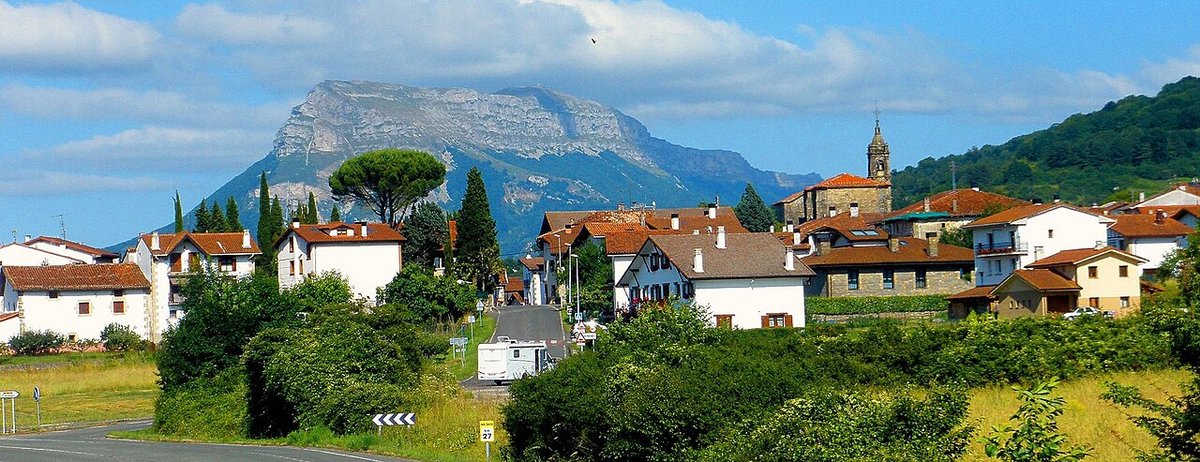
Alsasua owes its reason for being to the land. For centuries, skirting this narrow passage was more difficult than crossing it. The Sakana corridor links the Alavese Plain with Navarra and, further on, routes toward France. Drovers, merchants, and pilgrims on variants of the Camino de Santiago passed through here.
The town’s layout still reflects that function. Its main streets slope down toward the valley and converge around a central plaza, which for generations was the axis of commercial life. Historical records mention livestock fairs and markets for local produce, outlining a past built on exchange.
This mercantile background is also written into the local food. The morcilla here is made with a significant amount of onion and spices. It comes from the practical, old-world use of the pig, part of a domestic cooking tradition that has been passed down.
Megaliths and walking routes
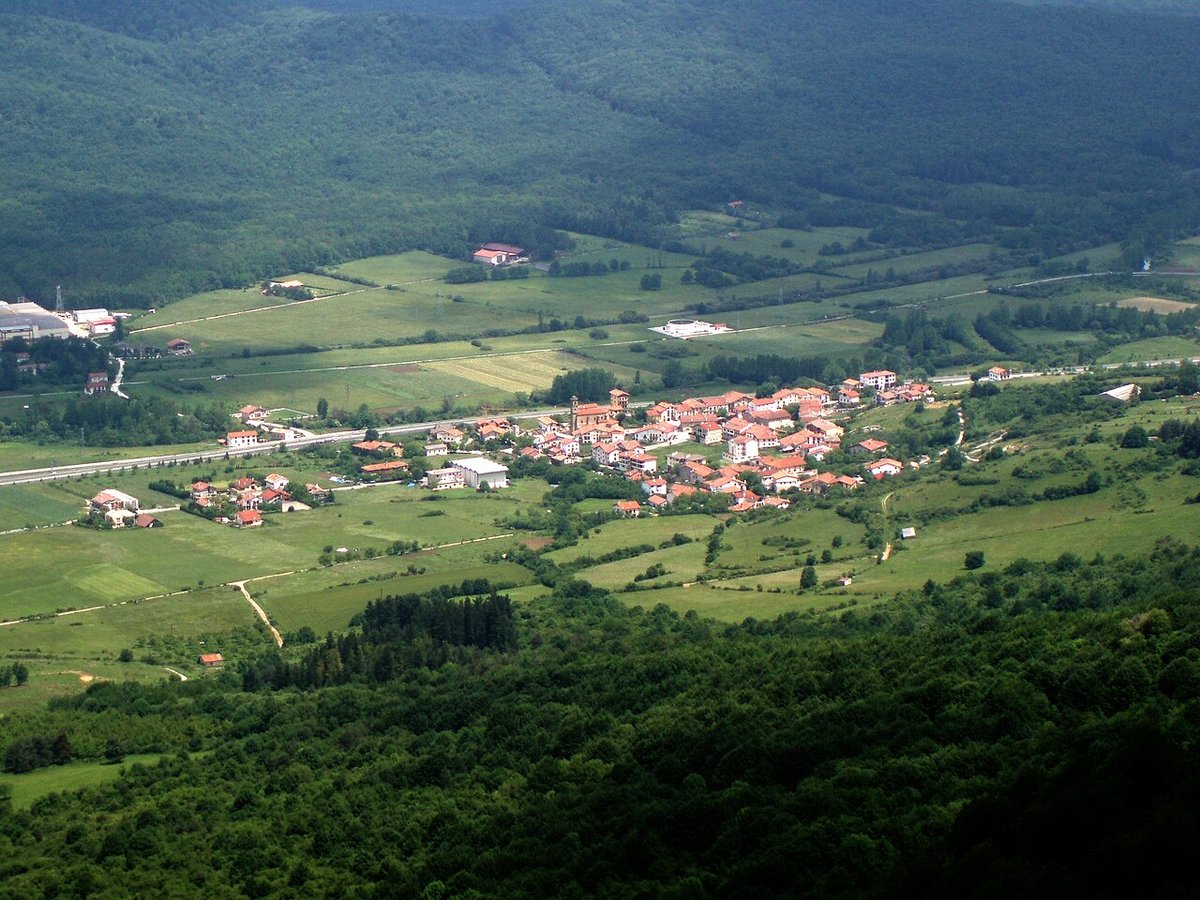
The landscape around Alsasua makes early settlement understandable. To the north rise the sierras of Urbasa and Andía, to the south the first slopes of Aralar. Between them lies a wide, well-watered corridor.
On the nearby hills, several megalithic monuments remain. One of the most accessible is the Balankaleku dolmen, set in a wooded area a short distance from town. It was excavated in the early 20th century and belongs to a broader group of collective burial sites scattered across northern Navarra.
As is typical, the chamber faces southeast. From its position, you can see much of the valley. This alignment suggests a symbolic relationship with the territory that went beyond its funerary purpose.
These same hills dictate contemporary routines. Walking routes lead up into the beech forests of Urbasa or follow the Arakil river along old mill paths. Not all are perfectly signposted; it’s wise to confirm itineraries locally. The connection between town and countryside remains direct and functional.
The local rhythm of cycling
After a day or two, you notice the cyclists. They are a constant feature on the valley roads, training on the routes that link Urbasa, Lizarraga, and the plains of Álava. The area has a solid cycling tradition.
The terrain can be deceptive. While long flat stretches define the Sakana, short, sharp climbs appear abruptly where the valley narrows. This variety is what makes it useful for riders.
Throughout the year, local clubs organise group rides and events. There’s no fixed tourist calendar for these; they are part of the local sporting rhythm.
Reading the town centre
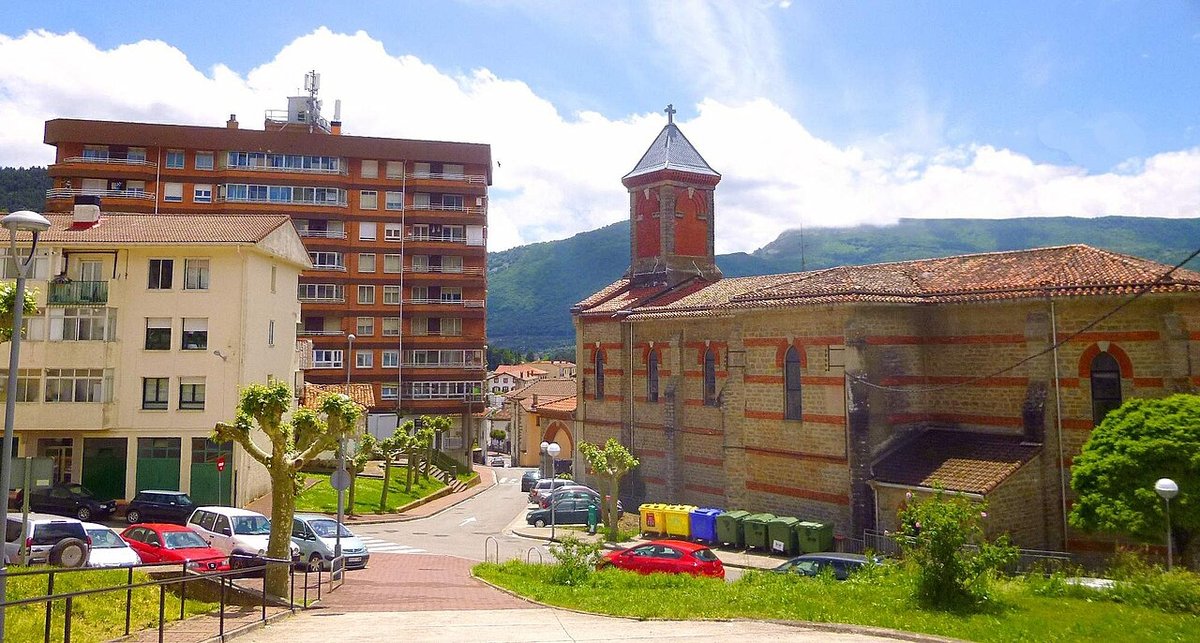
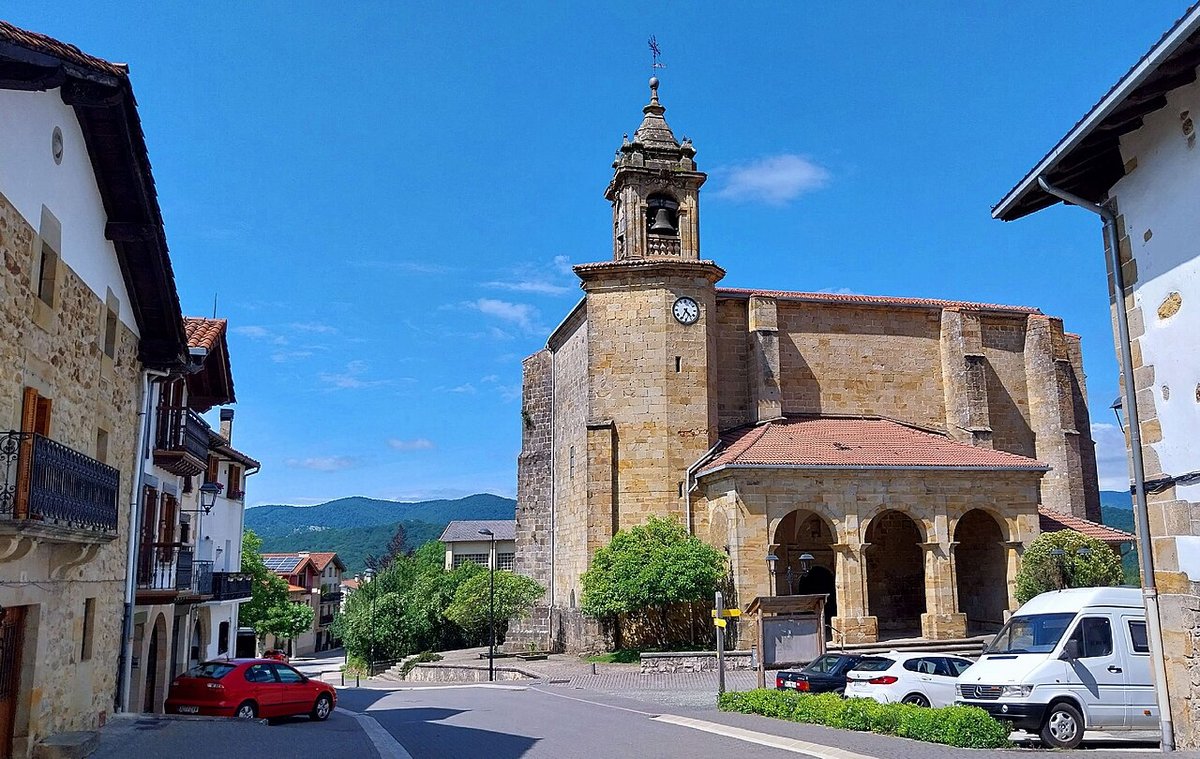
A handful of buildings in town offer clues to its past. The church of San Juan Bautista occupies a central position. The structure you see is largely modern, though it retains artistic pieces from earlier centuries. Inside, a Renaissance altarpiece shares space with works that arrived via the trade and pilgrimage routes that converged here.
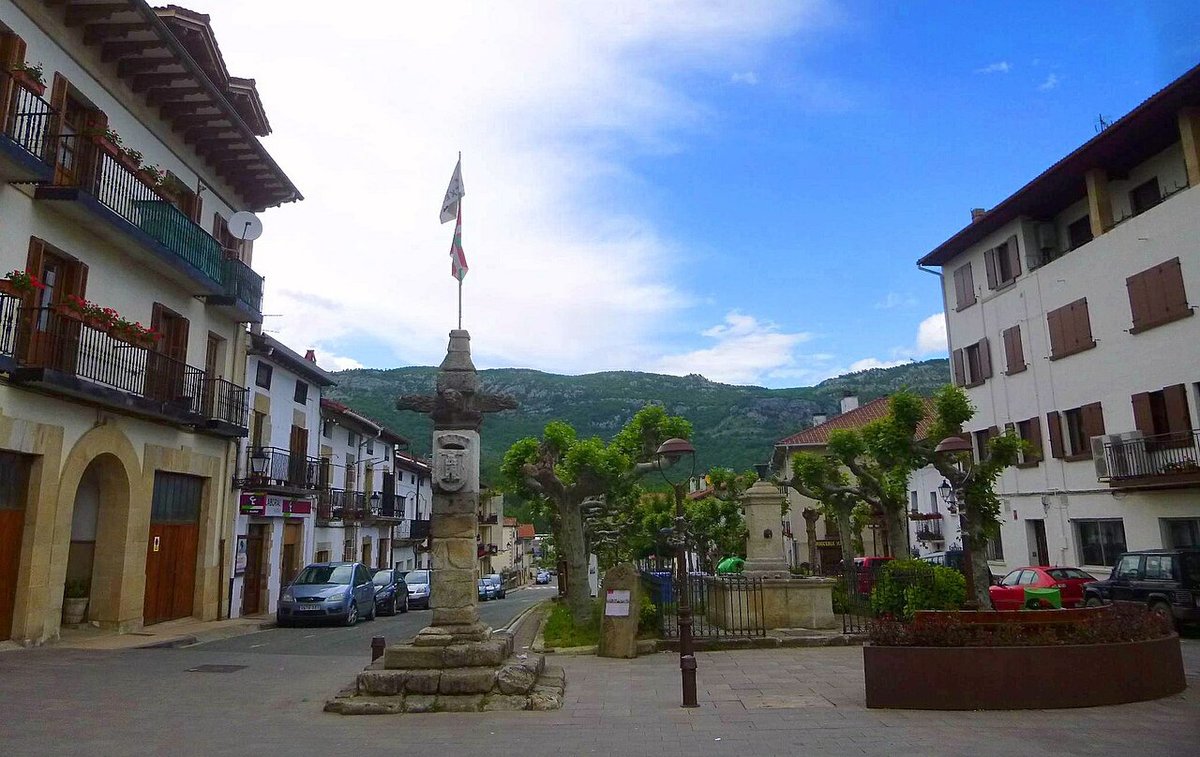
A walk along Calle Mayor shows several houses from the 17th and 18th centuries, some with weathered coats of arms on their façades. They are not palaces, but they indicate families with means, linked to commerce or local administration.
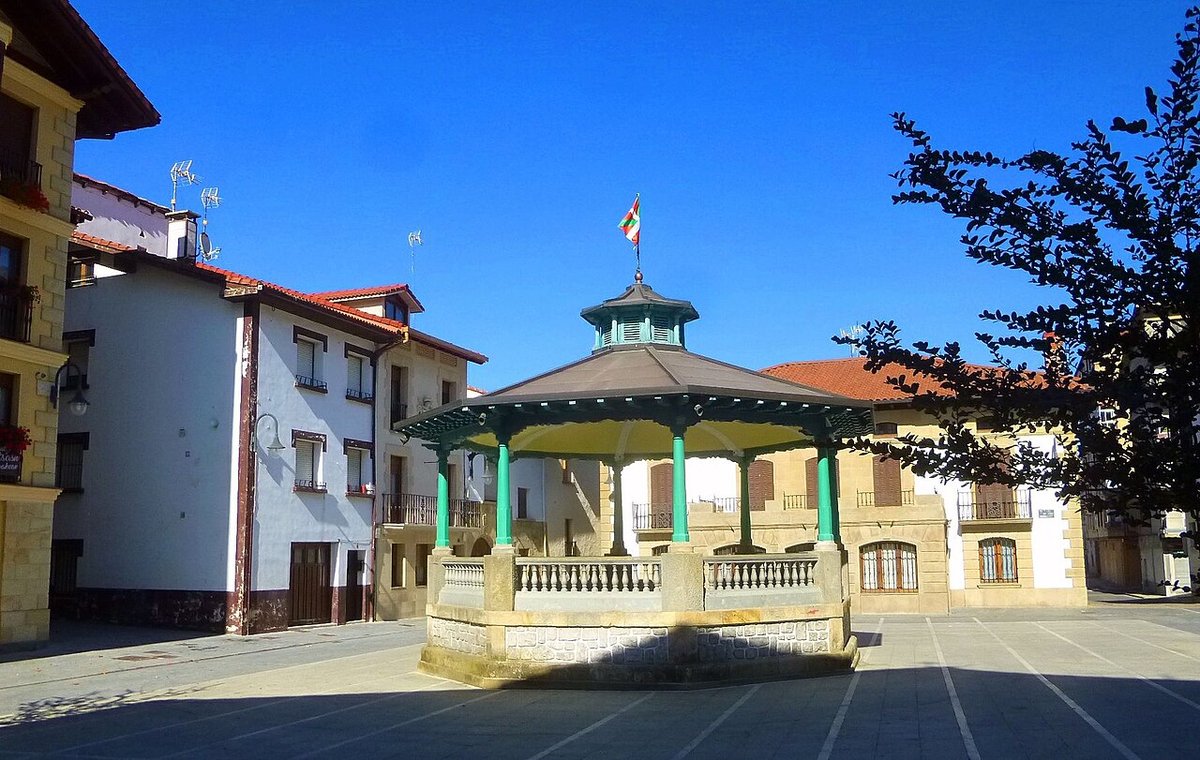
The centre is compact and walkable. The main plaza is still a focal point, especially on Monday when the weekly market sets up. It feels like a continuation of the town’s oldest function: a place to meet and trade.
Practical notes
Alsasua lies on the primary axis between Pamplona, Vitoria, and the Cantabrian coast. The train is one of the most straightforward ways to arrive, with regular services. By road, access is via the motorway that runs the length of the Sakana.
Once there, everything is within walking distance. When the weather turns—which it often does in this valley—the church or local cultural centres provide shelter and a different perspective on the place.
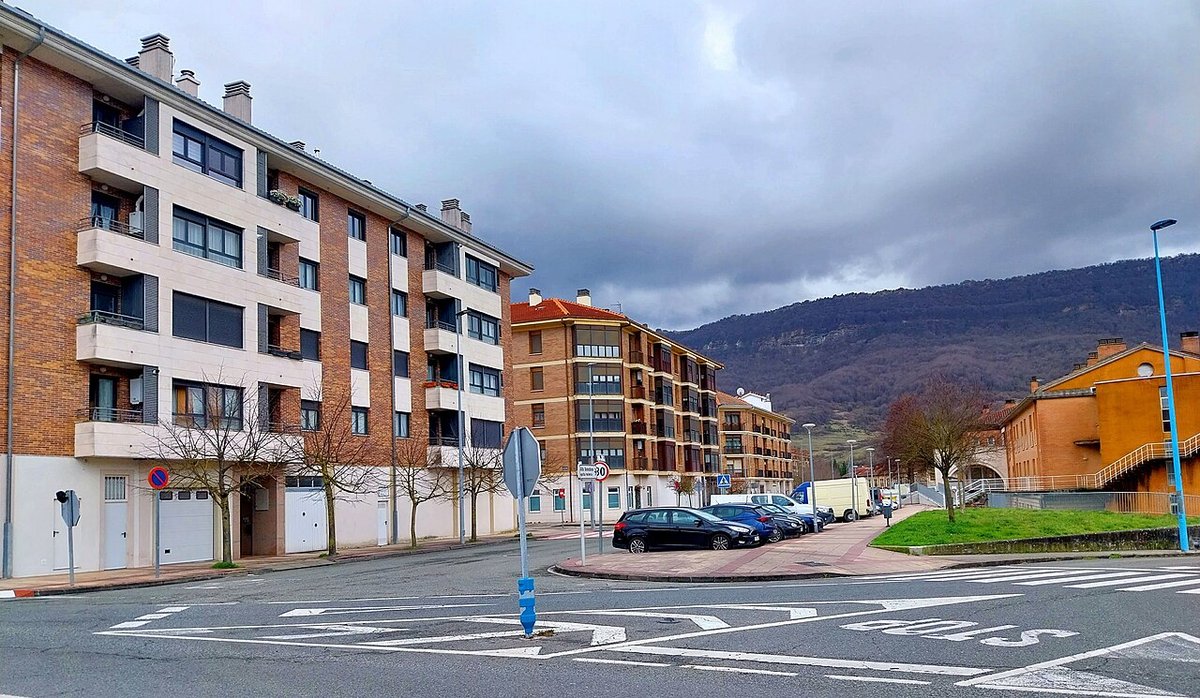
A short walk to the edge of town is enough to see how abruptly the buildings give way to meadows and climbing lanes. That proximity to the land, more than any single monument, explains the daily texture of Alsasua.