Full Article
about Arbizu
Sakana town famous for its chistorra; set between the Aralar and Urbasa ranges with well-preserved traditional architecture.
Hide article Read full article
First light in a quiet village
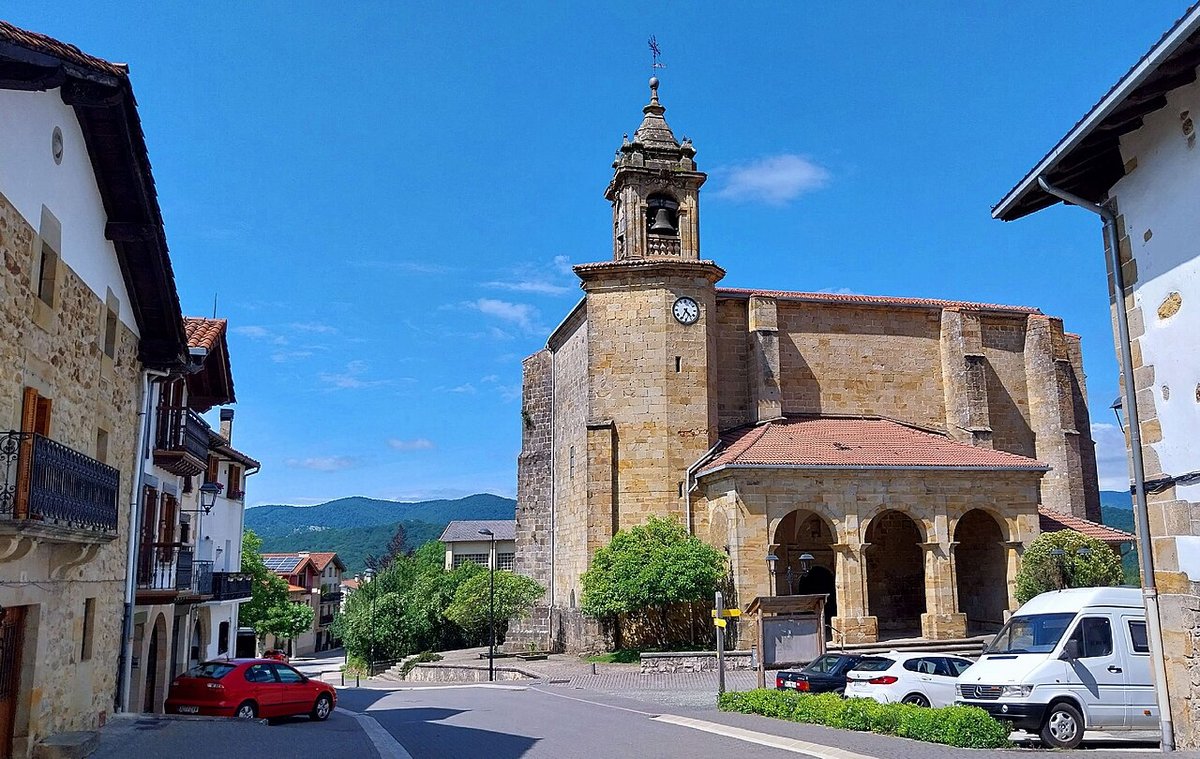
Early in the morning, before the sun has fully cleared the Sierra de Aralar, Arbizu is almost silent. A car passes through on its way to the main road, and closer by there is the sharp sound of a shutter being lifted. In front of the church of San Martín, the stone still holds the dampness of the night. This is where most walks through Arbizu begin.
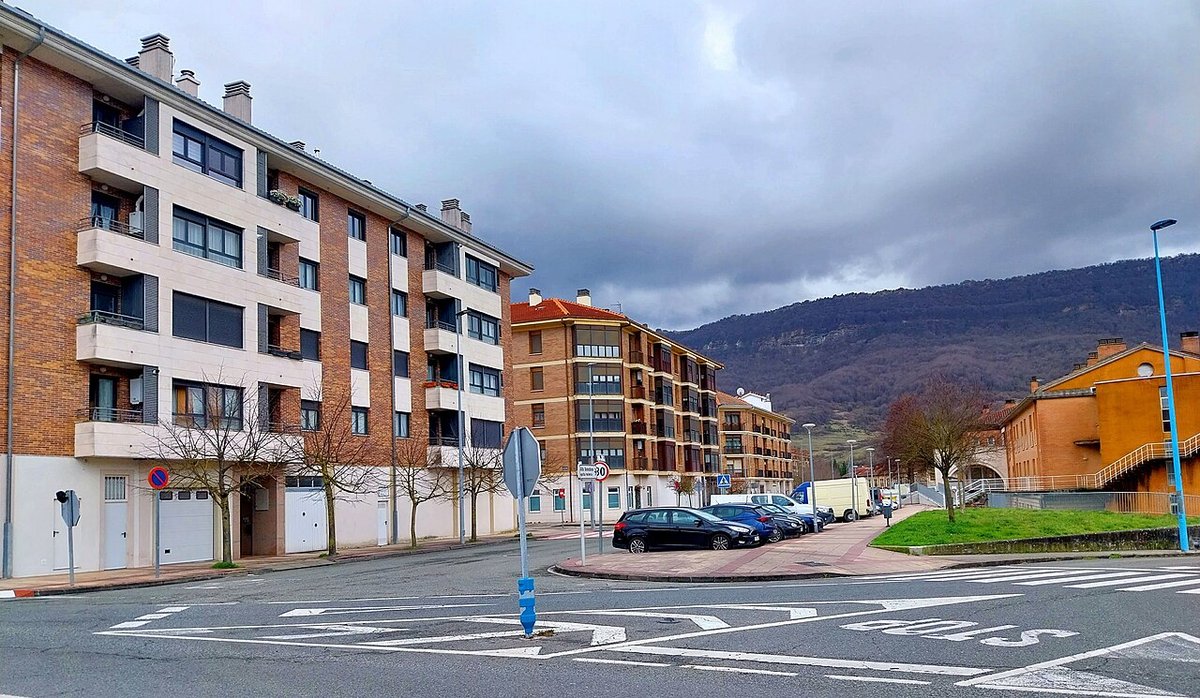
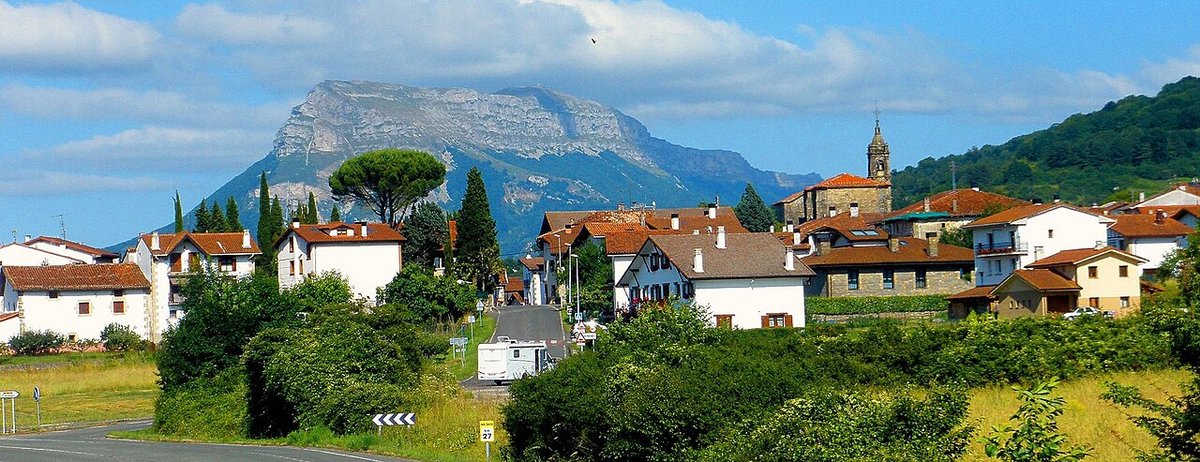
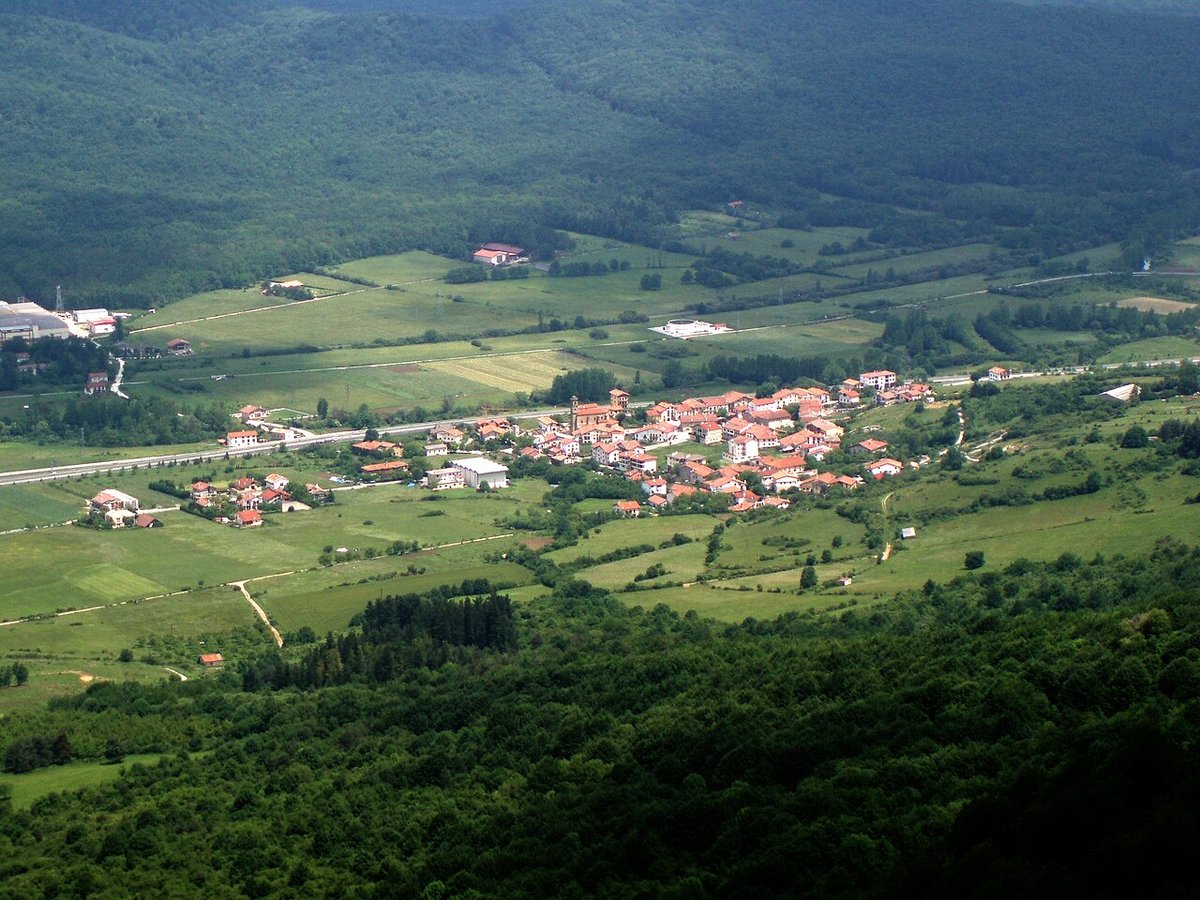
Arbizu sits in the Sakana, the long valley linking Pamplona and Vitoria along a natural corridor between the sierras of Aralar and Urbasa-Andía. With just over a thousand inhabitants, it remains small enough to cross on foot in a matter of minutes, yet close enough to open countryside that leaving the village takes no effort at all.
Short streets and carved stone
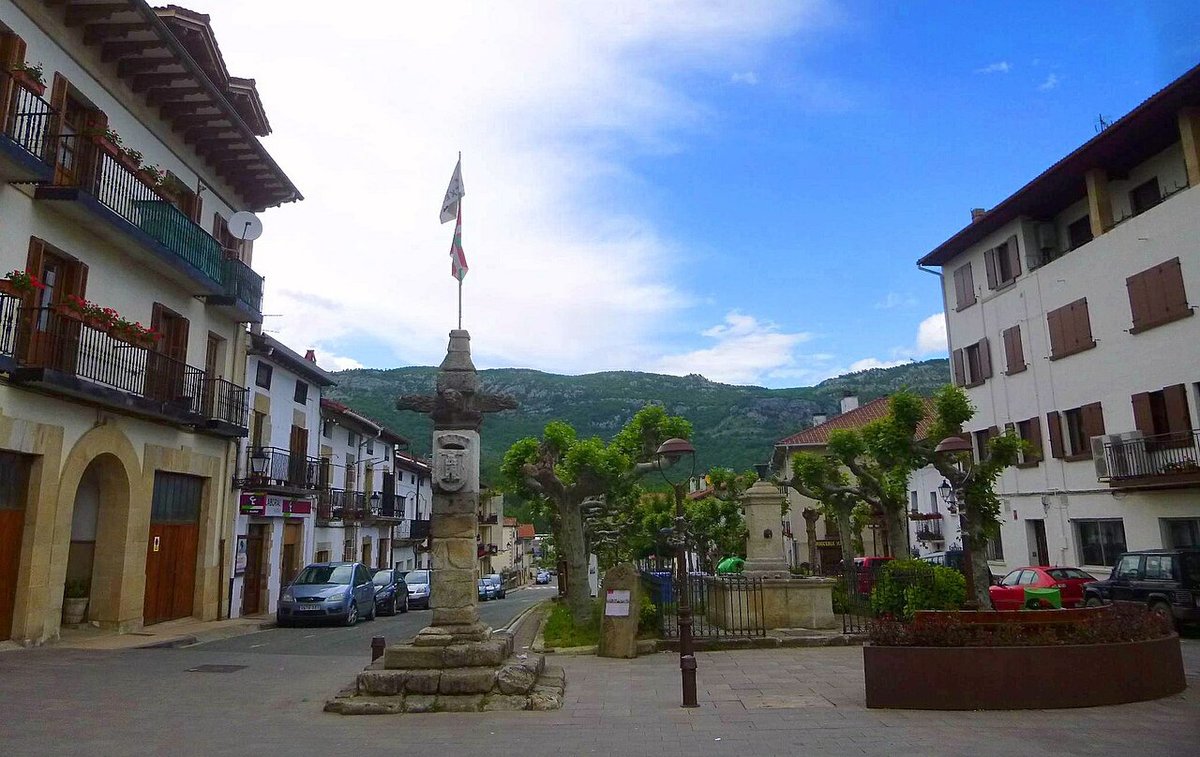
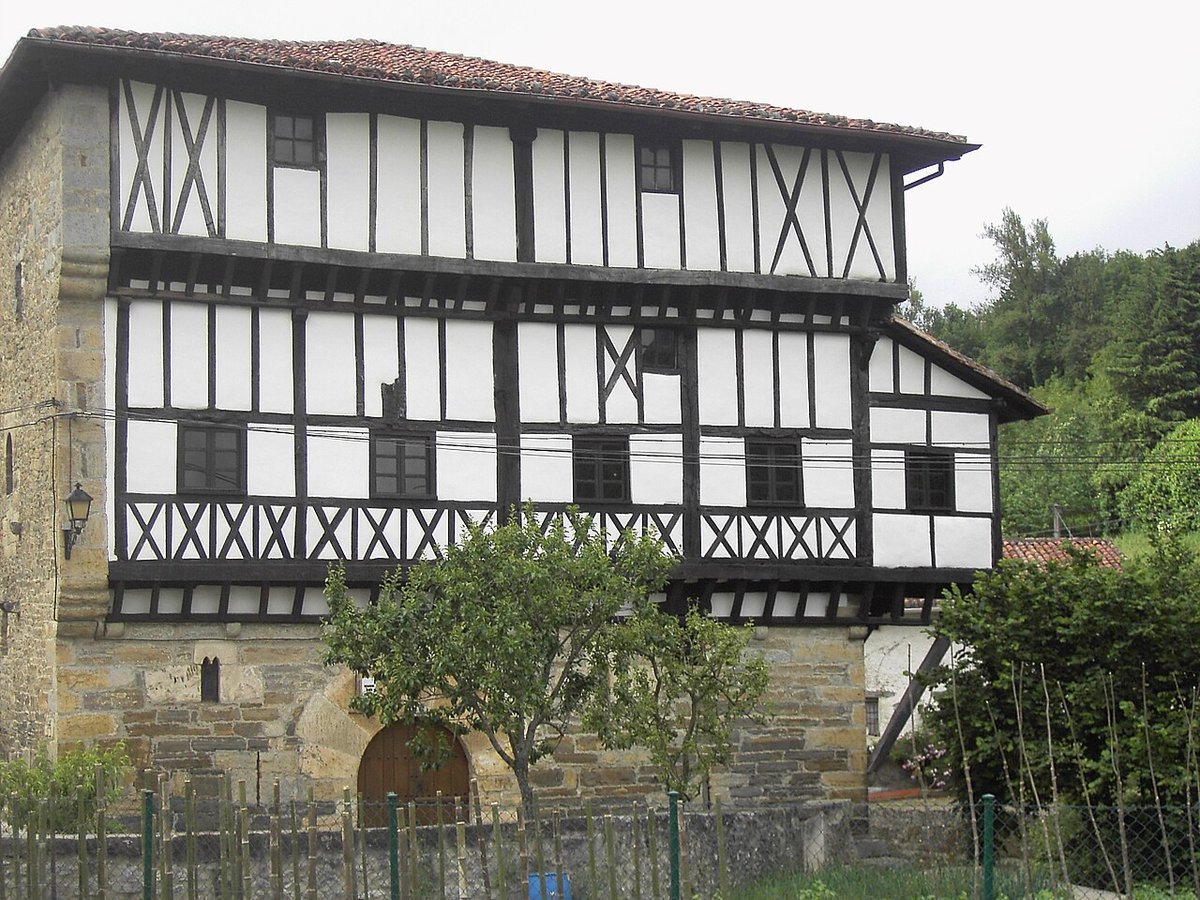
The centre of the village is compact. Streets intersect without much order, lined with solid stone houses. Many have dark iron balconies and wide entrances where carved coats of arms can still be seen. Some doorways clearly date back centuries, the worn stone around their arches giving them away.
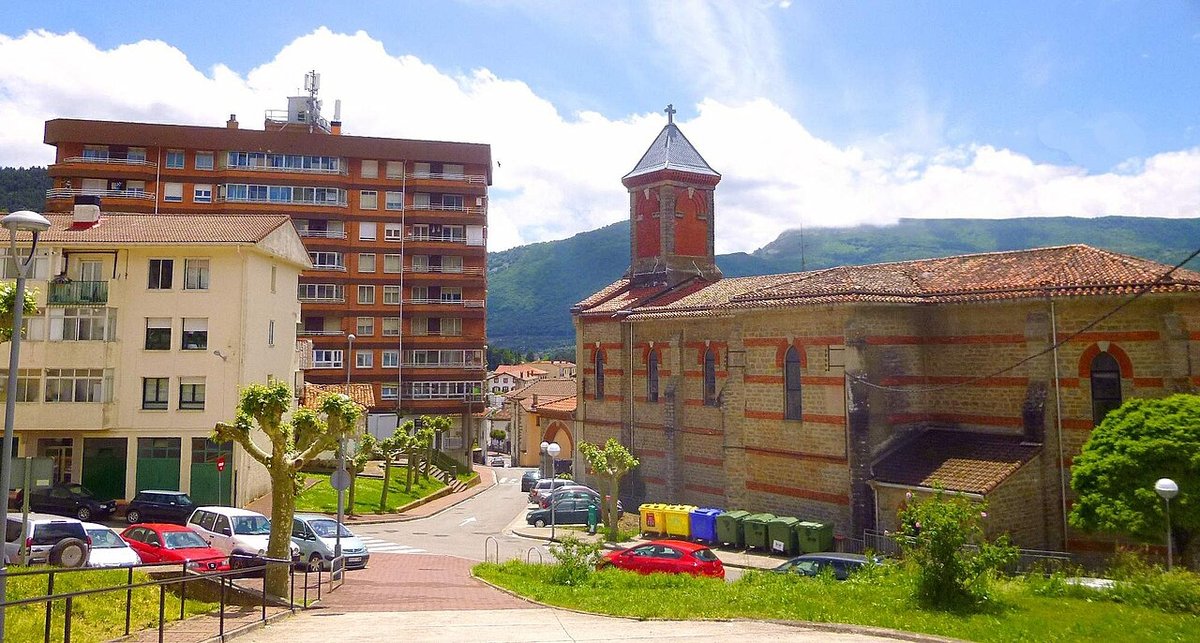
The parish church of San Martín occupies one of the central spots. From the outside it appears restrained, almost austere. Inside, that same feeling continues: a wide nave, small side chapels and an altarpiece that seems to have been added after the original structure. It is not a monumental church, yet it reflects how villages in the Sakana have been built over time, with an emphasis on durability and simplicity.
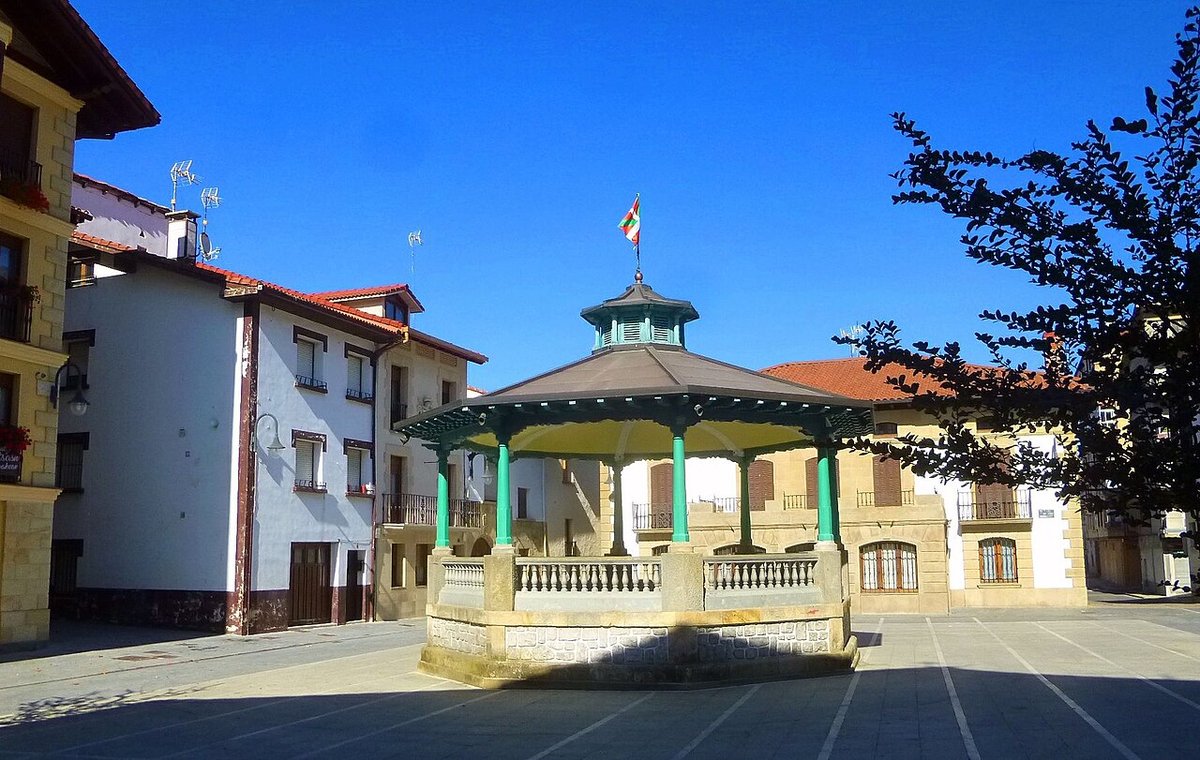
Around it, everyday life is spread between the square, the frontón, and a handful of streets where small vegetable plots still sit behind the houses. The frontón, typical in many Basque and Navarrese towns, is a space used for pelota, a traditional ball game that remains part of local life.
Where the fields turn into forest
A short walk out of the village quickly changes the landscape. Arbizu is surrounded by agricultural tracks and paths that lead into areas of oak and beech woodland. In autumn, the ground is covered with leaves and the air carries the scent of damp wood. In winter, fog often lingers in the valley for hours at a time.
Many of these tracks are used for farming or to access the hills, so it is worth stepping aside when tractors or forestry vehicles pass. Anyone planning to walk should wear sturdy footwear, as mud appears quickly after several days of rain.
From higher points around the area, the view opens across the entire Sakana valley. The main road cuts through it from side to side, while the surrounding sierras form a clear boundary along the horizon.
Daily life in the Sakana
Arbizu is not shaped by tourism. Most daily activity relates to industry in the valley, agricultural work or travel to nearby towns. That rhythm is visible in the atmosphere: bars filled with local people, conversations in Euskera in the square, cars coming and going at different times of day.
Festivals bring a noticeable change. The village traditionally celebrates San Martín in November, and in summer the main local festivities arrive. During those days, the streets become busier than usual and the frontón once again takes on a central role as a meeting point.
When to go and what to expect
Arbizu can be visited at any time of year, though autumn tends to be especially rewarding for walking in the surrounding hills. The forests shift in colour and the light in the valley softens.
Arriving by car is straightforward via the main road that runs through the Sakana. Parking is easiest in the wider areas near the centre, as the streets in the older part of the village are narrow and can be difficult to manoeuvre in.
There is no need to plan a full day here. A couple of hours is enough to walk through the village at an unhurried pace and spend some time on the nearby paths. Arbizu works best like this: a short walk, a slow look around, and time to listen to the valley.