Full Article
about Ergoiena
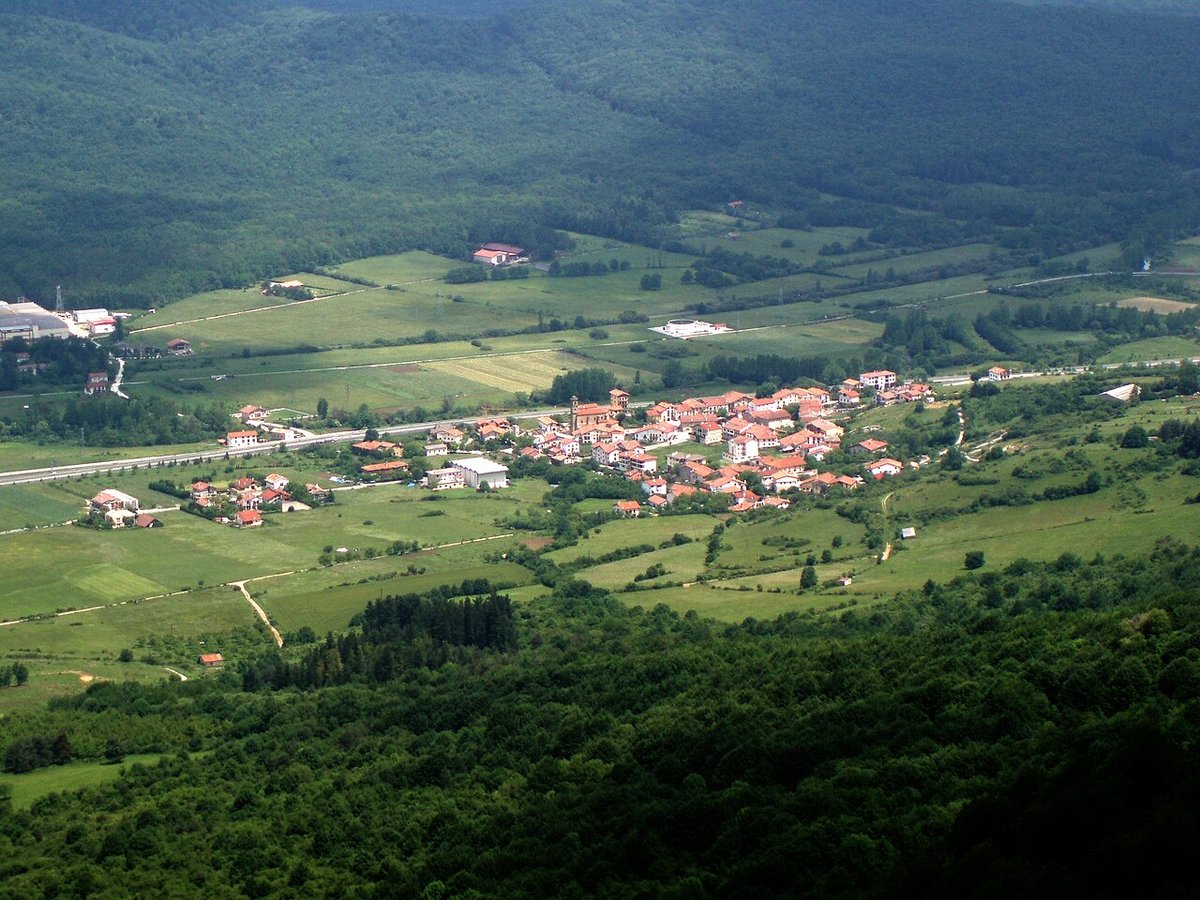
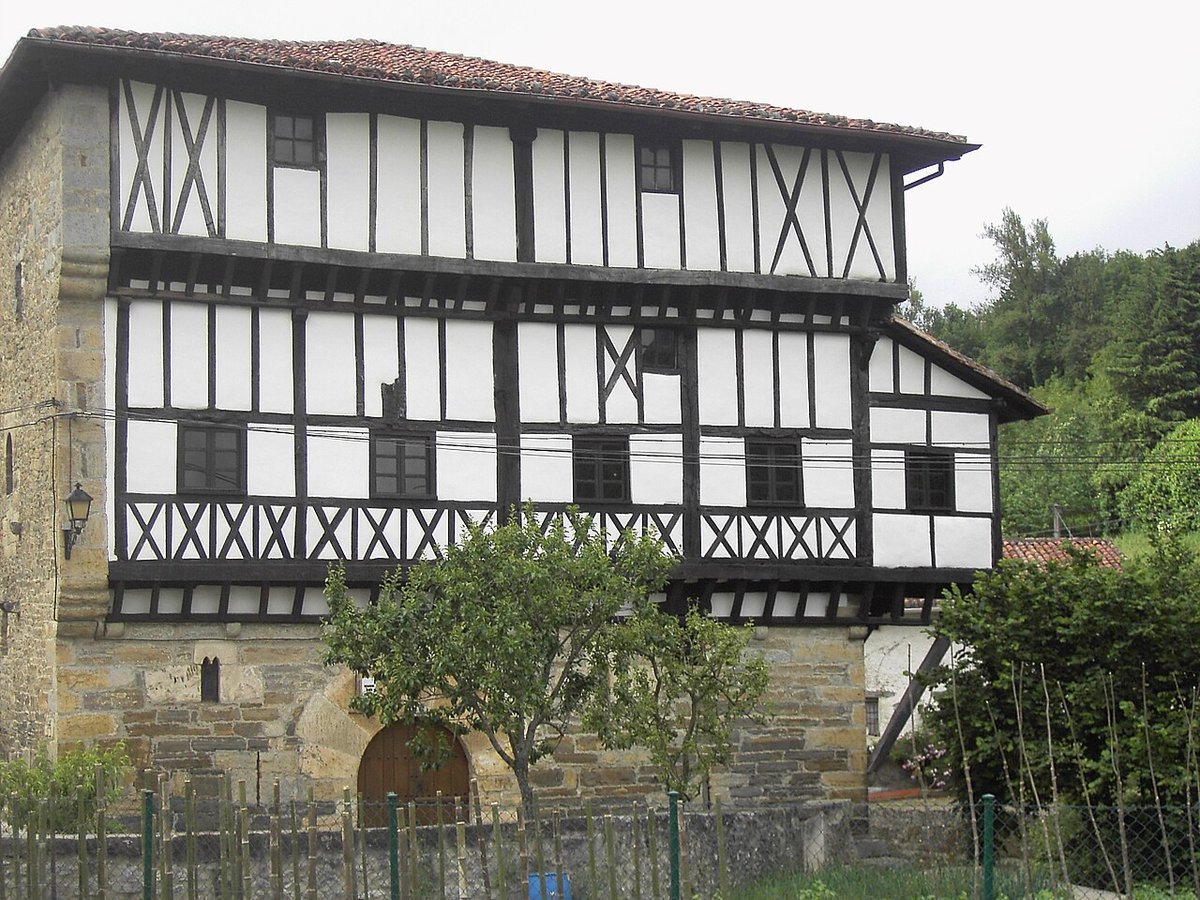
Side valley of Sakana at the foot of San Donato; great landscape beauty and rural architecture
Ocultar artículo Leer artículo completo
A Village that Breathes with the Fields
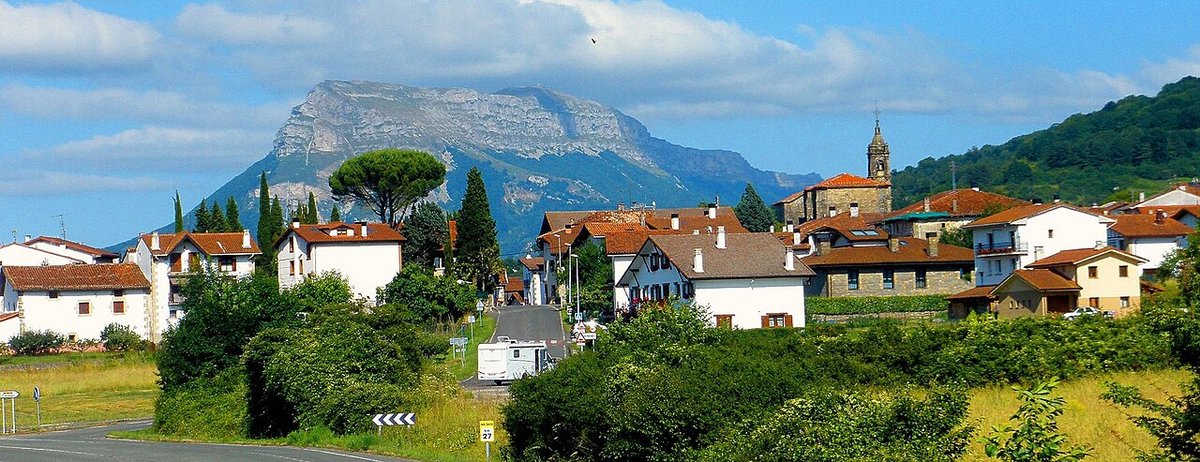
At 605 metres above sea level, Ergoiena sits high enough for the air to carry a faint metallic tang of beech and oak. Dawn breaks over freshly cut meadows, and by half past seven the only sounds are a tractor coughing into life and two women chatting beside a stone water trough. The place numbers 380 souls on the electoral roll, though you’d struggle to spot more than a dozen at any one time. They are out there, somewhere beyond the stone houses, moving between vegetable plots, sheep pens and the scattered casetas that serve as weekday shelters for whoever is tending livestock.
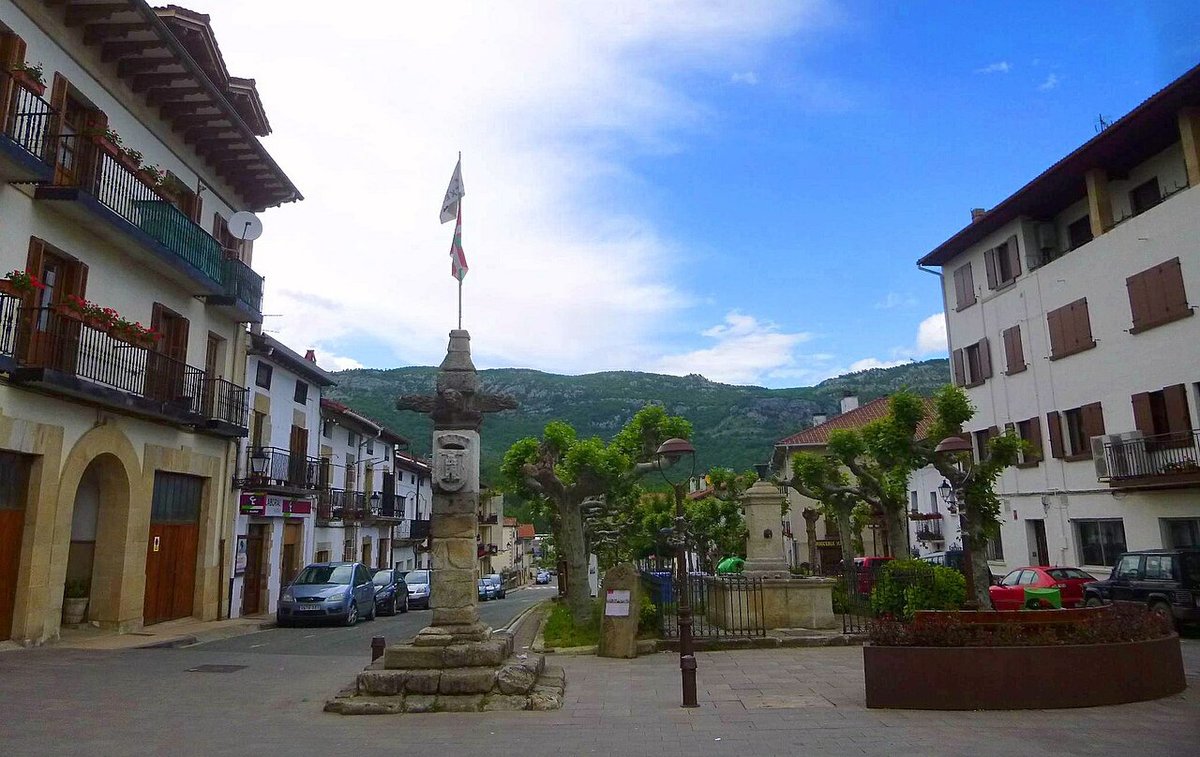
The village street—there is really only one—runs for 300 metres before it dissolves into a track that climbs towards the Aralar ridge. No souvenir shops, no boutique hotels, not even a bakery. What you do get is a working landscape where every stone wall, every wooden gate, every hand-painted “Se vende huevos” sign is part of the daily economy rather than a prop for the tourist gaze.
Stone, Slate and the Smell of Cut Grass
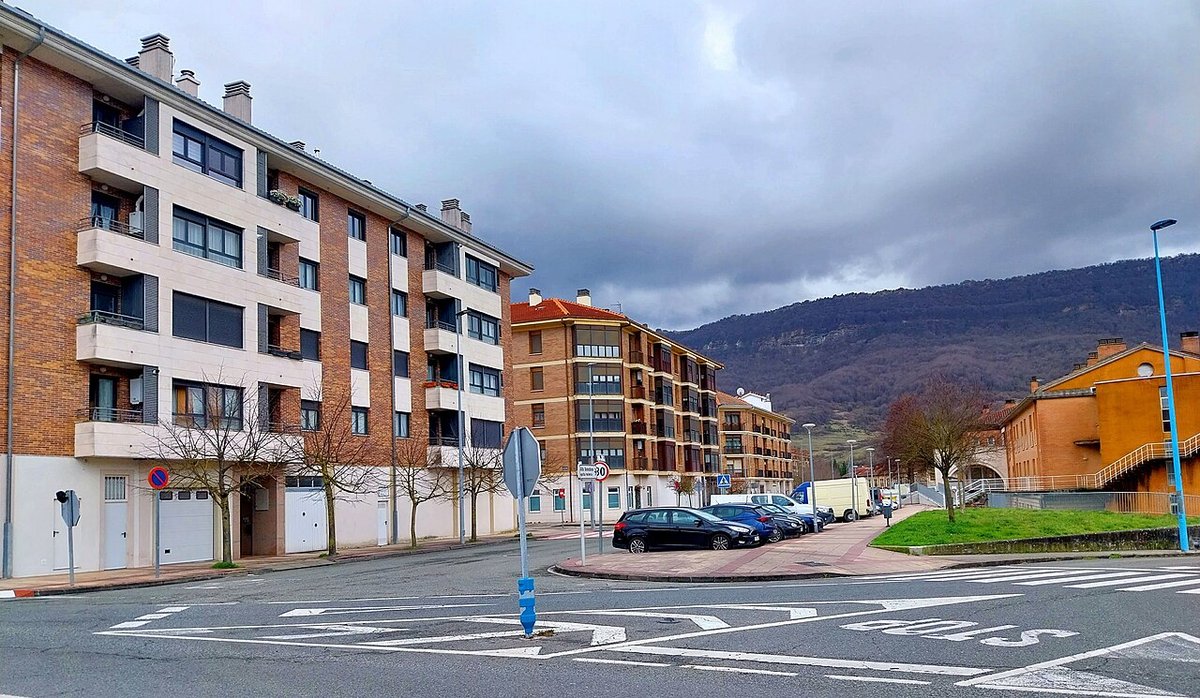
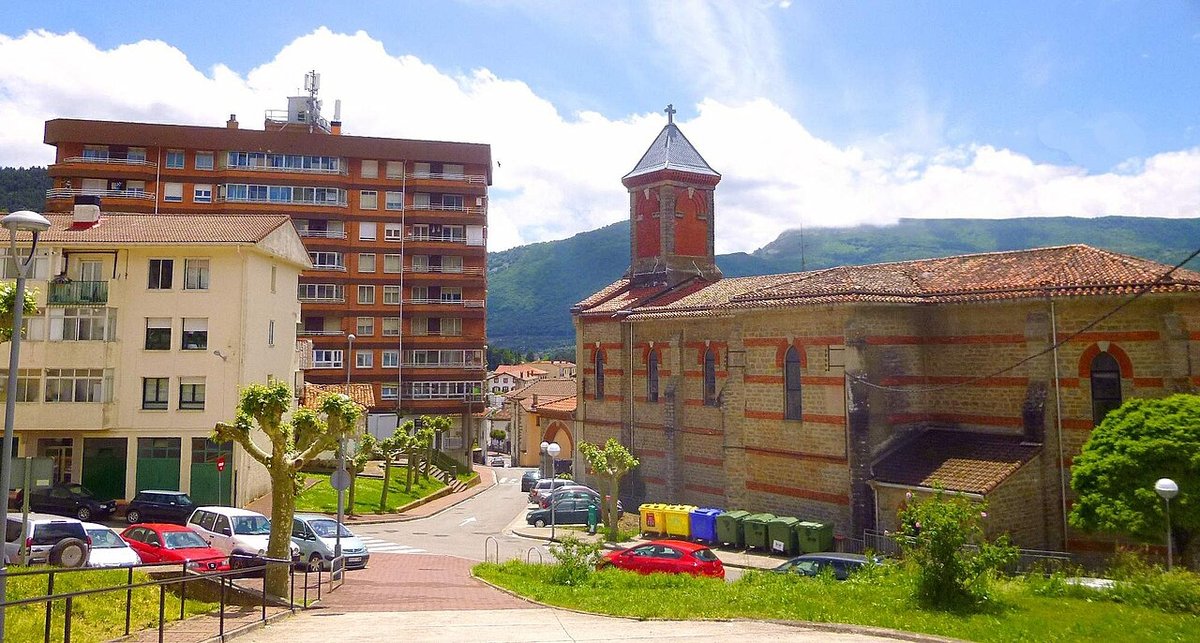
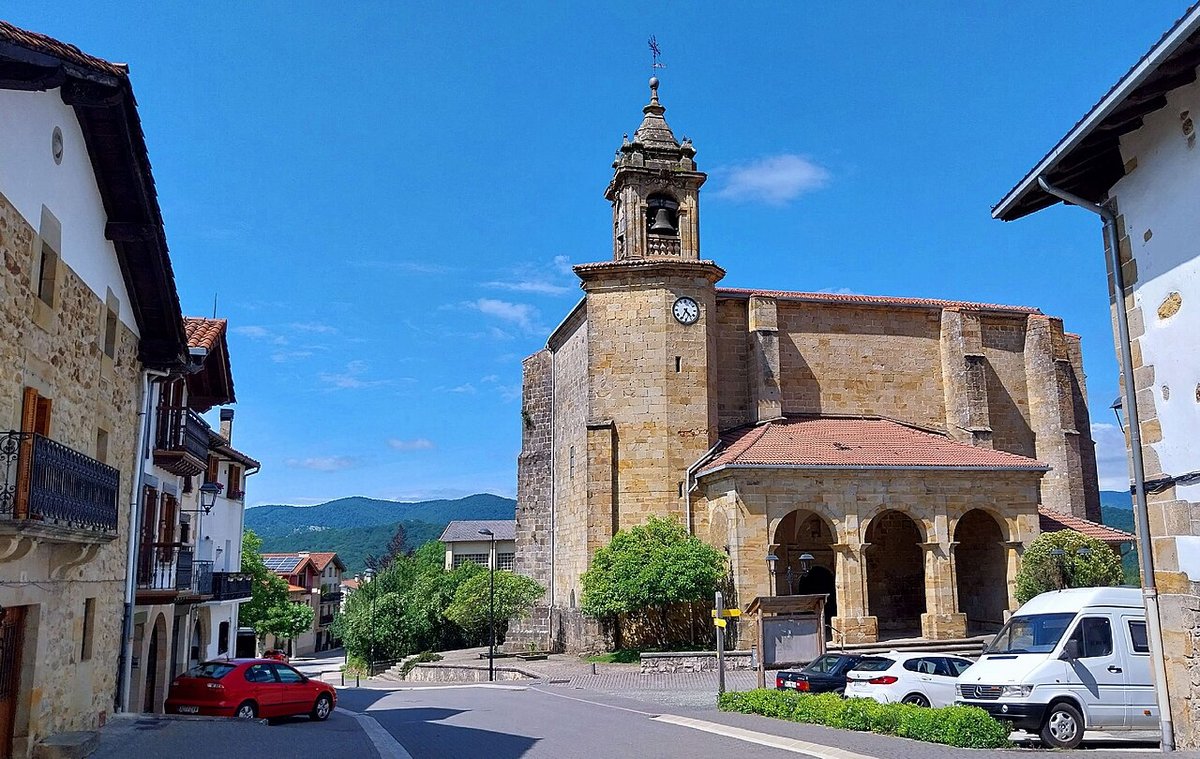
Houses here were built to withstand north-westerly winds that can knife across the plateau in February. Walls are thick, roofs steep, tiles the colour of burnt toast. Look up and you’ll notice iron rings set into the façades—remnants of the days when hay was hoisted into loft storage rather than driven in by tractor. The parish church of San Andrés stands at the top of the gentle slope, its bell tolling the hours with the enthusiasm of someone who has been doing the job for four centuries and sees no reason to hurry. Inside, the air is cool and smells of wax and damp hymn books; outside, swallows stitch the sky above the nave.
Ergoiena’s architectural charm, if that word can be rescued from the brochure writers, lies in the details: a stone relief of a wheat sheaf above a doorway, hand-forged nails holding a balcony together, a bread oven bulging from the rear wall of an otherwise ordinary cottage. None of it is grand, all of it is honest.
Walking Without a Tick-List
The best map is still the one sketched by the village mayor on the back of an envelope, but the mobile signal is strong enough to download the free Government of Navarre trail app if you prefer pixels to paper. From the church, a paved lane becomes a dirt track after five minutes; keep straight and you enter a beech wood where the temperature drops by three degrees and the path softens to leaf mould. Forty minutes of steady ascent brings you to a col where the whole Sakana valley suddenly flips open like a pop-up book: yellow fields below, blue-grey mountains beyond, white farmhouses dotted like sugar cubes.
If that sounds too energetic, follow the yellow waymarks west towards the Plazaola greenway, a disused railway line converted to a cycling and walking trail. The surface is crushed limestone, gradients negligible, tunnels short enough to walk through without a torch. Rent bikes in nearby Lekunberri (€18 a day, closed Mondays) and you can coast 15 km to the tunnel of Uitzi and back before lunch.
What You’ll Eat—and What You Won’t
There is no restaurant in Ergoiena. The closest dining room is a ten-minute drive down the NA-7510 in Lizarraga, where the Bar-Asador Araiz serves charcoal-grilled T-bone (chuleta, €28) big enough for two. Breakfast, however, can be arranged on site if you ask politely the night before. The village’s only café, attached to the front room of a private house, opens at seven for farmers and will dish up coffee, orange juice and a tortilla slab for €3.50, provided you knock loudly.
Shopping is similarly low-key. A refrigerated vending machine outside the old school sells milk in glass bottles at €1 a litre; eggs appear on an honesty stall beside the church when the hens are laying. For anything more ambitious—wine, cheese, ibérico ham—drive five minutes to the co-operative supermarket in Irañeta, where the queue moves slowly because everyone knows everyone and the cashier keeps the lottery ticket dispenser humming.
Seasons That Tell You What to Do
Spring arrives late at this altitude. April can still fling down sleet, but by mid-May the meadows are knee-high with grass and the first buttercups appear. That is the sweet spot: daylight until nine, enough chill in the air to make walking comfortable, and orchards foaming with white blossom. Autumn is equally reliable; beech leaves turn copper in late October and stay on the trees long enough for half-term visitors to fill memory cards.
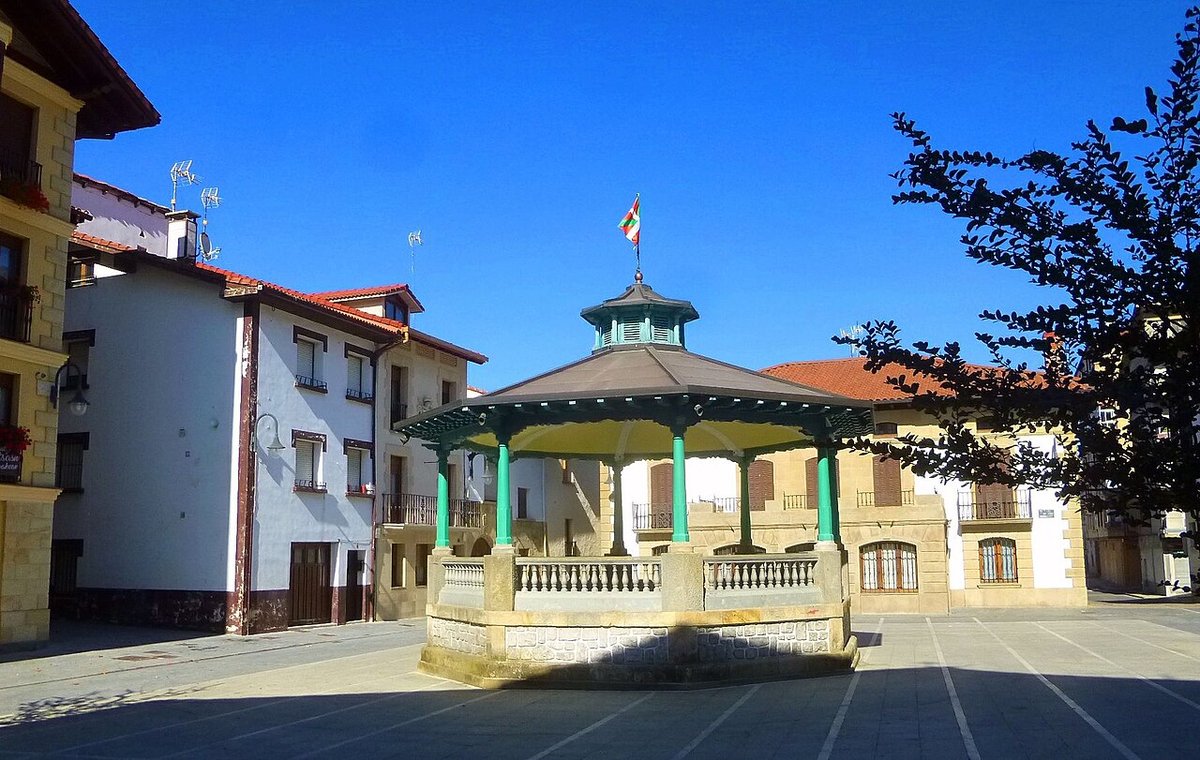
Summer is not unpleasant—temperatures peak around 28 °C—but shade is scarce on the higher tracks and the sun ricochets off the limestone. Carry more water than you think necessary; the only public fountain is in the village square. Winter is a different contract: daylight collapses at five, paths become axle-deep mud, and the wind carries moisture straight from the Bay of Biscay. Still, the fireplace in the municipal hostel (€15 a night, kitchen included) draws well, and the smell of wet earth and wood smoke is more authentic than any scented candle sold back home.
The Honest Catch
Ergoiena will not keep you busy for a week. A morning’s walk, an afternoon reading on the bench outside the church, and you will have inhaled most of what the village offers. The reward is silence rather than spectacle. Come thinking you have “done” Navarre because you have ticked off Pamplona and San Sebastián, and the place will feel like a mistake. Treat it as a pause between louder destinations—Bilbao is 90 minutes west, the wine region of Rioja 75 minutes south—and the logic falls into place.
Mobile coverage is excellent, but you will still need wellies between November and March. The nearest cash machine is 12 km away in Araiz and it swallowed my card last Tuesday, so fill your wallet before you leave the motorway. Finally, remember that every stone wall you lean on for the perfect photograph belongs to someone who spent last weekend repairing it after the winter storms. Ask before you clamber, close every gate, and don’t be surprised if the farmer you meet on the track offers a handful of walnuts instead of a selfie.