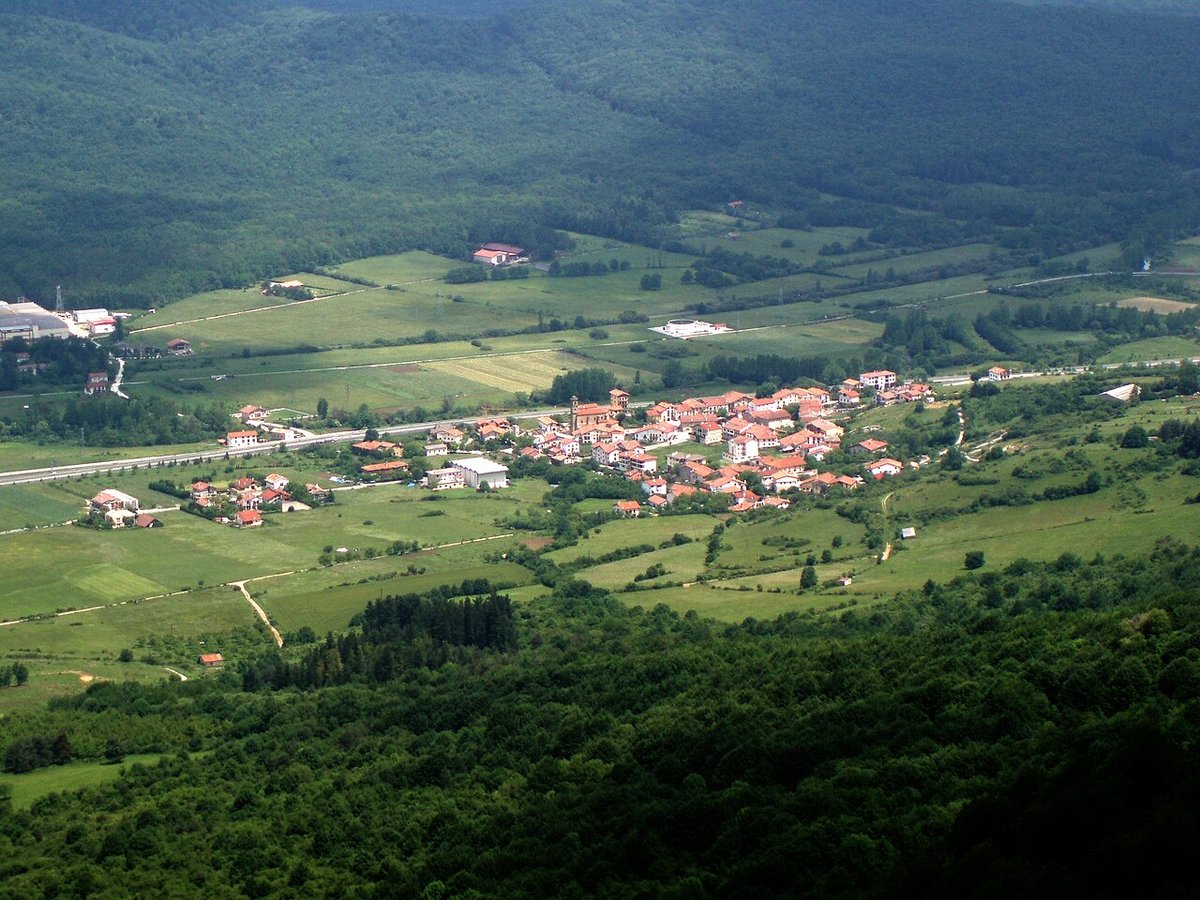
Etxarri-Aranatz 04.jpg
Zarateman · CC0
Navarra · Kingdom of Diversity

Etxarri Aranatz

The morning lorry from Pamplona grinds up the NA-120, skirts the last oak coppice and drops you at a crossroads where the air smells of cut grass a...

2,551 inhabitants · INE 2025
509m Altitude

Why Visit

Mountain Route of the Thousand-Year-Old Oaks Easy hiking

Best Time to Visit

summer

Patron saint festivals (August) agosto

Things to See & Do
in Etxarri Aranatz

Heritage

  • Route of the Thousand-Year-Old Oaks
  • Church of the Assumption

Activities

  • Easy hiking
  • Camping

Festivals
& & Traditions

Fecha agosto

Fiestas patronales (agosto)

Las fiestas locales son el momento perfecto para vivir la autenticidad de Etxarri Aranatz.

Full Article
about Etxarri Aranatz

A key town in Sakana, ringed by ancient oak groves and steeped in Basque identity.

Ocultar artículo Leer artículo completo

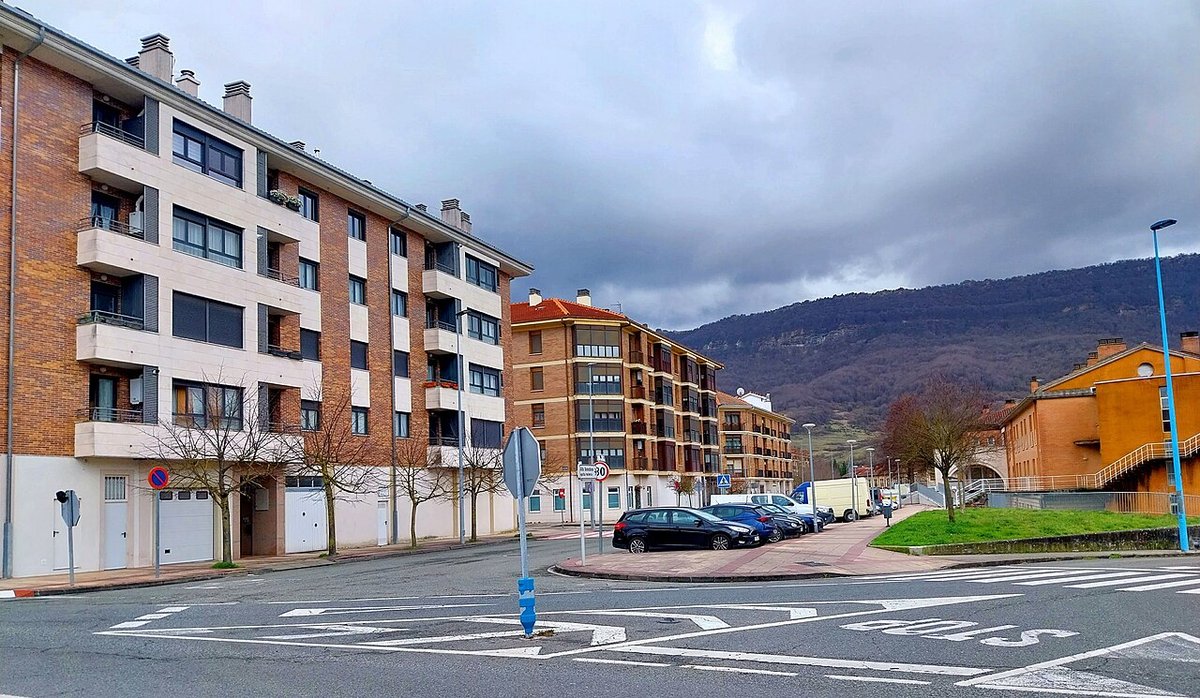
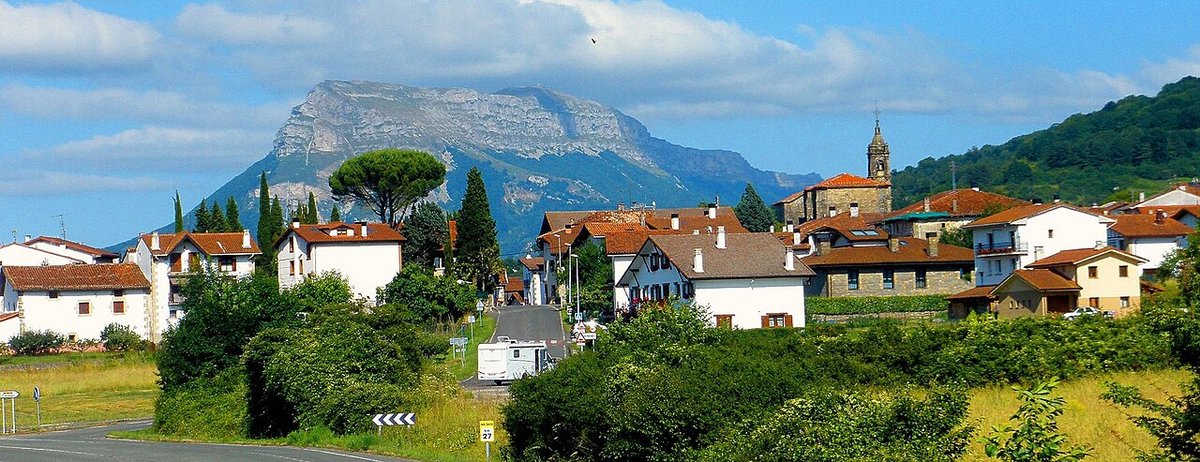
The morning lorry from Pamplona grinds up the NA-120, skirts the last oak coppice and drops you at a crossroads where the air smells of cut grass and diesel. Welcome to Etxarri Aranatz, 509 m above sea level, 40 km south of the Pyrenean ridge and light-years away from the Costas. No souvenir stalls, no multilingual menus—just stone farmhouses, a single-towered church and the knowledge that every path out of town climbs faster than you think.

A Village That Works for Its Living

This is not a film set. Farmers still drive sheep along the main street, the baker shuts at two and the pharmacy keeps Spanish hours—closed for lunch just when your blister starts to throb. The façades are tidy but not twee: new PVC windows sit beside timber balconies, satellite dishes sprout from 18th-century walls. Wandering the grid of lanes you’ll smell cow feed, not pot-pourri, and hear clattering trailers rather than buskers. Refreshing, if you prefer your Spain functional rather than frozen in amber.

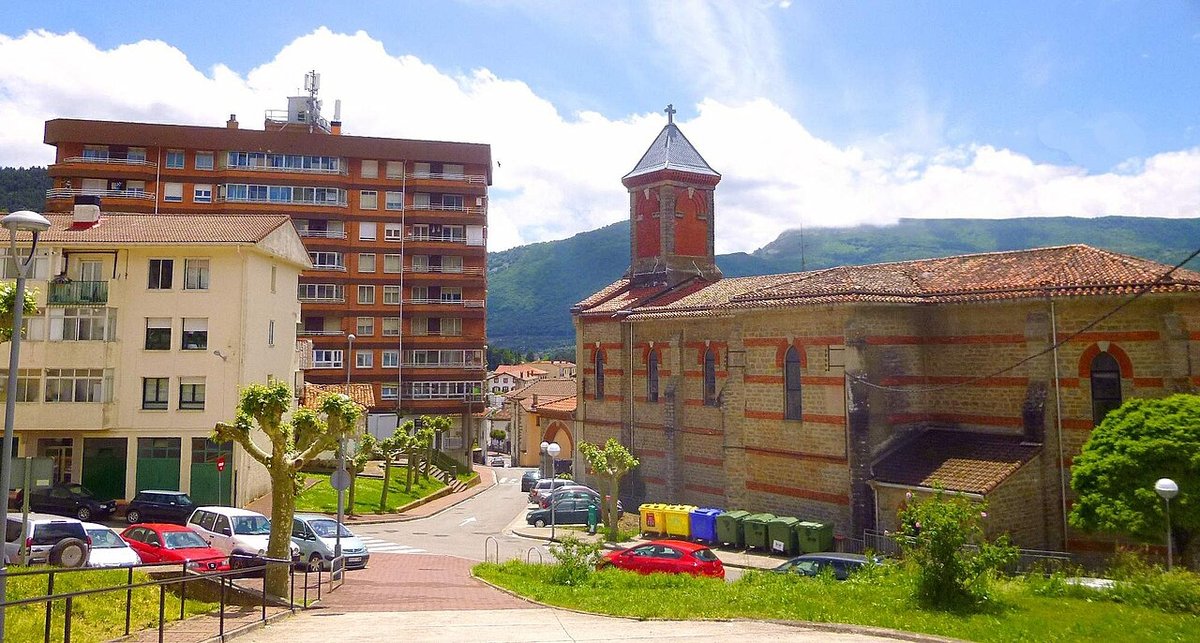
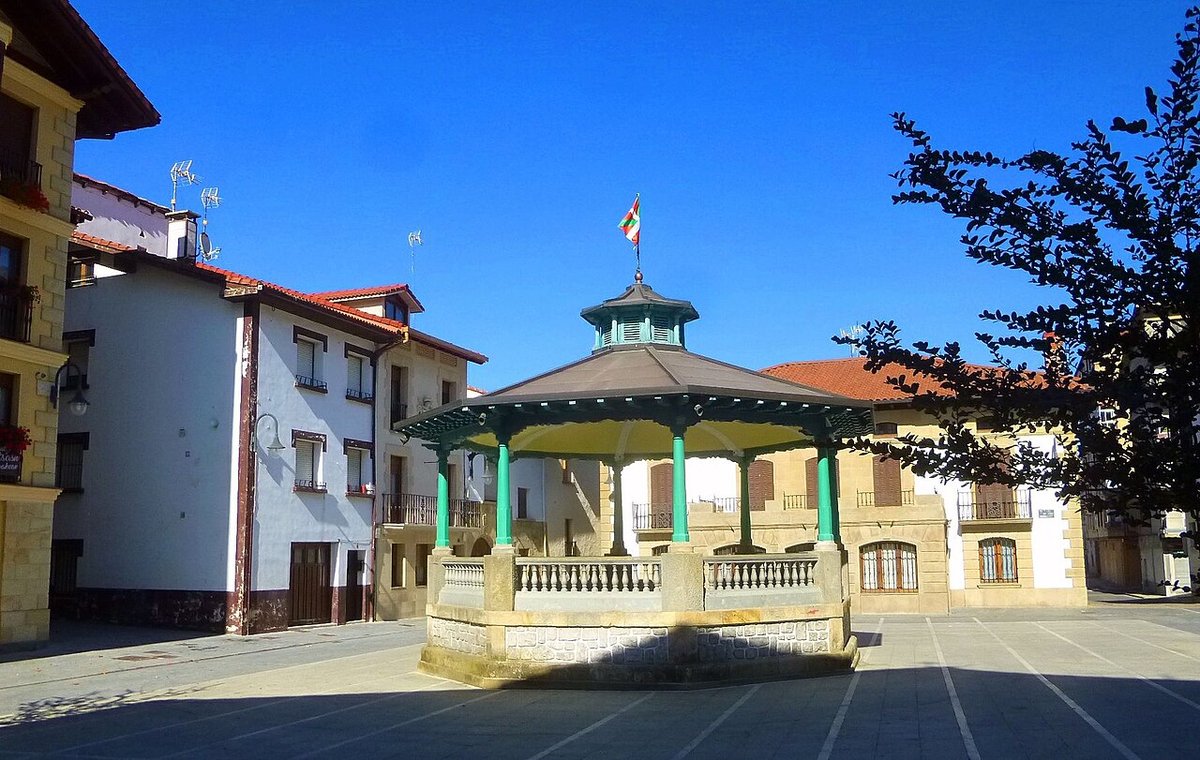
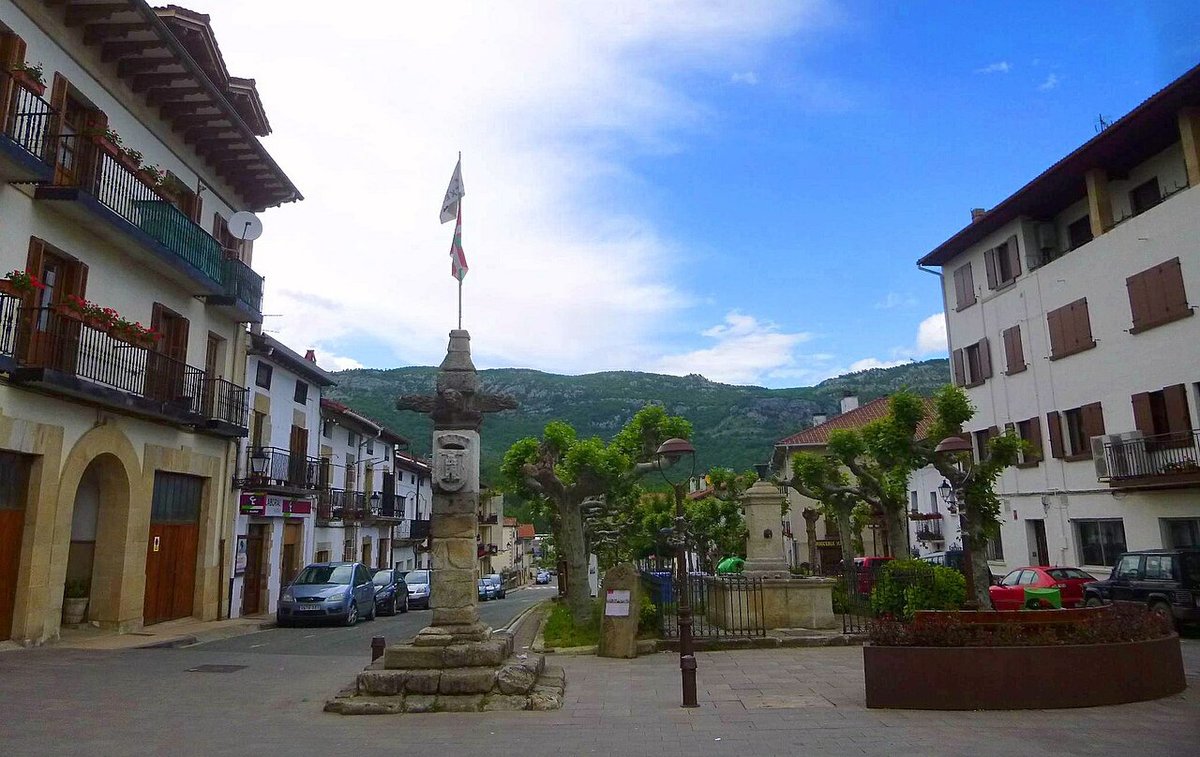
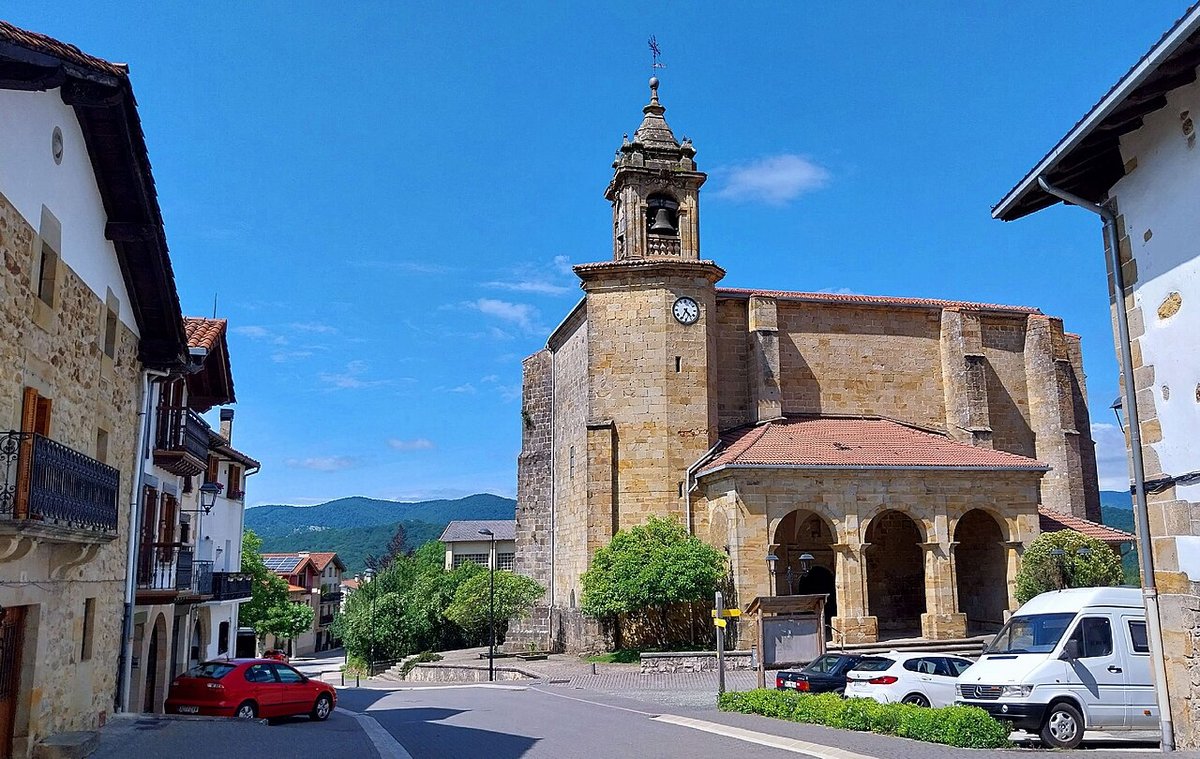
Start at the plaza beside San Martín de Tours. The church itself is plain—Gothic bones, Baroque dress—but the portico gives a lesson in local geology: blocks of honey-coloured sandstone hauled from the Aralar quarries, still pitted by the masons’ chisels. Look up and you’ll spot the original measurement standard carved into a pillar; medieval traders had to prove their cloth was the honest yard. Around the corner, Calle Mayor hides the best-preserved caseríos: solid stone bases, half-timbered first floors, red pantile roofs weighted against the north wind. Knockers are shaped like Celtic hands—an old talisman against fire in a landscape where lightning loves high pasture.

Walking Into Another Climate Zone

Leave the village on the track signed “Lizarraga 5,3 km” and within ten minutes the temperature drops. Oak gives way to beech, bramble to bilberry; your phone GPS drifts as the gorge narrows. This is the southern rampart of the Aralar range, limestone folded like concertina paper and drilled by miners since Roman times. The way-marked loop to Lizarraga saddle is a half-day outing: 450 m of ascent, boots useful after rain, views back across the grain fields of Sakana and—on very clear days—the white glint of the Pyrenees 70 km away.

Serious walkers can keep going. From Lizarraga a ridge path continues to Txindoki (1 346 m), the shark-fin mountain that dominates every local postcard. Allow five hours return and carry water; the only fountain is a spring 200 m below the summit. Winter is a different story. Snow can fall from October, drifts close the high tracks and the familiar green turns metallic. Micro-spikes and a torch live in daypacks then; without them the short walk to the mirador becomes an unwanted bivouac.

What You’ll Actually Eat

Forget tasting menus. Etxarri Aranatz feeds itself first, visitors second. The butcher on Calle Nueva sells chuletón—T-bones from year-old beef that grazed the surrounding hills—priced by the kilo and cut with a bandsaw while you wait. Most bars will grill one for two people (€32–38) served with roasted piquillo peppers and a dish of local beans. Vegetarians aren’t abandoned: pimientos de Etxarri are mild, long green peppers charred over beech embers, then peeled and dressed with olive oil and salt. Add a plate of Idiazabal sheep’s cheese and a cider poured from shoulder height (the bartender will look away while you splash) and you have a mountain lunch for under €20.

Breakfast is simpler. The bakery opens at seven for the farm workers: coffee from a push-button machine and a palmera—a caramelised puff-pastry coil that shatters over your fleece. They close at 14:00 sharp; turn up at 14:05 and the door is already locked.

Timing Your Trip (or Missing the Chaos)

April–June is the sweet spot. Meadows are knee-high with buttercups, nights stay cool enough for decent sleep and the campsite pool hasn’t yet turned into a children’s soup. September works too, when beech foliage bronzes and migrant hawkers sell roasted chestnuts from braziers outside the bar. July and August bring two things: heat and tractors towing hay balers. The former sends Spanish families to the municipal pool; the latter clog the roads at 15 km/h. If you must come mid-summer, escape early morning, walk until the sun hits the ridge, then retreat for a siesta under the church portico.

Public holidays recalibrate the village. During San Martín (around 11 November) brass bands march at dawn, barrels of young wine appear on trestles and every household roasts a goose. Book accommodation early or you’ll sleep in the car. Carnival in February is smaller but louder: locals dress as Zaku Zaharrak—straw-stuffed sacks with sheep bells—then chase children down the alleys. Visitors are welcome to join; cameras acceptable, tutting about noise is not.

Getting Here, Staying Here, Paying for It

No train, no direct bus—hire a car or cycle the Camino de Santiago detour that brushes the western edge of town. From Bilbao airport it’s 110 km on the AP-68 and NA-120; allow 75 minutes unless a lorry has overturned at the Belate pass. Pamplona is closer (35 min) but its hire desks close at 22:30; late arrivals should stay city-side and drive down refreshed.

Accommodation divides into three tiers: the three-star Hotel Urrutia (doubles €75, wi-fi patchy), half-a-dozen village houses on Airbnb (€55–90, look for the word “entero” to secure the whole place) and the riverside campsite (€24 for two people plus car, pool included). British campers note: the toilet block was refurbished in 2019 but still runs out of hot water when the French caravan club rolls in. Bring 50-cent coins for the shower timer.

Cash remains king. Two bars have card machines that work on alternate Tuesdays; everyone else wants notes. The nearest ATM is inside the petrol station on the bypass—handy until you discover it charges €2.50 per withdrawal.

The Honest Verdict

Etxarri Aranatz will not change your life. It offers no Michelin stars, no epic museums, no sunrise yoga on paddleboards. What it does offer is a slice of upland Navarra that still belongs to the people who live there: butchers who remember how you like your steak, trails where your only companions are redstarts and the occasional pilgrim, and evenings cool enough to need a jumper even in August. Use it as a base for Aralar’s ridges, as a lunch halt between Pamplona and the coast, or simply as proof that Spain can do “ordinary” extraordinarily well. Just pack boots, check the weather forecast and carry a couple of twenties in your pocket. The mountains will do the rest.

Key Facts

Region
Navarra
District
Sakana
INE Code
31084
Coast
No
Mountain
Yes
Season
summer

Livability & Services

Key data for living or remote work

2024
ConnectivityFiber + 5G
TransportTrain station
HealthcareHospital 23 km away
EducationElementary school
Housing~6€/m² rent · Affordable
Sources: INE, CNMC, Ministry of Health, AEMET

Official Data

Institutional records and open data (when available).

  • Urkidi
    bic Túmulo ~3.9 km
  • Bentazar
    bic Dolmen ~3.8 km
  • Behekobasora I
    bic Túmulo ~0.5 km
  • Olano II (Zelatamuño)
    bic Dolmen ~4 km
  • Beitzeta
    bic Dolmen ~3.3 km
  • Jentilzulo
    bic Dolmen ~3.5 km
Ver más (10)
  • Bentazar
    bic Dolmen
  • Beheko Basoa
    bic Túmulo
  • Auntzetxe
    bic Túmulo
  • Fagamendi I
    bic Dolmen
  • Pagamendi
    bic Túmulo
  • Iruiturrieta
    bic Dolmen
  • Miruatza (Txaradigorri)
    bic Dolmen
  • Maitzur (Maitzegur)
    bic Dolmen
  • Olano I (Zelatamuño)
    bic Dolmen
  • Mintegitxuta
    bic Dolmen

Planning Your Visit?

Discover more villages in the Sakana.

View full region →

More villages in Sakana

Traveler Reviews