Full Article
about Irurtzun
Strategic communications hub beneath the Dos Hermanas; gateway to Sakana and mountain meeting point
Hide article Read full article
A place you usually pass by
Tourism in Irurtzun has something in common with those service areas you pass a hundred times without ever pulling in. You know they are there, you see them from the motorway, and you keep going. Until one day you stop for practical reasons, a coffee, a stretch, a quick break, and realise the place has more going on than it ever suggested from the fast lane.
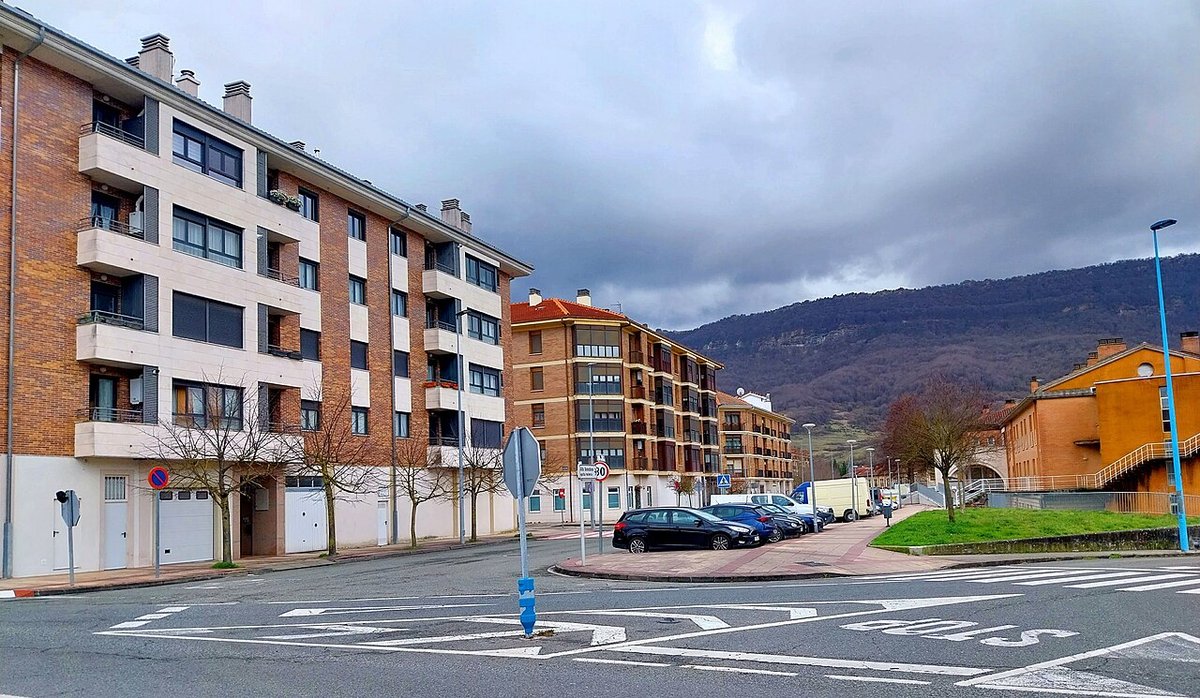
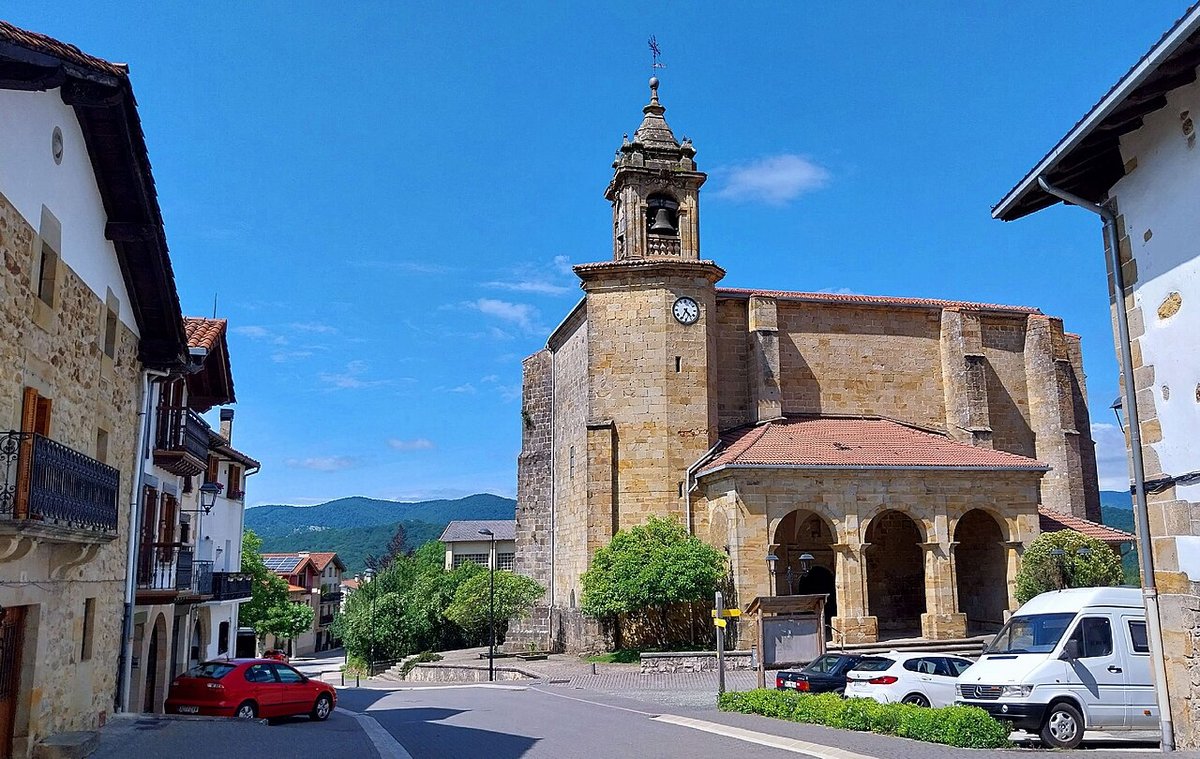
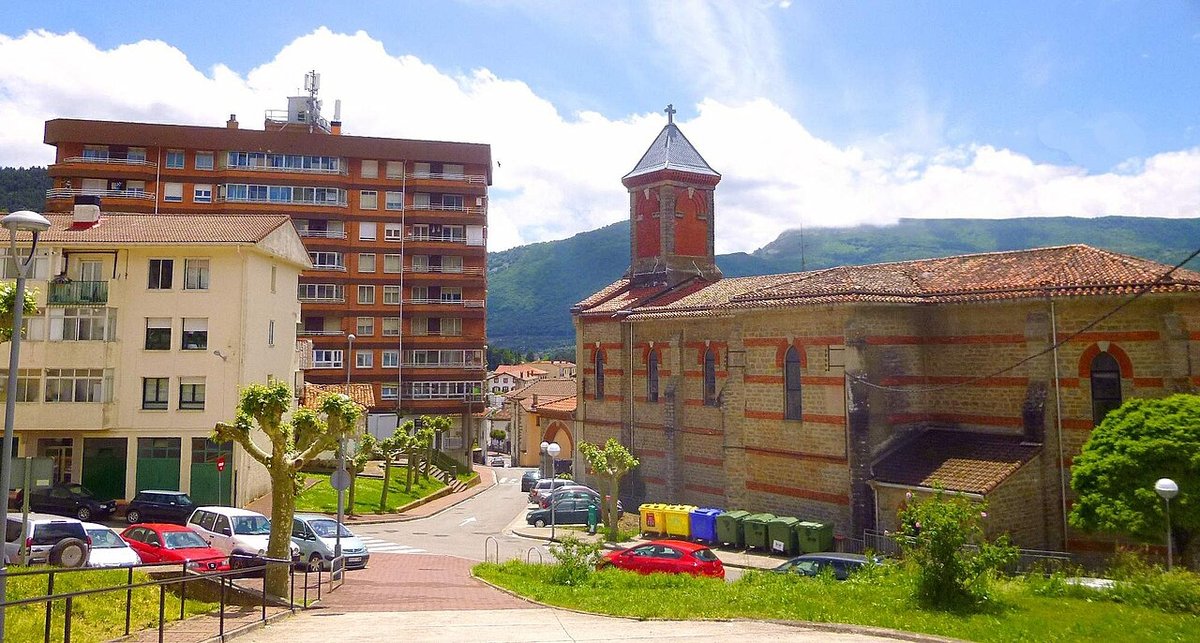
Irurtzun works in much the same way. Many people recognise it as the road junction between Pamplona, Gipuzkoa and Vitoria. It is a name on a sign, a point where routes meet. But once you leave the motorway and head into the town, the impression shifts. There is no single landmark that stops you in your tracks, yet the setting and the everyday atmosphere offer more depth than expected from a place most have only glimpsed through a car window.
A town shaped by the crossroads
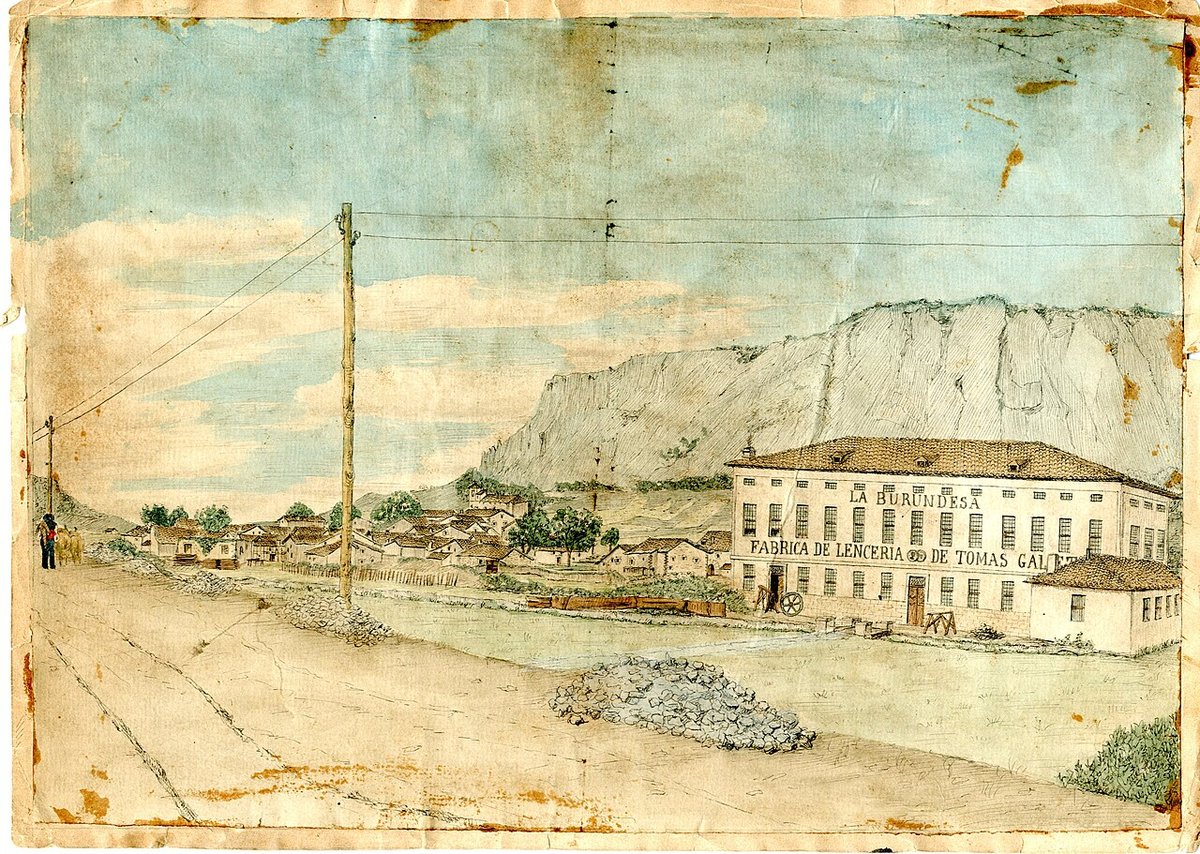
For a long time, Irurtzun was closely tied to the valley of Arakil. Its more recent history, though, is strongly linked to the roads. The A‑10 and the A‑15 intersect here, turning the town into a natural passage point between Sakana, the Pamplona basin and the north.
Today, just over two thousand people live here. For a small town, there is a noticeable level of daily movement. Workshops, industrial units, transport activity, people coming and going. It creates an atmosphere that feels less like a staged postcard and more like a place where life simply carries on.
Around midday, for example, groups of workers often fill the local bars for a quick meal before heading back to work. There is nothing curated about it. That straightforward rhythm is part of what makes the place feel grounded and real.
Between Erga and Gaztelu
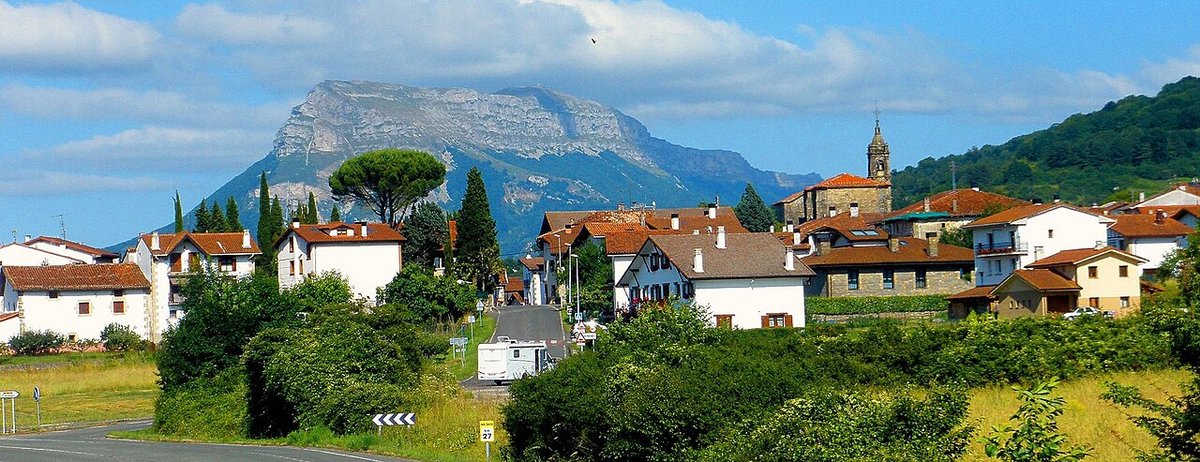
For anyone who enjoys walking, Irurtzun is well positioned. Rising directly above the town are two very recognisable mountains: Erga and Gaztelu. They are not high alpine peaks, but from below they have enough presence to tempt a climb.
The paths have been there for a long time, some following old routes between valleys. Signage is not particularly detailed, and you will not find panels every few metres. Many of these routes remain what they have always been, simple dirt trails winding through woodland and open clearings.
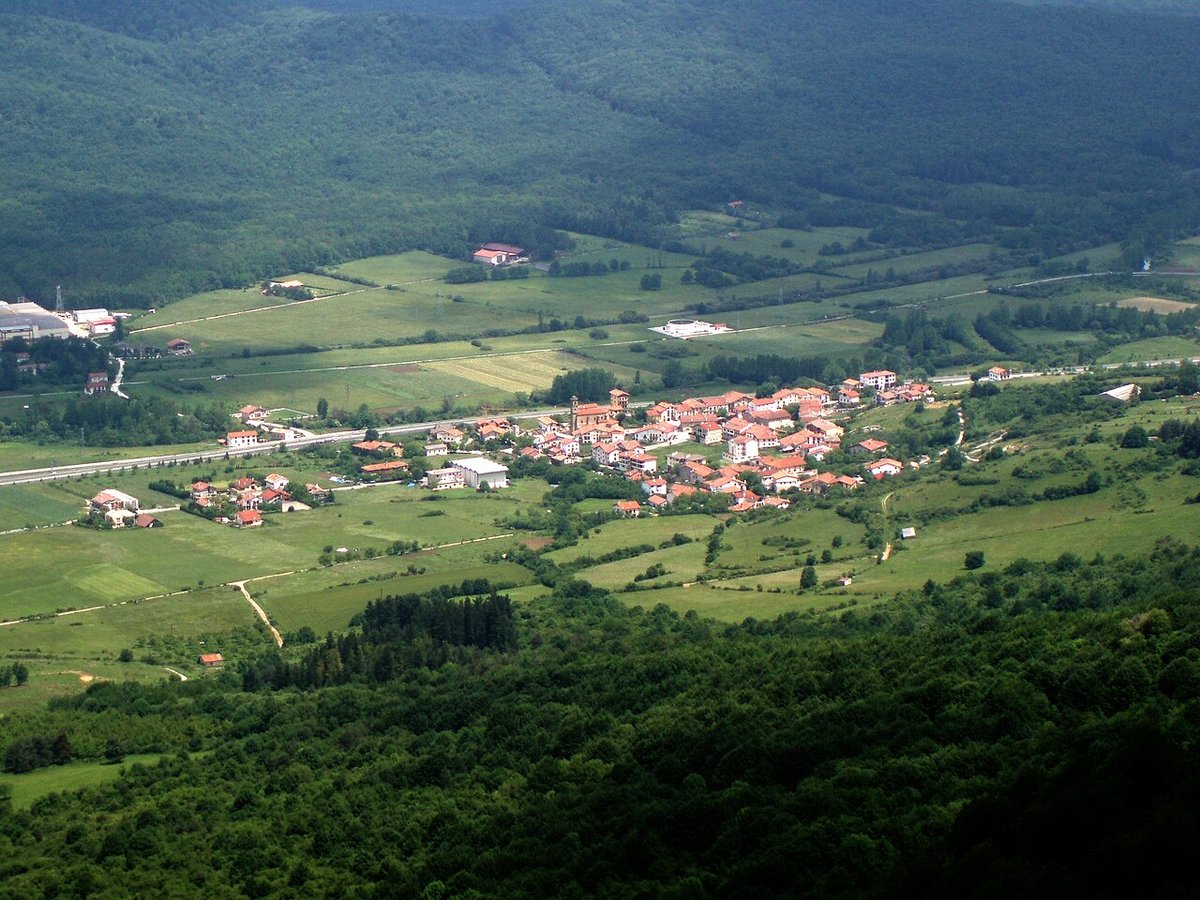
Erga reaches over a thousand metres, and from the top the Araquil valley opens out below. On a clear day, the Sakana stretches across the landscape like a green strip between mountain ranges. Gaztelu is slightly lower, but it sits right above the town and offers a climb that feels manageable and rewarding.
This area also saw military movement in the early 16th century during the conquest of Navarra. Local accounts often mention a skirmish near Cegarren. It is not a place filled with explanatory panels or marked sites, yet walking through these hills gives a sense of why the terrain once held strategic importance.
The rhythm of local celebrations
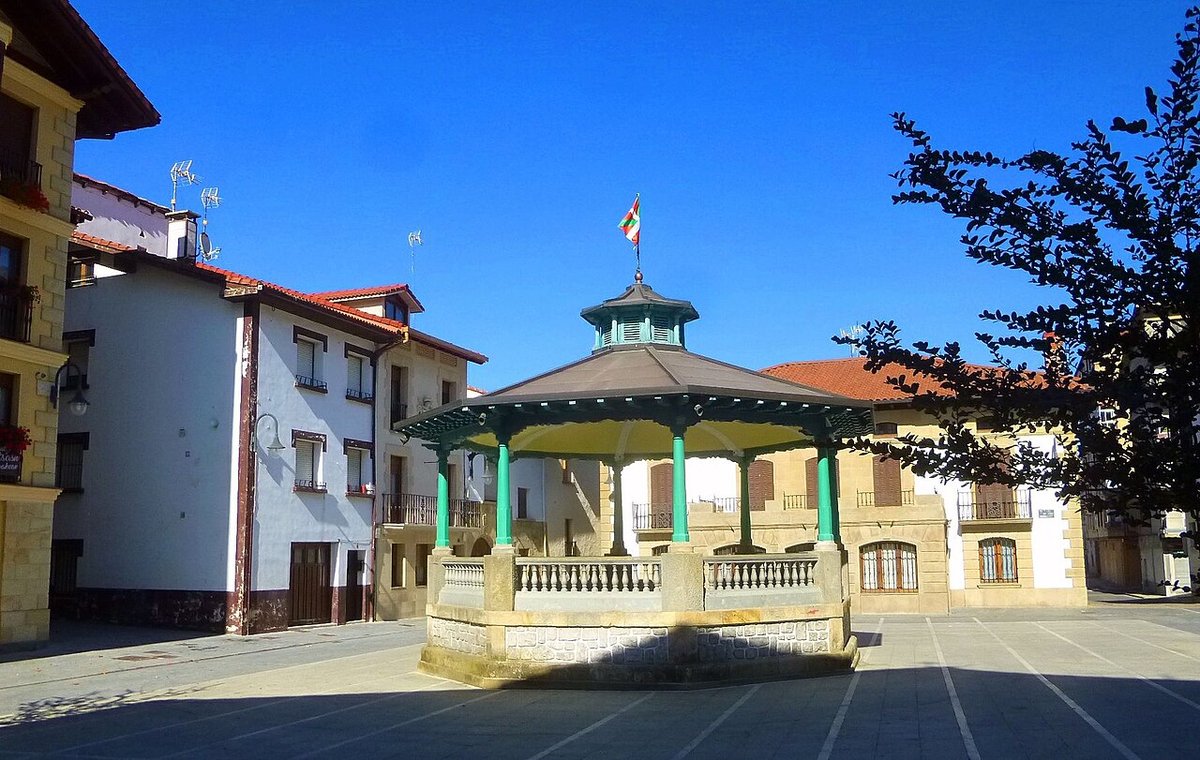
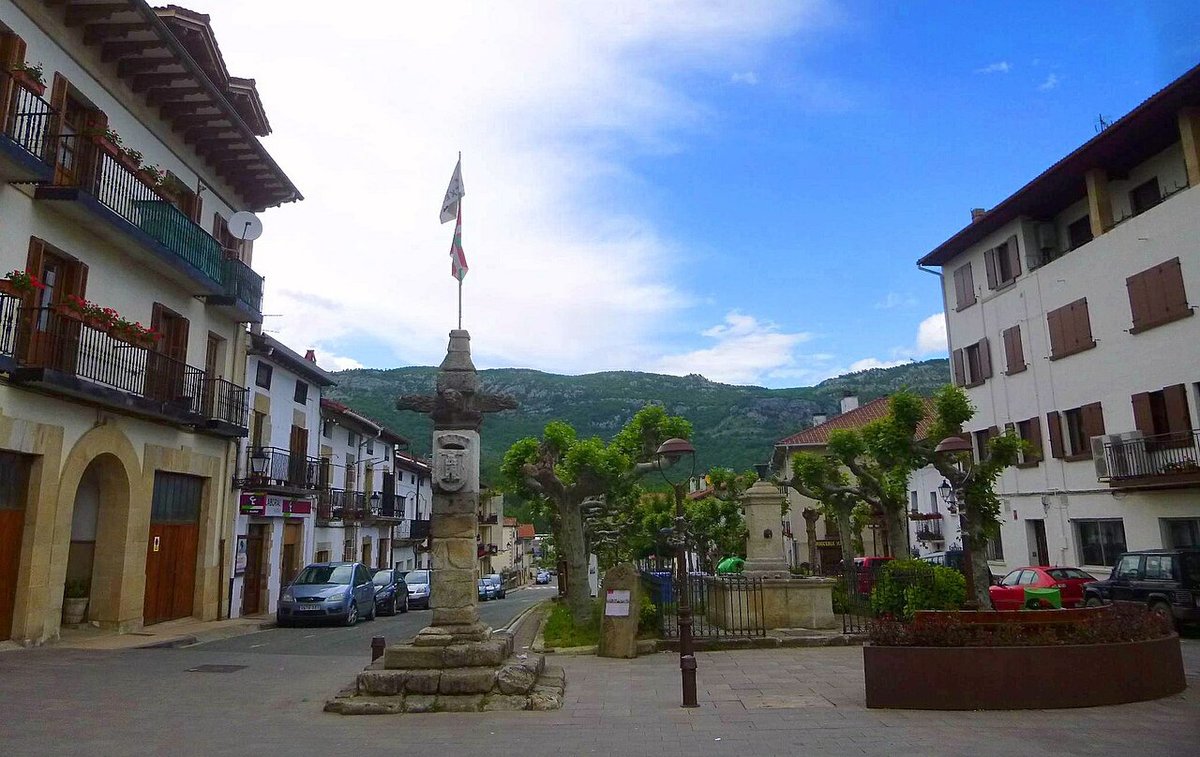
The main festivities in Irurtzun usually take place in mid-July and last several days. The atmosphere follows a pattern familiar across many towns in Navarra: social clubs known as peñas, music into the night, shared meals, and a central square that stays lively until late.
Other dates in the calendar remain just as present. San Martín in November and Santa Águeda at the beginning of February are still widely observed in the north. During Santa Águeda, groups go out into the streets singing, and traditional food finds its way onto many tables.
In December, the figure of Olentzero appears. For those unfamiliar, Olentzero is a charcoal burner from Basque tradition who comes down from the mountains to announce Christmas. In towns like Irurtzun, the scene feels close and unpolished: a simple parade, children running alongside, and much of the town gathered to watch.
By the Araquil river
Within the town itself, one of the most pleasant spots is the walk along the Araquil river. There is a broad green area and stretches where the water slows into calmer pools.
In summer, it tends to fill with young people looking to cool off or spend the afternoon outdoors. It is not a carefully designed riverside area, yet it works in a familiar way. You bring a towel, something to eat, and end up staying longer than planned.
A practical base for exploring
One of Irurtzun’s main advantages is its location. Pamplona is about twenty minutes away by car, and the Sakana begins almost as soon as you leave the town. That means it does not take long to reach mountain ranges, forests or small villages scattered along the valley.
It makes more sense as a base than as a place to spend several days focused only on the town itself. A morning climb up Erga can be followed by lunch back in Irurtzun, then an afternoon exploring part of the Sakana or heading towards the Sierra de Aralar.
A simple way to approach it
Irurtzun works best without inflated expectations. It does not try to present itself as a backdrop for photos. It feels more natural when treated as a starting point.
Parking near the centre, taking a short walk through the town, then heading up towards the hills is a straightforward plan. The climb to Gaztelu, for instance, suits a calm morning. Coming back down afterwards, sitting in the square with a drink carries a certain satisfaction.
What stays with you is the sense of having stopped somewhere that functions for the people who live there. Sometimes that is exactly what you want when exploring a valley like this.