Full Article
about Iturmendi
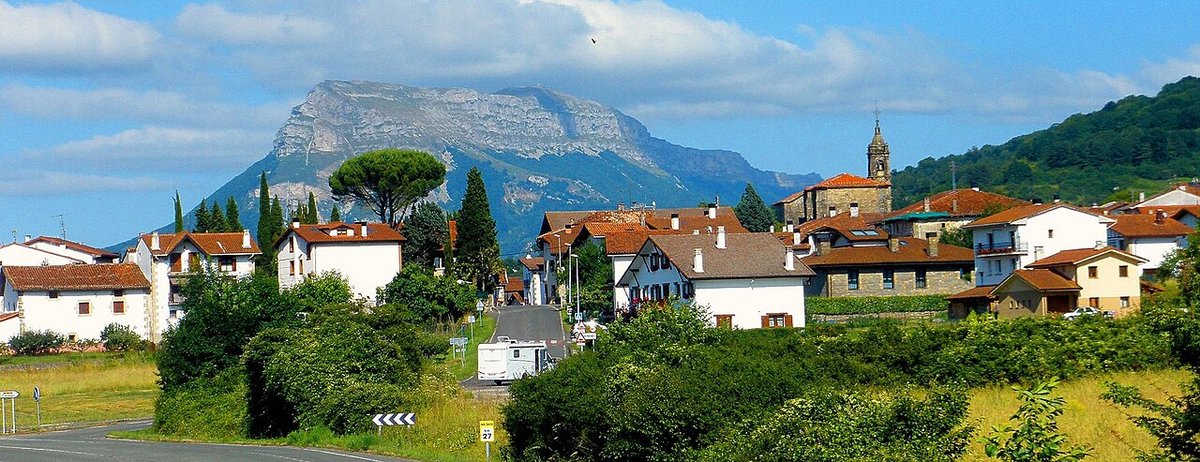
Linear village of the Sakana; it keeps the tradition of the pilgrimage to the Santa Marina hermitage in Urbasa
Ocultar artículo Leer artículo completo
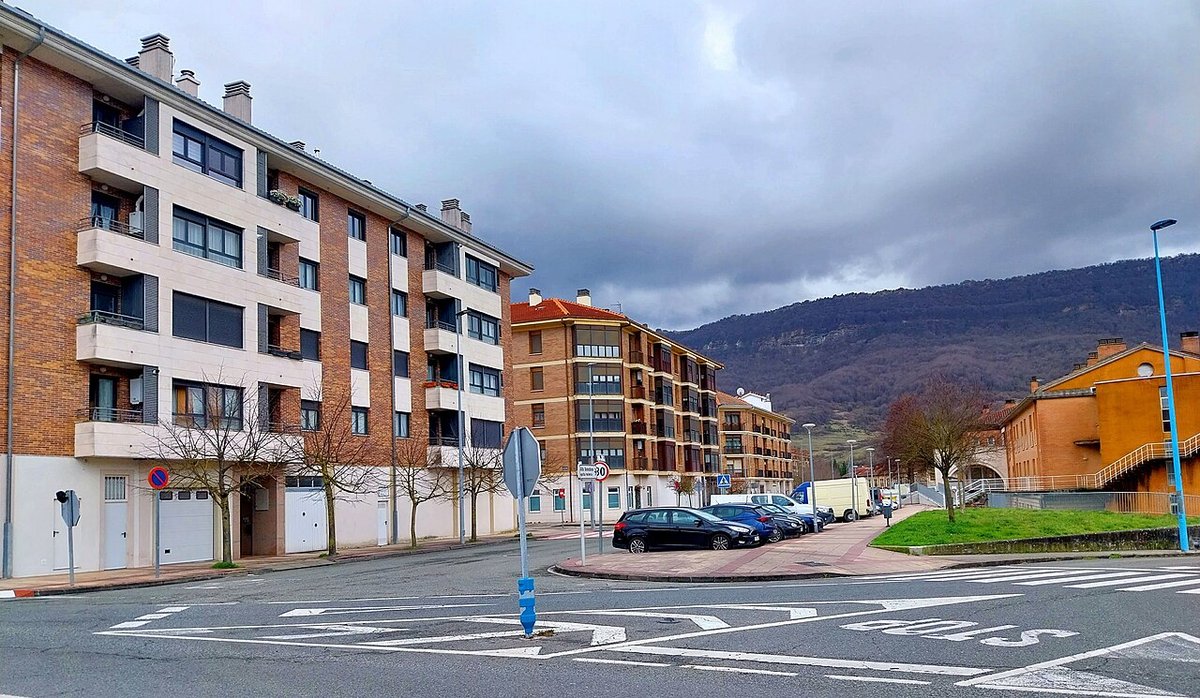
The church bells ring at 530 metres above sea level, their sound carrying across valleys that stretch towards the Basque mountains. In Iturmendi, altitude isn't just a number on a map—it's the difference between sweltering heat in Pamplona and needing a jumper at midday, even in July.
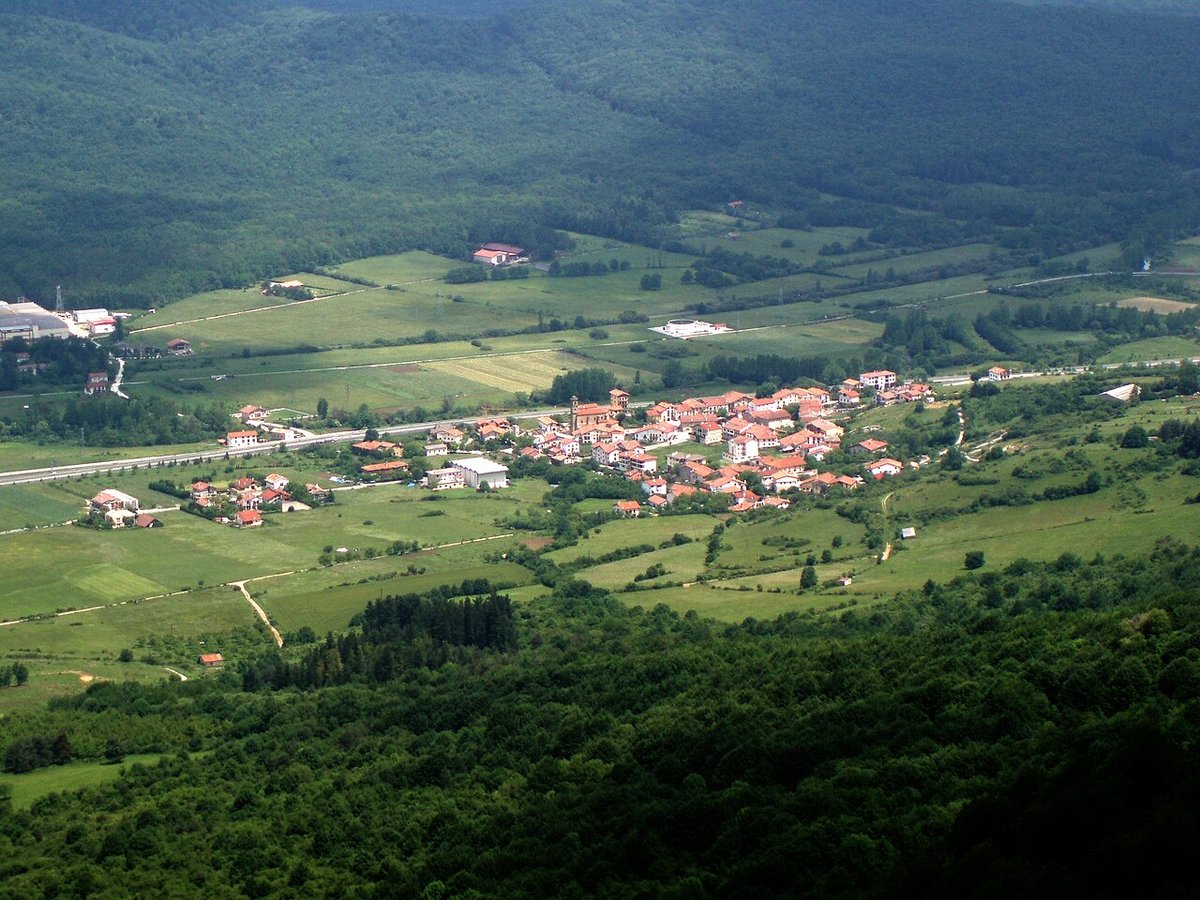
This mountain village of 378 souls sits where the road from Alsasua starts climbing properly into Navarra's northern reaches. The name itself comes from Basque: itur meaning spring, mendi meaning mountain. Water and height, the two elements that define daily life here more than any monument or museum ever could.
Stone Houses and Mountain Air
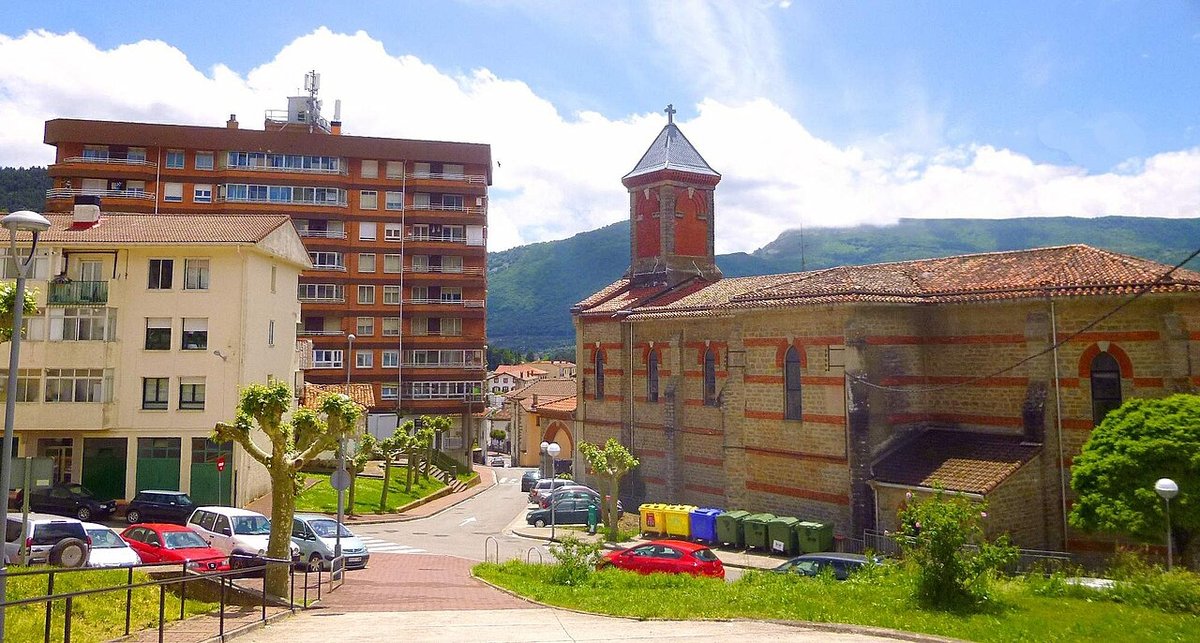
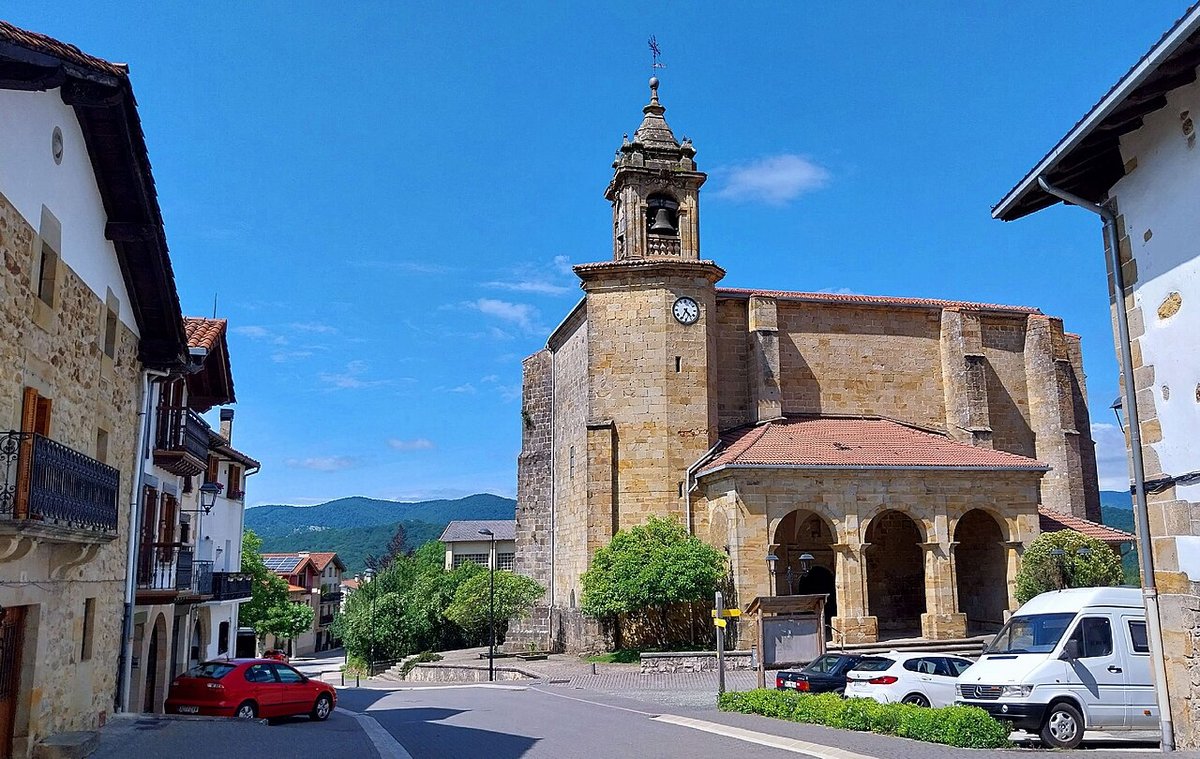
The village centre clusters around the medieval Church of San Miguel Arcángel, its stone walls weathered to a soft grey that matches the winter sky. Unlike the grand ecclesiastical buildings further south, this is a working church—solid, practical, and often locked outside service times. The architecture rewards a slow circuit: notice how the stone courses change markedly halfway up the tower, evidence of later additions that speak to centuries of mountain weather and shifting tastes.
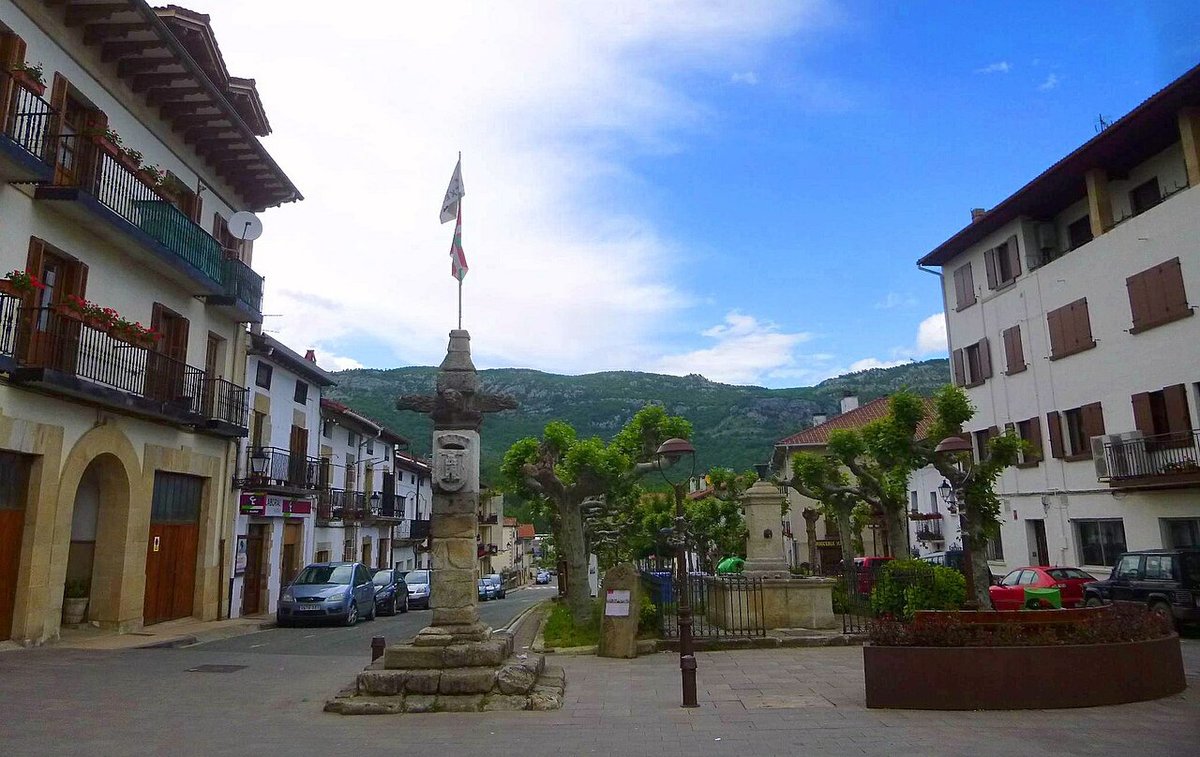
Traditional houses line the narrow streets, their ground floors built from local stone, upper storeys timber-framed and whitewashed. Many still bear the family names carved into lintels above doorways—Elordi, Goñi, Etxeberria—families whose roots run deeper than the modern Spanish border. Wooden balconies sag slightly under the weight of geraniums in summer; in winter, smoke curls from chimneys at odd angles, caught by mountain winds that don't trouble the valley floor three hundred metres below.
The settlement pattern makes sense once you understand the terrain. Houses huddle together for protection, backs turned to the prevailing weather, faces oriented towards whatever sun reaches these northern slopes. Kitchen gardens appear wherever a patch of ground levels out—leeks and cabbages for winter stores, tomatoes and peppers for summer eating. Wire fences keep out the sheep that graze the surrounding slopes, their bells providing a constant soundtrack that tourists mistake for local colour but residents barely notice.
Walking Country
Mountain villages live or die by their paths, and Iturmendi's network spider-web across the slopes in all directions. The most straightforward route follows a farm track southeast towards Arbizu, climbing gently through oak woodland before emerging onto sheep pastures with views back across the valley. Allow ninety minutes for the round trip, though weather can double that time—mist drops suddenly here, turning familiar landmarks alien and making navigation tricky even for locals.
More ambitious walkers can tackle the track towards Mount Uzkia, following yellow-painted markers through beech forest until the trees thin and the path becomes a sheep trail across open mountain. This is proper mountain walking: sturdy boots essential, waterproofs non-negotiable, and a map more use than a phone screen that can't cope with bright sunlight or rain. The reward comes at the ridge, where the whole Sakana valley spreads below and, on clear days, the Pyrenees shimmer white on the northern horizon.
Winter transforms these routes completely. Snow falls from November onwards, sometimes lying until April on north-facing slopes. The same farm tracks become cross-country ski routes—local enthusiasts maintain them sporadically, but don't expect groomed trails or rental shops. What the village lacks in facilities it makes up for in authenticity: this is mountain life as lived by people whose families have weathered these conditions for generations.
Mountain Time
The altitude affects more than walking routes. Summer evenings cool rapidly once the sun drops behind the western ridge—temperatures can fall ten degrees within an hour, making that extra layer you packed suddenly essential. Morning mist pools in the valley bottom, sometimes not burning off until lunchtime, creating the illusion from the village of living above the clouds.
Winter brings its own rhythms. The sun doesn't clear the eastern peaks until mid-morning, and shadows start lengthening again by mid-afternoon. Locals time their day accordingly—heavy work happens during the brief bright hours, indoor tasks fill the long twilight. The village shop (open mornings only, except Tuesday and Thursday when it's open until 2pm) does its brisk trade early, before people retreat indoors to wait for the day to warm slightly.
Rain arrives differently at this height. Valley dwellers might complain of drizzle while Iturmendi experiences proper mountain weather—horizontal rain that finds every gap in clothing, followed by brilliant sunshine that steams moisture from stone walls. Weather forecasts for Pamplona or Vitoria prove unreliable; locals trust the mountain version of country wisdom instead. Red sky at night might be shepherd's delight elsewhere, but here it often means snow coming over the peaks.
Practical Mountain Realities
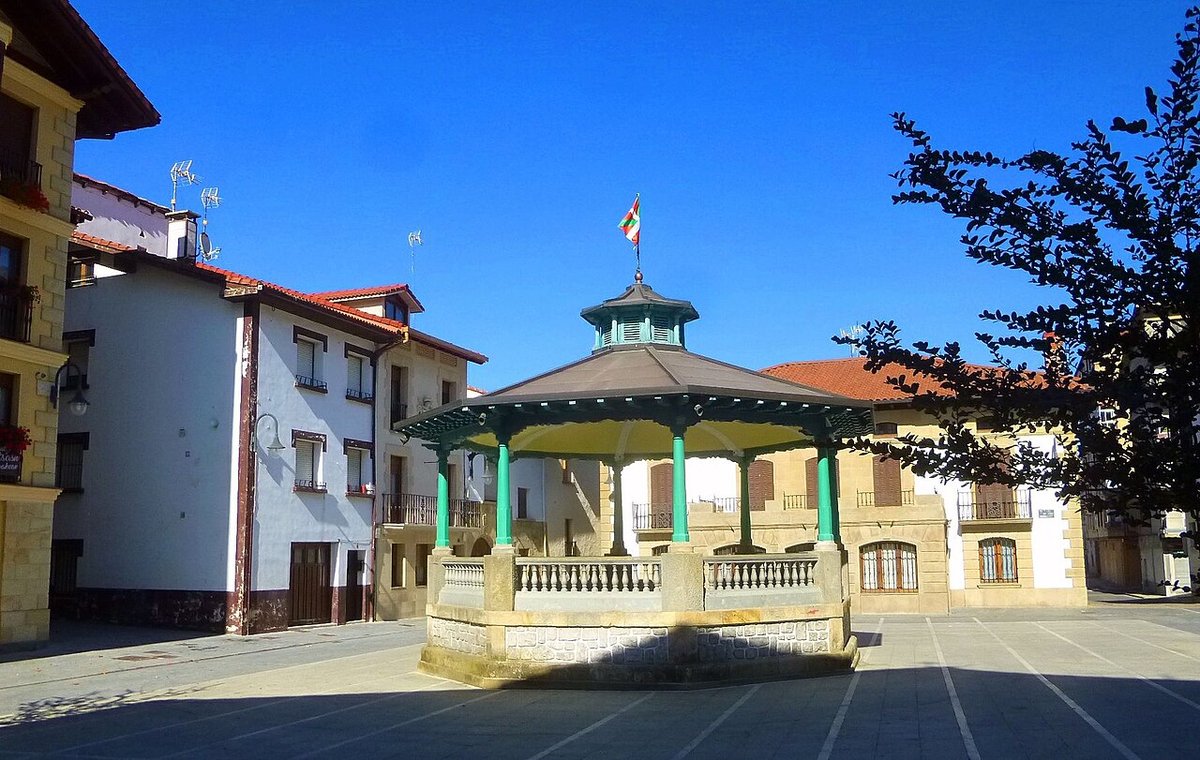
Reaching Iturmendi requires accepting mountain driving conditions. From Pamplona, the N-240 speeds through the valley floor before the NA-7320 turns north for the final climb—seven kilometres of switchbacks that gain 300 metres in altitude. The road stays open year-round thanks to local determination and regular gritting, but winter tyres become essential rather than advisory from November onwards. Parking in the village itself remains refreshingly straightforward—find the small plaza near the church and squeeze in wherever space allows.
Accommodation options remain limited, reflecting the village's role as somewhere to pass through rather than base yourself. Casa Elordi offers two self-catering properties in restored village houses—book well ahead for summer weekends when Spanish families escape coastal heat for mountain air. Otherwise, the sensible approach combines morning exploration here with afternoon stops in valley villages like Alsasua or Echarri-Aranaz, where restaurants and bars operate on more conventional Spanish schedules.
The altitude affects eating patterns too. Mountain appetites demand substantial food, served at times that seem odd to coastal Spain. The village bar opens early by Spanish standards—7am for workers heading to mountain pastures—and serves a proper breakfast of chorizo and eggs rather than the token toast available lower down. Lunch happens promptly at 1pm, before afternoon weather closes in, and evening meals arrive early enough to walk home safely before darkness falls completely.
Mountain Truth
Iturmendi won't suit everyone. Those seeking tapas trails or boutique hotels should stay in the valley. The village offers instead a glimpse of mountain life as it actually functions—practical, weather-dependent, and rooted in terrain that makes everything slightly more difficult than it needs to be. Yet this very difficulty creates its own rewards: the sharp clarity of mountain air, the sudden views when cloud lifts, the satisfaction of reaching the ridge and understanding exactly why people chose to live at this height despite everything.
Come prepared for weather that changes hourly, paths that demand proper footwear, and a pace of life dictated by altitude and seasons rather than tourist convenience. The mountains surrounding Iturmendi have seen off Romans, Moors, and countless would-be conquerors—they remain entirely indifferent to whether visitors find the village convenient or charming. Which, paradoxically, makes it worth the climb.