Full Article
about Urdiain
Sakana village with the San Pedro hermitage in a magical setting; it keeps old traditions like the solstice.
Hide article Read full article
A village shaped by a corridor
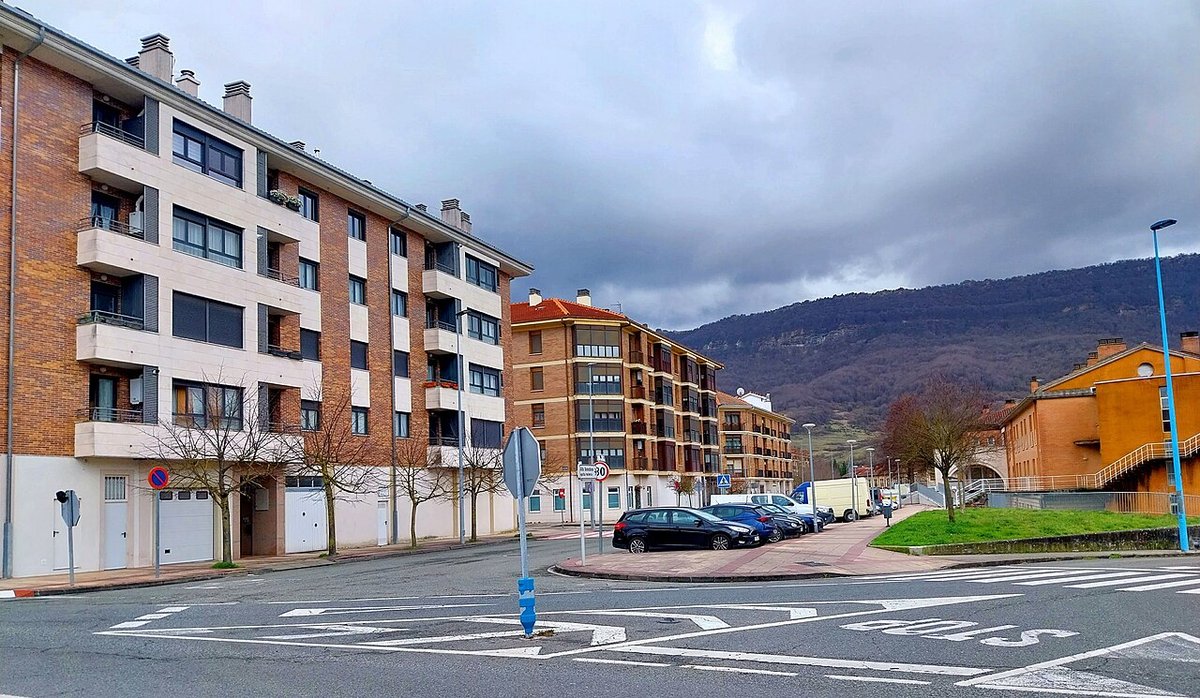
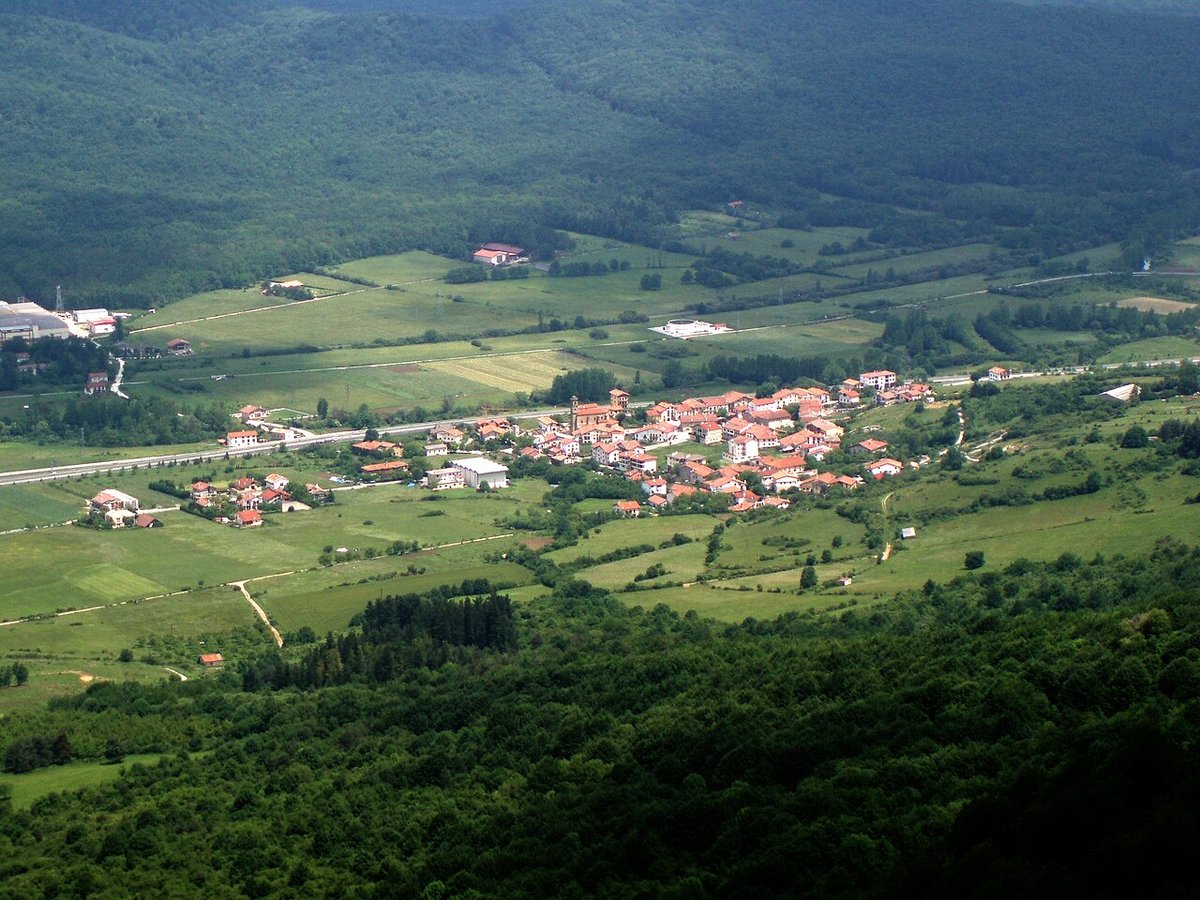
Urdiain exists because of the Sakana. This valley, a natural passage between the sierras of Aralar and Urbasa, has long been a route connecting Navarra with Álava. The village grew from that movement, a settlement for transit and work, not for show. Its form still tells that story.
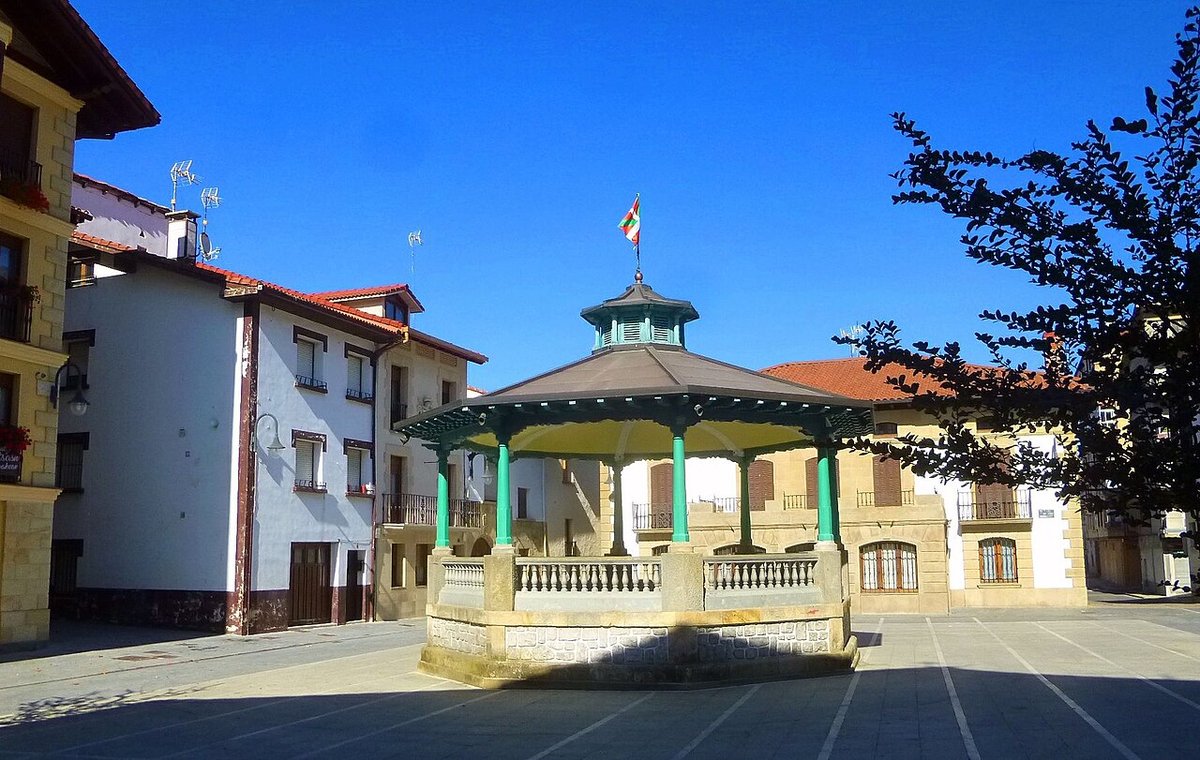
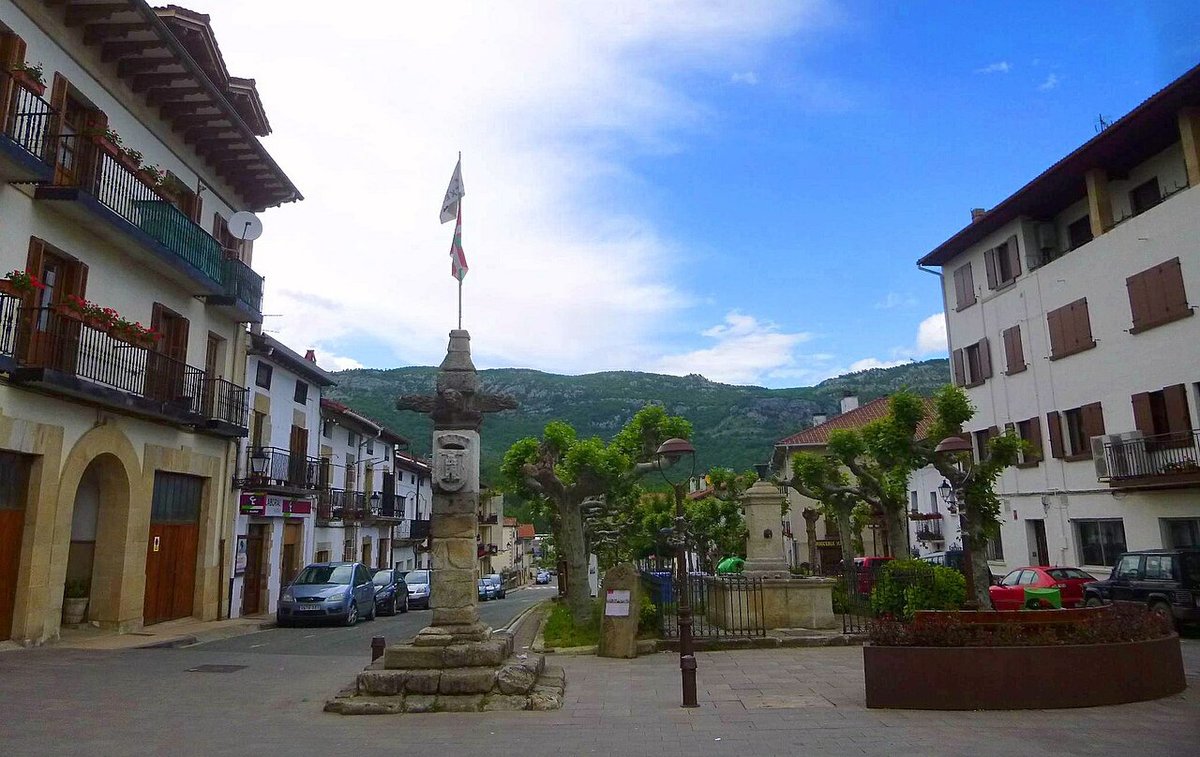
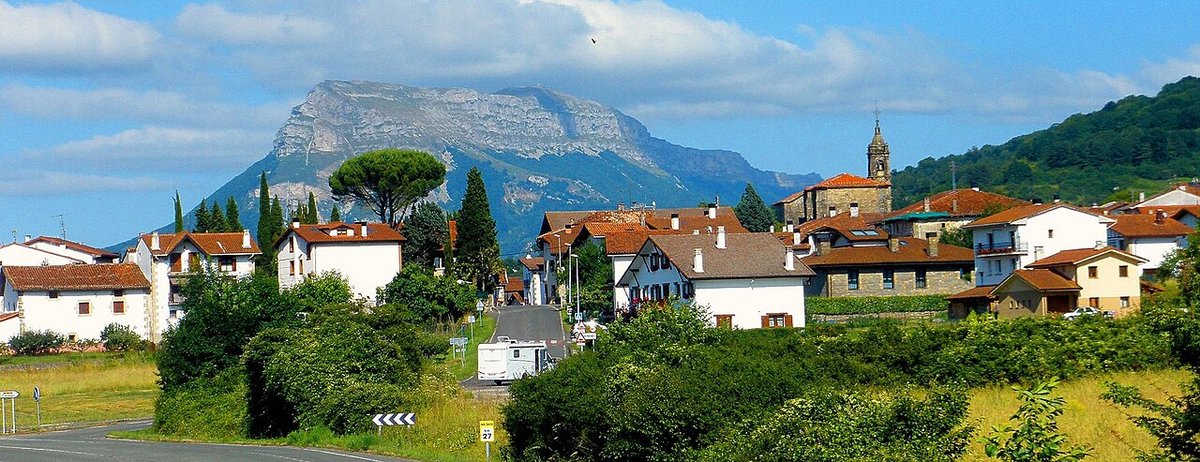
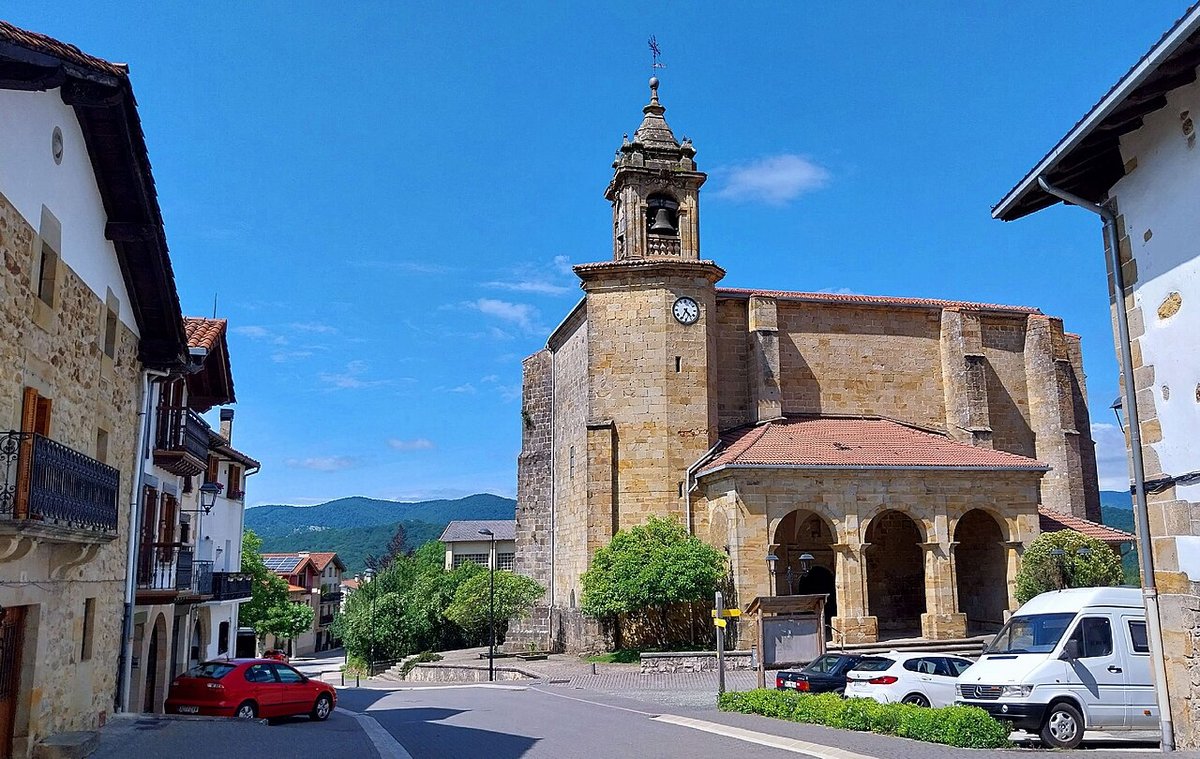
Houses gather tightly around the church, with farmland beginning just beyond the last buildings. The structure of the centre hasn’t changed much. Streets are short, the buildings are of stone and timber, and life here follows the rhythm of livestock and fields. Around six hundred people live with that pattern.
San Martín at the centre
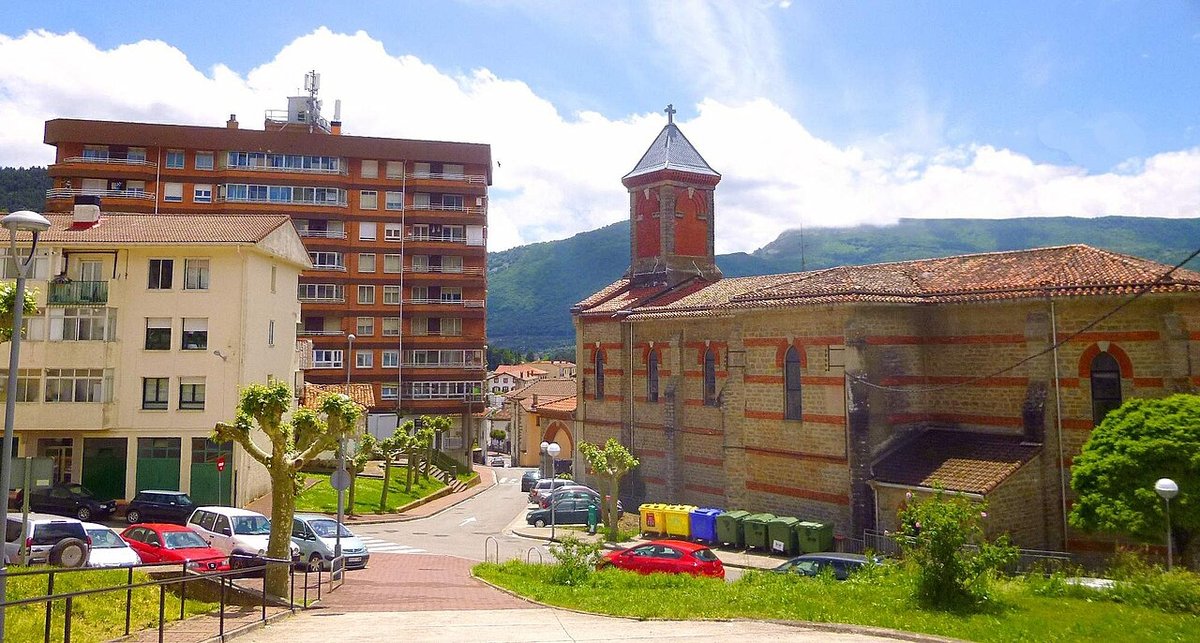
The church of San Martín defines Urdiain’s skyline. It sits squarely in the middle of the village, a 16th-century construction with 18th-century modifications. The architecture is austere: stone-built, functional, without grand ornament. Its significance lies in its position.
For centuries, this space organised community life. The local council met here, decisions were made in its shadow, and the parish was the reference point around which daily activity turned. You understand the village layout by standing before it. The church is less about artistic detail and more about its role as an anchor.
Houses and the Sakana landscape
The streets are lined with masonry farmhouses. Look for the wide roofs, wooden eaves, and some surviving iron balconies and carved stone doorways. These were working buildings, designed to combine living quarters with stables or storage for tools and harvest.
The shift from village to countryside is abrupt. A few minutes' walk from the church leads to meadows and small woods of beech and oak. In autumn, the change in the valley’s colour is pronounced, a slow shift from green to ochre that marks the season across the Sakana. The paths here are not always signposted; it’s wise to note your direction before wandering too far. This is working land, shaped by agriculture, not by tourism.
Ironworking traces and routes to Aralar
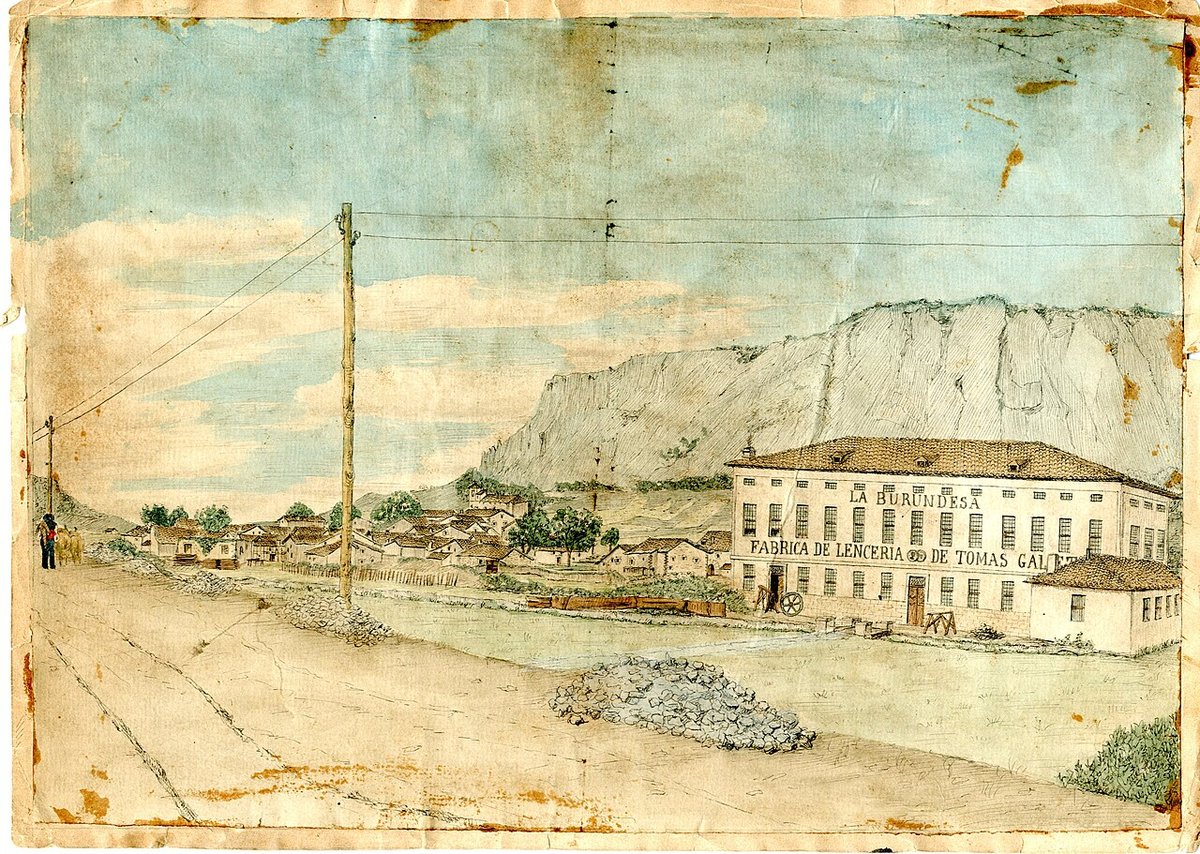
Scattered through the area are remains of old ferrerías, the traditional ironworks that once operated in the valley. You might find sections of wall or overgrown channels near streams. They are not obvious monuments, but their presence signals a time when iron production was part of local life, powered by water and charcoal from these woods.
Old paths survive alongside these traces. Some stretches are still cobbled; a few small stone bridges remain. These routes once connected Urdiain to higher pastures and the Aralar massif, used for seasonal grazing and movement between villages. Modern walking trails often follow these same lines. They are not merely scenic; they map an older geography of work.
Local life and the calendar
Life in Urdiain is punctuated by specific dates. The feast of San Martín, the patron saint, is held in November. In summer, romerías—communal outings to nearby sanctuaries—are common. One of the principal destinations is the sanctuary of San Miguel de Aralar, a site of regional importance.
Outside these events, the village is quiet. Daily life revolves around the fields, kitchen gardens, and livestock. Public activity is sparse for much of the year, with routines tied to agricultural cycles and the demands of the land.
Walking through Urdiain
You can walk the centre of Urdiain in under an hour. A logical route is to trace the main streets past the church, then follow the tracks that circle the village. From these slightly higher paths, you get clear views across the Sakana valley towards the slopes of Aralar.
The place makes most sense when you see it as part of this wider context. On its own, it is a small Navarrese village. Its meaning comes from its position in a network of paths, hills, and neighbouring settlements. The church, the farmhouses, the fields, and the old routes to the sierra are all connected. Urdiain was not built for visitors; it was shaped by its geography and its past. That is what you read in its stones.