Full Article
about Ziordia
First town in Navarra coming from Álava; industry and tradition in the Sakana corridor
Hide article Read full article
Arriving and getting your bearings
If you are coming to Ziordia for a bit of tourism, the first thing to think about is the car. Parking is usually straightforward at the edges of the village. The centre is small and easy to walk, so on weekends or busier days it makes sense to leave the car outside and head in on foot.
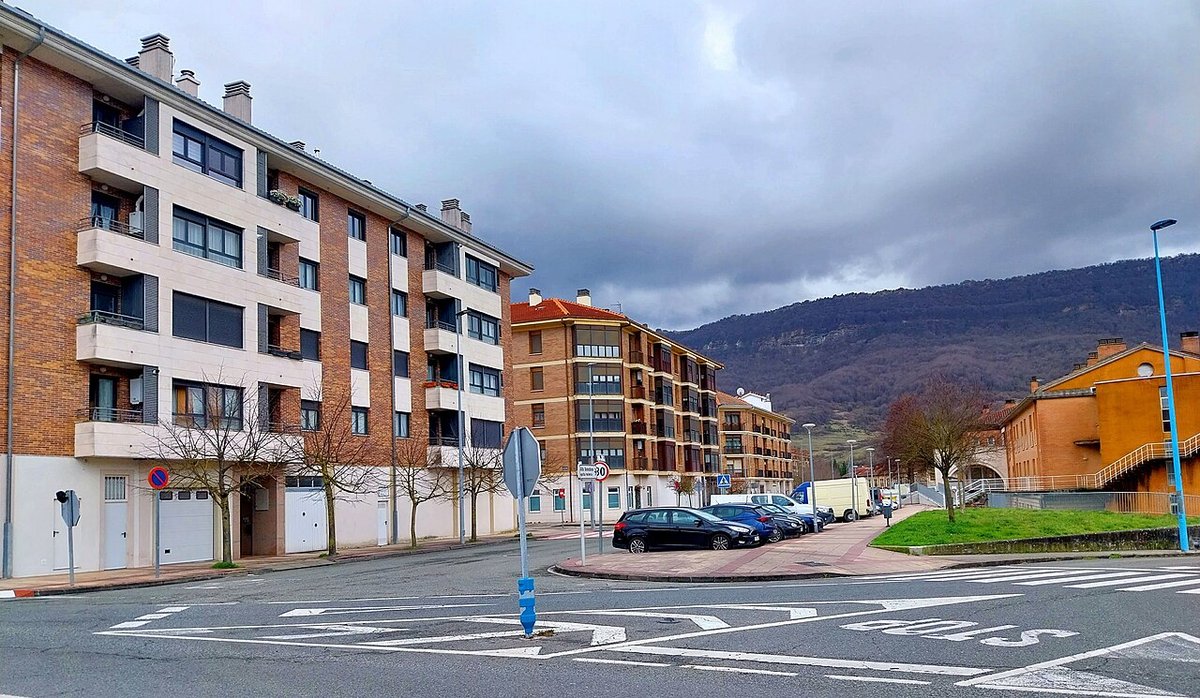
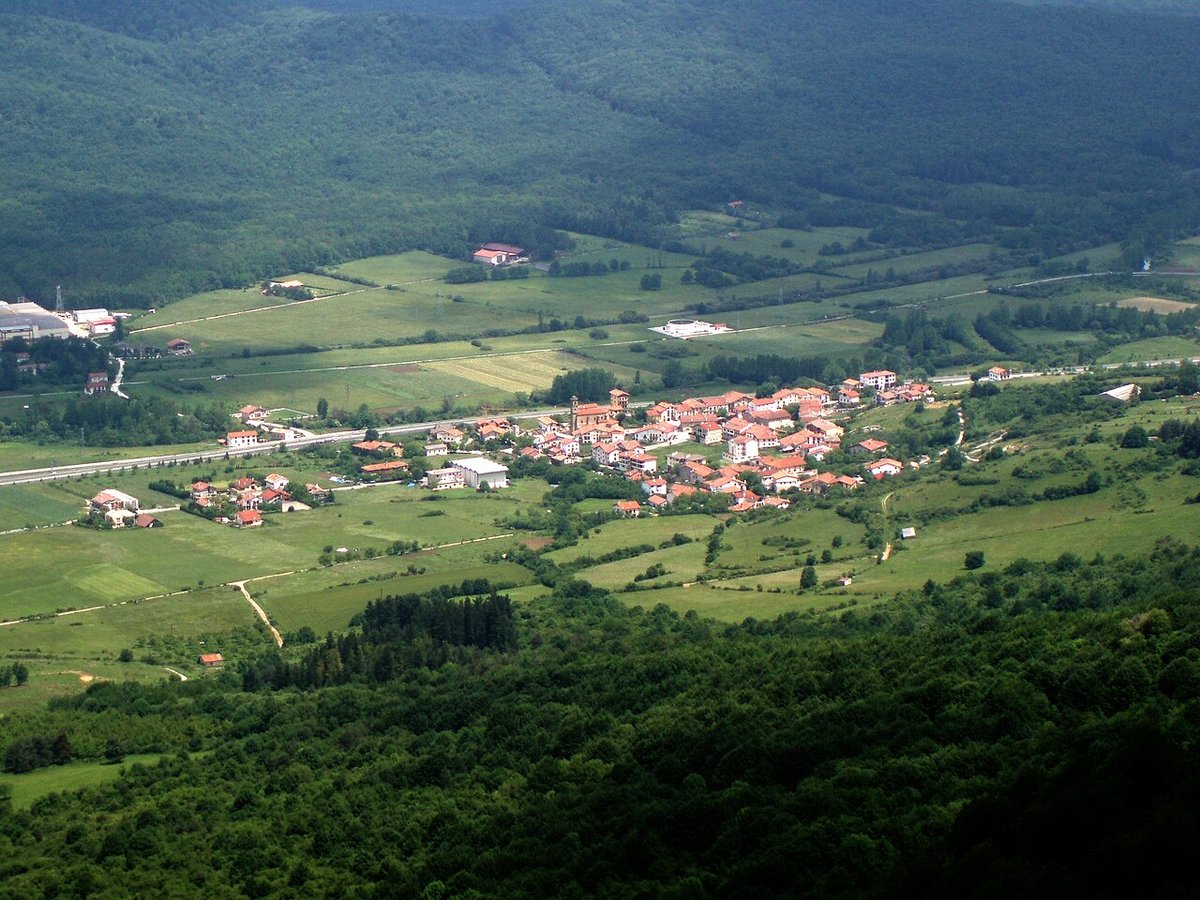
Ziordia has around 350 residents and sits in the Sakana valley, in Navarra. It is not a place that demands much planning. A simple walk through the streets is enough to get a sense of it. Even if you slow down to look at the houses, you will cover the whole place in a little over half an hour.
The shape of the village
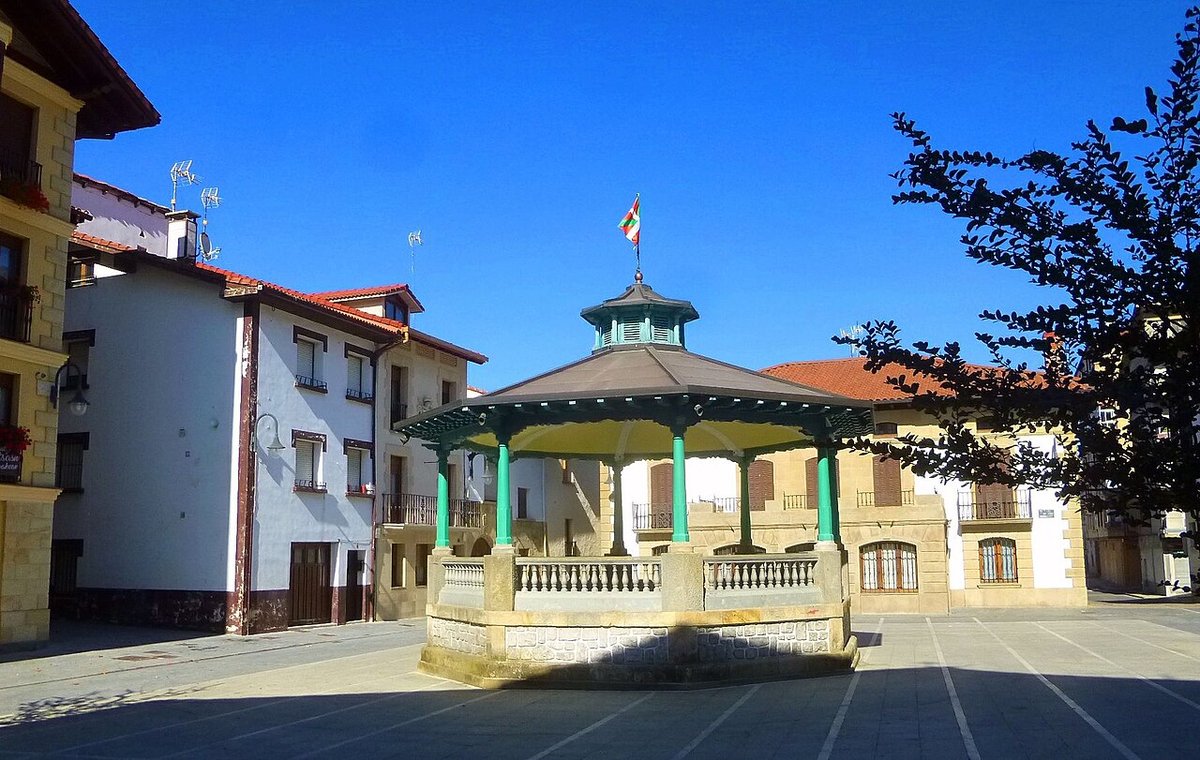
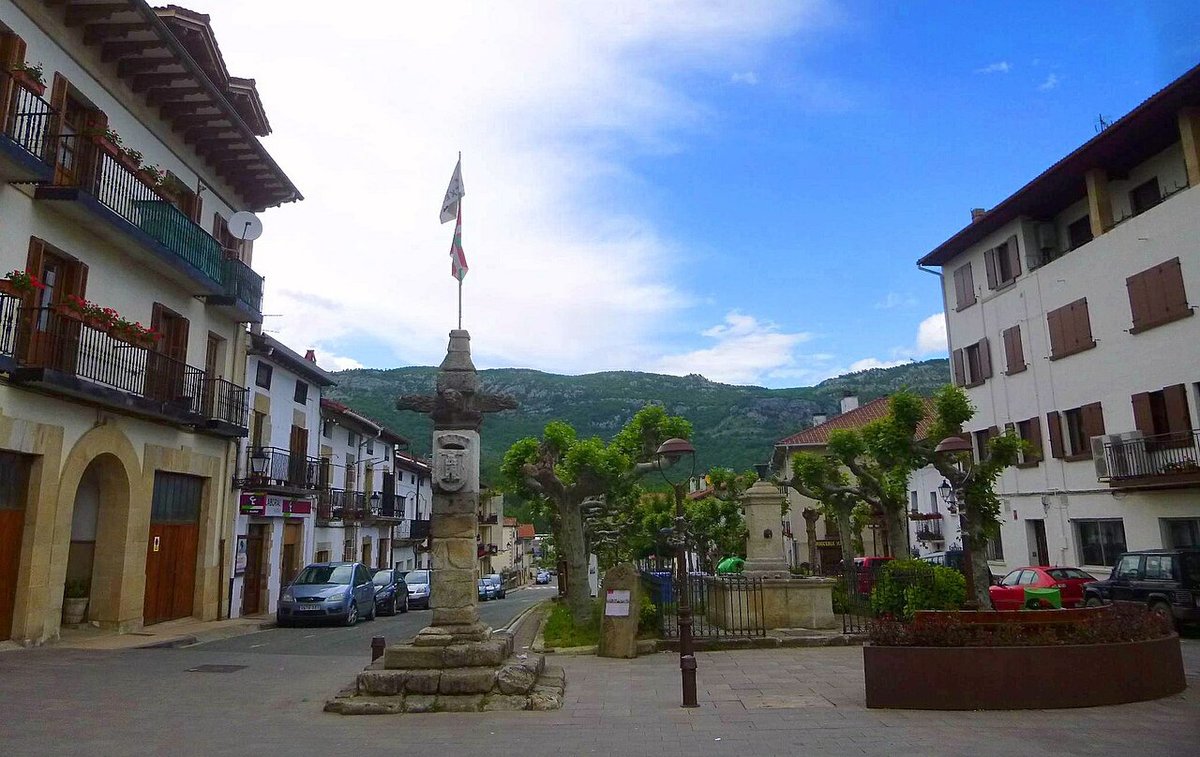
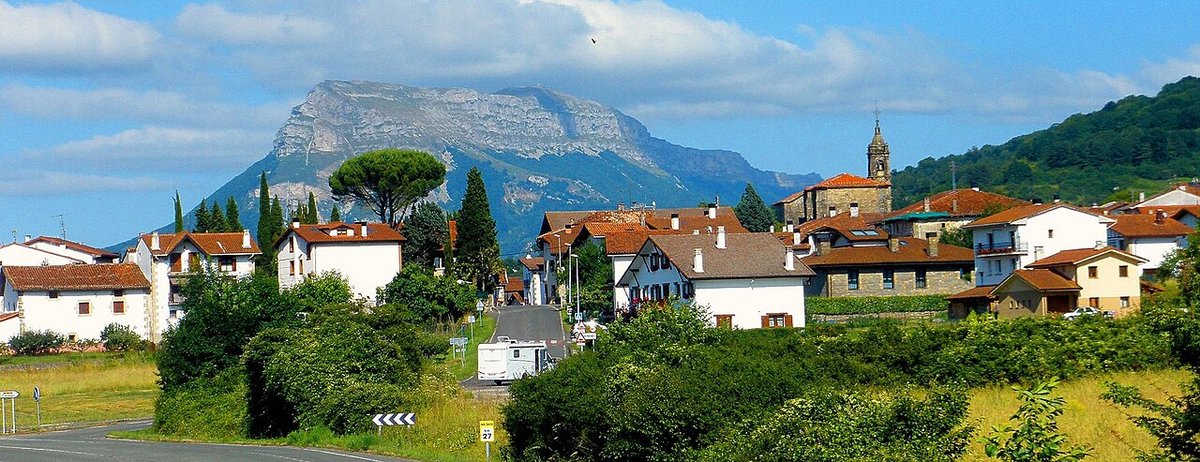
The streets are short and generally very quiet. Stone houses line them, with pale façades and tiled roofs that give the village a fairly uniform look. There are no large squares or standout buildings that keep you lingering for long.
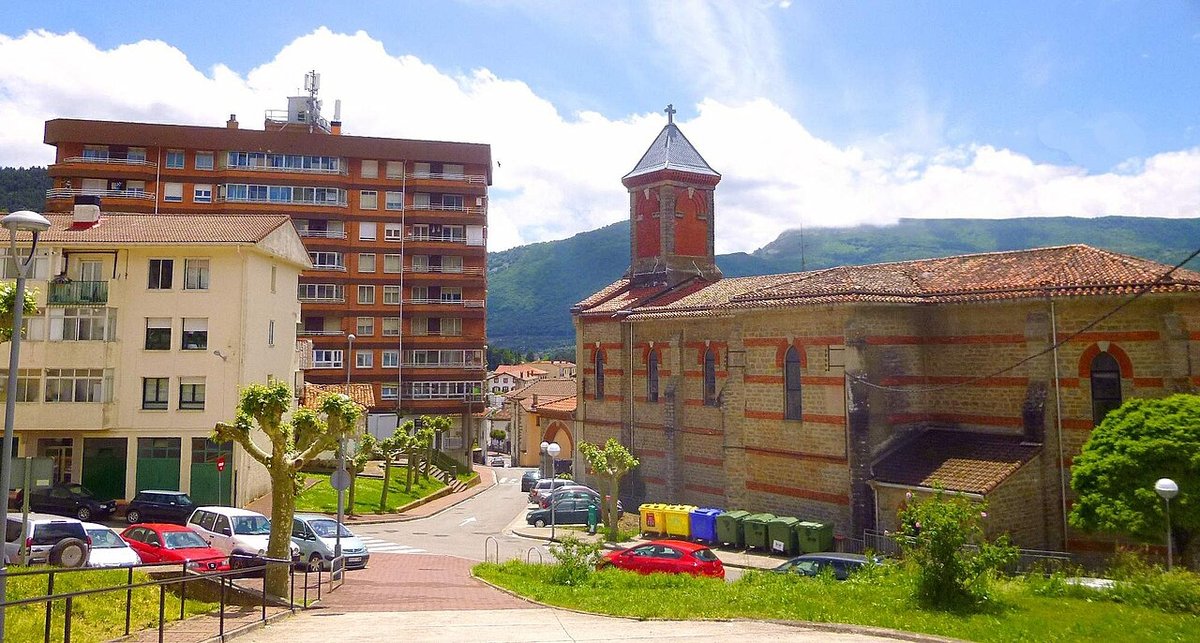
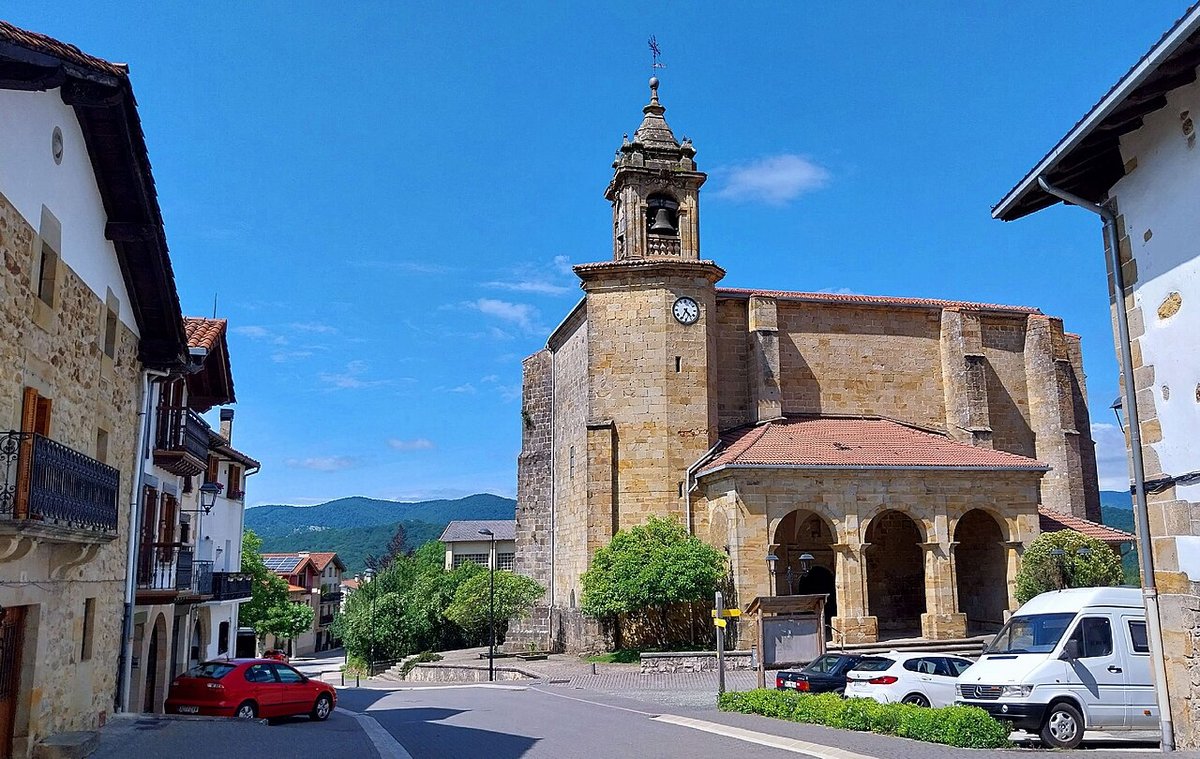
The most visible building in the centre is the church of the Asunción. As you wander, you will naturally pass by it more than once. Some houses still display coats of arms on their façades, and small vegetable gardens sit close to homes, reflecting an older way of organising daily life.
There is also sound, but not the kind associated with busy towns. You hear the countryside. Livestock, agricultural machinery, and the road that runs along the valley at a distance. It feels like ordinary village life rather than something arranged for visitors.
Walking beyond the last houses
Once you leave the built-up area, the surroundings open quickly into meadows and small patches of woodland. The landscape changes noticeably with the seasons. In spring everything turns intensely green. By autumn, the hills take on more muted tones.
There are rural paths around the village. Some are wide tracks used by tractors. Others narrow as they pass between fields or through young trees. After rain, mud appears quickly and can make walking slower.
Cycling is possible, though not every route is paved. If you are travelling with a road bike, there will be stretches where you need to get off and push. The area suits a relaxed approach rather than a fixed route.
Life in the Sakana valley
Life here revolves around the countryside and the wider Sakana valley. There are still family vegetable plots and livestock close to the village. At certain times of year, seasonal produce and homemade pastries appear, usually intended for local people rather than visitors.
In summer, Ziordia celebrates its patron saint festivals. These typically include religious events and shared meals. The atmosphere is local and low-key, with little sense of putting on a show for outsiders.
The valley is also a passage for migratory birds at certain times of year. If you bring binoculars, you may notice movement overhead. It is not a place known for rare sightings, but there is still interest in watching the sky if you are patient.
How long to stay
Ziordia is quick to see. Walk to the church of the Asunción, wander along two or three streets, then head out towards the edge of the village for a short walk into the surrounding fields.
If you have more time, it is better spent exploring other parts of the Sakana valley or heading towards nearby mountain ranges. Ziordia works best as a short stop rather than a base for several days.
A simple approach works well here. Arrive early, leave the car outside the centre, and walk without rushing. In less than an hour you will have a clear sense of what the village is like, and that is really all it asks of you.