Full Article
about Aibar
Medieval town known as the village of the duendes; noted for its cobbled streets and well-preserved civil architecture.
Ocultar artículo Leer artículo completo
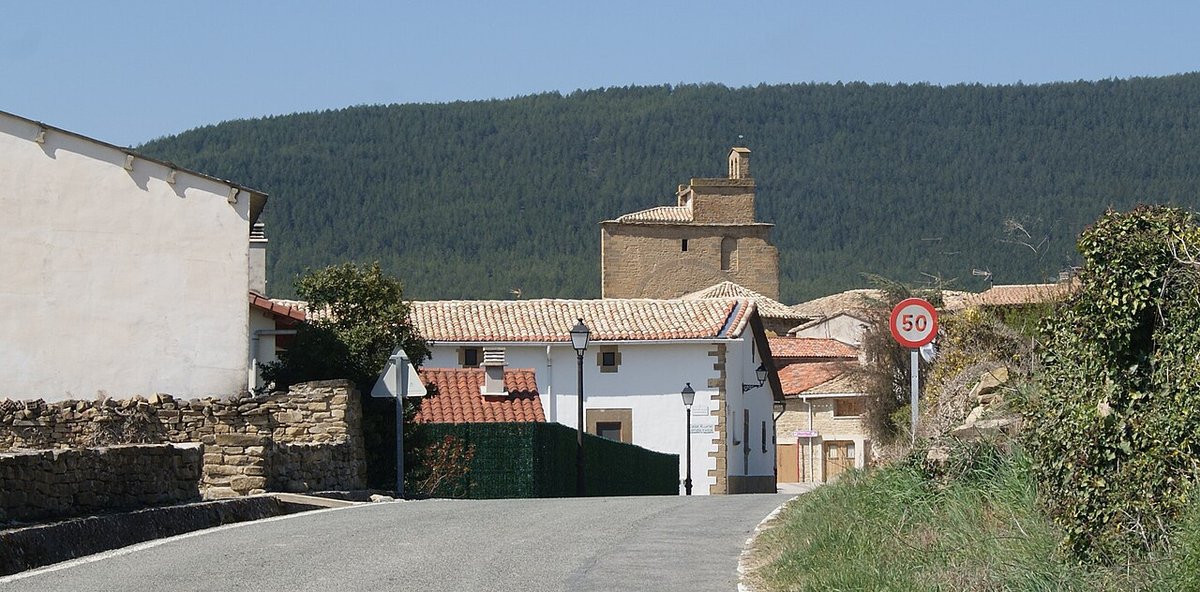
The church bell strikes eleven as a farmer manoeuvres three sheep through Aibar's main gateway, the same stone arch locals have used since the 13th century. At 531 metres above sea level, this small Navarran town breathes differently from its lowland neighbours—the air carries a sharpness that makes even summer mornings feel brisk, and the surrounding cereal terraces ripple like a golden lake when the wind picks up.
Stone, Silence and the Occasional Sheep
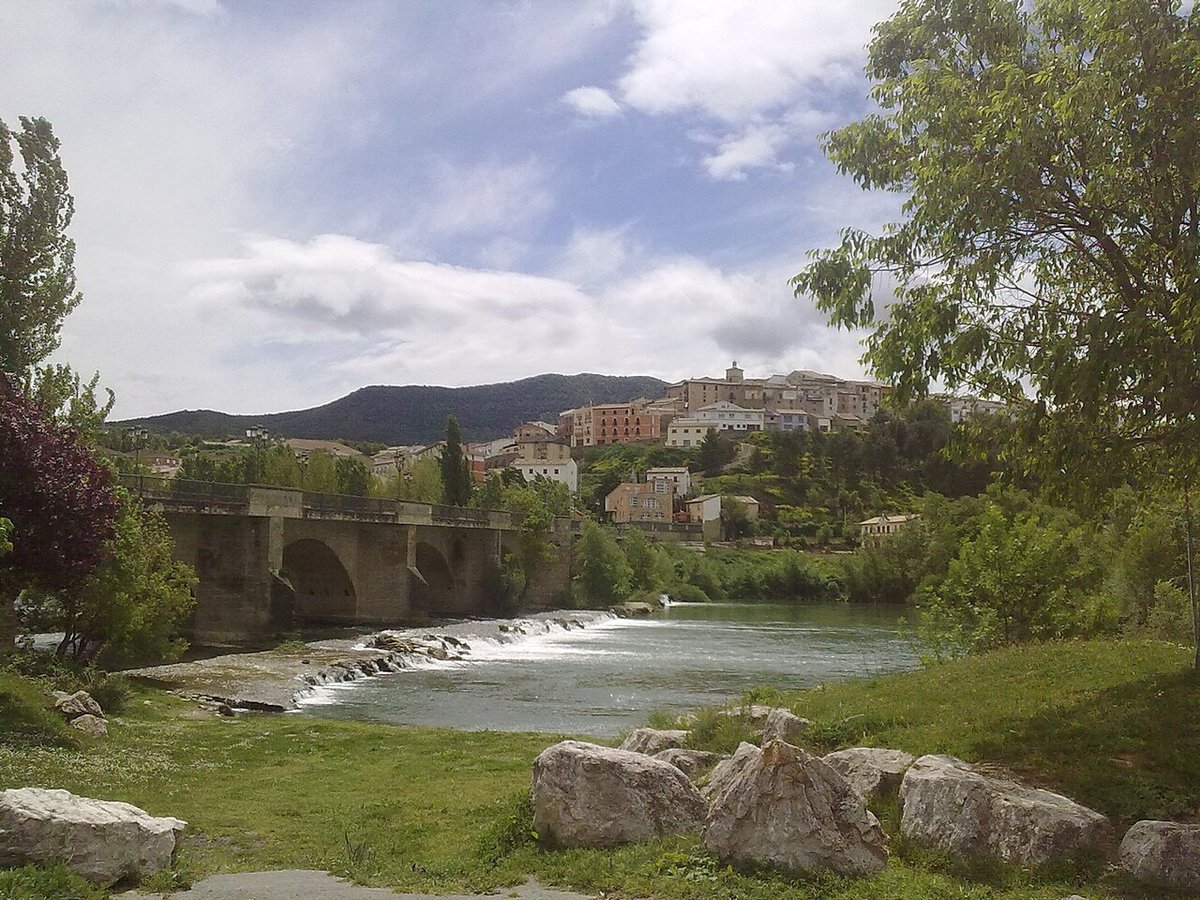
Aibar's medieval core spreads across a limestone ridge, which explains why every street either climbs or drops. The cobbles are polished to a sheen where centuries of boots have cut channels; tread carefully after rain—Portugal has nothing on these surfaces. Houses grow directly from the rock, their lower walls two metres thick, upper storeys jettied out to snatch extra inches of sunlight. Nothing here was built for cars, which is why the town council gave up years ago and sealed the centre to anything wider than a donkey. Park on the ring road (free, unsigned, usually empty) and walk the last three minutes uphill.
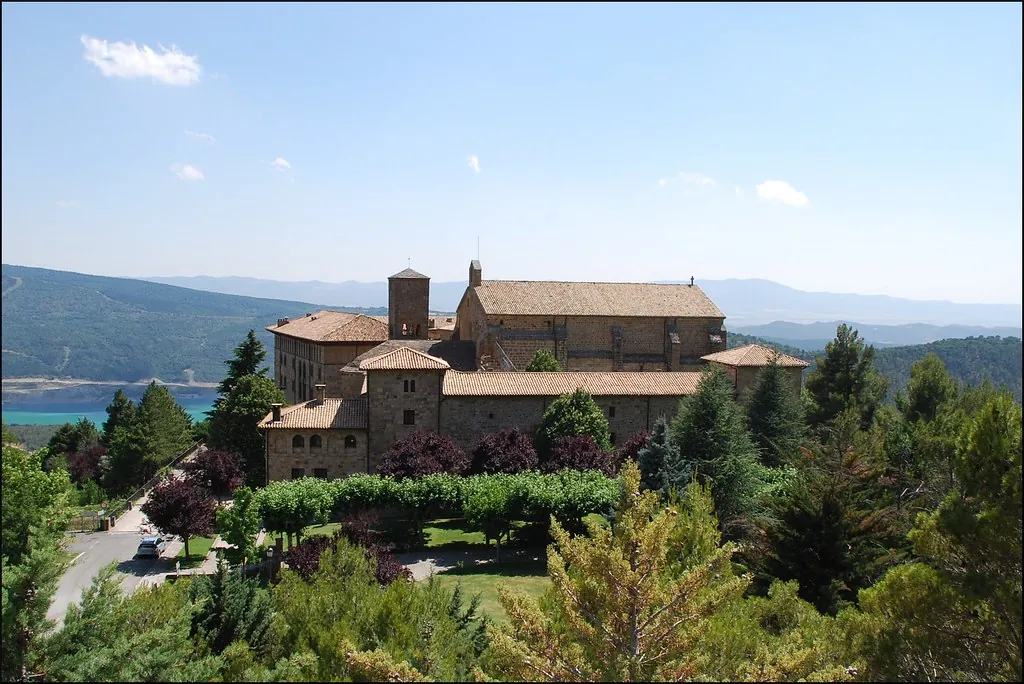
Inside the Asunción church, the temperature drops five degrees. The building began life as a Romanesque fortress-chapel in 1180, then grew Gothic side chapels during the wool boom, then acquired a Baroque tower because everyone else was doing it. The interior smells of beeswax and damp stone; look for the 16th-century processional cross whose silver has worn thin where countless hands have gripped it. Admission is whatever you care to drop in the box—coins only, no contactless.
Round the corner, the Ezpeleta palace presents a sterner face: ashlar blocks the colour of weathered teak, Renaissance windows too narrow for comfort, and a balcony designed more for announcing taxes than for waving at crowds. The family died out in 1834; the building now houses the municipal archive, open two mornings a week if the caretaker remembers to bring the key.
Lunch at Height
Altitude affects appetite. At midday the town's single restaurant, Asador Baztán, fills with farmers who have already been up for six hours. They order chuletón al estilo navarro—a rib-eye the size of a dinner plate that arrives sizzling on a terracotta tile. The meat comes from cattle that graze the mountain pastures above the town; the flavour is deeper, almost gamey, and the price (€24 per person, including chips and a bottle of local tinto) undercuts anything you'll find on the coast. Vegetarians aren't abandoned: menestra de verduras, a stew of artichokes, peas and asparagus in a light tomato broth, tastes of the morning's market rather than the freezer aisle.
After lunch, shops pull down their shutters until five. This isn't tourist theatre; it's practical economics when July temperatures brush 35 °C and the streets offer no shade. Use the downtime to follow the signed footpath that loops past the ruined citadel gate and out into the grain belt. The route is only four kilometres, flat enough for sandals, and delivers a moving postcard of Navarra's interior: red earth, green wheat, and the Pyrenees floating on the northern horizon like a snow-dusted mirage.
What Two Hours Can and Cannot Do
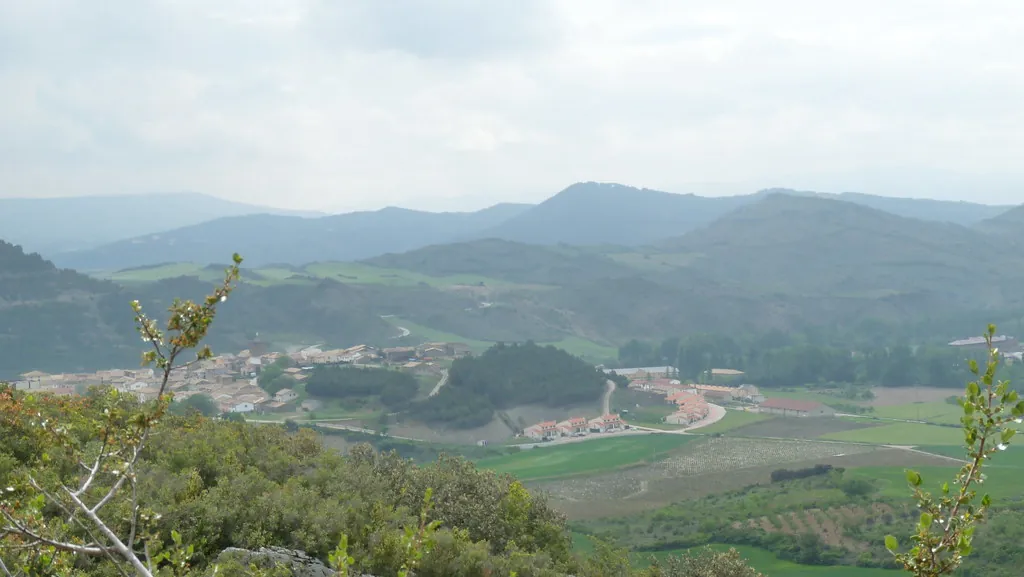
Aibar is small. You can walk from the medieval gate to the 1960s housing estate in twelve minutes, and that includes stopping to read the war memorial. Visitors expecting a miniature Toledo leave disappointed; those content to watch light slide across stone find the place expands in the memory. Start at the top of Calle Mayor where the view opens south across the Val de Aibar—a patchwork of vines, olives and almond terraces that looks better than any drone photograph. Then drift downhill, letting alleyways choose your route. You'll bump into fragments of the old wall: a blocked postern here, a rebuilt tower there, none signposted, all the more satisfying for the discovery.
If the afternoon wind picks up, seek the ermita de San Juan on the western ridge. The chapel is locked—it's opened twice a year for Mass—but the porch offers the town's best vantage point. From here you can trace the original town plan: oval, like a ship's hull, bow pointing toward the cereal plain. The architects were Moorish prisoners taken during the 12th-century Reconquista; their hand shows in the tapered streets that confuse winter gales and provide natural air-conditioning in summer.
When to Arrive, When to Leave
Spring arrives late at this altitude—almond blossom peaks in mid-April, three weeks behind Tudela. By May the hills flare yellow with broom, temperatures hover around 18 °C, and the town's single hotel still has rooms mid-week. Autumn is equally kind: harvest tractors clog the lanes in October, but the light turns buttery and the surrounding oak woods smell of tannin and mushrooms.
July and August belong to the sun. By eleven the stone radiates heat like a storage heater; sensible people retreat indoors until six. Evenings compensate—after ten the temperature drops to 20 °C, swifts slice the sky, and elderly residents reappear on chairs outside their front doors. Winter is a different contract. The town sits just below the snowline, so while Pamplona gets drizzle, Aibar gets sleet that freezes on contact. Roads ice over, the hotel closes its upper floor to save heating bills, and weekend trade depends on hunters heading for the boar woods. Visit then only if you like your silence absolute and your pubs shut by ten.
The Logistics No One Prints
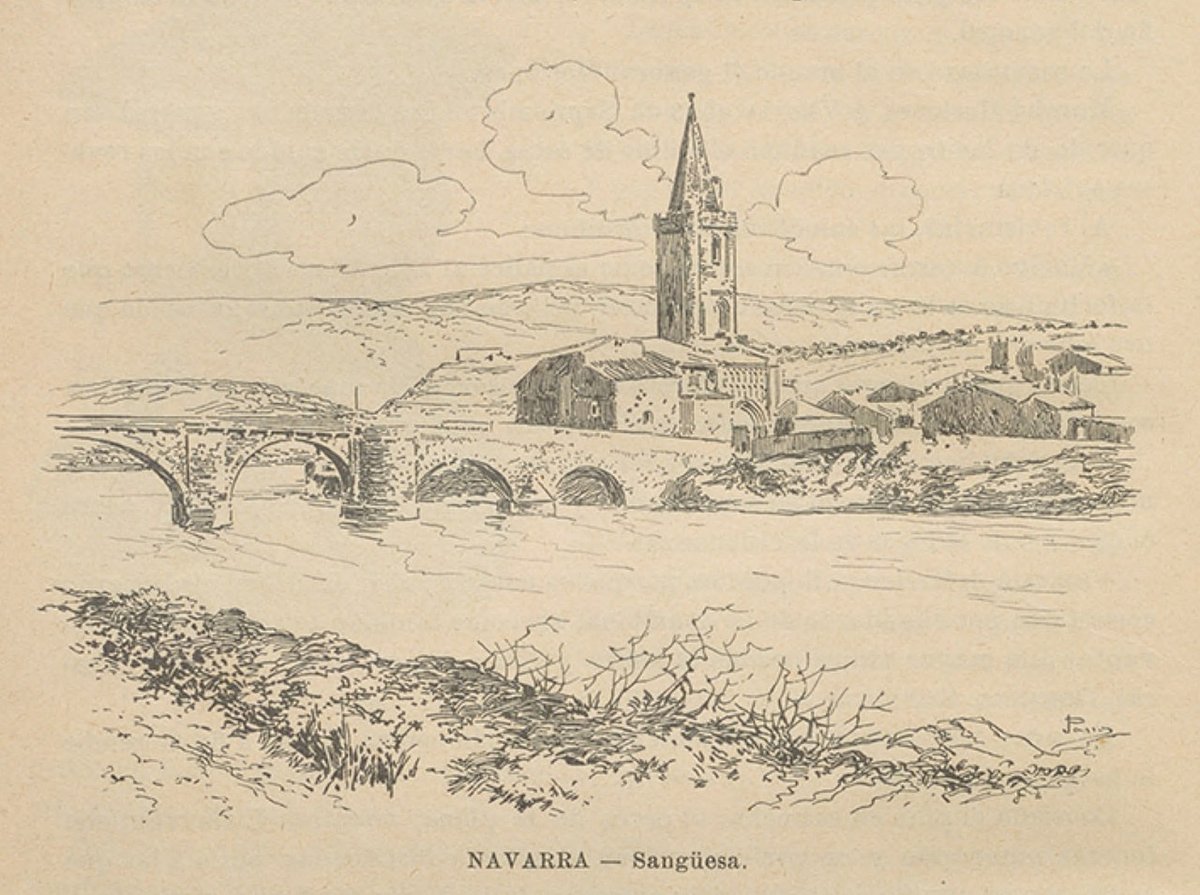
Money first: there is no cash machine. The nearest ATMs are in Sangüesa, fourteen kilometres east, and they charge €2 for foreign cards. Fuel is similarly absent; fill up before you leave the A-15 motorway. Accommodation is limited to Hotel Nobles de Navarra (eighteen rooms, €65 double B&B) and a single rental cottage that sleeps five. Booking ahead is wise at weekends when Pamplona families drive out for Sunday lunch, but mid-week you can usually arrive unannounced and still bag a balcony room.
Public transport exists on paper. A twice-daily bus links Aibar with Tafalla railway station, timed for commuters rather than tourists. The Sunday service doesn't run at all. Without wheels you'll be hostage to taxi fares—€30 from Tafalla, €70 from Pamplona—and the lone local driver switches his phone off for siesta.
Part of a Bigger Map
Aibar works best as a pause rather than a destination. Link it with Sangüesa's pilgrim church, or with the castle at Moncayuelo, or with the wine route snaking through nearby Olite. Arrive late morning, walk the walls, eat beef, buy a bottle of garnacha from the cooperative, and roll on before the shops reopen. You'll leave with limestone dust on your shoes and a sense of having peered backstage rather than into the spotlight—no gift shops, no audio guides, just a town that has been getting on with life since before England had a parliament.