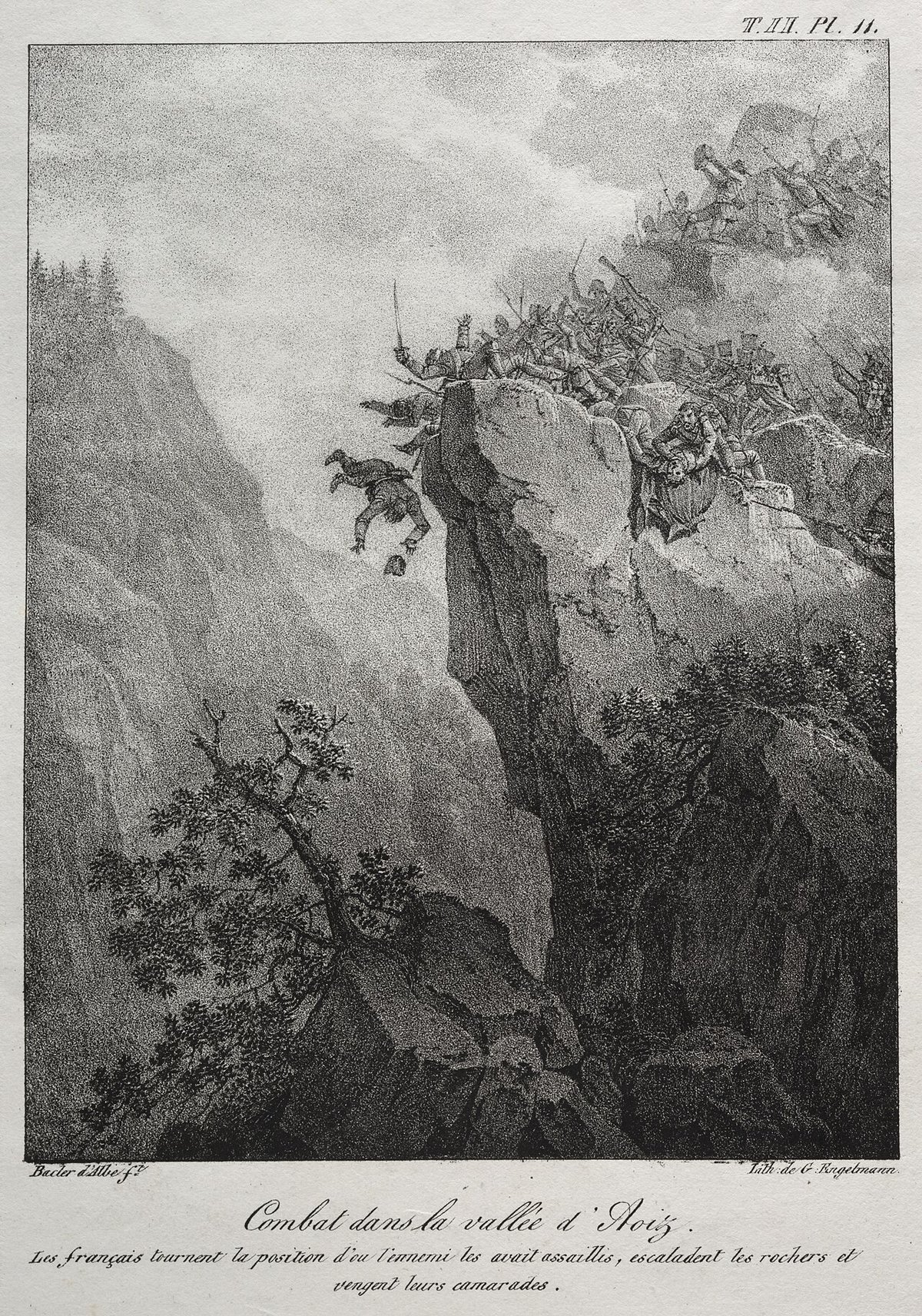
Baron Louis Albert Guillain Bacler d'Alber (French, 1761-1824) - Spanish Campaign, Combat in the Aoiz Valley, Province of Navarre - 1940.1110 - Cleveland Museum of Art.jpg
Wikimedia Commons · Public domain
Navarra · Kingdom of Diversity

Aoiz

The church bells of San Miguel Arcángel strike eight as mist lifts from the valley floor, revealing Aoiz spread across a natural terrace 450 metres...

3,083 inhabitants · INE 2025
504m Altitude

Why Visit

Church of San Miguel Fishing in the Irati river

Best Time to Visit

summer

San Miguel Festival (August) agosto

Things to See & Do
in Aoiz

Heritage

  • Church of San Miguel
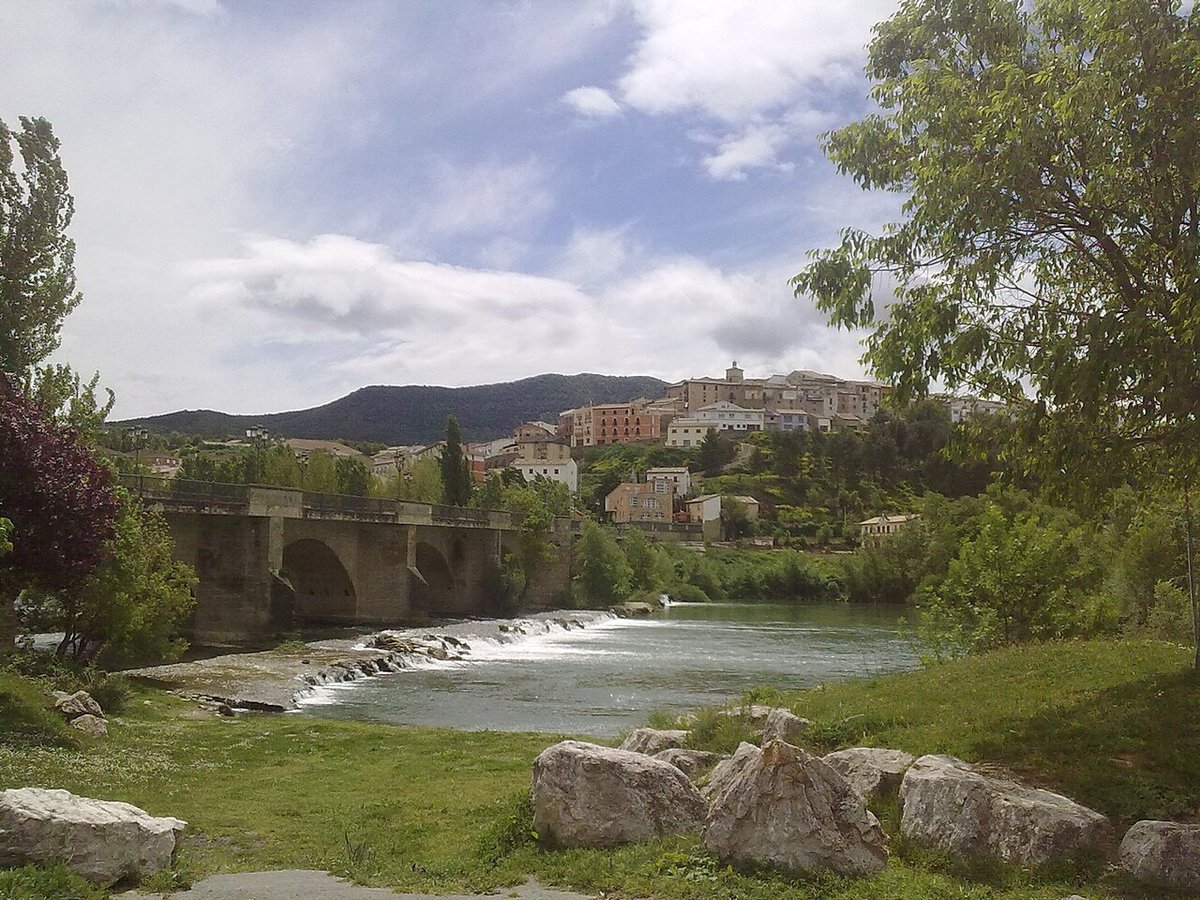
  • medieval bridge of Bidelepu

Activities

  • Fishing in the Irati river
  • Hiking

Festivals
& & Traditions

Fecha agosto

Fiestas de San Miguel (agosto)

Las fiestas locales son el momento perfecto para vivir la autenticidad de Aoiz.

Full Article
about Aoiz

Historic town and gateway to the Navarrese Pyrenees; it preserves a medieval bridge and an old quarter of narrow, stately streets.

Ocultar artículo Leer artículo completo

Morning Light on Stone and Valley

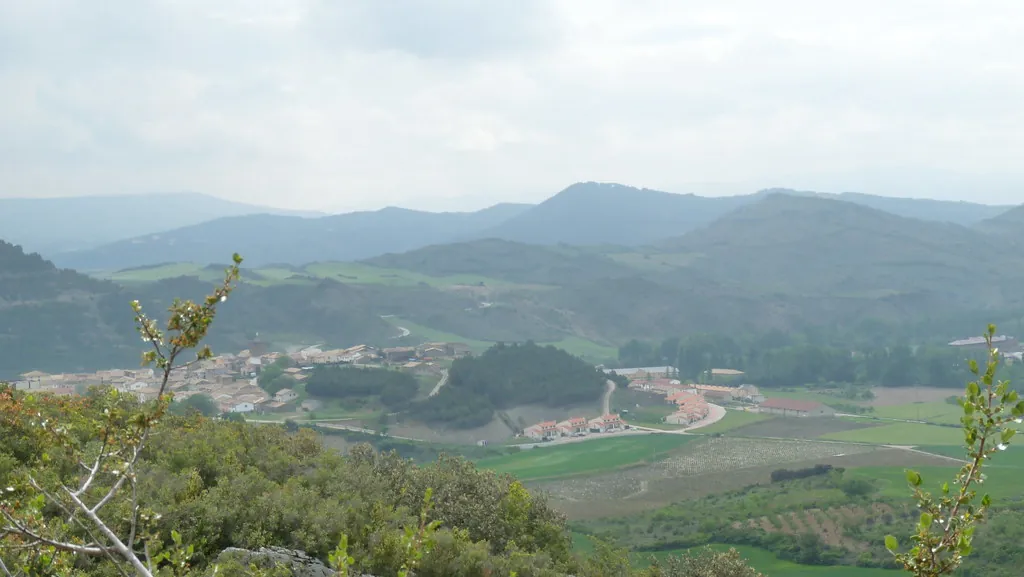
The church bells of San Miguel Arcángel strike eight as mist lifts from the valley floor, revealing Aoiz spread across a natural terrace 450 metres above sea level. From the church tower—rebuilt piecemeal over centuries—you can see why this village commands its position: the fertile valley of the Irati River opens westward toward the Pyrenees, while the bulk of the Sierra de Leire rises protectively to the east. At this altitude, mornings arrive crisp even in summer, and the air carries the scent of cereal crops from surrounding fields rather than the resinous mountain aroma found higher up.

Unlike the stone villages that cling to precipitous slopes elsewhere in Navarre, Aoiz sits comfortably on level ground. The difference matters. Elderly residents still make their daily rounds to the bakery and butchers without negotiating heart-stopping gradients. Children kick footballs in the Plaza Mayor after school instead of teetering on cliff-edge playgrounds. For visitors, this means exploring the historic centre requires comfortable shoes, not hiking boots—though you'll want those later for the valley paths.

A Working Village That Happens to Be Old

Walk Calle Mayor any weekday morning and you'll witness the gentle choreography of Spanish provincial life. Delivery vans pause mid-street while drivers exchange shouted greetings with shopkeepers rolling up metal shutters. Between 10 and 11, the bars fill with labourers in paint-spattered trousers ordering coffee and brandy before heading to construction jobs in nearby Sangüesa. The rhythm feels organic rather than performed for tourists—because it is.

The architecture reflects this pragmatism. Yes, there are noble stone houses with heraldic shields above doorways, but they're interspersed with 1970s apartment blocks and functional municipal buildings. One particularly fine 16th-century mansion stands directly beside a branch of the regional savings bank, its modern plate-glass façade making no apology for the juxtaposition. Rather than diminishing Aoiz, these contrasts root it firmly in the present. Nobody's polished the patina off the old buildings; equally, nobody's insisted everything must look medieval to satisfy visitor expectations.

Inside the parish church—free entry, donations appreciated—the layered history becomes literal. Stand at the north transept and you can trace construction phases through differing stone types: honey-coloured blocks from the 15th-century rebuild, darker limestone added after fire damage in 1794, modern concrete patching where civil war shelling took its toll. The guidebook doesn't labour these points; discovering them feels like being trusted to notice details without hand-holding.

Valley Paths and River Banks

From the church, it's a ten-minute stroll to the river path where the Irati meanders through poplar plantations. The contrast is immediate. Traffic noise fades beneath rippling water and bird calls. In spring, these banks explode with wild garlic and the improbable pink of Himalayan balsam—an invasive species that's nevertheless spectacular. Local families arrive after school with carrier bags to harvest nettles for soup; elderly men cast fishing lines with the unhurried patience of those who've learned time isn't always money.

The walking options here suit fair-weather strollers rather than hardcore hikers. A circular route follows the river for 3km before cutting back across fields of wheat and sunflowers. The path surface varies: packed earth giving way to loose gravel, occasionally churned to mud by agricultural machinery. After rain, sections become impassable without proper footwear—something the tourist office, tucked unobtrusively beside the town hall, will tell you honestly rather than glossing over.

More ambitious walkers can tackle the Camino Natural del Irati, a 19km trail following the river all the way to its confluence with the Aragón. This demands a full day and transport arrangements from the endpoint—either a pre-booked taxi (£25-30) or infrequent afternoon bus service. Summer heat makes early starts essential; by 11am, the valley floor becomes an oven with temperatures regularly topping 35°C.

Eating What's Ready Today

Food here operates on Navarre's agricultural calendar, not tourist whims. Visit in April and every menu features white asparagus from the nearby Ebro valley—served simply with mayonnaise and hard-boiled egg. September brings game: partridge stewed with pearl onions, wild boar marinated in local red wine. One restaurant, Casa Zubieta on Plaza Mayor, changes its menu daily based on what the proprietor's sister brings from her orchard. The system works if you're flexible; less so if you absolutely must have paella in December.

Pricing reflects local wages rather than metropolitan mark-ups. A three-course menú del día—bread, wine, coffee included—runs €14-16 (£12-14). Portions demand the Spanish lunch timetable: arrive starving at 2pm, plan on siesta afterwards. Evening eating starts late; bars begin serving tapas around 8.30pm but proper dinner rarely before 9.30. British stomachs may require strategic snacking—though the excellent bread from Panadería Apezarena on Calle San Nicolás helps bridge the gap.

Vegetarians face limited but decent options. Seasonal vegetable stews appear alongside inevitable tortilla and salad combinations. Vegans struggle more; this is livestock country where asking for soya milk draws blank stares. Gluten-free requirements are increasingly understood—mention "sin gluten" and most establishments produce acceptable alternatives without theatrical sighing.

When to Arrive, When to Avoid

Spring delivers Aoiz at its freshest. From mid-April through May, valley colours shift daily as fruit trees blossom and wheat fields turn emerald. Temperatures hover around 20°C—perfect for walking without arriving back sweat-soaked. accommodation options remain plentiful; the small Hotel Suetxe on Calle Nueva offers doubles from €65 with parking included, while three rural houses in the surrounding countryside provide self-catering for groups.

September rivals spring for pleasant conditions. Harvest activity adds interest: tractors hauling trailers of onions create temporary traffic jams, the cooperative winery buzzes with incoming grapes. The San Miguel fiestas—weekend nearest 29th September—transform the village. Brass bands parade at ear-splitting volume, temporary bars serve kalimotxo (red wine mixed with cola) to teenagers, elderly women in traditional dress perform circle dances at 2am. It's either magical or unbearable, depending on your tolerance for noise and crowds. Book accommodation months ahead; locals rent spare rooms to returning family, leaving few options for spontaneous visitors.

Summer brings intensity rather than charm. From July through August, the valley traps heat; afternoons become siesta-by-necessity rather than choice. Many restaurants close entirely in August as owners escape to coastal second homes. What remains open caters primarily to through-traffic on the Camino de Santiago, creating a functional rather than welcoming atmosphere.

Winter introduces different challenges. At 450 metres, Aoiz escapes the worst Pyrenean weather but still endures Atlantic storms rolling in from the Bay of Biscay. January temperatures average 7°C daytime, dropping to zero overnight. Mountain views disappear behind low cloud for weeks; the river path floods regularly. Several cafés reduce hours to weekends only. Unless you're researching rural Spain's quiet season—or particularly enjoy damp chill—winter visits demand strong motivation.

Getting Here, Getting Away

The drive from Bilbao airport takes 90 minutes via the A1 and NA-150—toll-free after Burgos junction. Car hire proves essential; public transport exists but demands patience. Two daily buses connect Pamplona (45 minutes) with limited afternoon returns missing the lunch window entirely. Sunday service reduces to one bus each way—planned carefully, doable for day-trippers prepared for 7am starts.

Train travellers face indirect routes. The nearest station at Sangüesa lies 18km distant; irregular bus connections mean taxi becomes necessary (£20-25). From Zaragoza, the journey involves changing trains at Tudela then onward bus—total travel time exceeds three hours for 130km. This isn't poor infrastructure; rather, Navarre's transport network prioritises connections between major towns over tourist convenience.

The Honest Verdict

Aoiz won't change your life. It offers no single wow-factor moment—no mountaintop monastery, no Michelin-starred revelation, no Insta-famous viewpoint. What it provides instead feels increasingly precious: a functioning Spanish village comfortable in its own skin, happy to welcome visitors who arrive without rigid checklists or inflated expectations.

Come for two hours and you'll leave satisfied but slightly underwhelmed. Stay for two days—walking river paths, eating seasonally, observing daily rhythms—and Aoiz begins revealing its quiet satisfactions. The elderly man who nods recognition on your third morning coffee. The bar where they remember how you prefer your tortilla. The realisation that you've slowed to local pace without noticing.

Just don't expect anyone to thank you for discovering their perfectly ordinary, rather lovely village. They've been here since 1095; they'll manage fine when you leave.

Key Facts

Region
Navarra
District
Sangüesa
INE Code
31019
Coast
No
Mountain
No
Season
summer

Livability & Services

Key data for living or remote work

2024
ConnectivityFiber + 5G
HealthcareHealth center
EducationElementary school
Housing~5€/m² rent · Affordable
CoastBeach nearby
Sources: INE, CNMC, Ministry of Health, AEMET

Official Data

Institutional records and open data (when available).

  • Torre de Ayanz
    bic Monumento ~3.6 km
  • Hórreo de Casa Hospital
    bic Monumento ~1.8 km

Planning Your Visit?

Discover more villages in the Sangüesa.

View full region →

More villages in Sangüesa

Traveler Reviews