Full Article
about Cáseda
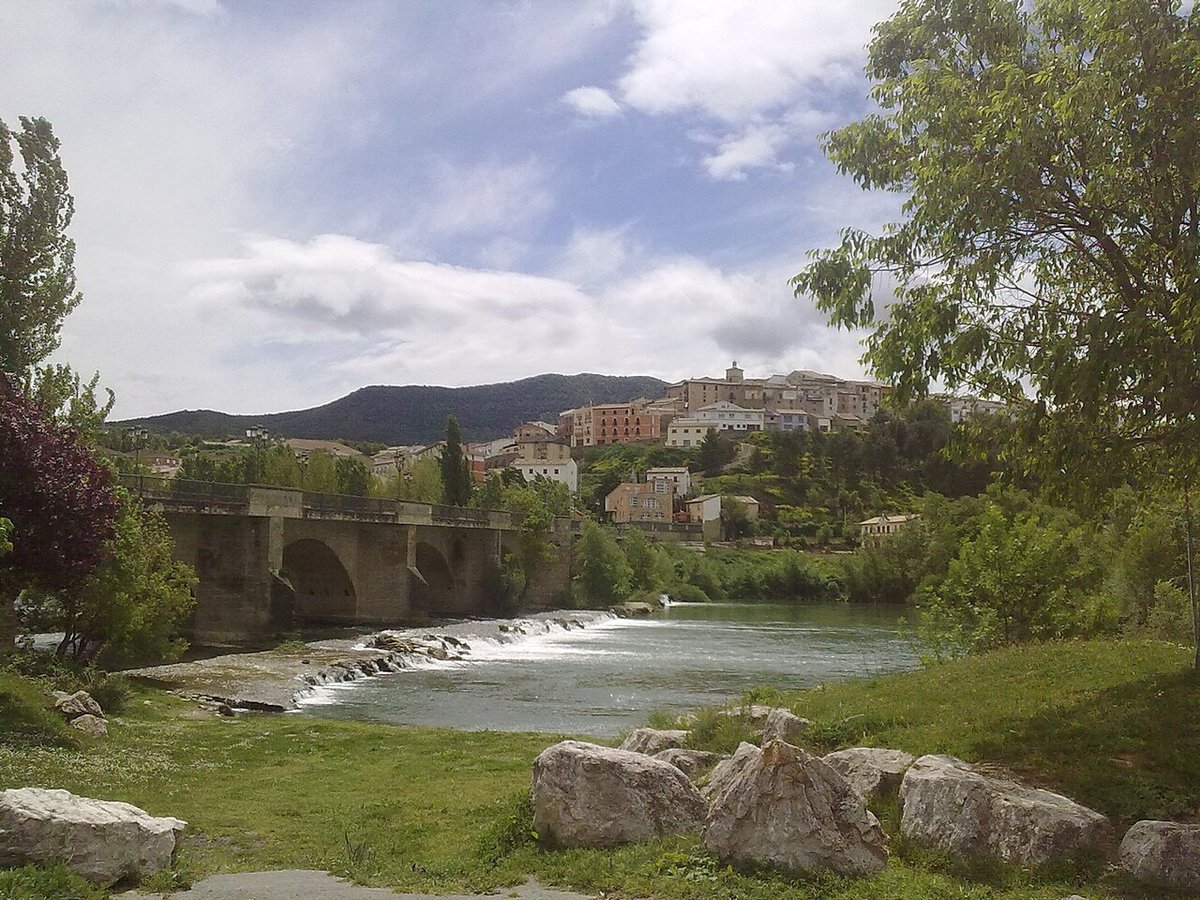
Industrial and farming town on a hill beside the Aragón river, near Javier and Sangüesa.
Ocultar artículo Leer artículo completo
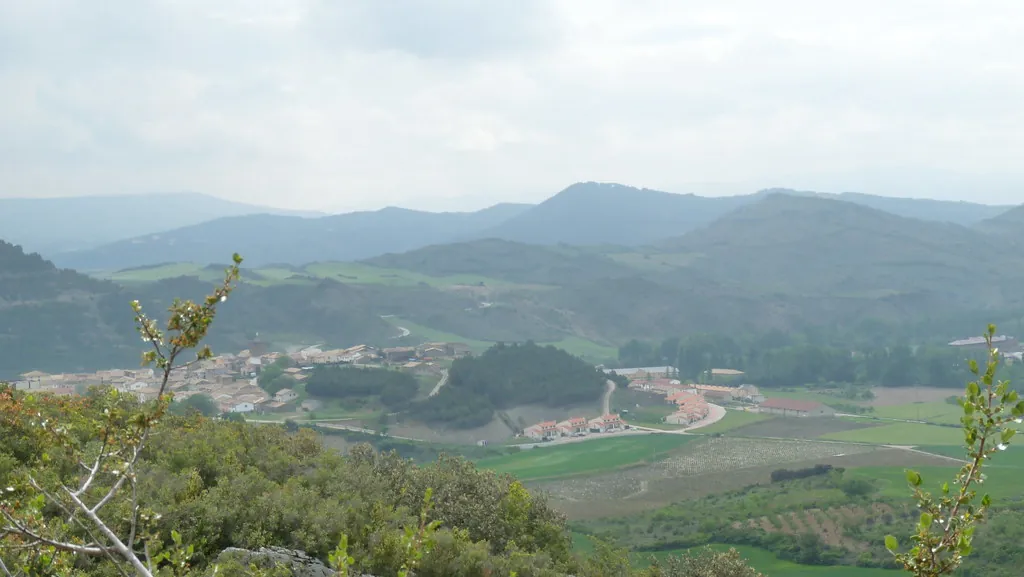
The church bell strikes noon as a tractor rumbles through Cáseda's main street, its tyres leaving fresh tracks on the ancient stones. At 432 metres above sea level, this Navarran village sits in that sweet spot where the Pyrenees foothills dissolve into the cereal plains of La Navarra Media. The altitude makes all the difference: mornings arrive crisp even in July, while winter brings proper mountain weather that can isolate the village when snow closes the NA-5330.
The Lay of the Land
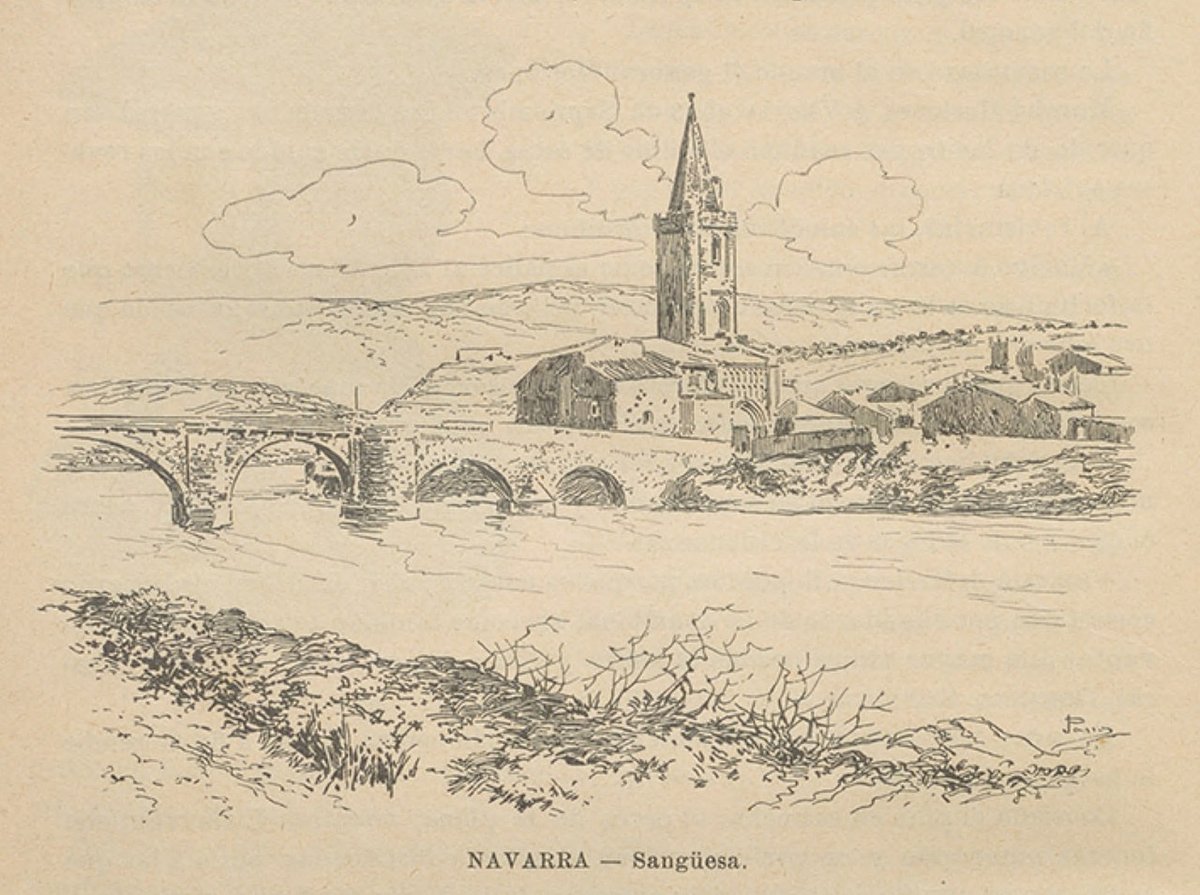
From Pamplona, the drive takes forty minutes along the NA-127 towards Sangüesa, then a sharp left onto the NA-5330. The road climbs gradually, revealing a landscape that shifts from irrigated valleys to dry farmland. Stone walls divide the fields into neat rectangles, some planted with wheat, others with vines that produce the local garnacha grapes. The village appears suddenly around a bend: a cluster of ochre roofs dominated by the tower of San Miguel Arcángel, its stone weathered to the colour of burnt honey.
Cáseda's position at the junction of two ecosystems creates a curious microclimate. Summer temperatures hover around 28°C, moderated by mountain breezes that pick up each afternoon. Winter tells a different story: when the Pyrenean weather systems descend, the village can find itself cut off for days. The locals, all 969 of them, stock up accordingly. October and April offer the best compromise: mild days, clear skies, and fields either green with new crops or golden with harvest.
Walking the Grid
The medieval street pattern survives intact, a compact grid that takes twenty minutes to circumnavigate. No maps necessary: start at the Plaza Mayor, where the 18th-century ayuntamiento displays its coat of arms above a balcony of wrought-iron grapes. From here, four streets radiate outward, each narrowing as it leaves the centre. The stone underfoot has been polished smooth by centuries of boots and tractor tyres; look closely and you'll spot the grooves worn by cartwheels.
The houses tell their own story. Ground floors feature massive wooden doors designed for livestock, now converted into garages. Above, wooden balconies sag under the weight of geraniums. Several mansions retain their family shields: look for the Palacio de Ezpeleta on Calle Mayor, its baroque facade hiding behind a tangle of television aerials. The architectural mix spans four centuries without self-conscious preservation: a 16th-century chapel abuts a 1970s apartment block, both built from the same local limestone.
San Miguel Arcángel rewards the climb up its sixteenth-century steps. The interior blends Gothic rib-vaulting with Renaissance ornamentation in that pragmatic Spanish fashion that treats stylistic consistency as optional. The main altarpiece, carved in 1587, depicts Saint Michael weighing souls with the same expression of mild bureaucratic interest found in Spanish civil servants today. Visit between 11am and 1pm when the sun strikes the rose window, projecting coloured patterns onto the stone floor.
Paths Through the Grain
Three marked walking routes start from the village edge. The shortest, a 45-minute circuit, follows ancient drove roads between wheat fields. Yellow waymarks lead past threshing floors carved into the bedrock, circular platforms where families once winnowed grain using the prevailing winds. Spring brings poppies scattered through the crops like drops of blood; autumn transforms the landscape into a vast golden carpet rustling with partridges.
The three-hour route to nearby Uncastillo rewards fitter walkers with panoramic views. The path climbs 200 metres through holm oak scrub before emerging onto a ridge that reveals the entire Ebro valley. On clear days, the Pyrenees float on the northern horizon like a row of broken teeth. Take water: there's none en route, and the summer sun bites even at this altitude. Stout walking shoes essential in winter when clay paths turn to mud that cakes boots like concrete.
The Agricultural Reality
This is no rural theme park. Tractors start at dawn, their diesel engines echoing off stone walls. The smell of pig manure drifts from modern barns on the outskirts. In harvest season, grain lorries thunder through streets barely wider than their wheelbases, leaving chaff swirling in their wake. The village bar, Cafetería Arnedo on Plaza España, opens at 6am to serve farmers their morning carajillo: coffee laced with brandy that costs €1.20 and comes with a free tortilla pincho.
The weekly market occupies the same square every Wednesday morning. Stalls sell vegetables grown in village allotments, eggs from backyard hens, and cheese made by neighbours who keep goats in the hills. Prices scribbled on cardboard reflect local economics: a kilo of tomatoes costs €1.50 in season, double that in January when they truck them up from Valencia.
Eating Like a Local
Navarran cuisine dominates the single restaurant, Asador Sidrés, where the menu changes with the agricultural calendar. Spring means artichokes braised in white wine, summer brings tomatoes that taste of actual sunshine, autumn features game from the surrounding hills. The migas casedanas arrive as a mountain of fried breadcrumbs studded with chorizo and grapes: peasant food designed to fuel a day behind a plough, now served to the occasional lost tourist who stumbles through the door.
Booking ahead essential at weekends when families gather for lengthy lunches. The €15 menú del día includes wine, bread, and coffee: soup or salad, a main of roast lamb or trout from local rivers, and dessert that might be cuajada (sheep's milk curd) with honey. Vegetarian options limited to whatever vegetables are abundant: expect peppers stuffed with mushrooms rather than any concession to dietary trends.
When Things Go Wrong
Summer midday heat makes walking miserable between 1pm and 5pm. The agricultural paths offer zero shade; temperatures can reach 35°C in August. Winter visitors face the opposite problem: snow falls infrequently but when it does, the village becomes inaccessible without chains. The single cash machine, inside the Cajamar bank, runs out of money during fiestas. Mobile phone coverage patchy on the walking routes: download offline maps before setting out.
The village's limited accommodation fills up during local festivals. The September fiestas de San Miguel bring brass bands that play until 4am and processions that block streets with incense and confetti. Book rural houses months ahead if you insist on visiting during festival time, or better yet, choose the quieter weeks before Easter when almond blossoms transform the surrounding slopes into clouds of white petals.
Making It Work
Cáseda suits travellers seeking an authentic agricultural village rather than chocolate-box perfection. Base yourself here for three days maximum: walk the surrounding paths in morning cool, explore neighbouring medieval towns like Sangüesa or Uncastillo by car, return for evening tapas when locals emerge for their paseo. The village makes an ideal stop between Pamplona and Zaragoza, breaking the journey with something real rather than motorway services.
Come with realistic expectations. The village offers tranquillity, agricultural reality, and a glimpse of small-town Spanish life that tourism hasn't sanitised. It does not provide boutique hotels, Michelin stars, or Instagram moments. What it gives instead is the sound of church bells marking the agricultural day, the smell of bread baking in wood-fired ovens, and the sight of grain fields stretching to mountains that have watched over these valleys since before Rome sent its legions this way.