Full Article
about Castillonuevo
One of the least populated villages; isolated on the Aragón border in a wild natural setting.
Hide article Read full article
A slow road to a smaller scale
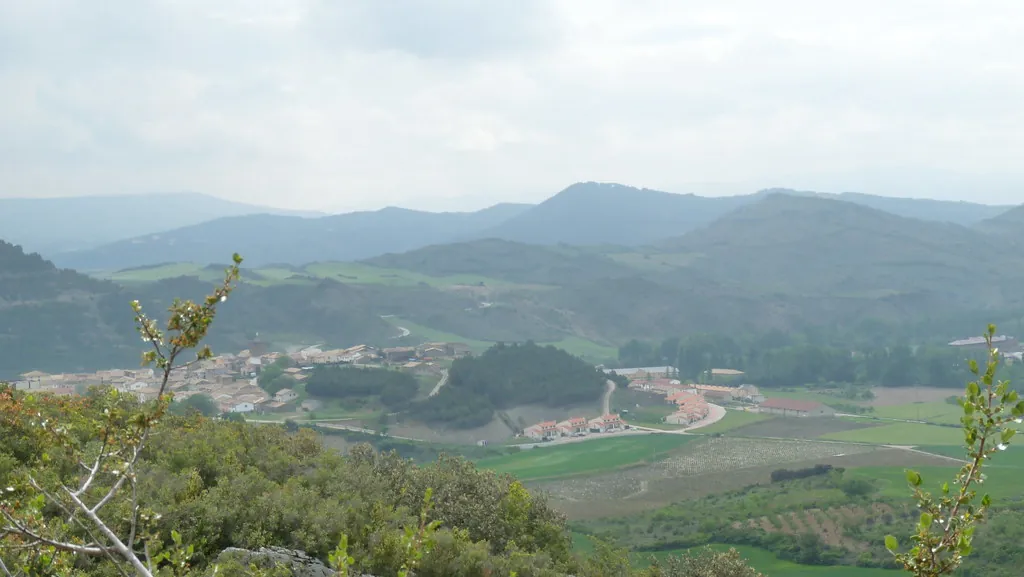
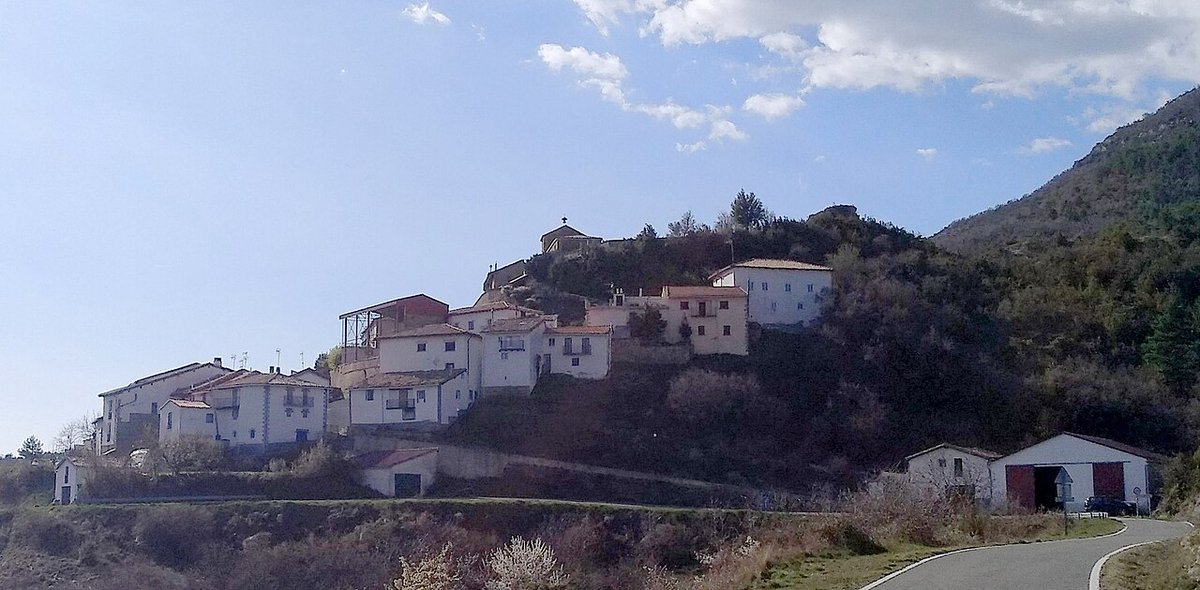
The road that leaves Sangüesa narrows quickly, and the pace drops with it. Fields stretch out on either side, planted with cereal that in spring shifts like a green sheet under the wind. The landscape feels open and exposed, shaped more by weather than by people. As the tarmac begins a gentle climb, Castillonuevo comes into view: a small line of stone houses along the ridge, red roofs and thick walls built to endure long winters.
Tourism in Castillonuevo follows a different rhythm. There are no major monuments and no crowds moving through its streets. The first thing that stands out is the quiet. Wind crosses the fields and breaks it from time to time, or the crunch of tyres on gravel as a car pulls in. The village itself is very small, and within minutes it becomes clear that everything here operates on a reduced scale.
At around 770 metres above sea level, Castillonuevo sits surrounded by farmland. The air carries different scents depending on the season. Sometimes it smells of freshly turned earth, at other times of ripening grain. A walk without a fixed route brings small details into focus: a doorway with a worn coat of arms, stones of uneven sizes set into the same wall, wooden beams darkened by years of use.
The church and the houses
At the centre stands the parish church, dedicated to San Martín. It does not dominate the skyline through size, yet its tower acts as a visual reference point when approaching along the road.
The building is restrained in appearance. Pale stone walls define its exterior, and the entrance shows clear signs of age. Edges have softened, joints have been worn down by rain and wind. In a village of this size, the church still serves as the place around which everything else is arranged.
The surrounding houses reflect different periods. Some retain carved coats of arms on their façades, traces of families that once held influence in the area. Others have been repaired using more recent materials, though their original structure remains intact. Large doorways, thick walls and small windows speak of a need to keep out the winter cold.
Sound travels easily here. A door might bang in the wind. A tractor can be heard working nearby fields. Footsteps on gravel carry further than expected. These are the kinds of details that define the place as much as its buildings.
Tracks through the fields
Several agricultural tracks lead out from Castillonuevo and open into the wider landscape of the Sangüesa area. These are not marked walking routes but working paths used by farmers.
Each season alters the view. In spring, green cereal covers the hills in uneven layers. By summer, the colour shifts to gold and the heat becomes more intense than it appears from inside a car. Autumn brings a stripped-back landscape after the harvest, with the ground laid bare and the lines of the terrain easier to read.
A short climb along any of these tracks offers a clear sense of the village’s position. Castillonuevo appears as a thin row of houses on a hill, surrounded by open fields that stretch out towards the horizon. The setting feels both exposed and self-contained, with little to interrupt the view.
When the landscape feels at its best
Spring and autumn tend to be the most comfortable times to walk in the area. The wind remains part of daily life, but temperatures allow for slower movement and longer pauses.
Summer requires a different approach. The middle of the day brings strong heat, and there is very little shade along the dirt tracks. Early morning or late afternoon changes the experience, as the light alters the colour of both the stone and the fields.
Winter can be harsher. The elevated position of the village means wind is often stronger, and frost is common. A walk is still possible, though it calls for proper clothing to stay comfortable.
Reaching Castillonuevo
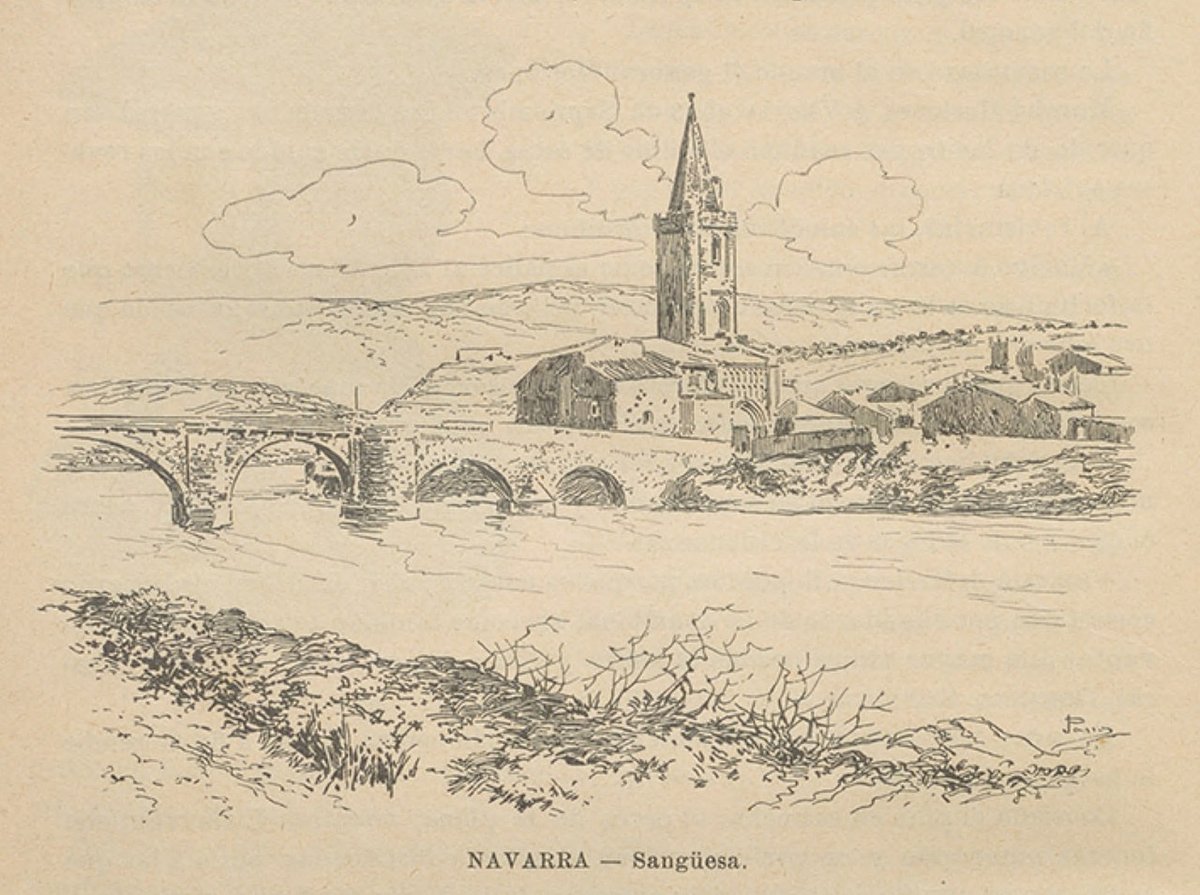
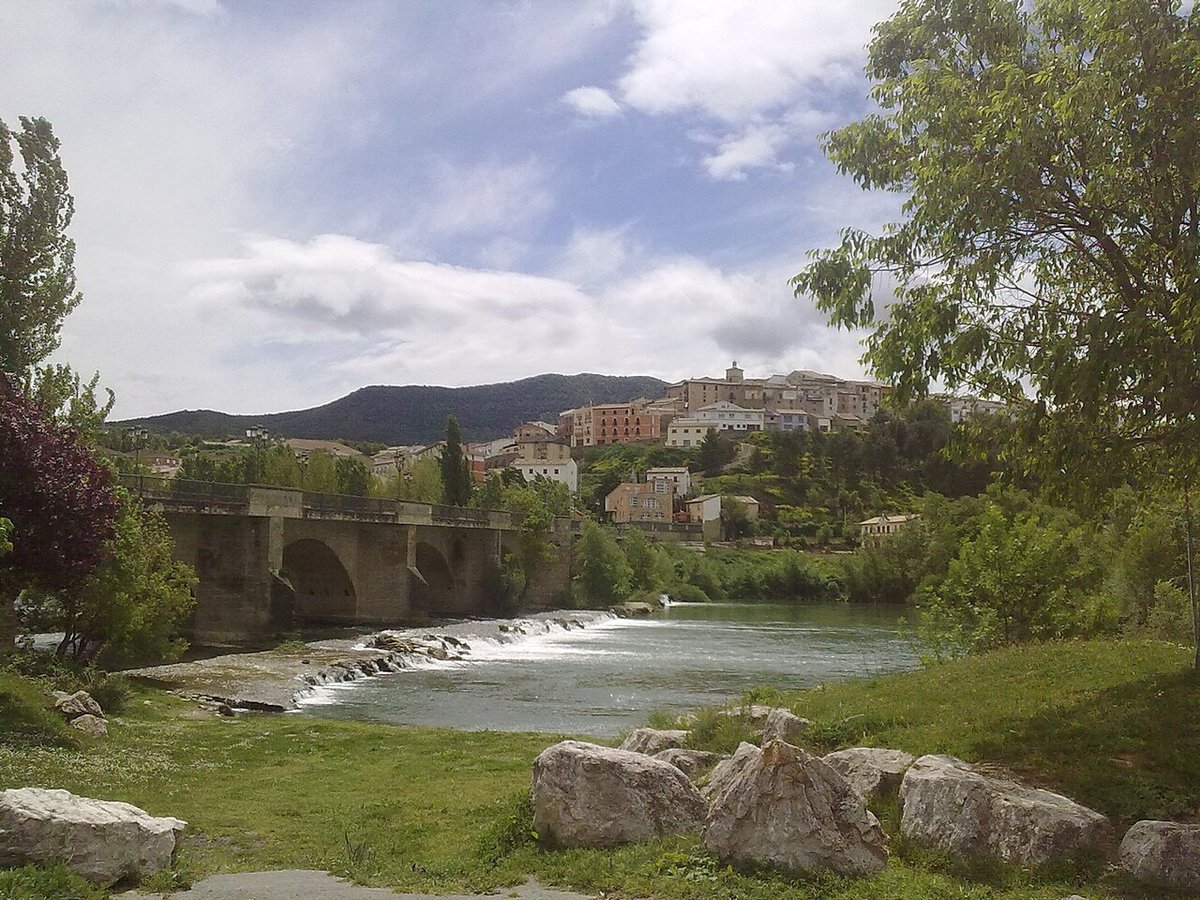
Castillonuevo lies a few kilometres from Sangüesa, connected by local roads. The journey from Pamplona is roughly fifty kilometres, beginning on faster routes and continuing along quieter stretches as you get closer.
The final section of road is narrow but usually carries very little traffic. A steady, unhurried drive suits it best, especially over the last few kilometres.
There are no shops or tourist services in the village. It makes sense to stop in Sangüesa or another nearby town if you need food or supplies. Bringing water and wearing comfortable footwear helps if you plan to explore the agricultural tracks around the village.