Full Article
about Ezprogui
Largely depopulated municipality; includes the lordship of Guetadar and Ayesa in an isolated natural setting.
Ocultar artículo Leer artículo completo
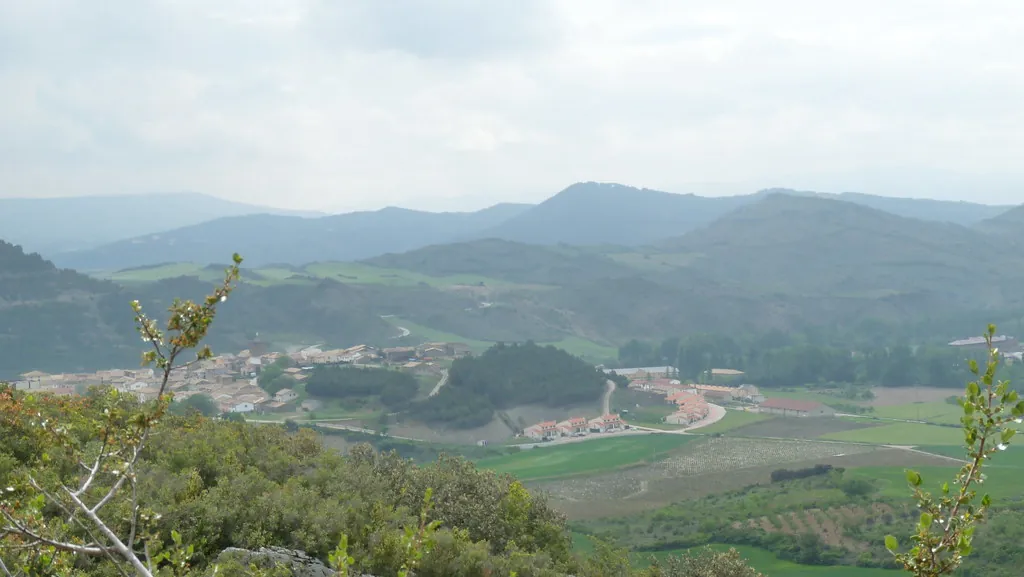
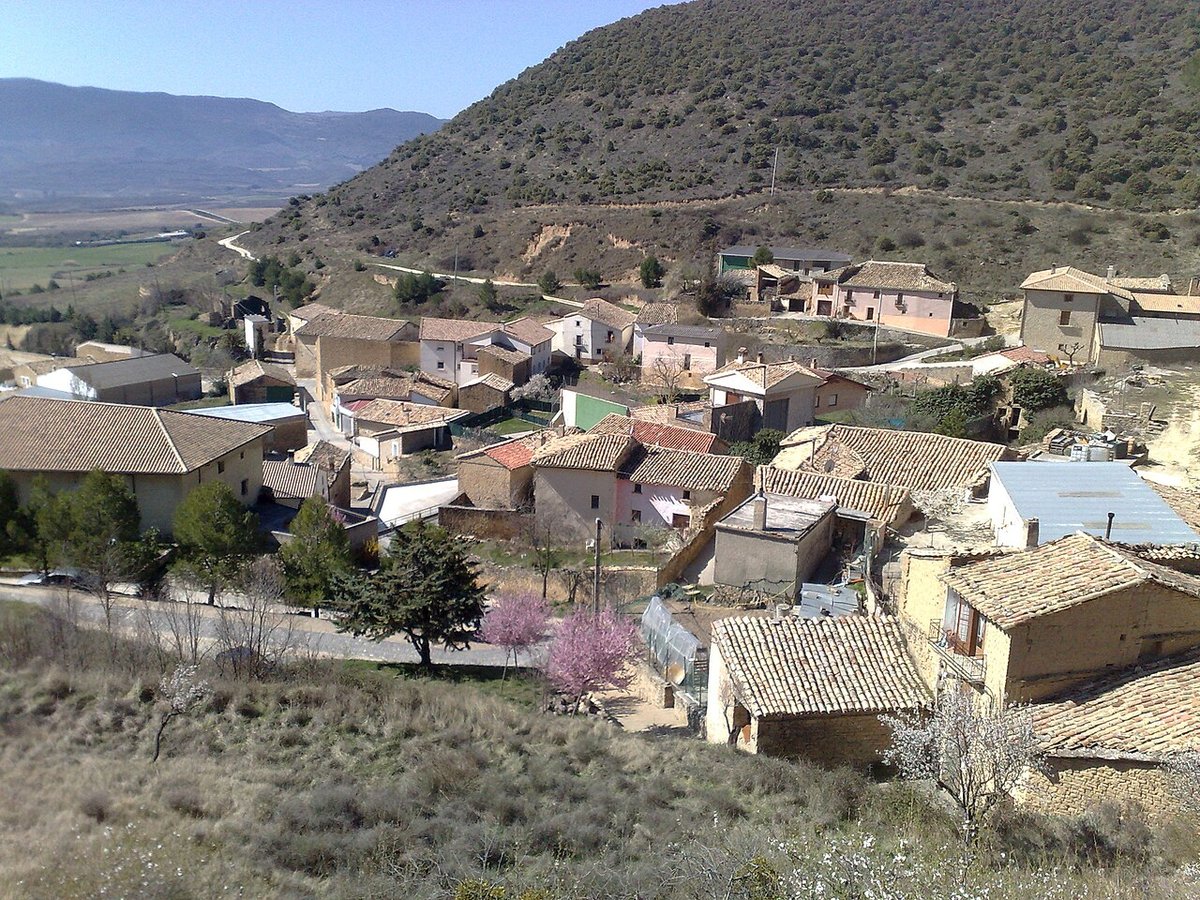
The first thing you notice is the horizon bending away on every side. Ezprogui sits at 550 m above sea-level on a natural platform in the Sangüesa basin, high enough for the air to feel thinner than on the banks of the nearby Aragón River, yet low enough for the Pyrenees to remain a jagged charcoal line in the north-east. Stone farmhouses appear to grow straight out of the limestone, their clay roof tiles the same colour as the ploughed earth. Nothing is “nestled” here; the village simply stops where the tractors turn.
A Plateau that Breathes
Summers arrive two weeks later than in Pamplona, 75 km to the north-west, and they leave earlier. Nights can dip to 12 °C even in July, so the wheat ripens slowly, building the protein that local mills prize. Walk the single tarmac lane at 07:00 and the thermometer may read 15 °C; by 14:00 the same spot hits 32 °C with no shade except the church tower’s slim shadow. In January the plateau becomes a wind tunnel: Atlantic storms sweep across the flatlands, pushing the chill factor below –5 °C and snapping the dry quejigo oaks that dot the fields. Snow is rare but functional—two centimetres close the school bus route, and the village’s one grit box empties within an hour.
Because of that altitude difference, the light behaves like a studio lamp. Photographers reach for their cameras an hour before dusk when the cereal stubble turns metallic gold and the stone walls glow pink. The same quality of light makes midday hiking a trial: carry at least a litre of water per person and expect no tree cover for stretches of four kilometres or more.
Stone, Brick and the Sound of Fifty Voices
Iglesia de San Esteban stands in the geographical centre, its 16th-century bell tower patched with brick after an 1840 lightning strike. Park by the playground—free, no time limit—then walk a slow clockwise loop. The masonry changes every twenty metres: limestone blocks the size of cider crates give way to river pebbles set in ochre mortar, then to 1950s brickwork where someone once widened a stable door. Iron balcony rails carry the names of local forges in Sangüesa and Unciti; many are still family-run, though they now laser-cut rather than hand-punch the arabesques.
You will not find souvenir shops. The butcher’s van calls on Tuesday and Friday; the mobile library, white and boxy, arrives every other Wednesday and stays for exactly thirty-two minutes. Its diesel engine keeps running because the librarian, María Luisa, also sells postage stamps and refuses to let the battery die. Fifty-three permanent residents, according to the latest padrón, yet the place sounds busier: sparrows echo inside the church porch, a harvester drones three fields away, and every gate seems to squeal in a different key.
Footpaths that Follow the Harvest
Three way-marked routes start from the north edge of the village. The shortest (4.2 km, 65 m ascent) skirts the wheat belt to the abandoned cortijo of Zapatero, then cuts back along a farm track of packed earth. Mid-March to late April brings red poppies and the last of the wild daffodils; October turns the verges purple with thistles and the air smells of crushed coriander from feral caraway plants. Stout shoes suffice—boots feel like overkill unless the forecast shows rain, in which case the clay sticks to rubber like wet cement.
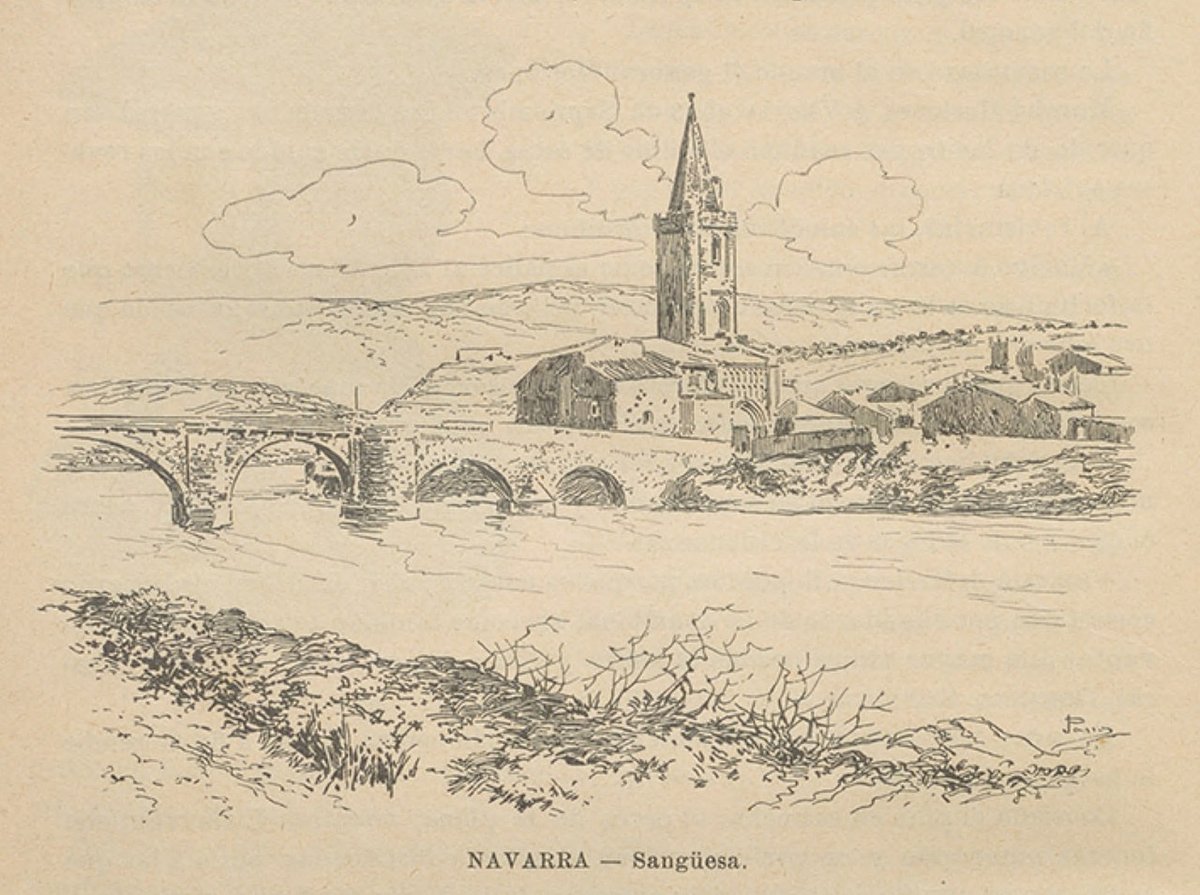
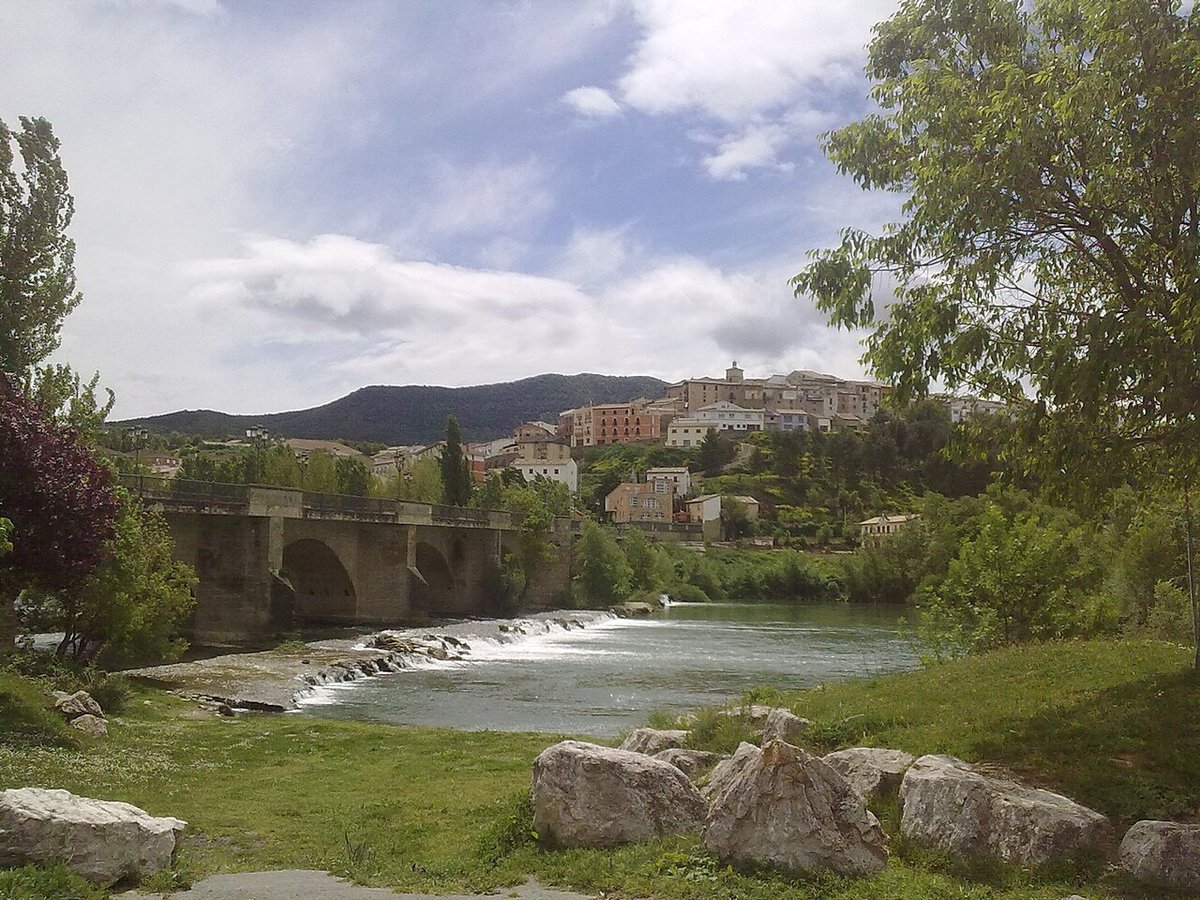
Serious walkers can link up with the Cañada Real de los Roncaleses, an old drovers’ road that once funnelled sheep from the Pyrenees to winter pastures in Extremadura. Join it 2 km south of Ezprogui and you can march 17 km to Sangüesa in a day, dropping only 180 m, then catch the 18:15 bus back (€2.40, cash only, no Sunday service). Carry a printed map: phone signal fades behind every ridge and farm dogs take their guard duties seriously.
What You Won’t Find (and What to Do About It)
There is no bar, no cash machine, no petrol pump. Fill up in Sangüesa before you turn onto the NA-5310. Bring food if you intend to stay outside meal times; the nearest supermarket is 14 km away and shuts on Sunday afternoons. The single holiday rental—Precioso apartamento en el prepirineo navarro, listed on RentByOwner—has two bedrooms, under-floor heating and a roof terrace that faces the Moncayo massif. Rates drop from €95 to €65 per night between November and March, mainly because British weekenders underestimate the cold.
Mobile coverage is patchy. Vodafone picks up three bars on the church steps; EE users often roam onto Spanish networks and burn through their data allowance without noticing. Download offline maps before you leave the A-21 autopista.
Mistakes that are Easy to Make
Arriving at 13:30 in August without water: the only public fountain is on the south side of the plaza, and the pipe runs warm for the first thirty seconds. Expecting lunch: locals eat at 15:00, usually at home; the nearest restaurant opens at 20:00 and needs a reservation. Parking in front of metal gates painted with white letters—Vado permanente means the farmer needs access for a combine harvester the width of a London bus. Assuming the village is “sleepy”: during the September fiesta the population quadruples, drums echo off the stone until 04:00, and every balcony sprouts a red-and-gold banner of Navarre. Check dates before booking a “quiet” retreat.
Seasons Laid Bare
Spring arrives between 20 March and 10 April, depending on whether the cuckoo arrives early. Barley pushes through the reddish soil like green needles, and the first swallows sweep the irrigation ponds. By late May the fields have thickened into a rippling carpet; temperatures hover either side of 20 °C, ideal for the 9 km circular walk to Rada and back.
July and August bleach the landscape. Farmers work 05:00–11:00, then retreat indoors. If you must visit, schedule a dawn start and plan to leave the plateau before 13:00, when the sun turns the stone houses into storage heaters. September means stubble-burning; the air smells of toast and the evening sky carries a faint haze that photographers either love or curse.
Winter is honest. Daytime highs of 6 °C, night frosts, and a wind that whips through Gore-Tex. Yet the clarity is spectacular: you can pick out the 2,000 m peaks of the Pyrenees 60 km away, and the Milky Way feels close enough to cast a shadow. Bring layers, not just a big coat; the thermometer can jump 12 °C when a cloud lifts.
Leaving Without the Sales Pitch
Ezprogui will not change your life. It offers no Michelin stars, no zip-wires, no craft-beer taproom. What it does provide is a calibrated sense of scale: how small a settlement can be and still function, how high a plateau can feel before it becomes mountains, how slowly wheat can ripen when the nights stay cool. Turn off the car engine and the silence is not immediate—it takes a full minute for the residual ringing to drain from your ears. Then you hear the harvest, the sparrows, the fifty voices carrying across the stone. Stay for an hour or a week; the village will not notice. But you might find yourself checking wind direction long after you have crossed back to the greener, lower lands of home.