Full Article
about Gallipienzo
Town split in two: the New and the Old; the Old is a medieval defensive gem with spectacular views of the Aragón river.
Hide article Read full article
A village set in place
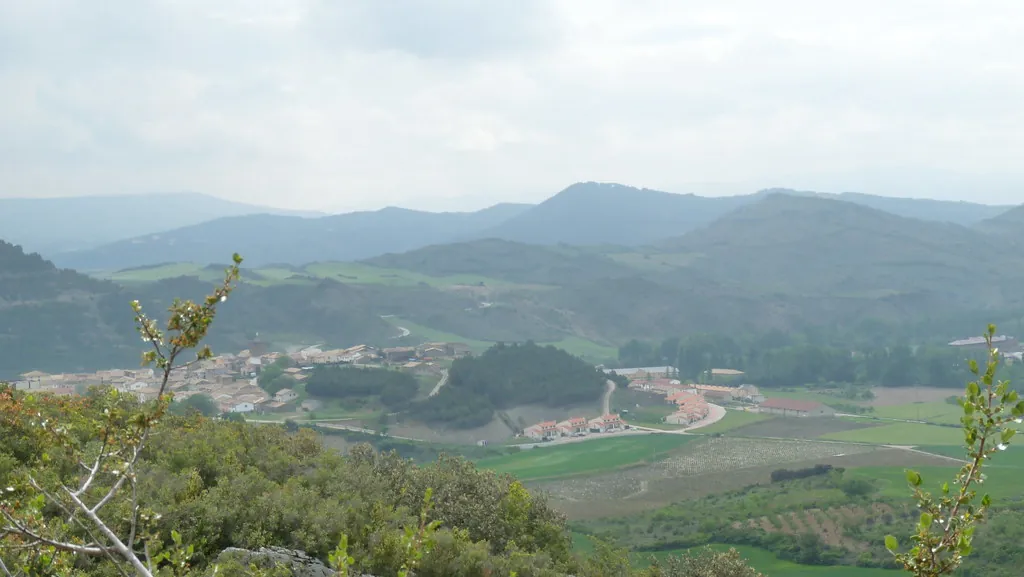
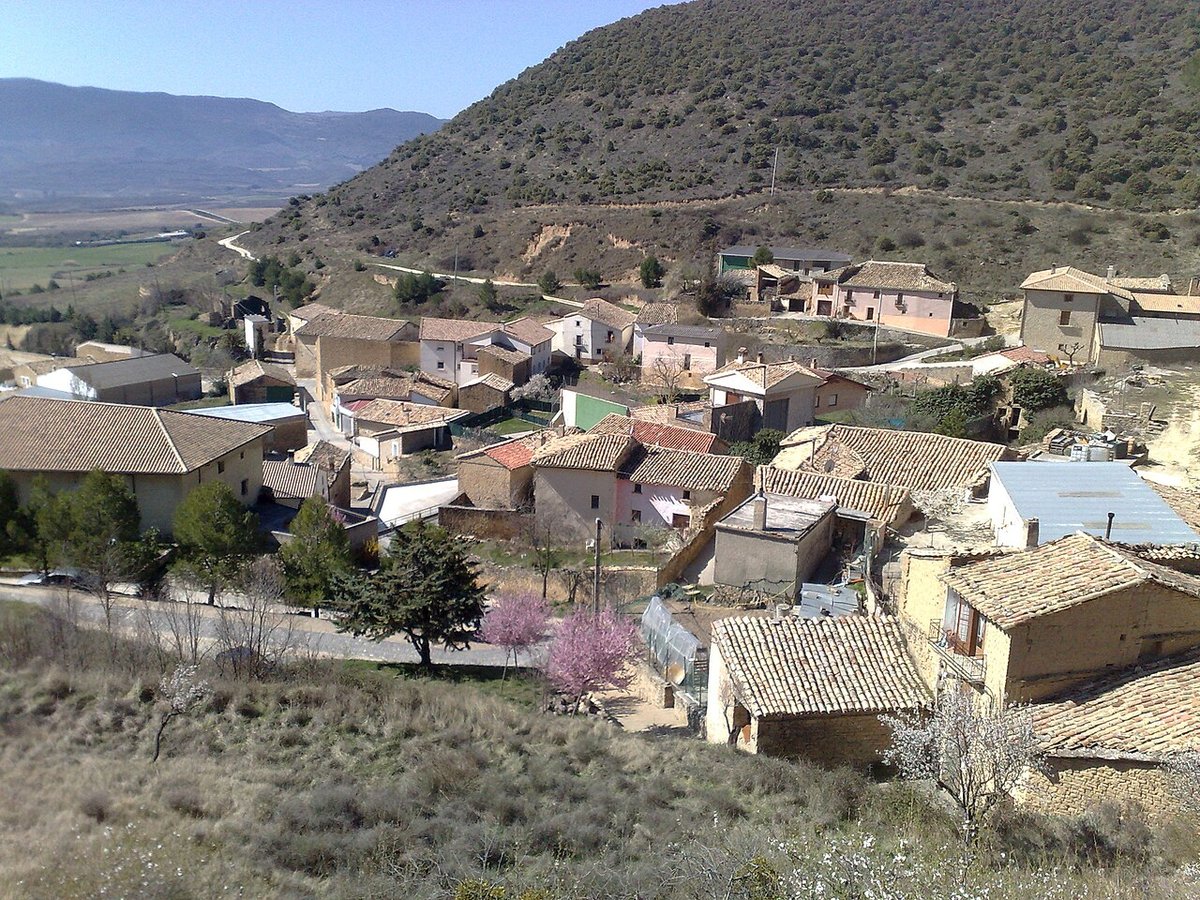
Some villages seem designed to be seen from a distance. From the road that runs along the Aragón valley, Gallipienzo appears almost like a model placed high on a shelf, with everything in its place: houses, church, and a natural defensive position. The view explains immediately why it stands where it does.
Fewer than a hundred people live here, yet it still feels like a place to explore slowly and quietly. Small details matter, and many are older than they first appear.
The skyline that defines it
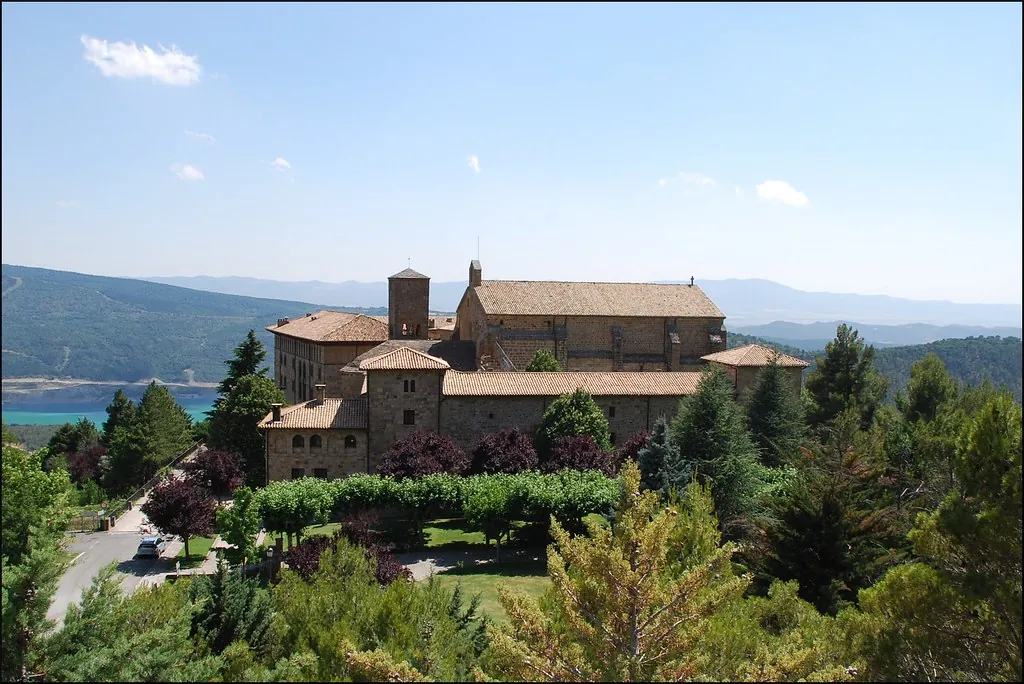
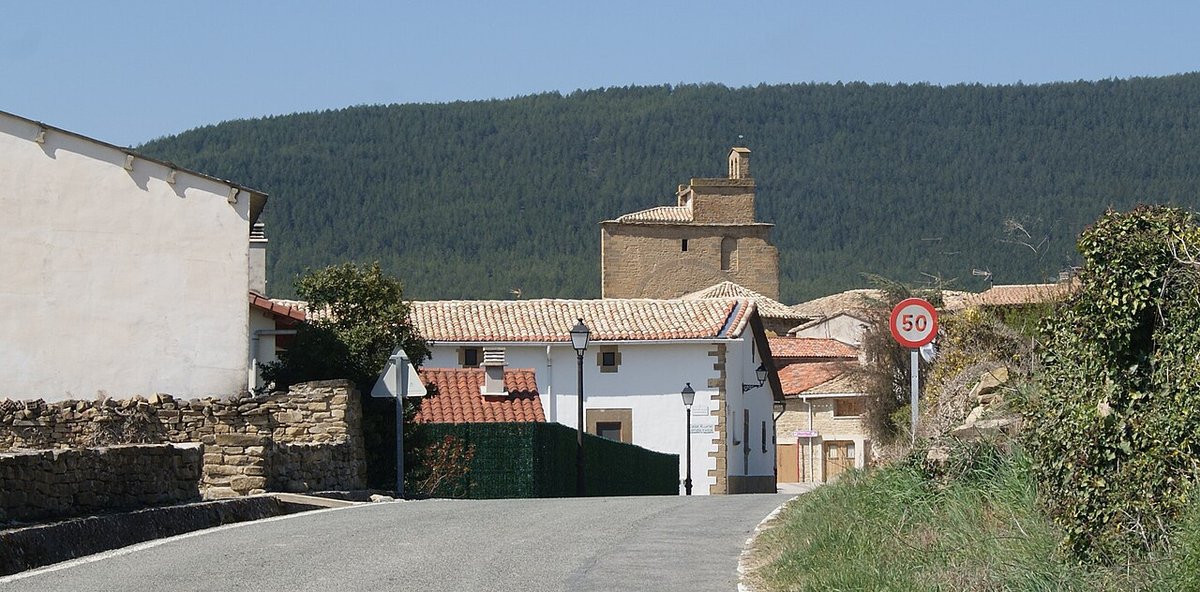
The first thing that stands out is the line of stone houses climbing the promontory. At the very top sits the church of San Salvador, built in the 13th century. It does not feel separate from the village but rather like its finishing point.
A walk around it does not take long, though it is worth noticing how the stone of the church matches that of the surrounding houses. It gives the impression that everything came from the same source. Inside, the church is usually quite plain. The real interest lies outside, in how it fits into the overall shape of the village.
Above it are the remains of the castle, or more precisely what survives of the Torre del Homenaje. Very little is left, yet the setting still commands attention. From here, the Aragón valley opens out widely. On clear days, the views stretch far into the distance. The climb has a noticeable slope, but it is not a demanding hike. It is just enough effort to understand why this was once an easy place to defend.
The old quarter can be covered quickly. In ten or fifteen minutes, it is possible to pass through most of its streets, though it rewards a slower pace. Houses with coats of arms appear here and there, along with stone arches and façades that reflect different periods of change. The Palacio de los Mencos stands out with its Renaissance façade, while other corners show how the village has adapted over time in more practical ways.
Walking without a plan
In Gallipienzo, the main activity is simple: walk and look. Old doorways, worn coats of arms and wrought-iron balconies draw attention if you give them time.
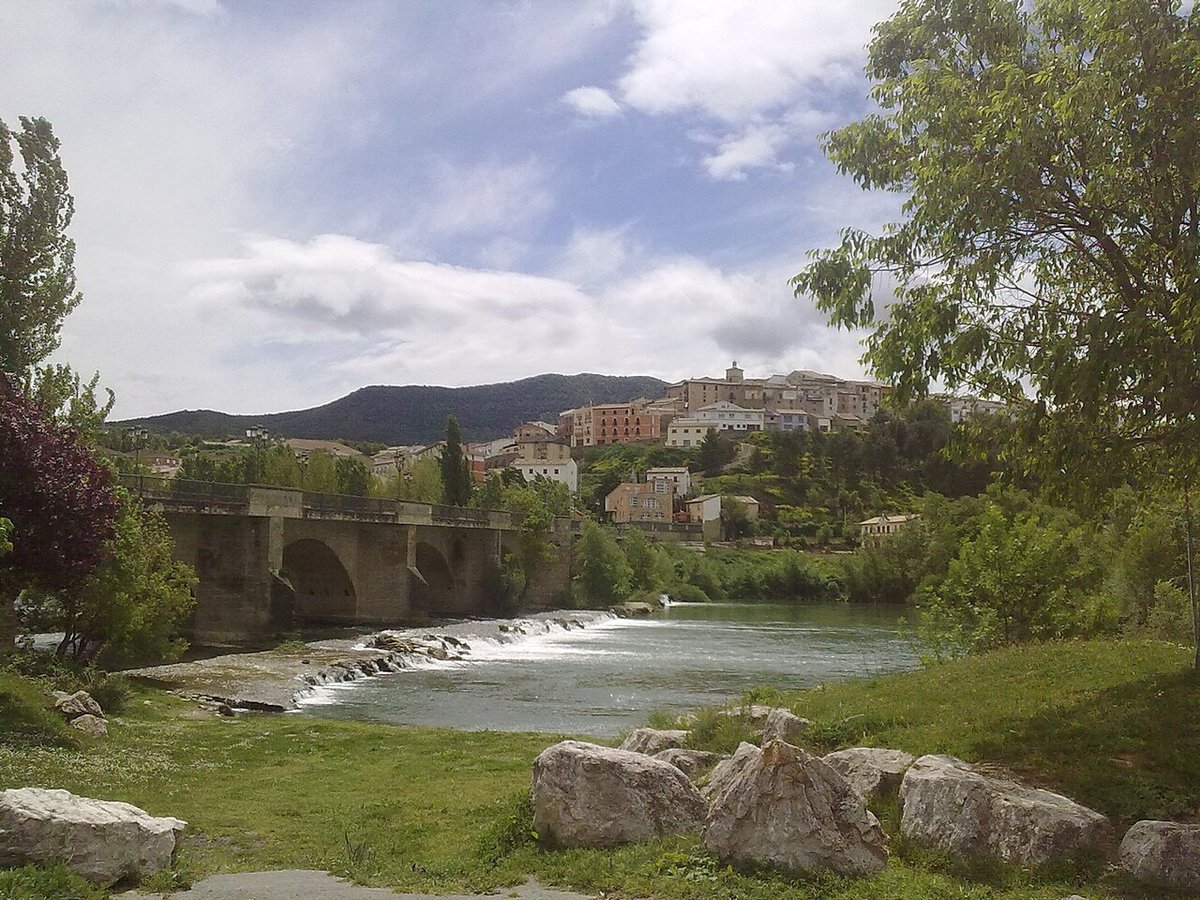
Paths lead out of the village towards farmland and small trails that cross holm oak woods and cereal fields. The Aragón river is nearby, and in some sections the landscape shifts noticeably. It becomes greener and more open, and with a bit of luck you might spot a bird of prey gliding overhead.
Food requires a little forethought. In a village this small, options are limited and do not always align with the plans of visitors. Bringing something with you or planning a stop in a nearby village is a sensible approach.
Local celebrations, kept simple
Festivities revolve around San Salvador in mid-August. These are small-scale events, centred on residents and on people who return to the village for those days. Short processions take place, along with gatherings in the streets and the familiar atmosphere of summer in a place where everyone knows each other.
There is usually some activity during Semana Santa, though it remains fairly low-key. At the end of January, San Antón is celebrated with the traditional blessing of animals. None of these events are organised with visitors in mind. They continue because the village wants them to.
If time is short
Gallipienzo does not demand much time. In one or two hours, you can walk up to the church, take your time around it, continue to the castle remains and then head back down through the streets of the old quarter, paying attention to doorways, coats of arms or the occasional centuries-old window.
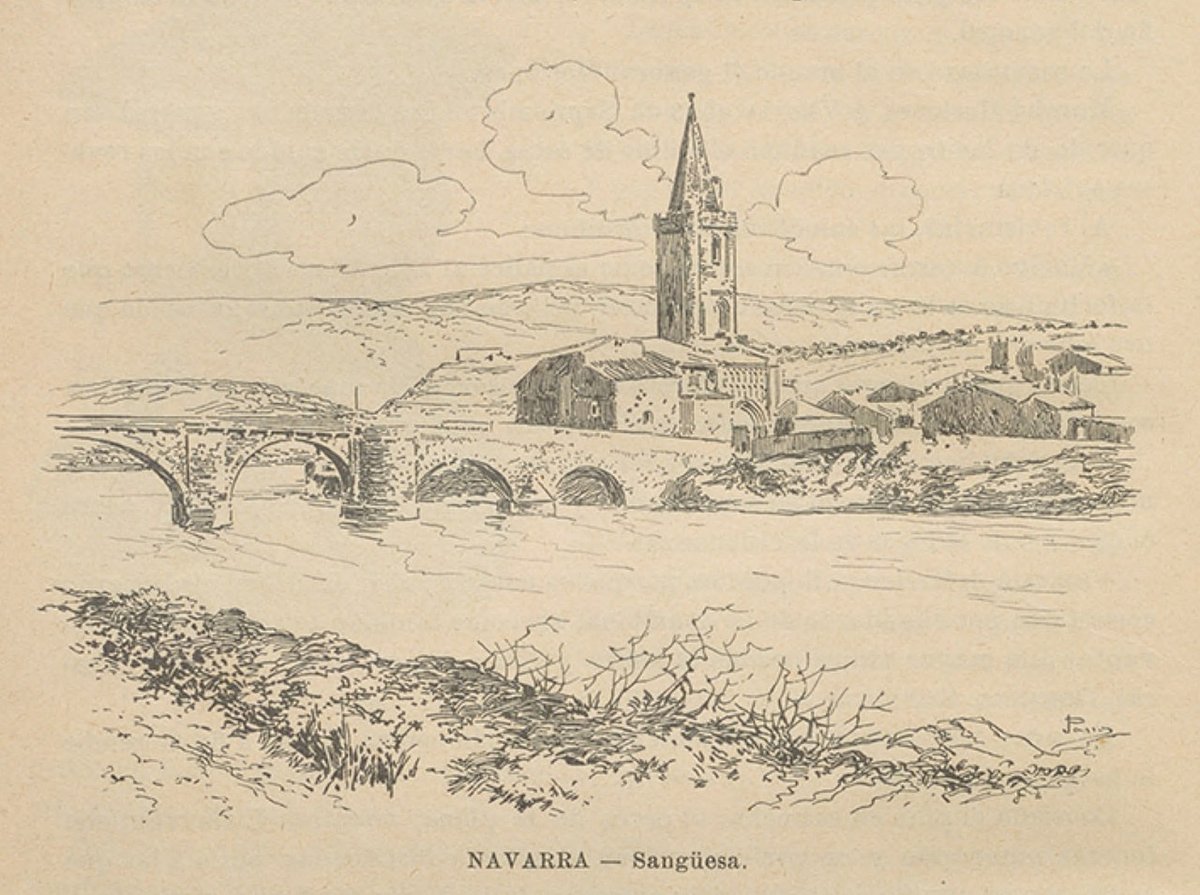
With more time available, it makes sense to combine the visit with other villages in the Aragón valley or to head to Sangüesa, which is relatively close and offers a noticeably different scale.
Common mistakes to avoid
A frequent mistake is arriving at midday in the height of summer. The streets are paved with stone, often steep, and the sun can be intense. Early in the day or later in the afternoon tends to be more comfortable.
Footwear also matters. There is no need for specialised equipment, but the slopes and old paving can be tricky with smooth soles.
Another simple tip: do not stop at the first square you come across. In places like this, the more interesting corners are usually a little higher up.
What is not always mentioned
Photos taken from a distance can make Gallipienzo look larger than it really is. Once inside, the feeling changes. Everything is compact, almost like a small stone maze.
Reaching the village by car requires some patience. The final stretch of road is narrow, and parking space at the top is limited. It is often best to leave the car where space appears and continue on foot.
One final point matters. This is not a medieval set piece. People live here. Some houses are closed, others are in use, and daily life continues beyond what appears in photographs. That is precisely what gives Gallipienzo its character.