Full Article
about Ibargoiti
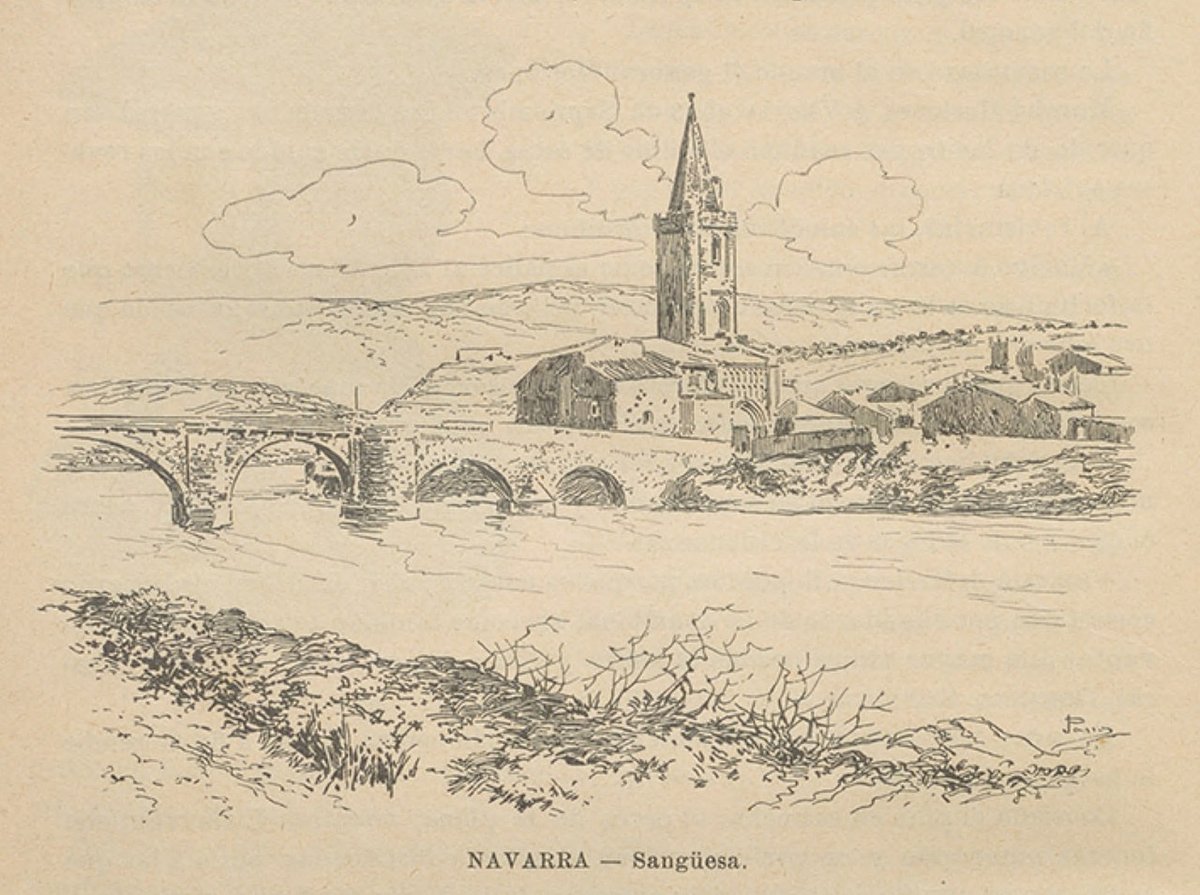
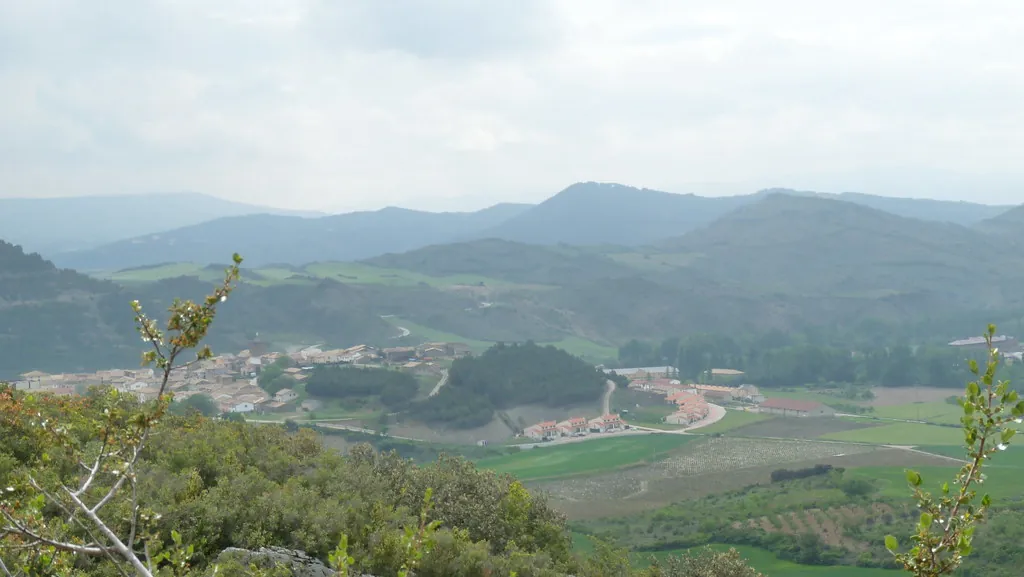
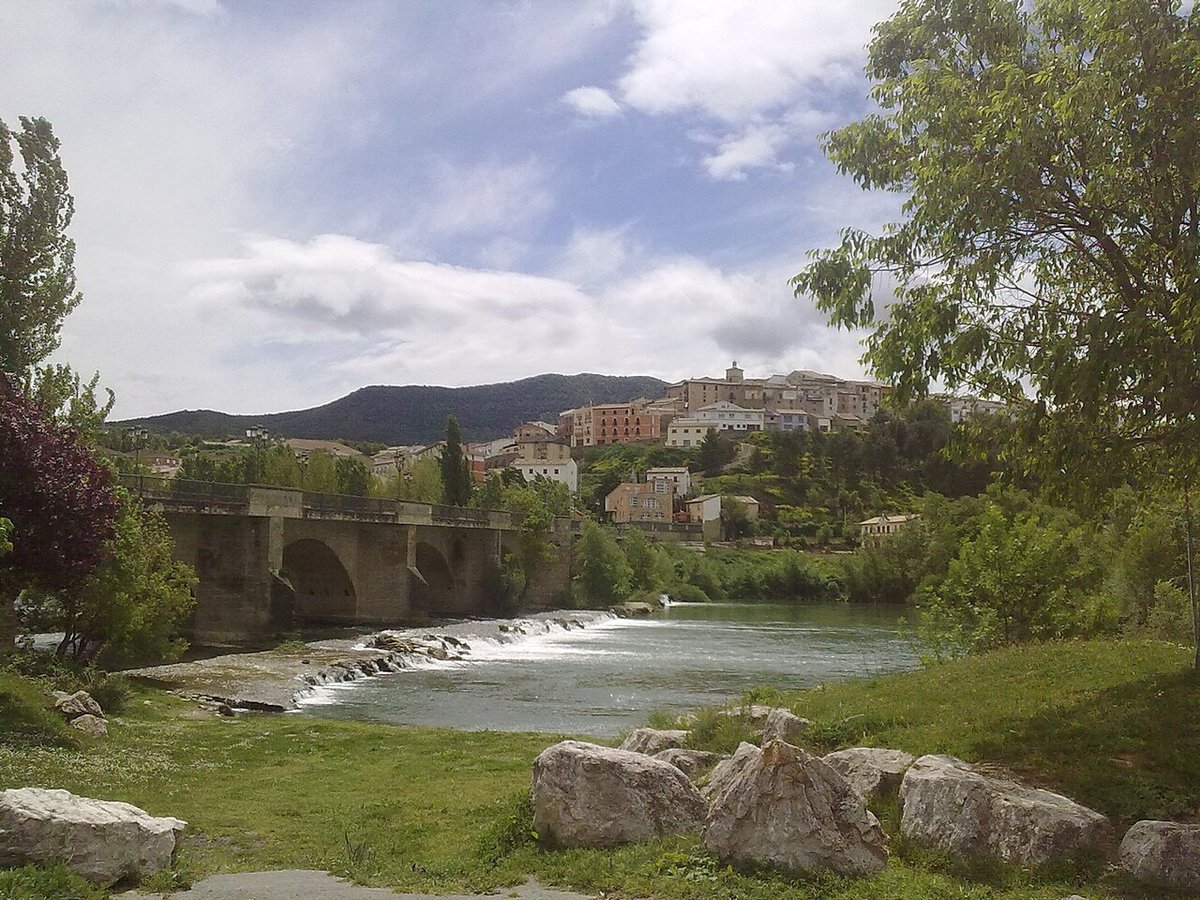
A passageway valley toward Sangüesa, made up of small farming villages at the foot of the Higa de Monreal.
Hide article Read full article
A small place that doesn’t try too hard
Tourism in Ibargoiti feels a bit like turning off the main road just to see what’s there. Expectations stay low, and that is exactly why it works. This is one of the small municipalities in the Sangüesa area of Navarra, where life moves at a slower pace. There are cereal fields, stone houses and a noticeable sense of quiet.
There are no headline attractions or landmarks that dominate maps. That absence shapes the experience. The appeal comes from how ordinary everything is, and how consistent it feels with the surrounding landscape.
A village to walk without rushing
The centre is easy to cover on foot. In about twenty minutes, it is possible to cross most of the village unless attention drifts to small details along the way. Wooden doors show years of use, wrought-iron balconies add texture to the façades, and long roof eaves hint at winters that can be harsh.
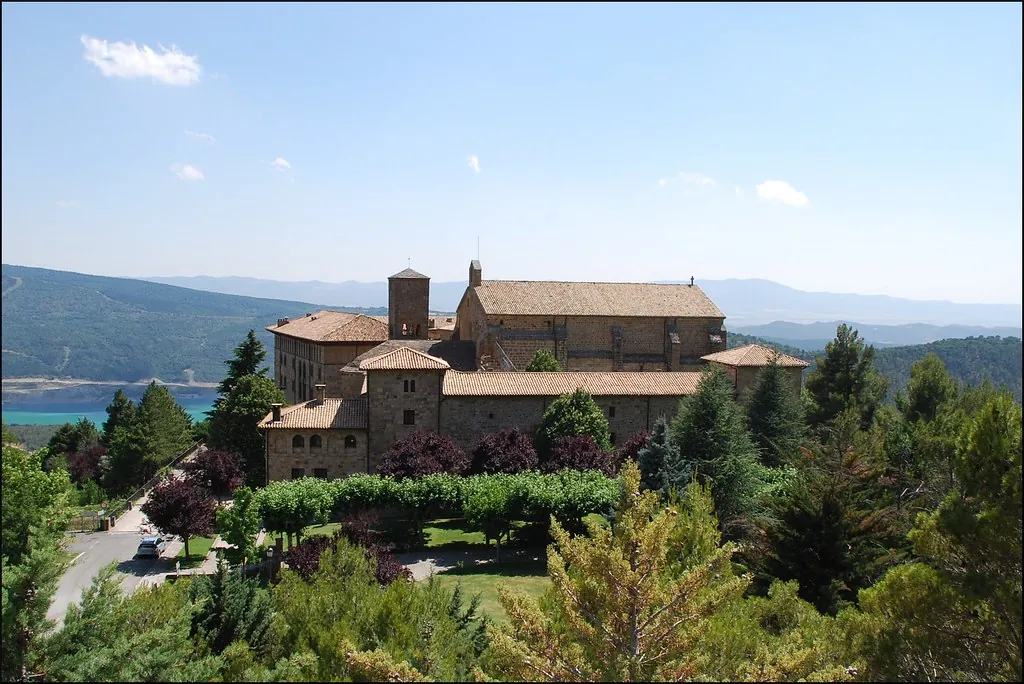
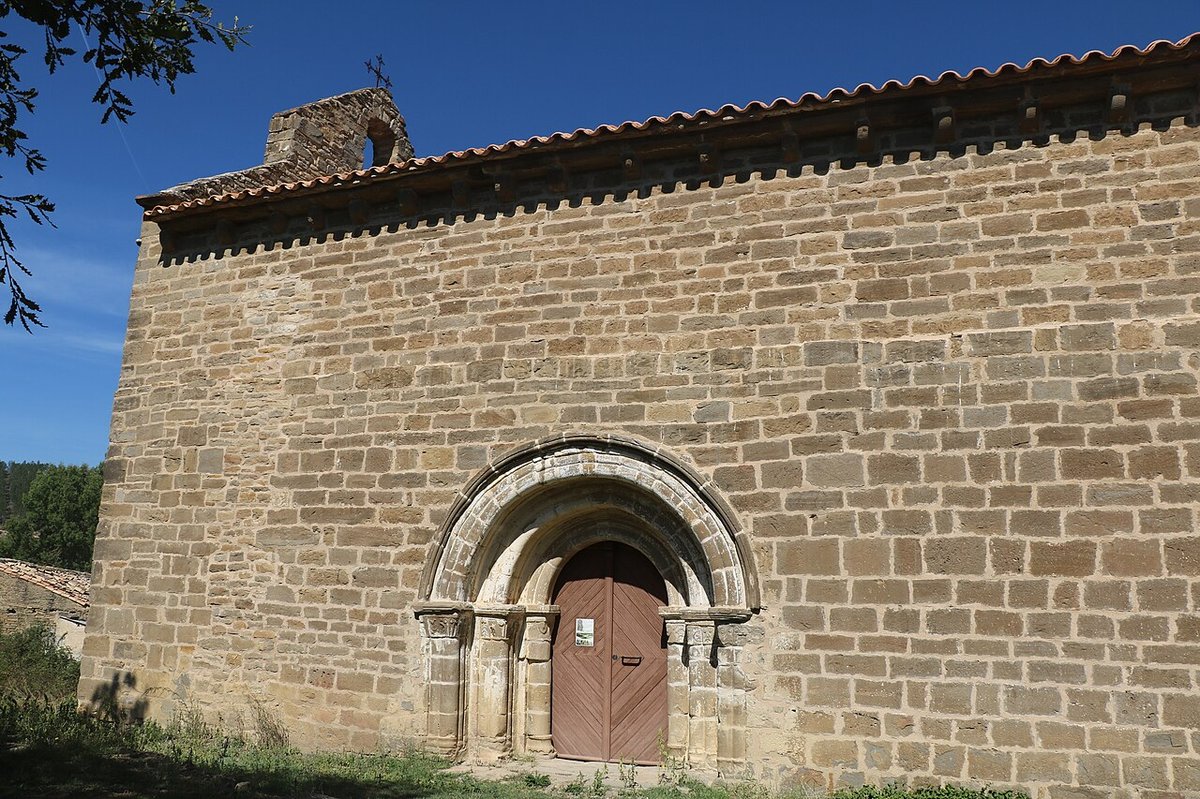
The parish church, dedicated to the Virgen del Rosario, reflects the restrained style seen in many villages across Navarra. It does not aim to impress, but it sits comfortably within its setting. Nearby, in one of the municipality’s smaller population centres, the church of Idocin keeps a simple and well-maintained structure.
Ibargoiti is better understood as a group of small, scattered settlements rather than a single compact village. That layout becomes clearer when moving between its different corners.
Beyond the houses: fields and open paths
The surroundings become more interesting as soon as the built-up area ends.
Agricultural tracks circle the municipality and work well for walking or cycling without much difficulty. Many are wide paths used by farmers to reach their fields. In spring, the landscape turns vividly green. By autumn, yellows and ochres spread across much of the valley, changing the tone of the entire area.
Climbing one of the low hills nearby opens up the horizon. On clear days, looking north reveals the first outlines of the Pyrenees. They are still some distance away, but their presence is already noticeable.
These paths often link with nearby villages such as Oco or Esquíroz, making it easy to extend a walk. The routes naturally lead onwards, connecting one small place to another without much planning.
A place for a pause, not a full day
Ibargoiti is not a destination that fills an entire day on its own.
An hour or two is enough to walk through the main square, see the church and wander along a few streets. That is the scale of it. The idea here is not to tick off sights, but to get a feel for the place.
It tends to work best as part of a wider plan rather than the main focus. Taken on its own, it may feel too slight. Combined with other stops, it fits more naturally.
Linking it with the wider Sangüesa area
The Sangüesa region is made up of many small villages, often just a short distance from each other. They are connected by secondary roads where traffic is minimal, which changes the rhythm of travelling through the area.
A morning could begin with a walk along Ibargoiti’s agricultural tracks and continue towards nearby villages. Within a few kilometres, the landscape shifts just enough to keep things interesting. Some areas bring more woodland, others open out into wider valleys.
This creates a relaxed way to explore this part of Navarra, which often sits outside the better-known routes. The experience is less about specific stops and more about the journey between them.
When to come
Spring and autumn are usually the most rewarding times to visit. The fields change colour noticeably, and the temperatures are more comfortable for walking.
Summer brings stronger heat in the middle of the day, which is typical for this part of Navarra. It makes more sense to head out in the morning or later in the afternoon. In winter, the cold is more present, and paths can be damp or icy in places.
Nothing extreme, but it is worth being prepared for the conditions.
Fitting Ibargoiti into a route
Ibargoiti lies relatively close to Pamplona and the Sangüesa area, so many visits happen as a small detour from the main roads.
It makes most sense as part of a broader route. Whether travelling through the valley, following secondary roads or heading towards other villages, it fits as a short stop along the way.
In that context, it offers a clear snapshot of rural Navarra. Small settlements, open fields and a pace of life that feels distinctly different from larger towns.