Full Article
about Izagaondoa
Valley at the foot of Peña Izaga; known for its rural Romanesque heritage and complete tranquility.
Hide article Read full article
A village that asks you to slow down
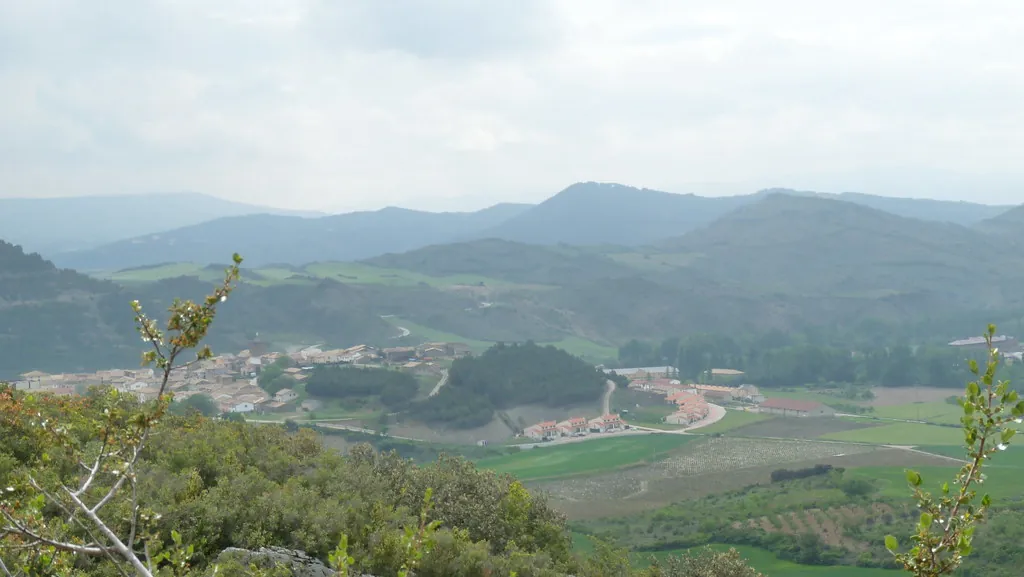
Tourism in Izagaondoa feels a bit like taking a quick detour off the road “just for a moment” to see what lies beyond a line of soft hills, then ending up stepping out of the car because something about the place encourages you to walk slowly. There are no big attractions and no signs competing for attention. What you find instead is countryside, silence, and a small cluster of stone houses where daily life moves at its own pace.
Izagaondoa has very few residents, and that becomes obvious straight away. The streets are short, paths lead out towards kitchen gardens and fields, and there is a sense that the village is more connected to its surroundings than to any tourist route. Many houses still show exposed stone and wooden balconies. This is not styling or restoration for visitors, it is simply how buildings have been constructed here for generations.
Walking the streets: architecture without show
A walk around Izagaondoa does not take long, but it is worth doing without rushing. It is the kind of place where you can see almost everything in ten minutes, yet still find yourself lingering over small details: a large doorway once designed for carts, an old coat of arms carved into a façade, or a hayloft that is still used for its original purpose.
The parish church stands out as the main building. Its appearance is sober, typical of rural churches that have been altered over the centuries depending on need or available funds. The square tower is visible from different points in the village, and inside there is usually a Baroque altarpiece that feels surprisingly elaborate given the size of the place.
Around it are traditional agricultural houses with thick walls, grain storage areas and spaces that were once used for animals or tools. If you look closely, you may still spot farming implements hanging or leaning in a shed, a reminder that agriculture remains part of everyday life here.
Paths leading into the valley hills
One of the best things to do in Izagaondoa is simply to set off on foot without much planning. From the village itself, farm tracks and paths branch out and gradually climb towards the hills of the valley.
Mount Txurregi lies relatively close and acts as a clear landmark in the landscape. The climb is not especially difficult, though good footwear is useful as the ground can quickly turn muddy after rain. From higher up, the view opens out across fields and the small settlements scattered through this part of Navarra.
The landscape is a mix of oak woodland, cultivated land and low scrub. At times it can feel dry, especially in summer, yet the colours shift as soon as you move into a more shaded area, where vegetation becomes denser. This is also a place where animal tracks are not unusual to spot along the paths, particularly early in the day.
When to come
The most comfortable time to walk in this area tends to run from spring through to autumn. Mild temperatures make the paths and the open valley landscape much more enjoyable.
Autumn has a particular appeal. The oak trees change colour, and the harvested fields take on ochre tones that spread across much of the view. It is also a notably quiet time to explore the area.
Winter brings a different atmosphere. Low fog can settle in, and cold days tend to shorten any walks. On clear days, though, the valley appears especially crisp and still, with a kind of calm that defines the season.
A short stop on a longer journey
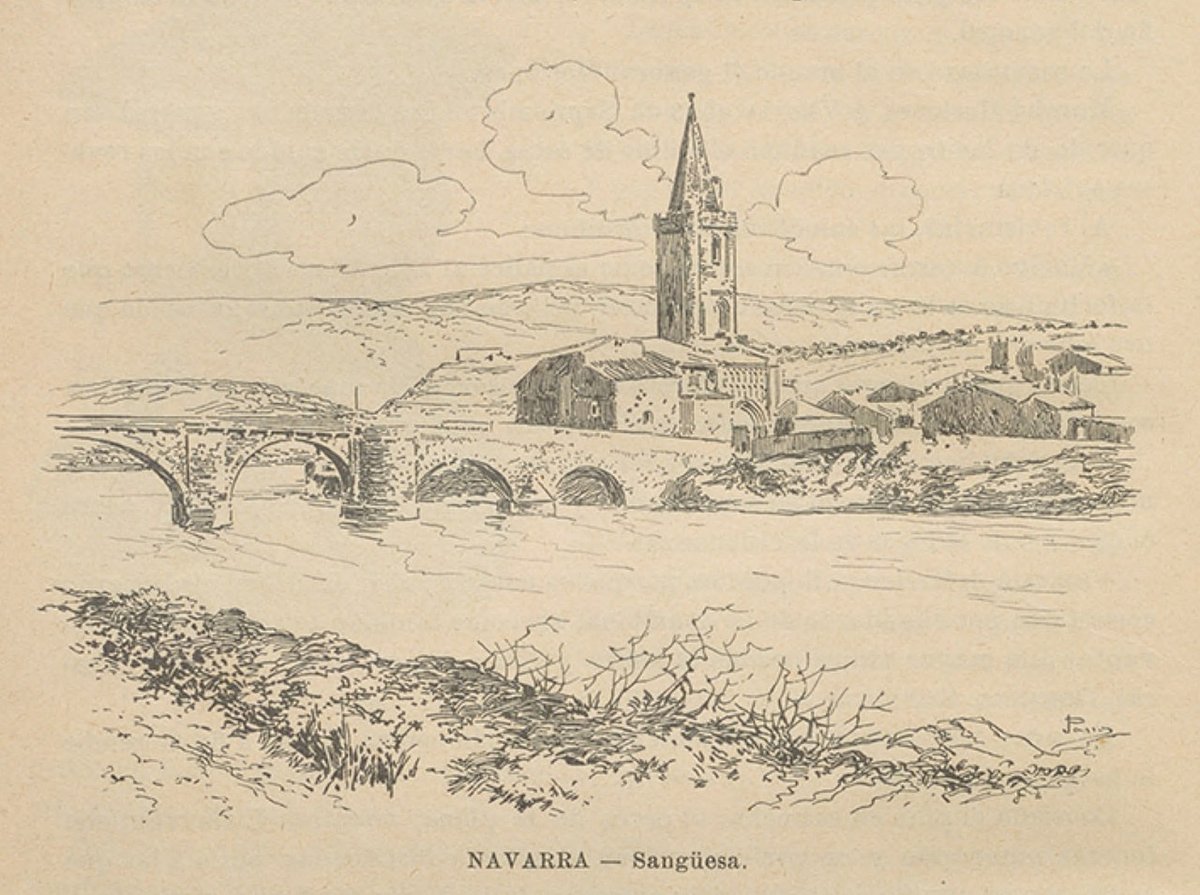
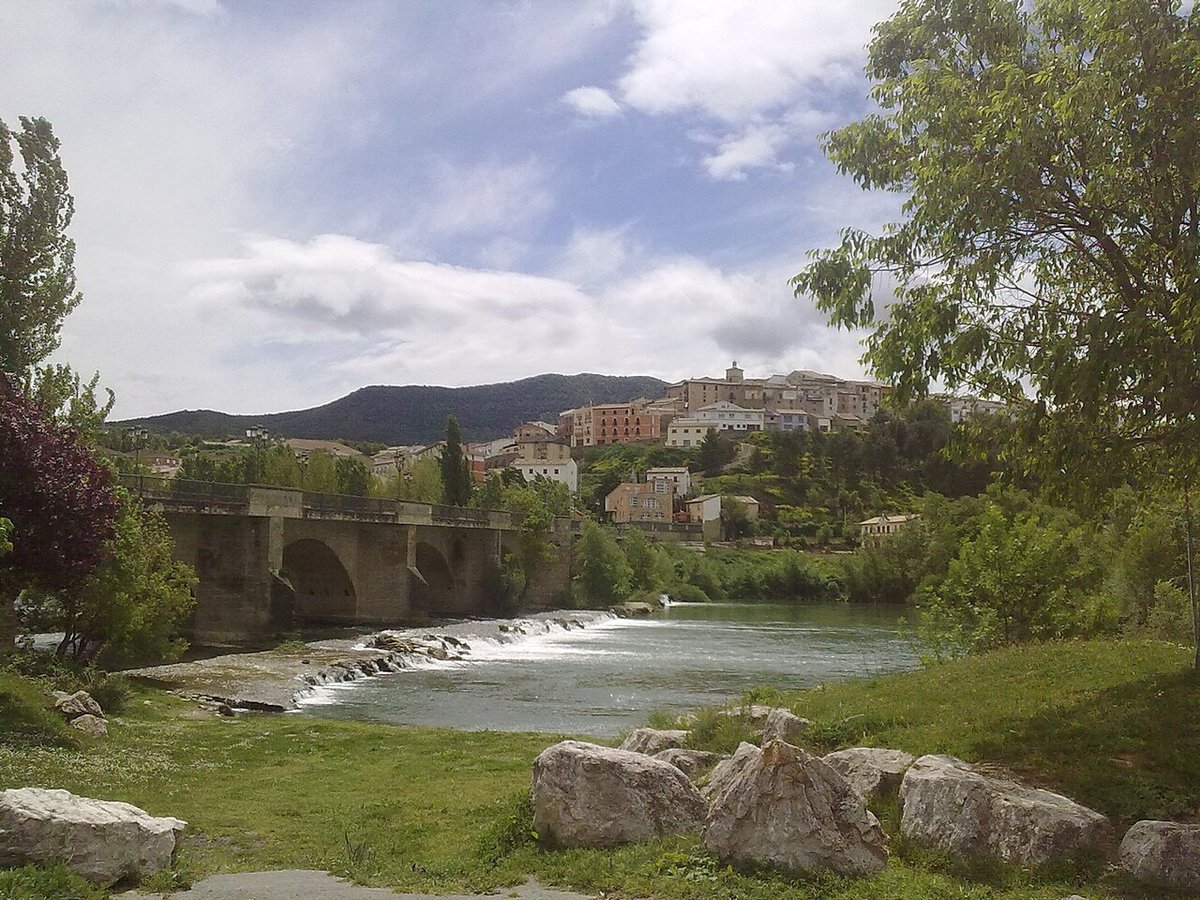
Izagaondoa is not a place filled with sights that take a full day to explore. Curiously, that works in its favour. It fits well as a brief stop on a route through the Sangüesa region or the Navarrese Pre-Pyrenees, an area of foothills before the Pyrenees mountains.
The plan can be simple: park, walk through the village, step into the church if it happens to be open, then follow one of the paths leading out towards the fields. In a couple of hours, it is possible to get a clear sense of the place.
What really stands out
What defines Izagaondoa is not its monuments or any grand stories for travel guides. What matters here is that the landscape is still a working one. Tractors move in and out of the village, fields are actively cultivated, and dogs watch passers-by with the air of knowing exactly who belongs.
Places like this are becoming less common. They are not designed with visitors in mind, nor do they try to appear that way. That may be precisely why, on leaving, the impression that stays with you is of having seen a very real side of Navarra, without staging or embellishment.