Full Article
about Javier
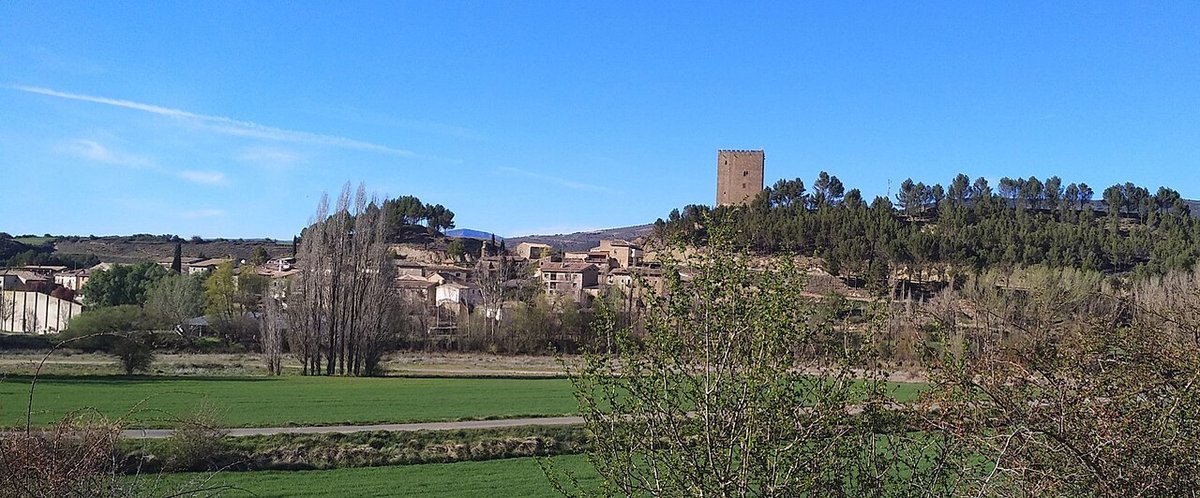
Birthplace of San Francisco Javier; the castle is one of the most visited monuments and a pilgrimage site (Javieradas).
Hide article Read full article
Javier: un castillo, un santo y cien vecinos
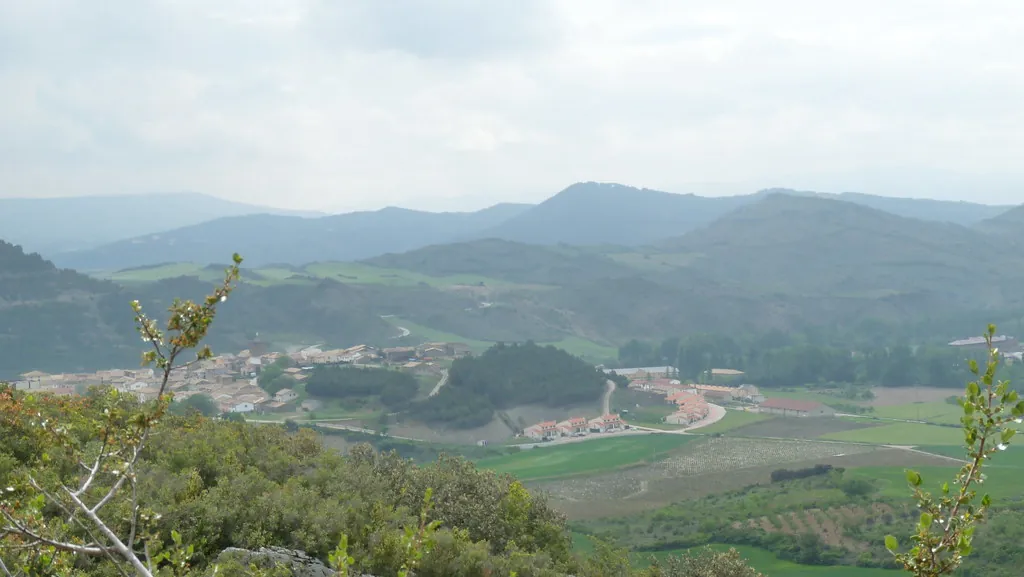
El pueblo de Javier tiene poco más de un centenar de habitantes. Su existencia, sin embargo, está definida por una fortaleza. El Castillo de Javier domina no solo la vista, sino la razón de ser del lugar. Se alza en la comarca de Sangüesa, en un paisaje de campos de cereal y colinas suaves que marca la transición entre la zona media de Navarra y el prepirineo.
La importancia del pueblo no reside en su tamaño, que es mínimo, sino en un hecho histórico: aquí nació en 1506 Francisco de Javier. La devoción posterior al santo transformó para siempre la función y la percepción de este sitio.
Un castillo con varias capas de historia
Los orígenes del Castillo de Javier son medievales, aunque su aspecto actual es el resultado de sucesivas reformas. Durante siglos fue una residencia fortificada de una familia noble vinculada al Reino de Navarra. Su propósito no era ser un bastión fronterizo principal, sino ejercer el control sobre un territorio agrícola local.
El significado del lugar cambió radicalmente tras la canonización de Francisco de Javier. Las restauraciones de finales del siglo XIX y principios del XX tuvieron un objetivo más simbólico que defensivo. Por ello, algunas partes del conjunto presentan una imagen algo idealizada de cómo debería ser una fortaleza medieval.
A pesar de ello, se conservan elementos que hablan de su función original. Las torres, los muros gruesos y las estancias interiores permiten imaginar la vida de una familia noble en la Navarra bajomedieval. La escala es doméstica, no militar, acorde con un poder arraigado en la tierra.
La basílica y la práctica devocional
Junto al castillo se encuentra la basílica de San Francisco Javier, un edificio mucho más reciente que completa el conjunto monumental. En su interior se guarda el Cristo de Javier, una talla vinculada a la tradición familiar del santo.
Este templo no es un edificio religioso aislado. Funciona como punto de encuentro para peregrinos y grupos organizados que llegan durante todo el año, especialmente desde otras zonas de Navarra. La atmósfera aquí está marcada por la continuidad de una práctica devocional que se mantiene desde hace siglos.
El paisaje que explica el castillo
Alrededor de Javier se extienden los campos de cultivo hacia el valle del río Aragón. Es un entorno agrícola despejado, muy distinto a los valles cerrados del pirineo cercano.
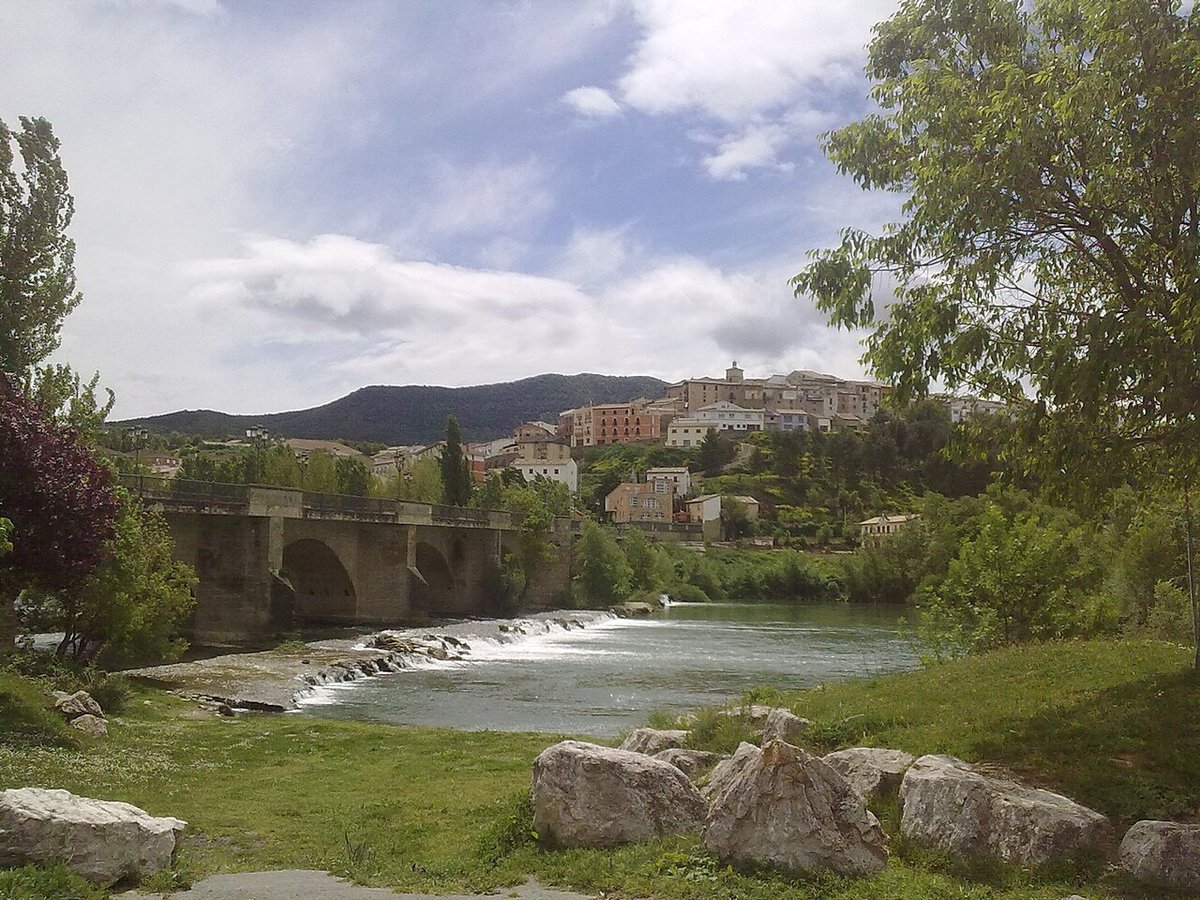
Desde el pueblo salen algunos senderos que permiten caminatas cortas por el campo. Cerca del núcleo urbano aparecen tramos de bosque de ribera y zonas de matorral. Este paisaje explica la economía tradicional de la zona, basada en el cereal, algo de ganadería y el uso del río.
El castillo no se entiende aislado de este entorno. Su posición tenía sentido dentro de un paisaje agrario que determinó su función y la vida de sus habitantes.
Las Javieradas: la quietud interrumpida
Cada año, a principios de marzo, Javier cambia por completo durante las Javieradas. Miles de personas llegan a pie desde distintos puntos de Navarra en una peregrinación organizada desde hace décadas.
Durante esos días, los alrededores del castillo se llenan de gente y el acceso al pueblo suele estar regulado. La magnitud de la concentración contrasta con el ritmo tranquilo del resto del año.
Las Javieradas son la expresión más visible de una tradición colectiva. Refuerzan el vínculo entre el lugar, la figura del santo y toda una región.
Una visita breve y concentrada
Javier se recorre en poco tiempo. Los puntos de interés principales se concentran en el castillo y la basílica, que forman un conjunto coherente.
Conviene consultar los horarios de acceso con antelación, ya que pueden variar según la temporada o por la celebración de actos religiosos. Después de ver el interior, un paseo por los caminos cercanos ayuda a situar la fortaleza en su contexto agrícola y a comprender mejor su relación con el territorio.
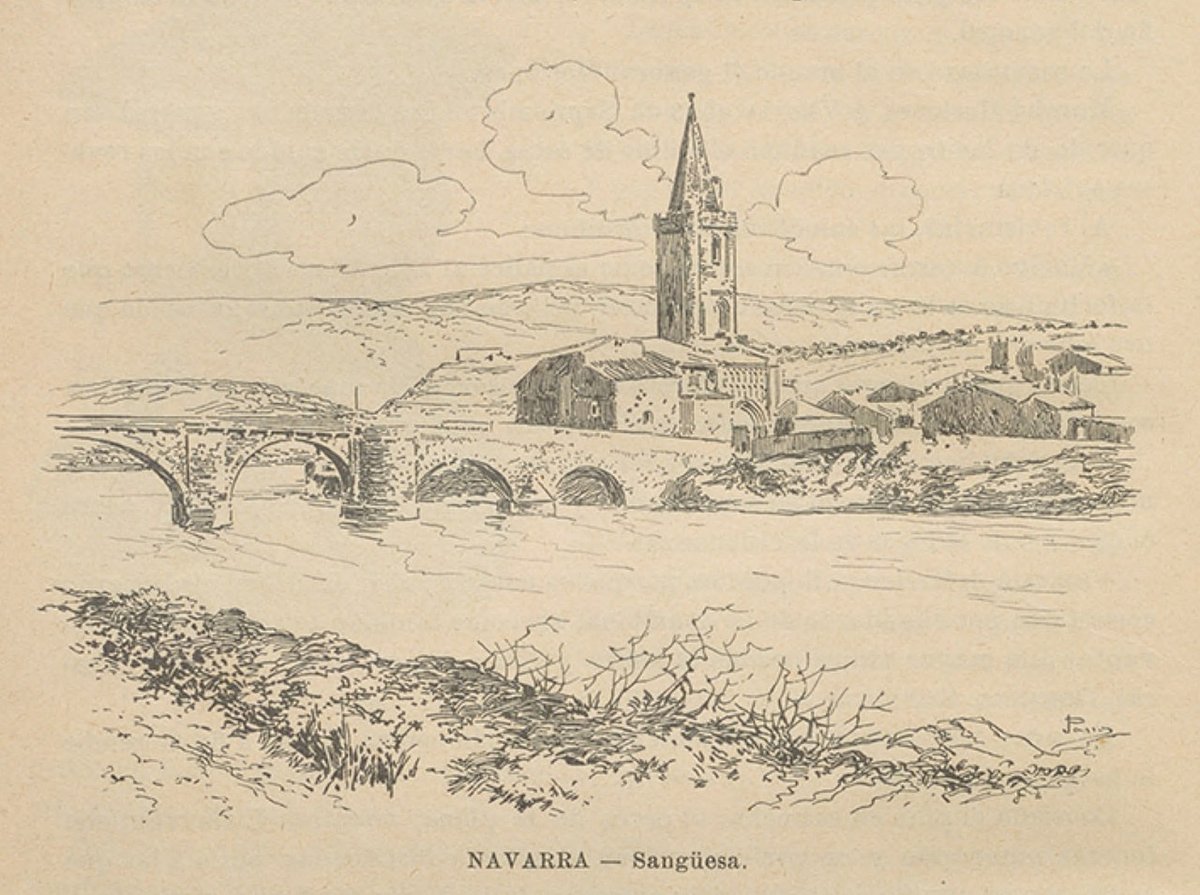
Muchos visitantes llegan desde Sangüesa o incluyen Javier como parada en ruta hacia los valles prepirenaicos. La visita no requiere mucho tiempo, pero permite comprender por qué este lugar concreto mantiene un peso específico en la memoria colectiva de Navarra.