Full Article
about Leache
Small village in the Val de Aibar; set high up with fine views and complete quiet.
Hide article Read full article
A las tres de la tarde, cuando el sol cae desde el oeste, la piedra de Leache toma un tono de miel apagada. El viento baja de las colinas y se cuela por las calles cortas del pueblo. No hay tráfico, apenas voces. Una puerta se cierra en algún lugar, unas ramas secas rozan un tejado, y poco más rompe la quietud.
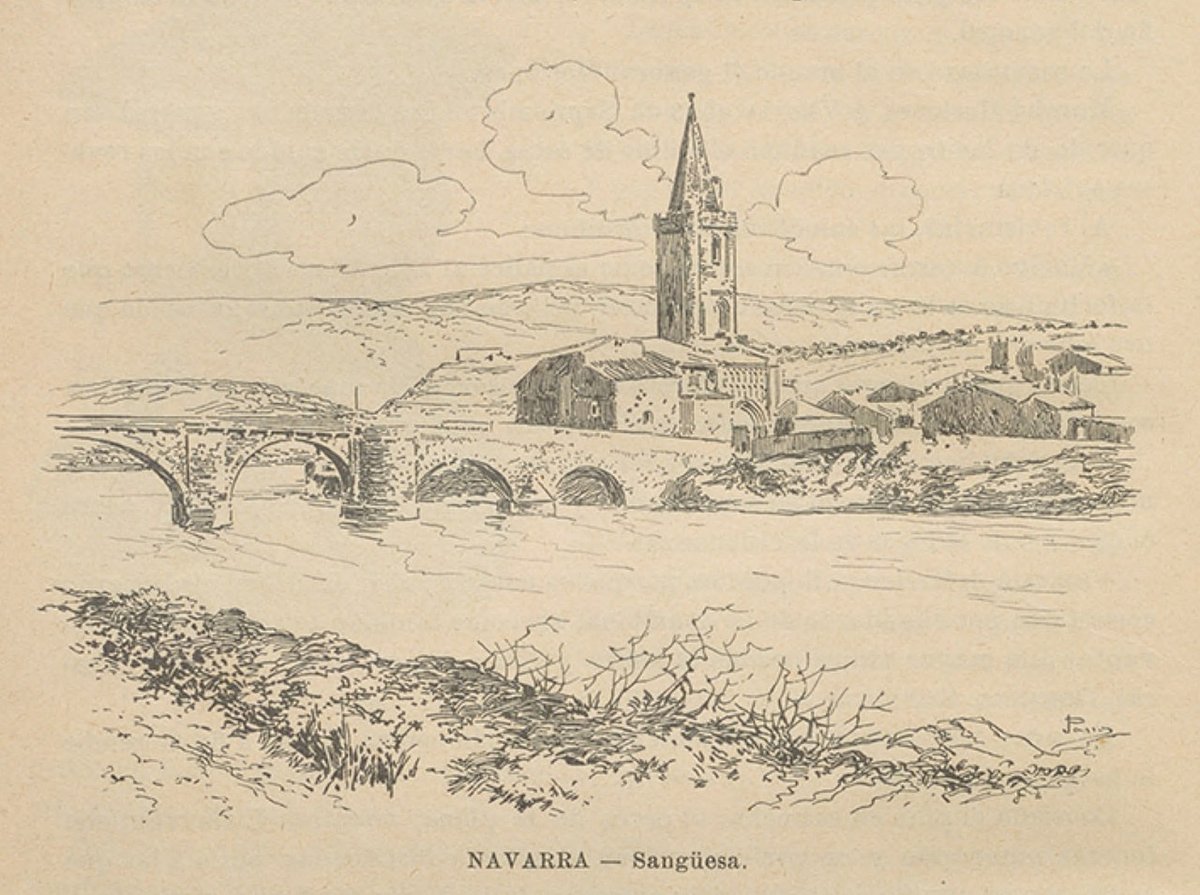
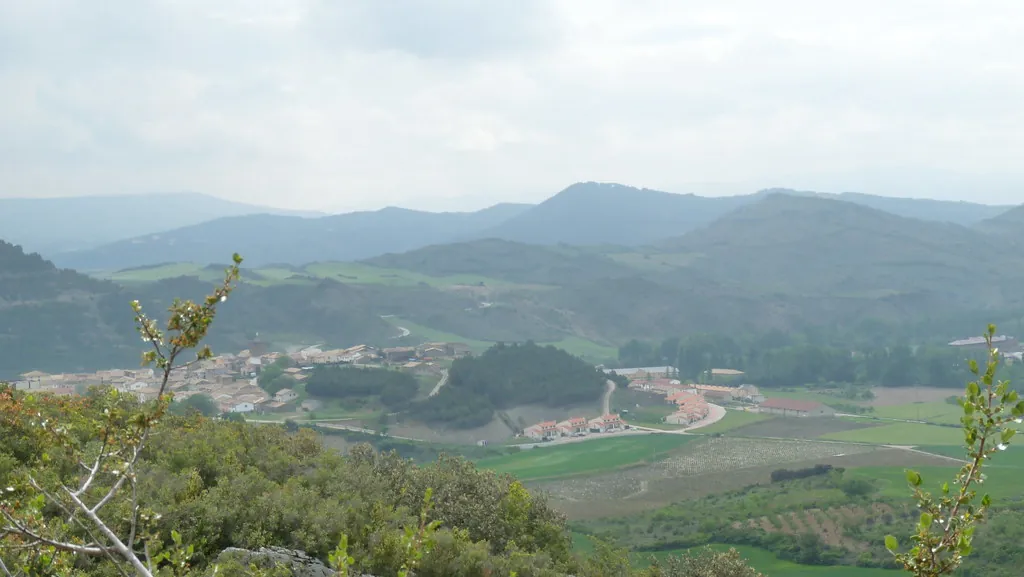
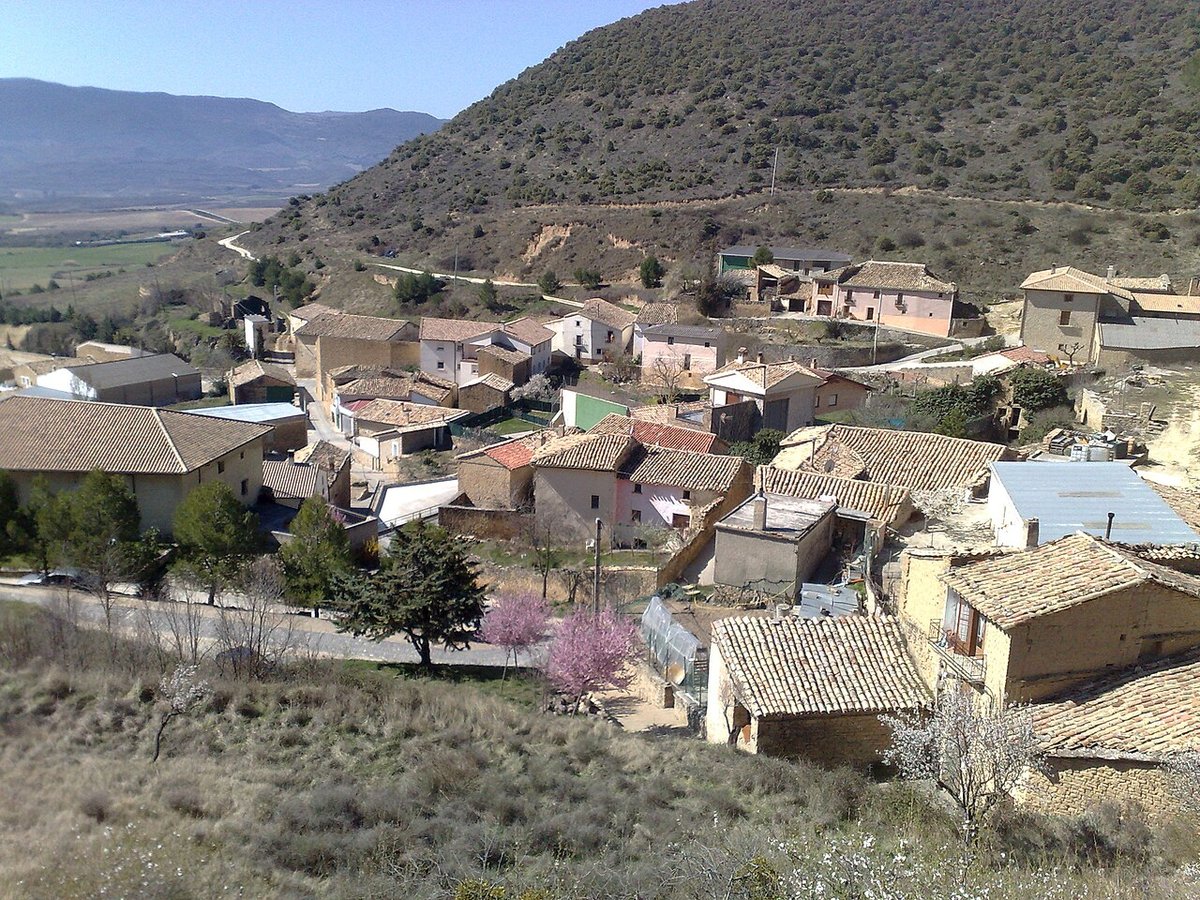
Leache está en la comarca de Sangüesa, en un pequeño claro rodeado de campos de cereal y monte bajo, no lejos de la sierra de Leyre. Viven algo más de treinta personas. Las casas de piedra se agrupan en torno a una calle principal que no llega a doscientos metros, algunas con portones de madera maciza y balcones de hierro oscuro.
Un camino estrecho sale de la carretera que une Sangüesa con los alrededores del embalse de Yesa. Conduce directamente al pueblo. Al llegar, el paisaje se abre: campos largos, ondulaciones suaves y un silencio que no parece pensado para quien visita, sino el ritmo natural de quien vive aquí todo el año.
La iglesia y su sombra
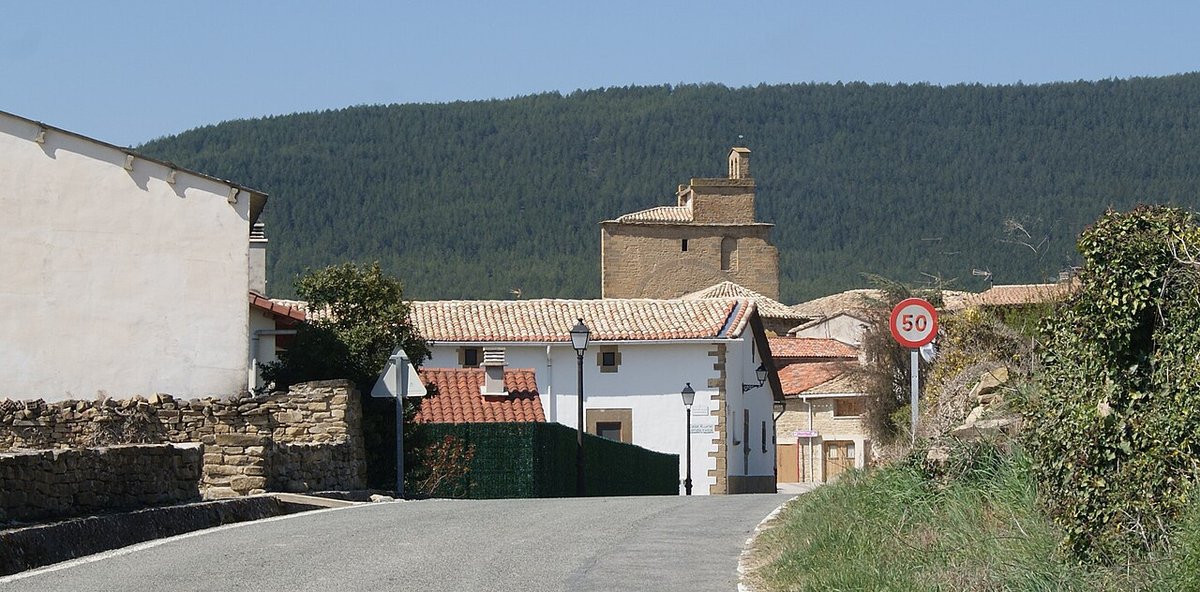
La iglesia de la Asunción se levanta ligeramente por encima del resto de las casas. Es de tamaño modesto. Sus muros de arenisca tienen un tono pálido que cambia con la luz a lo largo del día.
La construcción es del siglo XVI. La portada es sencilla, de piedra bien cortada y poca decoración. Dentro, la luz se filtra por ventanas pequeñas, dejando gran parte del interior en penumbra durante casi todo el día. El retablo conserva figuras policromadas. El tiempo las ha desgastado, pero siguen siendo visibles si te acercas con calma.
El espacio alrededor de la iglesia es irregular, más un ensanchamiento de la calle que una plaza definida. En verano, al atardecer, algún vecino puede sacar una silla a la puerta. Se oye una conversación baja, mezclada con el traqueteo metálico de una persiana que se cierra.
El paisaje: cereal, luz y monte bajo
La tierra alrededor de Leache es abierta y ondulada. Los cultivos de cereal cubren las lomas. En primavera, el verde es intenso y el aire huele a tierra mojada después de la lluvia. El cambio al verano llega rápido. Los colores se apagan en amarillos secos, un polvo fino se posa en los caminos y el calor se acumula desde mediodía.
Algunas pequeñas barrancas cortan el terreno. Allí crecen arbustos más densos, creando bolsas de sombra y refugio. A veces se ven corzos al amanecer o al final del día. Se oyen mirlos con facilidad, y no es raro ver aves rapaces planeando sobre los campos.
No hay miradores señalizados ni rutas marcadas desde el pueblo. En su lugar, los caminos agrícolas salen en distintas direcciones. Conviene llevar agua y fijarse bien en el recorrido antes de alejarse demasiado, pues algunos cruces carecen por completo de indicaciones.
Cómo llegar y moverse por aquí
La forma más sencilla de llegar a Leache es desde Sangüesa por carreteras secundarias. El último tramo suele ser una pista estrecha pero en buen estado. Hay que conducir con atención, sobre todo si aparece maquinaria agrícola.
Dentro del pueblo, el espacio es limitado. Se puede aparcar junto a la calle siempre que no se bloquee el acceso a campos o garajes.
Un paseo lento basta para ver casi todo el núcleo. Lo que llama la atención está en los detalles: escudos desgastados en algunas fachadas, marcas antiguas talladas en la piedra, grandes puertas que aún conservan sus herrajes originales.
Un corto paseo más allá de las últimas casas abre la vista hacia el valle del Aragón. Desde alguna loma baja, se ven extensiones amplias de campos de cereal que cambian de color con las estaciones.
Un ritmo marcado por las estaciones
La primavera altera bastante el aspecto de Leache. Los campos verdes rodean el pueblo y el aire suele ser más fresco. Los días de lluvia son frecuentes, dejando las calles con olor a tierra húmeda.
El otoño ofrece otro periodo tranquilo. La luz es más baja y las temperaturas hacen más cómodo caminar por los senderos.
El verano trae sol fuerte durante las horas centrales del día. Conviene caminar a primera hora o a última de la tarde. El invierno puede ser duro, con vientos fríos y días cortos.
Las celebraciones aquí son discretas. Hacia la fiesta de la Asunción, en agosto, los vecinos se reúnen y algunas familias vuelven al pueblo unos días. En otoño aún se mantienen prácticas ligadas al calendario rural, como preparaciones para la matanza, que suceden dentro de las casas.
Antes de salir
Leache es muy pequeño. No hay tiendas ni servicios para comprar comida o agua. Quien visita suele traer lo necesario desde Sangüesa o pueblos cercanos.
No es un lugar pensado para pasar varios días sin moverse. Funciona mejor como una parada breve, o como base tranquila para explorar otros pueblos de la zona.
El aparcamiento se hace en la misma calle, siempre con cuidado de no obstruir accesos agrícolas. La vida diaria aquí sigue funcionando por costumbre y acuerdo tácito entre quienes viven. Respetar esa forma de vida importa.