Full Article
about Lerga
Small village on the road between Tafalla and Sangüesa, set amid low scrub and kermes oak.
Hide article Read full article
A small village on a slope
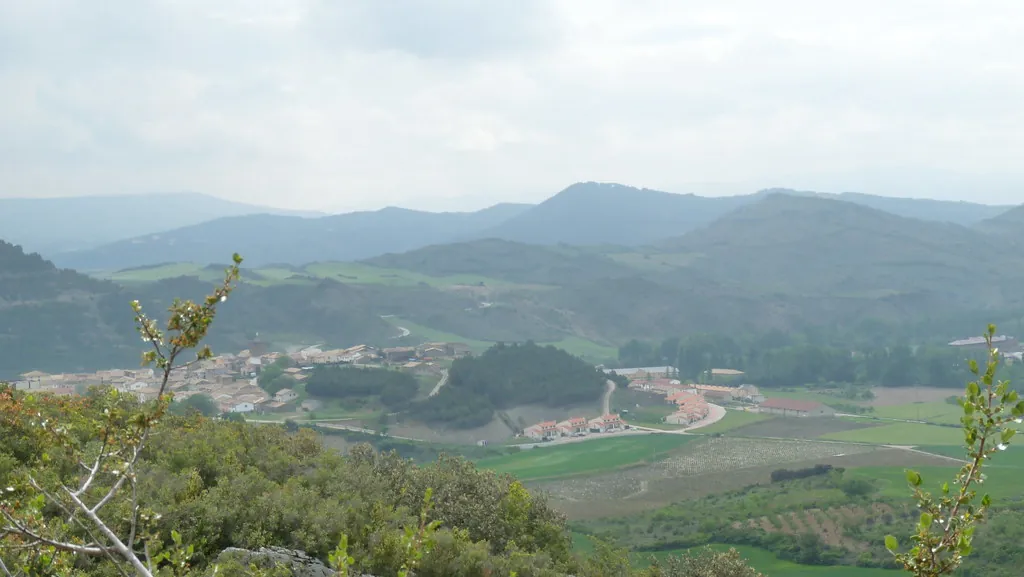
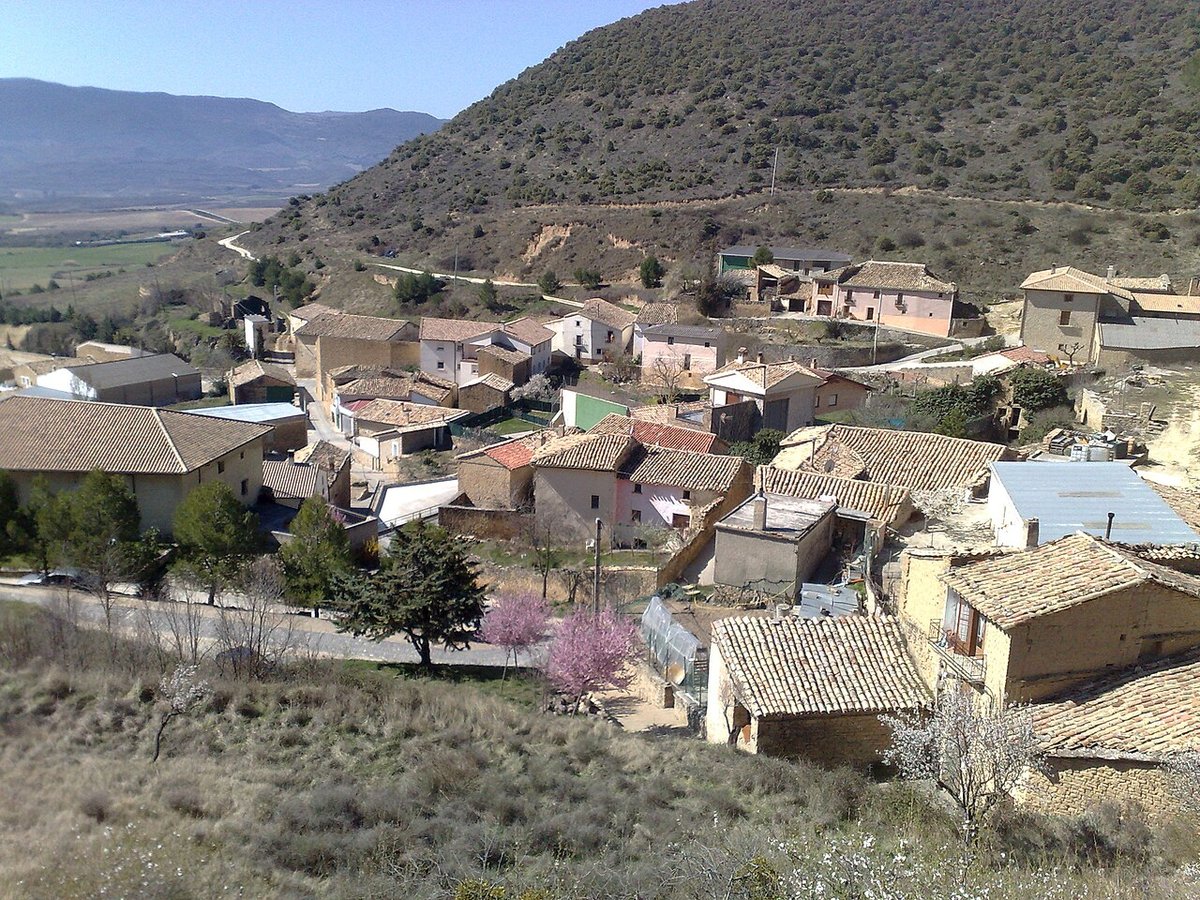
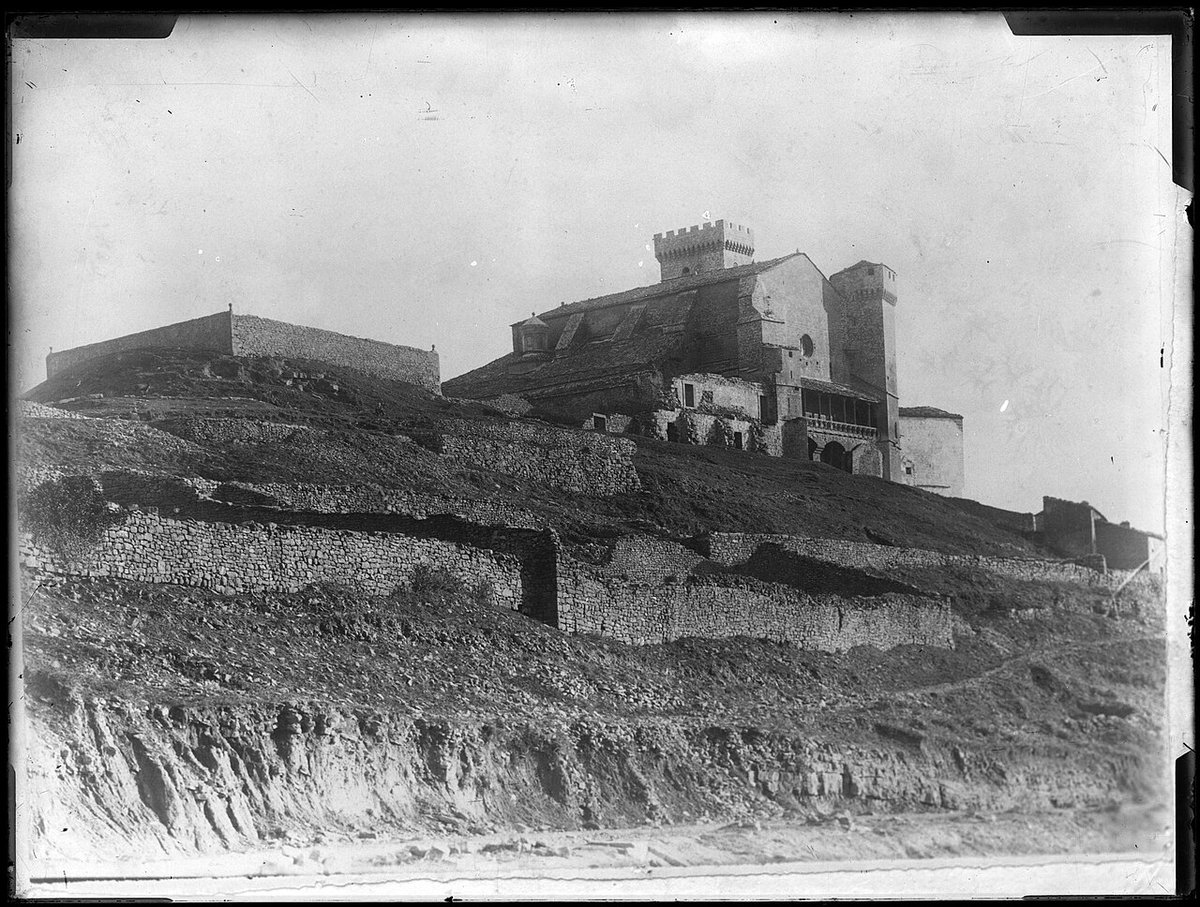
Light reaches Lerga gradually. It touches the rooftops first, then slips down towards the square. At that hour the village is still half quiet: a door opening, the brief sound of a car starting, a rooster somewhere in the distance. With only a few dozen residents, around 44, this small settlement in the Sangüesa area keeps its focus on the land rather than any tourist calendar.
The houses spread along the hillside with an older kind of logic. Streets are short, the stone is pale, and the reddish roofs shift in tone depending on the time of day. When there is a bit of wind, it brushes the façades and moves through the corners. Lerga is not a place packed with sights. It is somewhere to walk slowly, almost without noticing the passing time.
The square and Santa María
At the centre stands the parish church of Santa María. Its sandstone walls carry a warm colour that deepens towards evening, taking on an almost orange hue. The bell gable rises above the surrounding houses and acts as a reference point when approaching by road.
Around the square there are wooden benches, visibly worn from use. People tend to sit there for a while in the middle of the afternoon. From that spot you can see older balconies, some with dark beams and simple railings. In summer, flowerpots break up the dry tone of the stone.
The village is compact. A slow walk of ten or fifteen minutes is enough to cover its streets without effort. Even so, it is worth pausing at the edges of the built-up area. The landscape opens out from there.
Tracks through cereal fields and holm oaks
Leaving Lerga by any of its edges, agricultural tracks appear almost immediately. These are pale dirt paths, dusty in summer and sticky with mud after rain.
The landscape is open. Plots of cereal stretch out, still a soft green in May and already golden and dry by July. Between the fields there are patches of low holm oak, the occasional almond tree, and embankments where tall grasses grow.
Early in the day there is more movement. Partridges cross the track, and a rabbit may disappear quickly between the furrows. When the sun drops lower, the light arrives at an angle and picks out the gentle undulations of the terrain.
Anyone planning to walk here in summer should start early. After midday the heat presses down and there is very little shade.
A rhythm set by the land
Life in Lerga tends to revolve around agricultural work. Spring brings more activity in the fields. Autumn sees it return with the cereal harvest.
During summer, residents who spend the rest of the year elsewhere come back. That is when the village festivals take place, usually around August. For those days, Lerga shifts slightly. There are more people in the square, long tables appear, and conversations stretch into the night.
For the rest of the year, the pace settles back into its usual calm.
Getting there and when to go
Lerga lies just under an hour by car from Pamplona, in a transition zone between the pre-Pyrenean sierras and the more open lands of the Sangüesa area. The final stretch follows local roads with gentle curves and wide views.
It is best to arrive prepared. The village does not have shops or bars open on a continuous basis. For food or supplies, people usually head to larger nearby towns. Parking is straightforward. A car can be left at one of the village entrances, and the rest is done on foot.
Spring and autumn are generally the most pleasant times to visit. The air feels cooler and the fields change colour almost week by week. Summer brings a very clear light, though the heat intensifies after midday. Early morning or late afternoon are better for walking, when the sun begins to fall behind the low hills.
Lerga does not demand much time. An hour is enough to walk through the village and step onto one of the surrounding tracks. Stay a little longer and the place becomes clearer: stone, quiet, and fields that shift slowly with the seasons.