Full Article
about Liédena
Located beside the Foz de Lumbier; a communications hub and route of the old Irati train
Hide article Read full article
A village that moves at its own pace
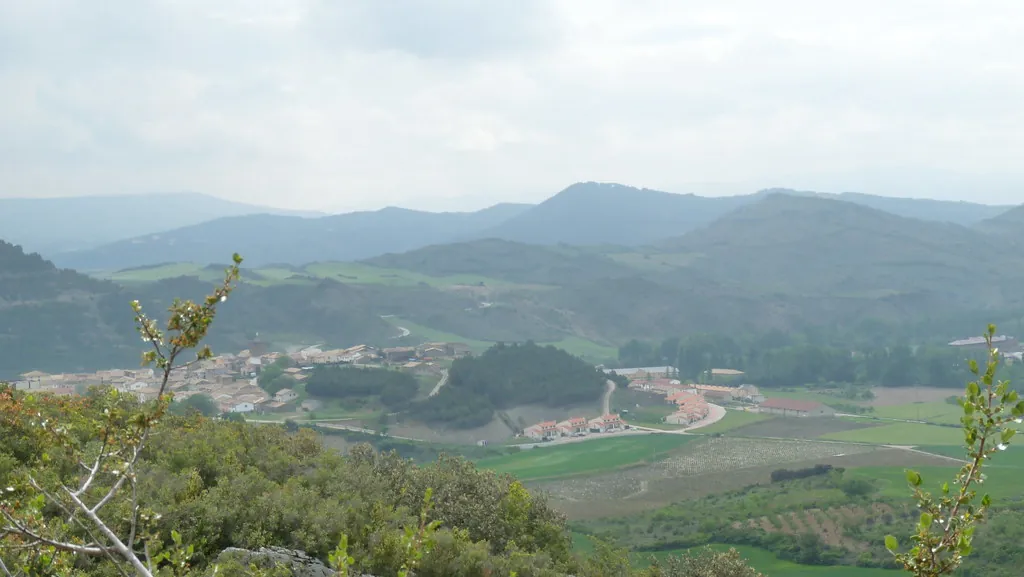
Some places work best as a longer pause on the road. Not because there is a long list of sights to tick off, but because the setting encourages you to slow down. Liédena, in the Sangüesa area of Navarra, fits that idea well. It is a small village with just over 300 residents, surrounded by fields, with the feeling that life here follows a different rhythm from the nearby road.
This is not a staged rural scene. Liédena is an agricultural village that still functions as one. The streets are narrow, the houses are built in stone and fairly plain, and late morning tends to be quiet. The only interruptions are a car passing slowly or someone stepping out to buy bread.
The Church of the Assumption and village life
The most visible building in Liédena is the parish church of the Asunción. It is a sober construction, probably dating from the 17th century. The walls are made of masonry, and a tower rises above the rooftops, with little in the way of decoration.
What stands out more is how the church sits within everyday life. Around it there are usually benches and a small open space where, in good weather, neighbours gather to talk as if it were an extension of their living rooms.
Walking through the surrounding streets, you pass stone houses with small balconies, old iron grilles and wooden doors that have seen many winters. Some are carefully maintained, others show the kind of wear that is almost inevitable in small villages.
Paths through fields and gentle hills
Once you leave the built-up area, the fields begin straight away. There are plots of cereal, some legumes, and agricultural tracks used both for work and for walking.
There are no marked routes or information panels. Instead, there are clear dirt paths winding between crops and low hills. It is the kind of place where you walk without rushing and navigate using simple references such as a lone oak tree, a shed, or a bend in the track.
The landscape shifts noticeably with the seasons. In spring everything turns green and the fields feel newly alive. In summer, the dominant colour is the golden tone of harvested cereal. In winter, the valley often wakes under low fog, the sort that makes the village look like an island for a while.
For photography, the early hours of the day tend to work well, as the light falls at a low angle across the fields. In summer, the sun can be intense and shade is limited.
Traditions that shape the calendar
Despite its size, Liédena keeps to the typical rural and religious calendar. The festivities linked to the Asunción, around mid-August, usually bring together many people from the village as well as relatives who return for those days.
These are simple celebrations. There are processions, traditional music, shared meals and long conversations in the street. There are no large stages or packed programmes. It is the kind of event where people know each other and everything happens within a short distance.
For the rest of the year, the atmosphere is much quieter. On weekdays, it is possible to cross the whole village and encounter very few people.
A place understood in a short visit
Liédena does not require a full day. In fact, it works better when you do not try to stretch your visit.
A walk through the centre, a stop by the church, a look around the nearby streets, and then a short walk along one of the agricultural tracks. In a relatively short time, you get a clear sense of the place.
It brings to mind the feeling of stopping at a pleasant rest area during a long journey. You do not stay for hours, but the time spent there stays with you.
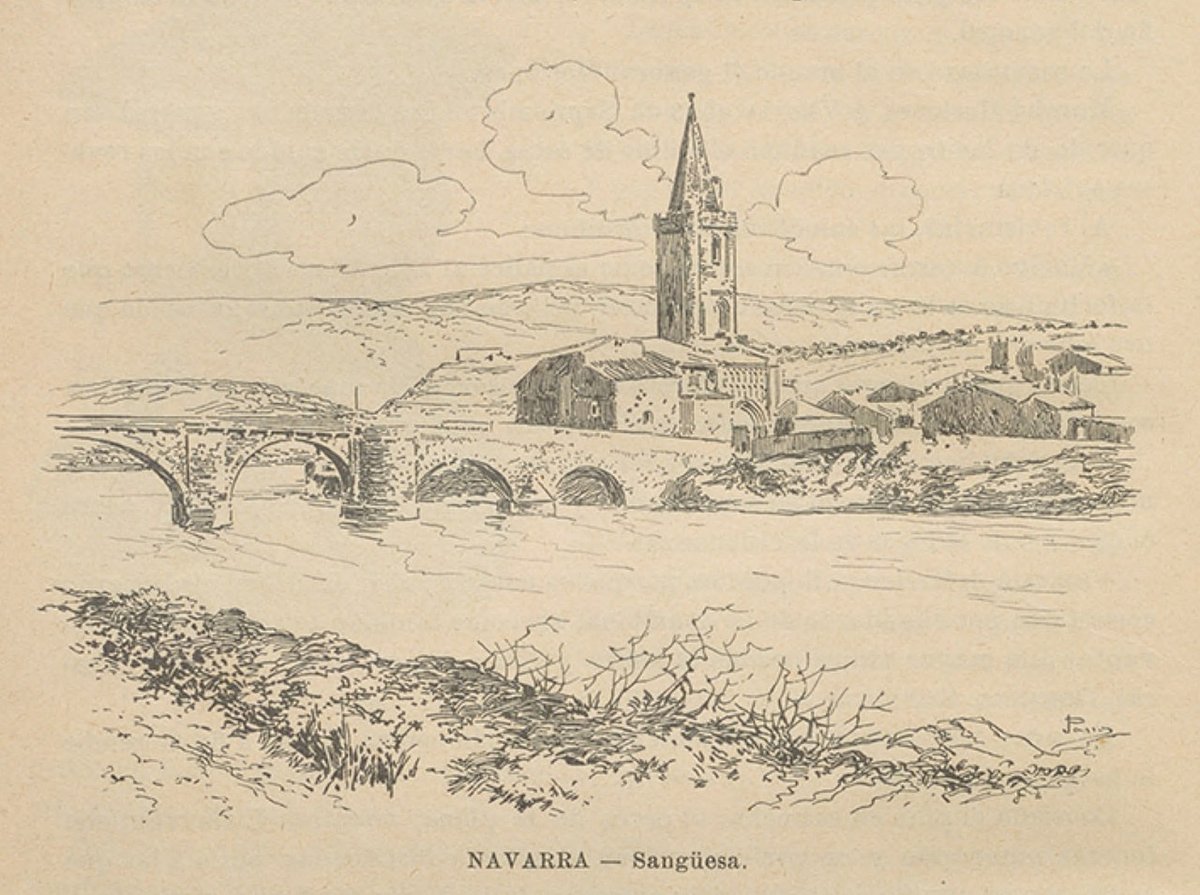
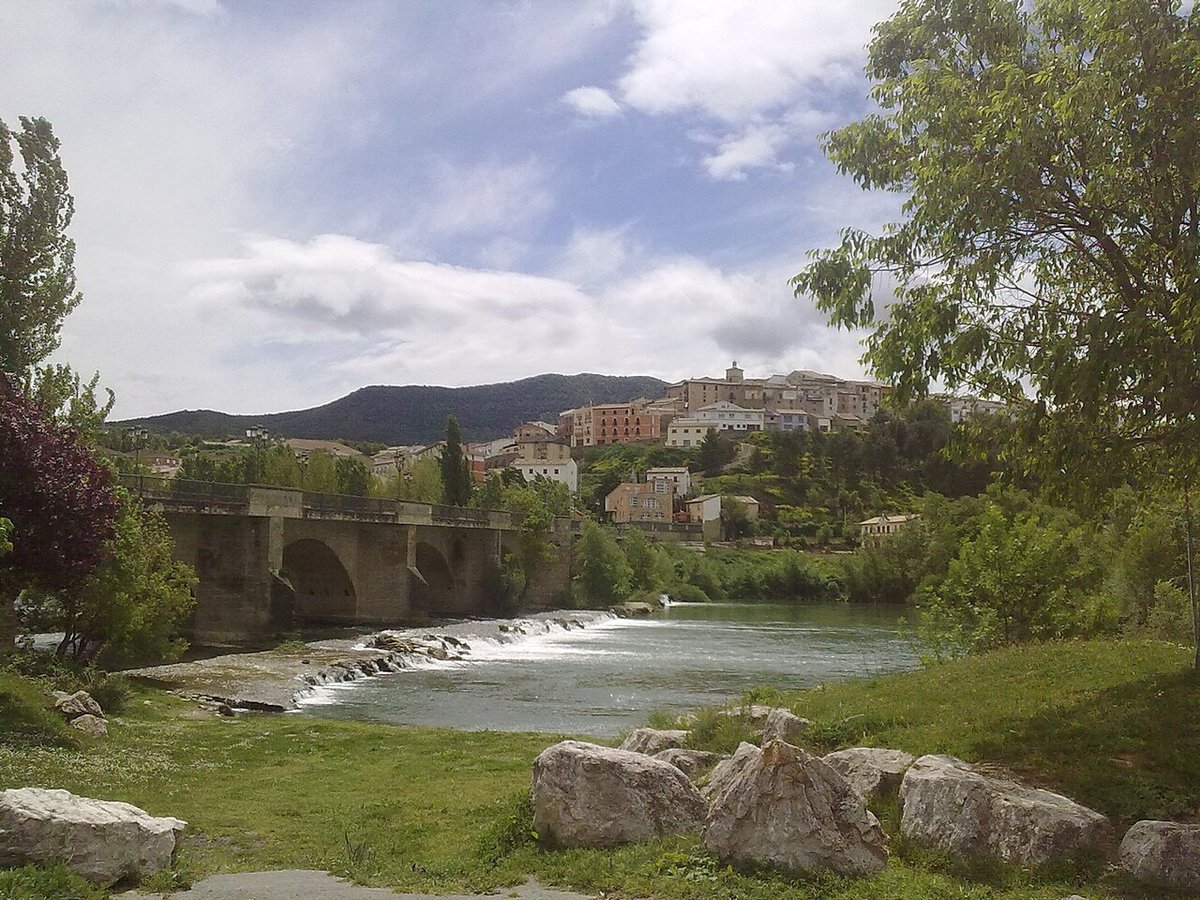
If you feel like continuing, Sangüesa is very close and offers more activity and historical heritage.
When to go and getting there
Spring and autumn are usually the most comfortable times for walking around the area. The landscape changes noticeably and the temperatures are more forgiving. Summer visits are still possible, though it is worth bearing in mind that the sun falls strongly on the open fields.
Access is straightforward from the main road that connects Pamplona with the Sangüesa area. From there, a local road leads directly to the village. Once in Liédena, parking is rarely an issue as traffic is minimal.
Liédena works well as a short stop on a wider route through this part of Navarra. It does not try to be more than that, and that may be precisely what makes it appealing.