Full Article
about Petilla de Aragón
Navarrese enclave within Aragón; birthplace of Santiago Ramón y Cajal, set on a rocky hill
Hide article Read full article
A village out of place
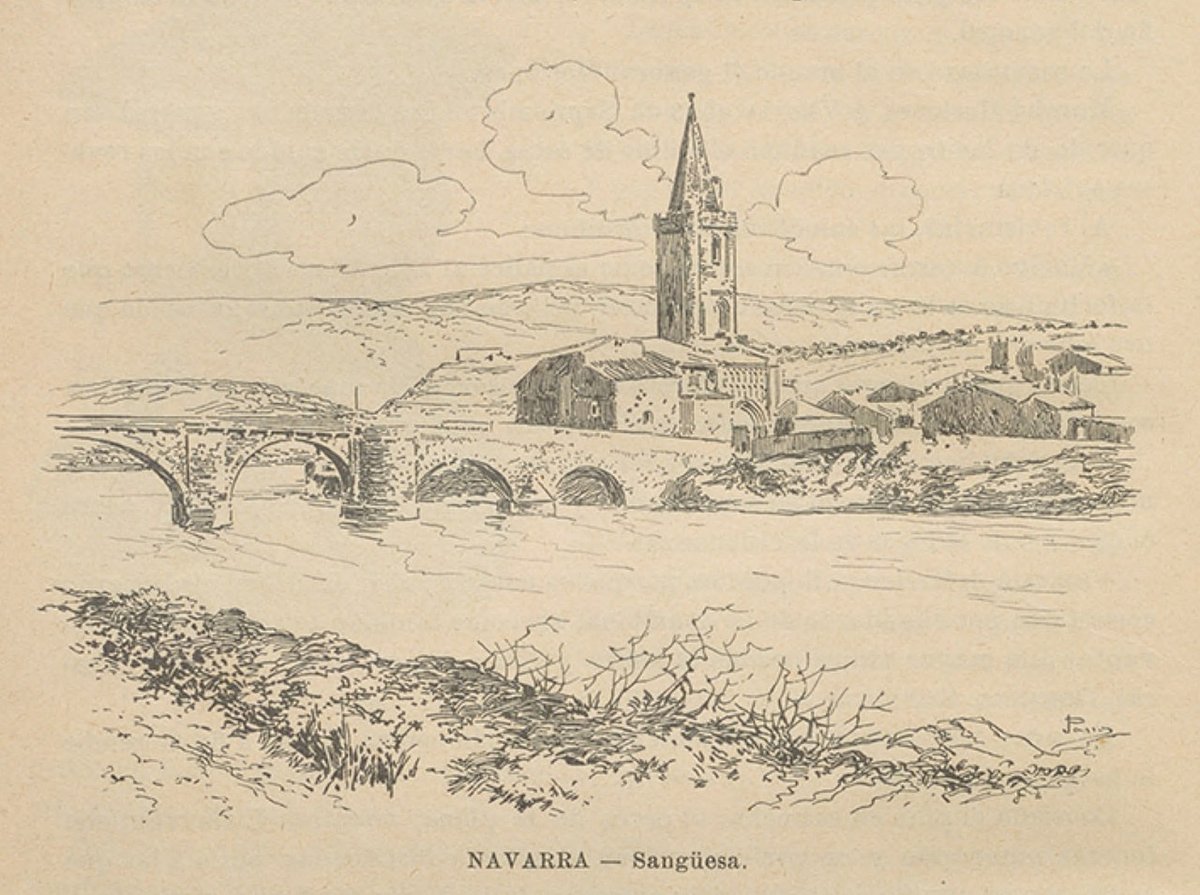
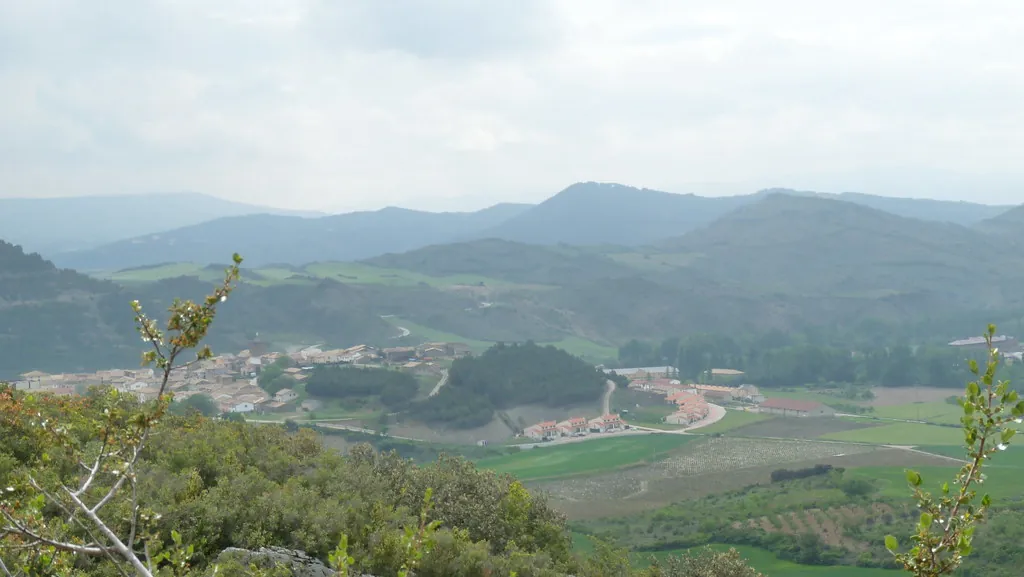
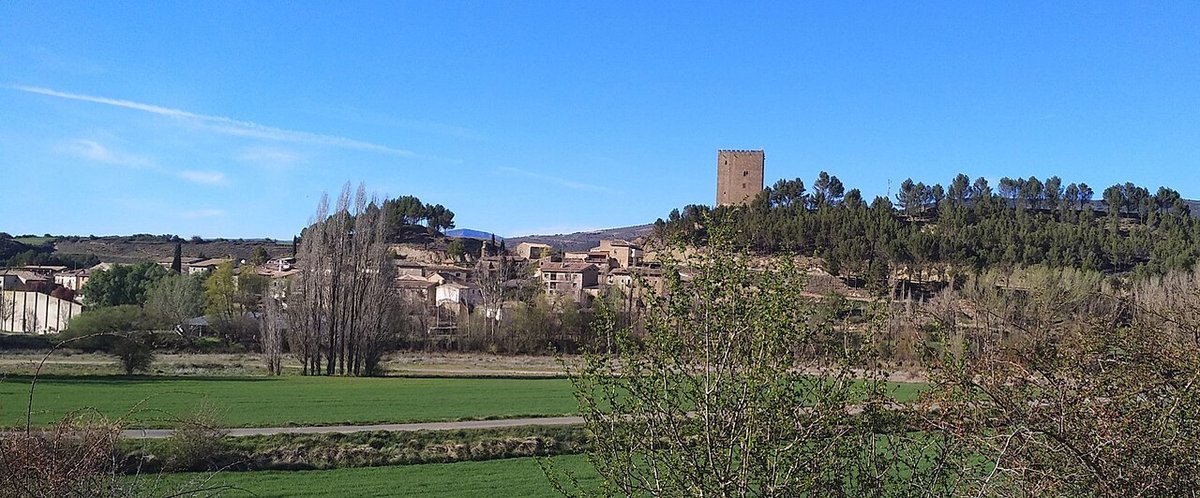
Tourism in Petilla de Aragón begins with an administrative curiosity. The municipality belongs to Navarra, yet it is entirely surrounded by territory from Aragón. This small Navarrese enclave sits at around 837 metres above sea level, in the eastern part of the Sangüesa area. Today, roughly thirty people live here. The size of the village and its remote position explain much of what awaits on arrival.
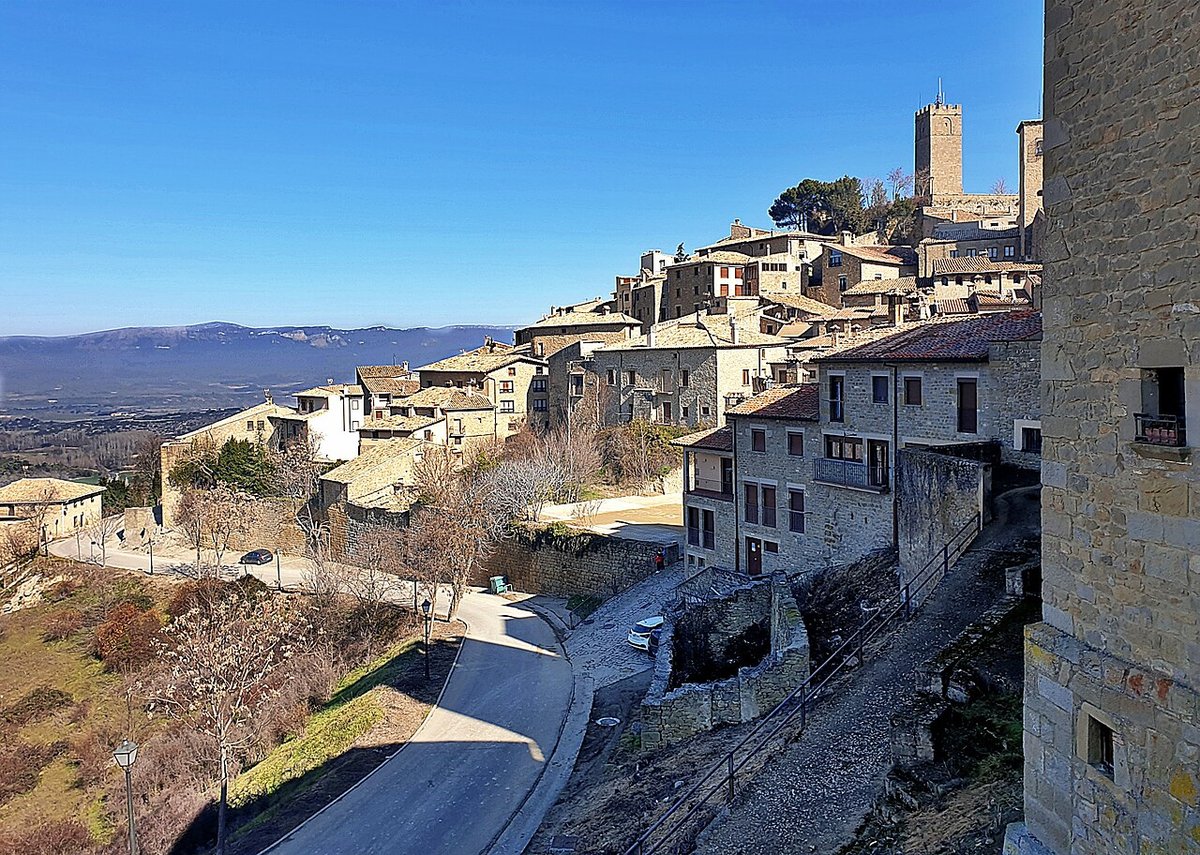
Petilla is best known as the birthplace of Santiago Ramón y Cajal. The scientist was born here in 1852 and would go on to receive the Nobel Prize in Medicine in 1906. The village centre is compact. Streets climb the slope, lined with stone houses and wooden balconies. Wind often slips through the narrow lanes, something that becomes especially noticeable when heading up towards the square.
A small place with clear reference points
The birthplace of Ramón y Cajal reflects that origin. The space is modest and centred on his figure. It is not a large museum or an extensive exhibition. It is worth checking in advance whether it is open, particularly outside the busier months.
The parish church of the Asunción stands in the square. Its exterior is plain. Inside, several altarpieces are preserved along with a Gothic carving. In villages of this size, it is not unusual to find it closed. Sometimes a local resident keeps the key, a fairly common arrangement in the area.
A walk through the streets reveals details on the façades: carefully worked lintels, voussoirs and the occasional old coat of arms. These are traces of a long but modest history. The way the houses adapt to the slope is also clear, making use of each stretch of hillside.
Paths, hills and seasonal changes
Tracks and footpaths lead out from the village towards the surrounding hills. There is not always specific signposting, though the routes are generally easy to follow on the ground. The landscape is one of mid-mountain terrain. On clear days, there are wide views towards the Sierra de Santo Domingo.
Oak and beech woods appear in the surrounding area. In autumn, the change in colour is especially visible across these slopes. This is also a place where mushroom foraging has long been part of local tradition when the season arrives. It is advisable to check current guidance beforehand and respect local rules on access and collecting.
A short visit that still makes sense
Petilla can be explored in a short amount of time. A walk through the village centre is enough to understand its scale and its position on the hillside. The church marks the centre, and from nearby points the landscape opens out towards the hills.
If the Ramón y Cajal birthplace is open, it adds context to the visit. If not, the information panels and the building itself still make the connection between the scientist and the village clear.
When the rhythm shifts
Spring and autumn are usually the most comfortable times for walking in the surrounding area. In winter, the altitude makes itself felt. Ice appears easily on the roads, so checking the forecast before travelling up is advisable.
In August, the village becomes more active. Many people with ties to Petilla return, and local festivities take place. The atmosphere changes for a few days.
For the rest of the year, the pace is very slow.
What to keep in mind before going
The size of the village shapes the visit. Everything can be seen in a few hours without rushing. Photographs can sometimes give the impression of a larger place than it really is.
Interest here rests on three clear aspects: its unusual geographical situation, the birth of Ramón y Cajal and the traditional architecture still preserved in several houses.
The access road is not particularly difficult, though it becomes narrow in the final kilometres. There are bends, so it is best approached without hurry.
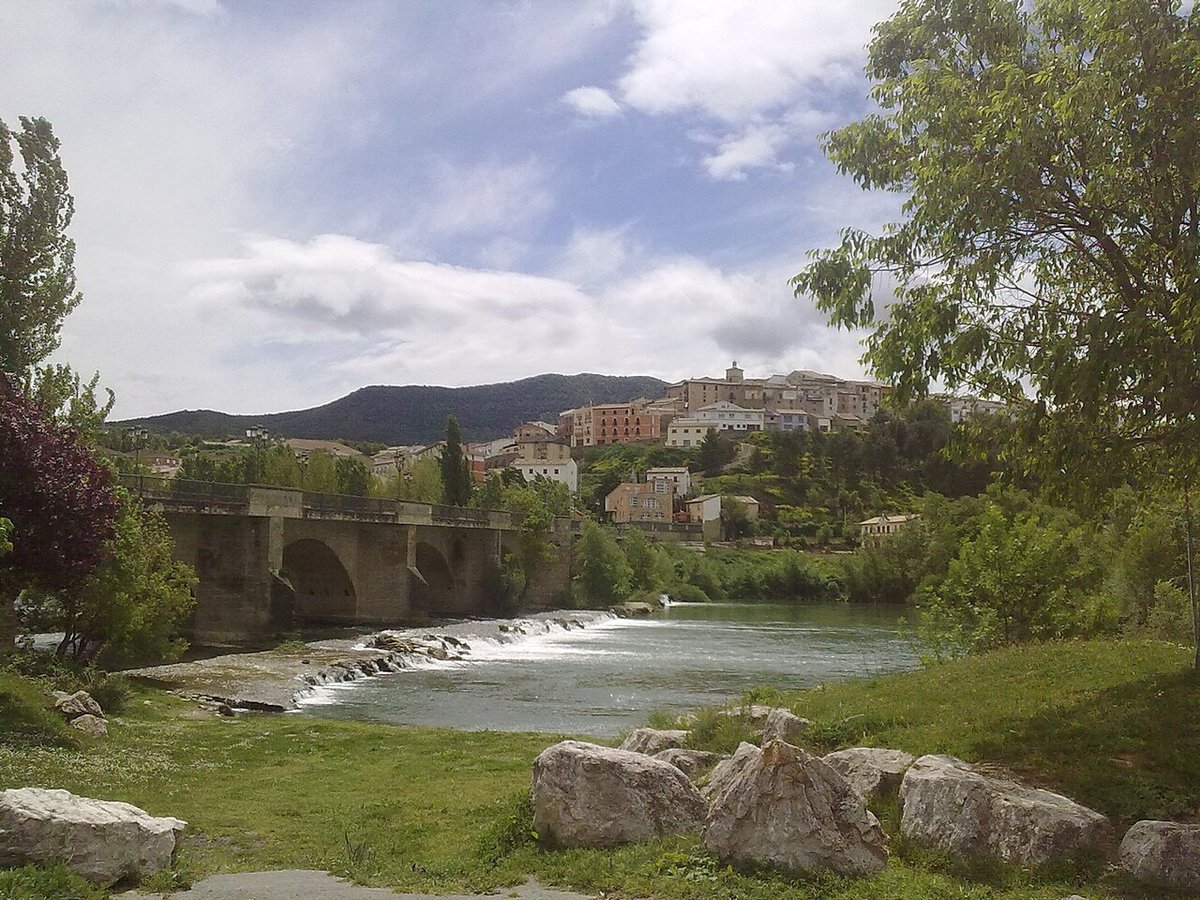
From Pamplona, the usual route follows the A‑21 towards Yesa, then continues along local roads to Petilla. Within the village, services are very limited. For food or accommodation, it is generally more practical to look towards Sangüesa or nearby towns on the Aragonese side, such as Sos del Rey Católico. Petilla works best as a short stop within a wider journey through the area.