Full Article
about Romanzado
Pre-Pyrenean valley with scattered population; includes the Arbayún gorge.
Hide article Read full article
A scattered valley at day’s end
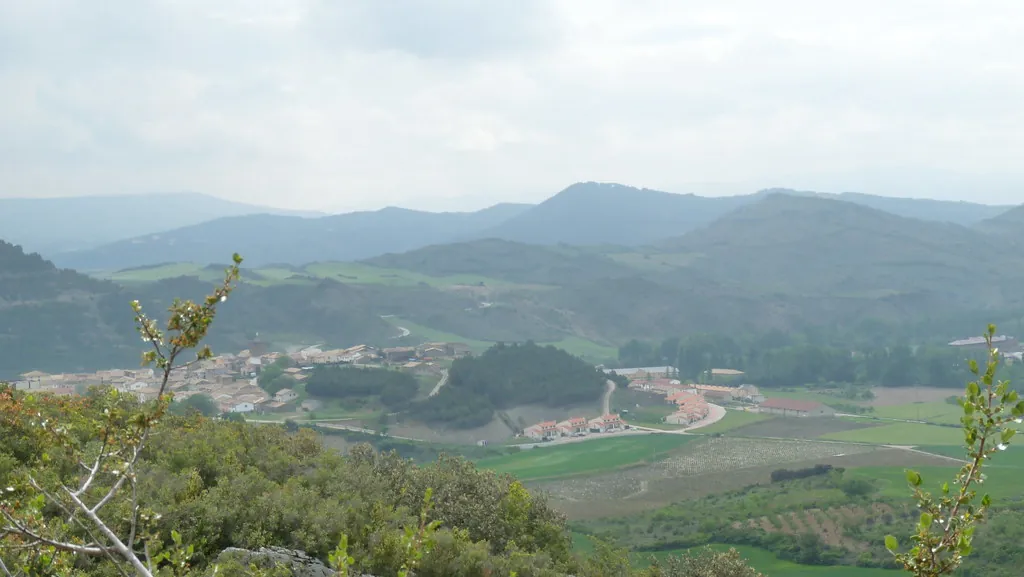
By late afternoon, when the sun drops low across the slopes, the valley of Romanzado falls almost silent. A sheep might be heard somewhere in the distance, or the wind brushing through the oaks. Light arrives at an angle, picking out the stone walls of houses set far apart from one another. This is not a compact village gathered around a busy square. Instead, it is a spread of small settlements separated by fields, dirt tracks and patches of woodland. The pace here follows the land and the daylight rather than any sense of bustle.
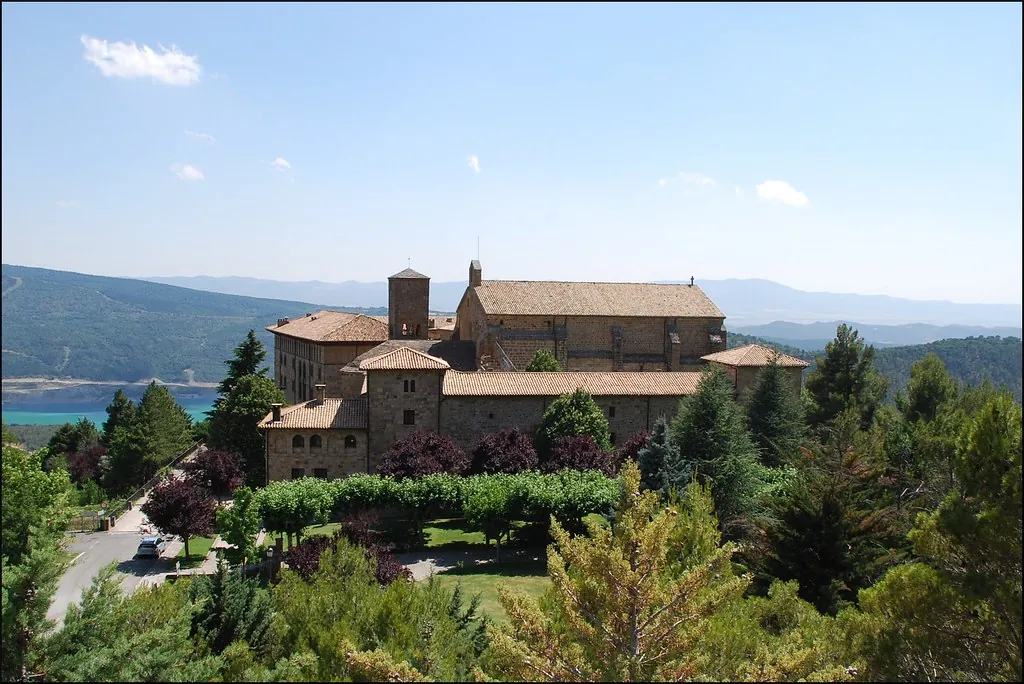
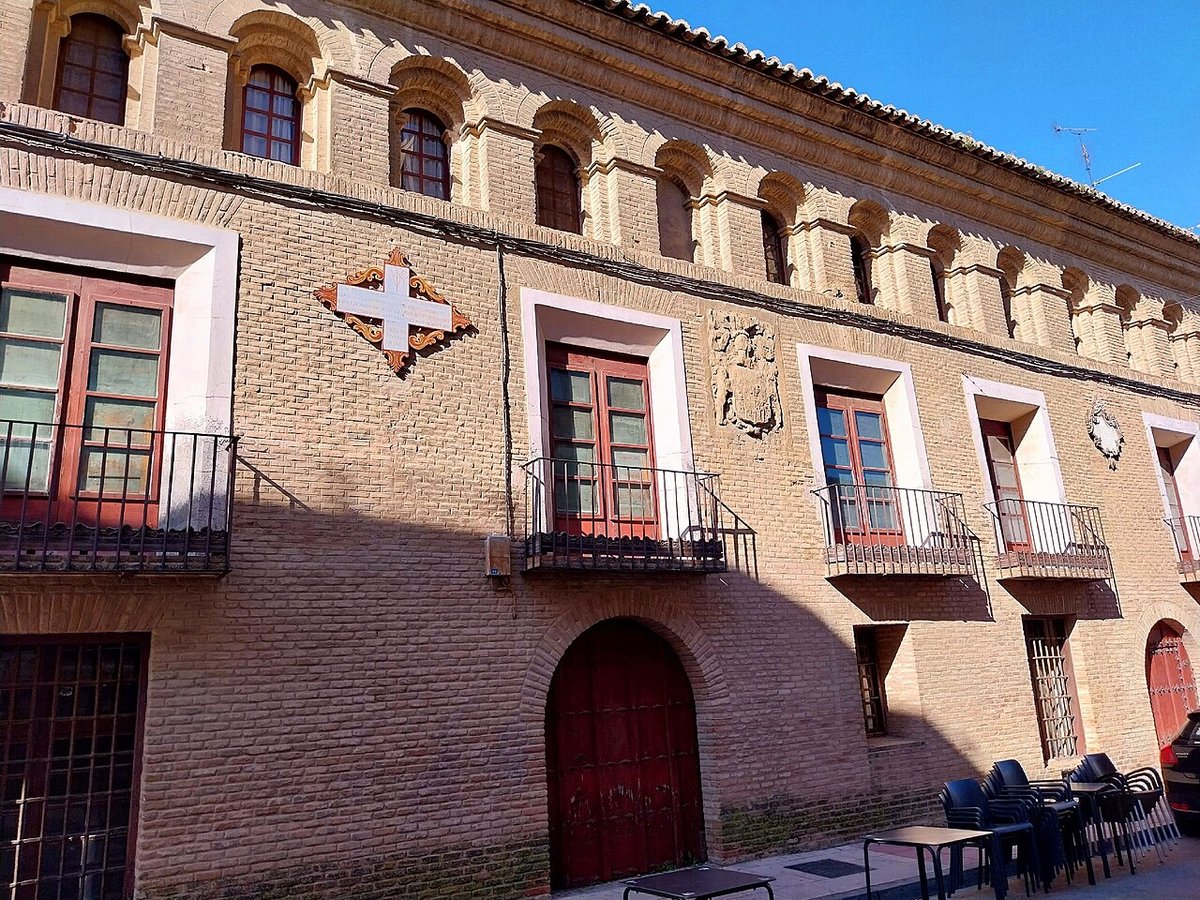
The municipality is divided into several small nuclei, each with its own layout. Most gather around a church and a handful of stone houses, their roofs tiled in reddish or darker tones depending on the area. In the main settlement, the parish church dedicated to San Pedro is often used as a point of reference. From there, attention shifts away from large buildings to quieter details. Barns with ageing wooden beams, livestock pens with thick walls, doors that still open with a dry, solid sound when someone goes in to store tools.
There is little sense of spectacle, and that is precisely the character of the place. The arrangement of space, the distance between homes, and the way the land is worked all shape how Romanzado is experienced.
The valley through the seasons
The landscape around Romanzado shifts noticeably as the year moves on. In spring, the meadows fill with low-growing flowers. The edges of paths become dotted with poppies and bluish thistles. The green is intense, especially after a night of rain, when the air carries the smell of fresh growth.
Autumn brings a different palette. The nearby oak woods turn shades of ochre and orange. Walking along the forest tracks, there is often the sound of dry leaves cracking underfoot. The valley feels softer in colour but more textured in sound.
Winter is harsher. Fog tends to settle in the bottom of the valley and linger there. The cold is persistent, felt in the hands even later in the morning. It changes how long it feels comfortable to stay outside and how far it makes sense to walk.
Each season alters not just the appearance of the valley but also its rhythm. What remains constant is the sense of space and the absence of crowds.
Walking between settlements
Romanzado does not have the kind of marked walking routes found in more visited parts of Navarra. Instead, there is a network of rural tracks and footpaths linking the different settlements. Some are firm underfoot, others can be uneven with loose stones or turn muddy after rain.
Early hours tend to be the most rewarding for walking. At that time of day, blackbirds move through hedgerows, and with a bit of patience it is possible to spot small groups of goldfinches along the edges of woodland. The activity is subtle and requires slowing down.
Anyone interested in collecting wild mushrooms should check the rules in advance. In much of Navarra, mushroom picking is regulated, so it is important to know what is permitted.
For a short visit, it is enough to start from one of the settlements and follow a track that climbs gently towards the nearby hills. From higher ground, the structure of the valley becomes clear. Meadows stretch out between areas of oak woodland, and the rooftops of the various villages appear scattered across the landscape.
These walks are not about reaching a single landmark. They are about moving through a working landscape where paths still serve everyday use.
Not one village but many
A common misunderstanding is to picture Romanzado as a single village with a defined historic centre. In reality, it functions more like a group of small hamlets separated by countryside and woodland. This affects how a visit unfolds.
It is worth taking time and, if the aim is to see more than one settlement, using a car to move between them. Distances are not vast, but they are enough to make walking between all of them impractical in a short stay.
On arrival, the sensible approach is to park in a spacious area at the entrance to a settlement and continue on foot. Streets are narrow and still used by tractors or livestock, so they are not designed for constant vehicle movement.
Traditional grazing routes remain in use in the surrounding land. It is common to see flocks in nearby fields, part of the daily work that keeps the landscape open and maintained. This ongoing activity gives context to the buildings and paths, which are not preserved as relics but used as part of everyday life.
When to come and how to get there
Spring and early autumn are generally the most comfortable times to explore the area on foot. Temperatures allow for unhurried walks, and the light in the valley, especially later in the day, softens the slopes.
Summer brings stronger heat during the middle of the day, so earlier starts or evening walks tend to suit better. Winter has its own atmosphere, though fog and cold can make longer outings more demanding.
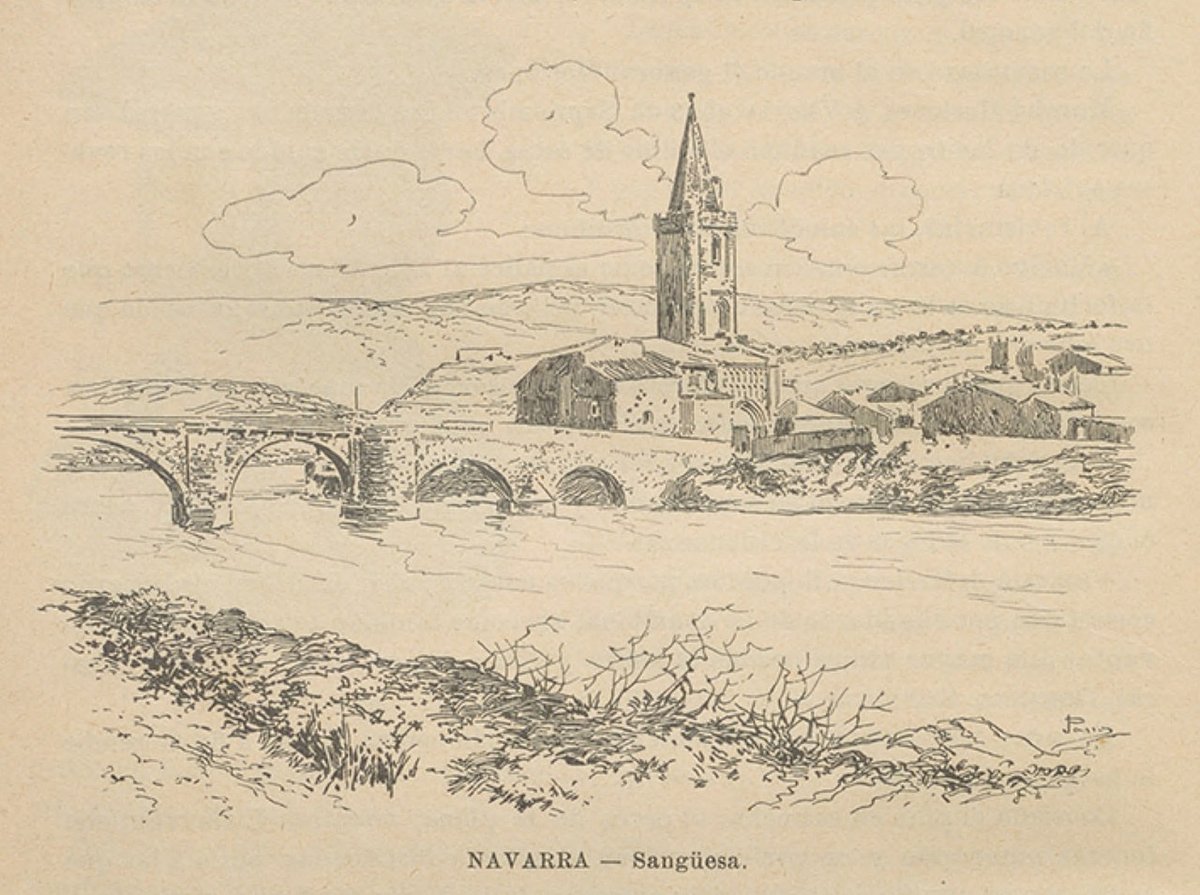
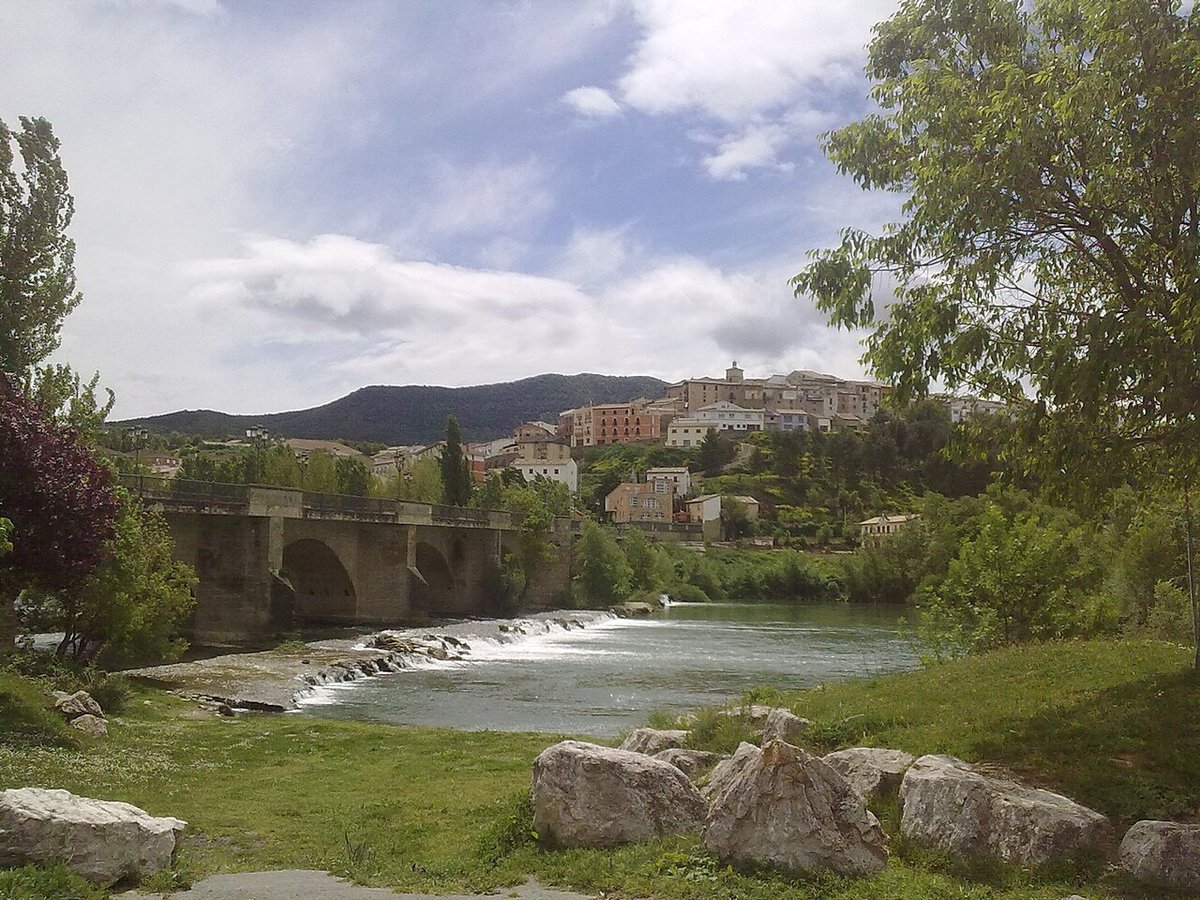
Romanzado is usually reached from Pamplona by heading towards Sangüesa and then continuing along secondary roads into the valley. Access is not difficult, though it is somewhat spread out, so checking the route beforehand helps.
Once inside the municipality, most visits combine short drives with brief walks along the tracks. Sturdy footwear is useful, as mud appears quickly after rain and some sections have loose stone.
The valley also lies relatively close to well-known natural sites such as the Foz de Arbayún, which many people include on the same day. Even so, Romanzado operates on a different scale and at a different pace. Time here tends to be simple: a walk, the sound of the countryside, and the gradual fading of light among the oaks.