Full Article
about Sada
Wine village in the Sangüesa region, noted for its cooperative winery and quality wines.
Hide article Read full article
A village shaped by the land
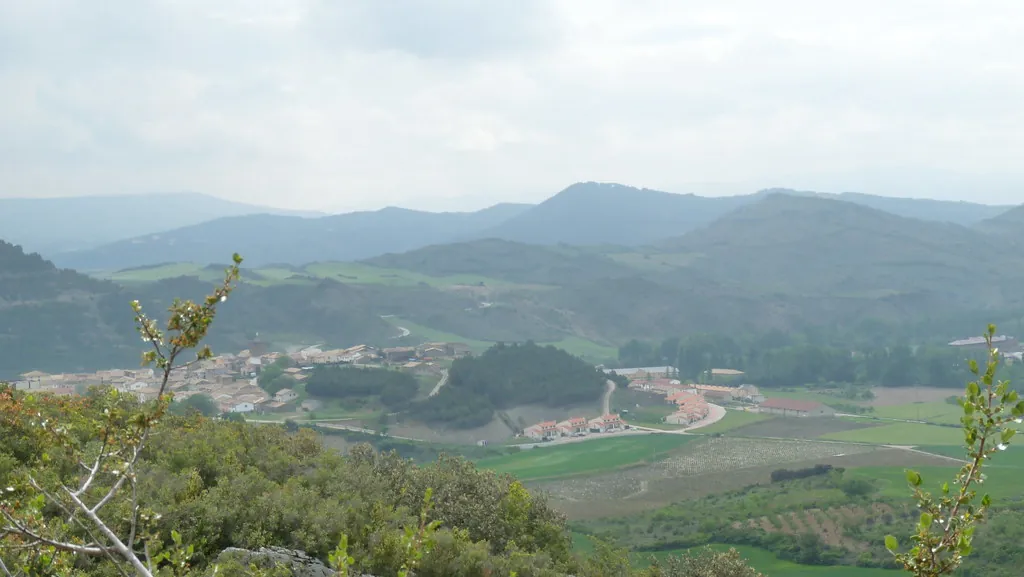
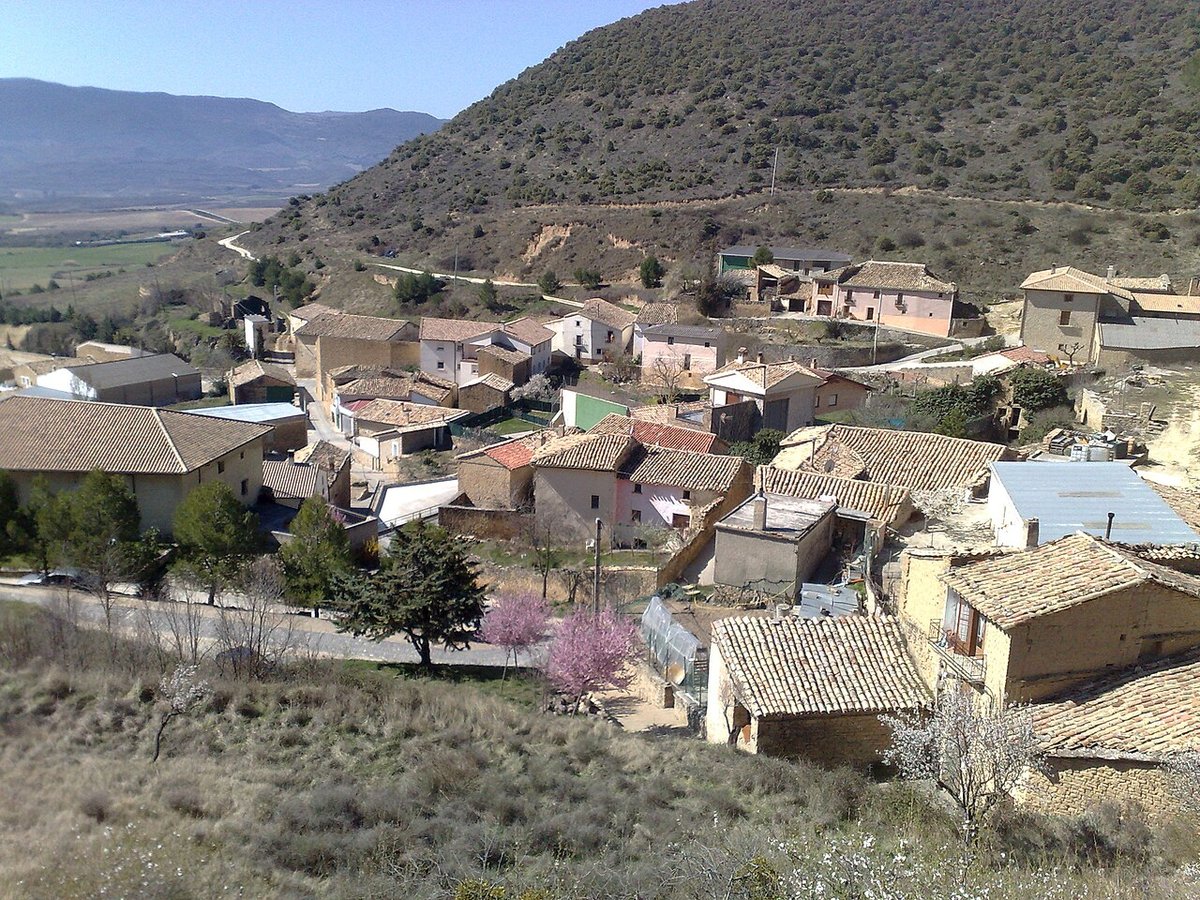
On the agricultural plain that stretches south of the Sangüesa comarca, Sada appears almost unexpectedly. It is a small settlement, even by rural Navarra standards. Tourism here does not revolve around major monuments or a visitor-focused offer. The village continues to function primarily as a place of work linked to cereal farming. With just over a hundred residents, daily life still follows the rhythm of the fields.
This character defines the experience. Sada is not arranged for sightseeing in the usual sense. Instead, it offers a clear view of how many villages in this part of Navarra continue to operate, grounded in agriculture and routine rather than tourism.
San Esteban and the shape of the village
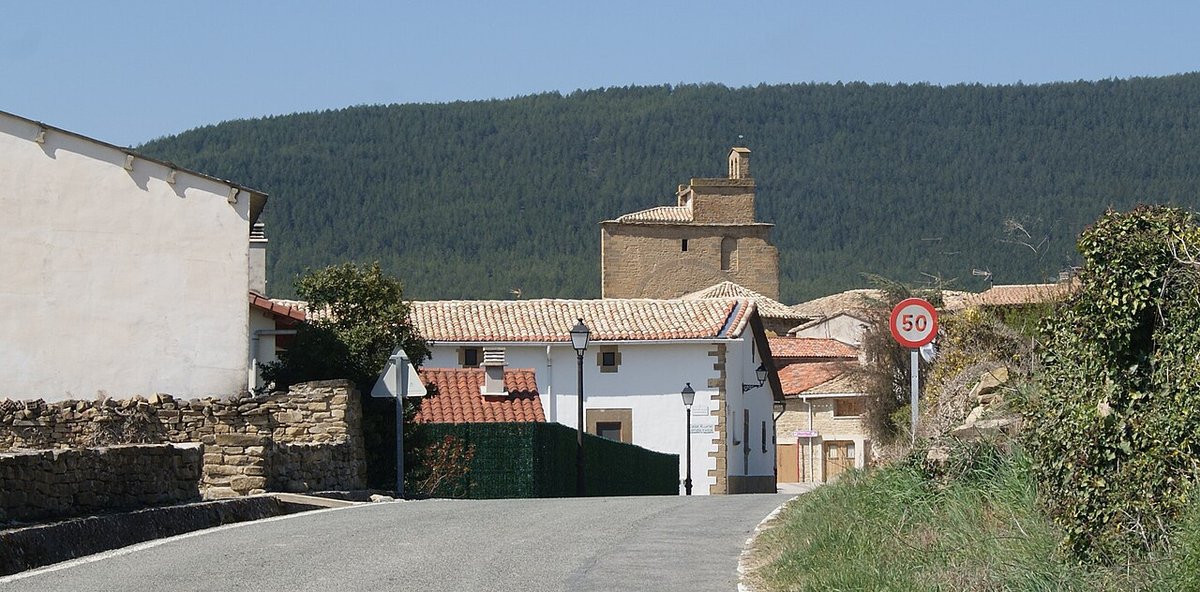
The outline that organises the settlement is the church of San Esteban. The building is usually dated to the 16th century, although it has undergone later alterations. It stands in a slightly elevated position, a common feature in villages across the area.
Its façade is restrained, built in stone, while the bell tower combines brickwork with later additions. The result is a structure that reflects gradual change rather than a single architectural moment.
The interior is not always open outside religious services, but the exterior already conveys much about the scale of the place. From the square, it becomes clear how the village developed around this central point.
Nearby streets follow a simple layout. There are no steep slopes or abrupt turns. Houses alternate between stone and brick, and many feature arched doorways made from voussoirs, indicating alterations across different periods. Some façades still display wooden galleries or iron balconies facing the main street. These elements do not form a monumental ensemble, but they do reflect a type of domestic architecture that is widespread in central Navarra.
Fields that define the horizon
Step beyond the built area and the landscape opens quickly. Fields surround the village entirely and set the visual tone. For much of the year, cereal crops dominate, shifting in colour with the seasons.
Agricultural tracks lead away from the centre and offer a way to view the village from a distance. These are not marked hiking routes. They are working paths used by farmers, so care is needed if vehicles pass through.
During migration periods, birds can sometimes be spotted across the open fields. The terrain is broad and largely unobstructed, which makes observation easier for those carrying binoculars.
The setting explains the village as much as its streets do. Sada is inseparable from the land that surrounds it, and the fields are not a backdrop but the main framework of daily life.
Festivities and local rhythms
Certain celebrations continue to mark specific moments in the year. San Antón, in January, keeps the tradition of blessing animals, something typical in places where ties to agriculture remain strong.
In summer, the village usually holds its annual festivities. During these days, residents who live elsewhere return, and activity increases noticeably compared with the rest of the year. For anyone arriving at that time, the atmosphere changes: more people in the streets and more use of shared spaces.
Outside these moments, Sada returns to its quieter pace. The contrast between festival days and the rest of the year highlights how closely the village follows its own internal rhythm.
A brief stop in the Sangüesa comarca
Sada can be explored quickly. A walk through the centre, paying attention to the stone doorways and the occasional coats of arms on some façades, is enough to understand its layout. From there, any of the nearby agricultural tracks provide a way to step out into the surrounding landscape and see how the village fits within it.
There is little in the way of tourist infrastructure or services aimed at visitors. Most people who pass through do so as part of a wider route across the Sangüesa comarca.
This is not a destination built around attractions. Its interest lies in observation: the relationship between settlement and farmland, the continuity of everyday architecture, and the persistence of agricultural life.
Getting there and practical context
From Pamplona, Sada is reached by car via the N‑240 towards Sangüesa, followed by secondary roads. Traffic is usually light, although encountering agricultural machinery is common.
The village does not have accommodation or many services open on a regular basis. If something needs to be bought or if a meal is planned, it is more practical to stop in larger nearby towns before or after visiting.
Sada functions above all as a small piece within Navarra’s agricultural landscape. Visiting it is less about ticking off sights and more about understanding how that landscape continues to be lived in.