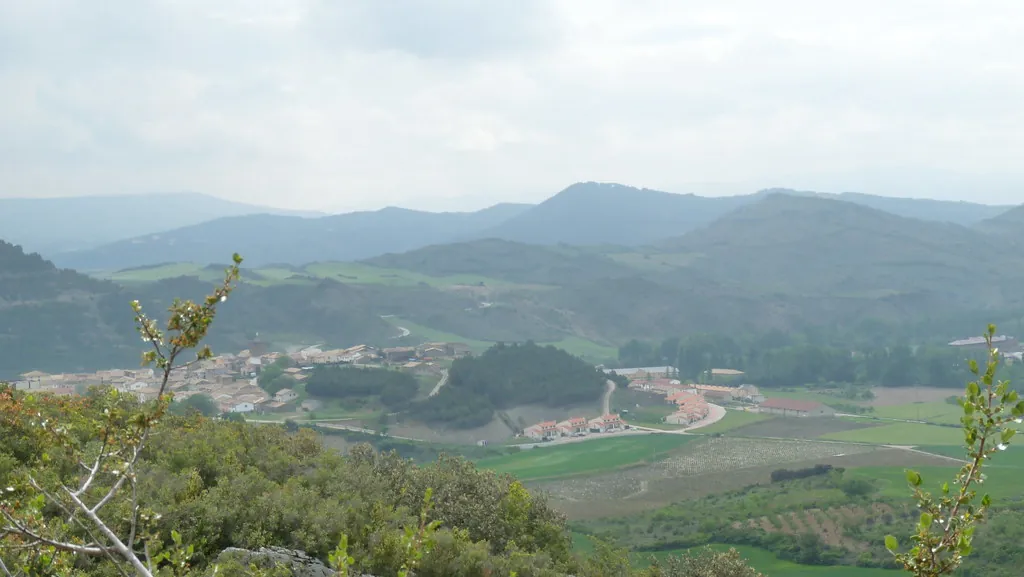
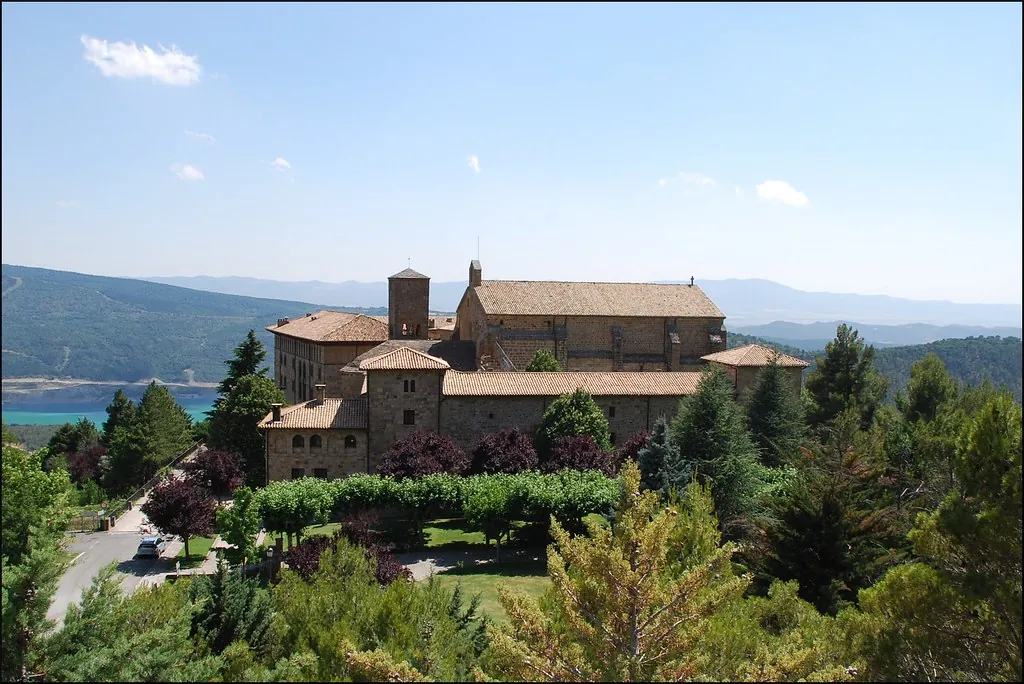
Vista aérea de Unciti
Instituto Geográfico Nacional · CC-BY 4.0 scne.es
Navarra · Kingdom of Diversity

Unciti

The church bell strikes noon, but only two people appear: an elderly man carrying bread and a teenager on a bicycle who's clearly practising for so...

257 inhabitants · INE 2025
580m Altitude

Why Visit

Tower of Alzórriz Hiking

Best Time to Visit

summer

San Martín Festival (November) noviembre

Things to See & Do
in Unciti

Heritage

  • Tower of Alzórriz
  • Church of San Martín

Activities

  • Hiking
  • Local history

Festivals
& & Traditions

Fecha noviembre

Fiestas de San Martín (noviembre)

Las fiestas locales son el momento perfecto para vivir la autenticidad de Unciti.

Full Article
about Unciti

Transitional valley with several councils; highlights include the Tower of Alzórriz and the rural setting.

Ocultar artículo Leer artículo completo

A Village That Doesn't Shout

The church bell strikes noon, but only two people appear: an elderly man carrying bread and a teenager on a bicycle who's clearly practising for something. Unciti doesn't do crowds. At 580 metres above sea level, this scatter of stone houses in Navarra's cereal belt feels closer to the clouds than to anywhere else, though it's barely half an hour's drive from the A21 motorway.

Five hundred souls live here, give or take. The sort of place where the post office doubles as the general store, and where the weekly highlight might be the agricultural supplier's van doing its rounds. British visitors expecting tapas trails or souvenir shops should recalibrate. Unciti offers something else entirely: proper silence, the kind you forget exists until you hear it again.

What Passes for Sights

San Miguel Arcángel squats at the village's highest point, its medieval bones dressed up with 18th-century additions. The tower leans slightly, not enough to warrant scaffolding, just sufficient to make photographers tilt their heads. Walk around it slowly. Notice how the stone changes colour from north to south – darker where the winter sun never reaches, honey-coloured on the southern face where lichen has given up trying.

The rest is architecture for people who enjoy reading buildings like books. Stone facades with wooden eaves, iron balconies that have supported geraniums since before package holidays existed, doorways carved with dates: 1764, 1821, 1899. Some still have their original knockers, heavy brass affairs that announce visitors with medieval authority. Others sport modern doorbells that sound almost apologetic.

Fifteen minutes takes you from one end of the village to the other. Twenty if you stop to examine the lintel carved with what might be a coat of arms, or possibly just enthusiastic stonework. The streets narrow and widen without pattern, following livestock paths that existed centuries before asphalt. At the western edge, the tarmac simply stops. Beyond lies the grain sea.

The Agricultural Theatre

Step outside the village proper and the landscape reveals its drama. This isn't the green, pastoral Navarra of British imagination – no misty valleys or cider houses here. Instead, vast fields of wheat and barley roll towards the horizon, broken only by solitary oak trees and the occasional stone barn. The earth is red-brown, the crops silver-green, the sky enormous. It's less Yorkshire Dales, more Spanish Outback.

The walking couldn't be simpler. Tracks lead off in three directions, all following the agricultural grid. Take the one heading uphill towards the abandoned farmhouse you can see from the village. Twenty minutes of gentle climbing brings you to a viewpoint where Unciti shrinks to toy-town proportions and the Pyrenees appear as a jagged line on the northern horizon. On clear days, anyway. When the wind picks up – and it does, frequently – the grain creates waves that travel across the fields like ripples on a pond.

Bring proper footwear. These are working farm tracks, not National Trust paths. Loose stones, tractor ruts, the occasional cowpat. The reward is solitude rare even in Spain's emptier regions. Walk for an hour and you might see a combine harvester in the distance, or a farmer checking irrigation ditches. Probably not.

The Food Question

Let's be honest: Unciti won't satisfy culinary thrill-seekers. There's no restaurant. No bar serving innovative small plates. The village shop stocks basics: tinned tuna, dried beans, local wine that costs €3 and tastes like it remembers the vineyard. This is agricultural Navarra, where people cook.

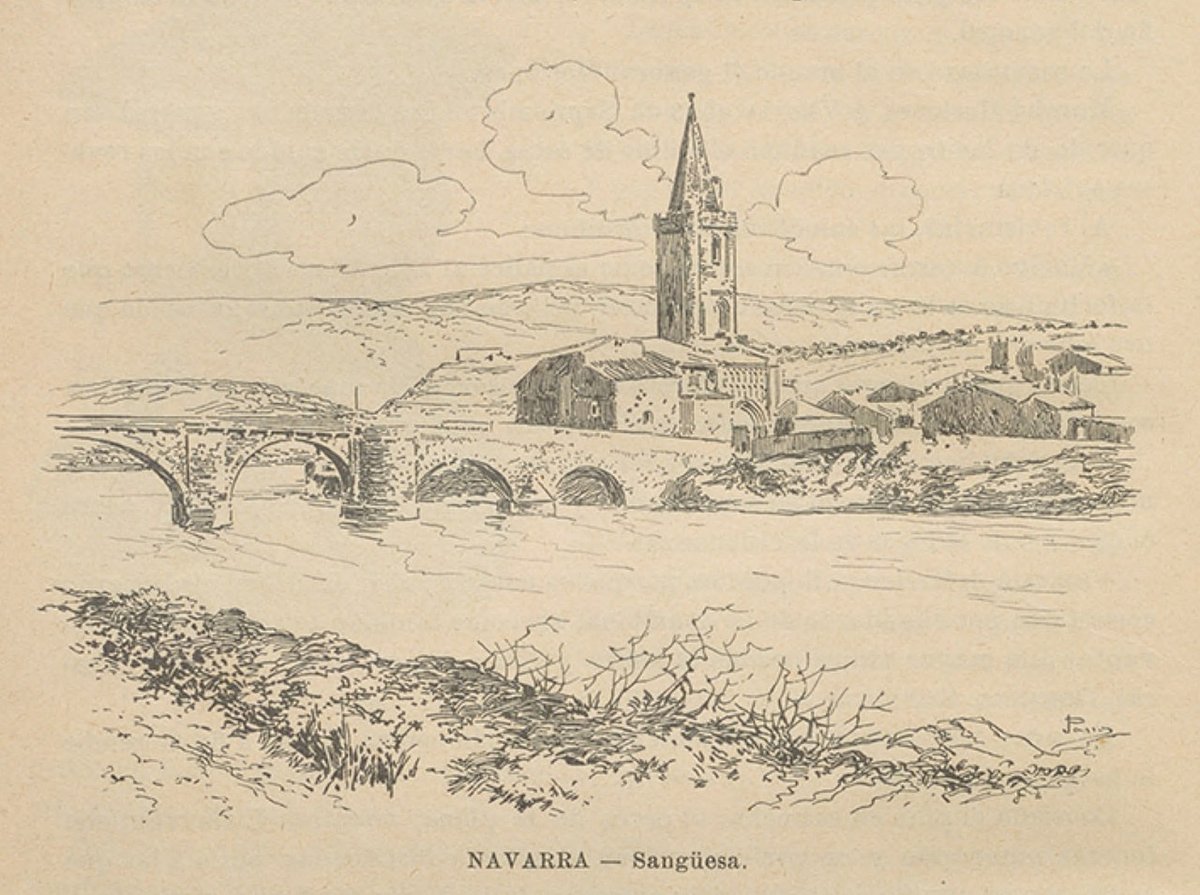
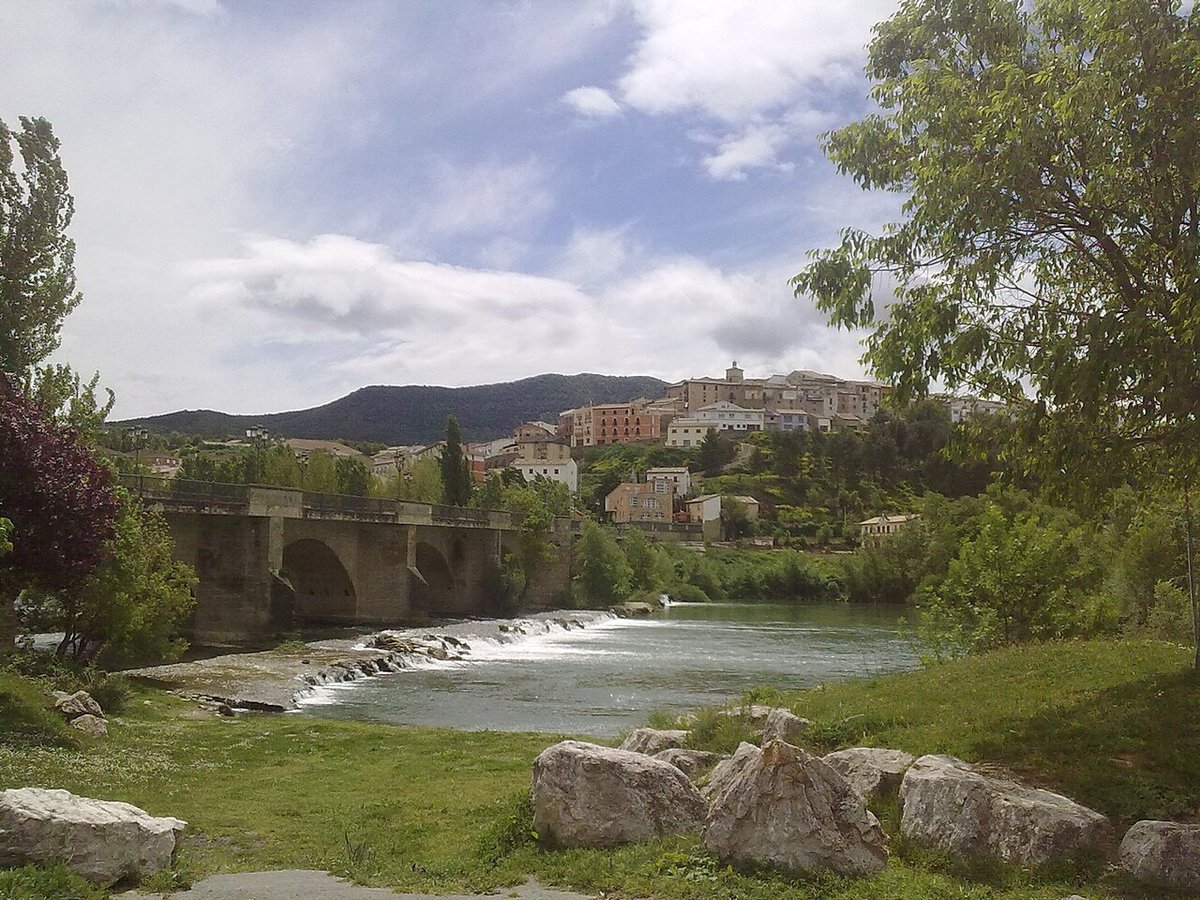
If you're staying locally – and you should be, because day-tripping here makes no sense – mealtimes require planning. The nearest proper restaurant is in Sangüesa, twelve kilometres east. Casa Sarasa does excellent lamb roasted in a wood-fired oven, the meat falling off bones that have turned mahogany from slow cooking. Order the menestra de verduras too – a vegetable stew that changes with seasons, spring's asparagus giving way to summer's peppers, autumn's mushrooms appearing as if by magic.

Better still, self-cater. Buy vegetables from the travelling market that visits Tuesdays and Fridays. The van arrives at 11am sharp, its loudspeaker announcing tomatoes that actually taste of sunshine, onions still wearing their earth. Combine with local cheese – Idiazábal from the Basque valleys, smoky and sharp – and bread baked in nearby Lumbier. Picnic on the village bench, the one positioned to catch afternoon sun while facing the grain fields that ripple like water.

When to Bother Coming

Spring transforms the landscape from brown to impossible green. Visit in late April and the wheat appears almost luminous, young shoots creating a fuzz across the red earth. Temperatures hover around 18°C, perfect for walking without working up a sweat. The village's few trees – mainly walnut and chestnut – are in new leaf, creating fresh shadows across the stone houses.

Autumn might be better. September brings golden grain and harvest activity, the air thick with dust and diesel as combines work late into evening. Late October sees the colour shift to bronze and copper, the fields stubble-short, the sky somehow larger. Morning mists collect in the shallow valleys, burning off by 10am to reveal a landscape that looks painted rather than grown.

Summer is problematic. At 580 metres, Unciti escapes the worst heat, but July and August still hit 32°C regularly. Shade is limited – remember, this is cereal country, not oak forest. The village empties as locals head for the coast, leaving an almost ghost-town atmosphere that some find atmospheric, others merely inconvenient.

Winter brings proper cold. Frosts are common from November through March, the wind cutting across exposed fields with nothing to stop it. Snow falls occasionally, transforming the red earth to white and making the access road – never great – properly treacherous. But on clear winter days, when the air has that sharp, clean quality that makes everything appear in HD, the landscape achieves a stark beauty worth the thermal underwear.

The Practical Reality

Getting here requires wheels. No train serves Unciti; the nearest station is in Zaragoza, an hour's drive south. Car hire from Bilbao airport takes ninety minutes via decent motorways, the final stretch involving country roads that test British confidence in Spanish verge widths. Parking means finding a space on the main street – rarely problematic.

Accommodation options are limited. The village itself has no hotel, though neighbouring Lumbier offers two serviceable guesthouses. Casa Juana has three rooms, clean and simple, breakfast featuring homemade jam and coffee strong enough to wake the neighbouring province. Alternatively, base yourself in Sangüesa, which provides proper hotels and restaurants while keeping Unciti within fifteen minutes' reach.

Two hours suffices for Unciti proper. Walk the streets, examine the church, maybe chat with the man who seems to serve as unofficial village greeter – he's usually by the bench near the fountain, always ready to explain (in rapid Spanish) how the grain prices have changed. Extend to half a day by adding one of the agricultural tracks. Anything longer requires bringing your own entertainment, or considerable skill at sitting still.

This isn't a destination for ticking off sights. Unciti offers something increasingly precious: a place where modern tourism hasn't established beachhead, where the rhythm of agriculture still dictates daily life, where silence isn't marketed as luxury but simply exists. Come for that, or don't come at all.

Key Facts

Region
Navarra
District
Sangüesa
INE Code
31237
Coast
No
Mountain
No
Season
summer

Livability & Services

Key data for living or remote work

2024
Connectivity5G available
TransportTrain 11 km away
HealthcareHospital 12 km away
Housing~5€/m² rent · Affordable
CoastBeach nearby
Sources: INE, CNMC, Ministry of Health, AEMET

Official Data

Institutional records and open data (when available).

  • Iglesia de San Martín
    bic Monumento ~3 km
  • Torre de Artaiz
    bic Monumento ~3 km

Planning Your Visit?

Discover more villages in the Sangüesa.

View full region →

More villages in Sangüesa

Traveler Reviews