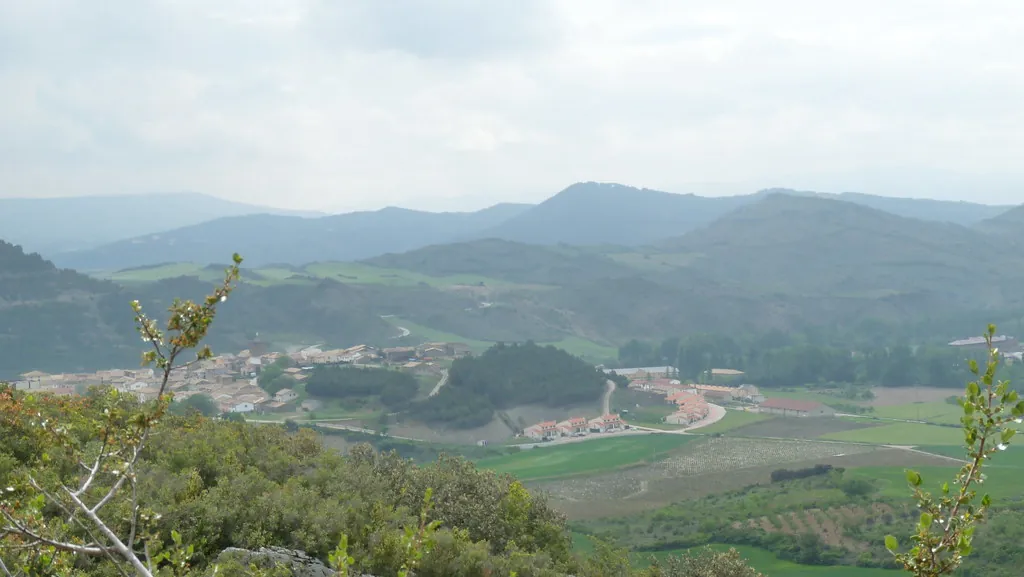
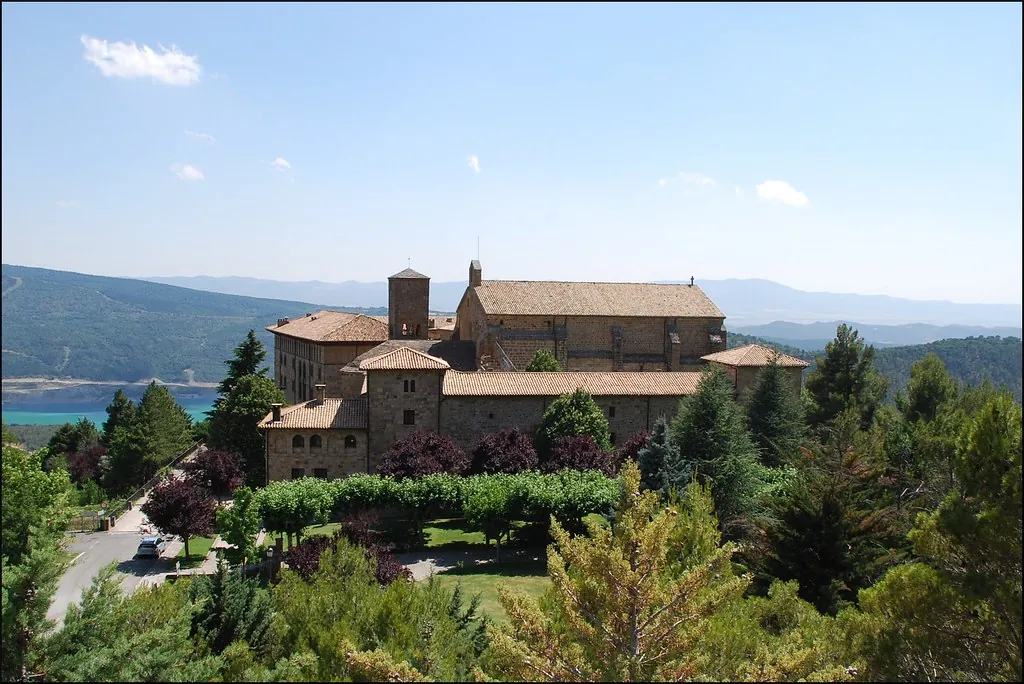
Vista aérea de Urraul Alto
Instituto Geográfico Nacional · CC-BY 4.0 scne.es
Navarra · Kingdom of Diversity

Urraul Alto

The tarmac ends, the temperature drops three degrees, and suddenly every stone wall carries a thermometer. At 700 m in the pre-Pyrenean folds of Na...

136 inhabitants · INE 2025
700m Altitude

Why Visit

Mountain Monastery of Santa Fe (Epároz) Solitary hiking

Best Time to Visit

summer

Valley Festival (August) agosto

Things to See & Do
in Urraul Alto

Heritage

  • Monastery of Santa Fe (Epároz)
  • unspoiled nature

Activities

  • Solitary hiking
  • Visit to Santa Fe

Festivals
& & Traditions

Fecha agosto

Fiestas del Valle (agosto)

Las fiestas locales son el momento perfecto para vivir la autenticidad de Urraul Alto.

Full Article
about Urraul Alto

A sparsely populated, wild pre-Pyrenean valley—perfect for losing yourself in nature.

Ocultar artículo Leer artículo completo

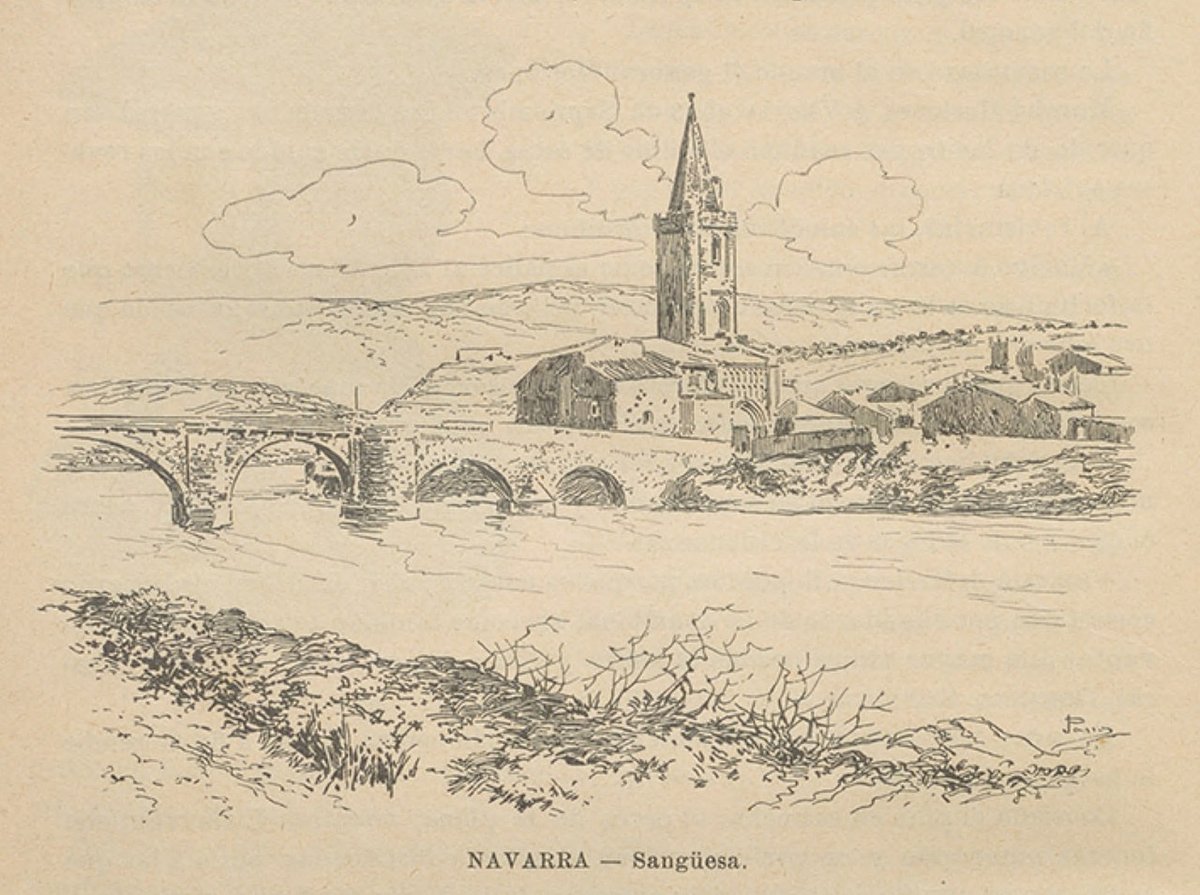
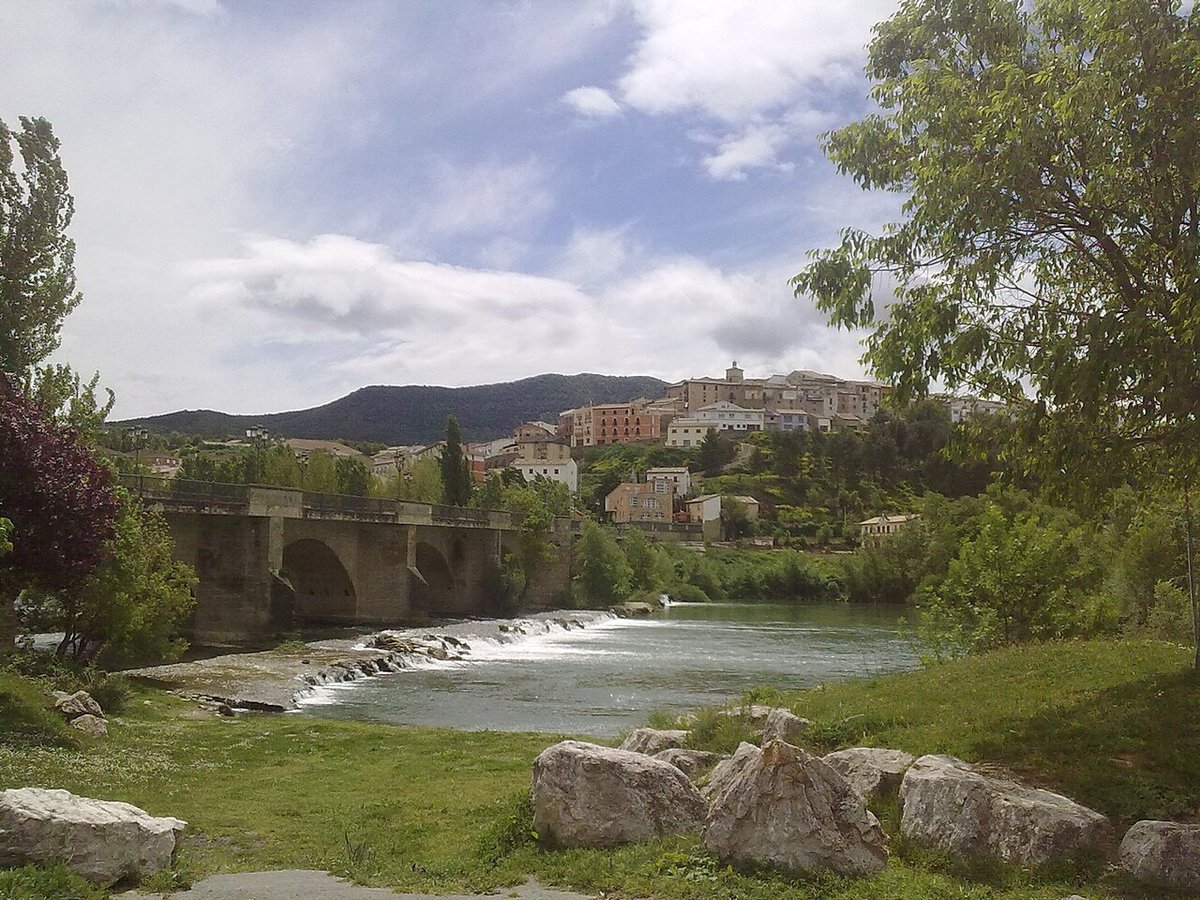
The tarmac ends, the temperature drops three degrees, and suddenly every stone wall carries a thermometer. At 700 m in the pre-Pyrenean folds of Navarra, Urraul Alto is less a single village than a loose confederation of hamlets strung along a high valley. Each cluster—Izco, Javierregay, Urrizti—keeps its own church, its own threshing circle, its own silence. Drive in from the wheat plains around Sangüesa and you feel the car engine relax as the air thins; leave again after dark and you’ll meet more wild boar than vehicles.

Stone, hay and altitude dictate the rhythm. Roofs are tiled in heavy grey to withstand late snow; balconies are sized for drying maize, not for siestas. Even in June the wind carries a reminder that Pamplona is only 65 km south but climatically in another province. Mornings start cool enough for a fleece; by midday the sun burns, yet the shade under a beech still feels like October. Pack layers, or buy a local hand-knitted beanie from the house with the green gate in Izco—five euros, left in an honesty box.

Walking Without Waymarks

Forget themed routes colour-coded for tourists. Here the paths are farm tracks that double as drove roads, signed only by tractor tyre prints and the occasional splash of livestock lime. A useful starter loop begins at the church of San Juan Bautista in the nucleus called simply “Urraul”: head past the stone trough where three cats sleep, fork right at the hay barn with the storks’ nest, and follow the contour east for 45 minutes until the valley opens into a meadow nicknamed El Castillar although no castle ever stood. Retrace or continue another 20 minutes to the ruined limekiln, then descend to the road—total distance 4 km, 120 m of ascent, boots optional if summer has baked the clay hard.

The belittling scale of the landscape works in the walker’s favour. Every ridge is low enough to tempt you on, yet the cumulative altitude gain adds up. String together three such ridges and you’ve climbed the height of the Gherkin without noticing. Locals think nothing of setting out at dawn to collect boletus edulis, back by ten for coffee. Tag along only if you enjoy competitive mushroom hunting; the woods are picked clean within 24 hours of the first autumn rain.

When the Valley Closes for Winter

From November to March the municipality belongs to the tractors and their snow-chains. The access road from the A-21 is cleared, but side tracks turn to grease. One February storm blocked the upper valley for three days; bread arrived by quad bike and the bar in Izco ran out of beer—an event still referred to as “la crisis”. If you insist on a winter visit, bring cables and a full tank; petrol stations are 25 minutes away in Sangüesa and they shut Sundays. On the plus side, you’ll have the beech woods to yourself and the sound of ice cracking on the stone troughs is better than any mindfulness app.

Spring, by contrast, is all urgency. Orchards of old cherry varieties—picota, ambrunés—bloom late because of the altitude, usually the second week of April, two days when the valley turns white and photographers risk driving into ditches. Autumn repeats the trick in reverse: beech and service-tree flare orange so bright it looks artificial. These are the seasons when the 5000 inhabitants remember why they never moved to the coast.

Eating What the Slope Provides

There is no restaurant, only a social-cum-bar in Izco open Thursday to Sunday and a bakery van that toots its horn at eleven. Order the menú del día (€12) and you get what Fermín’s mother felt like cooking: perhaps lentils with chorizo from last year’s pig, followed by lamb shoulder that spent the morning in a wood-fired oven. Vegetarians can expect eggs from the hens scratching outside and a salad of lettuce so fresh it still holds the morning dew. Wine comes in a plain glass bottle, no label, made from Garnacha vines that survive at 600 m because the valley walls reflect heat. Pudding is cuajada, sheep’s-milk junket drizzled with honey from hives that spend July up in the beech woods. You will not find this valley on any gourmet map, yet every ingredient except salt has travelled less than ten kilometres.

Self-caterers should stock up in Sangüesa before the climb. The only shop within the municipality sells tinned tuna, tinned tomatoes, tinned peaches and, mysteriously, three brands of shoe polish. Locals still swap produce: leave a note on the noticeboard by the church if you want a crate of roasting peppers; payment is by barter or envelope under the door.

Getting Up and Getting Stuck

The closest airports are Bilbao (135 km) and Biarritz (115 km). Hire a car, aim for Pamplona on the A-15, then peel off towards Sangüesa. From the junction it is 24 km of narrowing road: first dual carriageway, then single lane, finally a strip of tarmac where grass grows down the middle. Google Maps times the last stretch at 28 minutes; reality is 35 if you meet a combine harvester, 50 if the ewes have lambs. There is no bus. A taxi from Sangüesa costs €40 and the driver will photograph your passport “por si acaso”.

Parking is wherever the verge is wide enough; don’t block field gates—farmers leave notes under wipers written in red biro. Mobile coverage is patchy: Vodafone picks up one bar on the upper track, EE none. Download offline maps before you leave the main road.

The Honest Verdict

Urraul Alto will not change your life. You will not tick off Unesco sites or fill memory cards with selfies. What you might do is remember how Europe sounded before engines and headphones: a dog barking across two kilometres of valley, the click of sheep jaws, wind wiping the crest of a beech. Stay a night and you’ll learn the difference between 700 m and sea-level darkness—an inky, star-splashed darkness that makes the Milky Way feel intrusive. Stay two and you’ll start recognising the same three villagers who pretend to inspect the postbox just to see what the stranger is doing. Leave after a quick photo stop and all you’ll have is a blurry church and the certainty that you missed the point.

Bring walking shoes and time. Anything less is just driving through.

Key Facts

Region
Navarra
District
Sangüesa
INE Code
31241
Coast
No
Mountain
Yes
Season
summer

Livability & Services

Key data for living or remote work

2024
Connectivity5G available
HealthcareHospital 28 km away
Housing~5€/m² rent · Affordable
CoastBeach 16 km away
Sources: INE, CNMC, Ministry of Health, AEMET

Official Data

Institutional records and open data (when available).

  • Basílica de Santa Fe, Basílica de Santa Fe de Baratzagaitz, Santa Fe de Epároz
    bic Monumento ~2.6 km
  • Hórreo de Santa Fe de Epároz
    bic Monumento ~2.6 km
  • Hórreo de Casa Estoki
    bic Monumento ~1.5 km
  • Ugarra Mendebalde (Ugarra 2 Mendebalde)
    bic Dolmen ~4.9 km
  • Ugarra Ekialde (Ugarra 1 Ekialde)
    bic Dolmen ~5.3 km
  • Ugarra
    bic Monolito - Menhir ~4.6 km
Ver más (3)
  • Ugarra Ipar (Ugarra 3 Ipar)
    bic Dolmen
  • Ugarra Hego (Ugarra 4 Hego)
    bic Dolmen
  • Aikoa 2 Hego
    bic Dolmen

Planning Your Visit?

Discover more villages in the Sangüesa.

View full region →

More villages in Sangüesa

Traveler Reviews