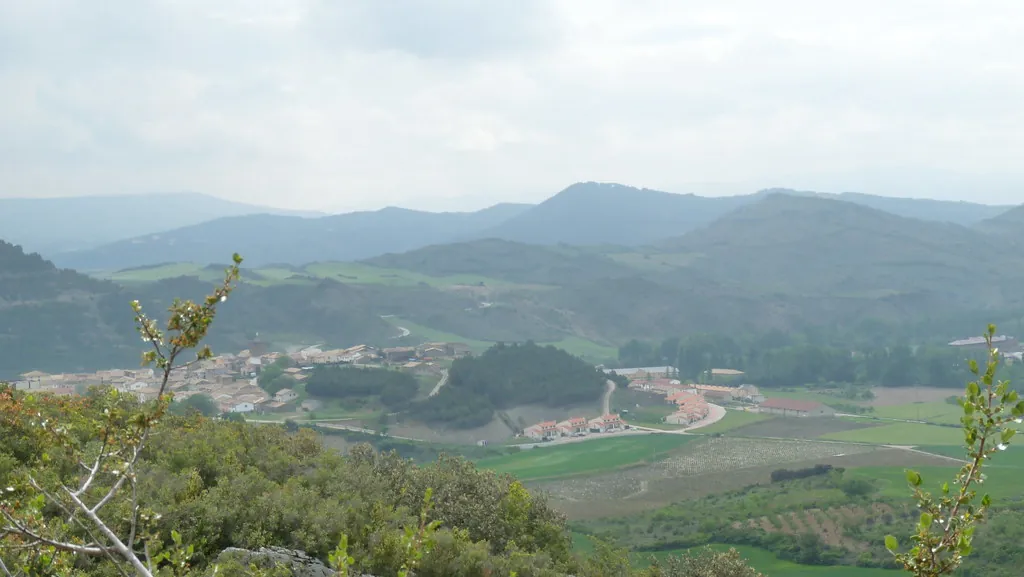
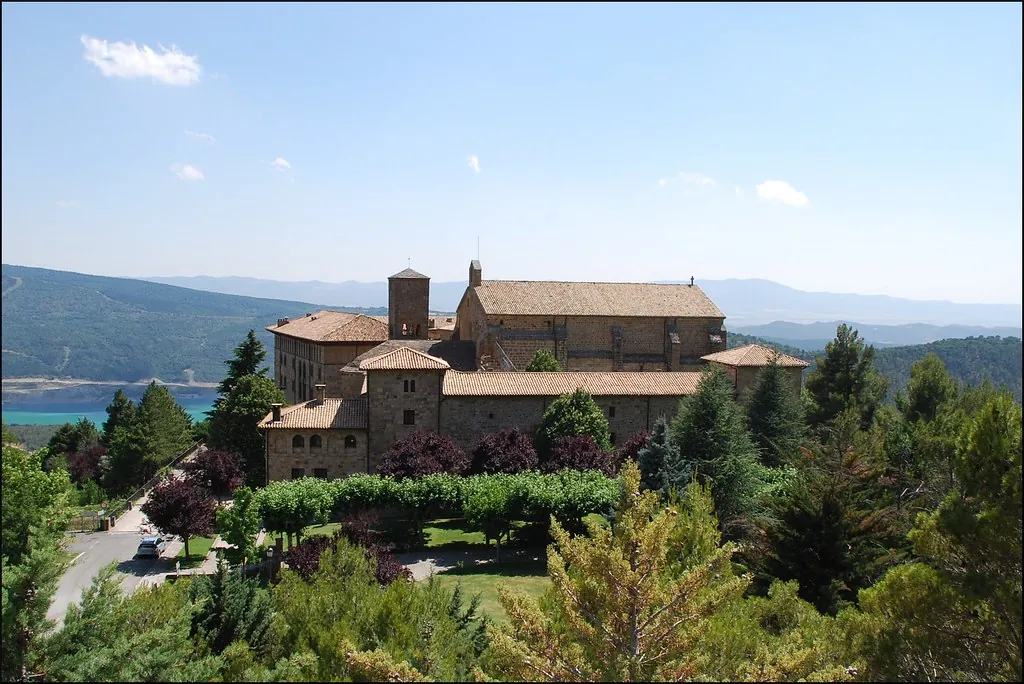
Vista aérea de Urroz-Villa
Instituto Geográfico Nacional · CC-BY 4.0 scne.es
Navarra · Kingdom of Diversity

Urroz-Villa

The parish church clock strikes noon before the bar has even thought of opening. That tiny delay tells you most of what you need to know about Urro...

175 inhabitants · INE 2025
526m Altitude

Why Visit

Ferial Square Craft fairs

Best Time to Visit

summer

Fairs (November) noviembre

Things to See & Do
in Urroz-Villa

Heritage

  • Ferial Square
  • Church of the Assumption

Activities

  • Craft fairs
  • Historical tour

Festivals
& & Traditions

Fecha noviembre

Ferias (noviembre)

Las fiestas locales son el momento perfecto para vivir la autenticidad de Urroz-Villa.

Full Article
about Urroz-Villa

Town with a huge fairground—one of Navarre’s largest—medieval architecture and traditional fairs.

Ocultar artículo Leer artículo completo

The parish church clock strikes noon before the bar has even thought of opening. That tiny delay tells you most of what you need to know about Urroz Villa: chores still outrank commerce, and nobody rushes for a stranger’s timetable. At barely 400 souls and 526 m above the cereal plains of central Navarra, the village is high enough to soften July heat yet low enough to dodge winter snow-drifts that choke the Pyrenean passes 60 km north. The result is a year-round road that lorry drivers use as a short cut between the A-15 and the N-240, but which most tourists flash past on the way to flashier Sangüesa.

Stop anyway. The place repays a slow hour better than many headline pueblos repay a day.

Stone, brick and the smell of cut hay

Houses are a patchwork: ochre stone on older corners, rosy brick on 19th-century rebuilds, the occasional coat-of-arms tacked above a door to prove somebody once reached Havana and back. Nothing is “restored” in the heritage-industry sense; walls are simply kept wind-proof and whitewash is slapped on when the owner has time. Walk the single main street east–west and you will pass more tractors than souvenir shops—one, in fact, because there are no souvenir shops. The only retail outlet is a corner supermarket the size of a London newsagent, open 09:00-13:30, 17:00-20:00, closed Sunday afternoon. If you need oat milk or gluten-free pasta, buy it in Pamplona before you leave.

Half-way along, the squat tower of San Martín de Tours breaks the roofline. Step inside and the temperature drops five degrees. The retablo is folk-art rather than fine-art—gilded pine, painted by jobbing craftsmen in the 1700 s—yet the colours are still sharp enough to make you understand why local families saved up for extra blue pigment. The door is normally unlocked; if not, the key hangs in the presbytery house two doors down, a trust system that works because everybody knows whose grandfather carved the lock in the first place.

A square too big for its village

Emerging from the church you spill into the Plaza del Ferial, an expanse of cobbles big enough for a bull-run yet used mostly for five-a-side football. British cyclists on the Camino like to sit here with a caña and watch Spanish children argue over goalposts while parents share a single cigarette—rural normality at its most photogenic. The only place to buy that beer is Asador Lizarraga, on the north side of the square. Inside, the menu is printed with photos so no-one has to mime “lamb chops” in front of a queue of truckers. A medio rack of grilled ribs (€12) feeds one hungry walker or two peckish spouses; the house wine comes in a porrón, but staff will pour a civilised glass if they sense porrón anxiety. They also do cashback—handy because the nearest cash machine is 11 km away in Aoiz.

Paths that forgive the unfit

Urroz Villa sits on a low ridge, which means views without vertigo. A signed 5-km loop, the Camino de la Cuesta, heads south across wheat fields, dips into a shallow valley of holm oak, then climbs gently back on a stone track wide enough for two abreast. trainers are fine; boots are overkill unless the ground is properly wet. Early risers get mist pooled in the folds of land, and the sun lifting it like a lid. The circuit takes 75 minutes at dawdle speed, 55 if you’re trying to reach Sangüesa for elevenses. For something shorter, follow the lane behind the cemetery for ten minutes: the village shrinks, the plateau widens, and you can see the Pyrenees floating white on the horizon while a harvester buzzes the size of a ladybird below.

Winter changes the deal. Daytime highs sit around 8 °C, but the road stays open even when the AP-15 is closed by lorries jack-knifing on black ice. January and February bring knife-sharp winds that whistle through the single-glazed bar windows; the upside is empty paths and hotel prices that drop to €35 for a double with breakfast. Come March the first almond blossom appears, and by late April the stubble fields turn emerald—arguably the prettiest window, and still quiet before Spanish schools break up.

Beds, buses and bad timing

There are two legitimate places to sleep. Hostal Lizarraga has eight rooms above the restaurant, all refurbished in 2022: heated floors, decent shower pressure, Wi-Fi that actually reaches the bedrooms. Doubles €60 mid-week, €70 at weekends, breakfast €6 extra. The municipal albergue on Calle Nueva charges €6 for a bunk, 12 beds, clean sheets, hot water, no Wi-Fi. You collect the door code from the Guardia Civil office in Aoiz—an anecdote that plays well back home. Both fill up on local fiesta weekends (mid-Nov and second weekend of Aug) when descendants of emigrants flood back from Pamplona and Bilbao. Book, or be ready to drive on to Sangüesa.

Public transport exists but prefers not to be relied upon. The Pamplona–Aoiz line runs hourly Monday-Saturday; from Aoiz a minibus trundles the last 11 km three times a day—08:15, 13:30, 19:45. Miss the last and a taxi costs €18. Sunday service is zero; if you’re car-free, treat the village as a weekday halt or walk the 9 km on the farm track from Aoiz (2 hrs, mostly flat).

What you will not find

Gift shops, bike hire, tasting menus, craft beer, night-life. Crowds arrive only on 11 November for the fiesta de San Martín: roast chestnuts, communal bean stew, a modest firework that sounds like a stapler in a bin. August’s feria is brasher—foam machine for kids, chart hits echoing off stone—but even then the decibel count is lower than a British village fête. If it rains hard, entertainment shrinks to watching the single traffic light blink amber. Bring a book, or talk to the bar owner about cereal prices.

Leaving without regret

Urroz Villa does not court the Instagram age. It offers instead a corrective to it: a place where the loudest sound at 15:00 is a swallow returning to its nest under the eaves of the ayuntamiento. Treat it as a palate cleanser between the cathedral cities—an overnight pause where you can wash socks, eat honest lamb, and walk a loop that reminds you Navarra is farmland before it is theme park. Stay one night, maybe two if the weather is kind and you have a stack of unread paperbacks. Then point the car towards the Aragón gorge or back to Pamplona’s pintxo bars, restored by the modesty of a village that never asked to be anything more than itself.

Key Facts

Region
Navarra
District
Sangüesa
INE Code
31243
Coast
No
Mountain
No
Season
summer

Livability & Services

Key data for living or remote work

2024
Connectivity5G available
HealthcareHospital 10 km away
Housing~5€/m² rent · Affordable
CoastBeach nearby
Sources: INE, CNMC, Ministry of Health, AEMET

Official Data

Institutional records and open data (when available).

  • Crucero de Urroz
    bic Monumento ~1 km
  • Erroldan Arriya
    bic Monolito - Menhir ~0.9 km

Planning Your Visit?

Discover more villages in the Sangüesa.

View full region →

More villages in Sangüesa

Traveler Reviews